All producers
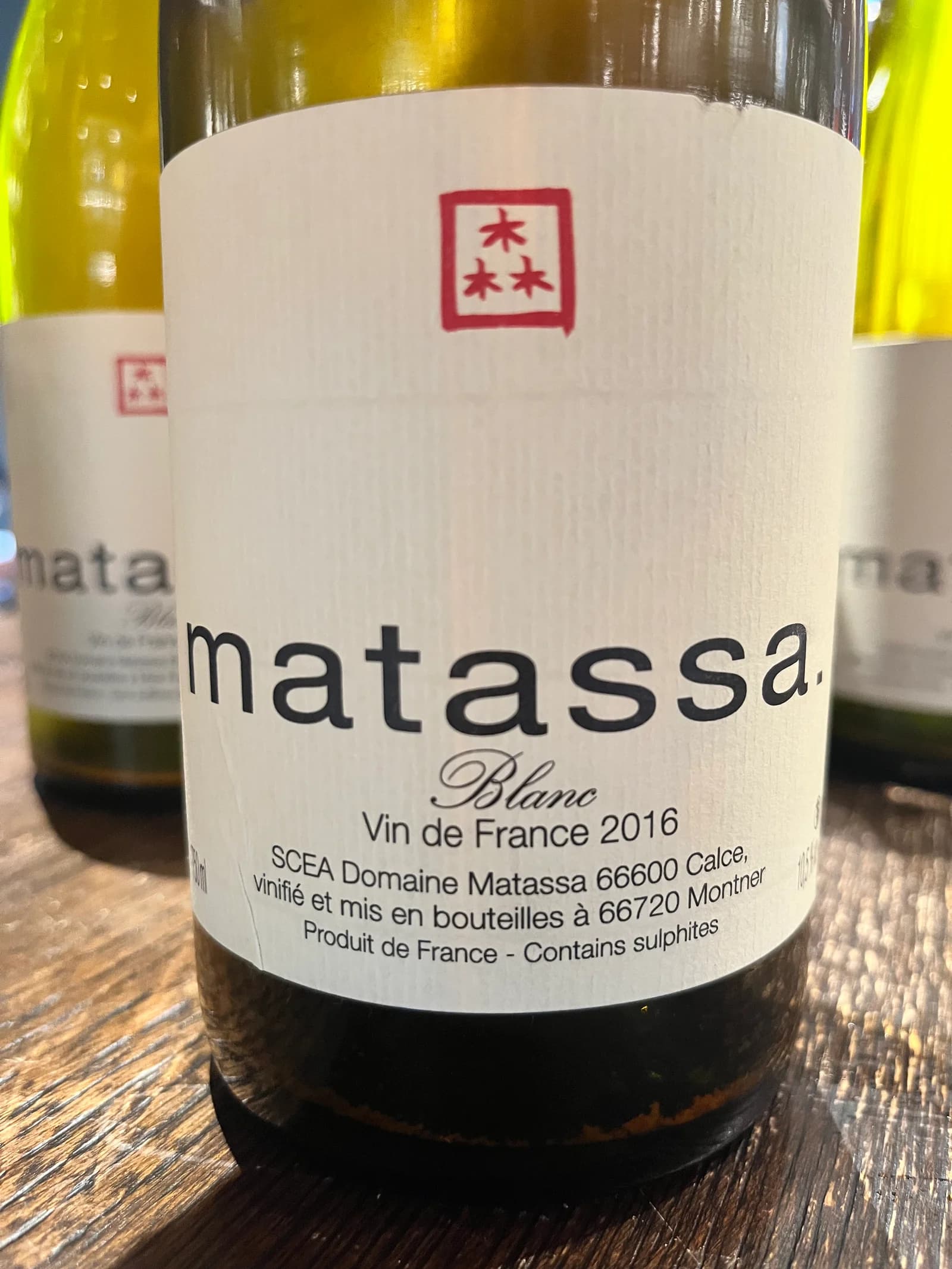
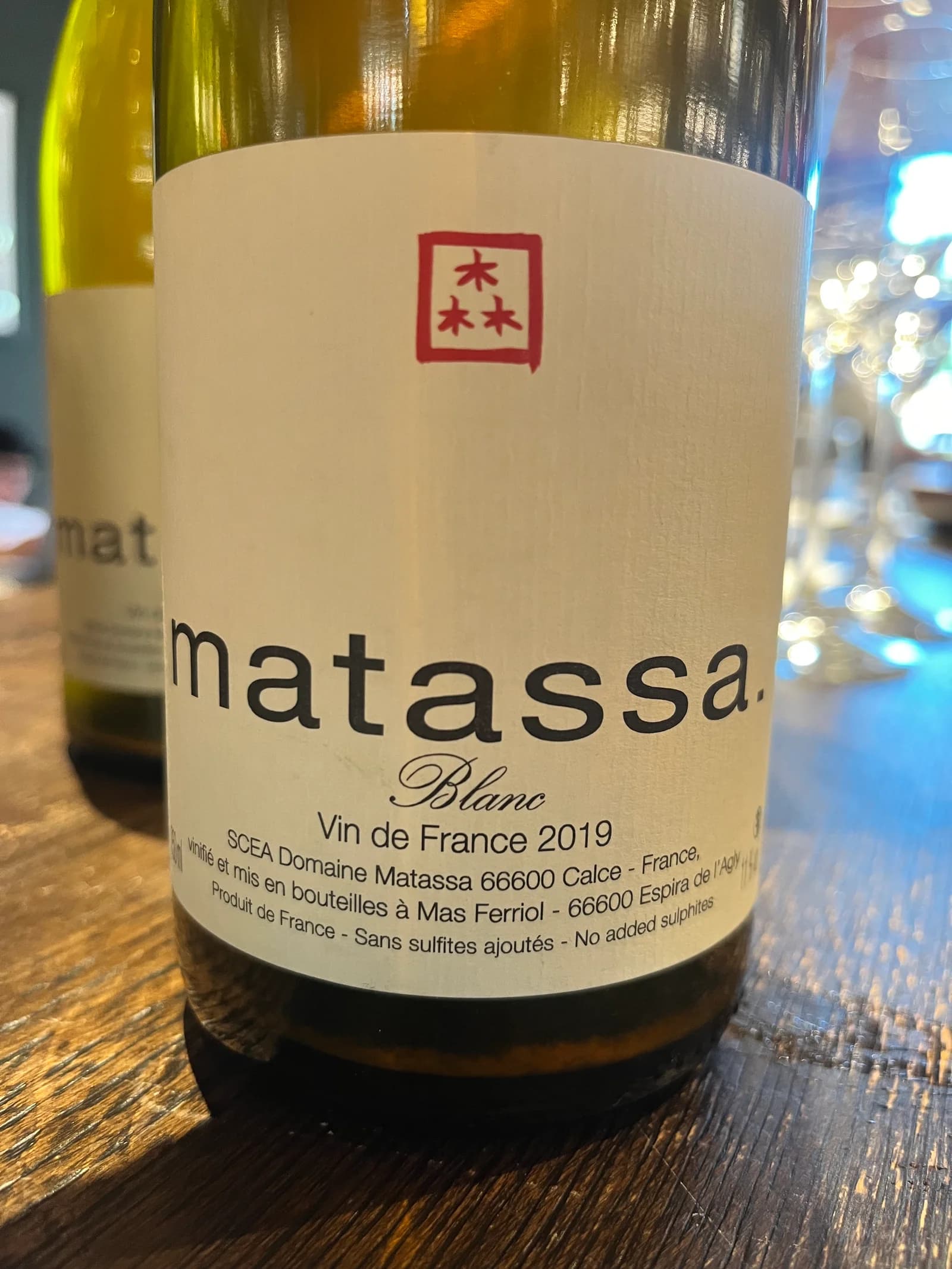
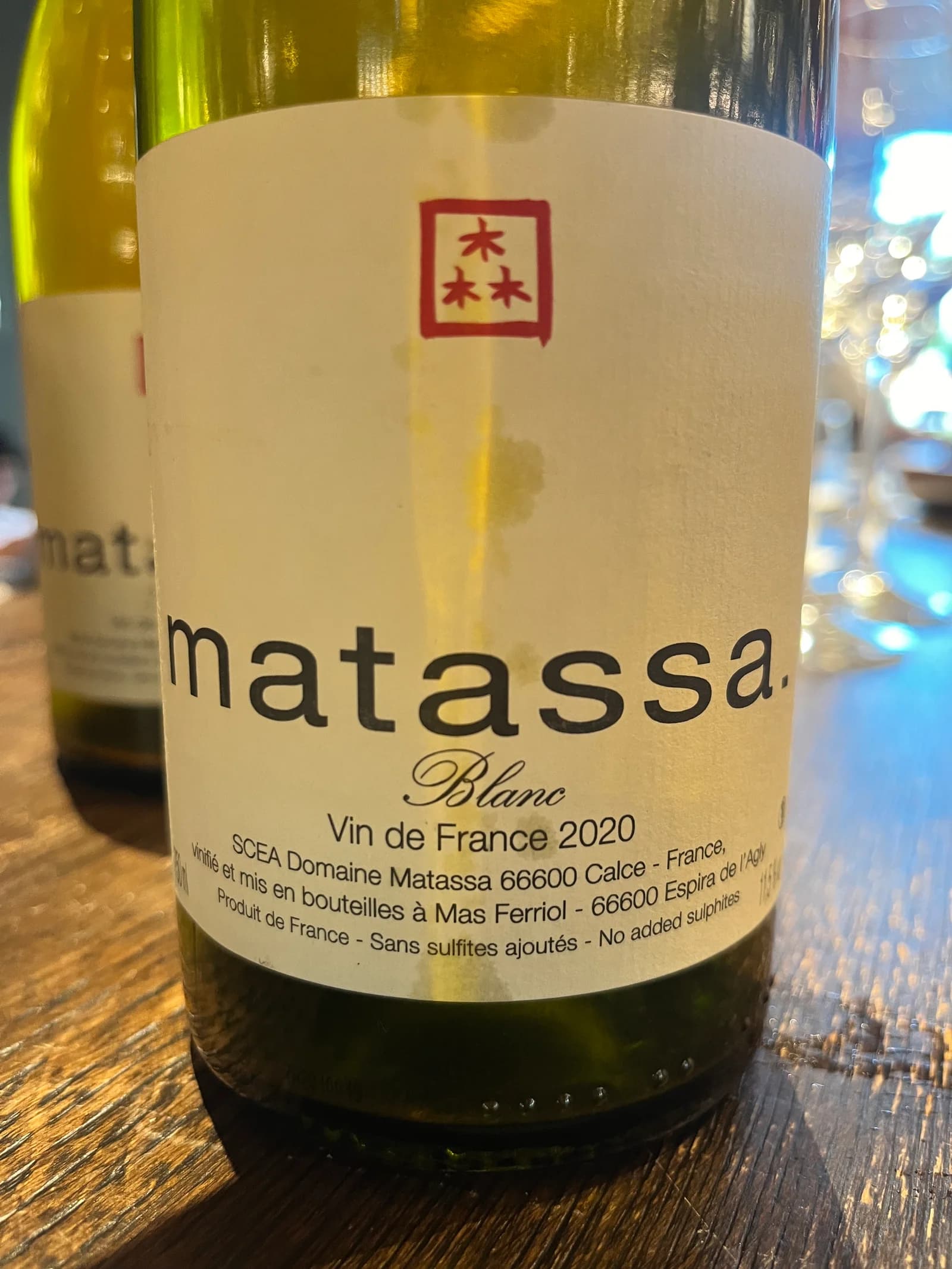
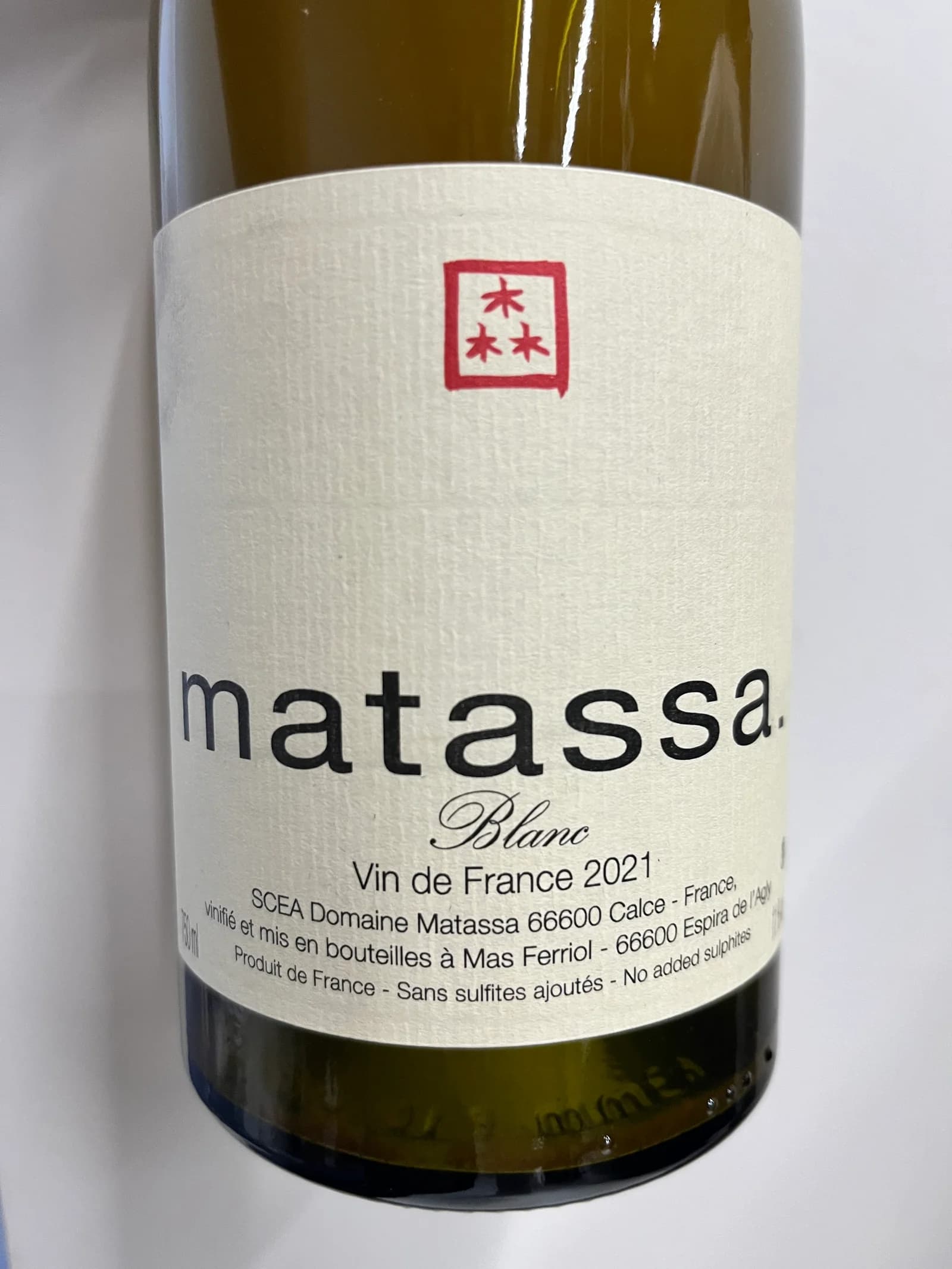


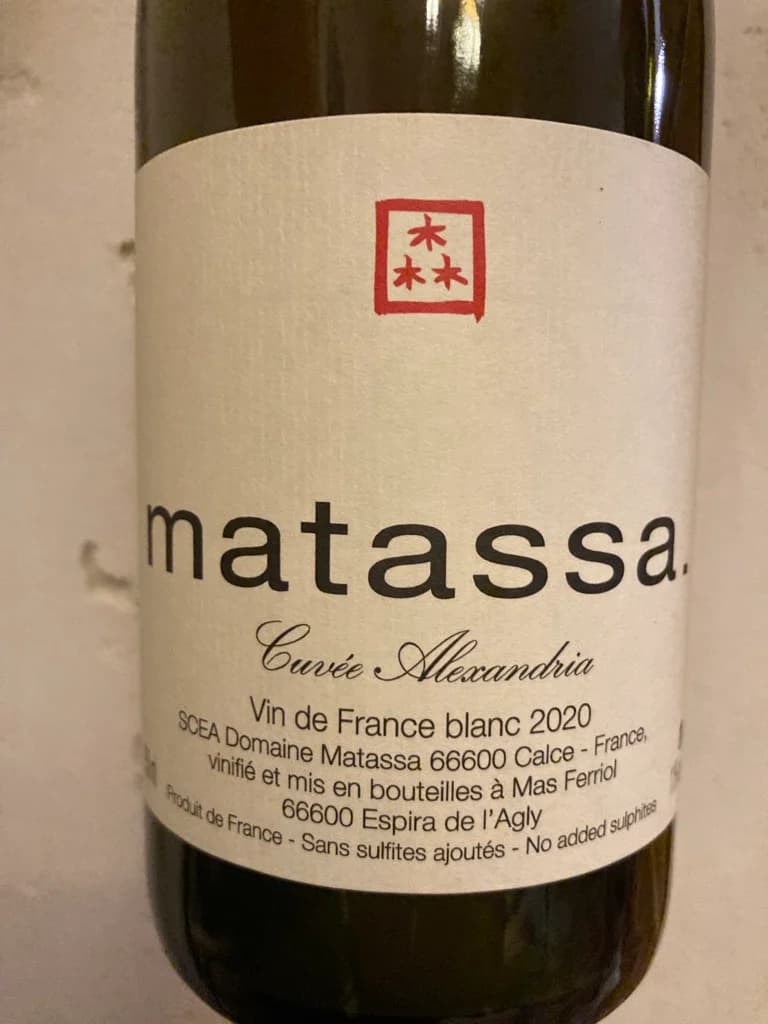
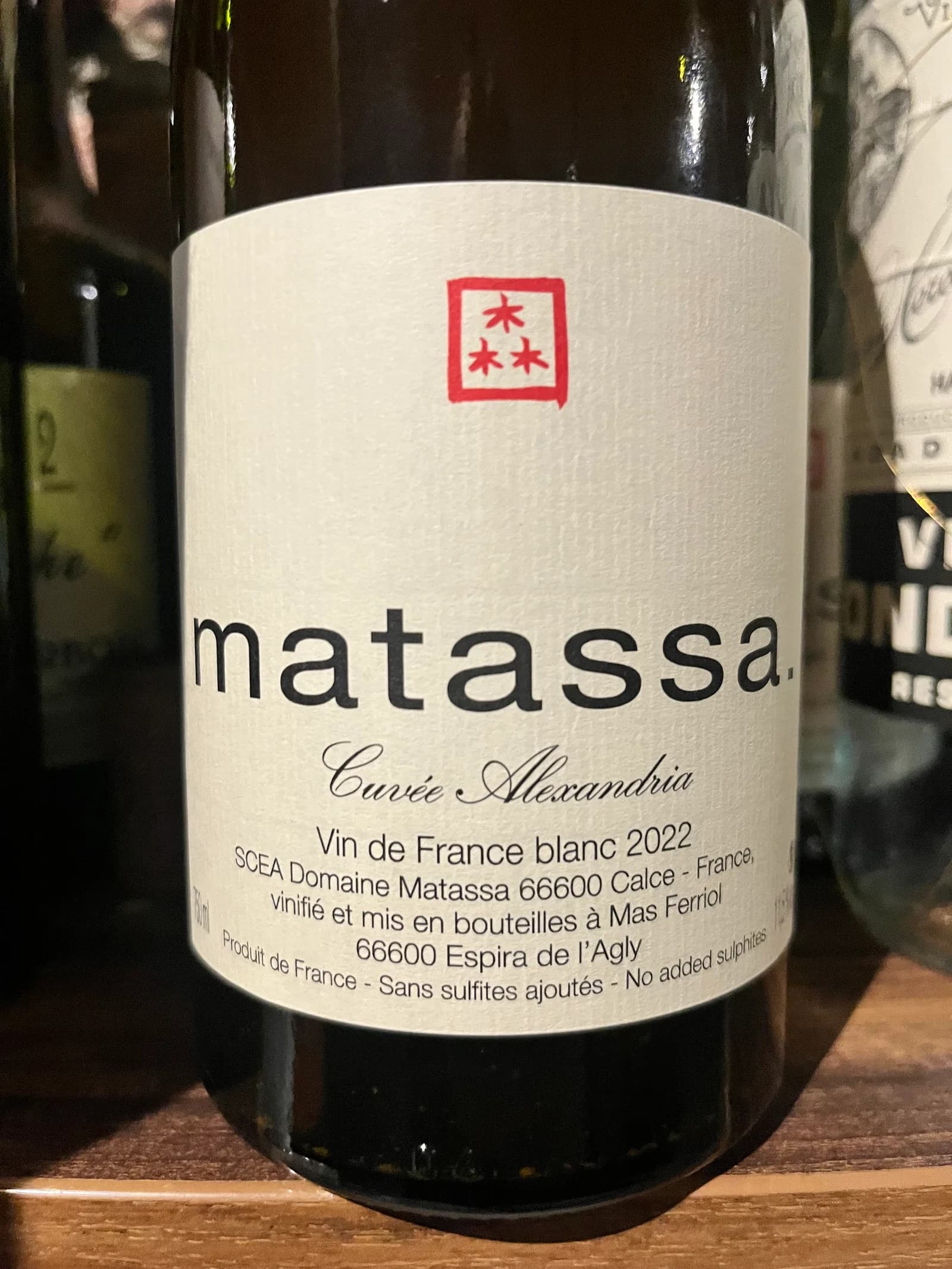
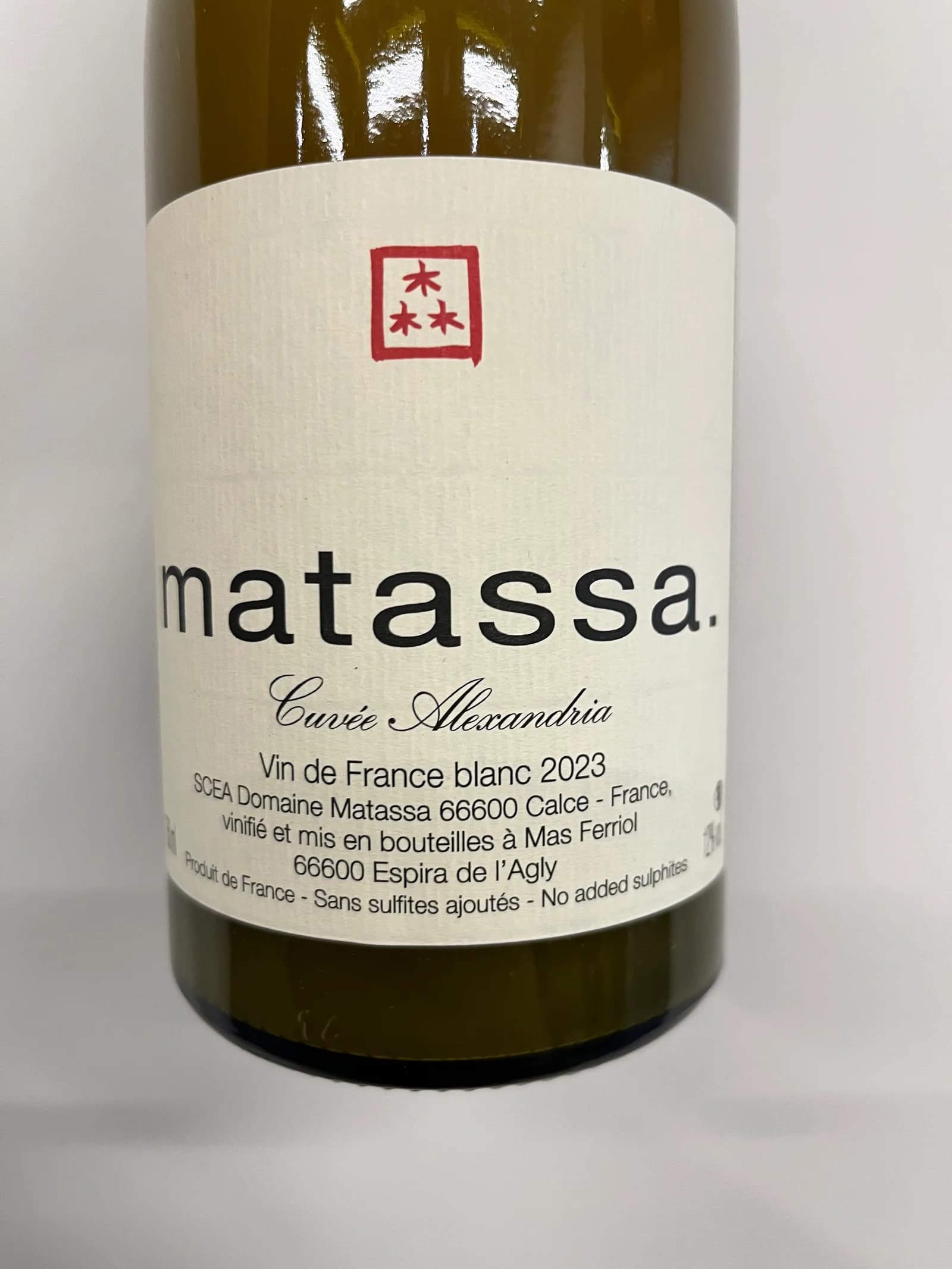
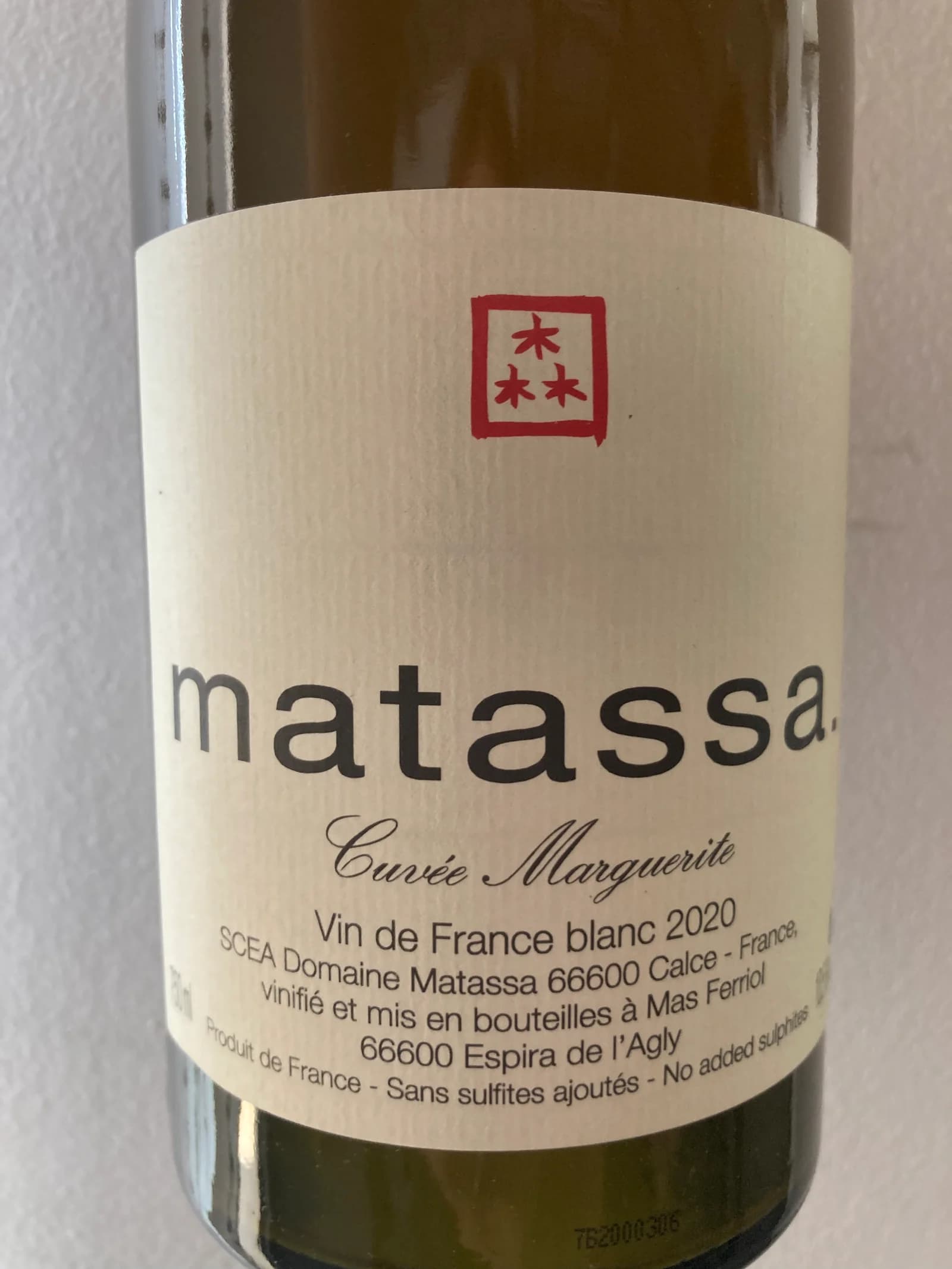
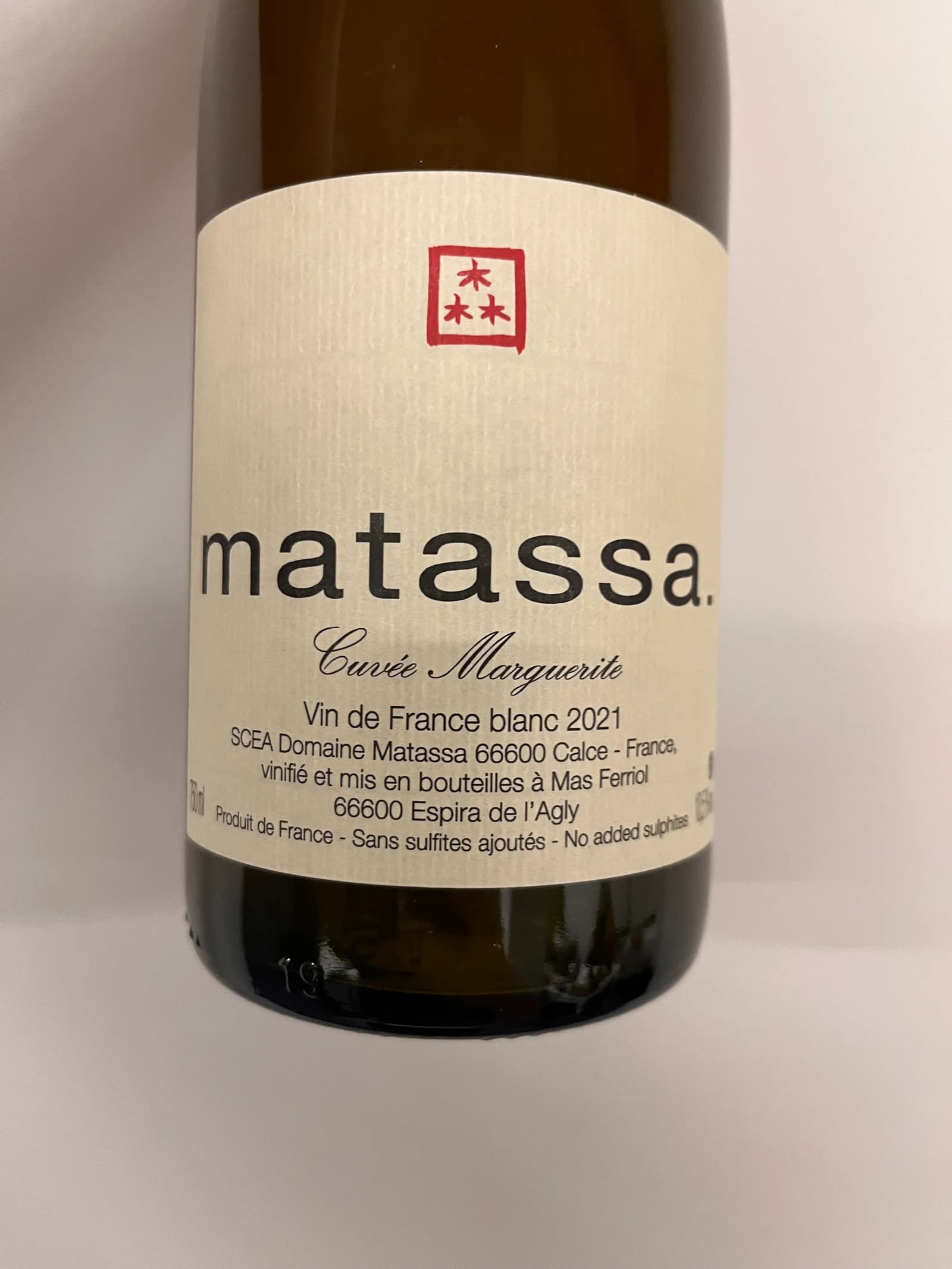
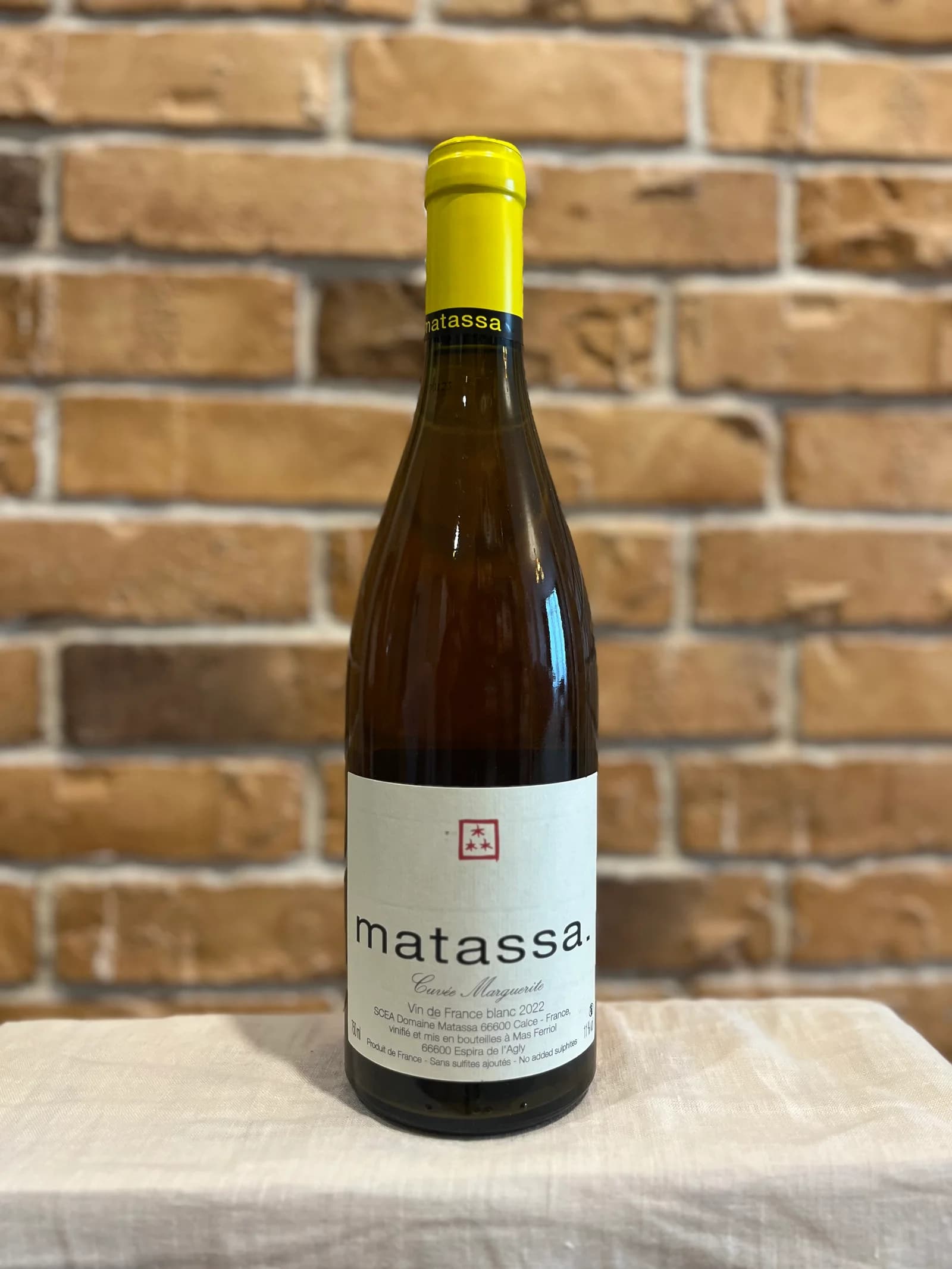
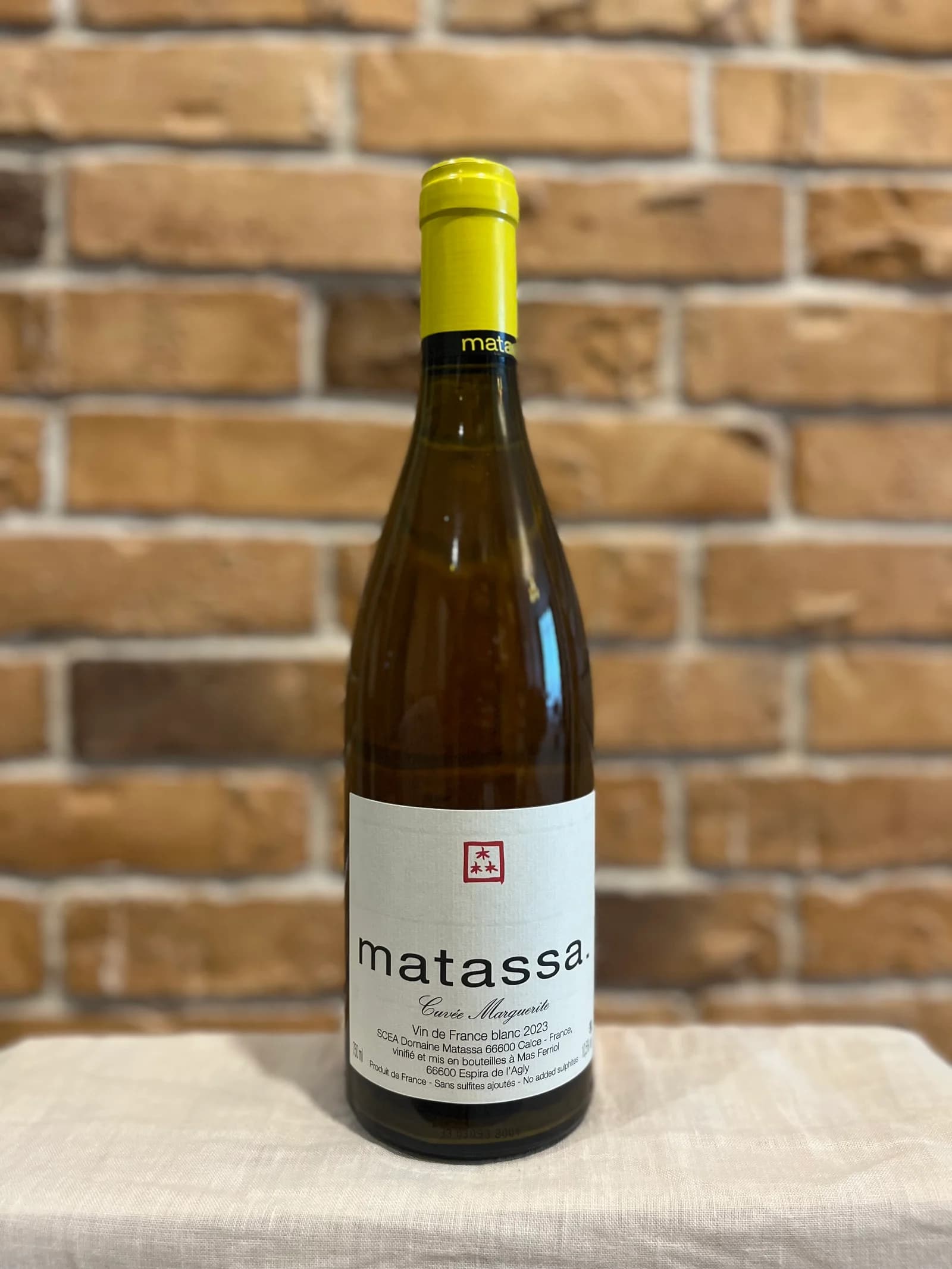
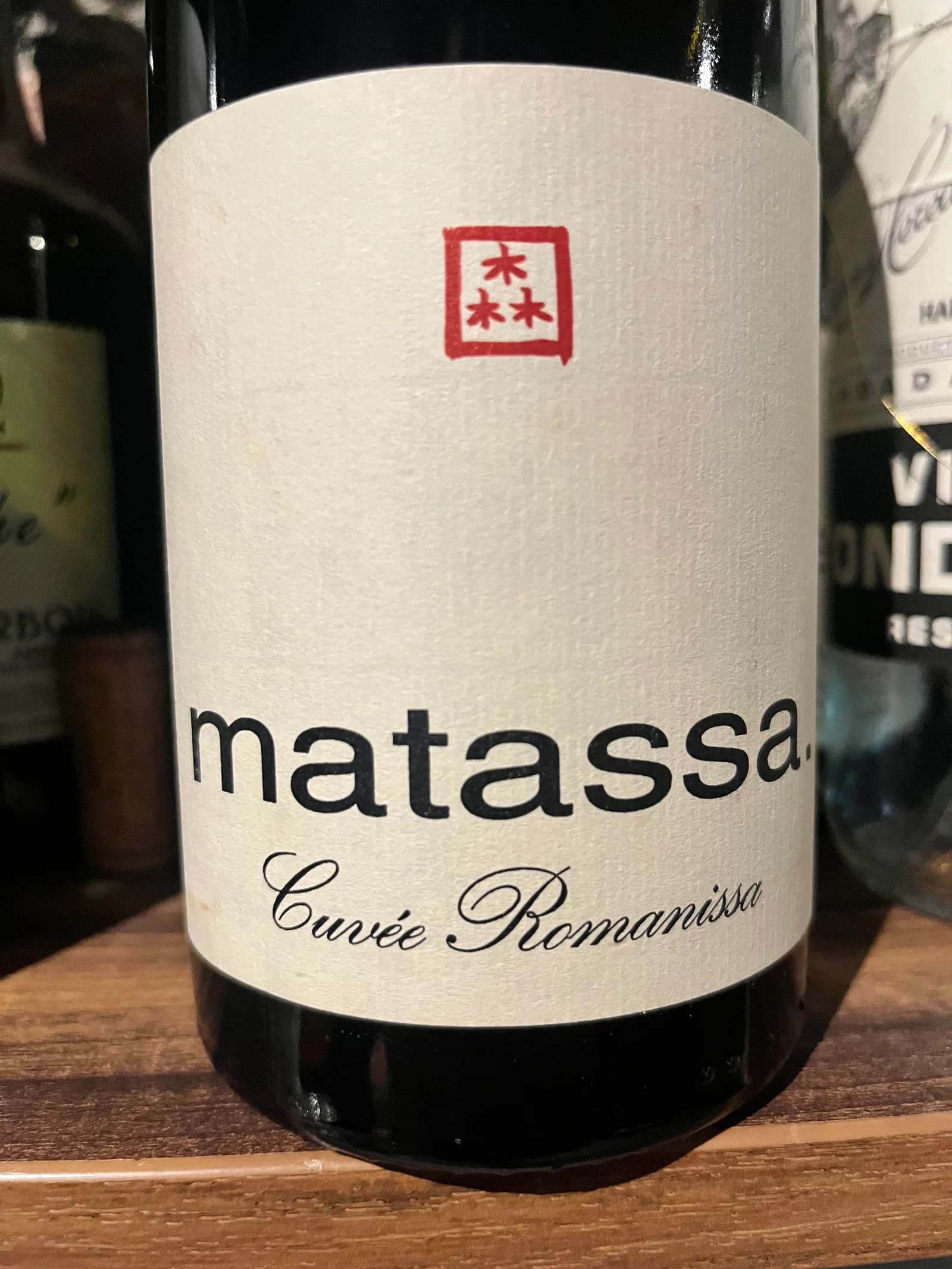
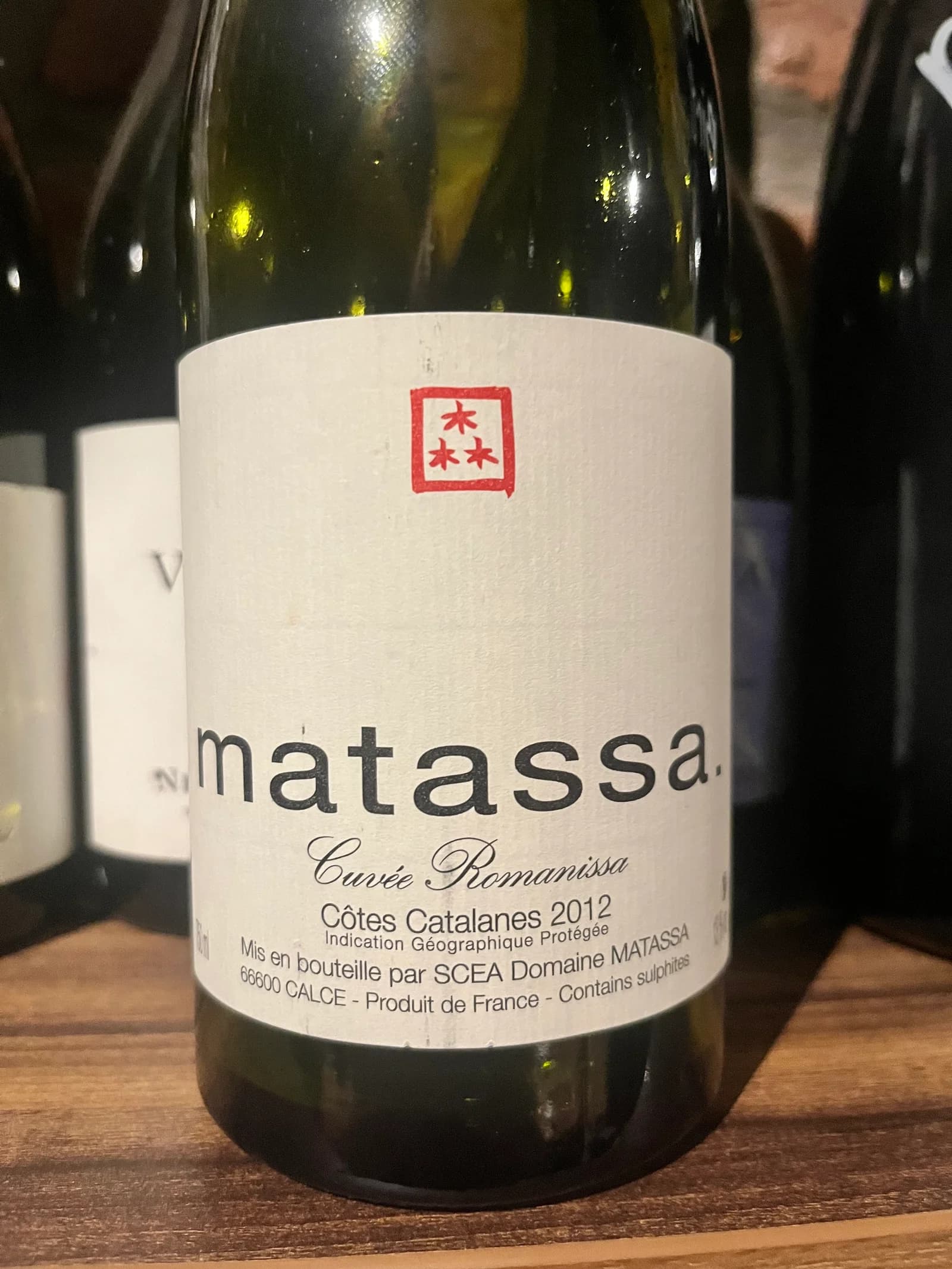
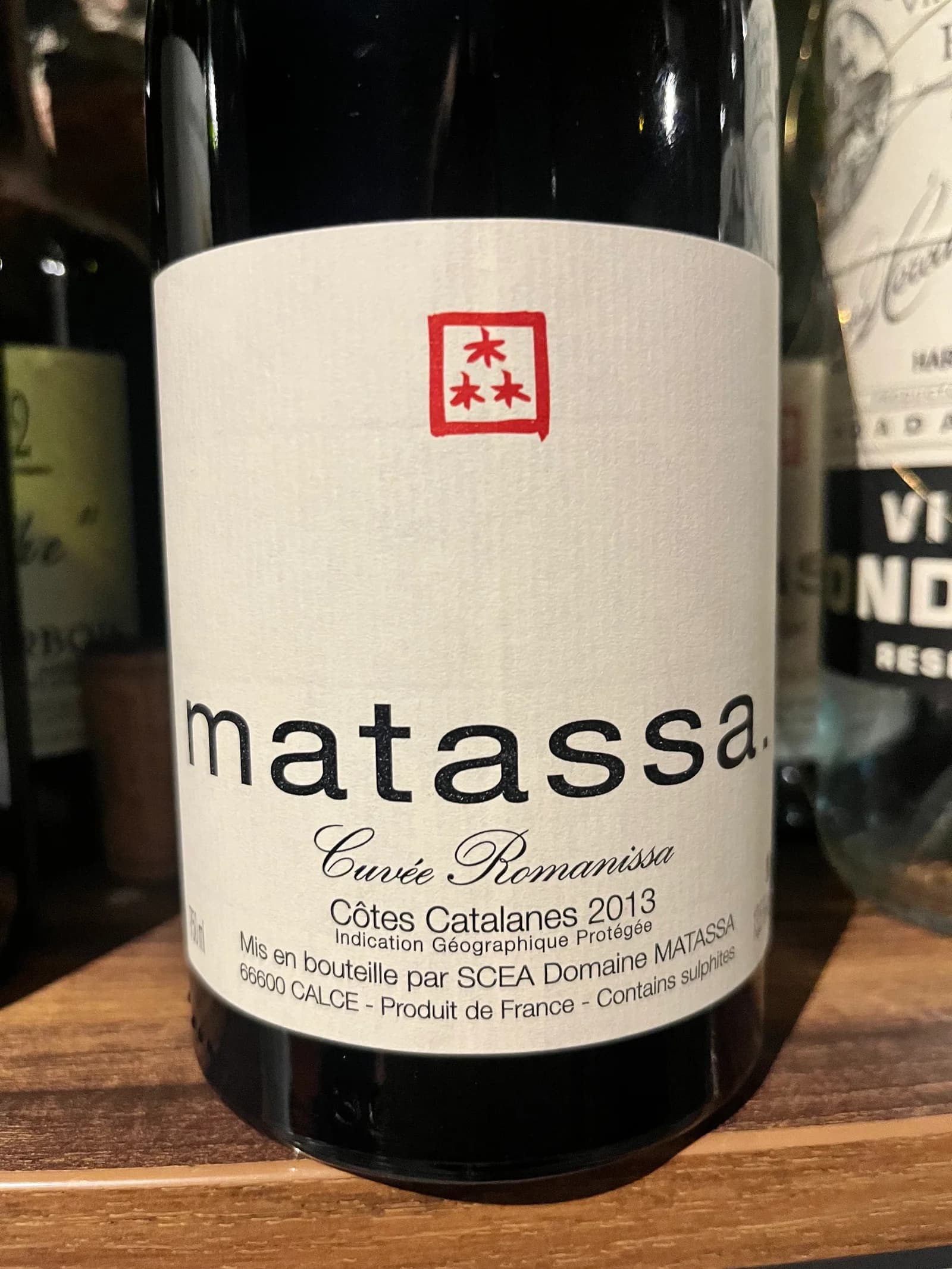
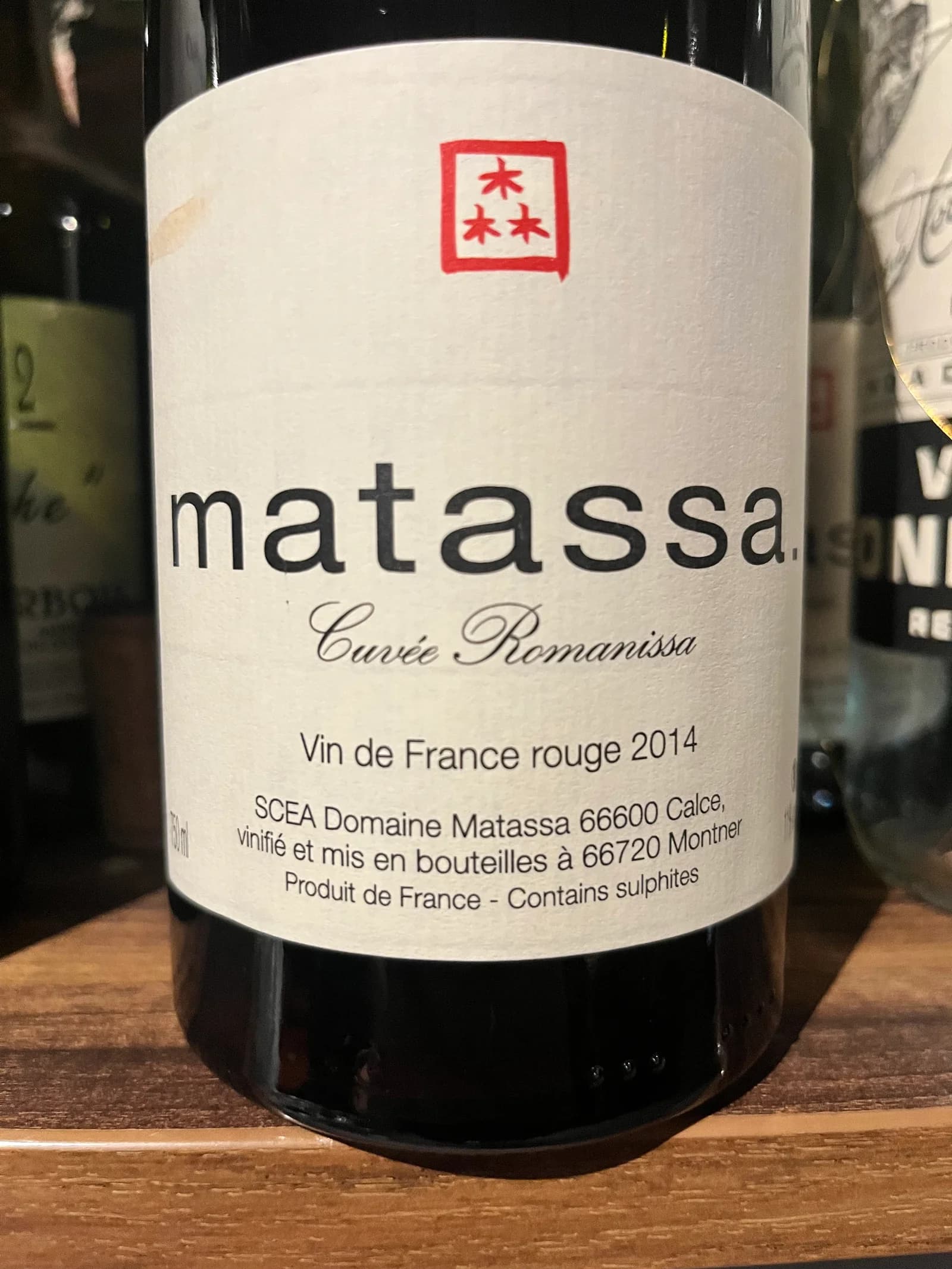
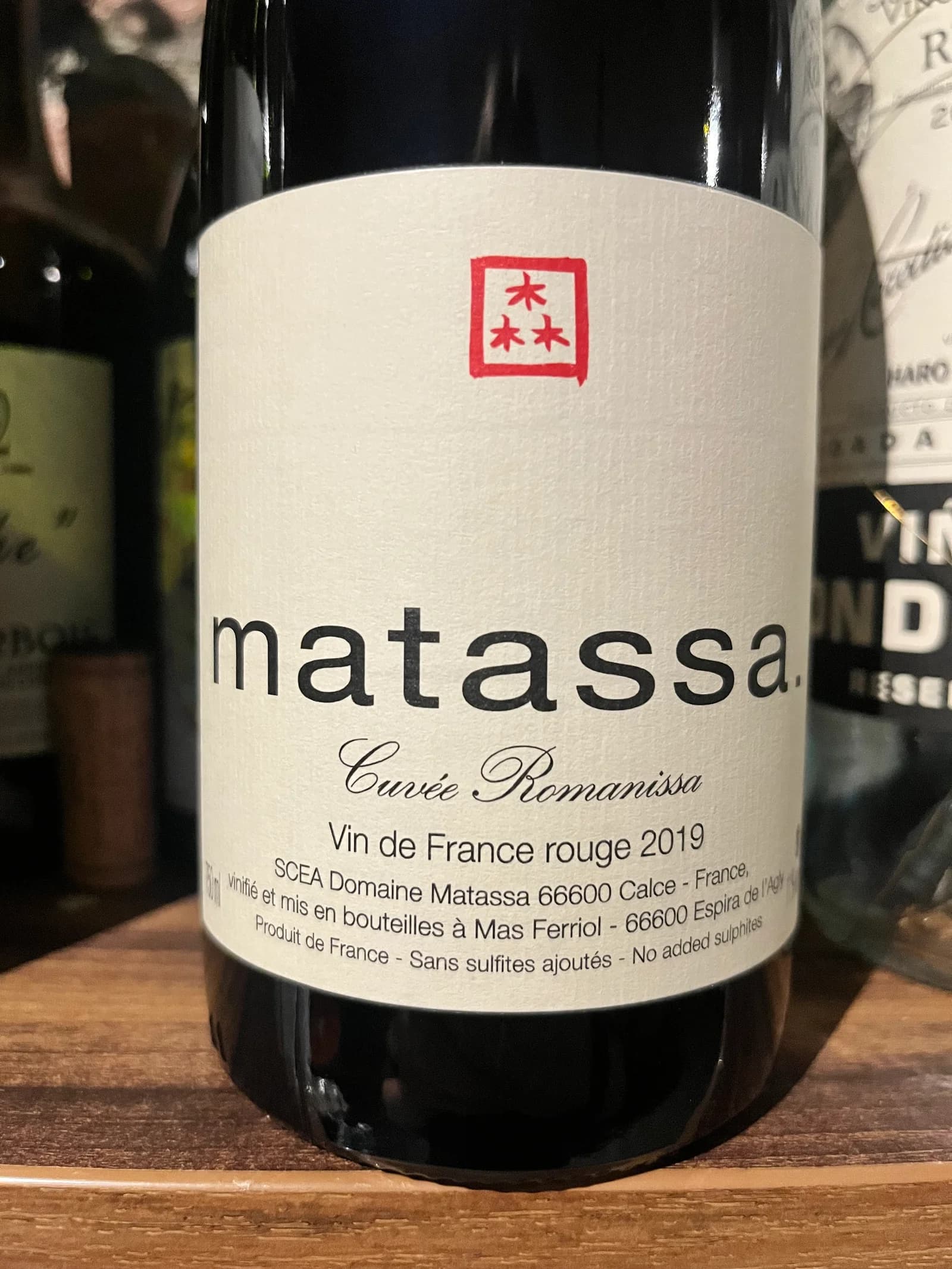
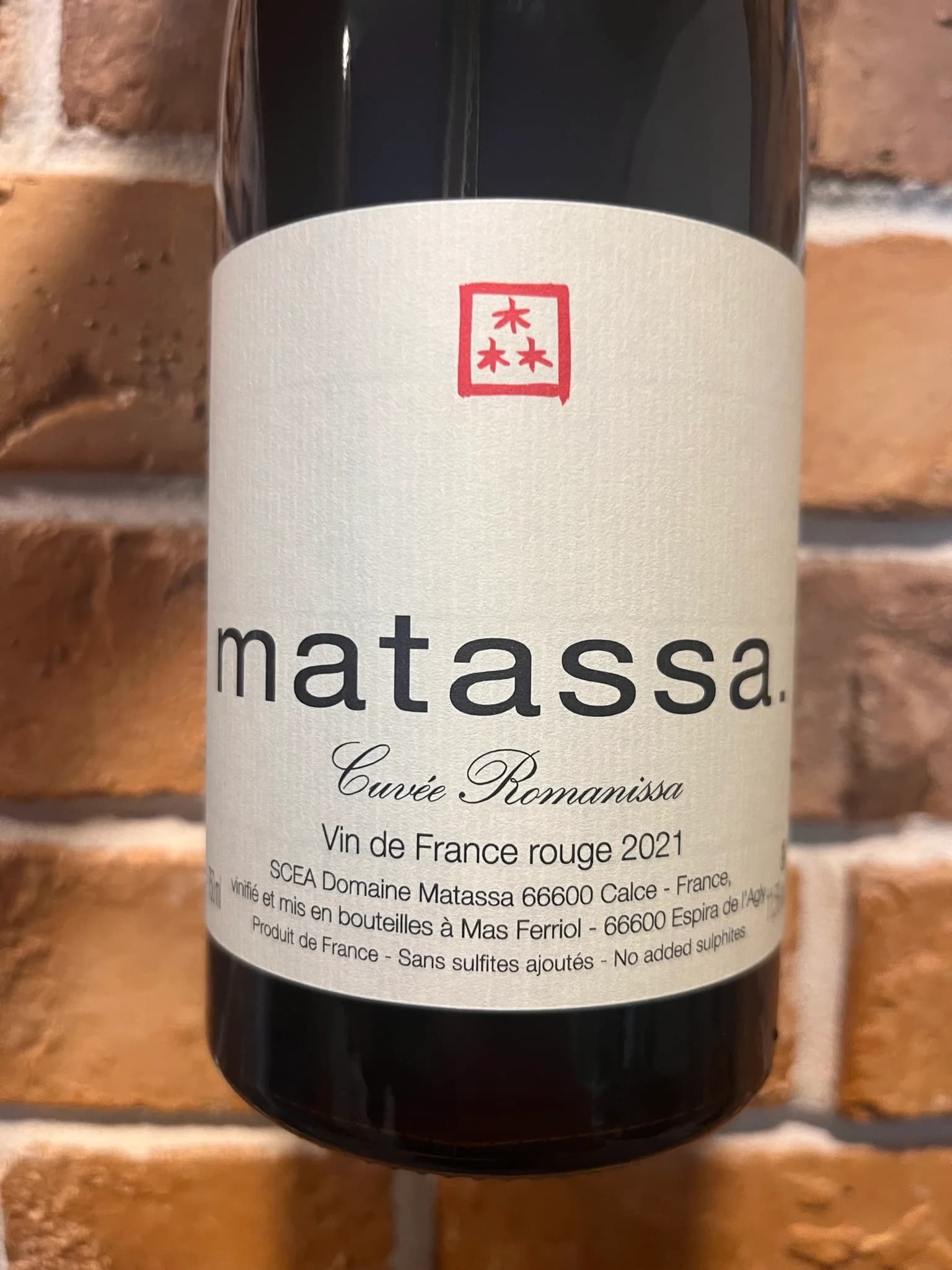
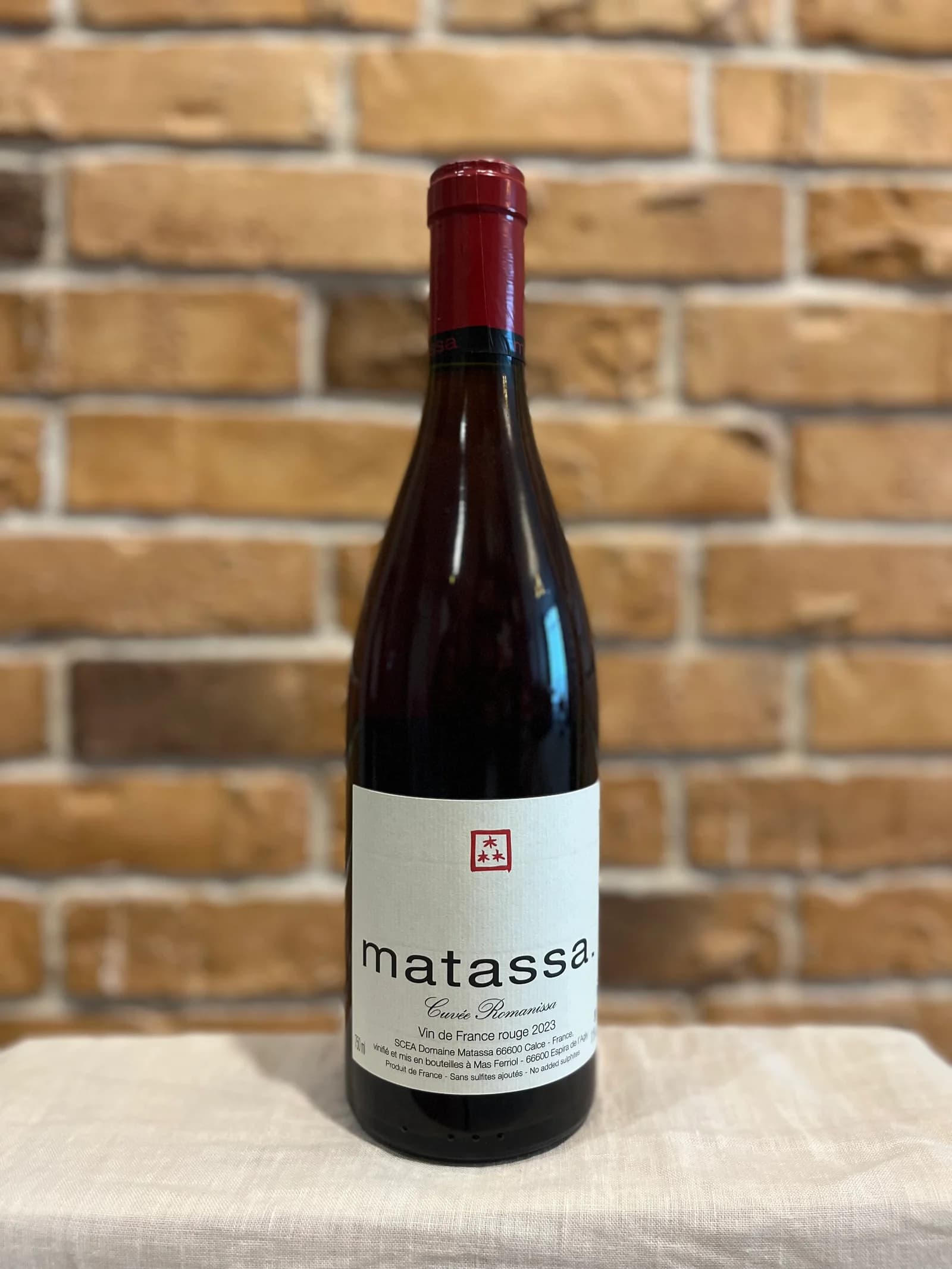
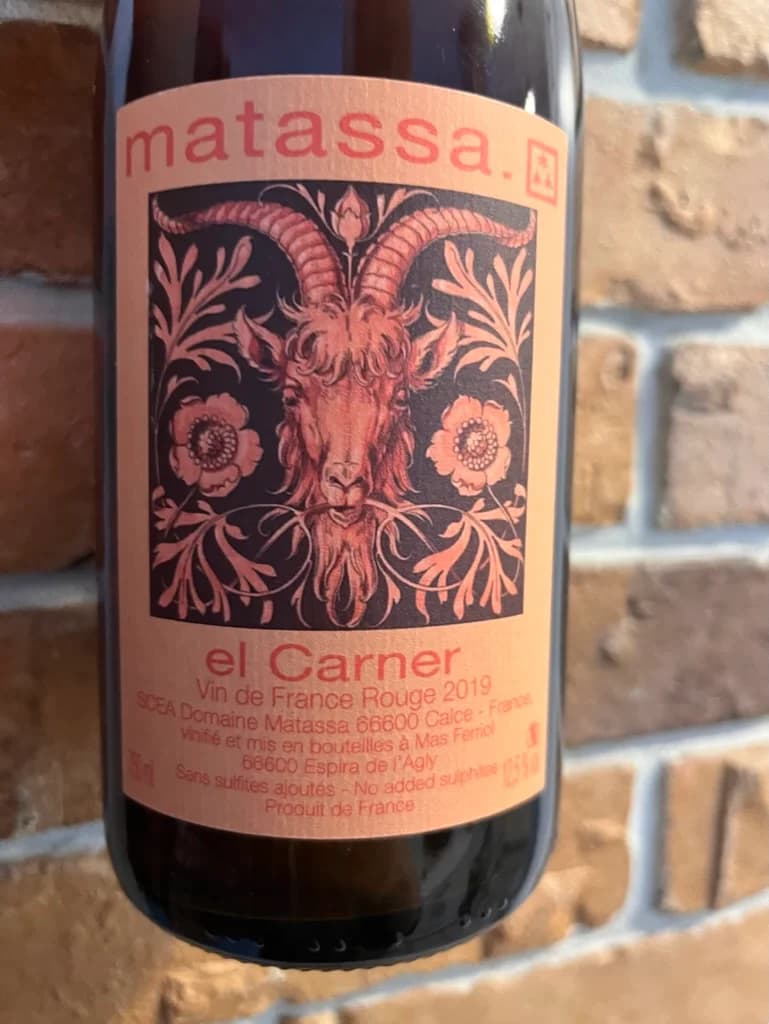
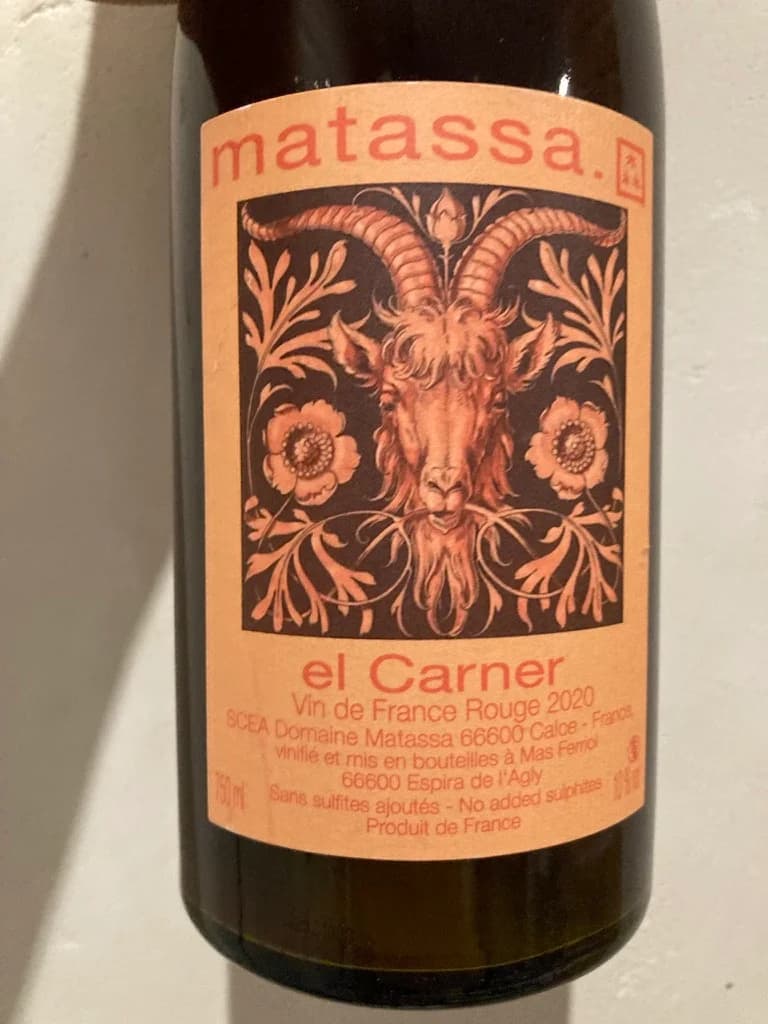
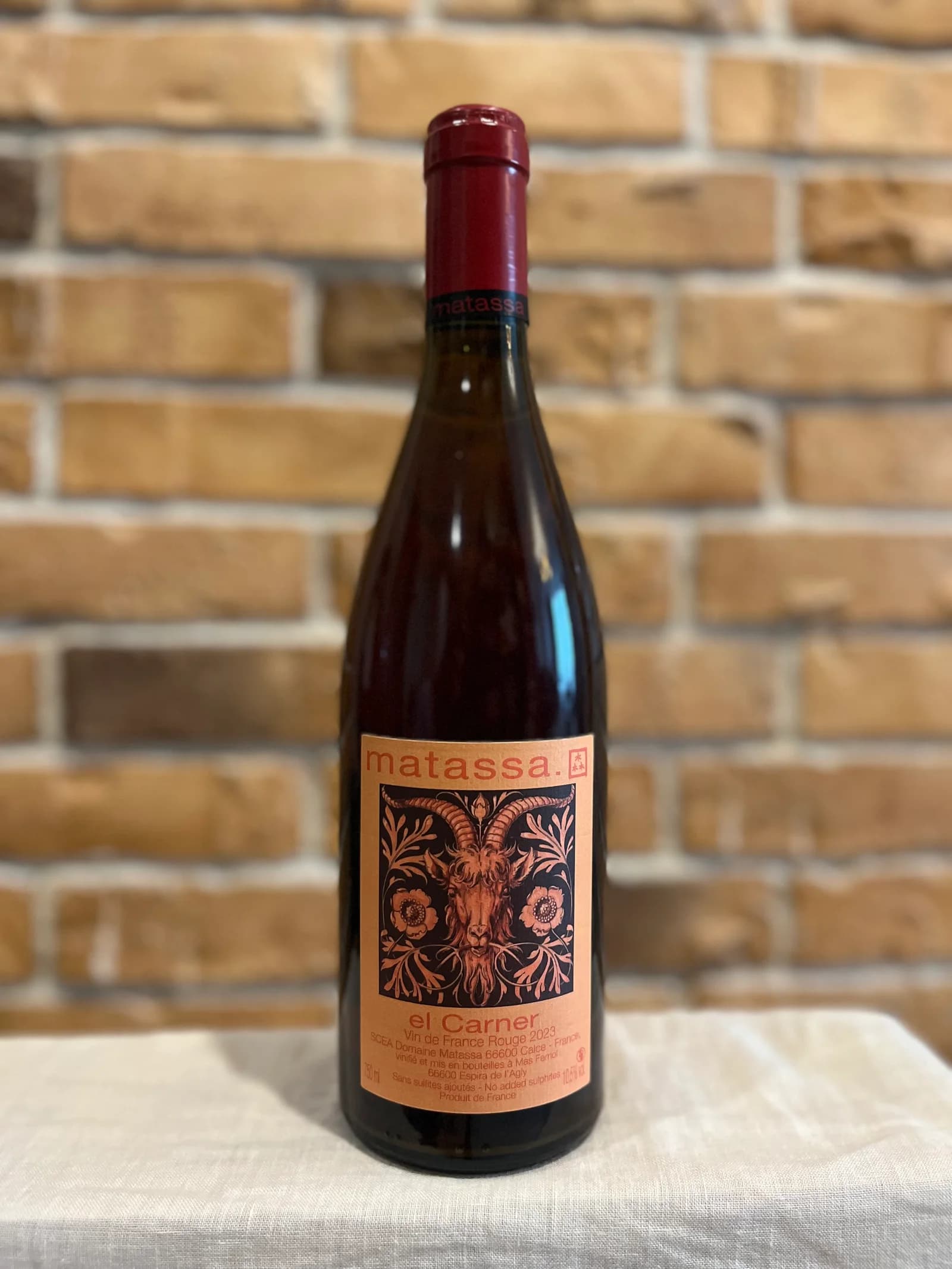
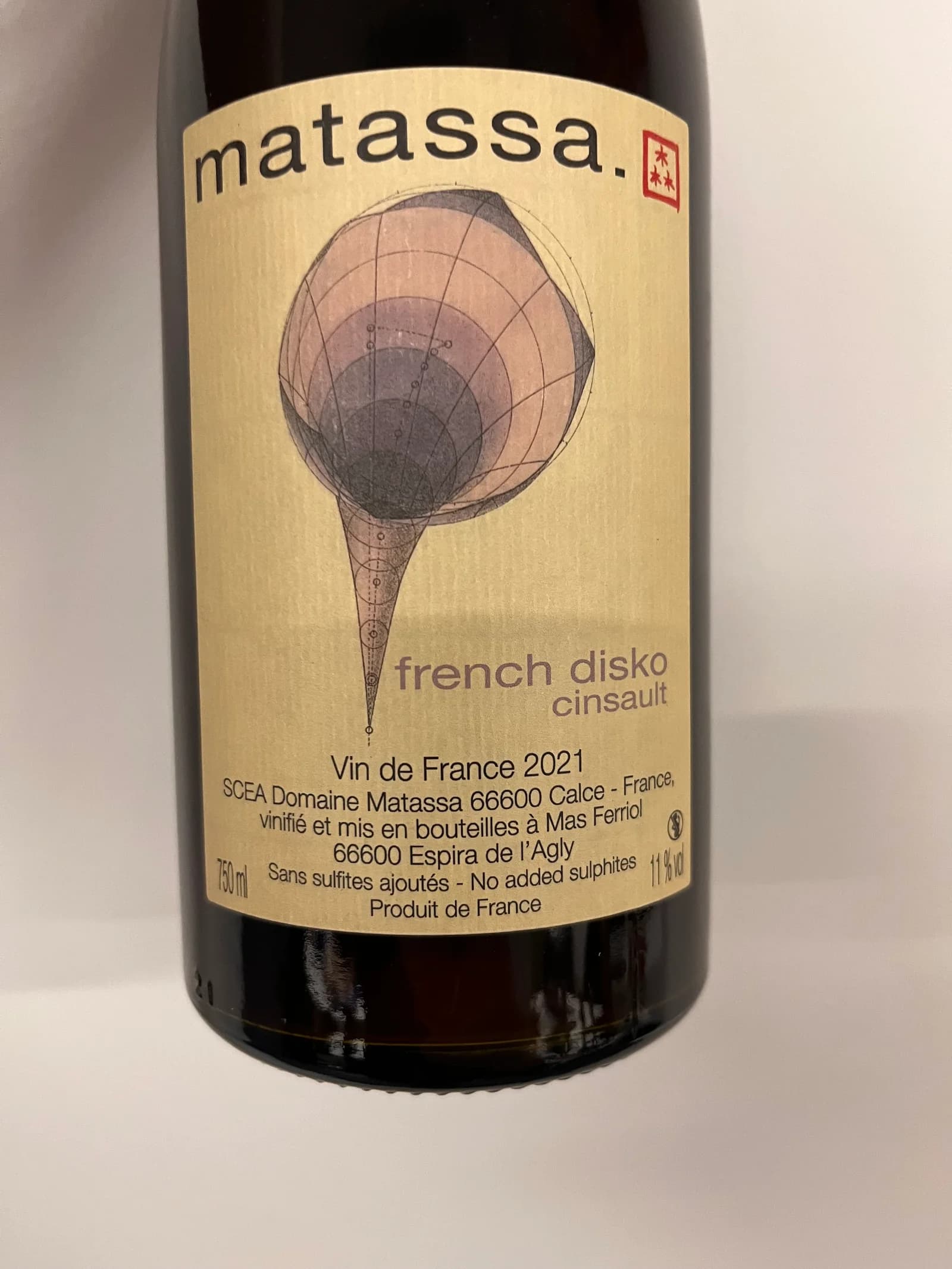
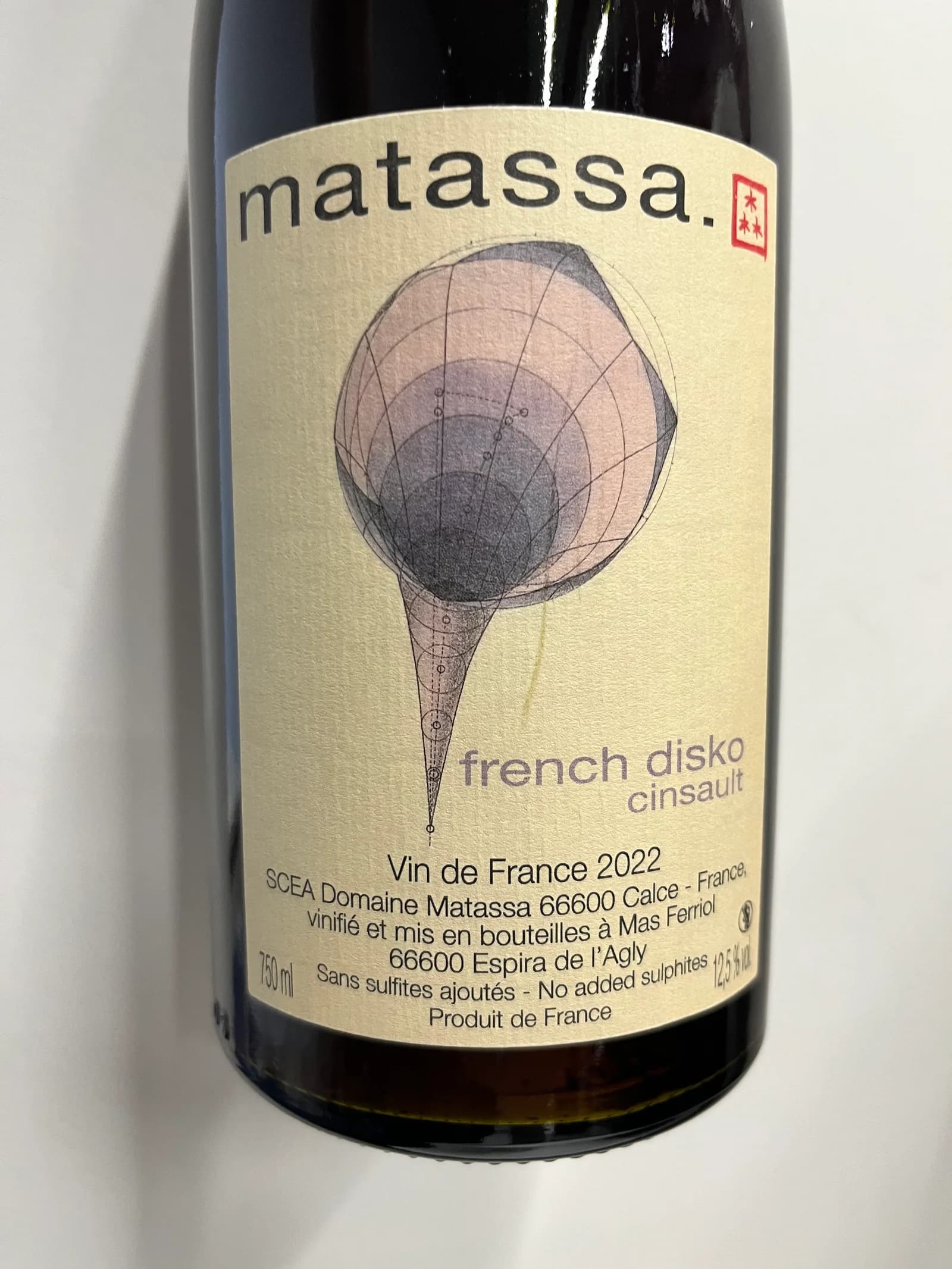
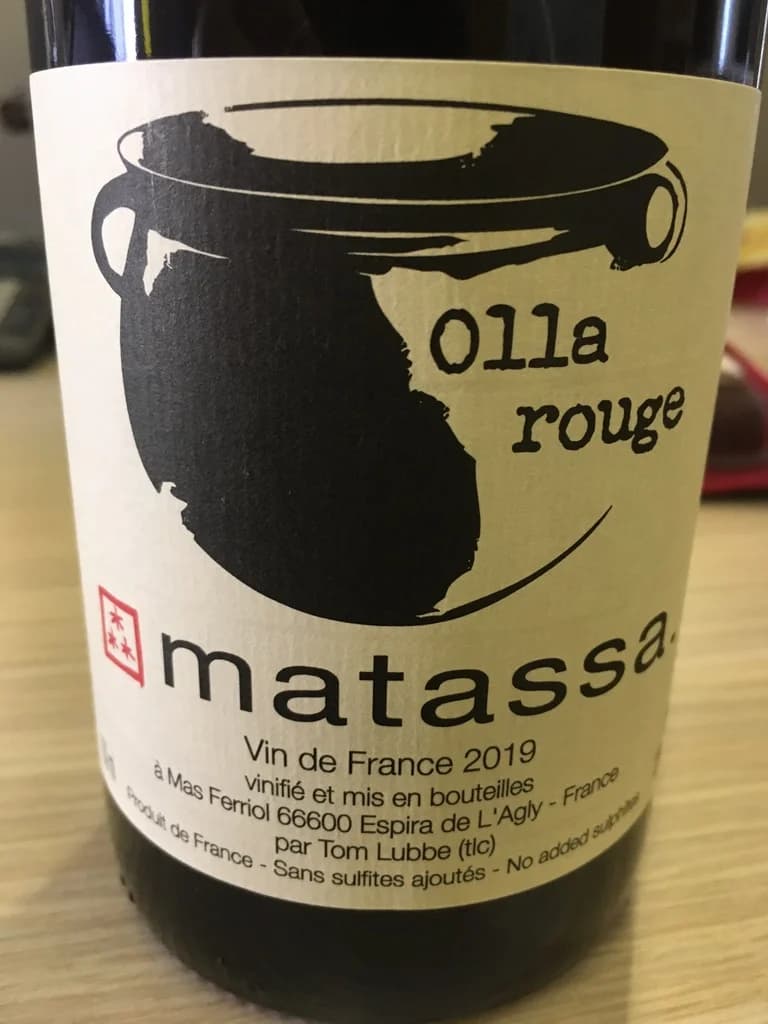
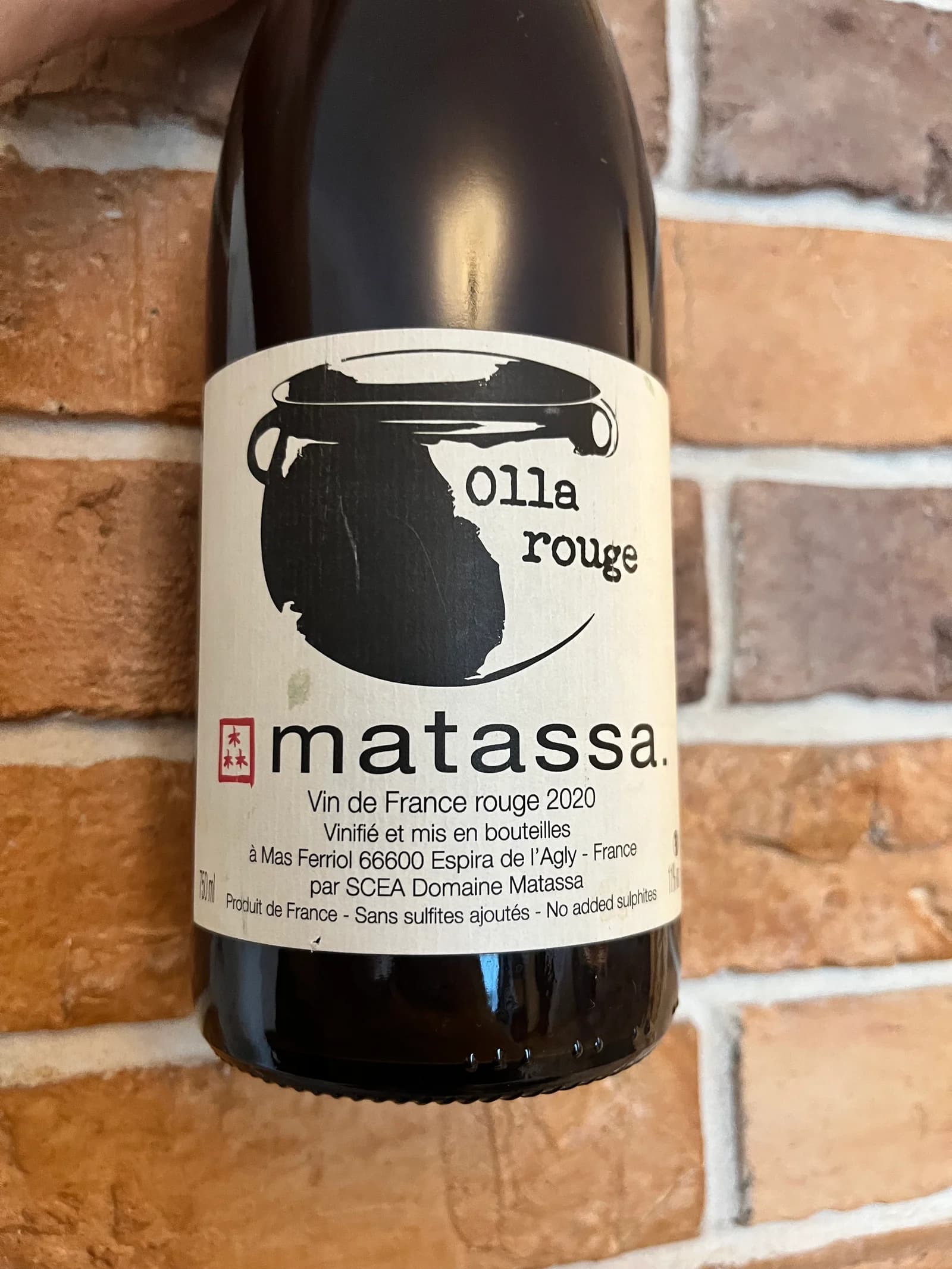
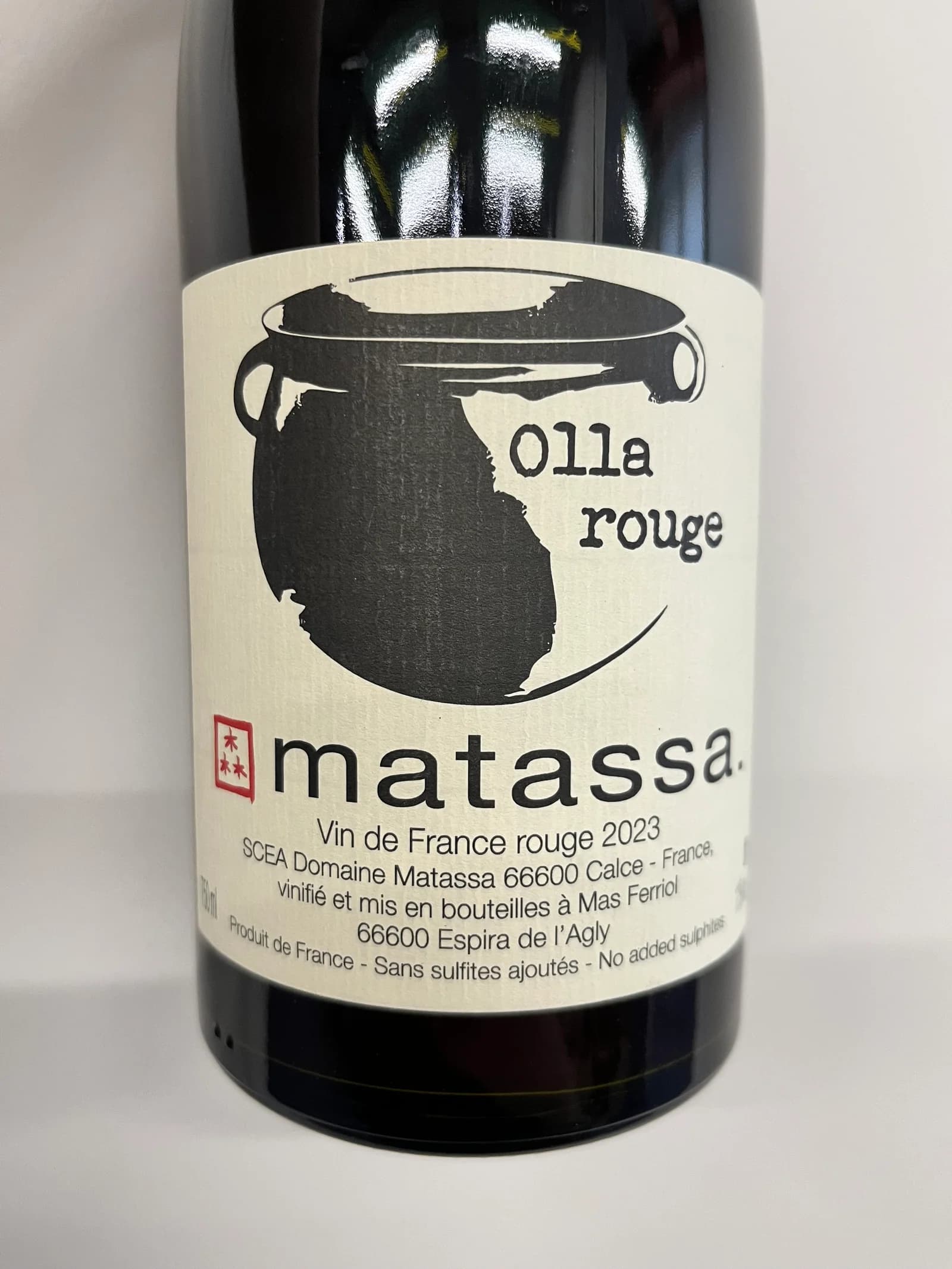
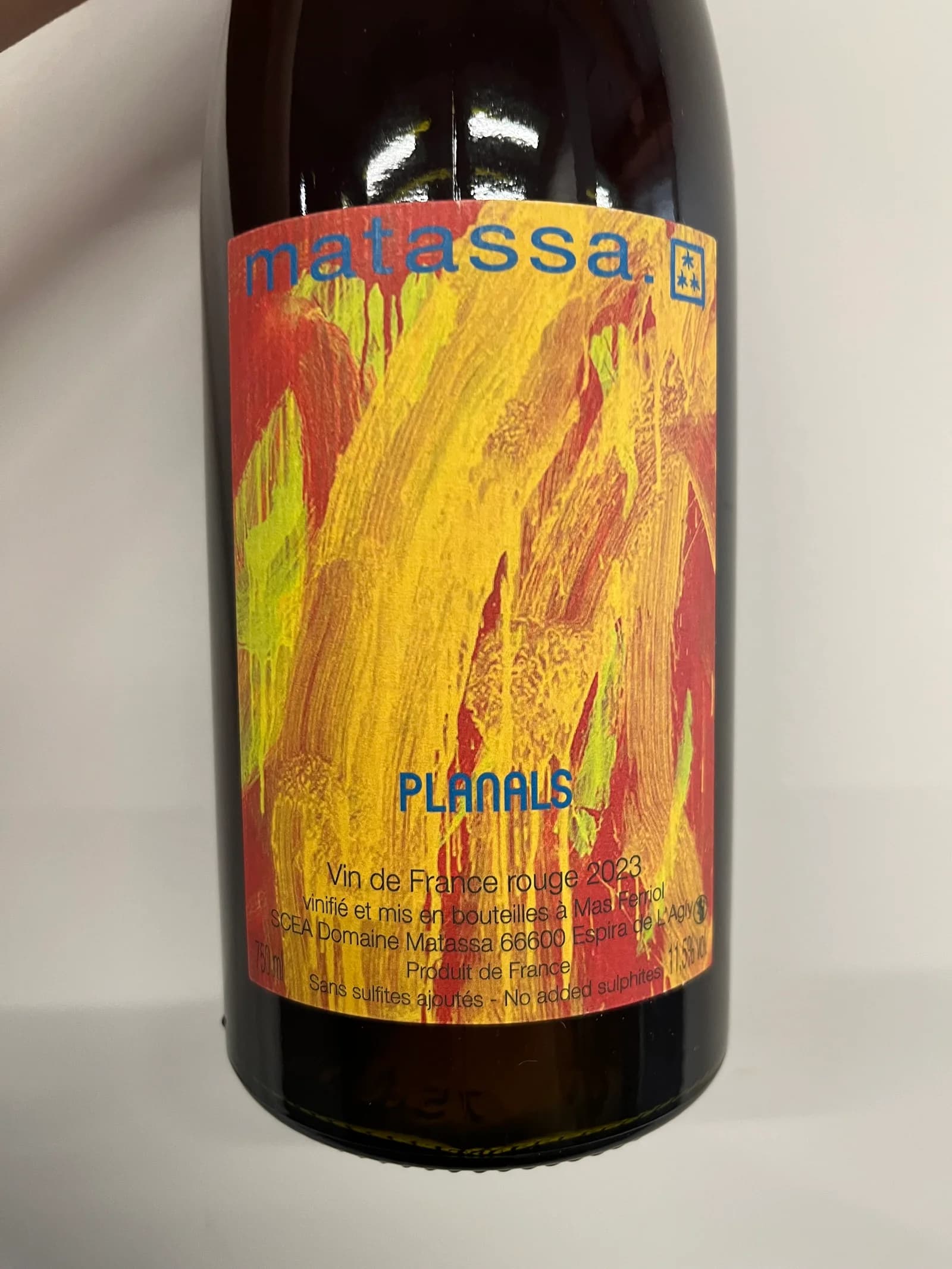
Matassa
Languedoc-Roussillon, France61 wines4.1 avg
36232
Tom Lubbe's Roussillon estate in Calce - twenty-odd hectares of Catalan varieties, up to 130-year-old Lledoner Pelut, no sulphur since 2015, a reference point for French natural wine.
Tom Lubbe came to Calce in 1999 for a three-month stage at Domaine Gauby, and he never really left.
He grew up between South Africa and New Zealand and learned to make wine at Welgemeend in Paarl under Louise Hofmeyr: indigenous yeasts, low yields, no argument. In Calce he worked three vintages in the Gauby cellar, two of them also at Le Soula. In 2000 he made a wine in the Swartland under The Observatory label, later credited as one of the sparks of the Swartland revolution.
Matassa began in 2001, when Tom and Sam Harrop bought a single high plot of old-vine Carignan on granite in the Fenouillèdes. More plots followed, and Harrop later left the project. Tom married Nathalie, Gérard Gauby's sister, and they made the 2003 vintage in their living room, for want of a cellar. A year later Gérard handed them the old Gauby cellar.
Today the domaine farms about twenty hectares near Calce and Espira-de-l'Agly and up in the Fenouillèdes. The vines are sixty to well over a hundred years old, many of them the old Catalan grapes planted together as field blends: Grenache Gris, Macabeu, the two Muscats, Carignan, Mourvèdre and Lledoner Pelut. When Tom bought Mas Ferriol, he pulled up most of its vines and kept about a hectare on a rare black schist, turning the rest of the land into a mixed farm.
The farming is certified organic. Biodynamics has taken second place to Tom's real passion, cover crops, which he credits with bringing his wines down from 13.5% alcohol in 2005 to about 10.5% by 2018.
In the cellar, everything ferments on native yeasts. The reds get a gentle whole-bunch infusion rather than a long maceration. The whites have seen skin contact since Alexandria in 2008, the first macerated Matassa white. Old oak is there for air, not structure, and no sulphur has been added since 2015. Nothing is fined or filtered, and every wine goes out as Vin de France, by choice. The house sums up its aim as pale reds and dark whites.
A three-month stage, more than a quarter of a century ago.
Wines
4.0
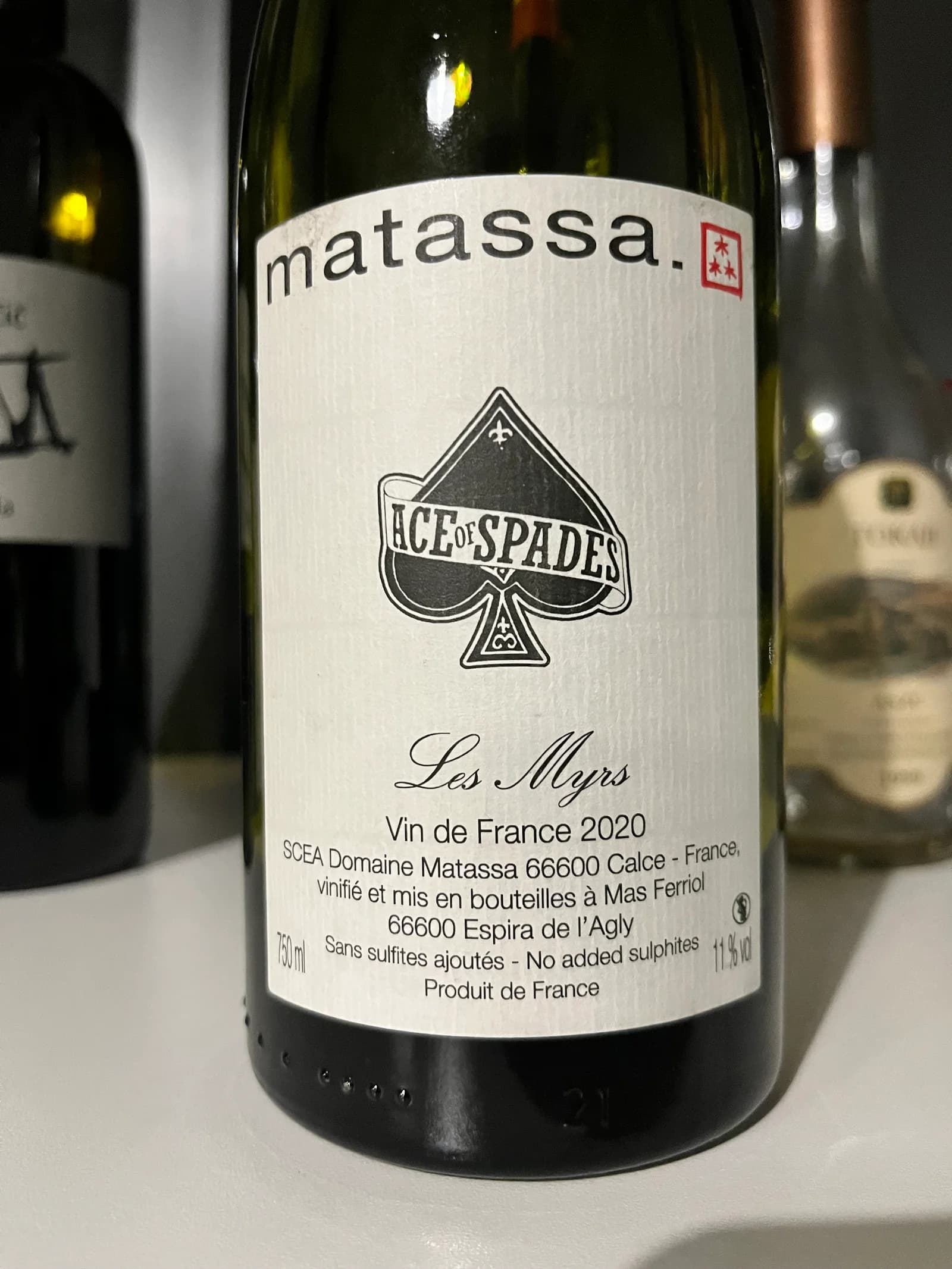
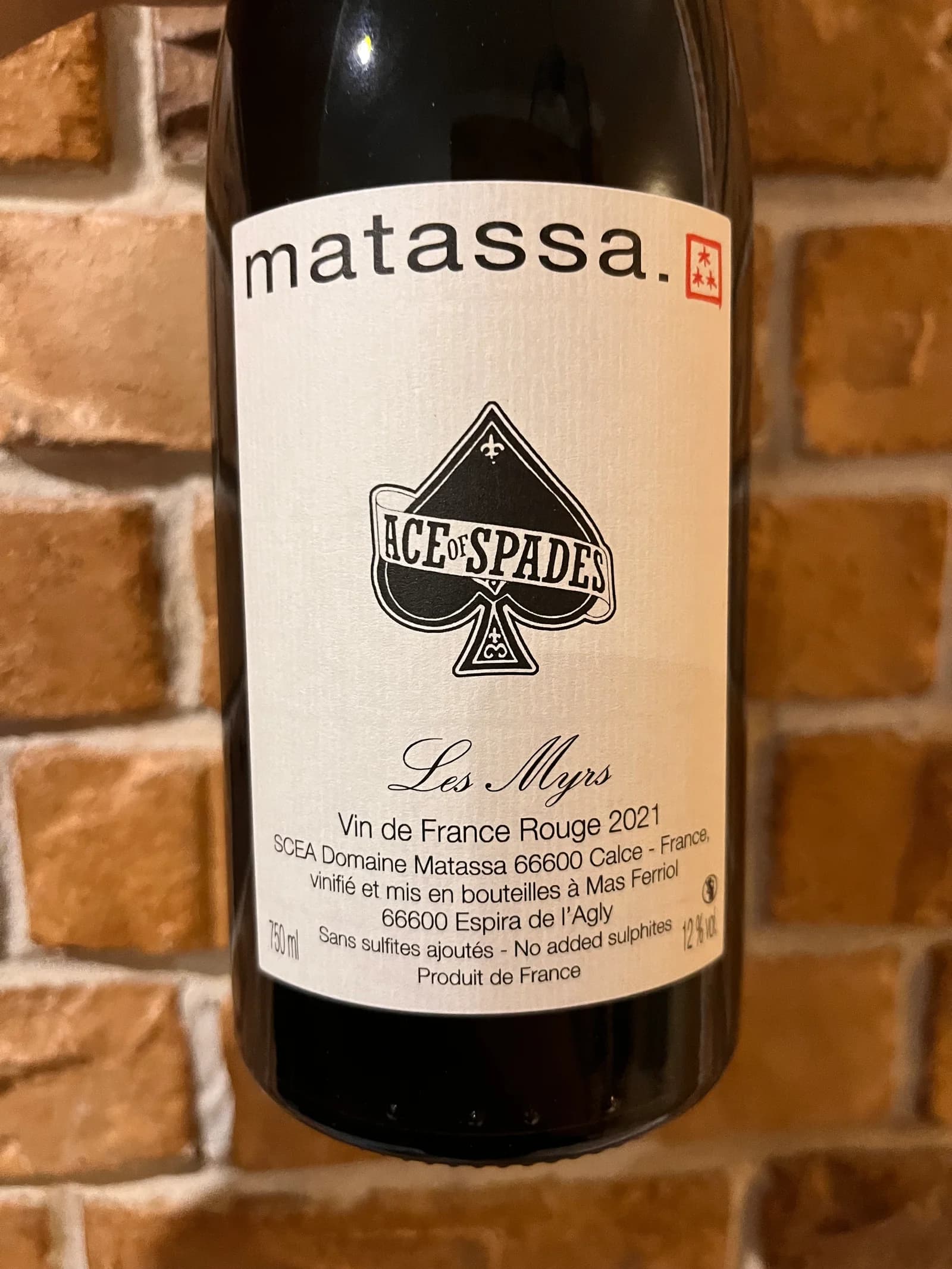
Ace of Spades Les Myrs
2019· France
4.2
Ace of Spades Les Myrs
2020· France
4.2
Ace of Spades Les Myrs
2021· France
4.2
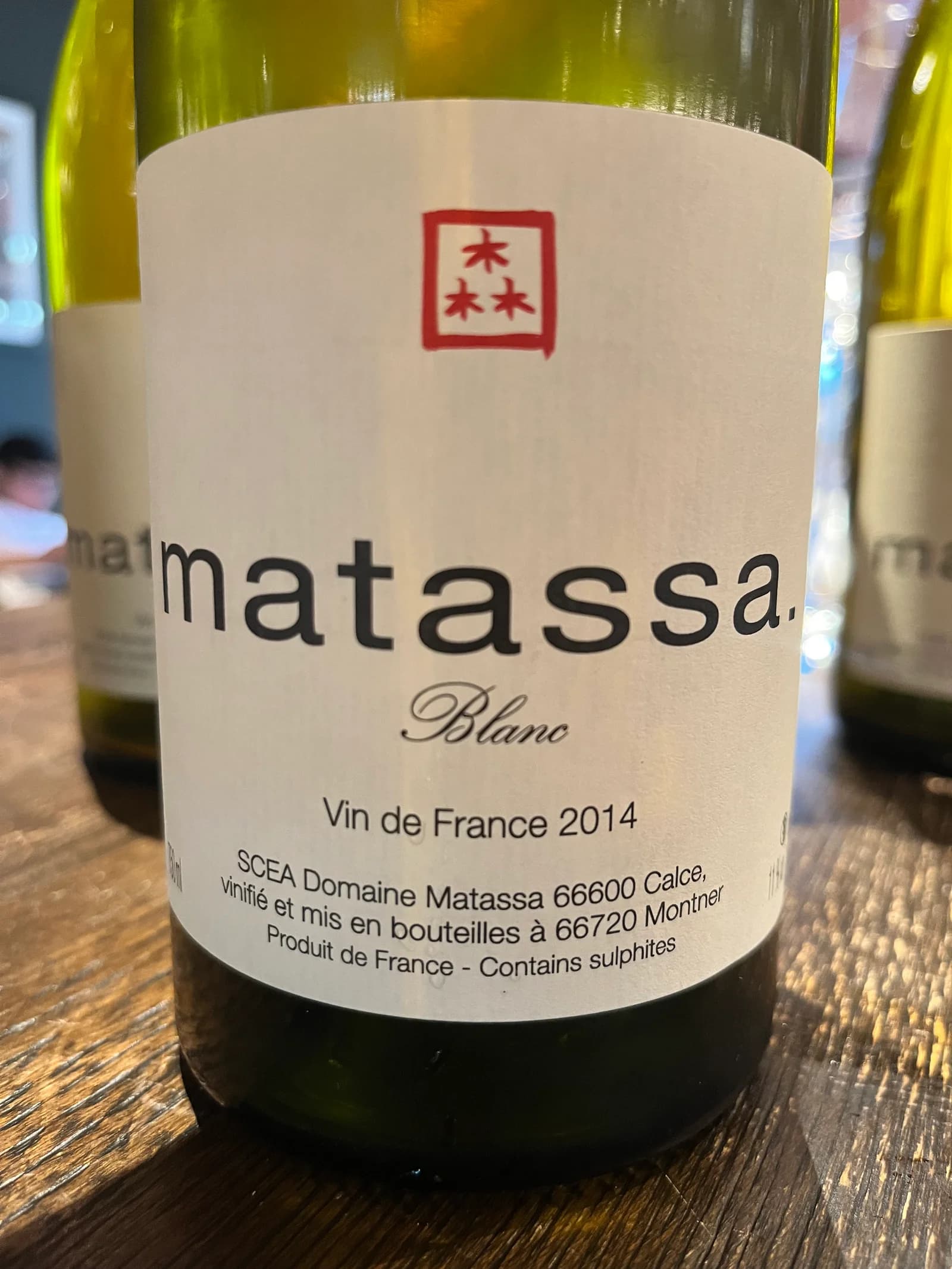
Blanc
2014· France
Blanc
2016· France
4.2
Blanc
2019· France
4.1
Blanc
2020· France
4.1
Blanc
2021· France
4.2
Blanc
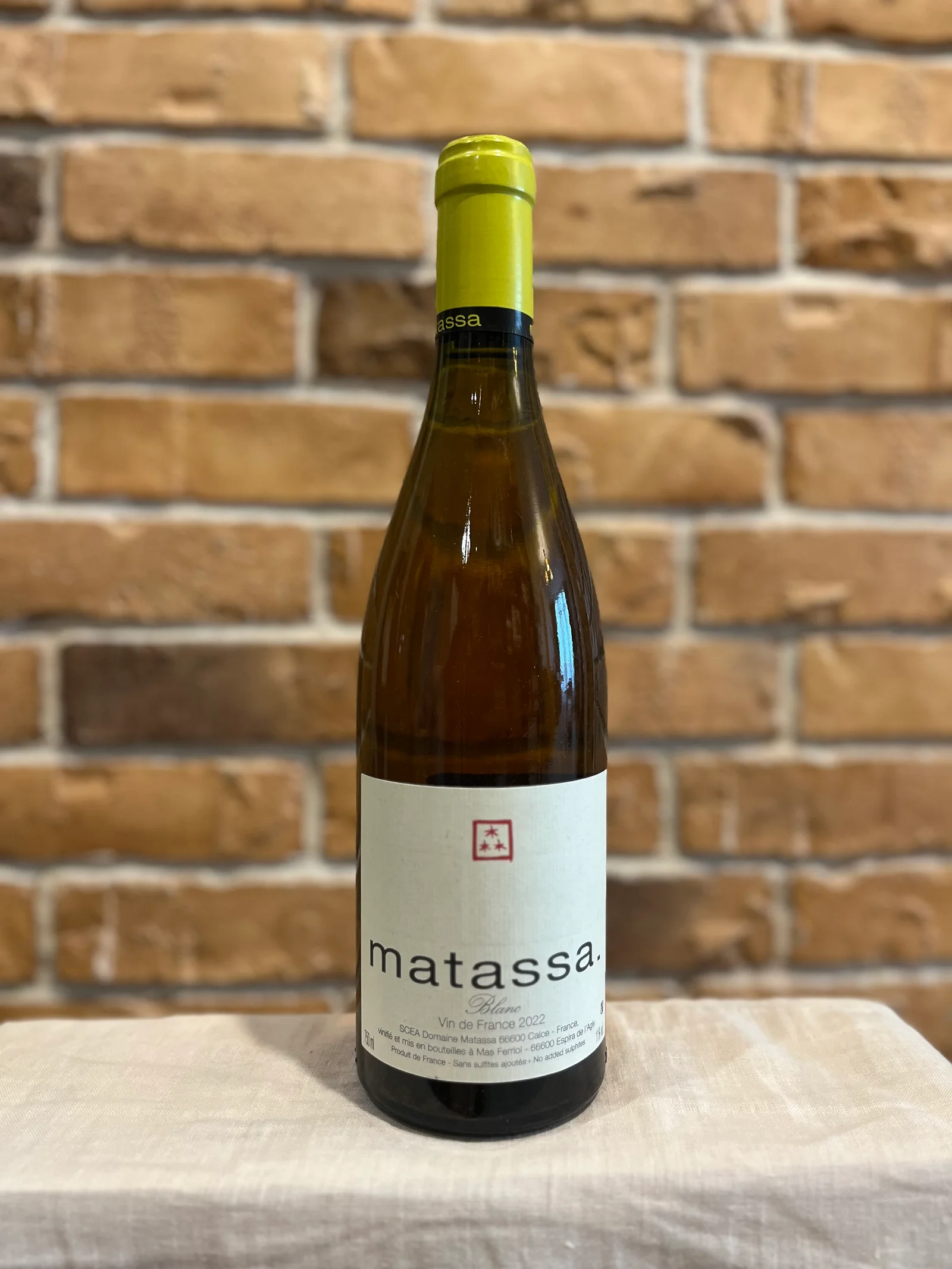
2022· France
4.0
Blanc
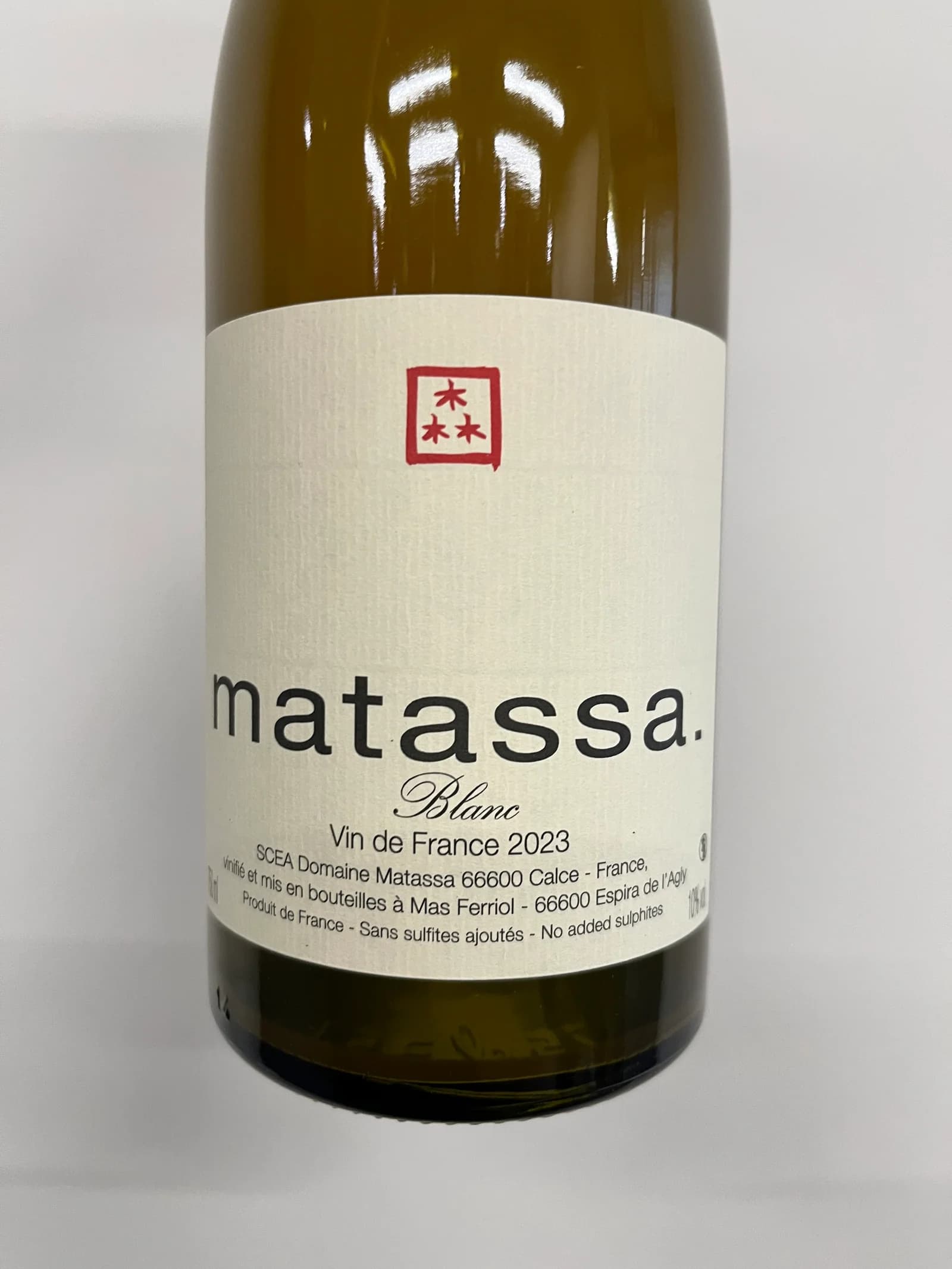
2023· France
3.9
Blossom
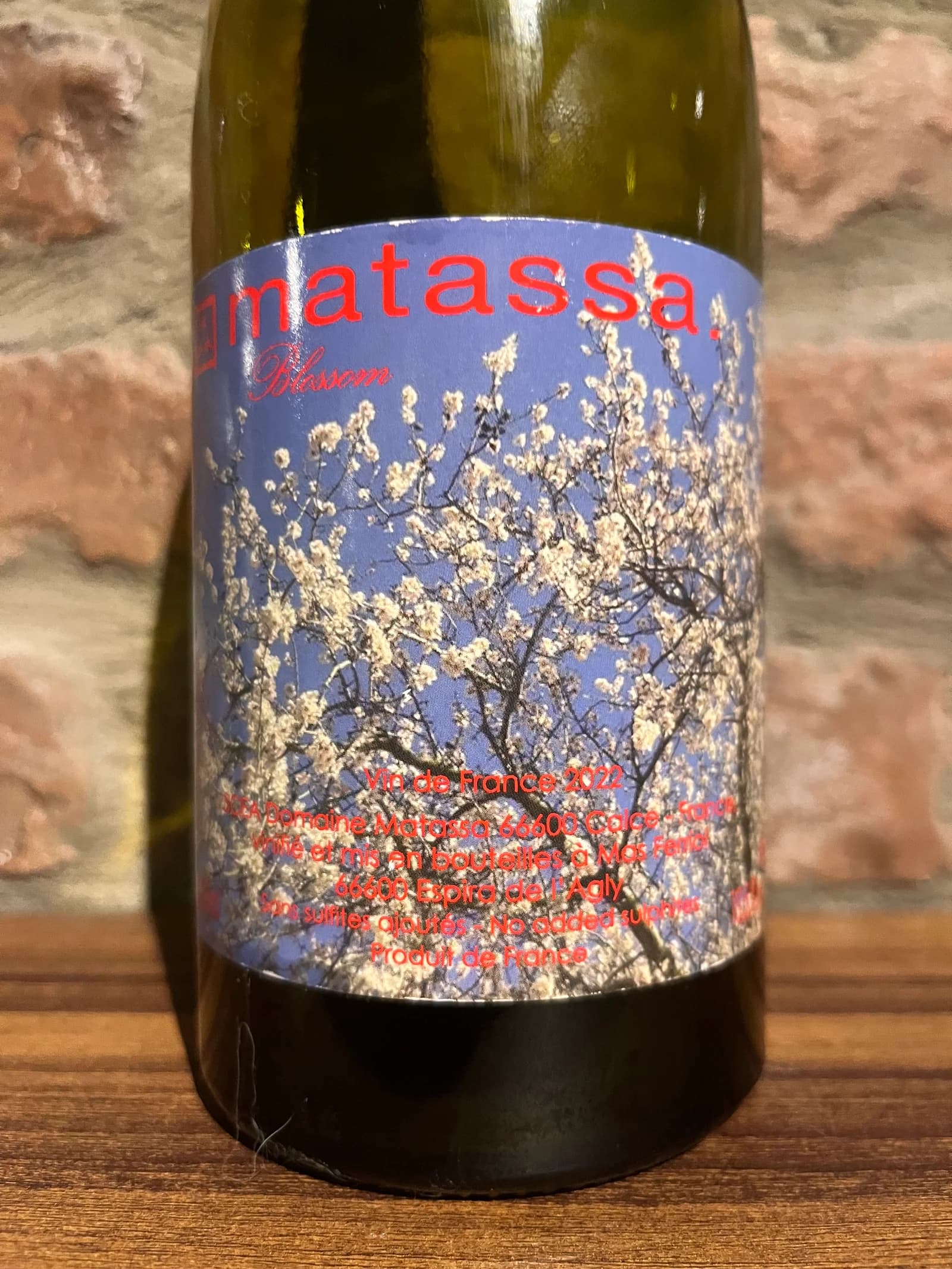
2022· France
3.9
Blossom
2023· France
3.8
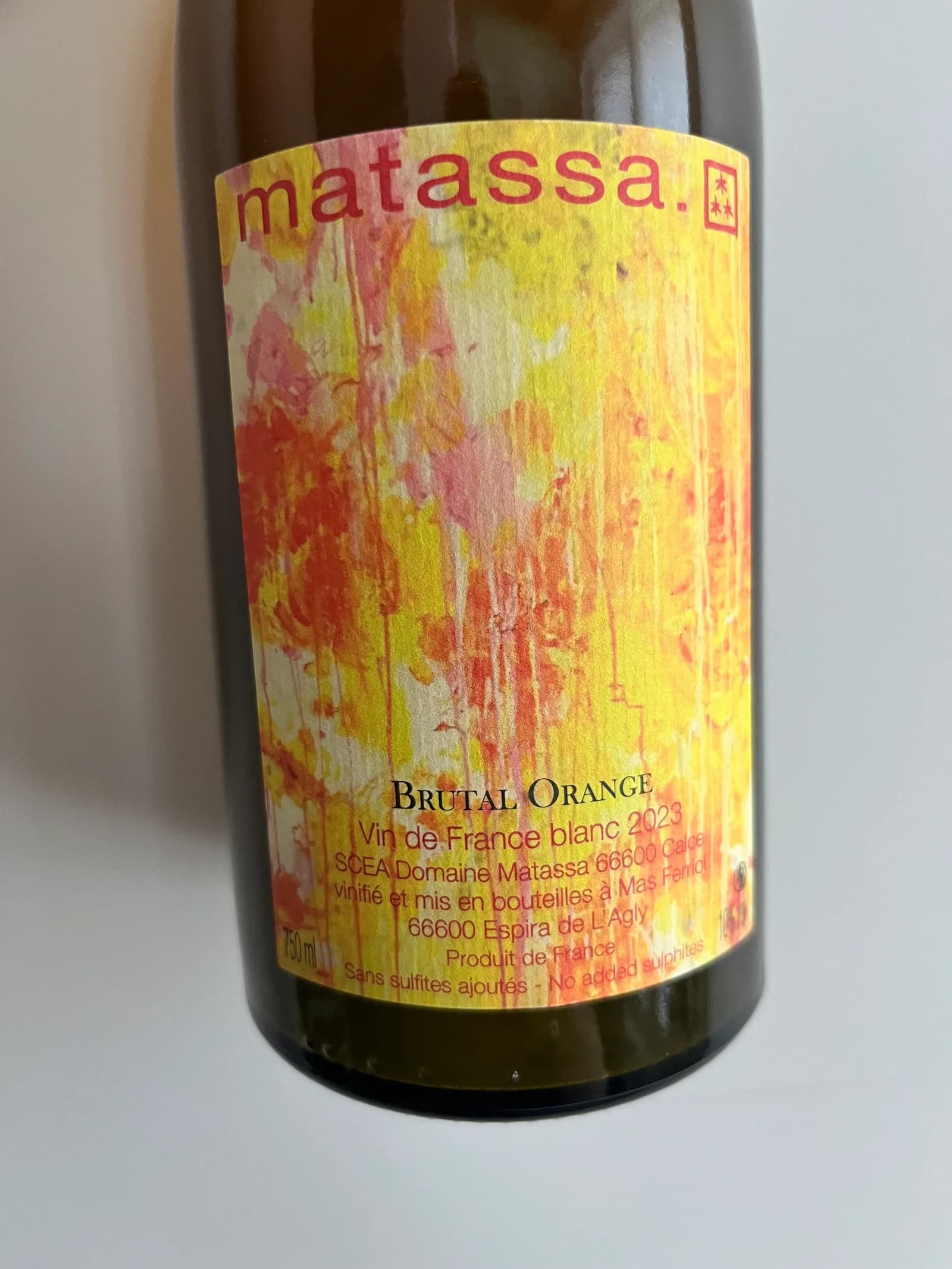
Brutal Orange
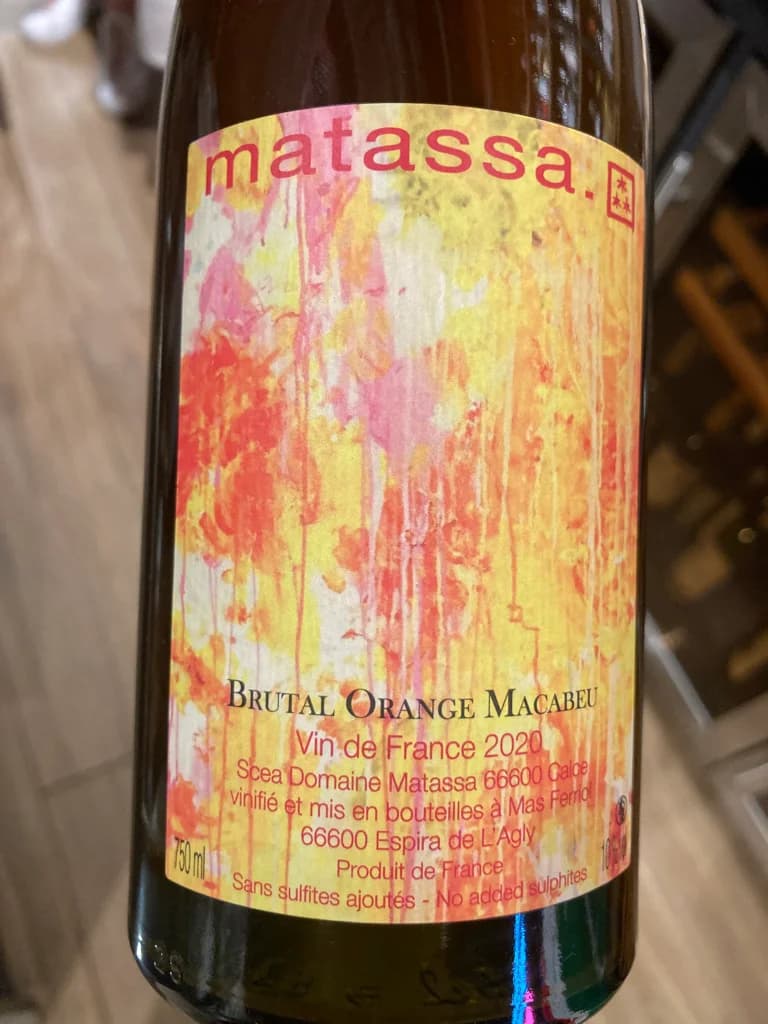
2020· France
4.0
Brutal Orange
2023· France
3.8
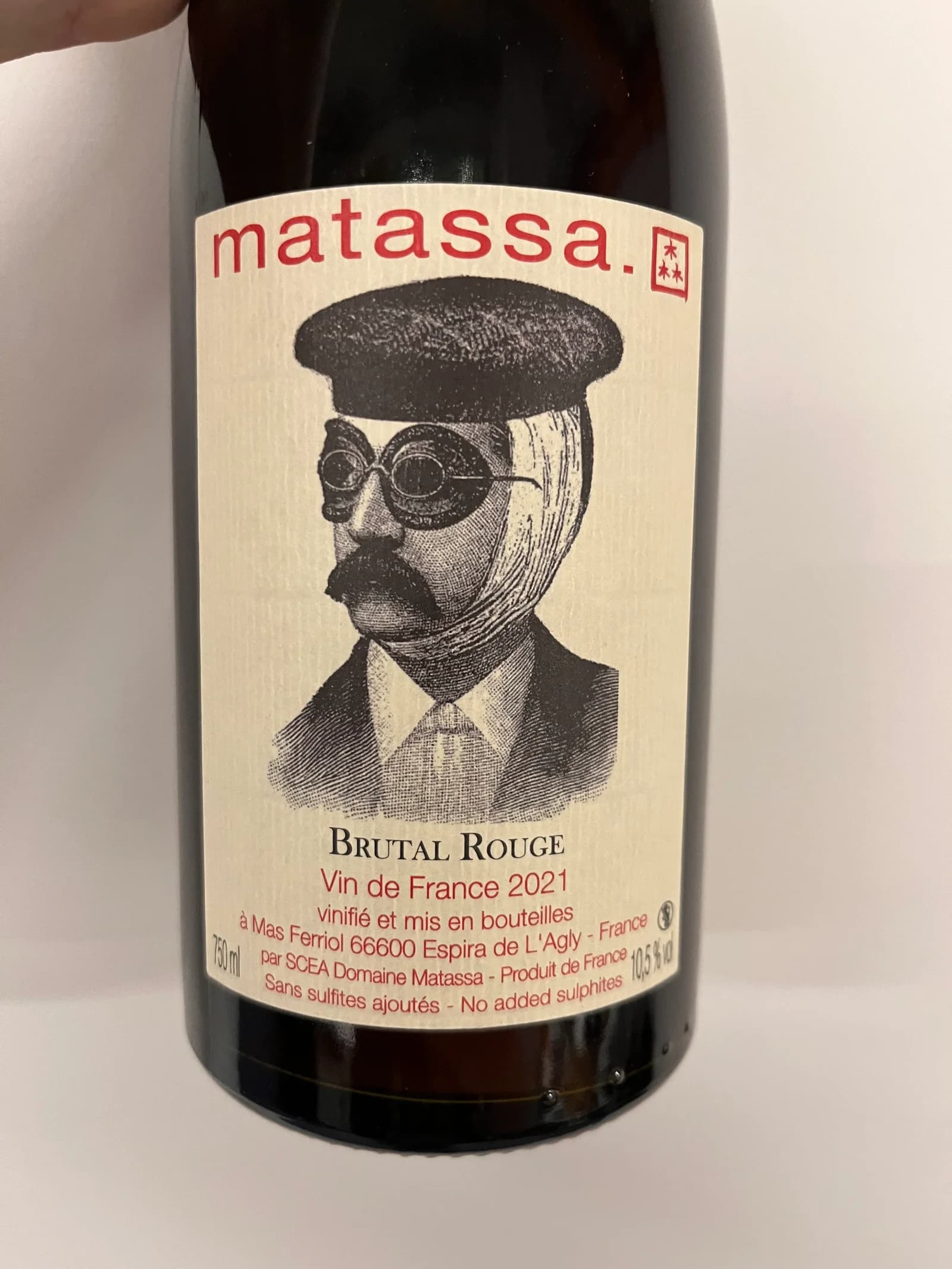
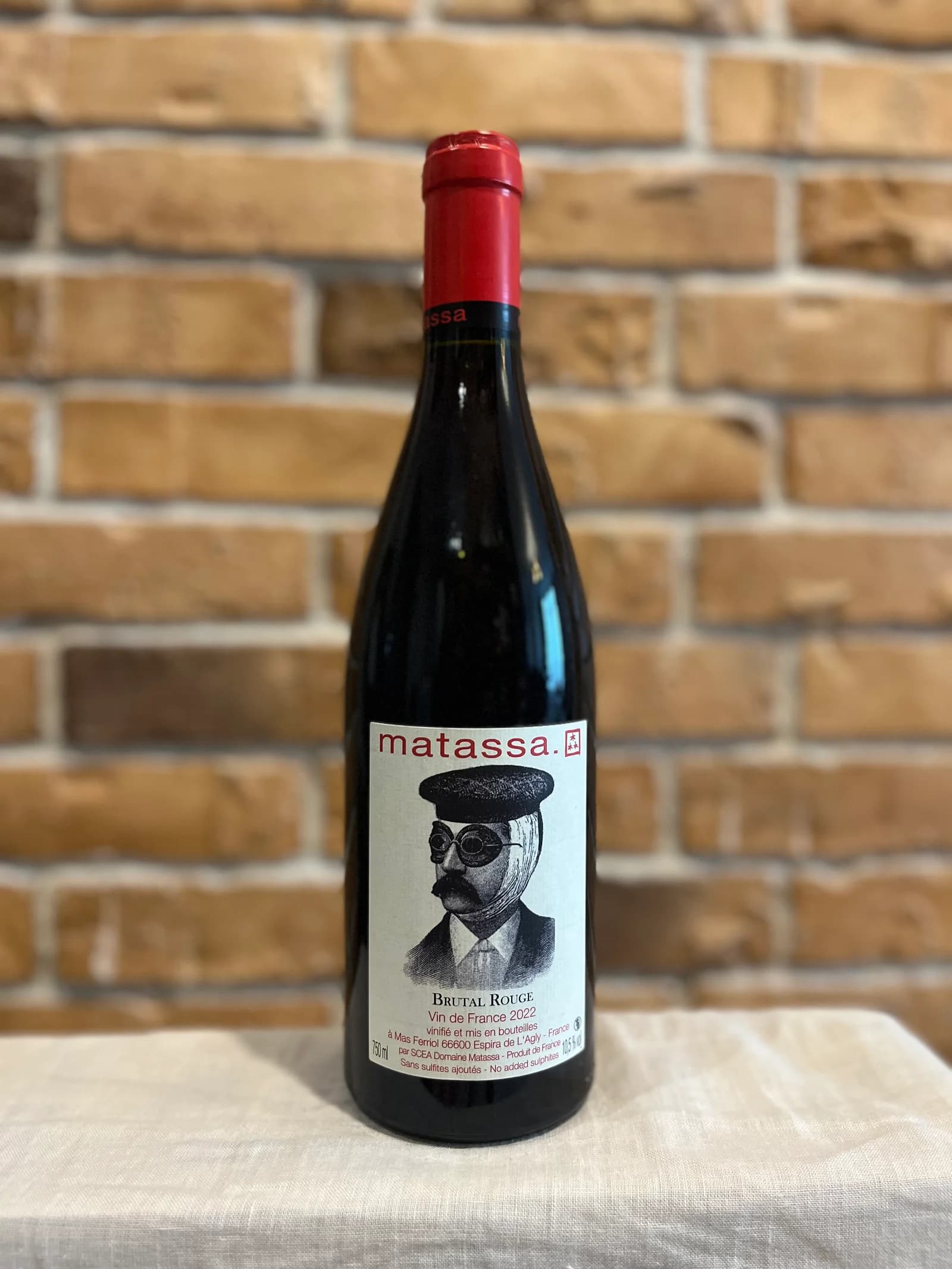
Brutal Rouge
2019· France
4.3
Brutal Rouge
2021· France
4.0
Brutal Rouge
2022· France
4.2
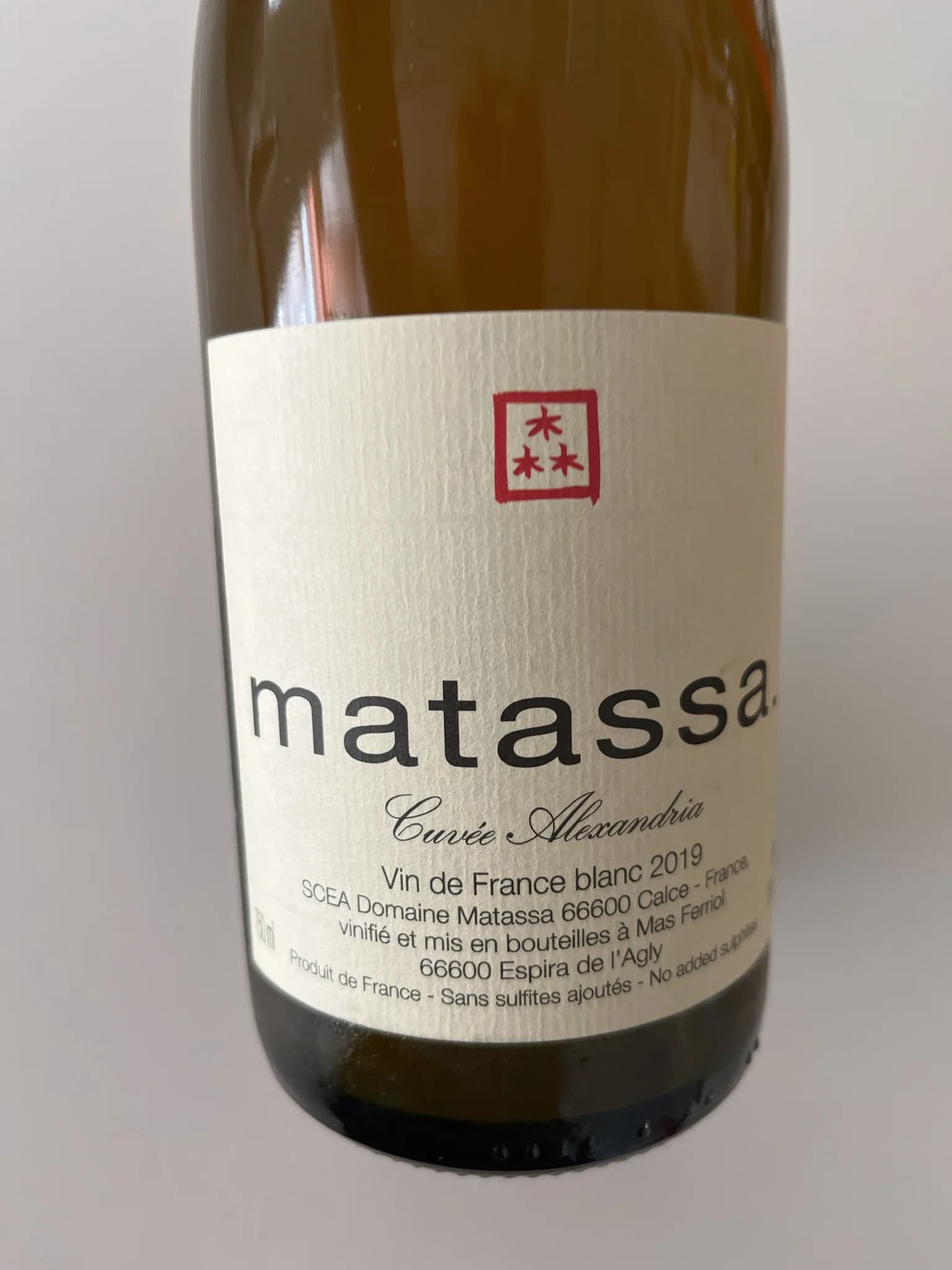
Cuvée Alexandria
2019· France
4.0
Cuvée Alexandria
2020· France
4.0
Cuvée Alexandria
2022· France
4.0
Cuvée Alexandria
2023· France
4.0
Cuvée Marguerite
2020· France
4.1
Cuvée Marguerite
2021· France
4.0
Cuvée Marguerite
2022· France
4.1
Cuvée Marguerite
2023· France
Cuvée Marguerite
2025· France
4.5
Cuvée Romanissa
2006· France
4.8
Cuvée Romanissa
2012· France
4.5
Cuvée Romanissa
2013· France
4.3
Cuvée Romanissa
2014· France
4.1
Cuvée Romanissa
2019· France
4.3
Cuvée Romanissa
2021· France
4.0
Cuvée Romanissa
2023· France
4.2
el Carner Rouge
2019· France
4.0
el Carner Rouge
2020· France
4.1
el Carner Rouge
2023· France
4.2
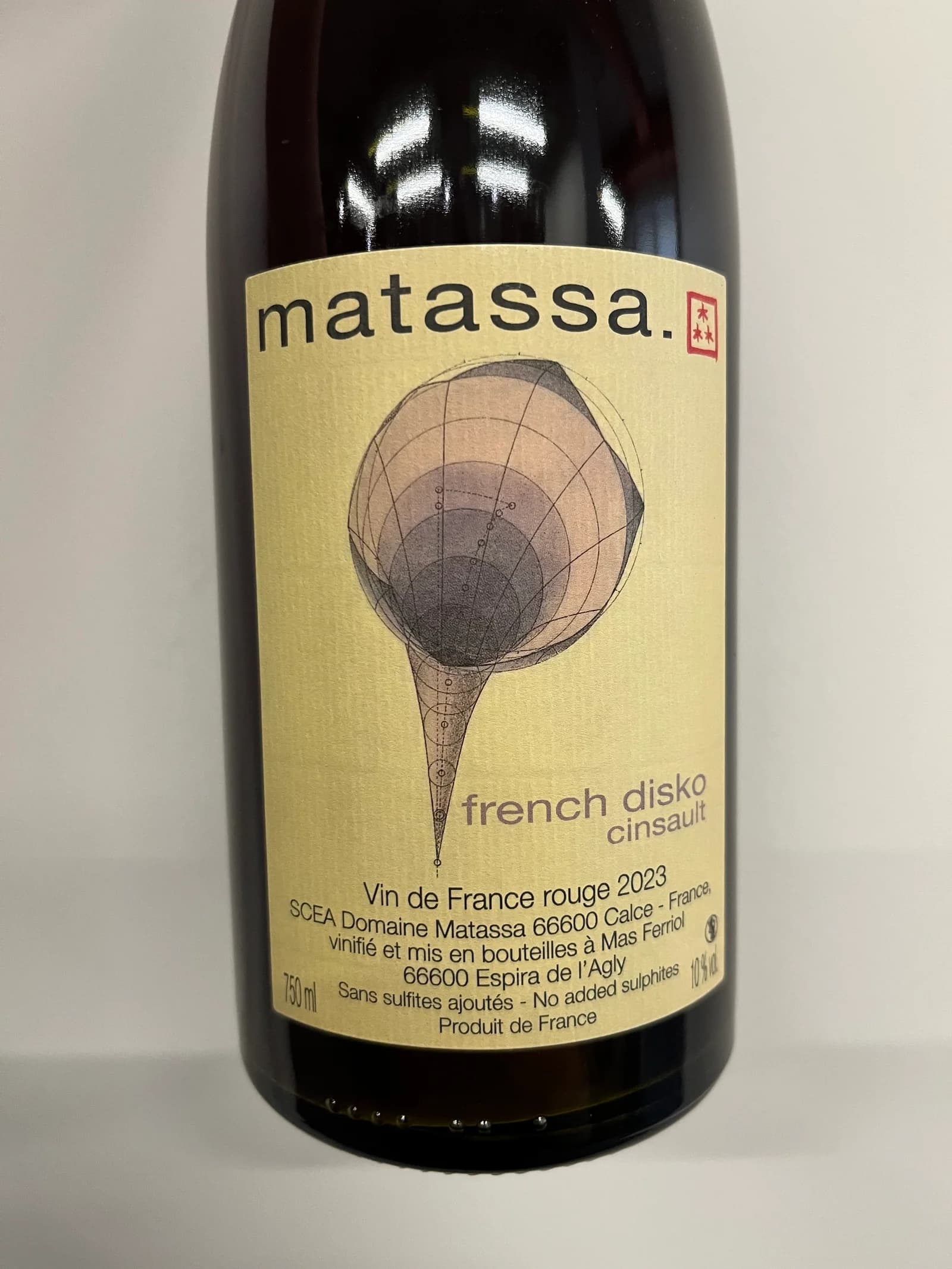
french disko cinsault
2021· France
4.3
french disko cinsault
2022· France
4.1
french disko cinsault
2023· France
4.3
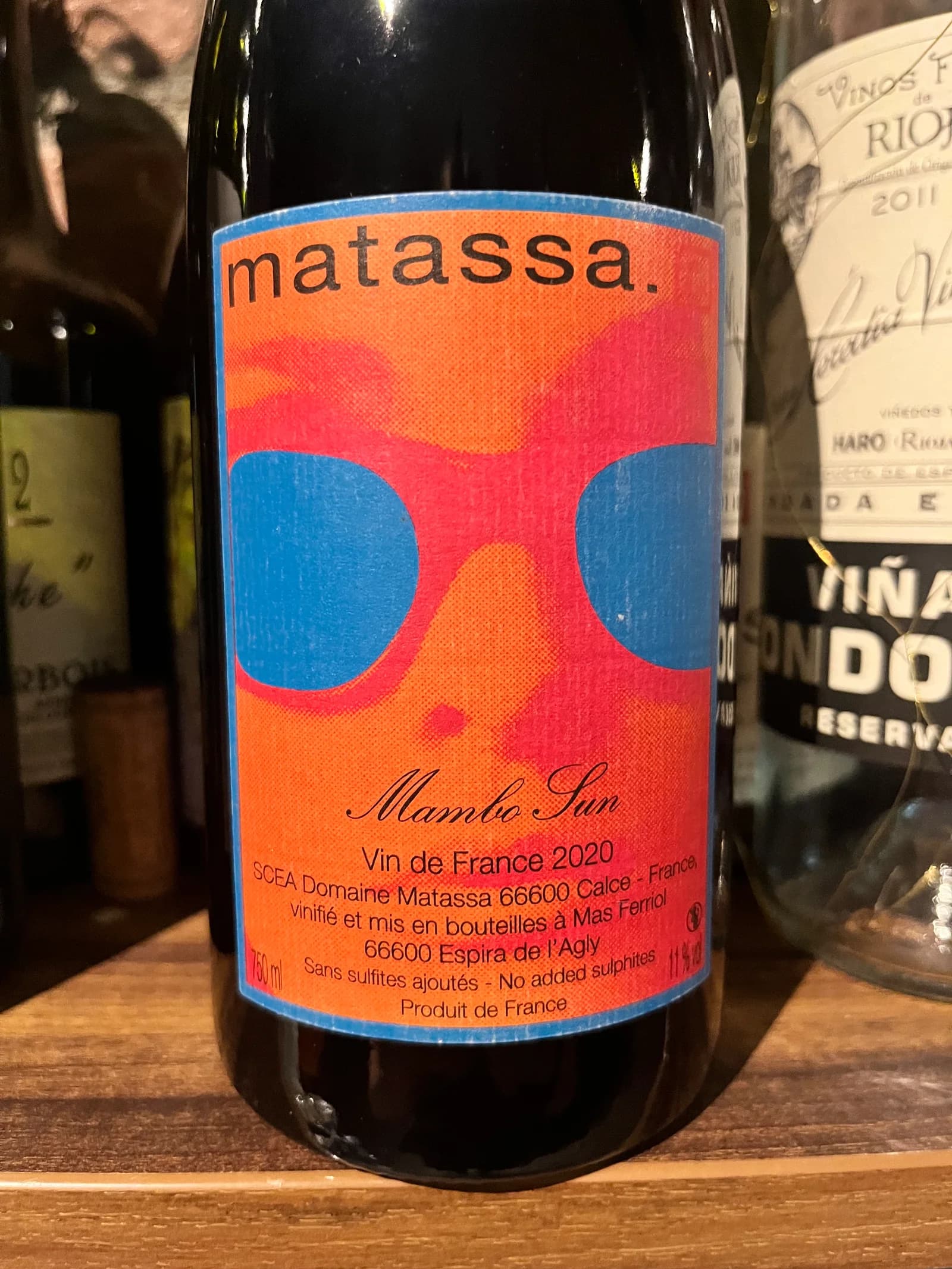
Mambo Sun
2020· France
4.1
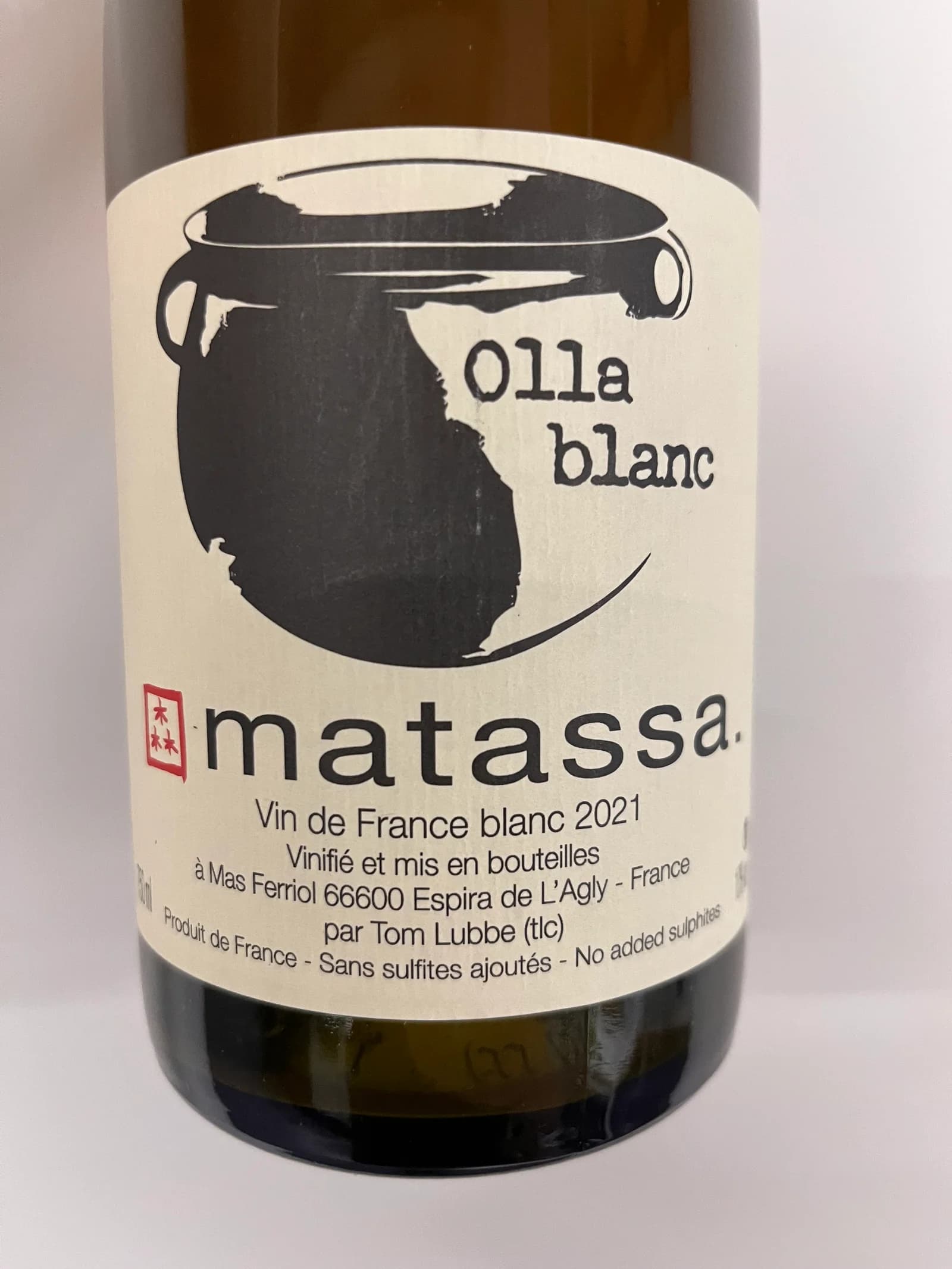
Olla Blanc
2021· France
4.0
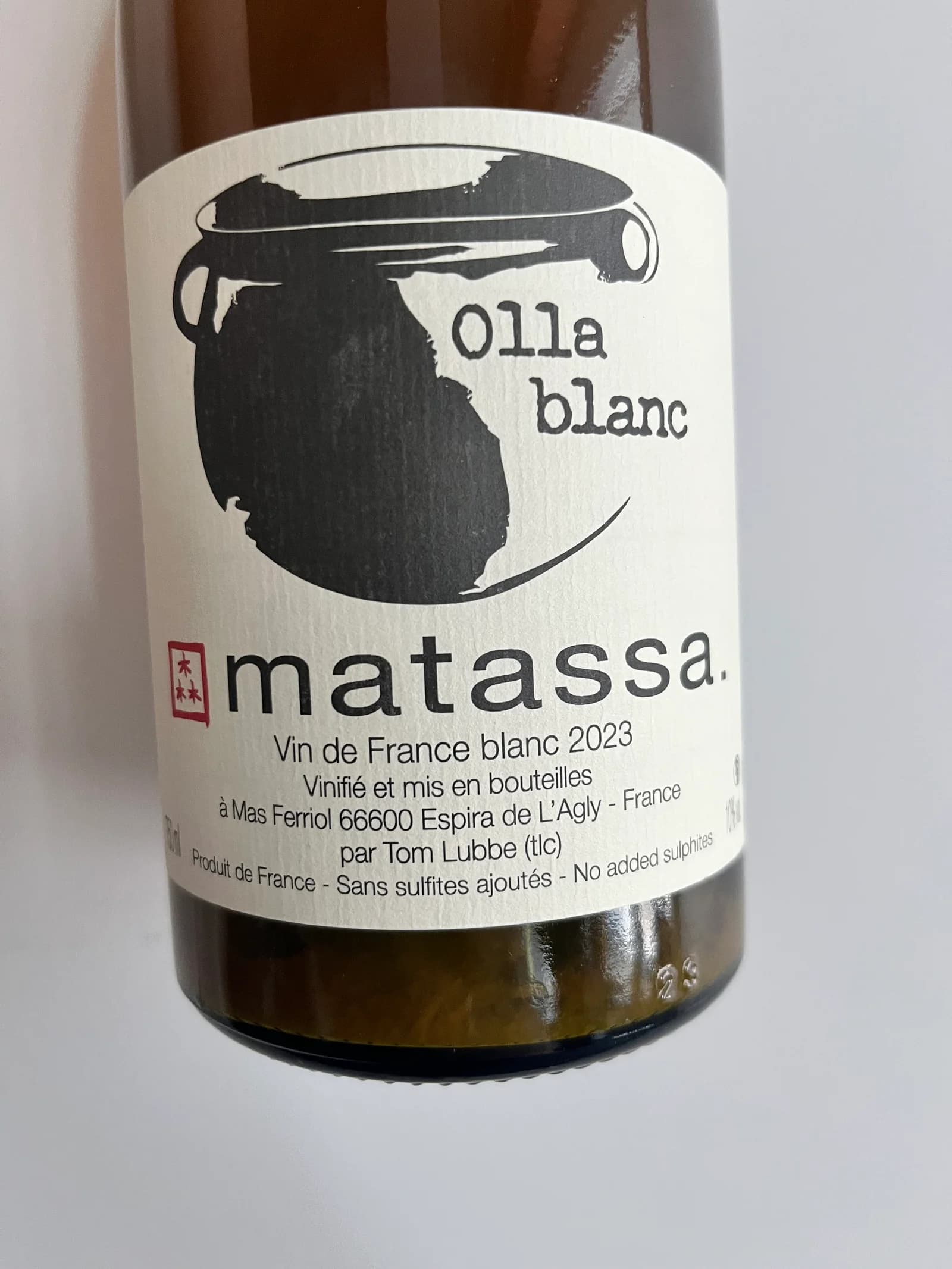
Olla Blanc
2023· France
4.2
Olla Rouge
2019· France
4.1
Olla Rouge
2020· France
3.9
Olla Rouge
2023· France
4.0
Planals
2023· France
3.9
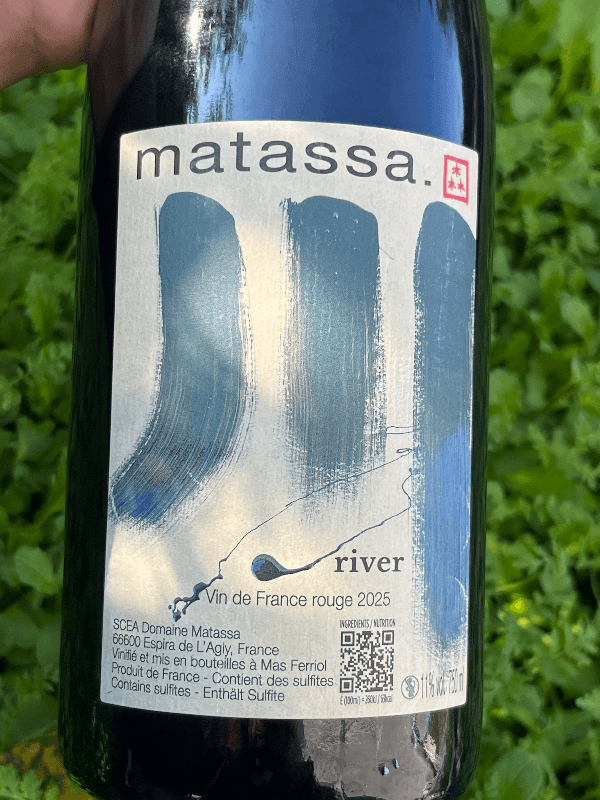
River
2025· France
3.9
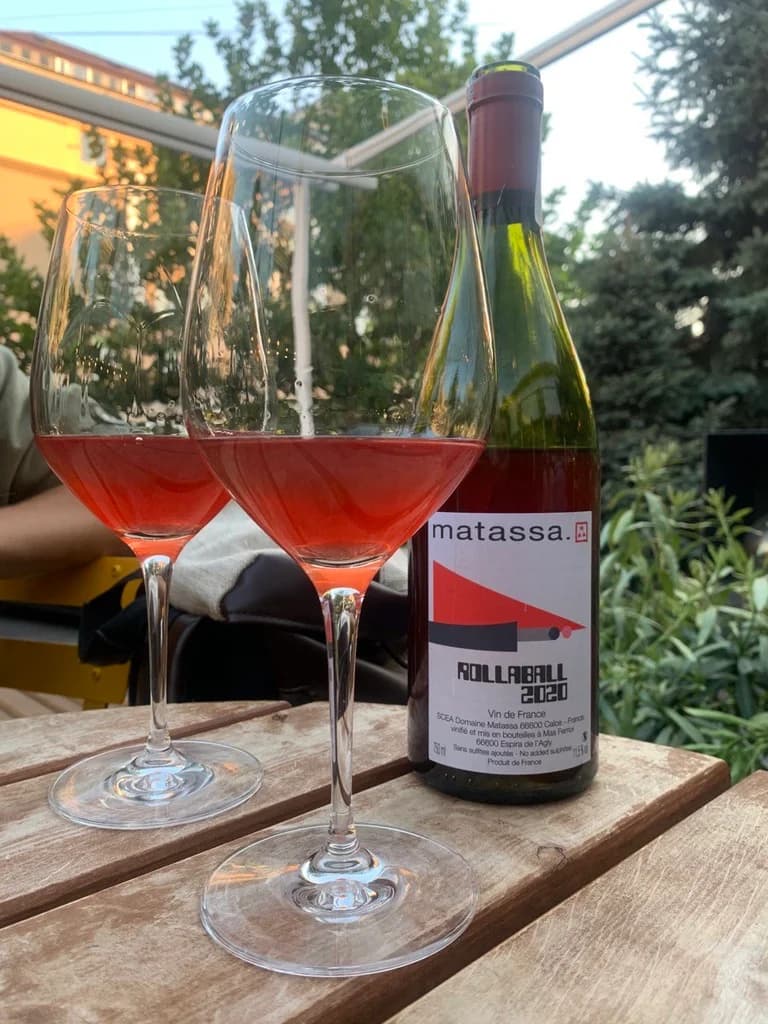
Rollaball
2020· France
4.0
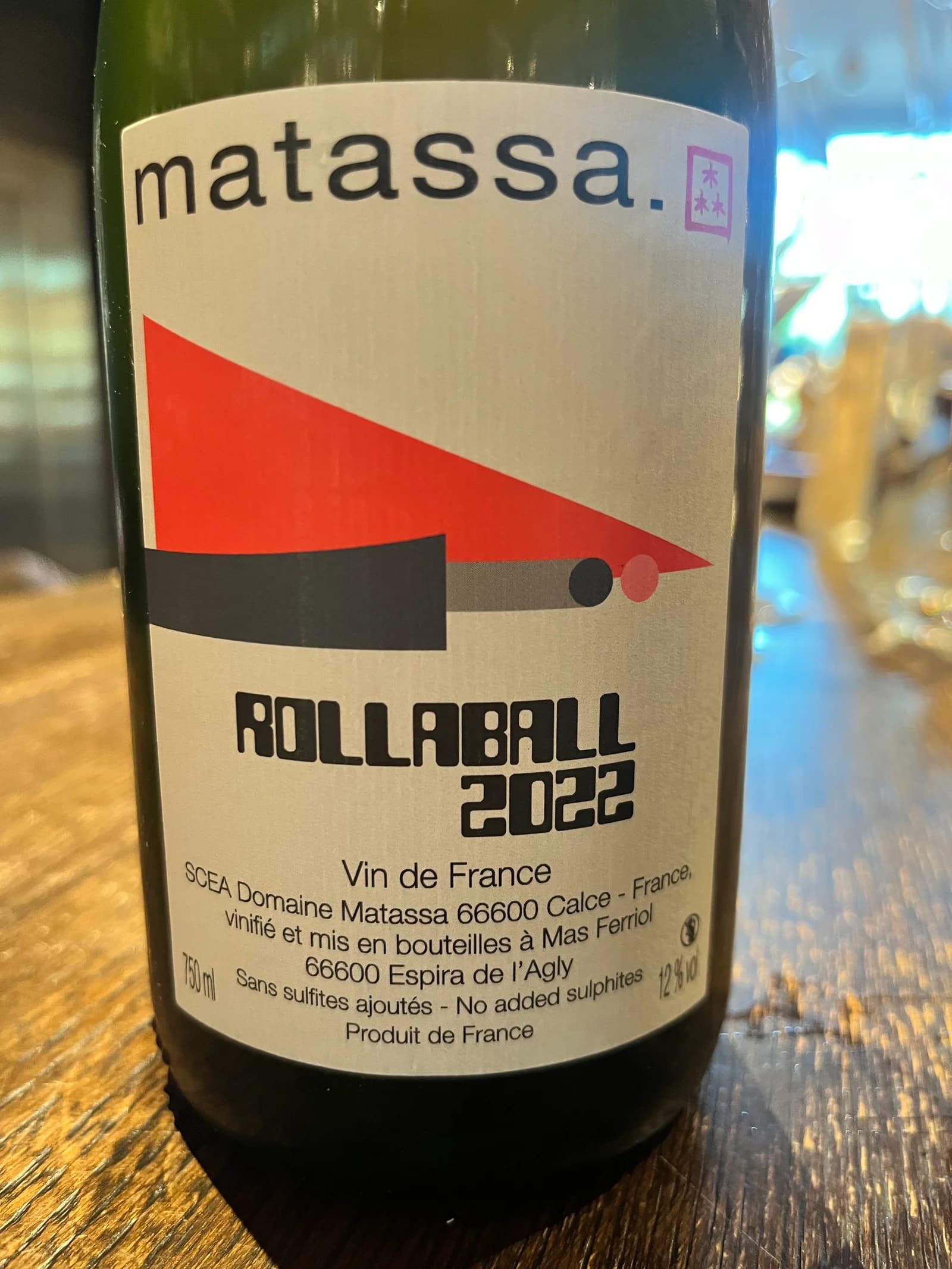
Rollaball
2022· France
4.5
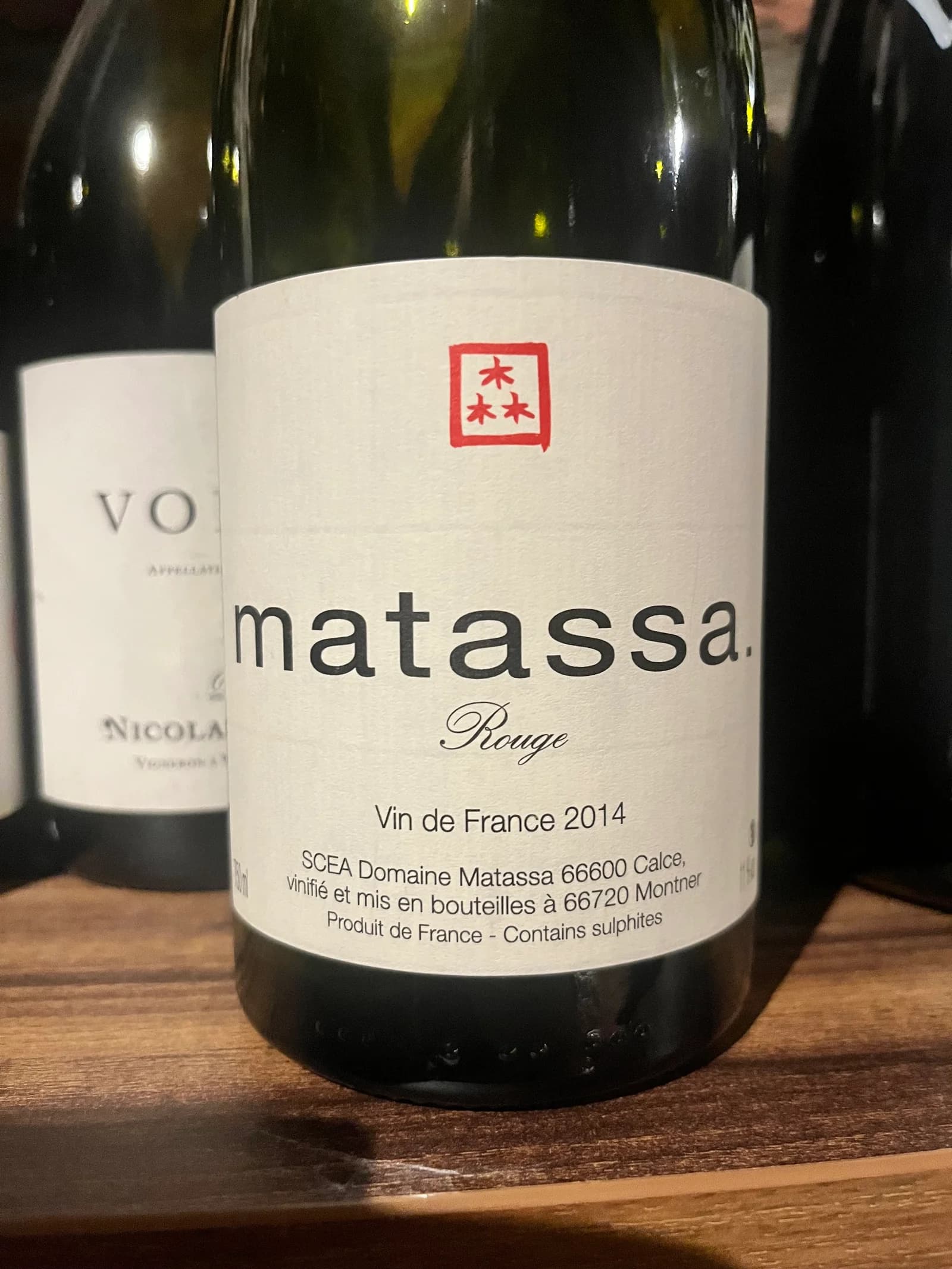
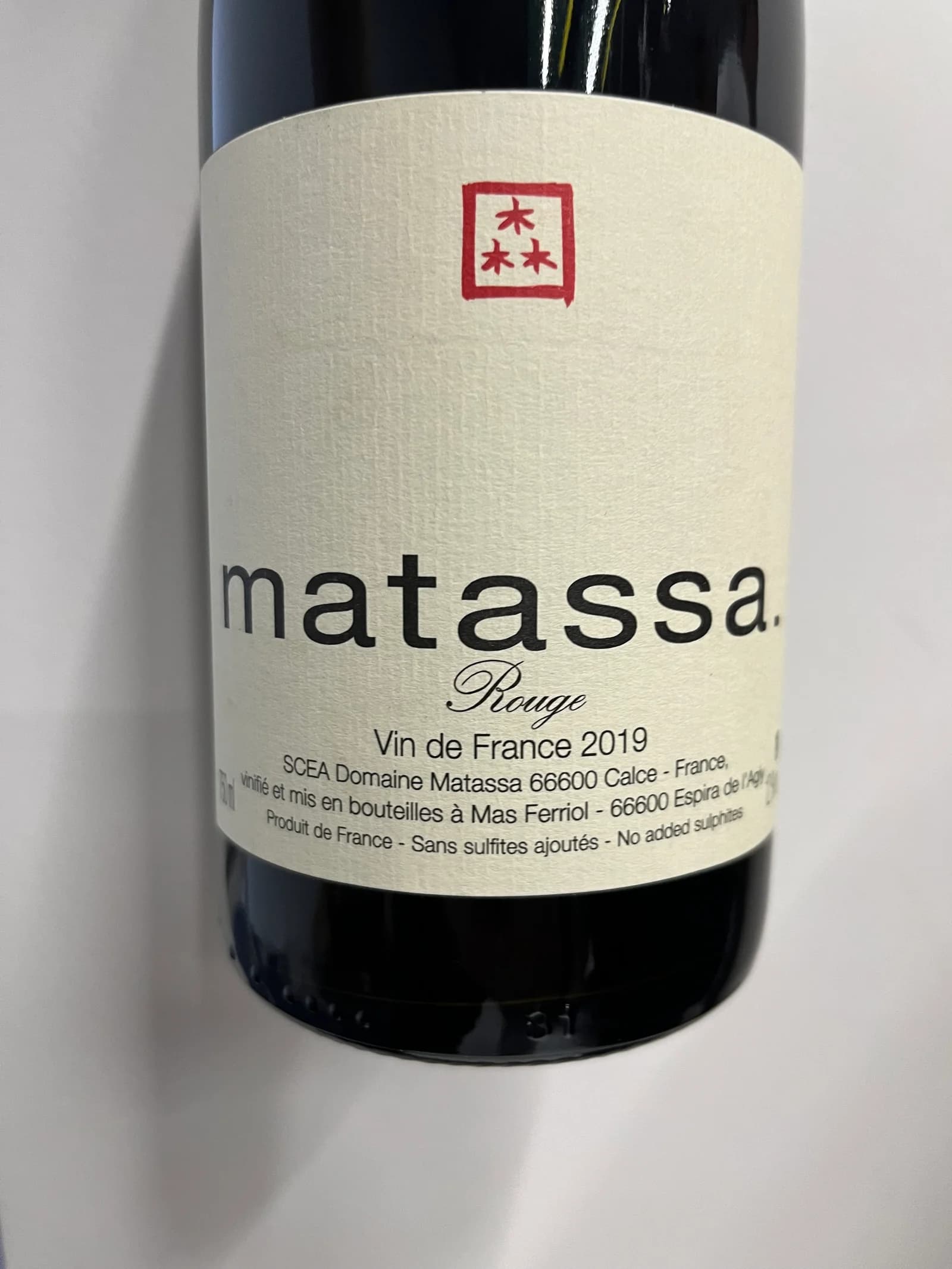
Rouge
2014· France
4.0
Rouge
2019· France
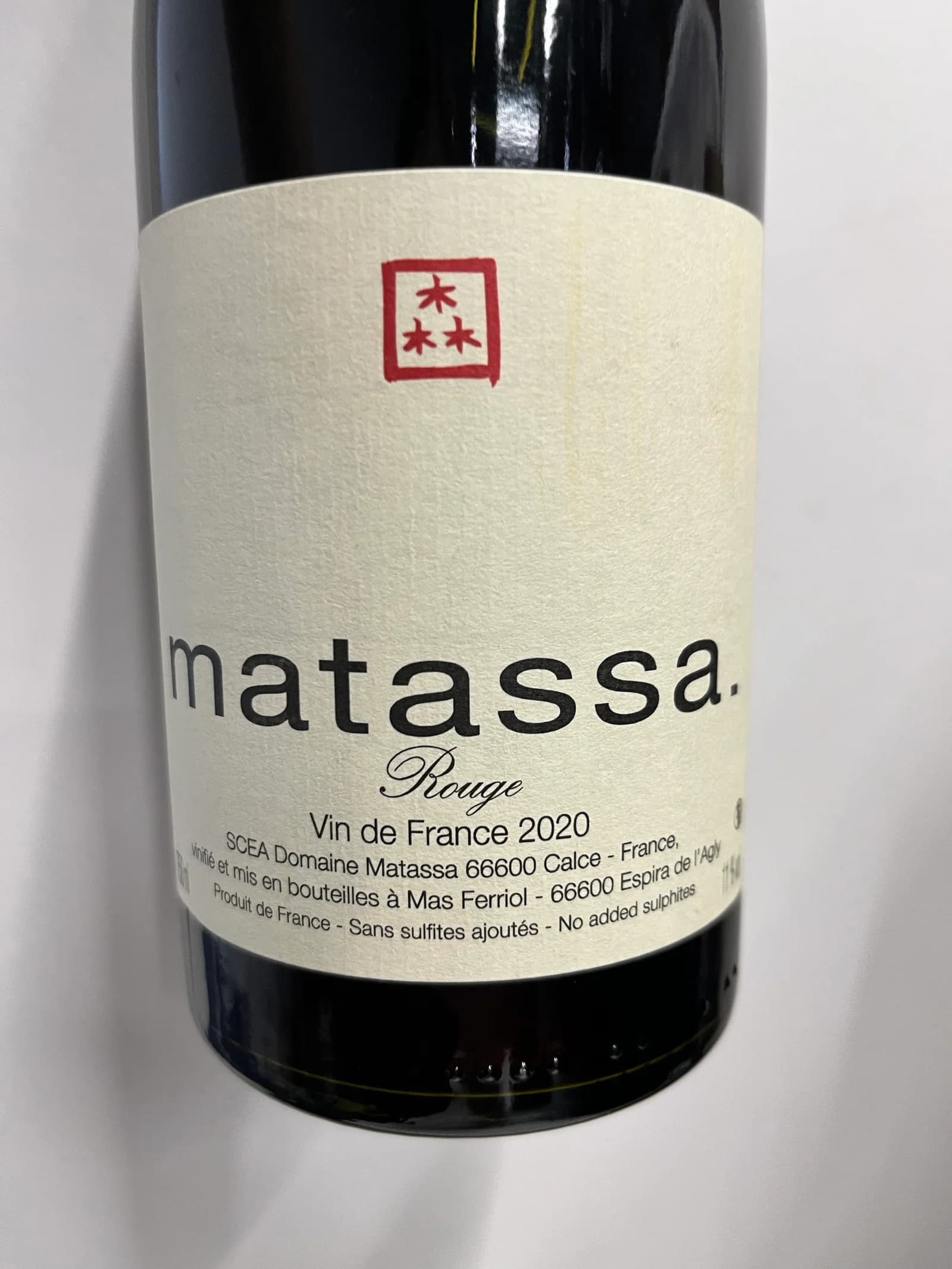
Rouge
2020· France
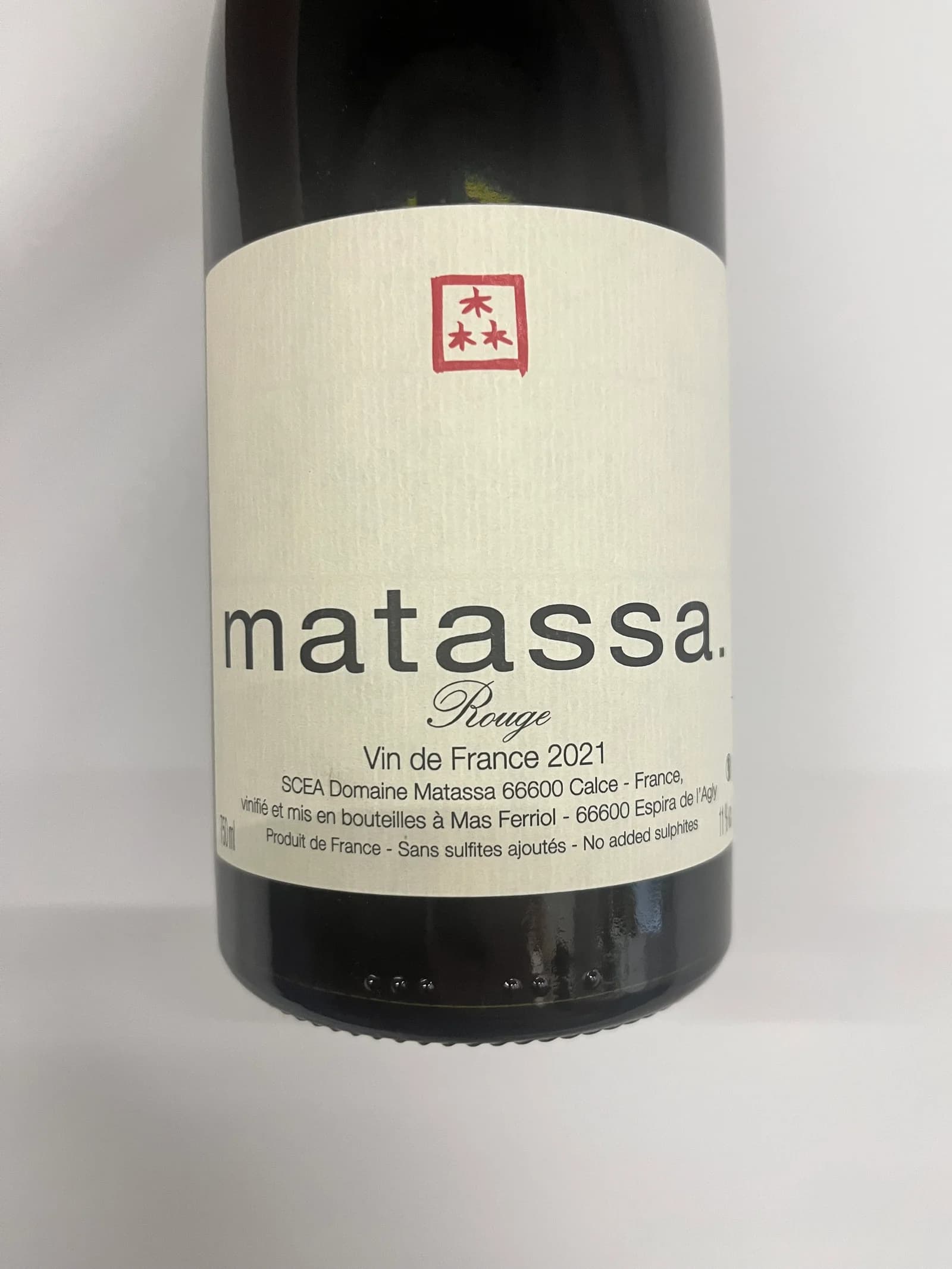
Rouge
2021· France
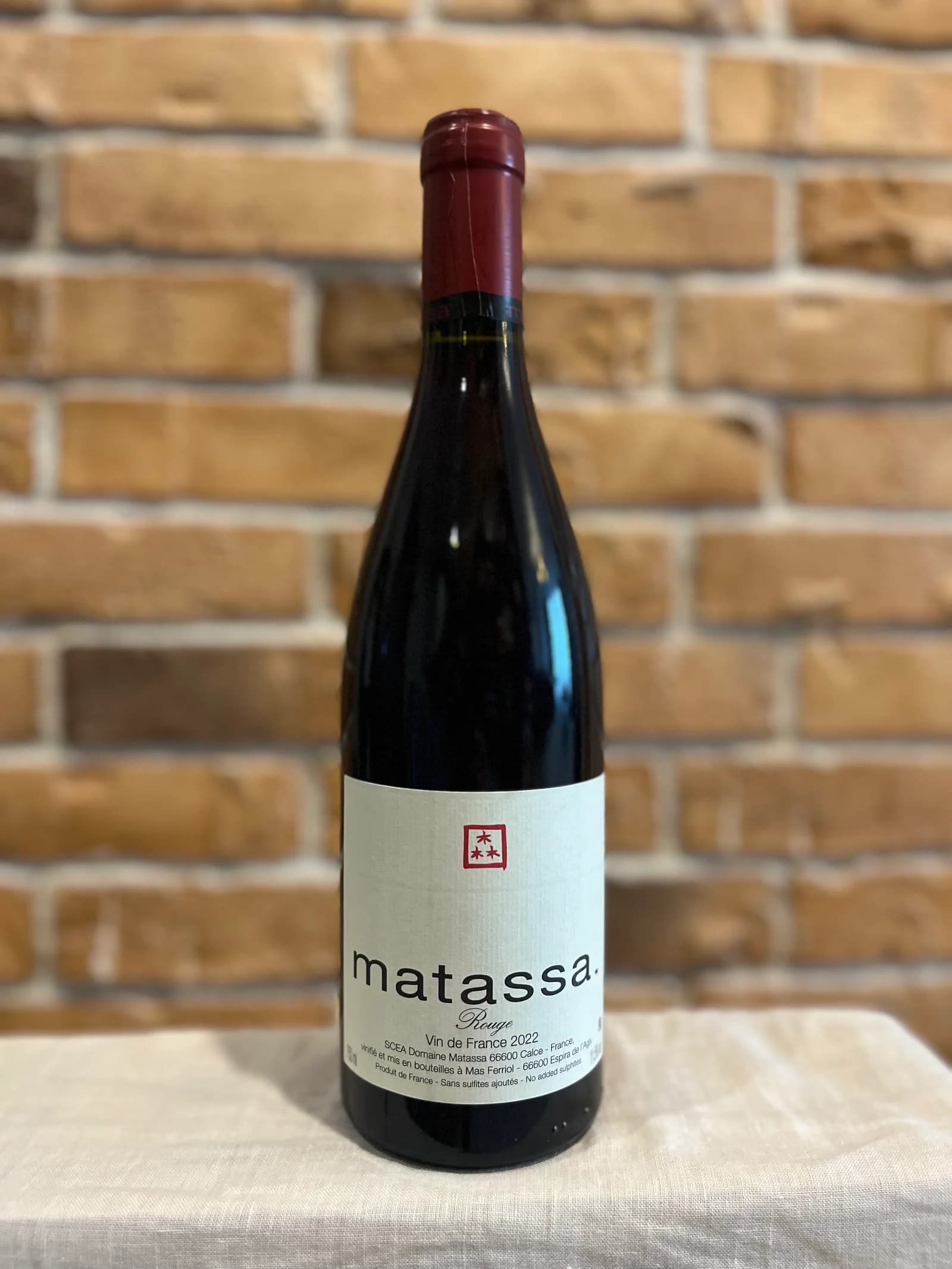
Rouge
2022· France
4.0
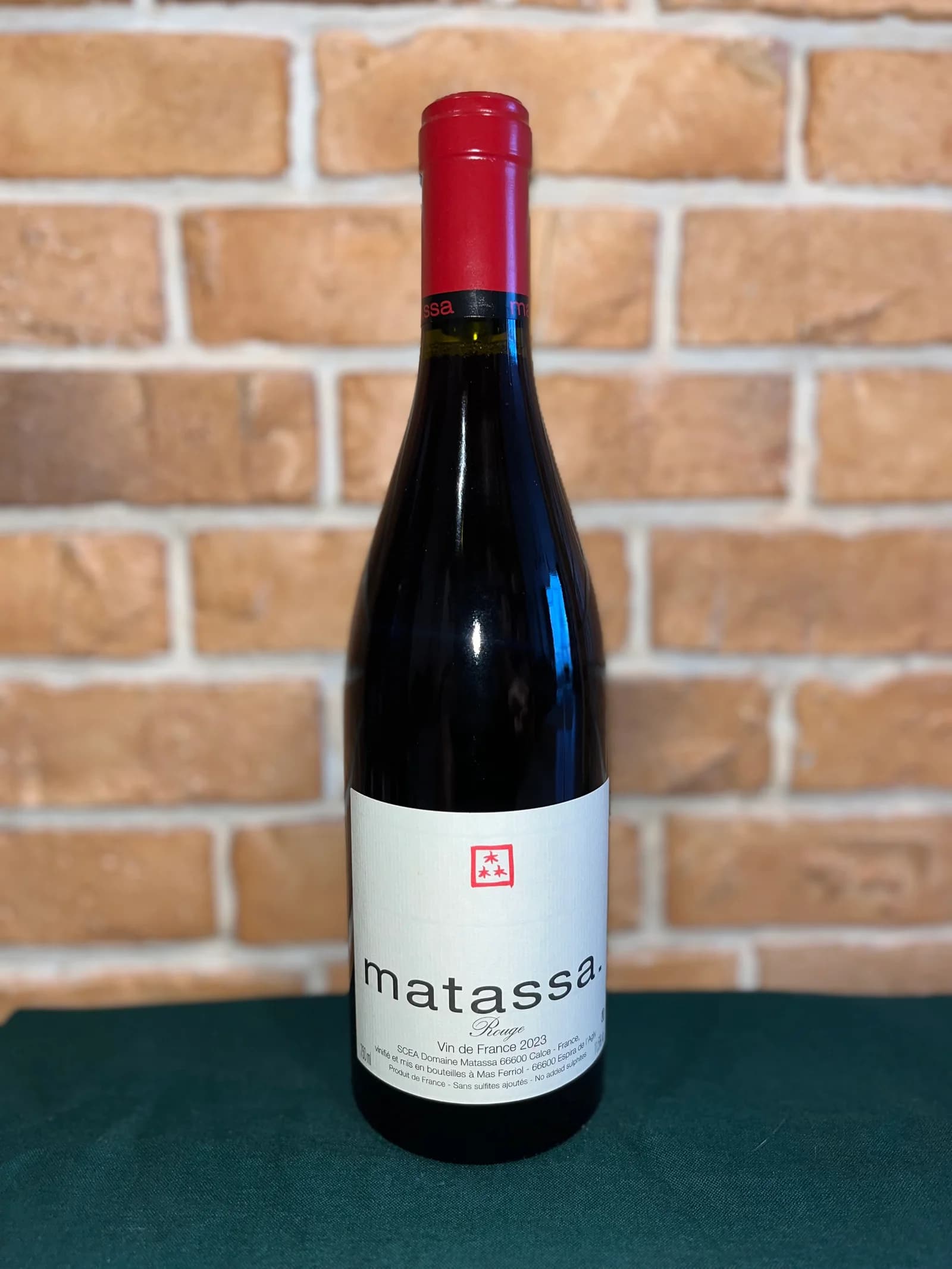
Rouge
2023· France
3.9
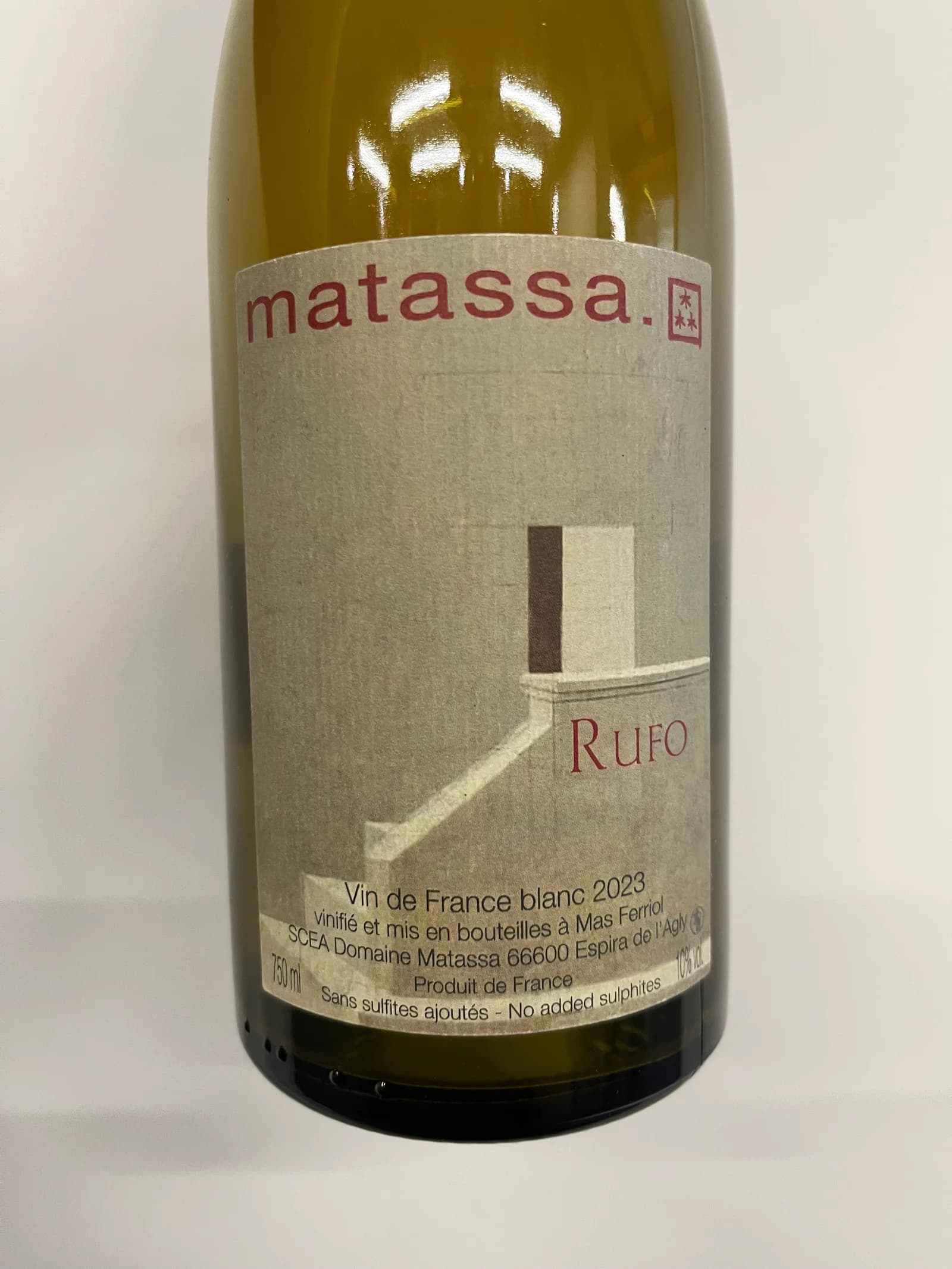
Rufo
2023· France
4.0
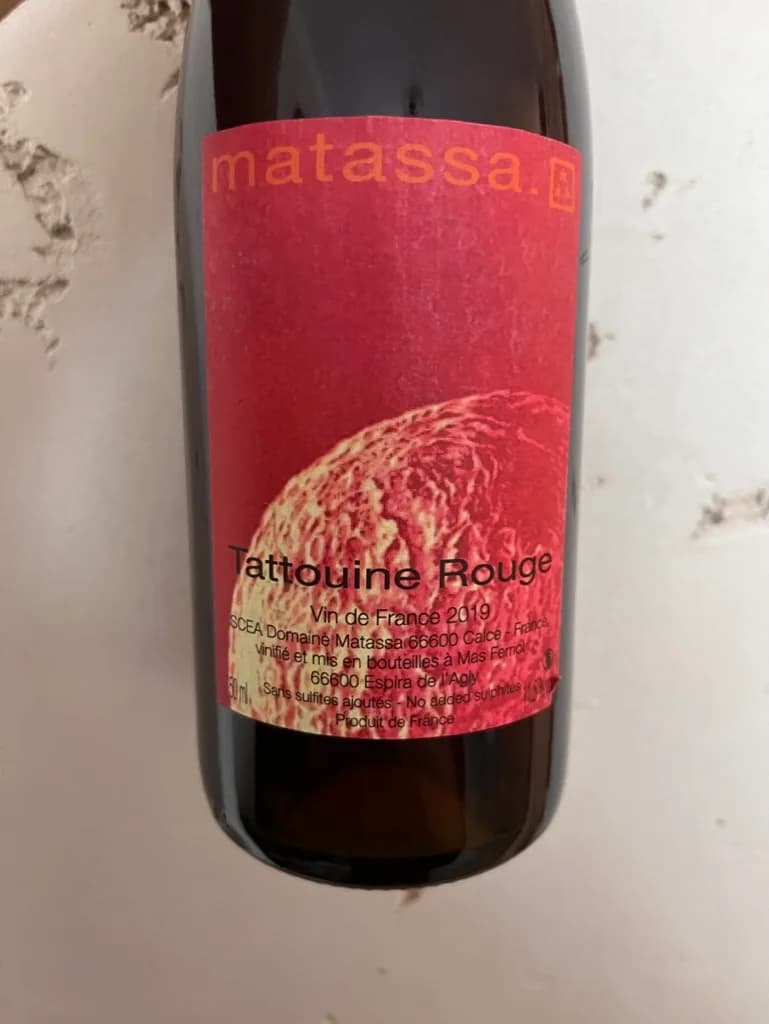
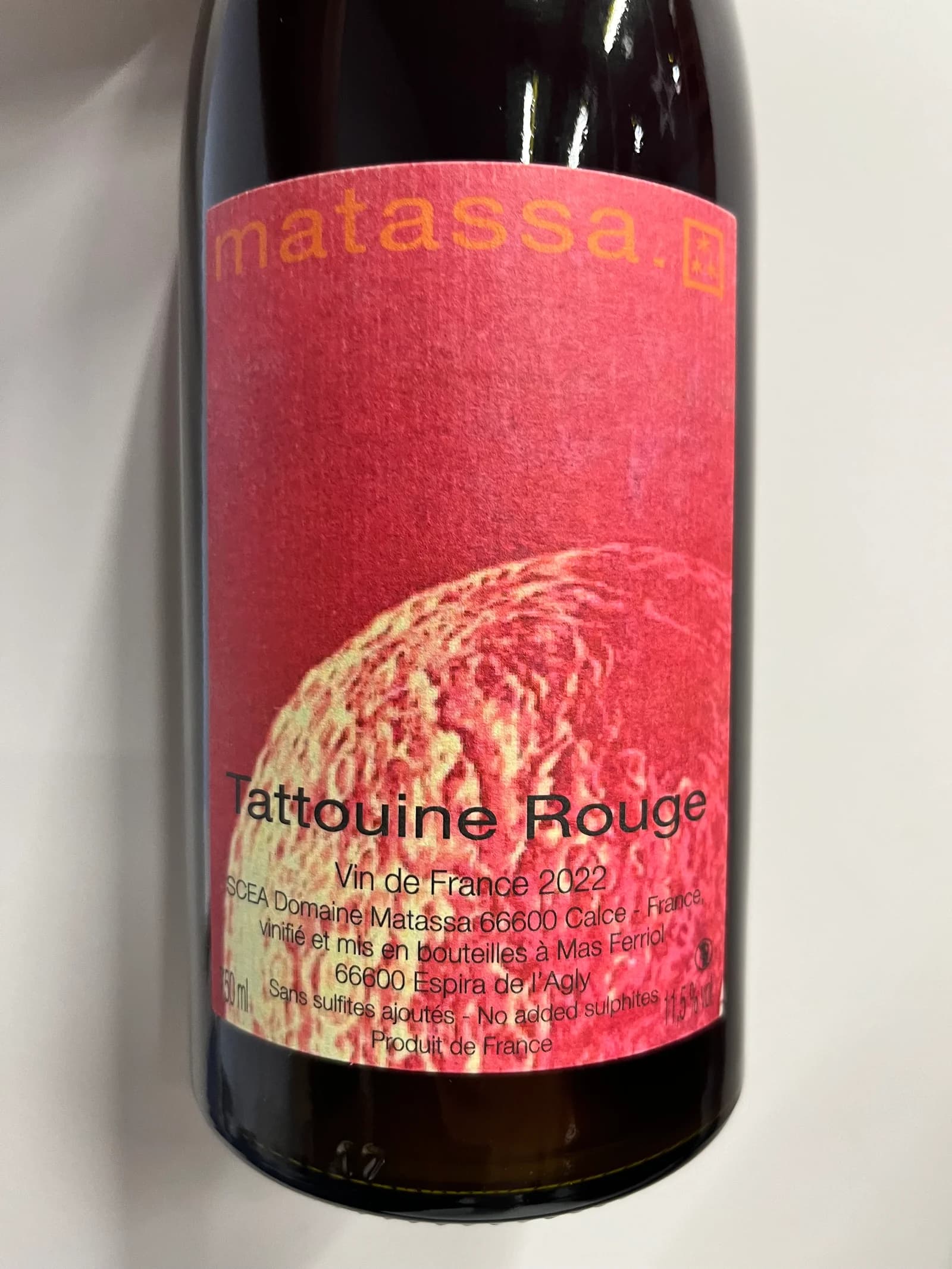
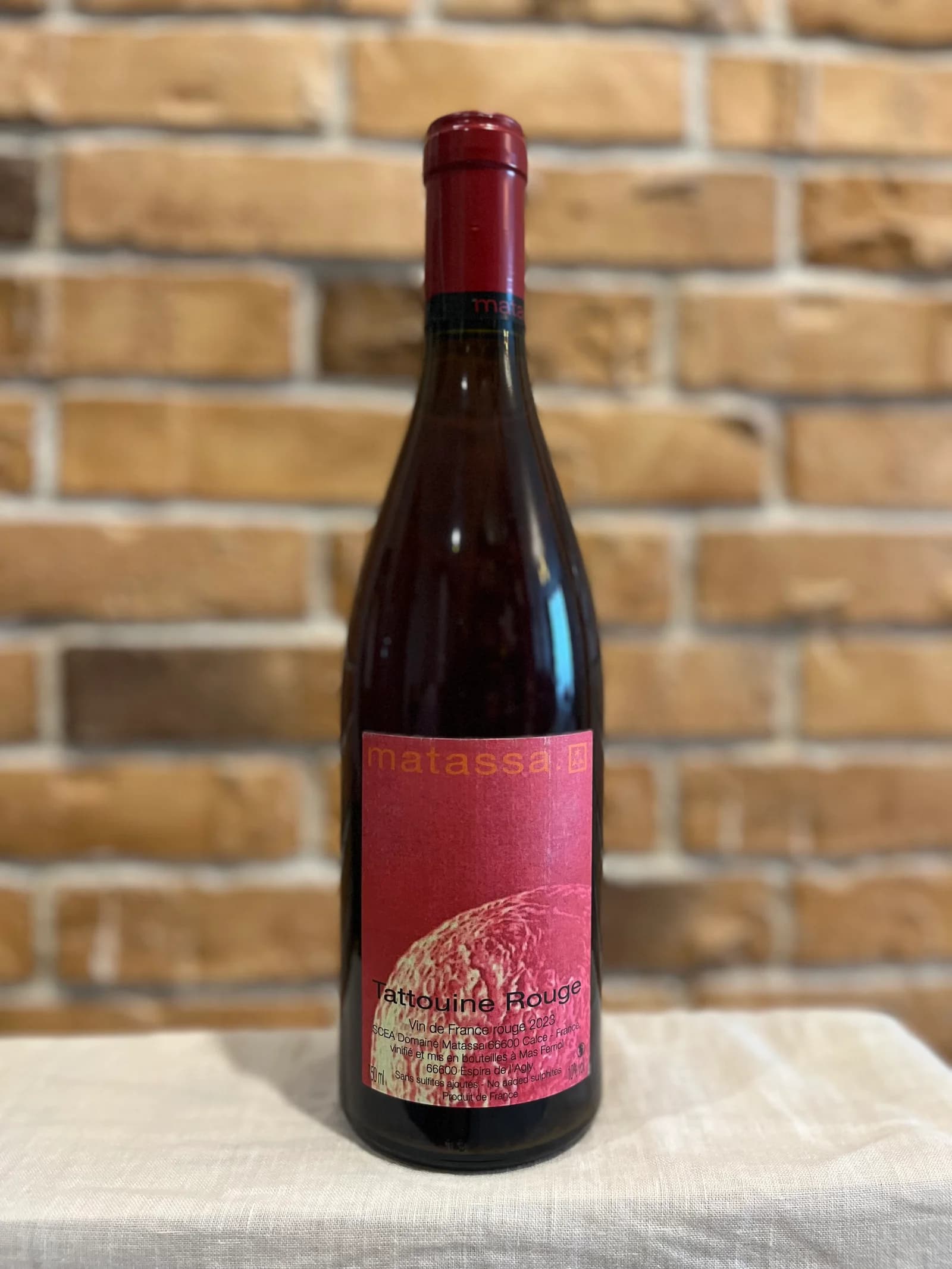
Tattouine Rouge
2019· France
4.0
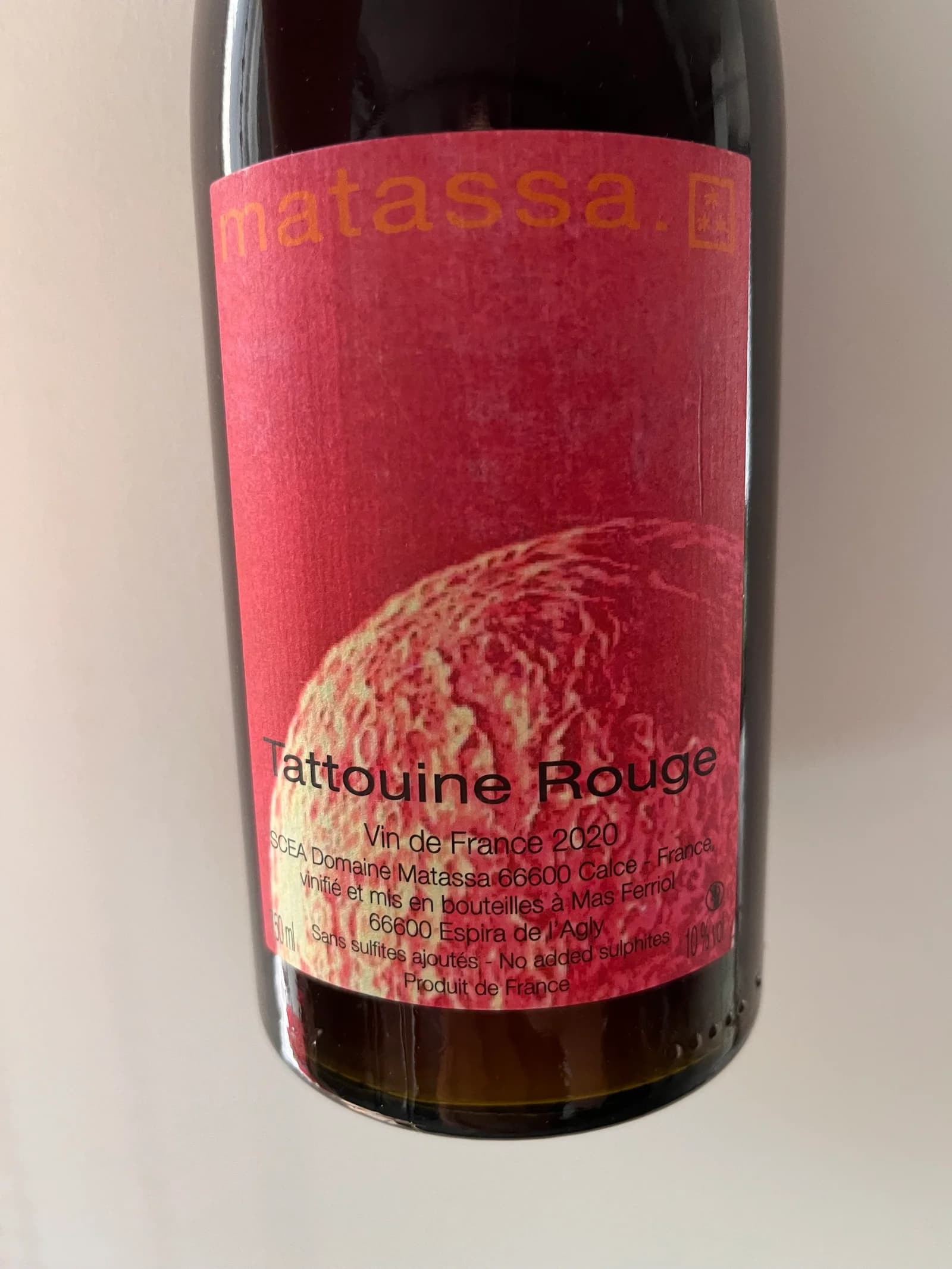
Tattouine Rouge
2020· France
4.0
Tattouine Rouge
2022· France
4.0
Tattouine Rouge
2023· France
4.0
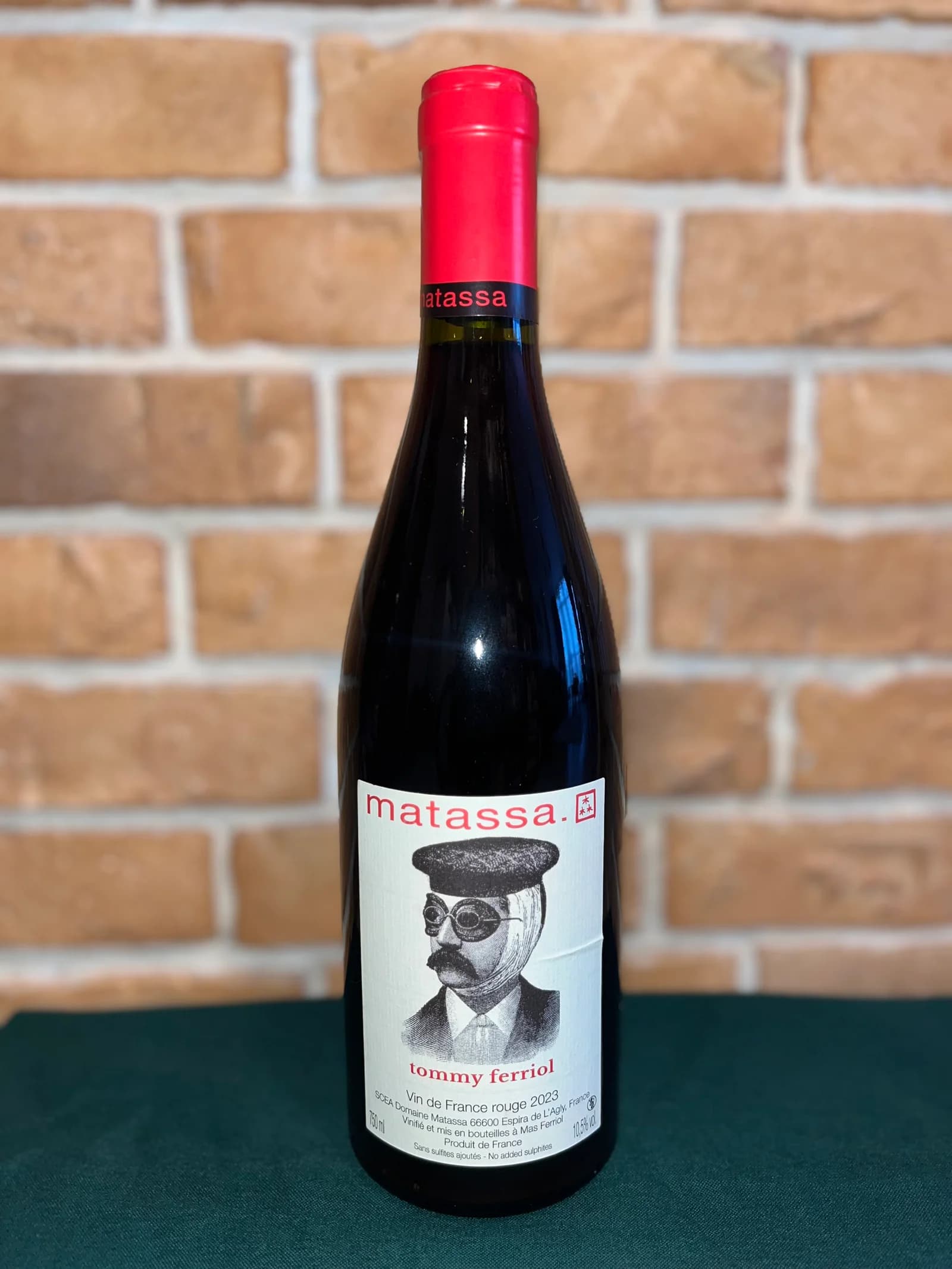
Tommy Ferriol
2023· France