Vinul Moldovei Vol. 5
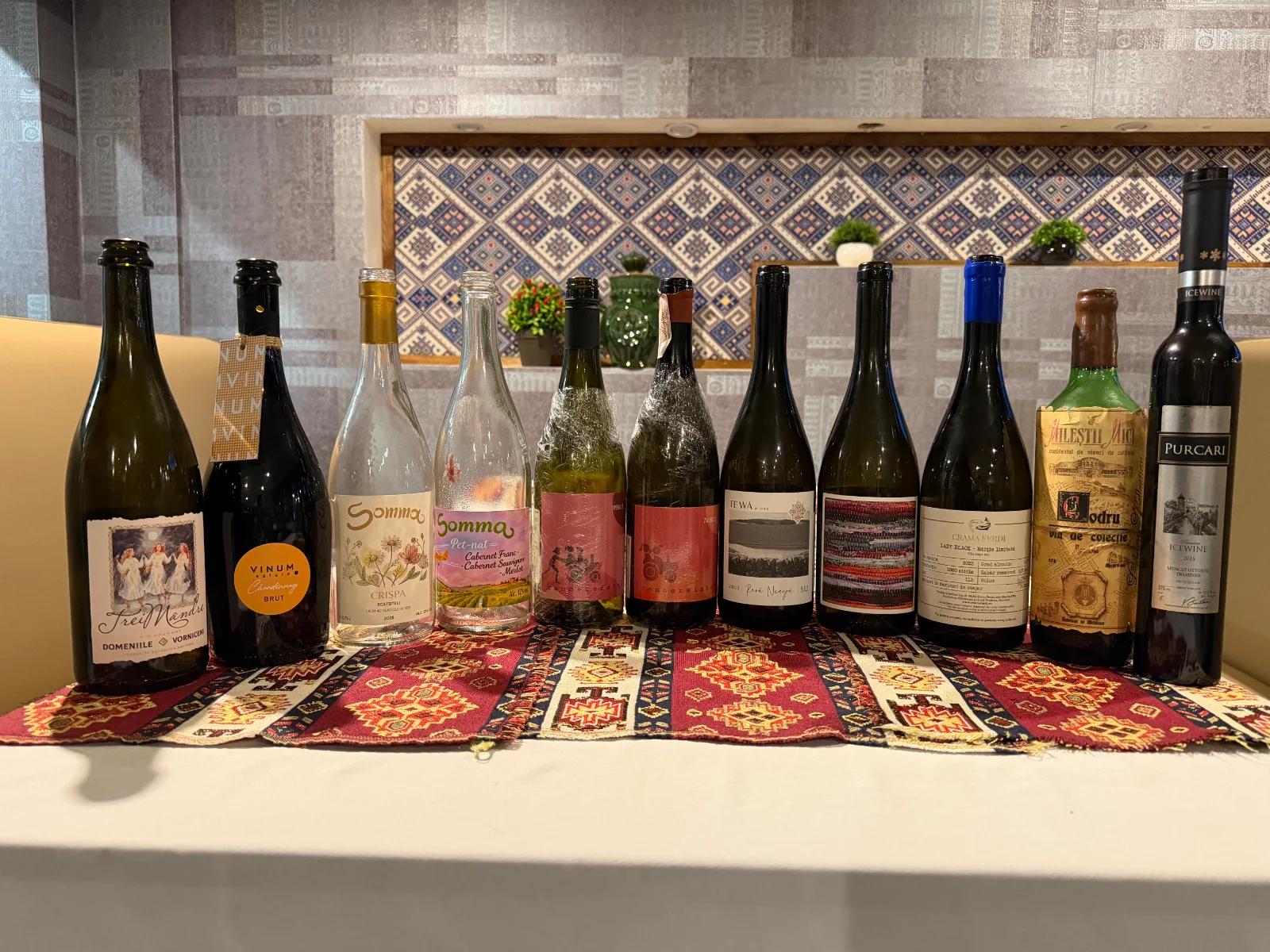
Eight bottles of young and small Moldova, one guest from Romania, and a Purcari icewine eleven years on, over shashlik at Kara-Bala.
By Boris
Vinul Moldovei, volume five. The recipe has not changed: Moldovan wine, grilled meat, and no white tablecloths. Simple food and Moldovan wine is the combination I grew up on, and it still beats any tasting room, so once again we met at Kara-Bala.
This year leaned on the young and the small, the new releases I keep bringing back from Moldova: seven bottles from me, and four more that friends brought along. Read top to bottom, the list is also a short trip. It starts in Vorniceni, a Codru village that turns up three times along the way, goes south to Taraclia and Ciumai, takes a detour to Burgenland, and reaches the lower Nistru before crossing the Prut into Prahova for one guest. Then it comes home: Julie brought a 1987 Codru from the cellars of Mileștii Mici, and Bohdan a Purcari icewine that had waited eleven years, along with hazelnuts from his own trees and some grappa.
Divus Winery Domeniile Vorniceni Trei Mândre Spumant 2025
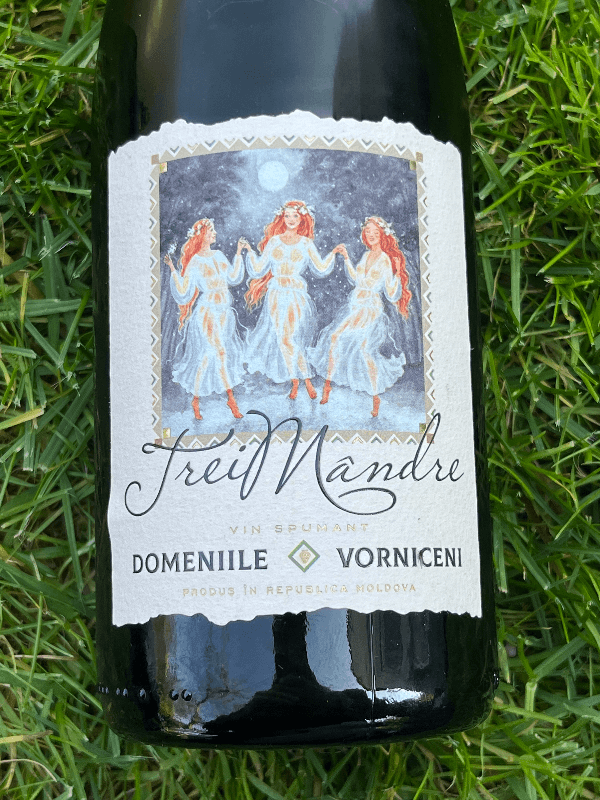
The trip starts in Vorniceni, a village in the heart of the Codru, where Vasile Bratu founded Divus Winery in 2018. It is a family estate of about ten hectares and some 60,000 bottles a year, and its stated ambition is bold experimentation, with local and international grapes alike. The name Trei Mândre means, roughly, three beauties, and Divus gives it to blends of three white grapes. The still Trei Mândre is Viorica, Floricica and Fetească Regală. The sparkling one keeps the last two and swaps Viorica for Fetească Albă. Its three grapes all belong to this part of the world: Fetească Albă is an old native, Fetească Regală its Transylvanian offspring, Floricica a newer Moldovan selection. The bubbles come the Charmat way, from a second fermentation in a pressure tank, where Divus gives the wine two months. The bottle carries the village's name, as Domeniile Vorniceni, and is finished as a brut. Same name, two grapes in common, and the third is where they part.
The full note is for members.
Join to read it and the restVinum Estate Spumant Viu Chardonnay Brut 2025
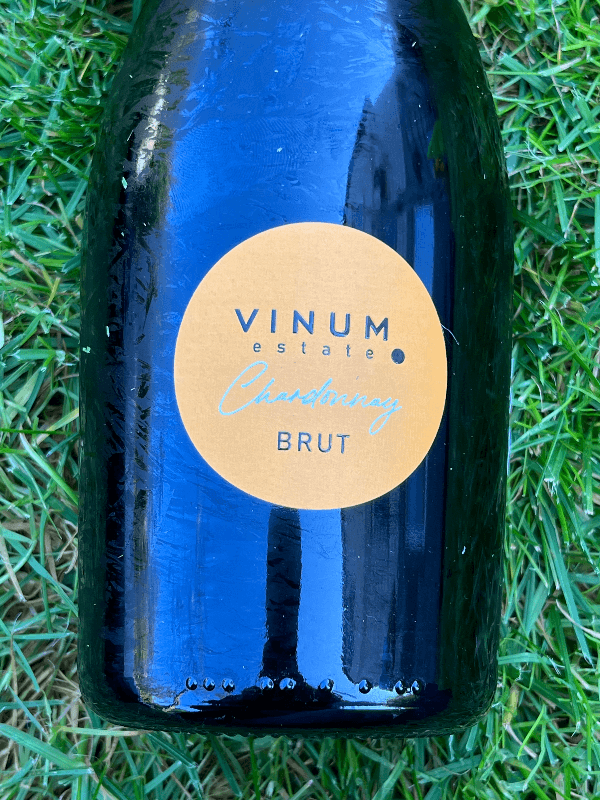
The second sparkling wine comes from a family with a much longer memory. By its own account, Gancho Todorov Uzhakov planted a vineyard in Taraclia, in southern Bessarabia, in 1832, and nine generations in wine have followed. Vladlen Uzhakov spent nearly twenty years in consulting and winery construction before reviving the family's winery in 2015 as Vinum Estate, 4.5 hectares at Sociteni in the Codru and at Taraclia. Spumant viu, living sparkling wine, is the house's pét-nat, first made in 2017, which Vinum describes as a natural fermentation finished in the bottle, with no filtration and no added sulphites, sugar or yeast. The e-label of the 2025 lists one ingredient, grapes. This edition is Chardonnay, a grape the estate sources from colleagues rather than grows. Vinum's shop page describes Spumant Viu as Fetească Regală and Chardonnay, while this bottling's e-label gives Chardonnay alone. It is dry in fact as well as in name, at about 3 grams of sugar per litre, and the run stops at 351 bottles, the same as the 2024. Nine generations of wine, and this one is still called living.
The full note is for members.
Join to read it and the restSomma Crispa 2025
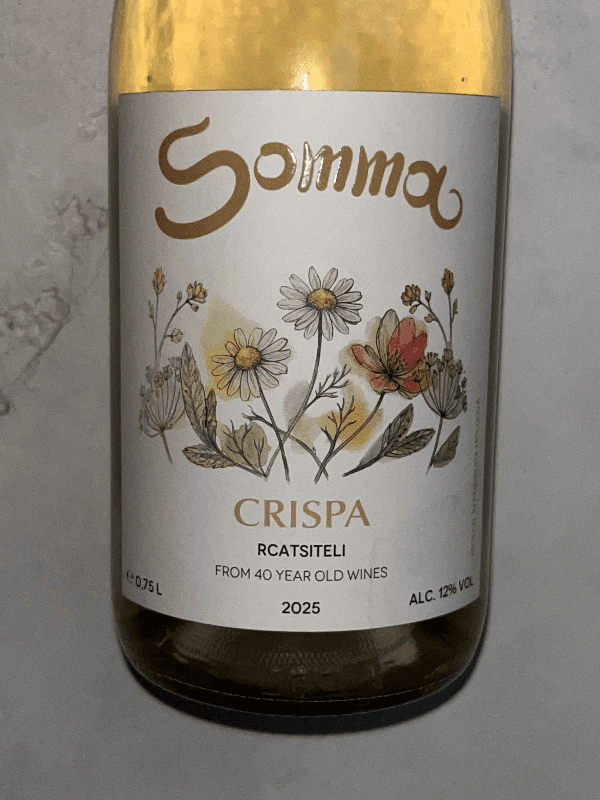
Next comes Ciumai, in the south, inside Valul lui Traian, where two brothers, Eugen and Alexandru Sîrbu, make wine as Somma. Their own vineyard is 1.8 hectares of Cabernet Sauvignon of about 25 years, next to the cellar, and the whole range stays under about five thousand bottles a year. The rest of the fruit comes from growers they trust; for their Riesling that means juice from the Codru, notably from Vorniceni, the village we started in. Crispa is their still, dry take on Rkatsiteli, the Caucasian variety that remains one of Moldova's most planted whites, and the 2025 comes from forty-year-old vines. The winemaking is as bare as it gets: free-run juice only, nothing from the press, no fining, no filtration, and little or no added sulphur. Of Crispa there is so little that most of it goes straight to local fairs. This one travelled a little further.
The full note is for members.
Join to read it and the restSomma Pet-nat Rosè
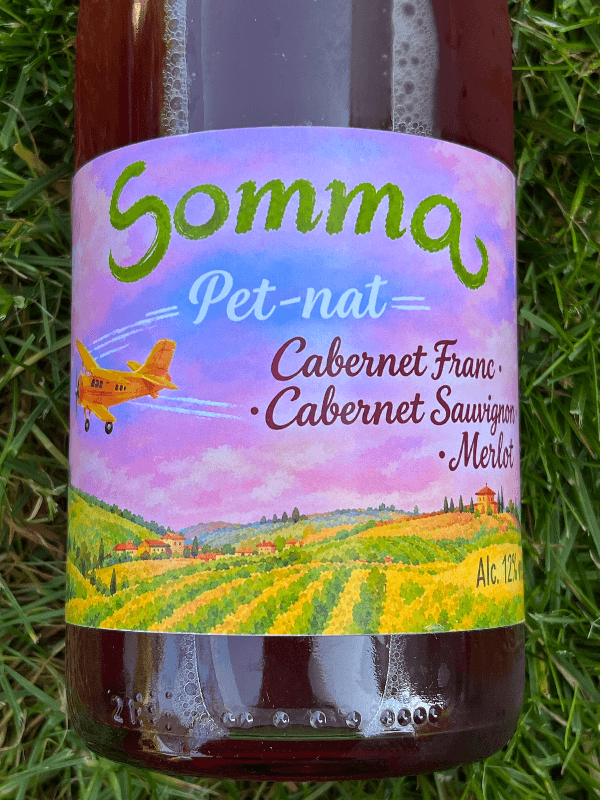
The second Somma bottle is where the brothers' appetite for experiment shows. Their approach is minimal intervention: native yeasts, little or no sulphur, often no filtration. Put a Somma bottle in a blind pour and experienced drinkers reach for Germany, Austria or France, rarely for southern Moldova. Their Cabernet Sauvignon usually becomes a red, as it does with Merlot in the house's Roșu de Căuș. Here it turns up pink and sparkling, with Cabernet Franc and Merlot, made as a pét-nat: the fermentation that starts in the vat finishes in the bottle. Somma's website does not list this wine, so the details stop there. Three red grapes, one rosé, and the step from white to red.
The full note is for members.
Join to read it and the restRennersistas Zweigelt 2023
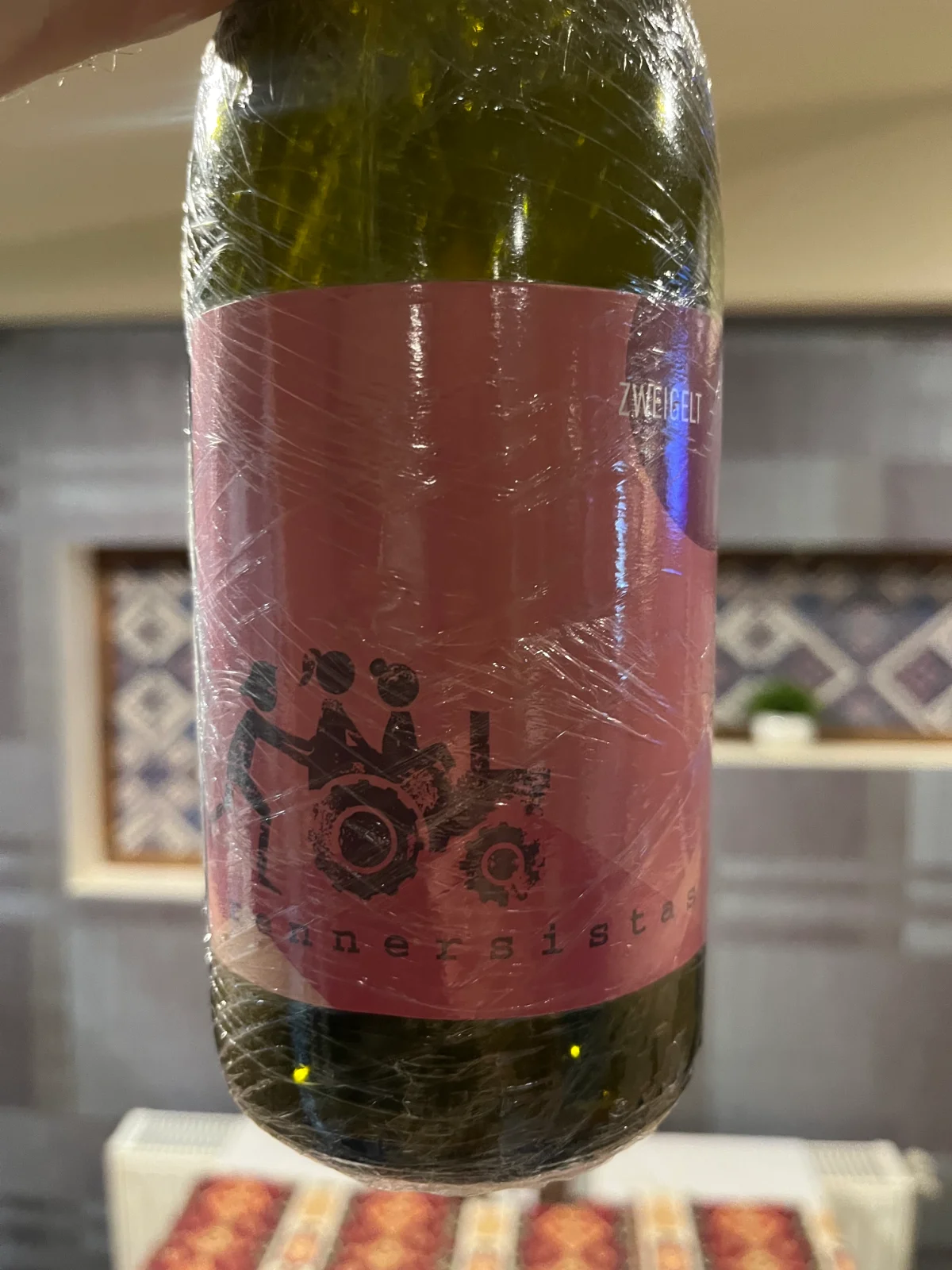
Then a detour, and Serhii's fun experiment: two Zweigelts from the same Gols family, poured blind. In 2014 Stefanie and Susanne Renner took over their parents' winery and turned it into Rennersistas, with their first wines from the 2015 vintage; since 2021 Stefanie has run it with her brother Georg. The estate says it ages its wines on the fine lees in oak and clay, in an earth cellar built in 1961, and neither fines nor filters any of them. The grapes for the 2023 were picked by hand and fermented spontaneously. By the national harvest report, Austria's 2023 began with an extremely dry winter, brought local hail in almost every region, and gave Burgenland's red-wine areas fully ripe, healthy grapes. The estate suggests serving it slightly chilled. The first half of a pair.
The full note is for members.
Join to read it and the restRennersistas Zweigelt 2016
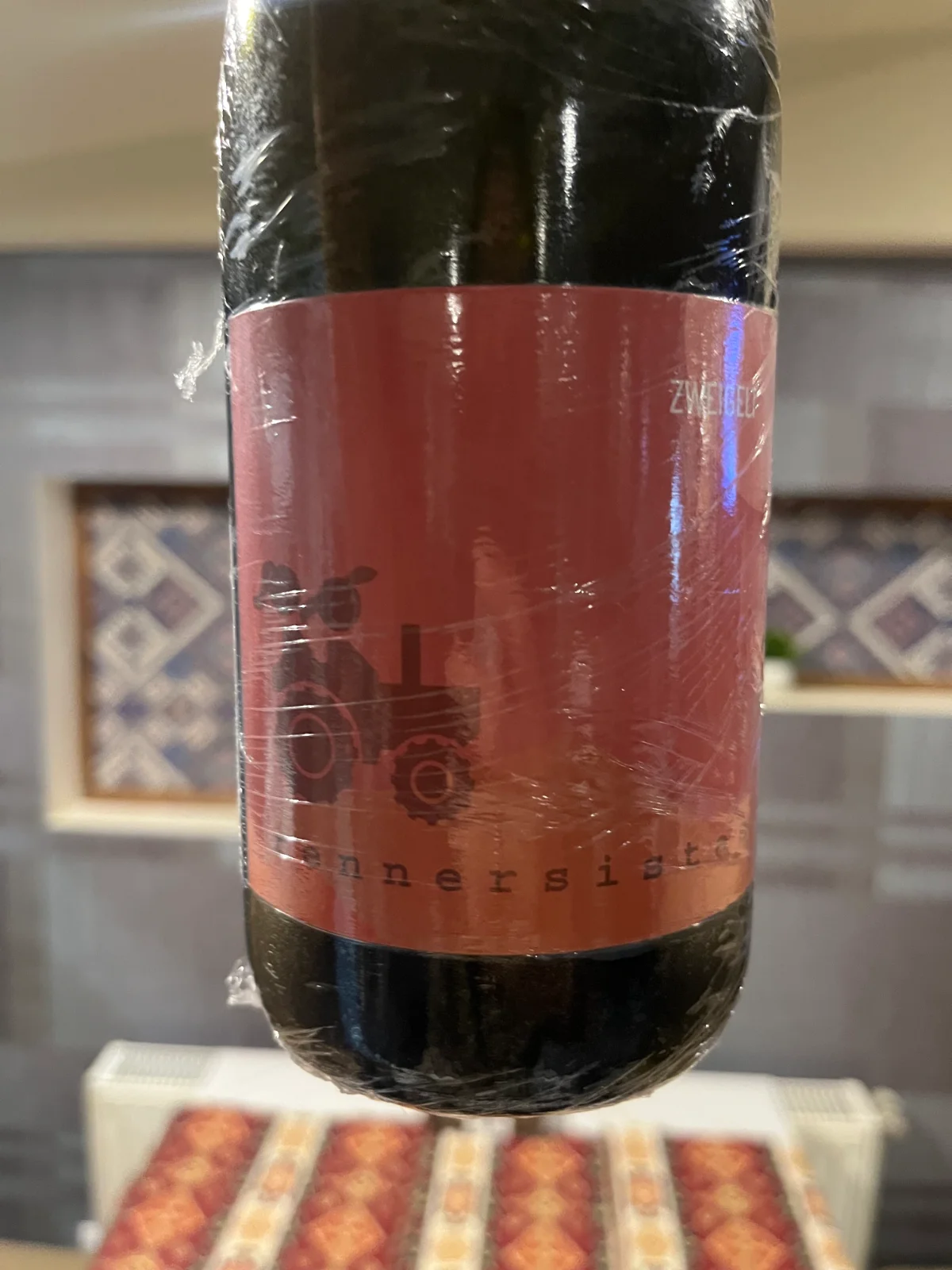
The second half was the same grape from the sisters' second vintage. The 2016 was bottled under the name of Renner Helmuth & Mitges.; Helmuth Renner had taken over the family estate in 1988. It went into bottle unfiltered, and the estate says it filters none of its wines. 2016 was a hard year around Gols. By the Austrian Wine Marketing Board's count, the late April frost caused shortfalls of 50 to 80 per cent in Burgenland and Steiermark, and frost and a hailstorm at the end of June around Gols and in Mittelburgenland cut the harvest there to about half the normal volume. The Board still summed up the year as reduced quantity and top quality. Same family, same grape, seven vintages apart.
The full note is for members.
Join to read it and the restTe Wā Rară Neagră 2023
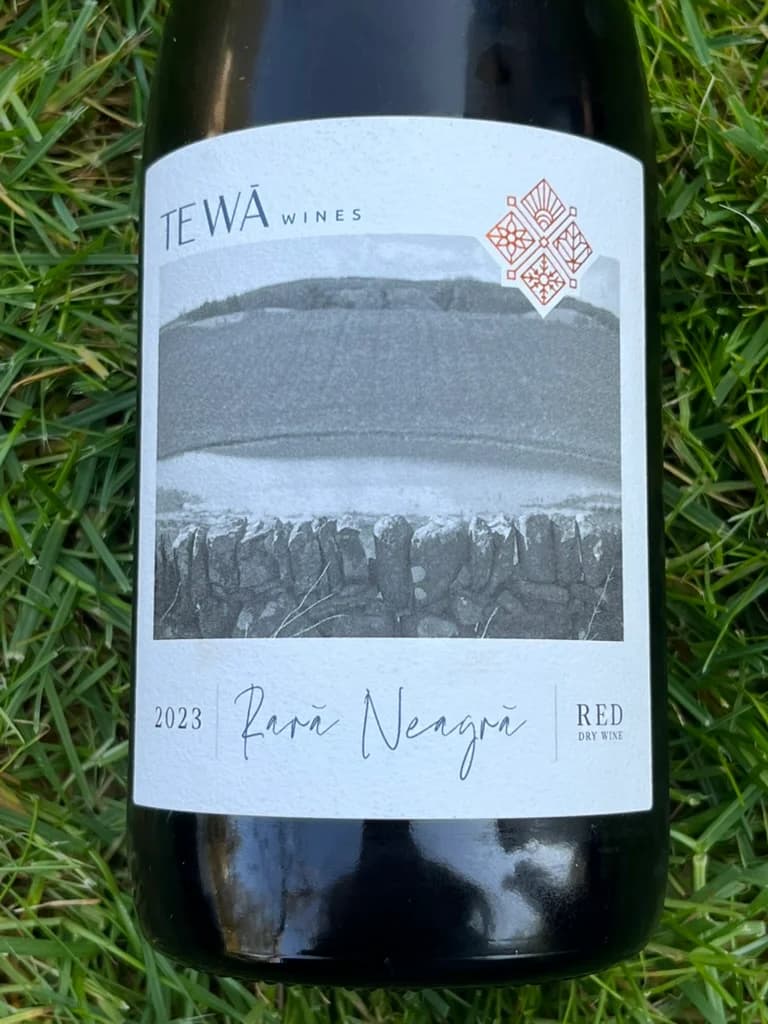
Back in Moldova, the reds start in Vorniceni again, at Te Wā, and with the comparison I had wanted for a long time: Te Wā makes both Rară Neagră and Fetească Neagră, so the two grapes could finally stand side by side from one cellar. The name is Maori, an unusual thing to find on a Moldovan label: literally the time, which the winery renders as time will tell. By its own account it was started by two women who went from the Napa Valley to New Zealand for wine and then decided to make it in Moldova; Wine Anorak tells it differently, crediting Vadim Mihailov, who had worked two seasons in New Zealand. Te Wā works with small growers, and for its Rară Neagră it names one: the Cojocaru family, whose two hectares near Cioburciu, on the right bank of the lower Nistru, were planted in 2018. So this is a young vineyard of one of Moldova's old reds, known across the Prut as Băbească Neagră. The must sits cold on its skins for four days, then ferments in steel with a mix of native and selected yeasts. A fifth of the wine spends six months in new Carpathian oak, and the rest stays in steel on its lees. An old grape, a young vineyard, and a family named as its grower.
The full note is for members.
Join to read it and the restTe Wā Fetească Neagră 2022/2023
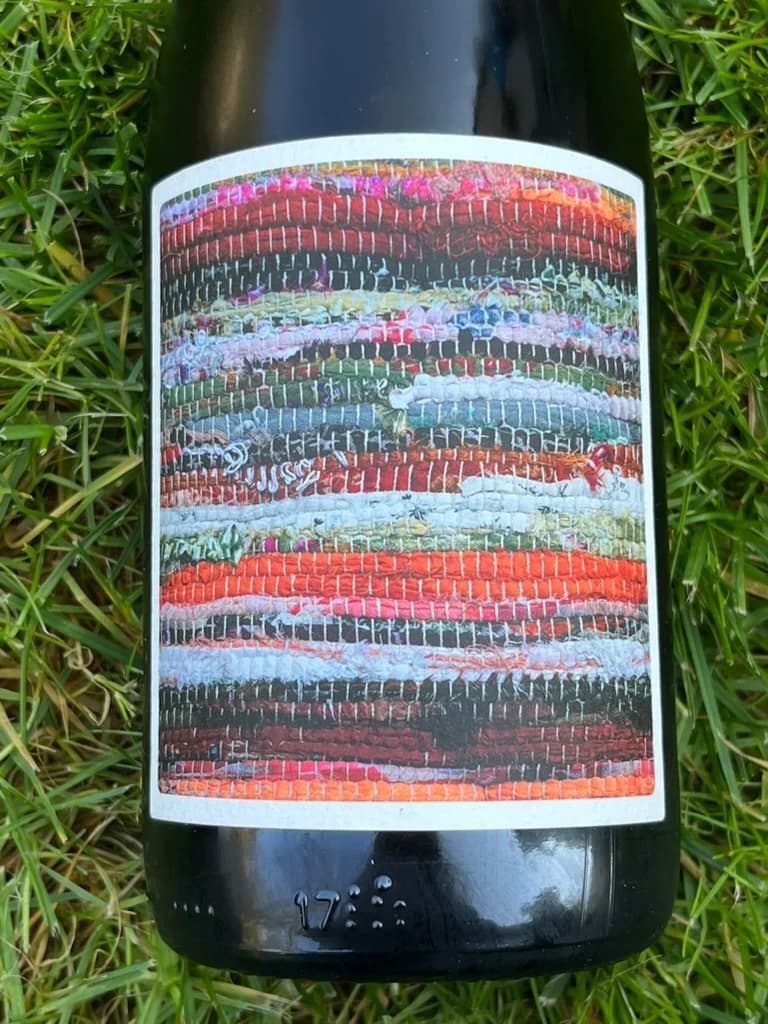
Te Wā's second red belongs to two harvests, and both years are on the label. The winery's own notes show how different they were. 2022 had a late spring without frost and a moderately hot summer with enough rain, and was picked in early and mid September. 2023 brought sudden spring frosts, a dry and abnormally hot July and August, and picking from the end of August. Te Wā has done this before: an earlier multi-vintage Fetească Neagră came from a small east-facing plot in the Purcari area of Ștefan Vodă. For this release no such details are published. It was bottled on 10 November 2025, almost exactly a year before we opened it. One wine, two summers.
The full note is for members.
Join to read it and the restCrama Ferdi Lady Black Ediție limitată 2023
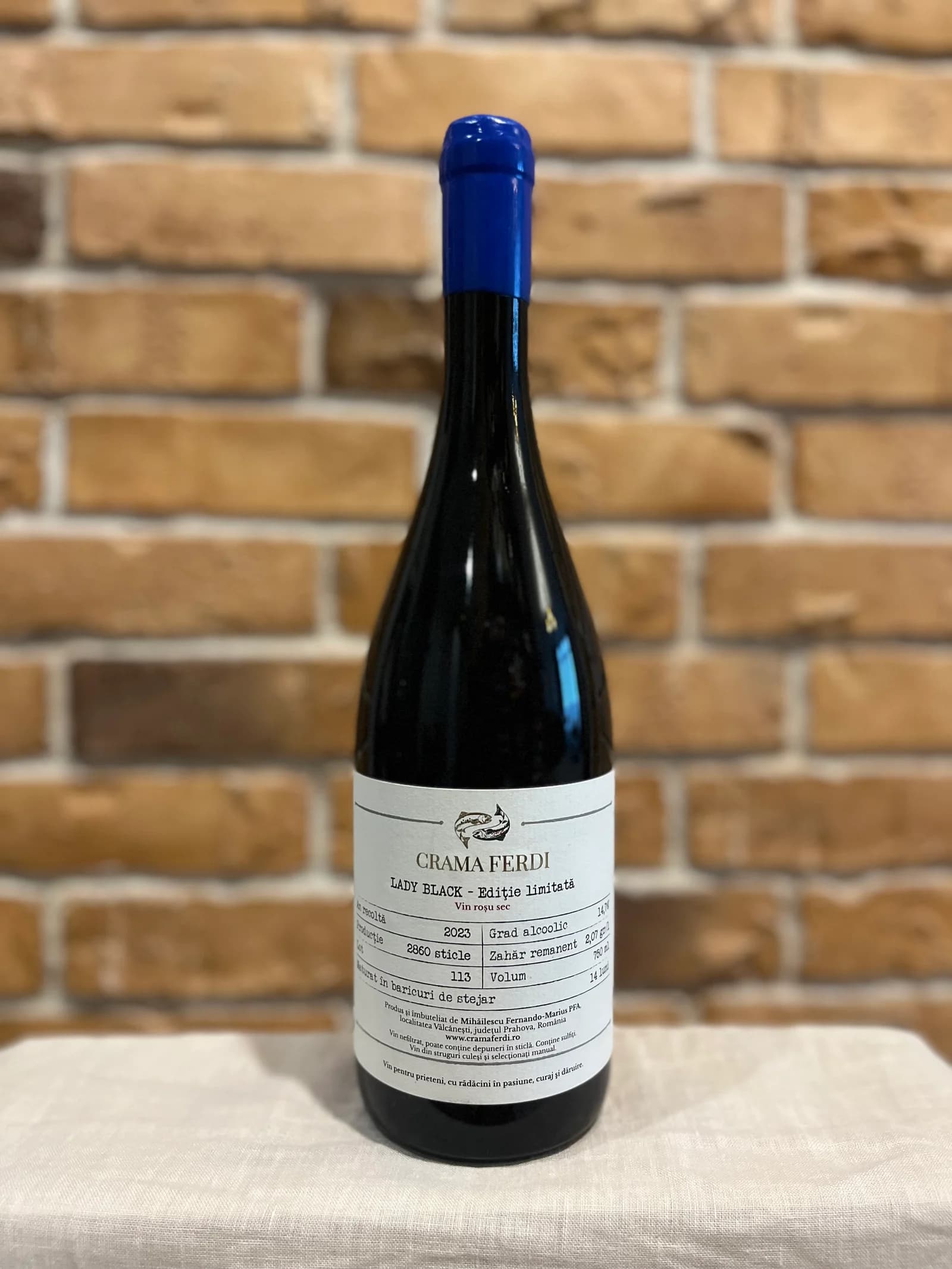
Then we crossed the Prut. Fernando Mihăilescu wanted to make wine in a style of his own, and to make it the traditional way, and his son Paul joined him later. Crama Ferdi, which marks its bottles "since 2009", sits in Vălcănești, in Prahova, and still calls itself a relatively young winery. In the vineyard the rule is attention, with grapes selected vine by vine and picked by hand into crates; in the cellar it is less is more. Every name in the range is tied to a memory of its maker: a Cuvée Paul, an Unchiu Puiu, a Mister S., and a Lady Black. She is Fetească Neagră, Romania's traditional red grape and one the house rates most highly; the name is usually translated as black maiden. The 2023 spent 14 months in oak and went into bottle unfiltered, and this limited edition ran to 2,860 bottles. Wine for friends, the house says, and that is the table it came to.
The full note is for members.
Join to read it and the restMileștii Mici Codru 1987
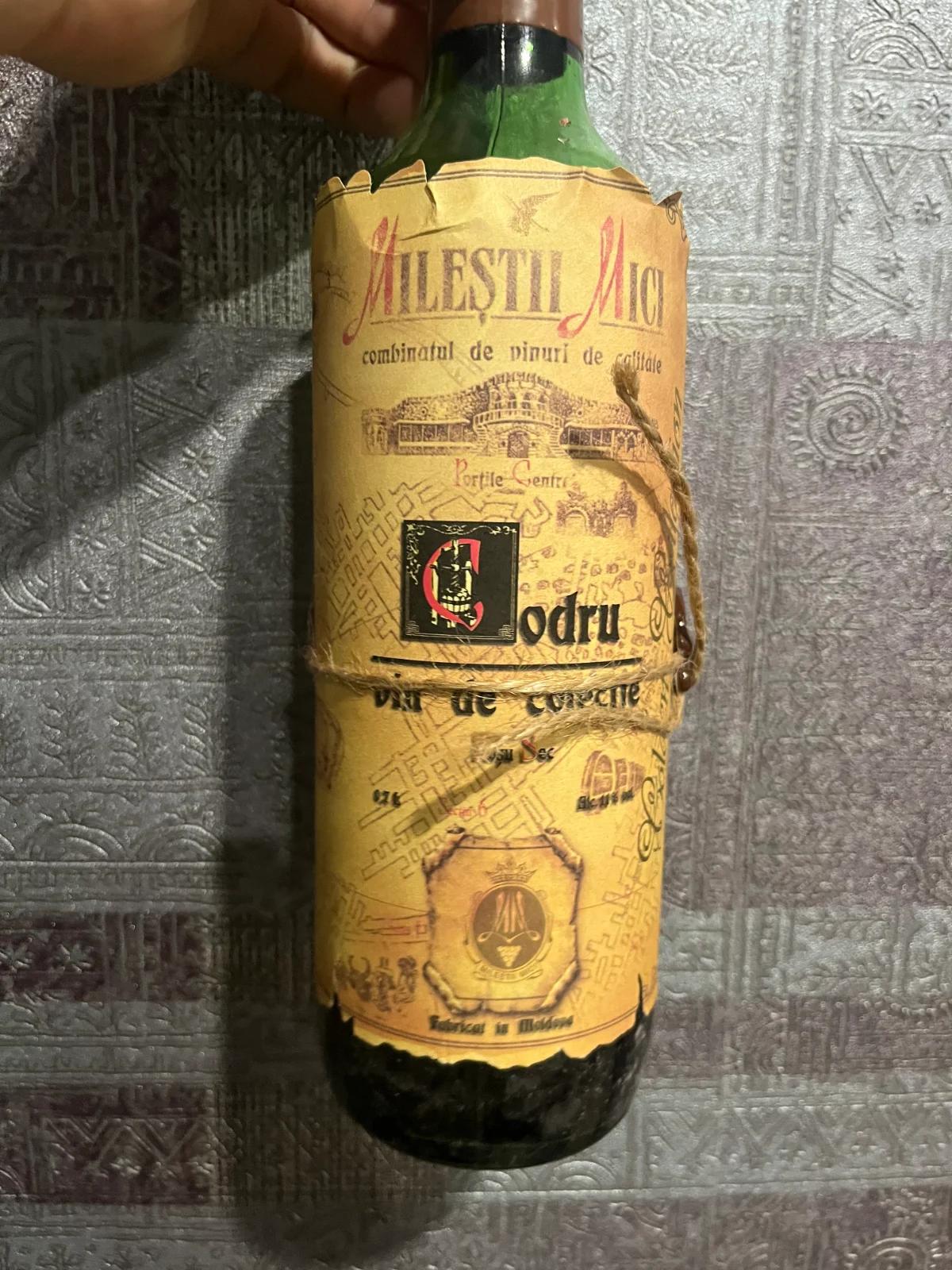
Julie brought the oldest bottle of the night, and it had come from under the ground. Mileștii Mici began as a limestone quarry about 20 km from Chișinău, and when the quarry was retired in the late 1960s its galleries were turned into a place to store and mature wine. In 2005 Guinness World Records named it the largest wine cellar by number of bottles, with 1.5 million, and the same year a Moldovan law made its galleries, buildings and unique wine collection part of the national cultural heritage. Its Golden Collection holds wines the house describes as matured first in oak, then bottled and laid down for at least three years, 80 metres down at a constant 12 to 14 degrees. Codru is the house's Cabernet Sauvignon and Merlot blend, named after the forested hills of central Moldova. Each collection bottle carries its harvest year, its bottling year and its own number: ours was harvested in 1987, bottled in 2000 and numbered 4919 by hand. Twenty-six years in glass before it reached our table.
The full note is for members.
Join to read it and the restPurcari Icewine 2015
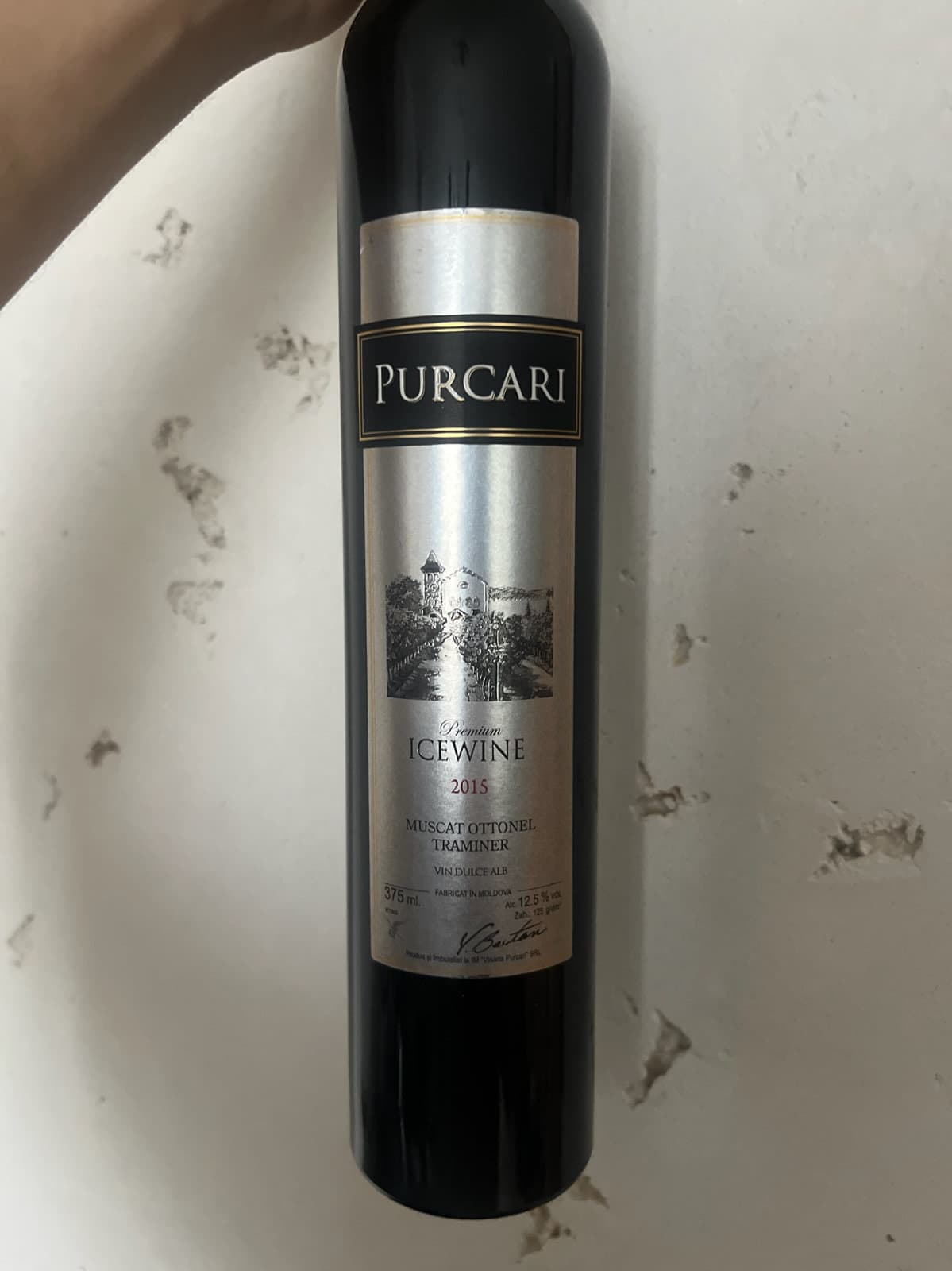
Bohdan brought the last bottle, and it took the trip back to the lower Nistru, to the Purcari corner of Ștefan Vodă, where Te Wā's Rară Neagră grows, and to the estate that bears its name. Purcari claims the oldest date at the table: 1827, when, by its own history, a decree made it the first specialised winery in Bessarabia. Its parent group listed in Bucharest in 2018, and the château alone makes around three million bottles a year, with a Limited Edition range for its small-batch experiments. The icewine began in 2012, from Muscat Ottonel and Traminer (Gewürztraminer), which Purcari describes as hand-picked, hand-sorted and frozen at minus 6 to minus 10 degrees; in later years it speaks of a harvest at minus 6 to minus 8. How the grapes freeze is less clear: none of what Purcari or its German importer publish says whether the frost comes on the vine or after picking, and Moldovan law, at least as of 2019, allowed the name Ice Wine for both. The 2015 came out with 125 g/l of sugar and a front label reading Premium Icewine. It waited eleven years to reach a shashlik table.
The full note is for members.
Join to read it and the rest