All producers
Purcari
Ștefan Vodă, Moldova3 wines3.7 avg
21
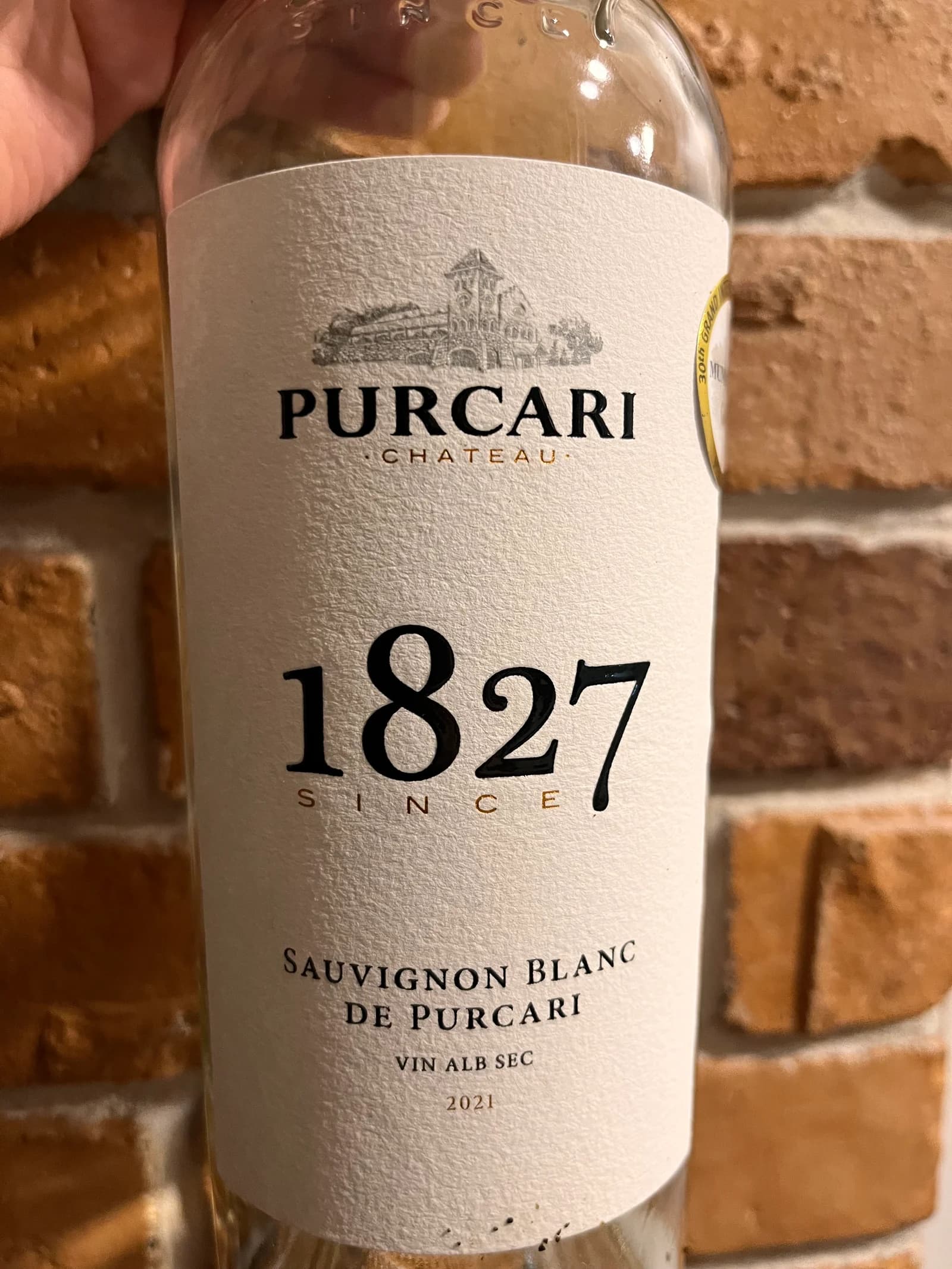
Château Purcari traces itself to 1827 - the producer's history page cites a decree by Tsar Nicholas I making the estate the first specialised winery in Bessarabia, which is the company's stated history rather than independently documented. The estate sits in Ștefan Vodă district in southeastern Moldova, around seventy kilometres from Odesa, on chernozem over clay-limestone, continental climate moderated by the Black Sea. A single contiguous ~260 ha plot is ringed by biodiverse forest, which lets the estate skip herbicides; another ~150 ha is contracted. Annual production at the chateau is around three million bottles.
The modern entity is Vinaria Purcari SRL, founded 2003 in the post-Soviet rebuild. Its parent, Purcari Wineries Public Company Limited, listed on the Bucharest Stock Exchange in February 2018 (ticker WINE) - first Moldova-based company on BVB and the first Eastern-European wine group on a stock exchange. Founder Victor Bostan ran the group as CEO until January 2025, was succeeded briefly by Alex Filip, and returned in December 2025 after Maspex took a majority stake. Federico Giotto (Italian) has been group chief oenologist since 2010.
The group works about 1,450 ha across seven sites in Moldova, Romania and Bulgaria. Sister brands: Bostavan (Moldova volume), Crama Ceptura and Domeniile Cuza (Romania), Bardar (Moldova divin / brandy), Angel's Estate (Bulgaria).
Château Purcari organises its lineup as collections rather than a strict price ladder:
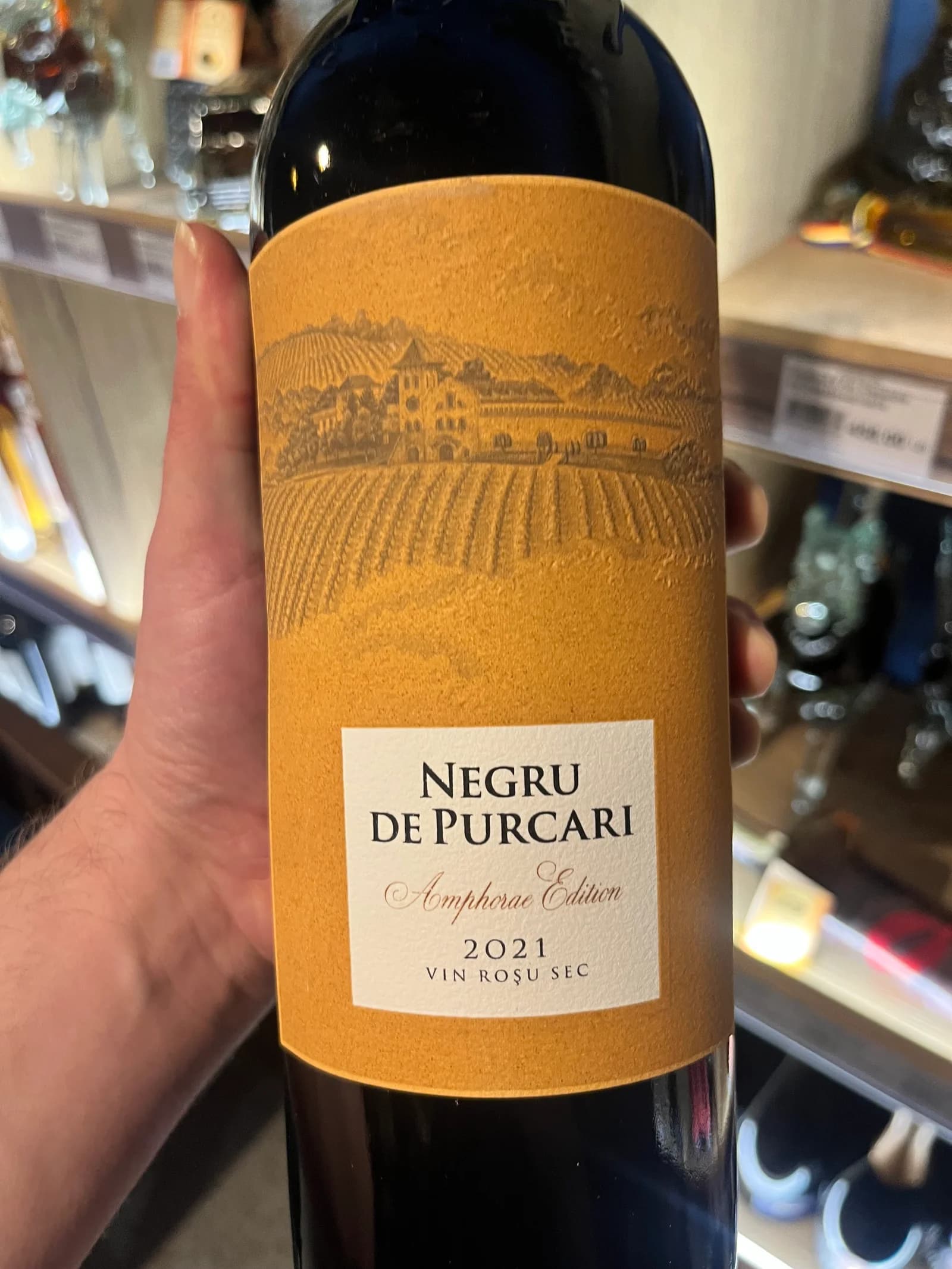
- De Purcari - premium core: single-variety bottlings (Sauvignon, Pinot Grigio, Chardonnay, Cabernet Sauvignon, Merlot, Rara Neagră) plus the three flagship blends. Negru de Purcari is the emblematic 1827 red, a Cabernet Sauvignon / Saperavi / Rară Neagră blend (proportions vary by vintage; the 2017 was 70/25/5, more recent vintages tilt closer to 55/40/5), aged ~18 months in French oak barrique; sub-tiers include standard, Limited Edition, Vintage and Amphorae. Alb de Purcari is the white flagship, Roșu de Purcari the rosé / red flagship.
- Academia Purcari - premium project vinified in clay amphorae (Viorica, Rara Neagră, Fetească Neagră, Saperavi).
- Cuvée de Purcari - traditional-method sparkling, second fermentation in bottle, developed with French oenologist Jérôme Barret.
- 1827 Limited Edition - heritage range commemorating the founding; broad varietal lineup, mid-tier.
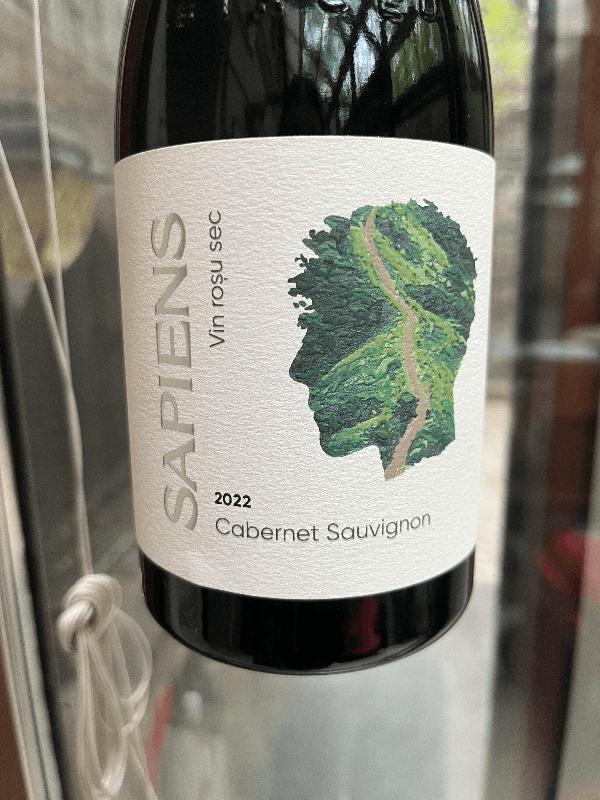
- Sapiens - character-driven mid-tier (five wines: Sauvignon Blanc Fumé, Chardonnay, Rosé, Rara Neagră, Cabernet Sauvignon). The producer pitches these as wines that will drive some mad and others may like less. But these wines will certainly be noticed by everyone.
- Vinohora - every wine pairs one native grape with one international (Fetească Albă / Chardonnay, Fetească Neagră / Pinot Grigio, Rara Neagră / Malbec).
- Nocturne - HoReCa-targeted, night-harvested fruit, value tier.
- Native - small sustainable plot (~25 ha), currently Rosé and Pinot Noir.
- Limited Edition (small-batch experimental) - cuvées including Floricica, Traminer, Pinot Grigio Rosé, Pinot Noir, Fetească Neagră, Malbec, Shiraz, Saperavi.
- Freedom Blend - one grape per country whose sovereignty Russia has pressured: Saperavi (Georgia), Rara Neagră (Moldova), Bastardo (Ukraine). Conceived 2011 as a twenty-years-of-independence cuvée; the 2014 vintage carries the post-Crimea solidarity framing the wine is now best known for. Proportions have shifted vintage to vintage.