Champagne Bag Vol. 7
Six Champagnes brought in from abroad, from producers you cannot buy in Ukraine, with a secret bottle poured blind and an Austrian rosé at the door.
By Boris · Hosted by Boris Buliga
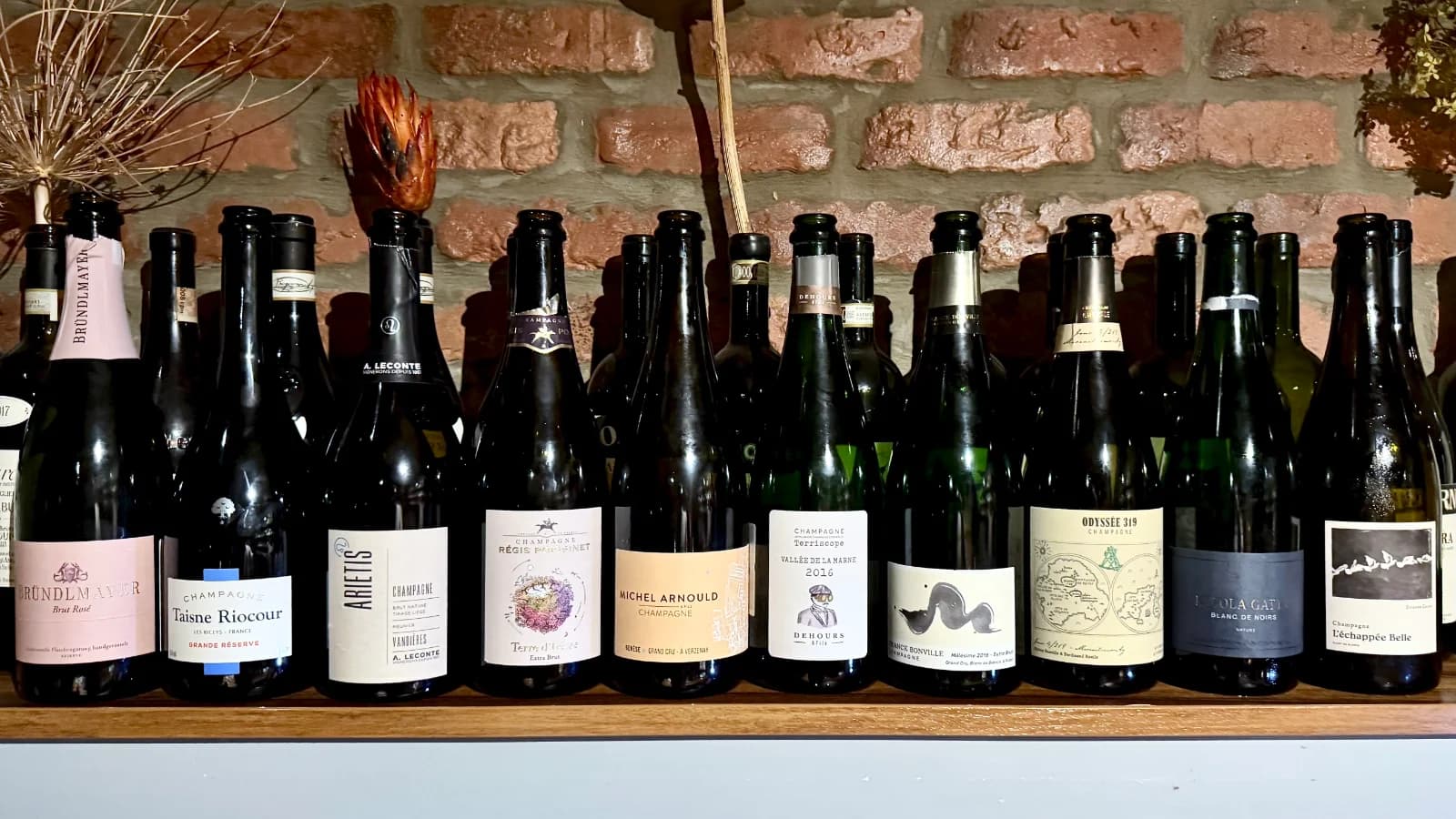
The last bottle in the bag carries a map. The Odyssée 319 label redraws Champagne as an old world map in two hemispheres, the Marne on one side and the Côte des Bar on the other, and it made a fair guide to the whole evening. Seven Champagnes came out of the bag, from six families, and between them they covered most of that map: Les Riceys at the far southern end, Meunier from the Vallée de la Marne, Pinot Noir from Verzenay, Chardonnay from Avize, and a last stop in Mareuil-sur-Aÿ.
Some of my friends love Champagne enough to order it straight from the region, and together we like to chase producers you cannot buy in Ukraine. Six of this bag's bottles came that way, from abroad, and four of them were new to everyone at the table, me included. Champagne Bag is a brown-bag night: the bottles are poured from the bag so the wine speaks before the label does. To round out the six I added a couple from my own cellar: an Austrian rosé at the door, and a secret bottle poured blind, from a producer that has only just started arriving in Ukraine. After the bag was empty, two extras were opened with their labels in plain sight: a Blanc de Noirs from Nicola Gatta in Lombardy, and the blended Blanc de Blancs of Étienne Calsac in Avize.
Weingut Bründlmayer Brut Rosé Reserve L16372/05/23 (d2025-05)
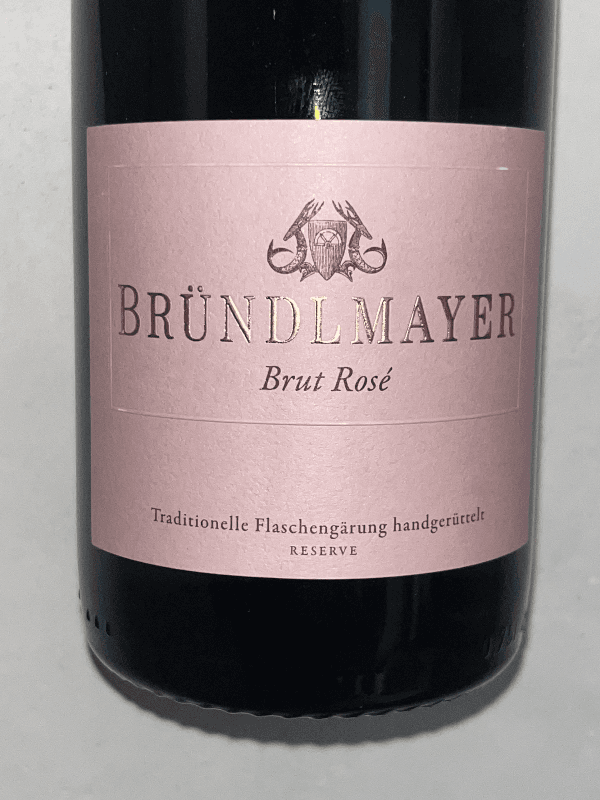
When Willi Bründlmayer took over his parents' estate in Langenlois, he turned it towards ecological farming: no synthetic fertilisers since 1979, certified organic since 2015. Sekt is the estate's other identity, made entirely in its own cellar and riddled on wooden racks. The rosé is built on the freshest and lightest of the estate's red grapes: Pinot Noir, Zweigelt and St. Laurent. The base wines are fermented separately and go through malolactic. Only the heart of the must goes into the sparkling, and the more powerful Zweigelt lots are sent to the still rosé instead. Ours went into bottle in May 2023, and was disgorged two years later, at the top of the house's own window. A good way to start a Champagne night is with something that is not one.
The full note is for members.
Join to read it and the restTaisne Riocour Grande Réserve
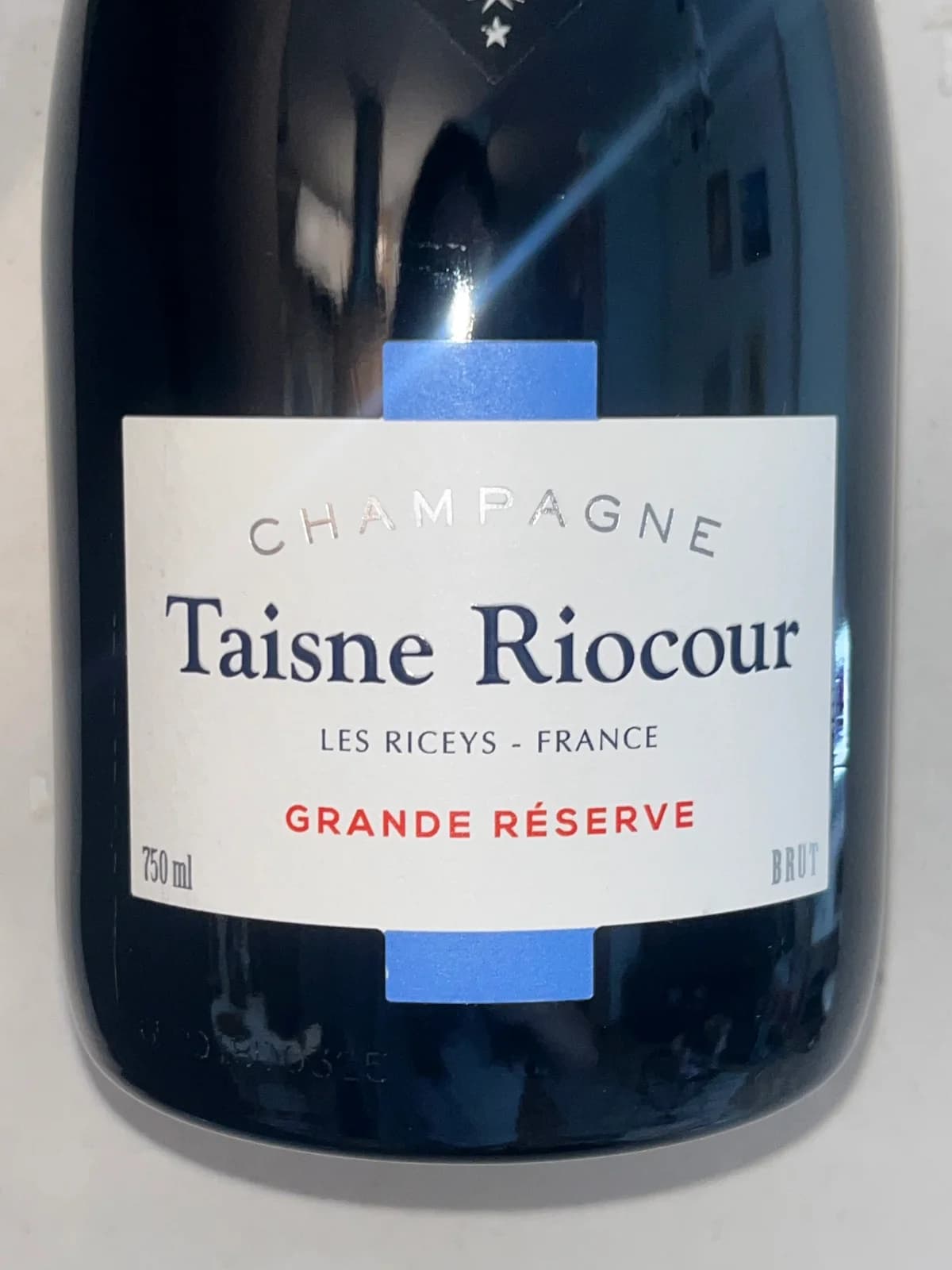
Taisne Riocour is five siblings' tribute to their parents, Angelito de Taisne and Claude de Riocour, who revived a family vineyard first established in 1837. The two families' arms sit on the bottle neck, a tree with three crescents and a star, and the house counts Consuelo Vanderbilt and Lilly Bollinger among the figures it says inspire its cuvées. The vines are mostly in Les Riceys, at the southern end of Champagne: twenty hectares, nine-tenths Pinot Noir, in the largest wine-growing commune of the region and the only one with three appellations to its name. The Grande Réserve heads the house list. It is Pinot Noir from the Tronchois plot with Chardonnay from Val-Germain, and the Chardonnay alone spends six months in foudre before the blend. About 15% reserve wine goes in, and the wine then rests at least three years in the cellar. The house quotes a dosage low enough to count as extra brut, yet the bottle calls itself brut. Either way, it carried the most sugar in the bag, and that is still very little.
The full note is for members.
Join to read it and the restA. Leconte Arietis (d2025)

For generations the Lecontes of Troissy grew grapes and sold them. Alexis's father Xavier went independent in 1980 and built his first press. In 2015 Alexis started a label of his own and put his first name on it, if only as an initial. He farms biodynamically, racks and bottles by the lunar calendar, ferments on indigenous yeasts in 400-litre barrels and leaves malolactic out altogether. Arietis crosses the river: the house is in Troissy, but the Meunier comes from Vandières on the other bank of the Marne, from the lieux-dits La Perchotte and La Forzie. The name is Latin for "of the Ram", and importers say the wine takes it from the brightest star in Aries. Ours went into the cellar under a cork rather than a crown cap on 9 May 2023 and was disgorged in March 2025. The only bottle in the bag with no dosage at all.
The full note is for members.
Join to read it and the restRégis Poissinet Terre d'Irizée (d2023)
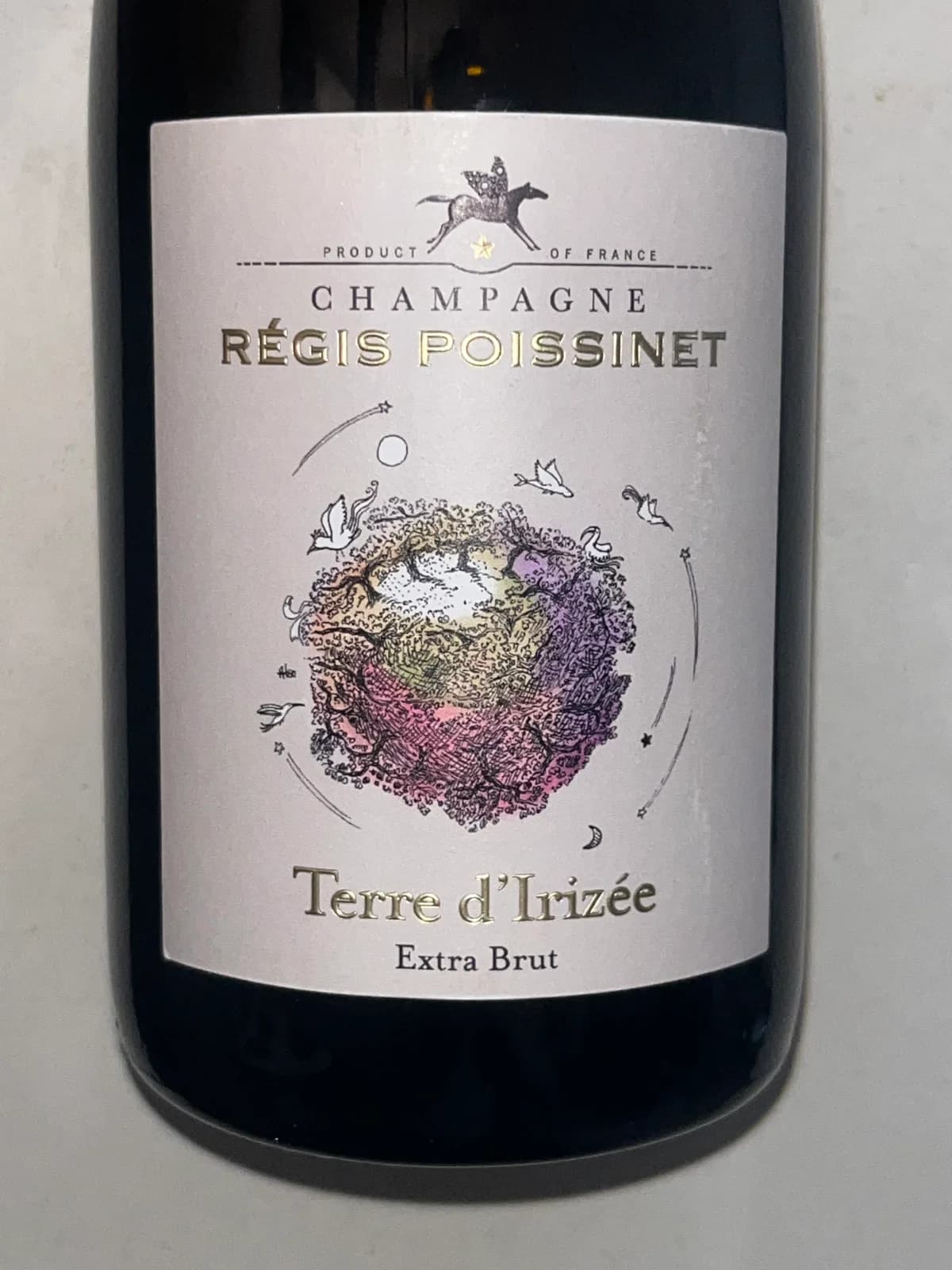
Régis Poissinet took over his family's estate in Cuchery in 2008 and changed the way it was farmed. Herbicides stopped, a horse came in to work the soil, the conversion to organic farming began in 2017 and the first certified harvest came in 2020. The estate dates to 1947 and covers seven hectares in 35 plots across five villages of the Vallée de la Marne. In a valley best known for Meunier, the Poissinets have kept it at the centre, and Régis gave it a cuvée of its own, Irizée Meunier. Terre d'Irizée is the blend, Meunier with a little Chardonnay, raised partly in oak barrels and partly in vats. The recipe moves: the June 2018 disgorgement had 39% reserve wine and 84% Meunier, and this April 2023 one carries more of both, with nearly half of it reserve. It was dosed at just 1.9 g/L. By the night we opened it, it had three and a half years in bottle after disgorgement, second only to the secret bottle.
The full note is for members.
Join to read it and the restMichel Arnould & Fils Genèse Grand Cru (d2025)
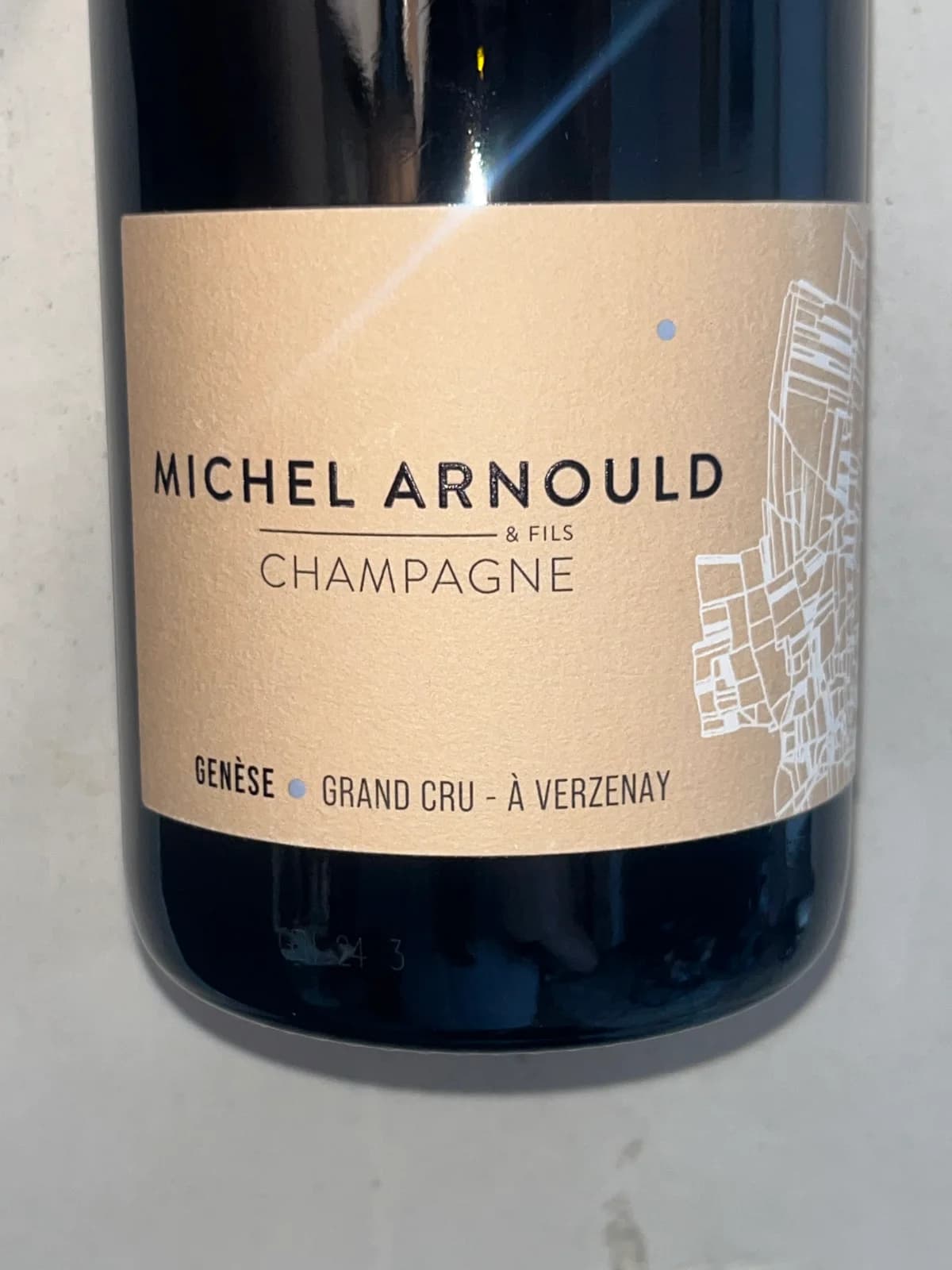
In 1961 Michel Arnould bought a house and a plot of land at 28 rue de Mailly in Verzenay and built a winery there to match his ambition: three underground levels, 1,500 square metres and two 4,000-kilo presses. What he wanted was total independence. It was complete only at the end of the 1990s, once every grape from the family's vines was vinified at home. The family has worked vines in Verzenay for thirteen generations, and the newest of them, Thomas, joined in 2022. Their twelve hectares are four-fifths Pinot Noir, and the family says everything starts with that grape. Genèse, "genesis", is the cuvée they call the starting point: one main harvest with 30% reserve wine from two other years, part of it aged in foudres. Most of it ferments in steel, and the other 15% goes into small oak barrels, in line with the house habit of putting some wood into every cuvée. Ours was disgorged in May 2025 and dosed at 3.5 g/L. In a range whose names read like a thesis, this is the first chapter.
The full note is for members.
Join to read it and the restDehours & Fils Terriscope Vallée de la Marne 2016
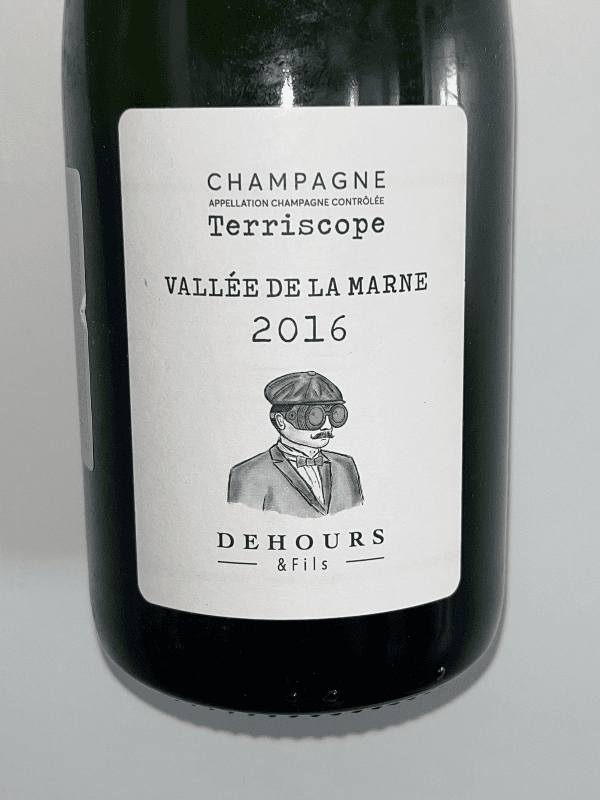
This was the secret bottle, from my own cellar. I like this house and have brought its wines to the table several times, always bought abroad, so I was happy when Alessio at WineWine started importing Dehours & Fils into Ukraine: a new import to buy, and a Terriscope I had not tasted before. Jérôme Dehours took over the family estate in Cerseuil, on the left bank of the Marne, in the late 1990s after studying in Beaune, and was among the early growers to bottle single vineyards and ferment in oak, these days in 500-litre barrels. Terriscope is his other hat: Meunier bought from growers in nearby villages who share the house's view of the craft, made with choices that differ from those for the family vineyard. The Vallée de la Marne 2016 was the first Terriscope with a vintage on it, 6,000 bottles and 500 magnums released at the end of 2022. It was a hard year to put a date on. Frost came in April, the first half of the year brought over 60% more rain than usual, and mildew took an estimated 15% of the crop, the worst pressure in twenty years. Ours spent about five years on its lees, was disgorged at the domaine in October 2022 and dosed at 1.1 g/L. The oldest disgorgement in the bag, from the year that tested the valley most.
The full note is for members.
Join to read it and the restFranck Bonville Millésime Grand Cru Blanc de Blancs 2018
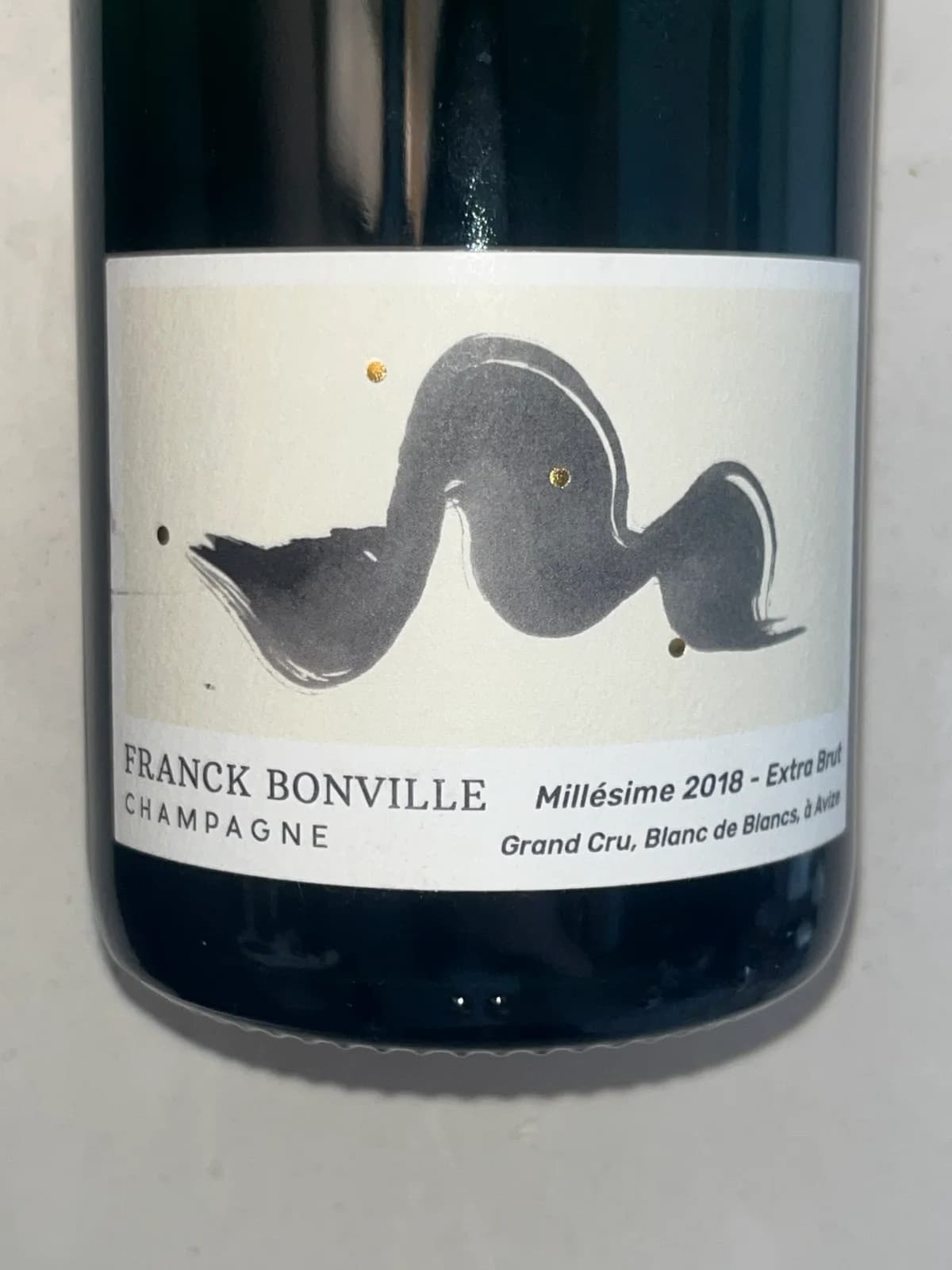
In 1936, with times hard for anyone selling grapes, Alfred Bonville and his son Franck bought a vignerons' house in the heart of Avize. After the war the family's wine went to the négociants, until Franck began bottling under his own name, and the first vintage was the exceptional 1959. Olivier Bonville, the fourth generation, runs the house now with his son-in-law Ferdinand Ruelle-Dudel: fifteen hectares of grand cru Chardonnay, most of it fermented in steel and all of it through malolactic. The vintage wine is how they write down a single year, and they call 2018 exceptionally sunny and generous. For this one they took Avize alone, fermented it in stainless steel and left it about six years on its lattes. It is disgorged in batches, and the dosage moves with them; ours came from May 2025, at 2 g/L. A sunny year, kept in steel and given time.
The full note is for members.
Join to read it and the restOlivier Bonville Odyssée 319 Jour 4/319 - Mareuil-sur-Ay 2021
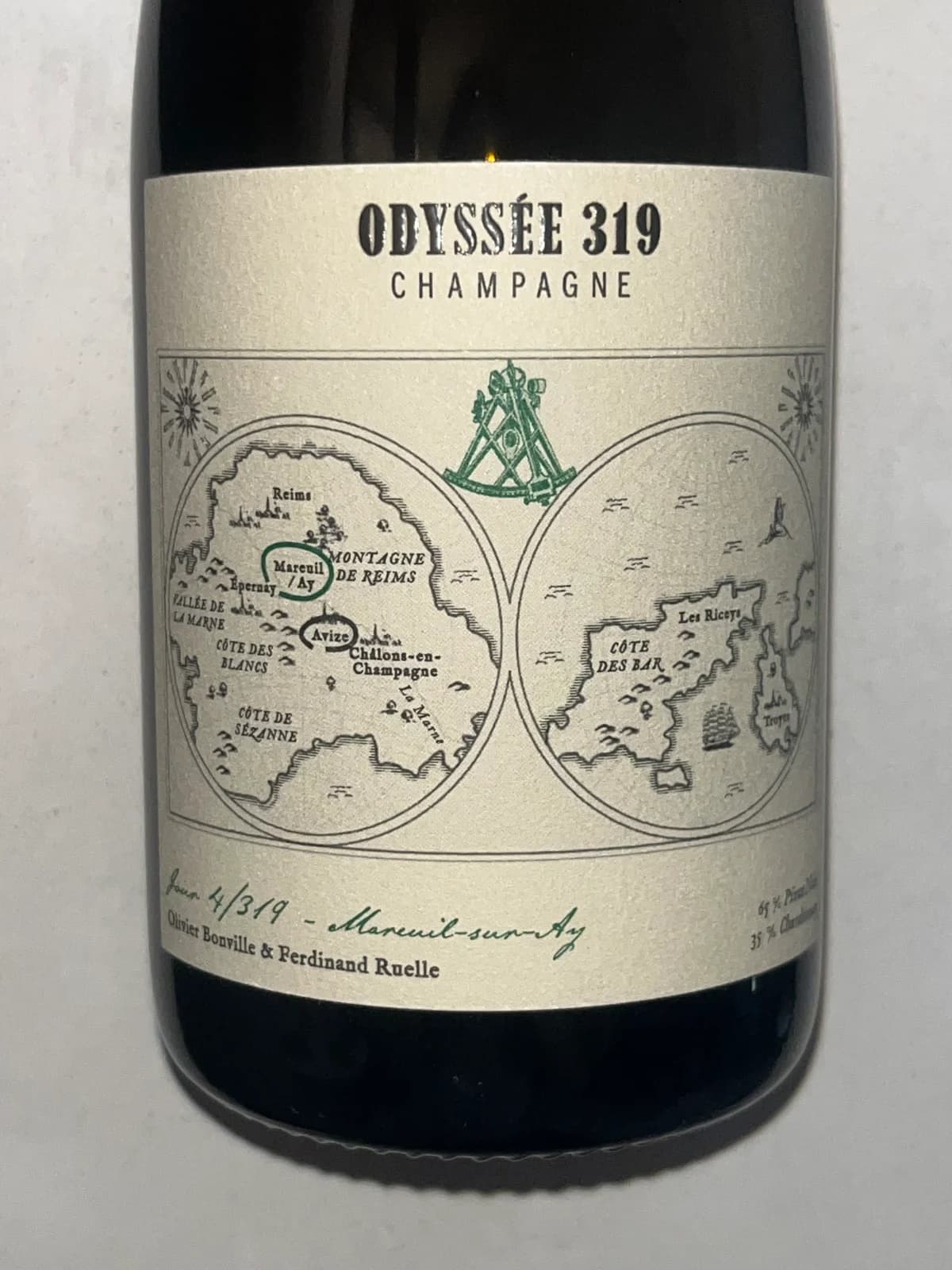
The same Olivier Bonville of Franck Bonville closed the night, under another name. With Ferdinand he runs Odyssée 319, a second label with a brief nobody could finish: a wine from each of Champagne's 319 villages, one numbered day at a time. The days began at home in Avize, and from 2020 each harvest adds one new village. Day four, 2021, is Mareuil-sur-Aÿ: three parcels, La Clef, La Ronce and Trayette, owned by close family friends and worked by Olivier and Ferdinand for several years. They pressed the three together in a traditional 4,000-kilo press and made the wine in used demi-muids. They made 3,504 bottles. The label is the map from the top of this page, with two villages circled: Avize, the home port, and Mareuil, day four. At one day a year, the voyage has three centuries to go.
The full note is for members.
Join to read it and the restNicola Gatta Blanc de Noirs Nature 70 lune 09/24-D32
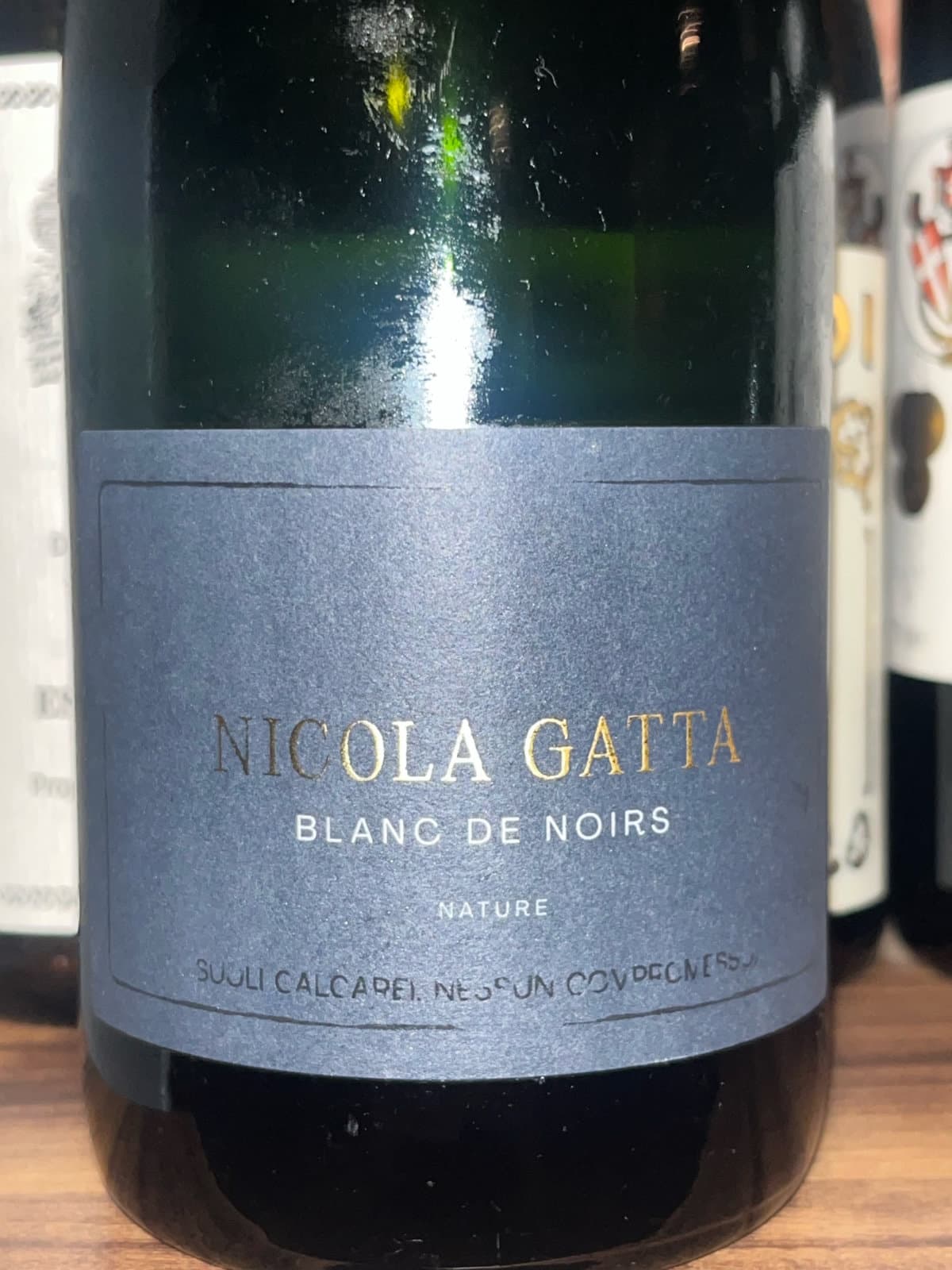
Nicola Gatta was born at the eastern edge of Franciacorta and makes no Franciacorta at all. The vineyards would qualify and the grapes are right; he chose not to. He came home to Gussago after watching conventional winemaking in Tuscany and Umbria, by his own account to see what he did not want to do, and the first ten to fifteen years were very difficult. Today he farms about seven hectares in six small plots on the limestone hills of Gussago and Cellatica, Chardonnay and Pinot Nero only, with native yeasts, no fining, no filtration and no added sulphites, and his labels carry no DOC at all. He counts time on the lees in lune, moons of 28 days, and names his bottlings by it. The Blanc de Noirs is the 70-lune wine: Pinot Nero alone, built on more reserve wine than most of his cuvées, with a short passage in wood. Ours was disgorged in September 2024, and in August 2025 Gatta wrote that this was the bottle he would open right then. The front label puts the whole idea in four words: suoli calcarei, nessun compromesso.
The full note is for members.
Join to read it and the restÉtienne Calsac L'échappée Belle (2021)
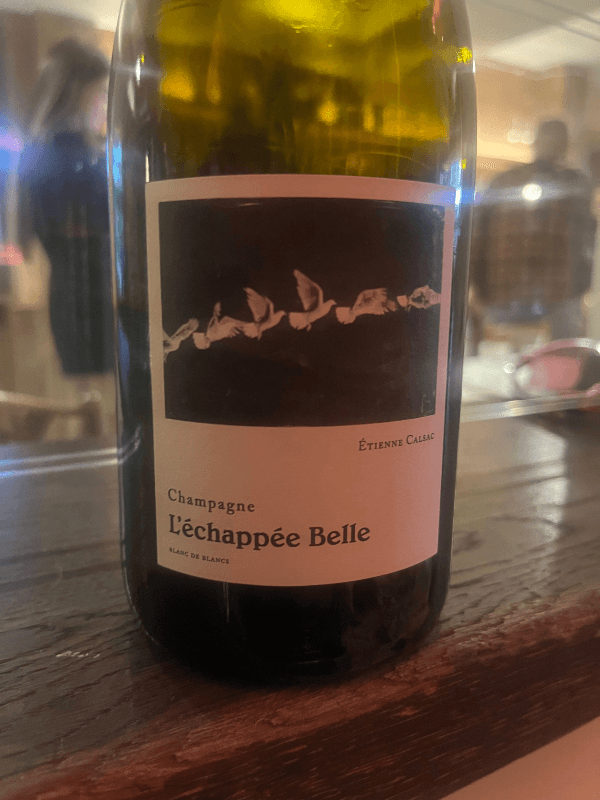
In 2010, at twenty-six, Étienne Calsac took over his grandparents' vines around Avize, whose fruit had gone to the big houses since his grandfather retired, and started a domaine from scratch. Wine school came first, and vintages in California, New Zealand and Canada. The holding is small, around three hectares, with Avize and the cooler Grauves at its heart and outposts at Bisseuil in the Grande Vallée de la Marne, Montgenost in the Côte de Sézanne and Bligny in the Aube. L'échappée Belle, the beautiful escape, is his blended Blanc de Blancs: Chardonnay from Avize, Grauves, Bisseuil and Montgenost rather than from one village. The fermentations run on native yeasts, about a fifth of the wine sees barrel, reserve wines from earlier harvests go in, and nothing is fined or filtered. Ours was the April 2024 disgorgement, finished as an extra brut at 5 g/l, more than the 3 g/l of the release that followed. The last pour of the night, and the escape the name promised.
The full note is for members.
Join to read it and the rest