Mixed Bag Vol. 22
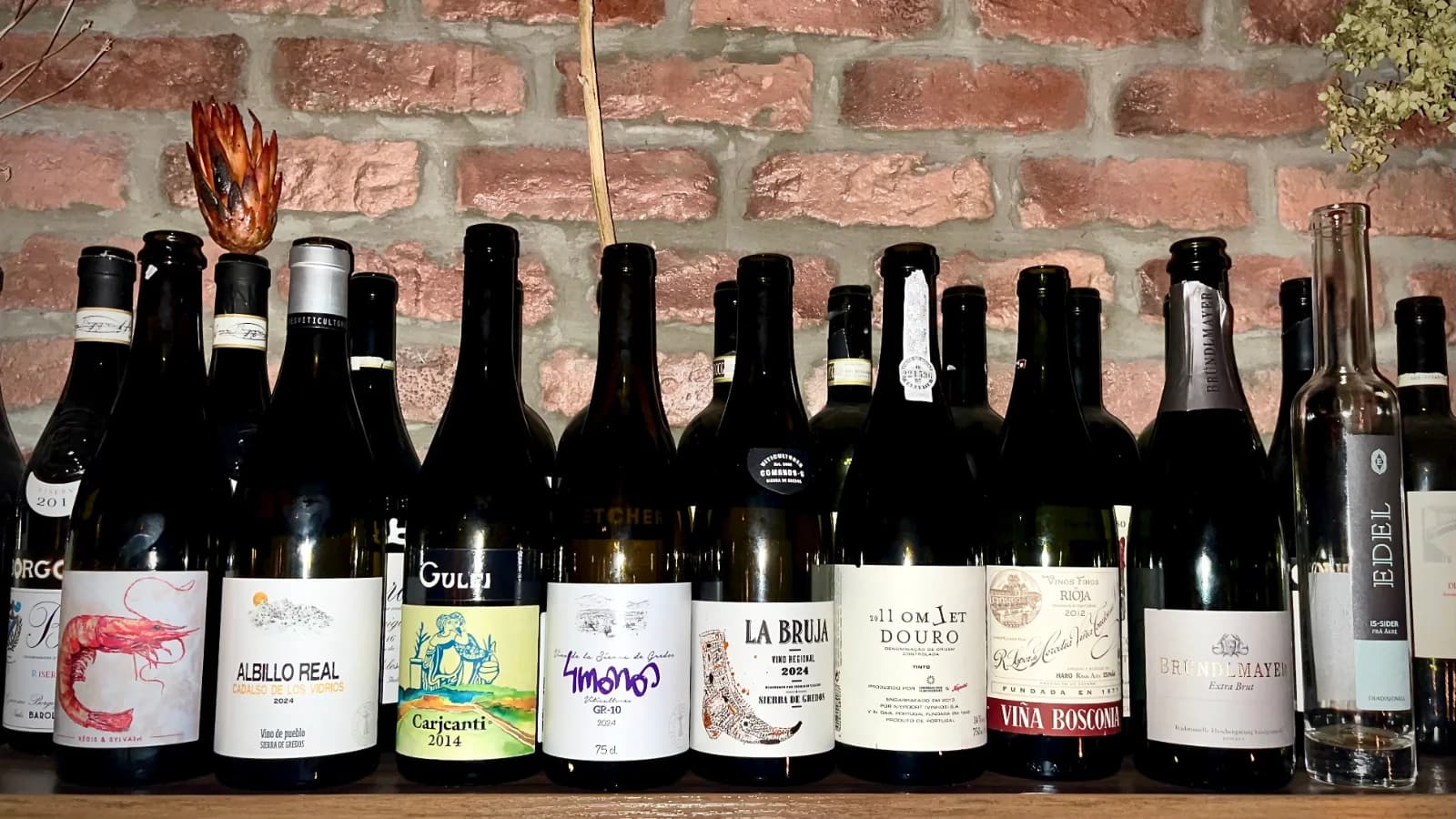
Eight blind bottles at Lo Kyiv - a Crémant de Bourgogne with a prawn on the label, three wines from the Sierra de Gredos, a 2014 Carricante from Sicily, a Douro red spelled backwards, a 2012 Rioja in a Burgundy bottle and an Austrian Sekt - plus an Arpepe Nebbiolo and a Norwegian ice cider as bonuses.
By Boris · Hosted by Boris Buliga
Mixed Bag has one rule, which is that there is no theme. Vol. 22 kept the rule and let a theme sneak in anyway. Three of the eight blind bottles come from the same granite hills west of Madrid, the Sierra de Gredos, and all three lead back to two brothers: Javier García at 4 Monos and Fernando García at Comando G. Follow Fernando's path one step further back and you reach Telmo Rodríguez, whose name is spelled backwards on the Douro red that came next.
The rest is the usual bag. A Crémant de Bourgogne with a prawn on the label to welcome everyone, a twelve-year-old Carricante from Sicily, a Rioja that still goes into a Burgundy bottle, and an Austrian Sekt to close. Eight bottles, every glass poured blind, no safety net.
Two bonus bottles followed. One was an Alpine Nebbiolo from Arpepe, poured open. The other was an ice cider from Norway that was on no list at all, and it was terrific. The two bottles I scored highest were also two of the oldest: the 2014 Carjcanti and the 2012 Bosconia.
Régis & Sylvain Gambero 2023
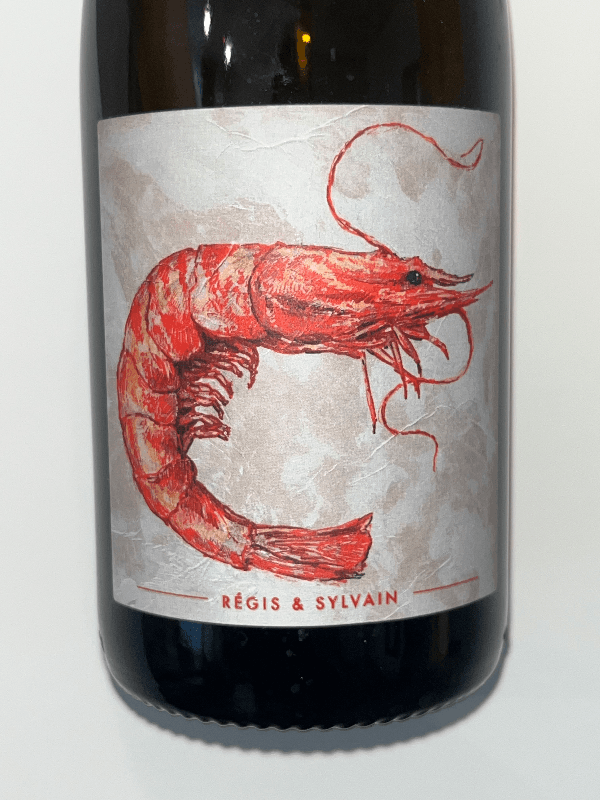
Régis Tuccinardi and Sylvain Grosshans are cousins from Marseille who started a wine company at the end of 2017 and decided not to buy a vineyard. Régis came from finance and shipping, Sylvain is the winemaker, and their wines are made and bottled by growers in the regions where the grapes grow, then shipped from Marseille. The labels carry painted seafood: an oyster for the Muscadet, a scorpionfish for the Loire Sauvignon, and a prawn for this one. Gambero is their Crémant de Bourgogne, a Blanc de Blancs from Chardonnay, bottled at Péronne in the Mâconnais. It is signed as a cuvée d'amitié with Jojo of the Lyon caviste Antic Wine and Pierre De Michelis. 2023, the year on this bottle, is also the year the cousins finally stepped into a vineyard, farming with the Santé family at Clos de Somméré, a few kilometres from where the prawn was bottled. The cousins who would not buy a vineyard ended up working one.
The full note is for members.
Join to read it and the rest4 Monos Viticultores Albillo Real Cadalso de los Vidrios 2024
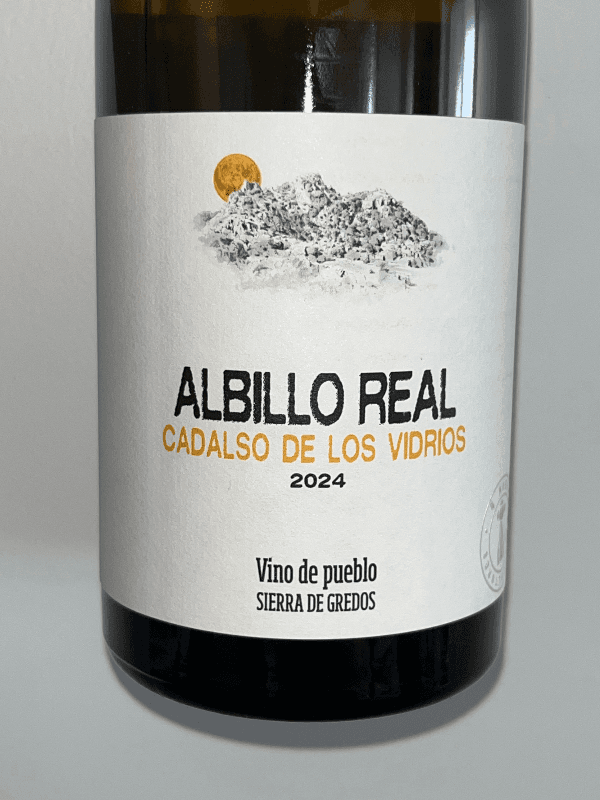
4 Monos began with a favour. David Moreno, the one of the four friends who comes from Cadalso de los Vidrios, asked Javier García to help save a 0.35-hectare parcel of old Albillo Real that his family had planted and a relative wanted to pull out. The four had met hiking in the Sierra de Gredos; all are engineers by training, and all kept their day jobs. This is the wine that grew out of that favour, the village white from Cadalso, from sandy soils over granite between 730 and 800 metres. The vines are more than 95 years old. For the 2024, a Spanish merchant gives ten months on the lees in used oak barrels, and the wine was bottled on 14 July 2025. The accounts still disagree on whether the project started in 2009 or 2010, and on whether it was an uncle or an aunt who wanted the vines gone. The one thing every account agrees on is that the vines stayed.
The full note is for members.
Join to read it and the restGulfi Carjcanti 2014
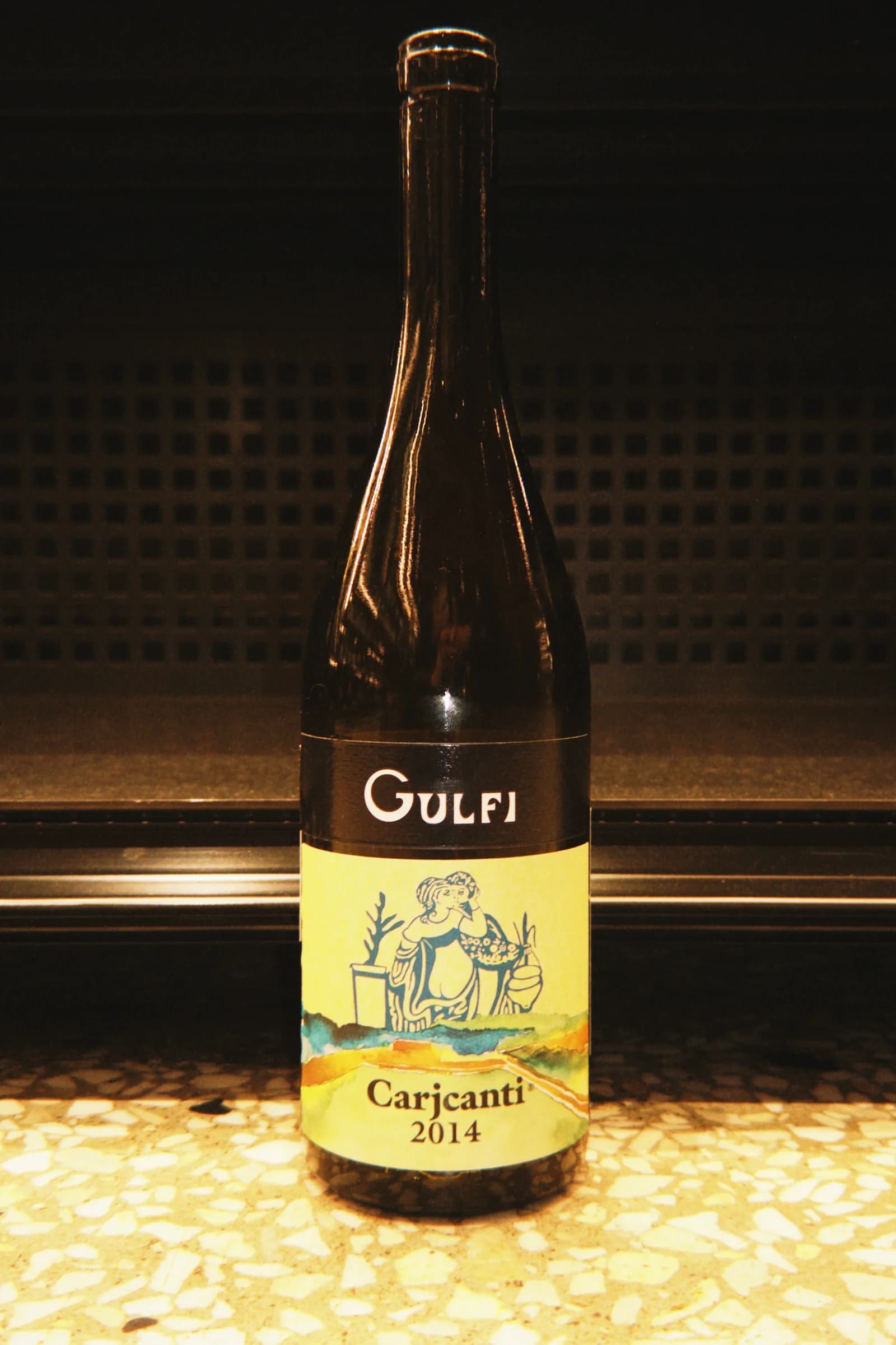
Gulfi made its name with red wine: the Catania family's estate in the Ragusa hills was the first to release single-contrada Nero d'Avola bottlings from Pachino. Carjcanti is the odd one out in that story. Carricante is the white grape of Etna, and the family planted it at home instead, in Chiaramonte Gulfi, on the limestone of the Monti Iblei. The plant material was selected from old vines on the volcano and went into Vigna Campo, about a hectare and a half at around 400 metres, planted densely, farmed organically and never irrigated. Gulfi's own pages cannot quite agree on when the vineyard began: most say 1999, one says Salvo Foti set the site up as an experiment in the mid 1990s. In 2014 the estate began picking on 18 August, after more than two months without rain, and the Carricante came in later, in September. The j in the name is a house habit; the same letter turns up in Nerojbleo. Twelve years on, this is Etna's grape, raised off the volcano.
The full note is for members.
Join to read it and the rest4 Monos Viticultores GR-10 2024
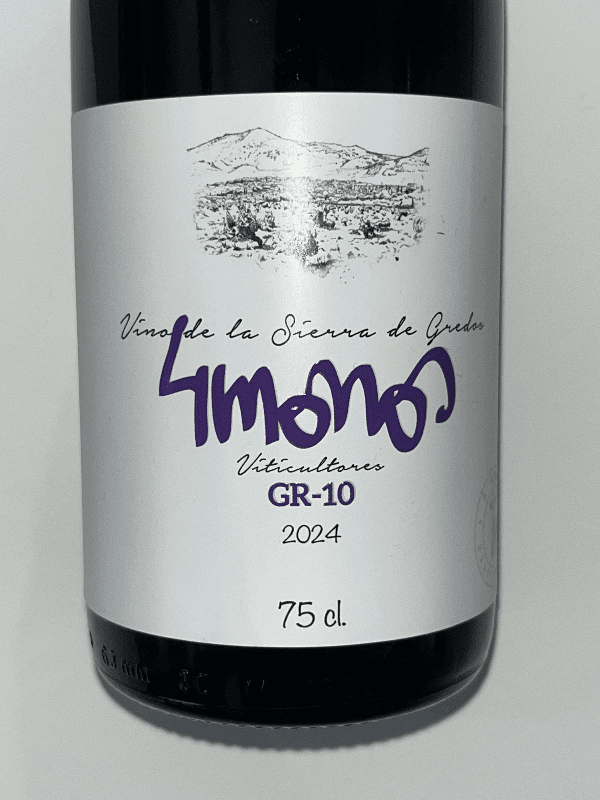
The GR-10 is a long-distance footpath that runs from Lisbon to Valencia, and on the way it crosses two of the 4 Monos vineyards. The four friends named their regional red after it. It is the base of a range built like Burgundy, with village wines and single parcels above, and since 2016 it has replaced the old entry-level 4 Monos tinto. The fruit is old-vine Garnacha from Cadalso de los Vidrios, San Martín de Valdeiglesias and Cenicientos, on granite sand, with a little Cariñena; the sources put the Garnacha at about 90%. Javier García says he started out with a Bordeaux idea of concentration and changed his mind after the Loire, the Jura and Burgundy. The bunches go in mostly whole and are trodden by foot, the extraction is minimal, and the wood is used barrels and foudres, chosen so that no oak shows. This one was bottled on 7 May 2026. By their own admission their first wine was terrible. They kept walking.
The full note is for members.
Join to read it and the restComando G La Bruja 2024
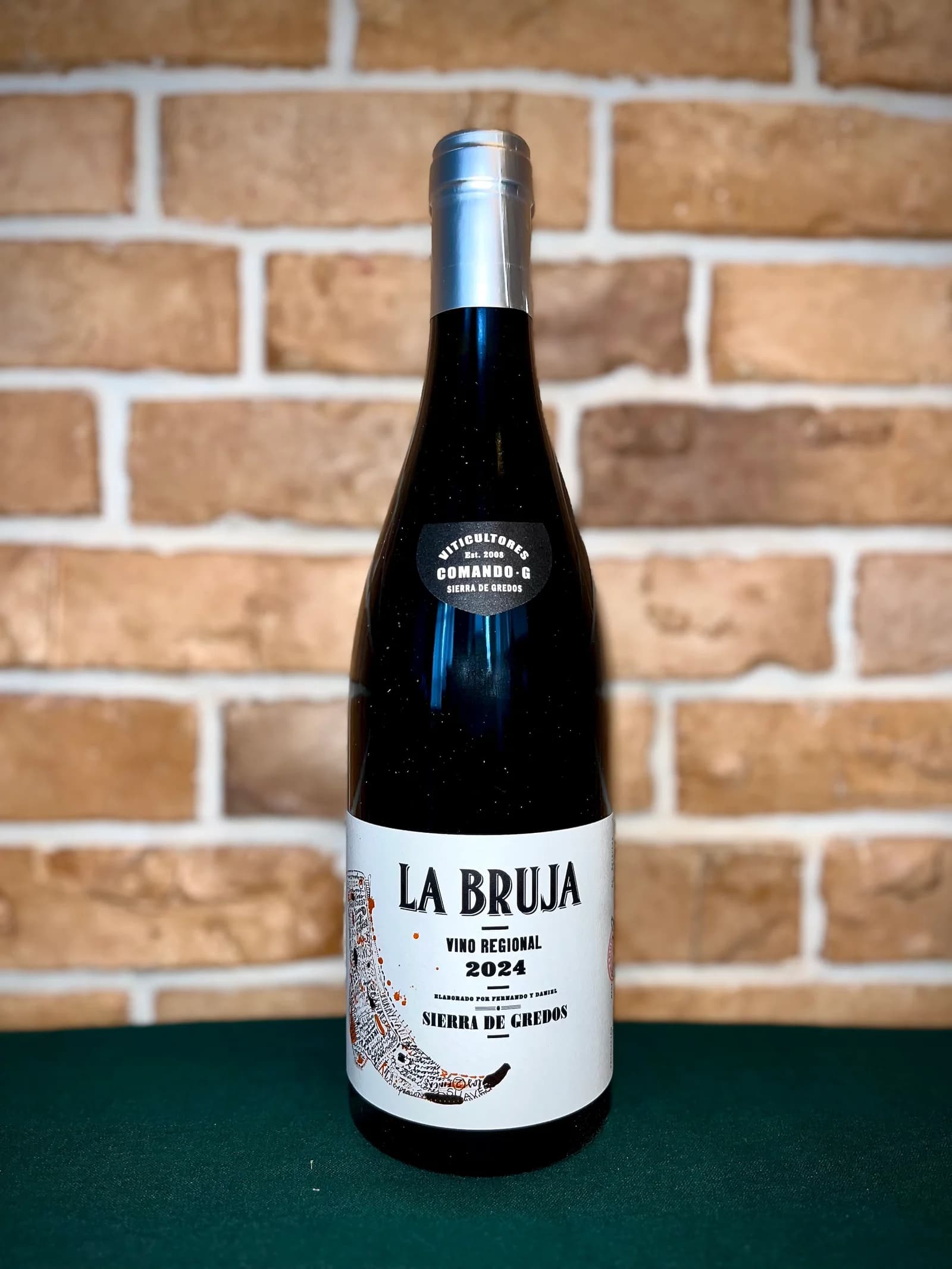
Comando G is named after the hero team of a Japanese cartoon, and its entry wine is named after a television witch. Dani Landi and Fernando García founded the project in 2008 with Marc Isart, chasing rumours of forgotten old Garnacha high in the Sierra de Gredos. La Bruja was first released as La Bruja Avería, after the puppet witch of a 1980s Spanish children's show, then became La Bruja de Rozas, and is now simply La Bruja. It is the regional wine at the base of a Burgundian pyramid of villages and single vineyards. The importer describes plots fermented separately in open oak vats with native yeasts, about 30 days on the skins and eight months in large foudres. Frost shaped the 2024: an American merchant reports that the main site gave 9,000 kg of grapes against up to 30,000 in a normal year, and that a vineyard in El Tiemblo joined the blend. Our bottle carries the Vinos de Madrid seal and is one of 9,743, from granite at 1,000 metres; how it fits that account, no source says. Fernando is the brother of Javier García, who made the wine poured just before this one. One evening, two brothers, one mountain range.
The full note is for members.
Join to read it and the restNiepoort & Telmo Rodríguez Omlet 2011
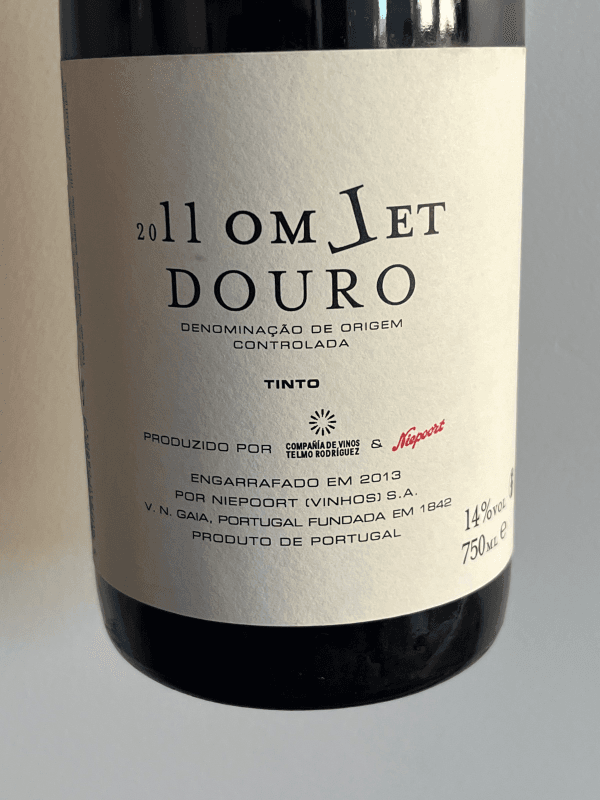
Read the name backwards. Omlet is Telmo, as in Telmo Rodríguez, and the wine is his collaboration with Dirk Niepoort: a Spanish vigneron making a Douro red on Niepoort's home ground. The fruit comes from two old vineyards up in the Covas valley, east-facing at around 500 metres on schist, with vines between sixty and eighty years old. It is a true field blend, led by Touriga Franca and Tinta Roriz, with Sousão, Alicante Bouschet and a handful of other local varieties in the mix. Telmo made it in his own low-extraction hand: fermented in stainless steel, then about eighteen months in old barrels and wooden vats, nothing new. 2011 was a dry year in the Douro that ended well, and Niepoort bottled 6,750 bottles of it in May 2013. Fifteen years later the joke in the name still works. Tonight it had one more layer: Fernando García of Comando G once passed through Telmo Rodríguez on his way to Gredos. Iberia is a small place.
The full note is for members.
Join to read it and the restR. López de Heredia Viña Bosconia Reserva 2012
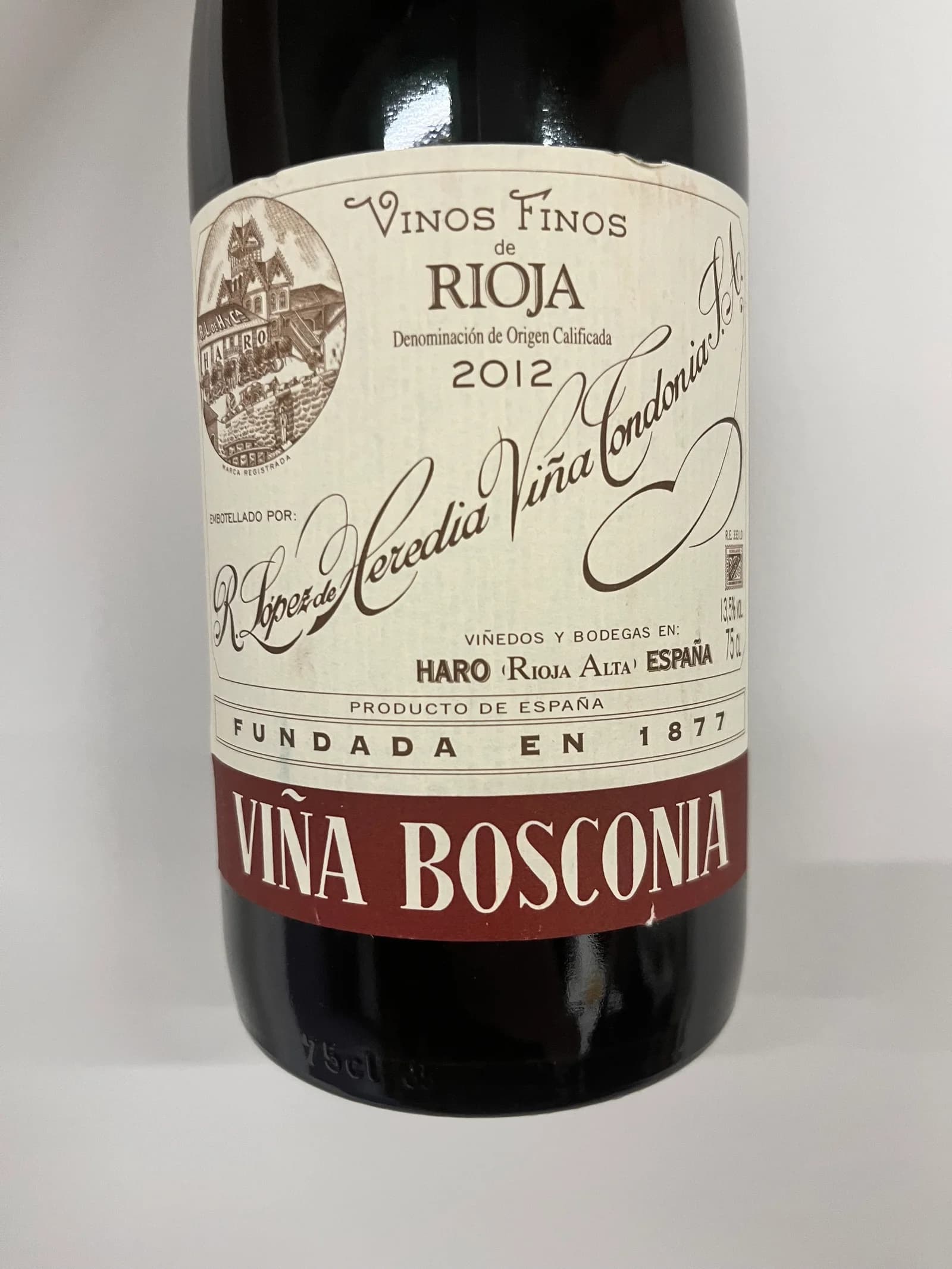
Rafael López de Heredia arrived in Haro in October 1877, sent by a wine merchant from Bayonne, and stayed. He had been born in Chile to Basque parents, enlisted in the Carlist army and went into exile in France after its defeat. He liked to give his wines French names. Viña Bosconia descends from a Burgundy-style wine he made with a high share of Pinot Noir and called Rioja Cepa Borgoña. The Pinot is long gone, but the wine still goes into a Burgundy bottle, the only wine the estate puts in one. It comes from El Bosque, fifteen hectares beside the Ebro a kilometre from the bodega, mostly Tempranillo with Garnacho, Mazuelo and Graciano. The rest is the house's long bet on not changing: five years in American oak barrels built in its own cooperage, racked twice a year, fined with fresh egg whites, bottled unfiltered. 2012 was a drought year in Rioja, with one of the lowest yields per hectare in two decades. Tondonia gets the fame. Bosconia gets the bottle.
The full note is for members.
Join to read it and the restWeingut Bründlmayer Extra Brut Reserve L16330/09/20 (d2025-03)
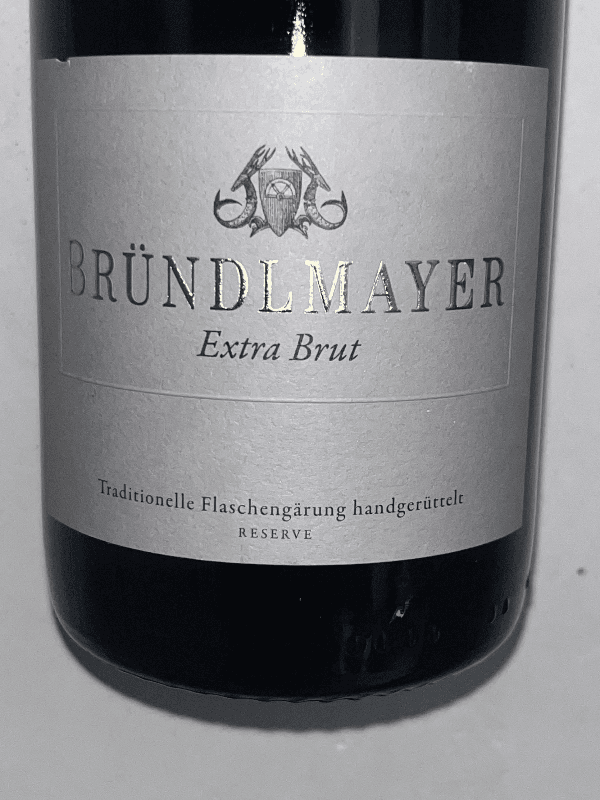
Willi Bründlmayer's most famous vineyard grows Riesling, on the sandstone terraces of the Heiligenstein, but Sekt is the estate's other identity. When he took over his parents' estate in Langenlois he turned it towards ecological farming, and no synthetic fertiliser has been used there since 1979. The grapes for the sparkling wines are chosen early, in the first weeks of September, for their acidity. This is the drier of the two flagship white bottlings, Pinot Noir and Chardonnay, about 60 to 40 on the importer's back label. The base wines ferment in steel, go through malolactic and then age in used Austrian oak. Ours went into bottle for its second fermentation in September 2020, was riddled by hand and disgorged in March 2025: about 54 months on the lees, longer than the house usually quotes. Every Bründlmayer back label carries the date of disgorgement, so the bottle tells you how long it has been awake. This one: nineteen months.
The full note is for members.
Join to read it and the restArpepe Rosso di Valtellina Nebbiolo 2022
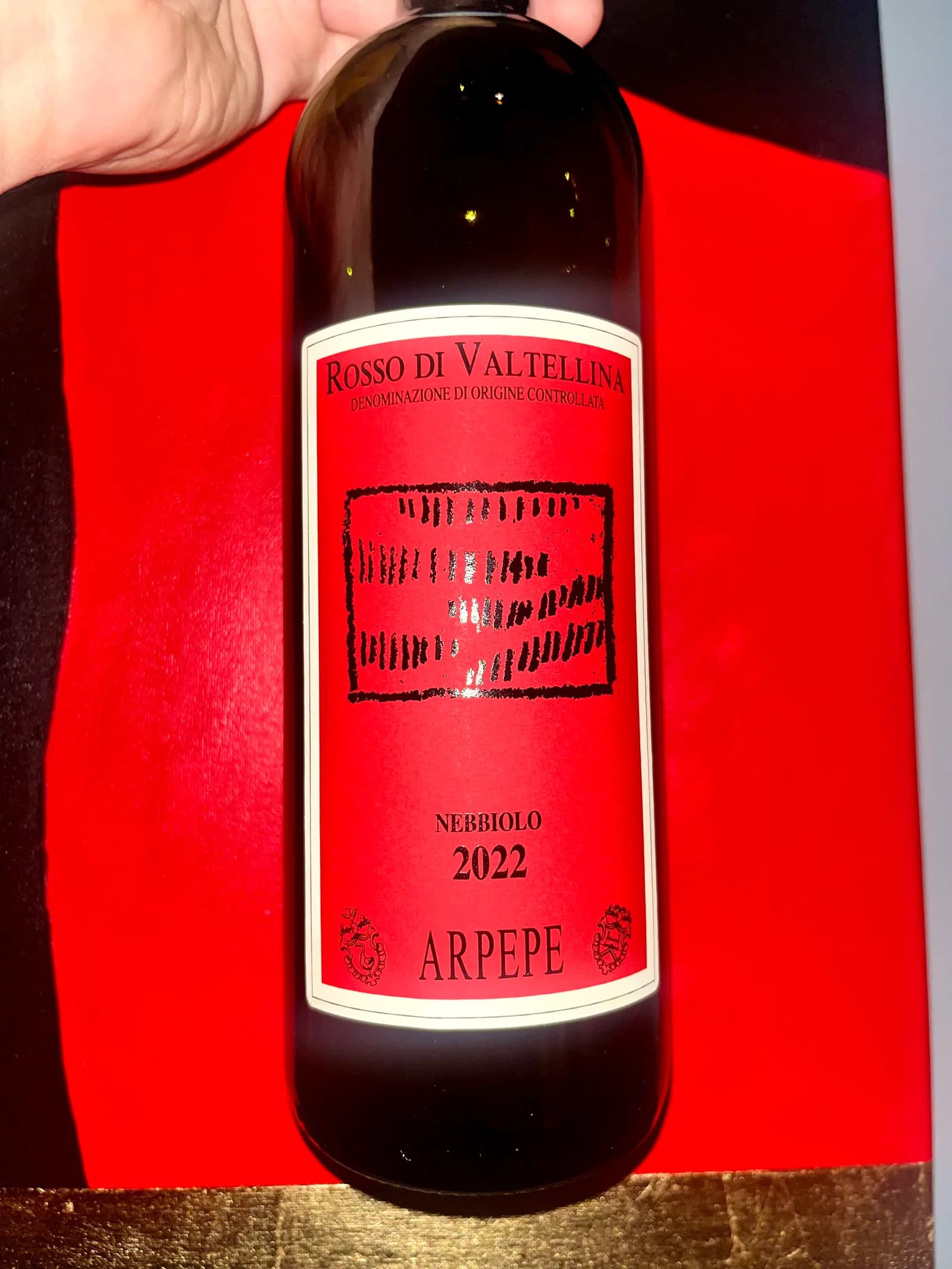
The Pelizzatti family has made wine in Valtellina since 1860, and for more than a century the winery carried the family name. In 1973 Guido Pelizzatti fell ill, the heirs could not agree, and the historic winery was sold along with some of the best vineyards. When his son Arturo Pelizzatti Perego started again in 1984 the brand was no longer theirs, so he used his initials instead: Ar.Pe.Pe. His three children run it now, Isabella, Emanuele and Guido, on about fifteen hectares of terraces too steep for anything but hands. The house motto is Il giusto tempo del Nebbiolo, the right waiting time for Nebbiolo, and the top wines wait six to ten years for release. Rosso di Valtellina is the one that does not wait: the entry tier, and the youngest Chiavennasca the family releases. It was born in 2003 as a blend across the cru sites, in a year when the harvest demanded it, and it stayed. Native yeasts, a long maceration in wooden vats, then six to twelve months in large untoasted casks. A patient house, at its least patient.
The full note is for members.
Join to read it and the rest