All producers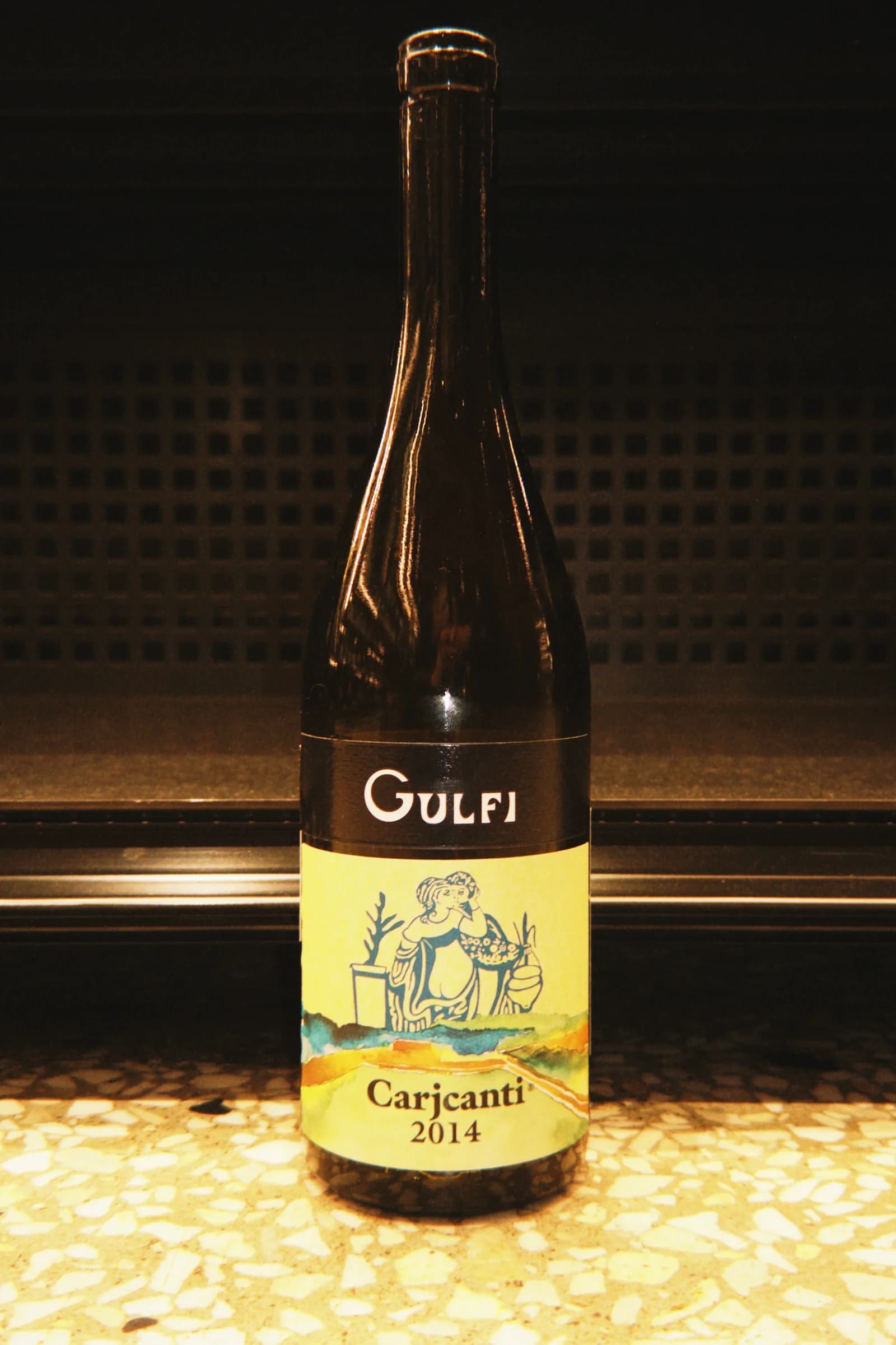
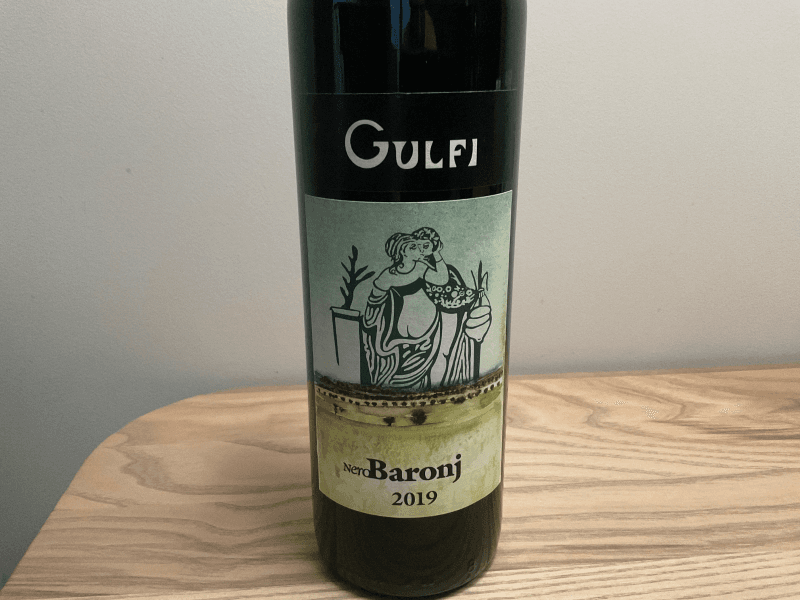
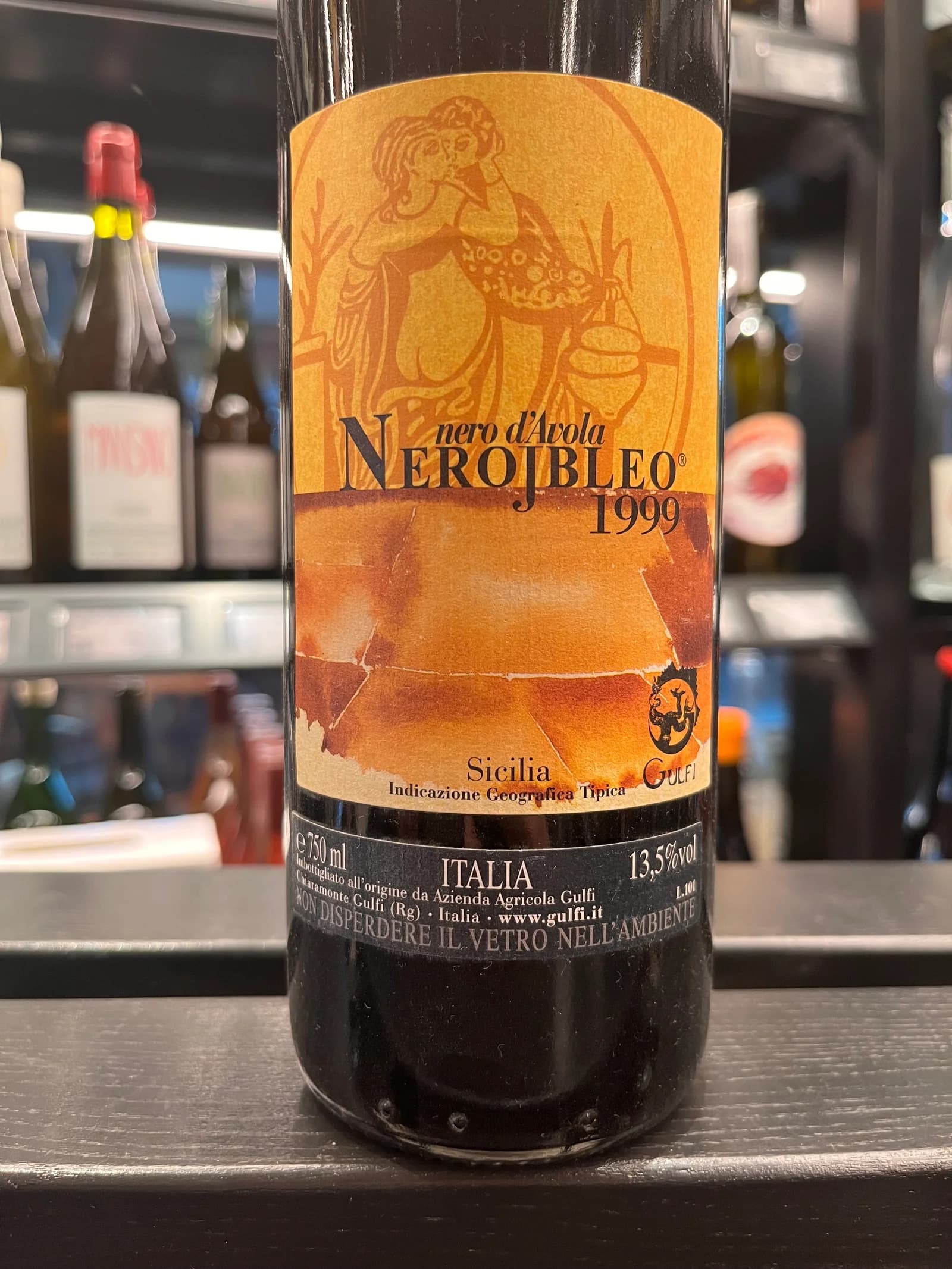
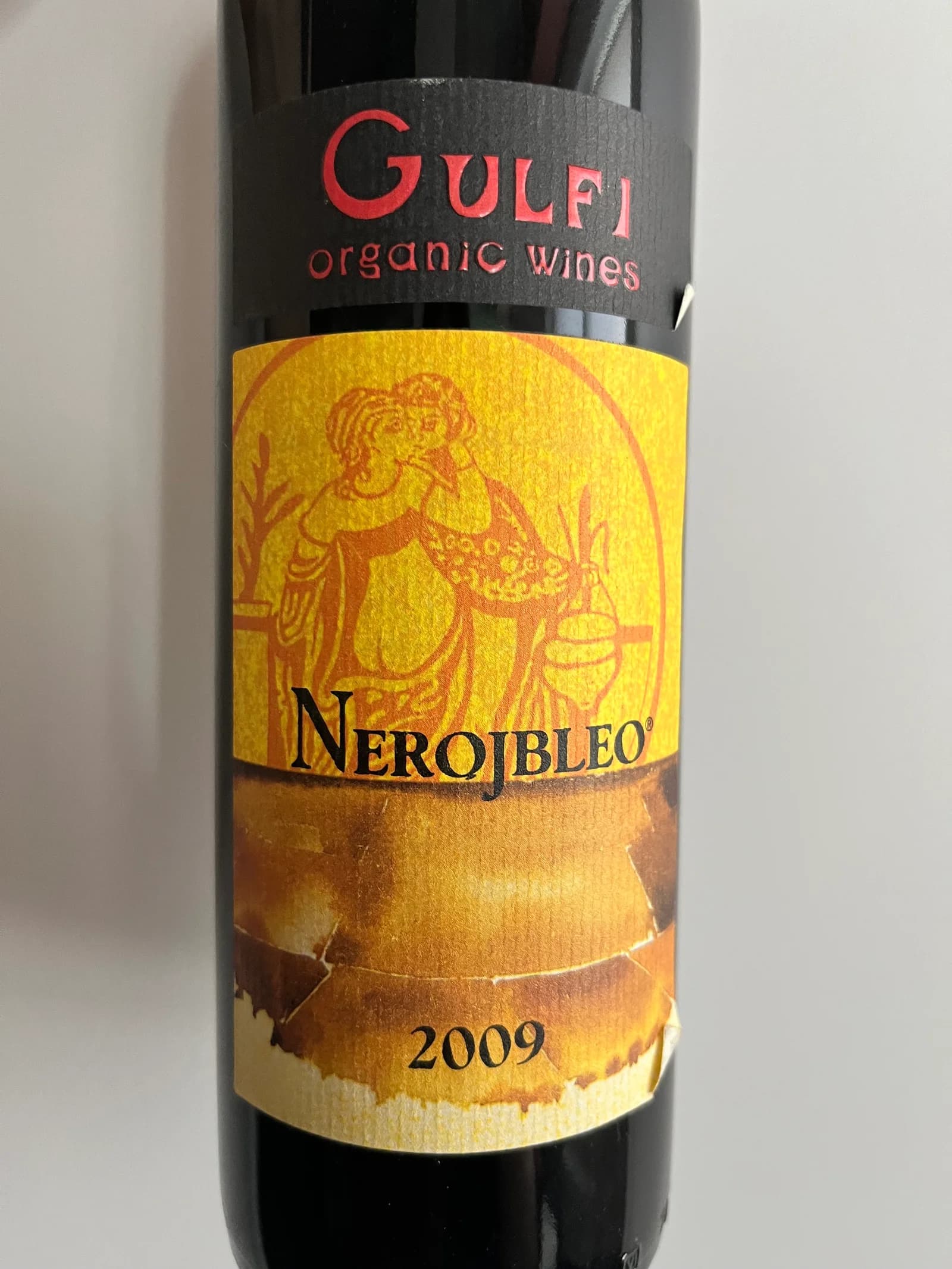
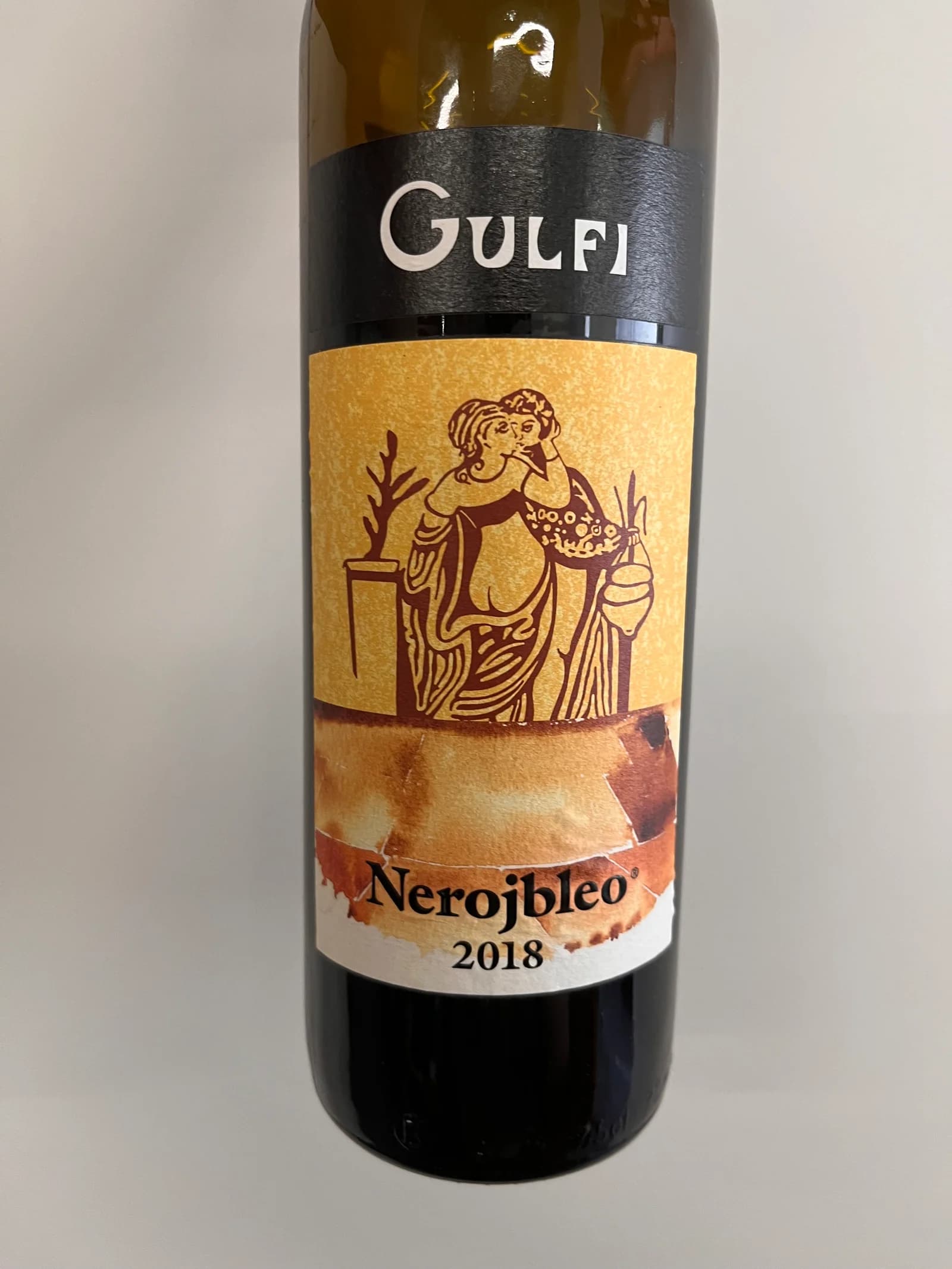
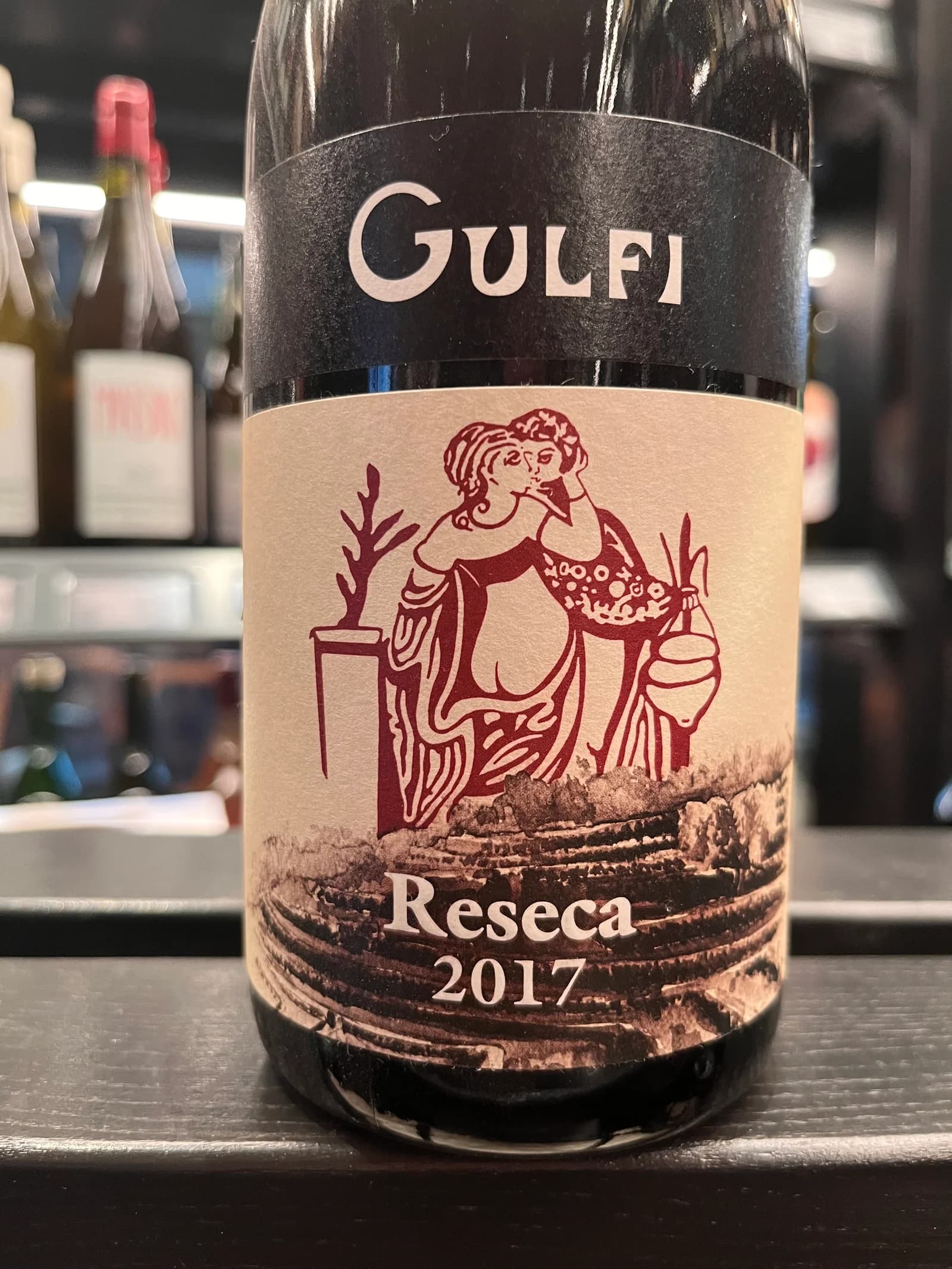
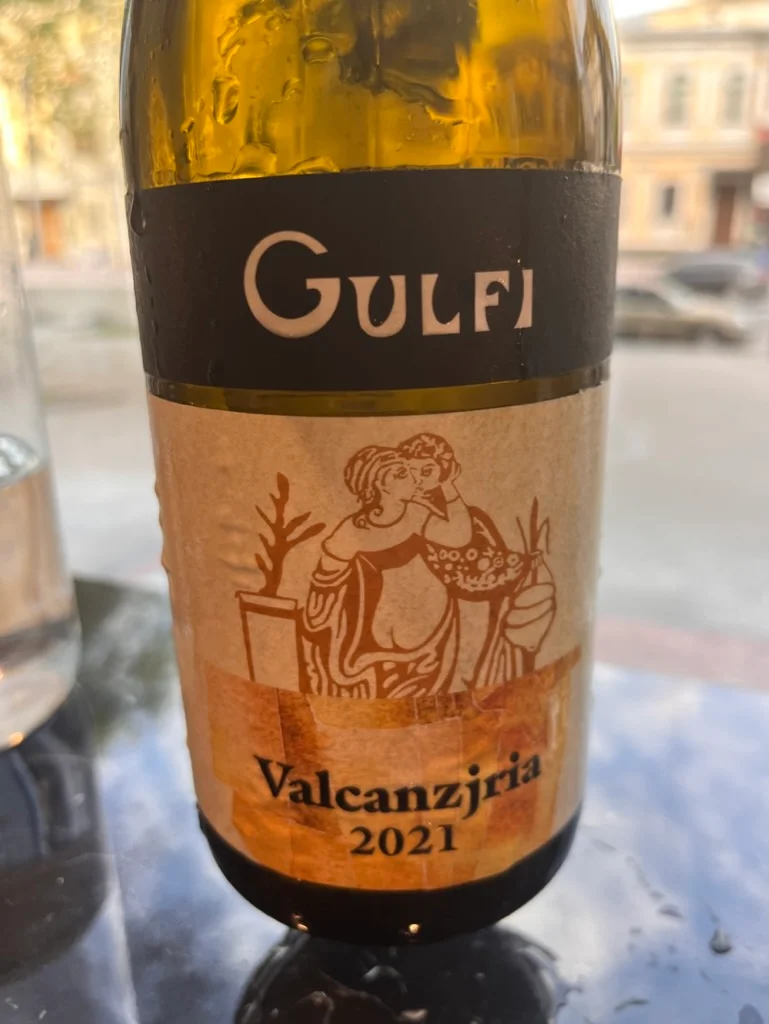
Gulfi
Sicily, Italy30 wines4.1 avg
228
The producer that taught me Sicily - seventy hectares across Iblei, Pachino and Etna, and the first to bottle Nero d'Avola by contrada.
Gulfi is a Catania-family estate in Chiaramonte Gulfi in the Ragusa hills, founded by Raffaele Catania in the 1970s and expanded by his son Vito from 1995. The house is best known for being the first to release single-contrada Nero d'Avola bottlings from Pachino, drawing distinct expressions from the Maccari, Bufaleffi, Baroni and San Lorenzo plots in Sicily's southeast corner. A second range comes from the northern slopes of Mount Etna, where centenarian Nerello Mascalese and Nerello Cappuccio vines sit around 850 metres on volcanic soils, alongside a tiny experimental Pinot Noir planting at Vigna Militi in Randazzo. Across all sites the farming is organic, vines are trained as alberello bush vines, ferments are wild, and ageing happens in large neutral Slavonian casks.
Wines
4.3
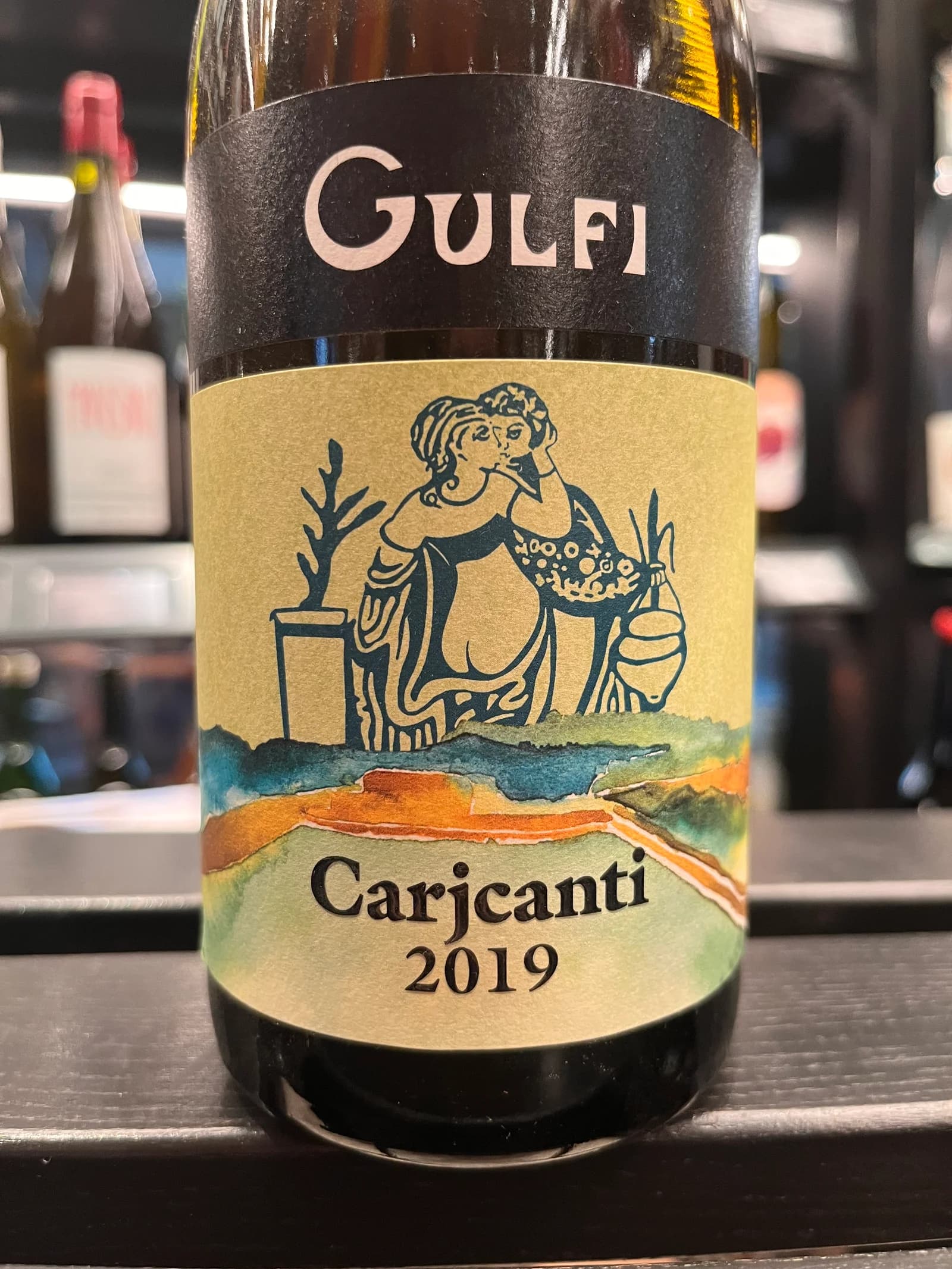
Carjcanti
2014· Italy
4.2
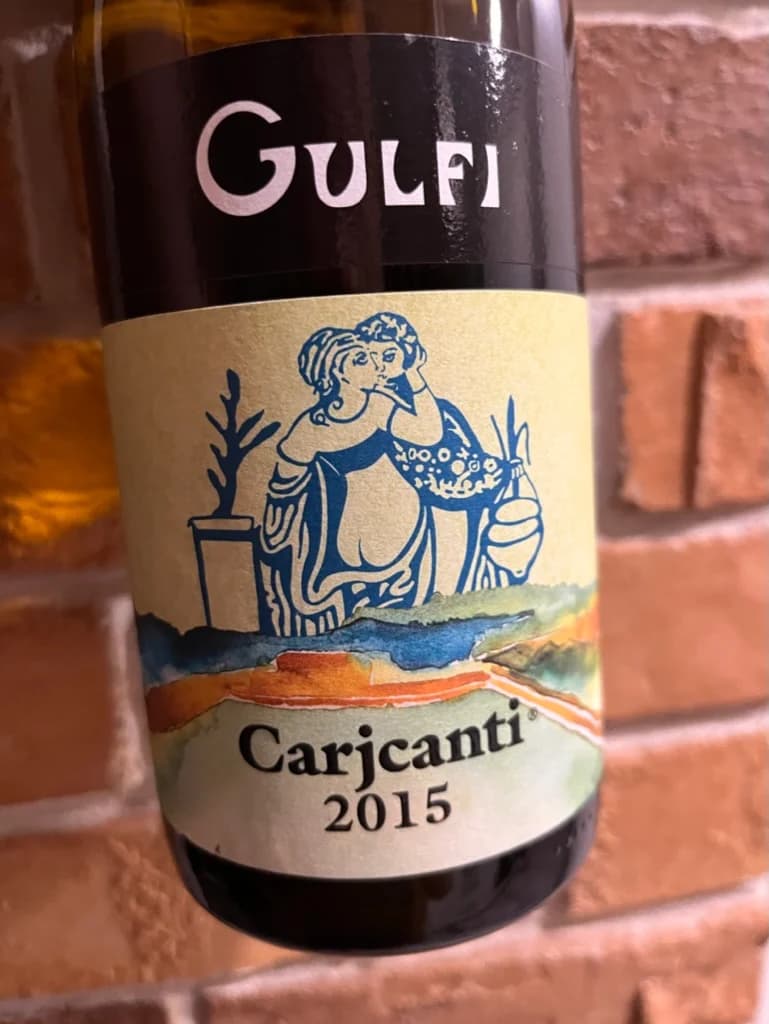
Carjcanti
2015· Italy
4.0
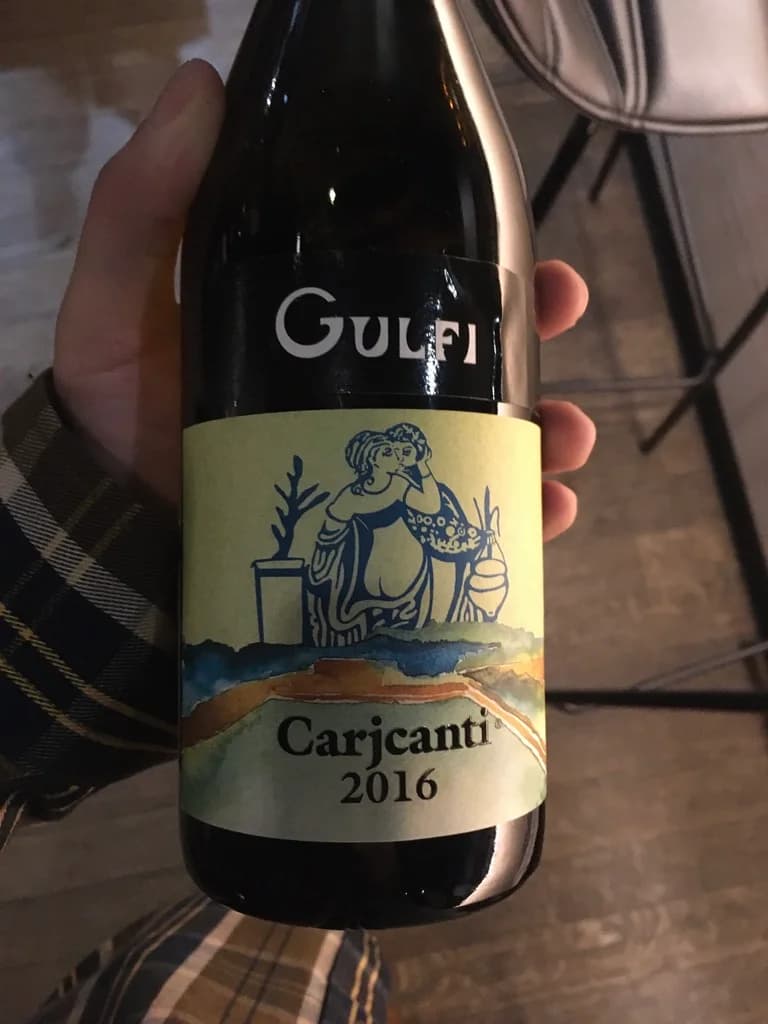
Carjcanti
2016· Italy
4.3
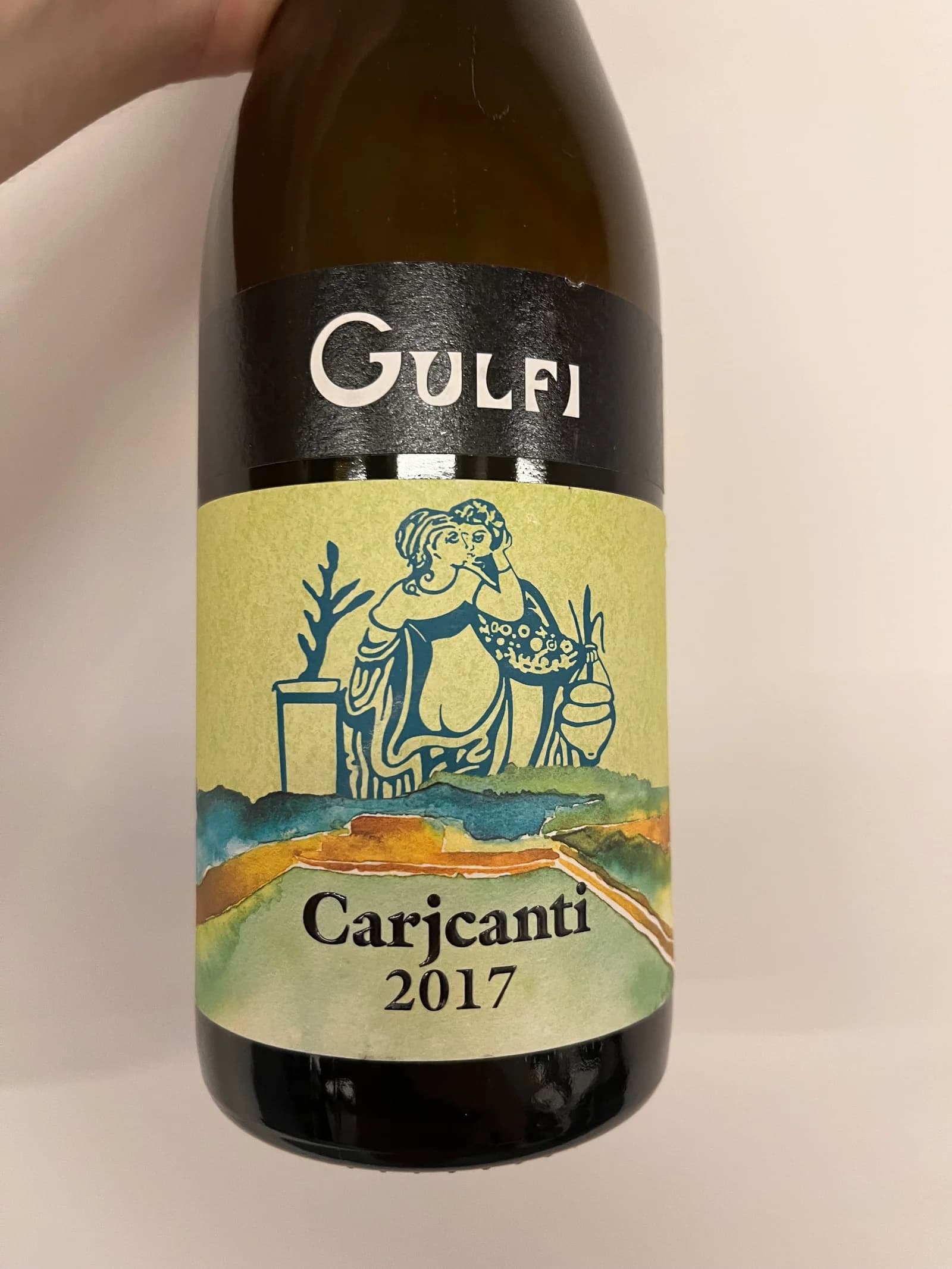
Carjcanti
2017· Italy
4.1
Carjcanti
2019· Italy
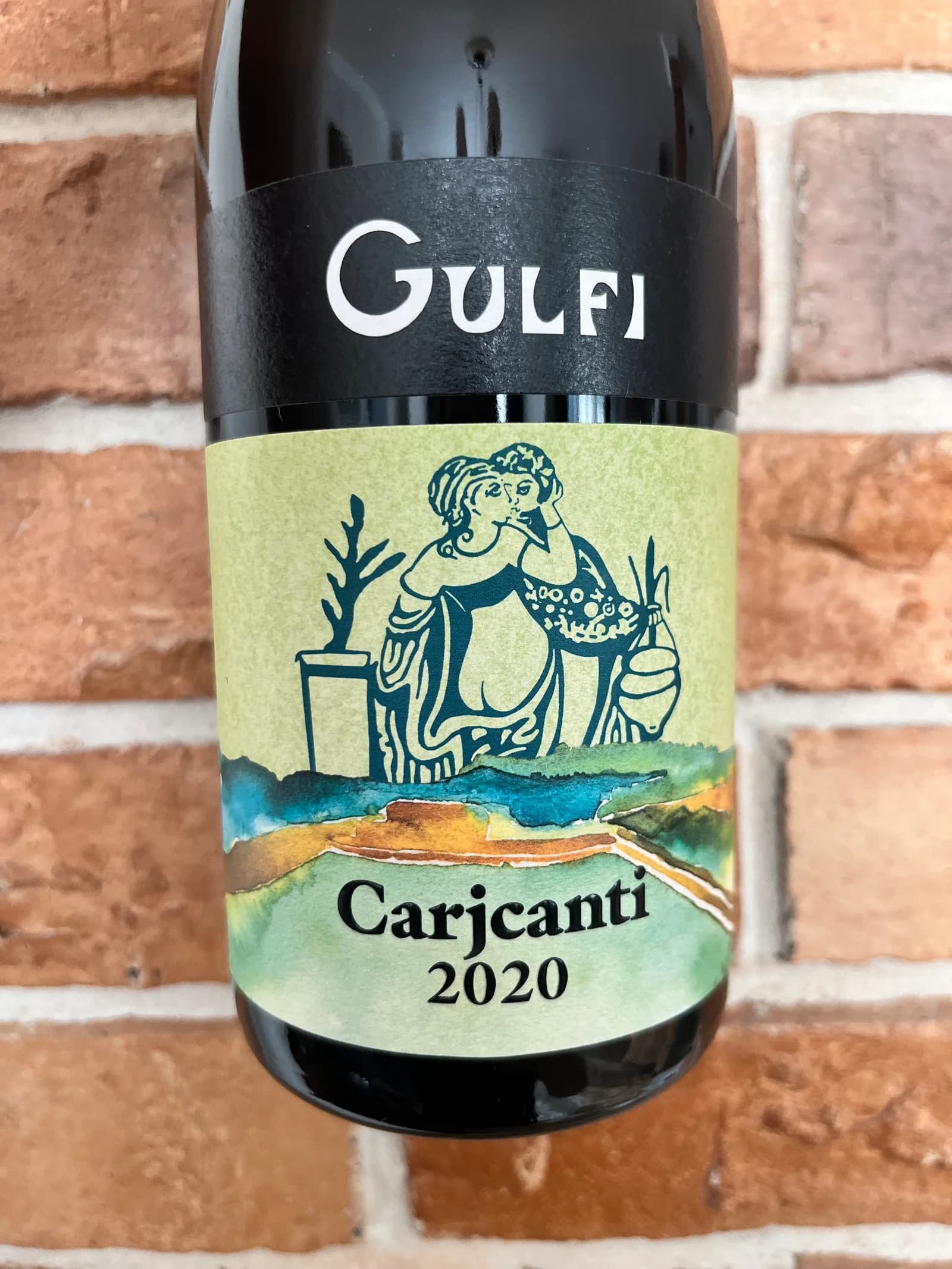
4.2
Carjcanti
2020· Italy
4.1
Carjcanti
2021· Italy
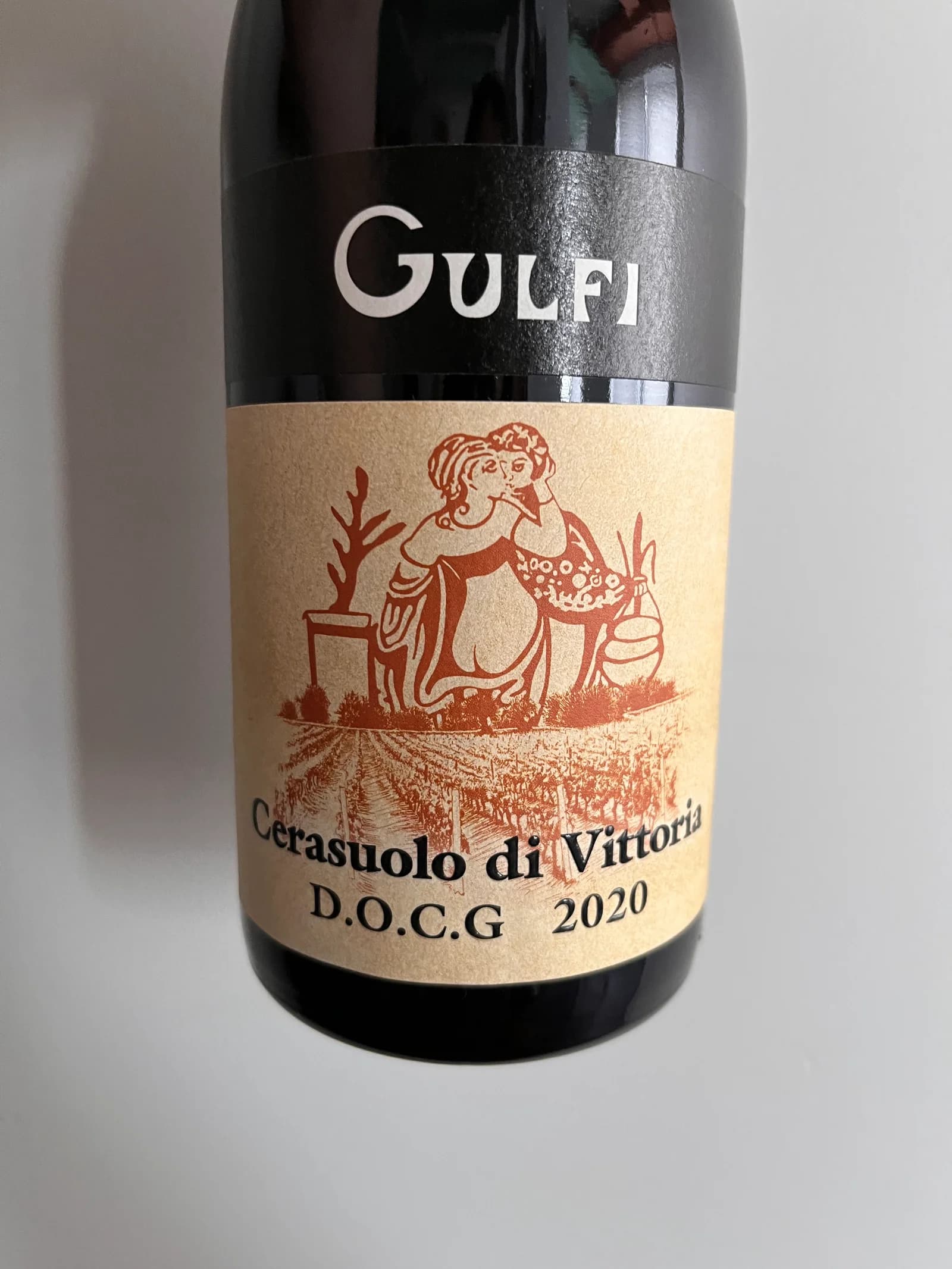
3.8
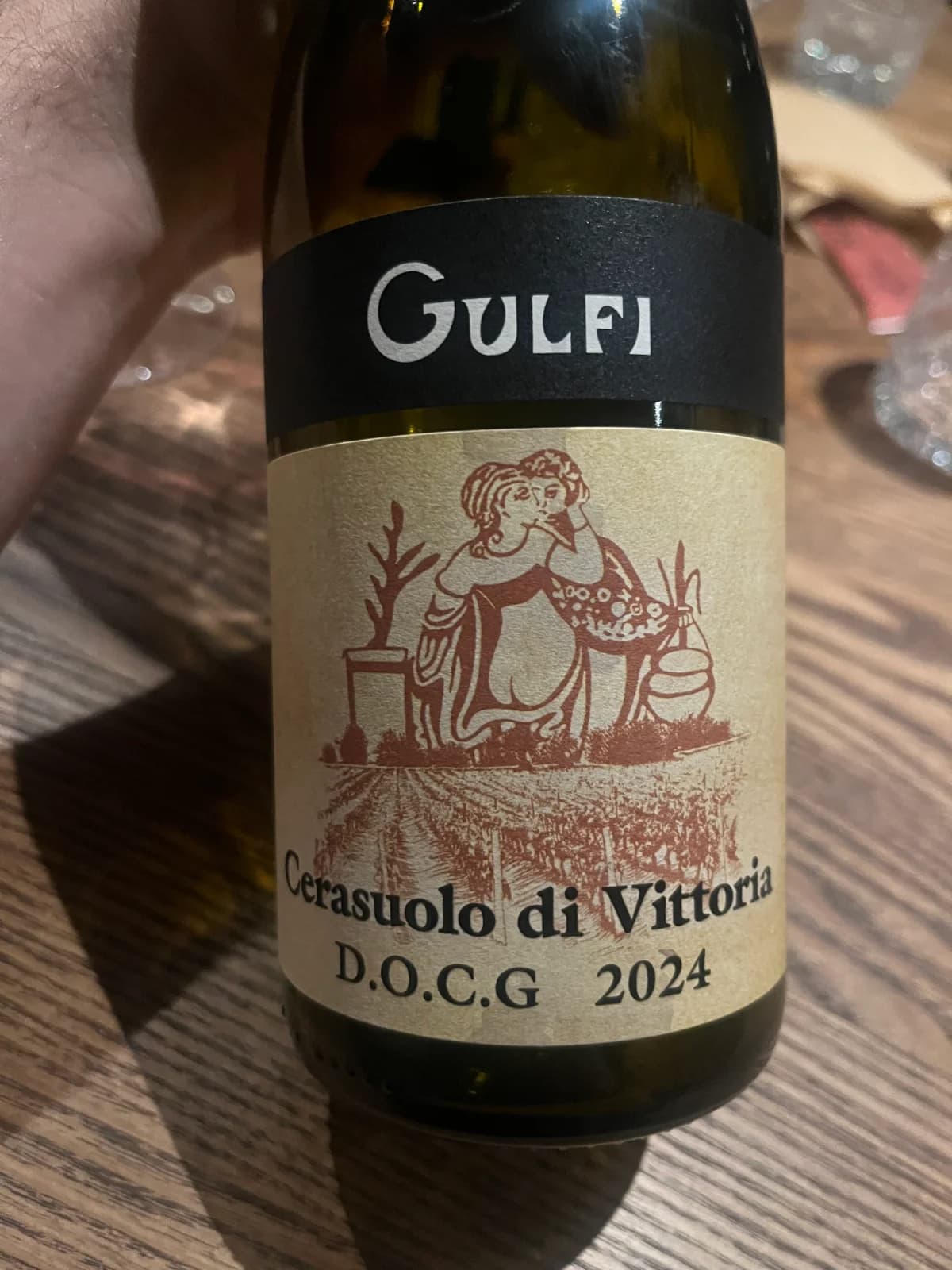
Cerasuolo di Vittoria
2020· Italy
3.9
Cerasuolo di Vittoria
2024· Italy
4.4
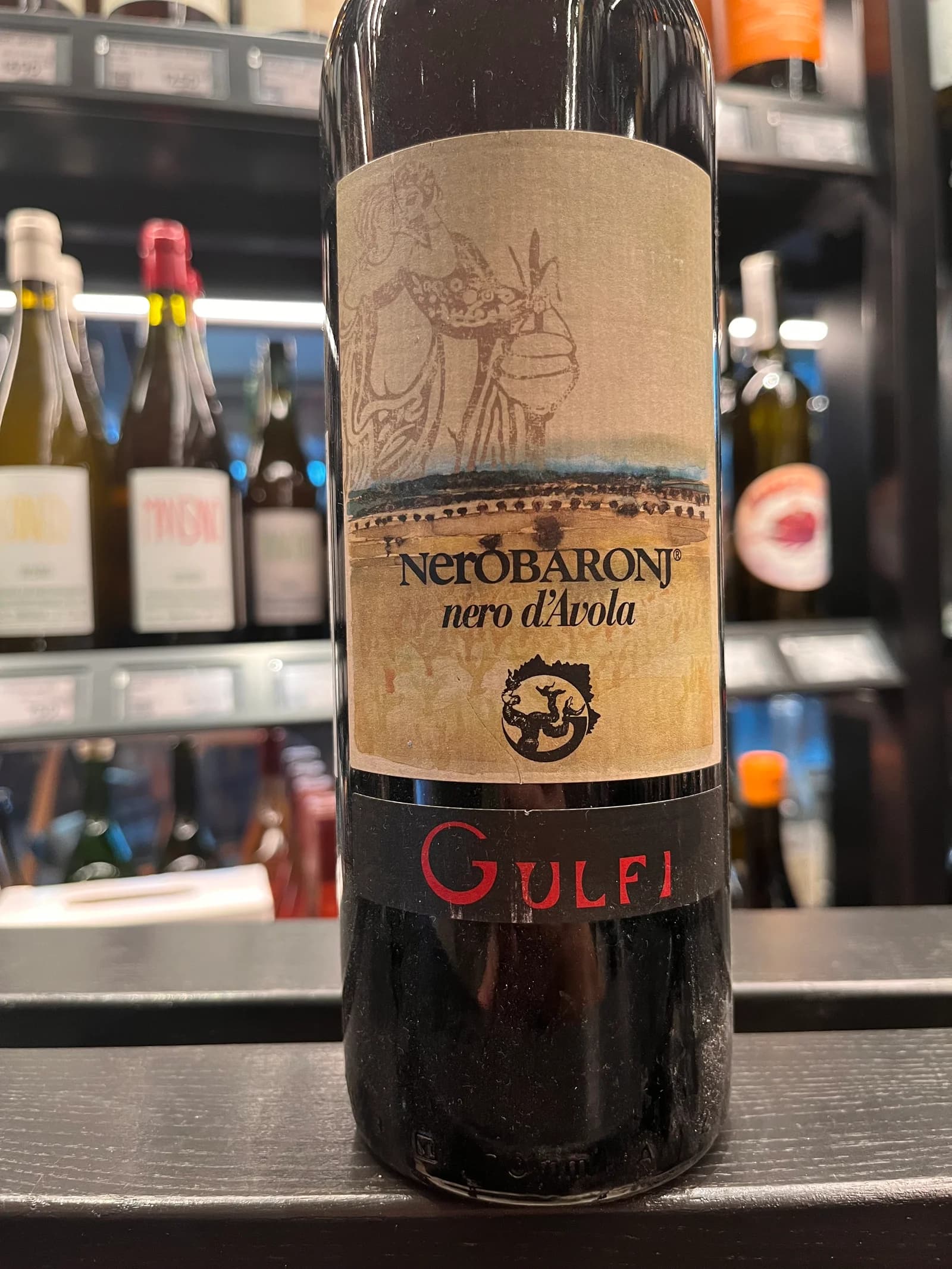
NeroBaronj
2004· Italy
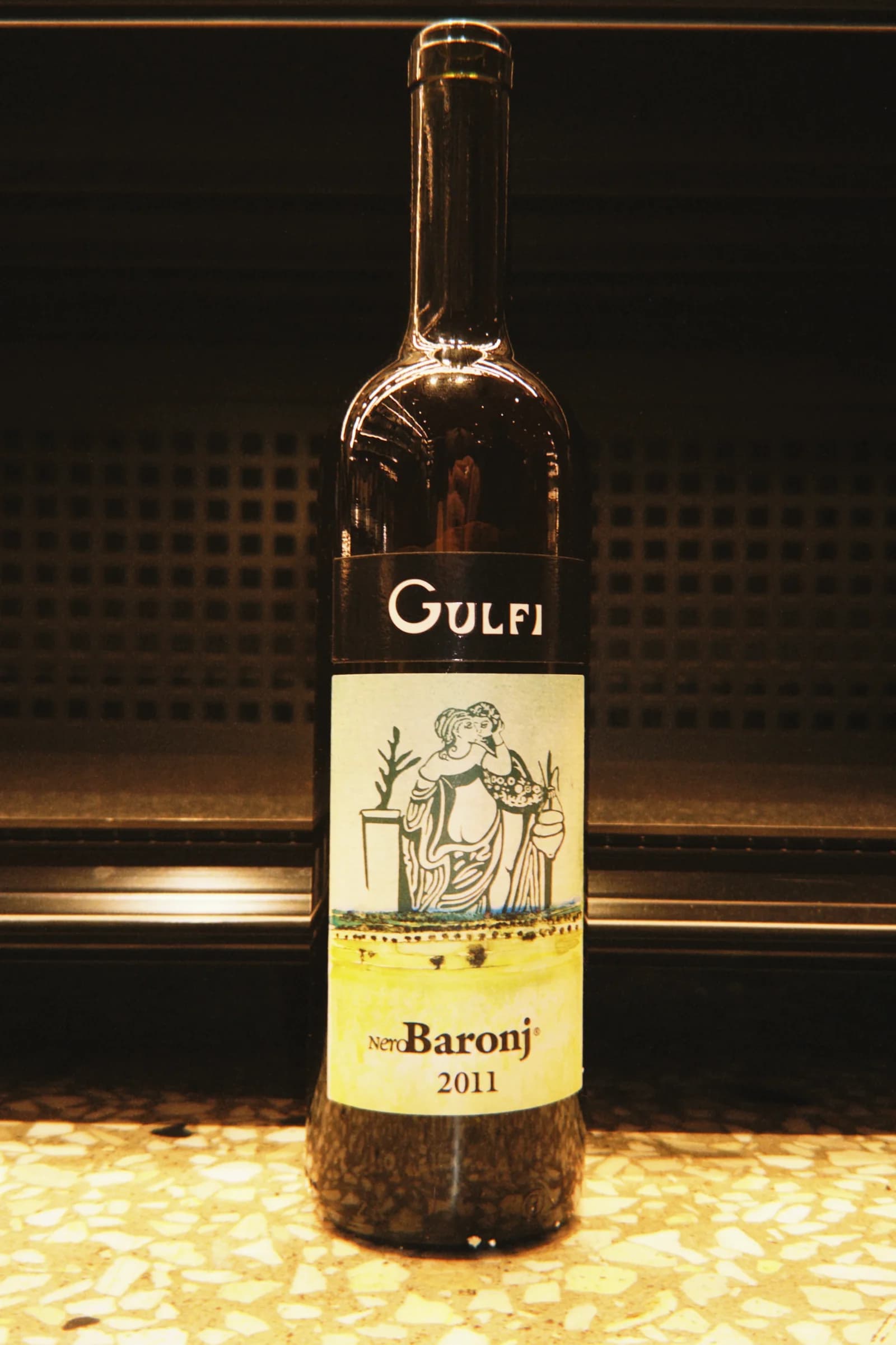
4.2
NeroBaronj
2011· Italy
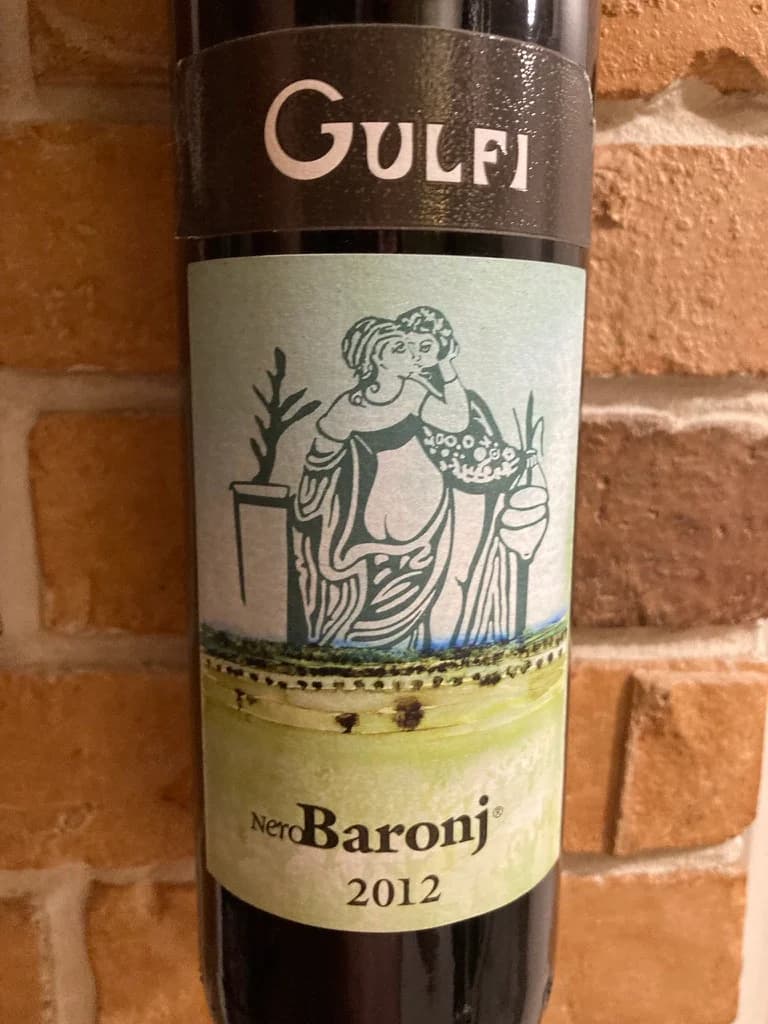
4.0
NeroBaronj
2012· Italy
4.0
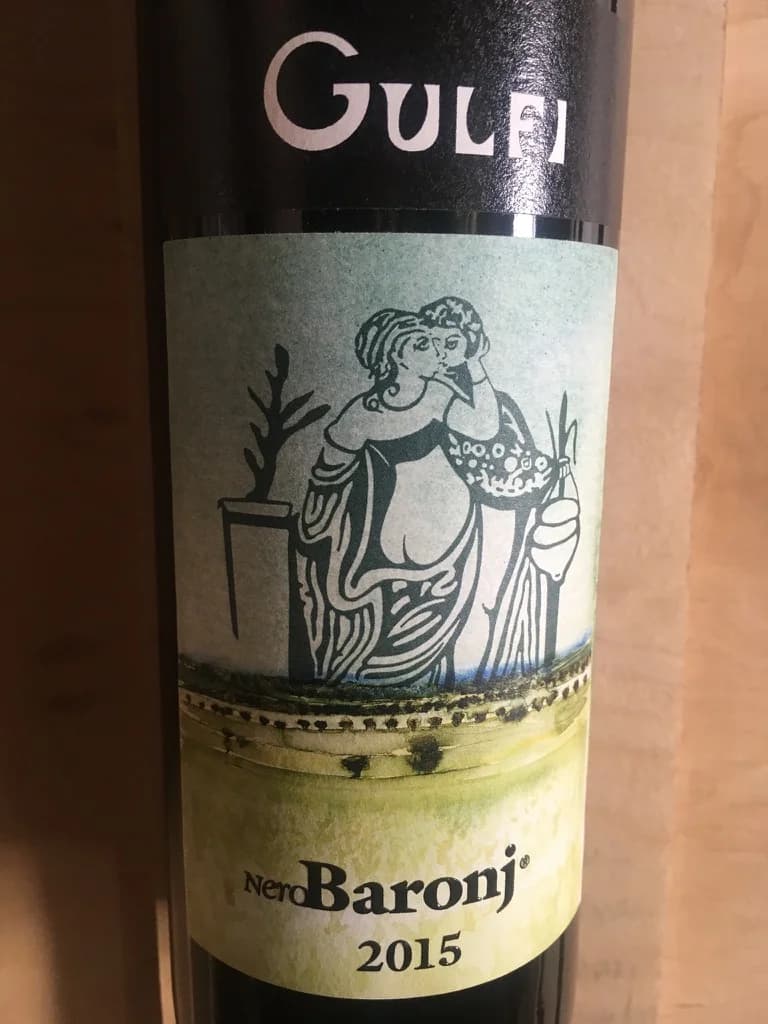
NeroBaronj
2015· Italy
3.9
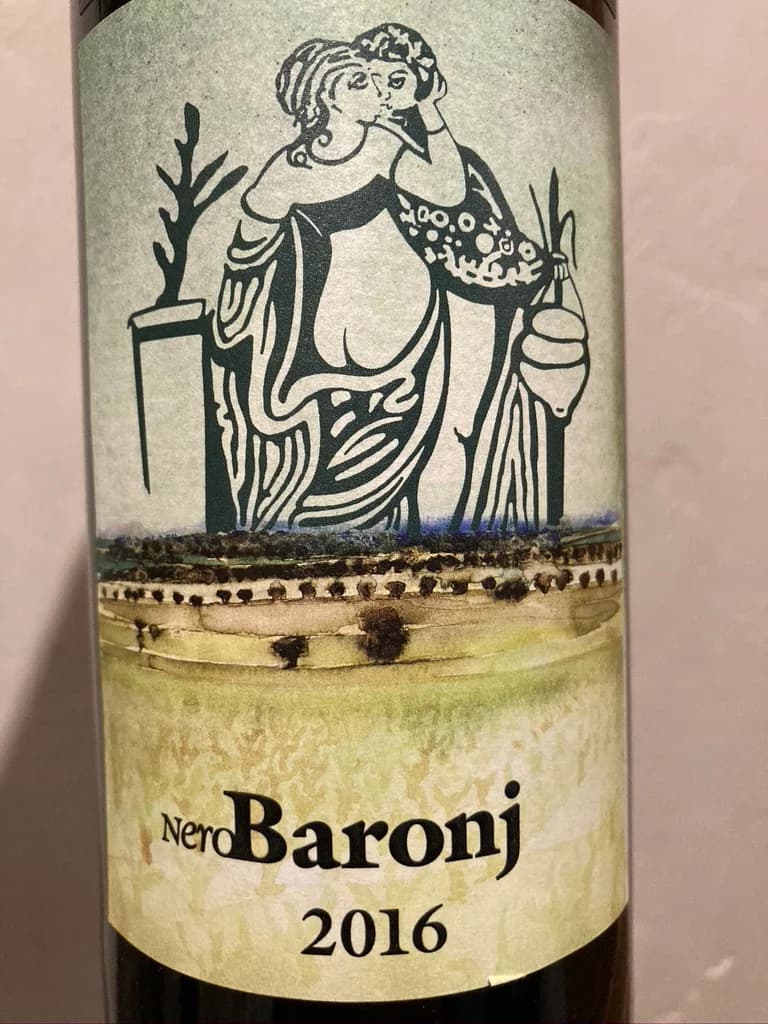
NeroBaronj
2016· Italy
4.2
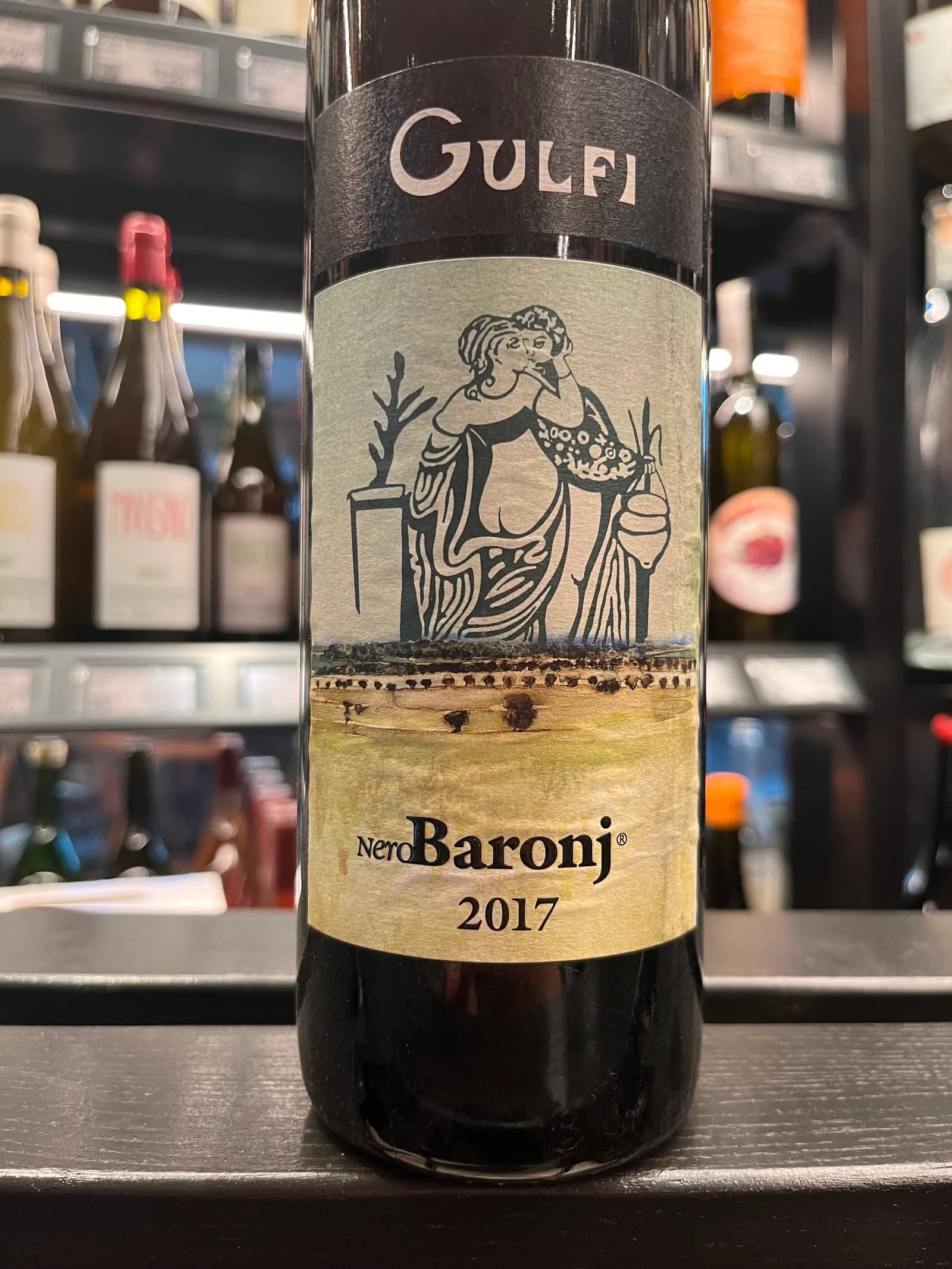
NeroBaronj
2017· Italy
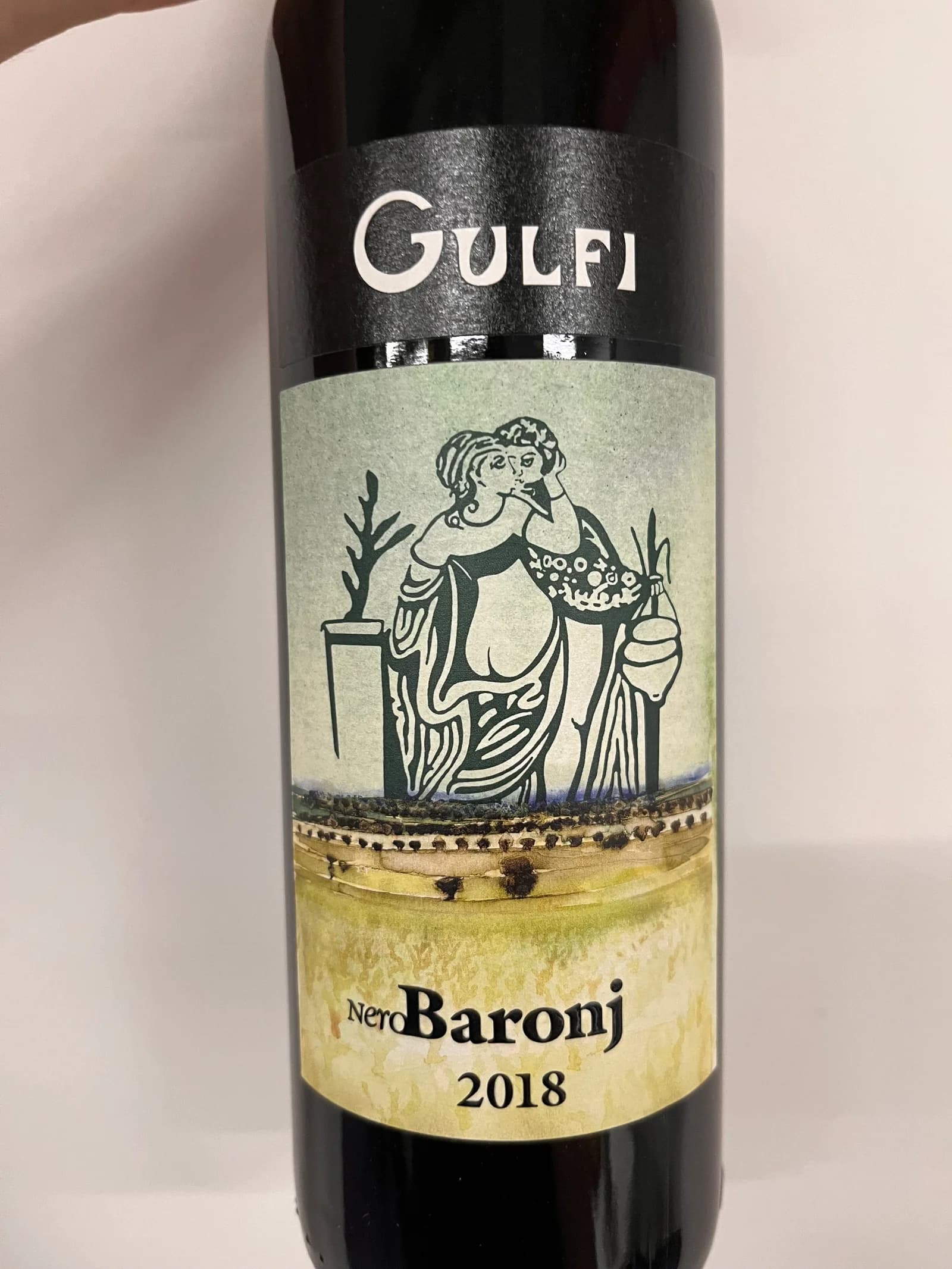
NeroBaronj
2018· Italy
NeroBaronj
2019· Italy
4.0
Nerojbleo
1999· Italy
4.1
Nerojbleo
2009· Italy
3.9
Nerojbleo
2018· Italy
4.2
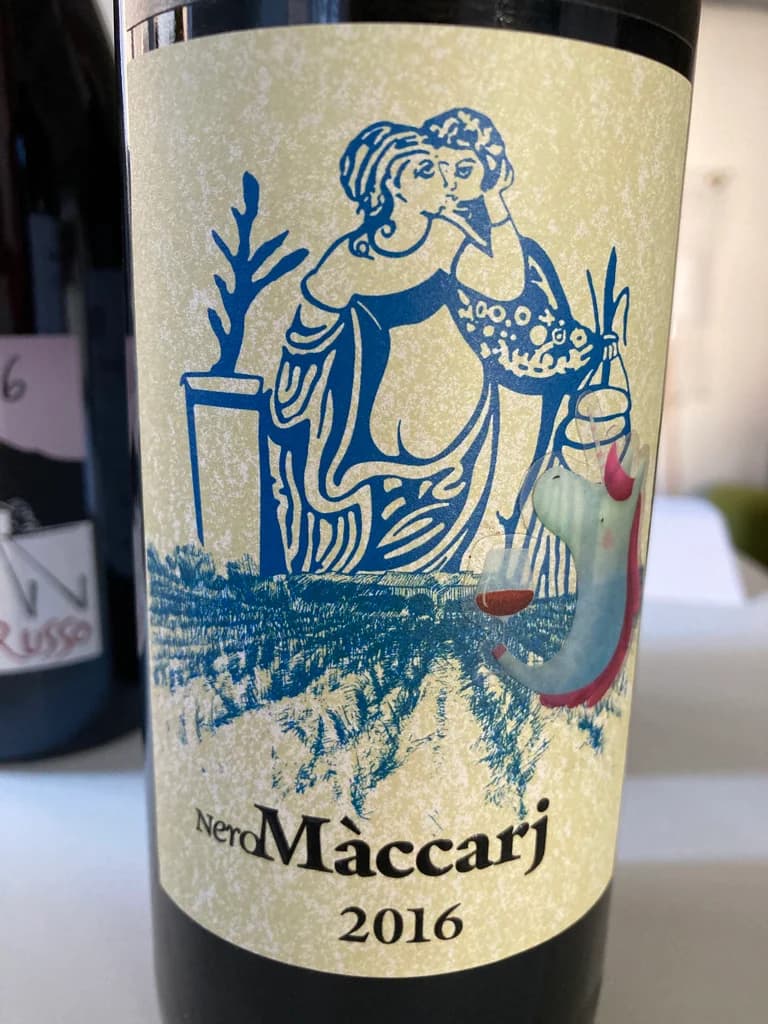
NeroMaccarj
2016· Italy
4.0
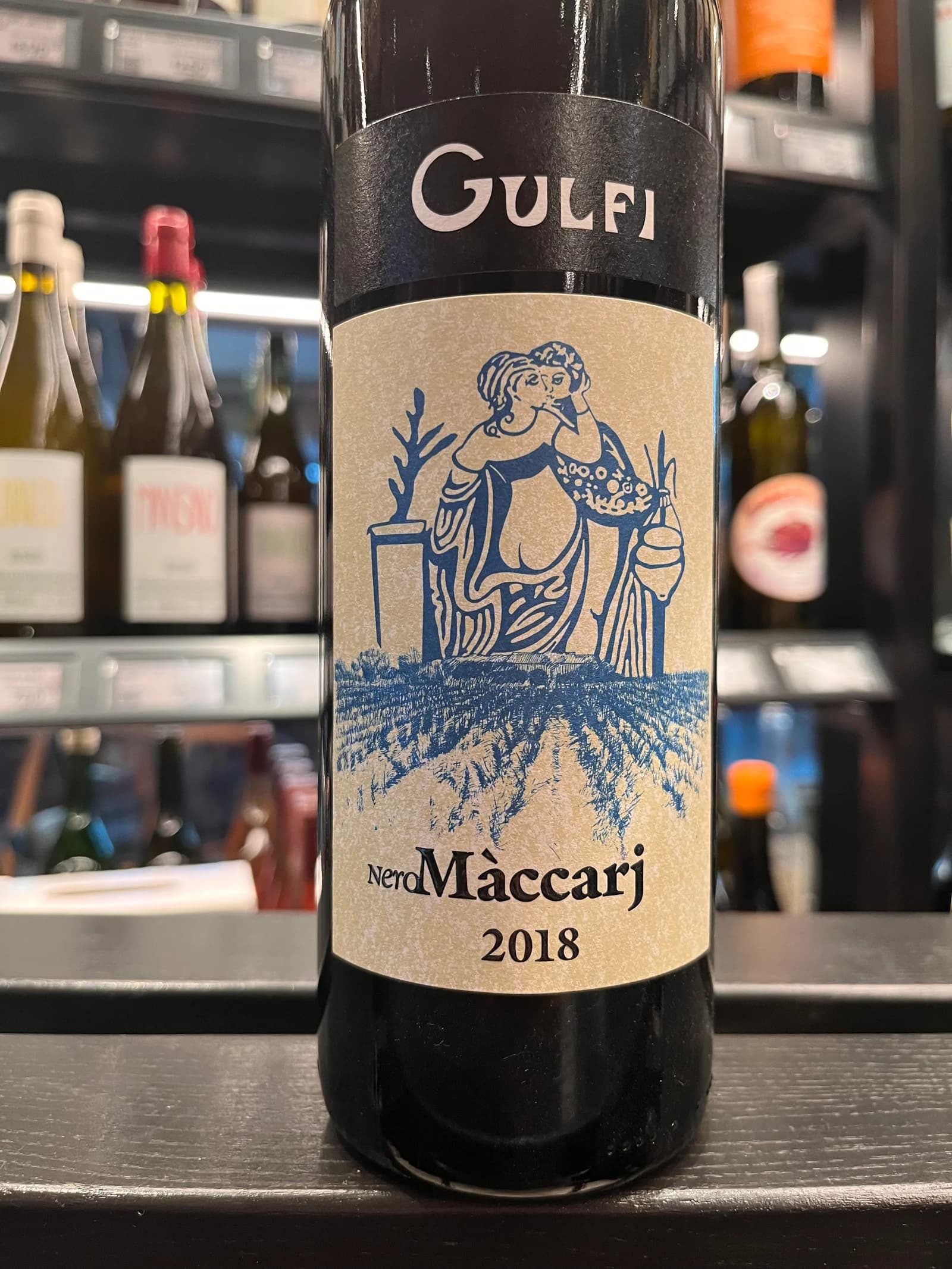
NeroMàccarj
2018· Italy
4.0
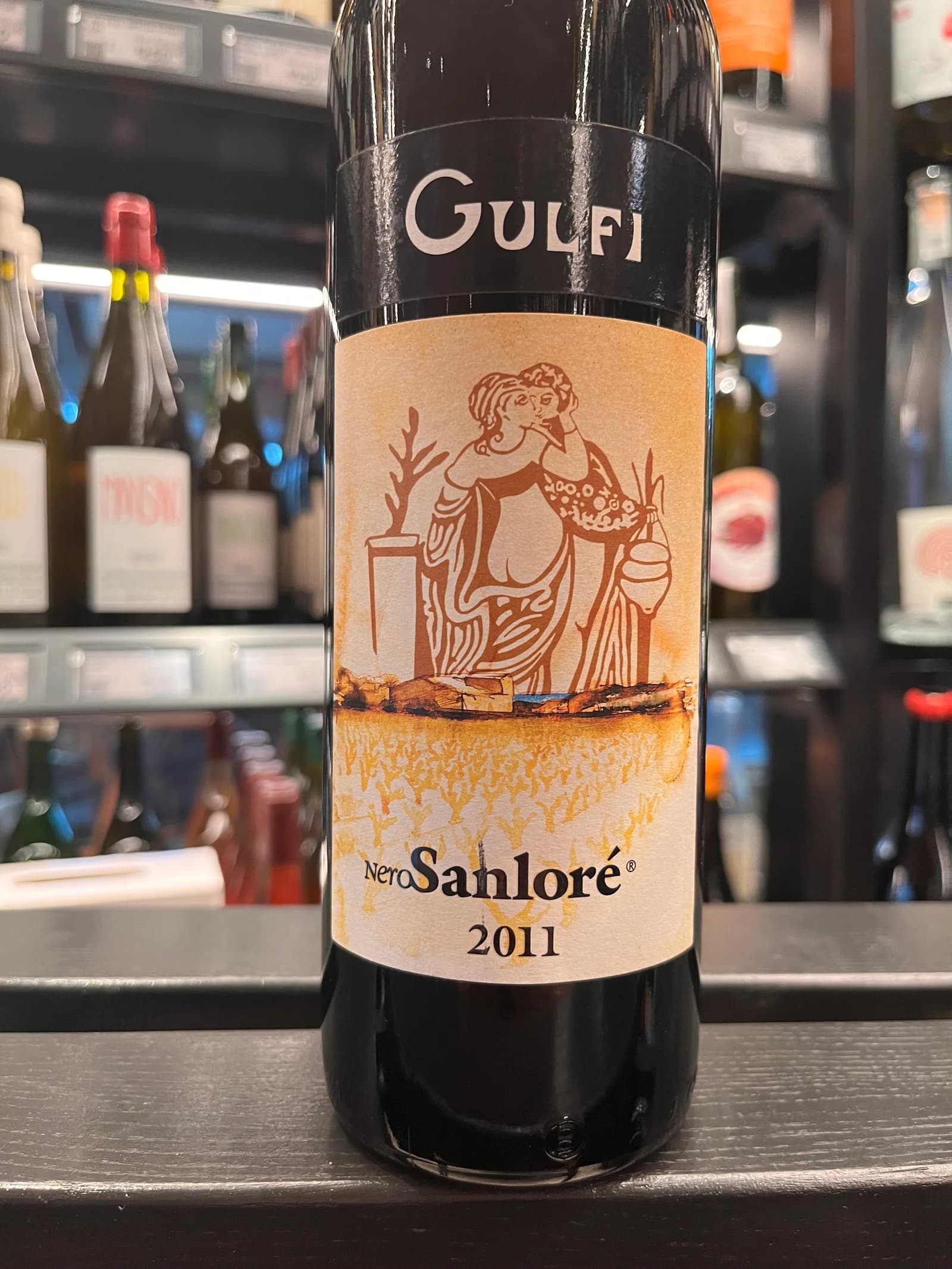
NeroSanloré
2011· Italy
4.5
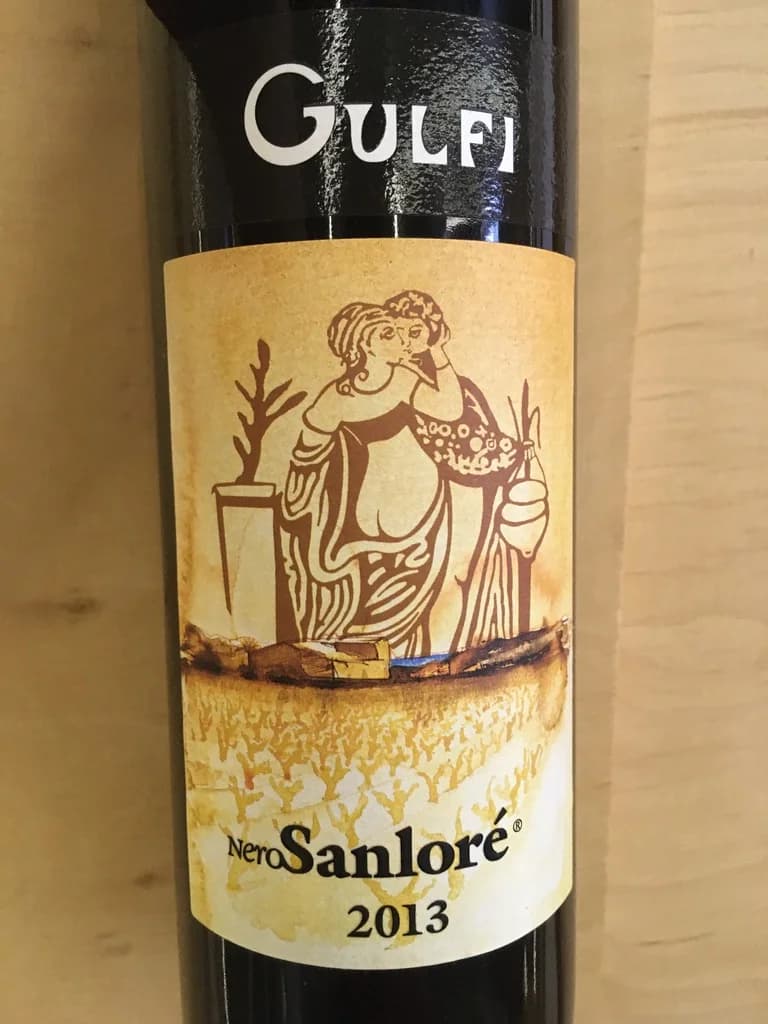
NeroSanlorè
2013· Italy
4.5
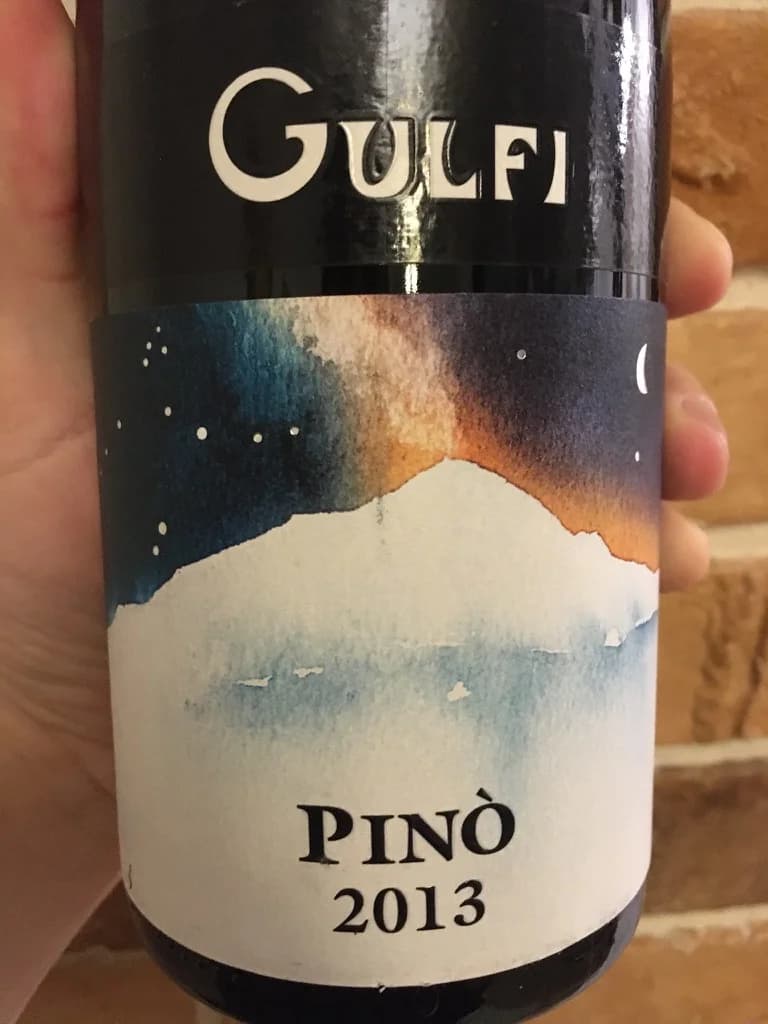
Pinò
2013· Italy
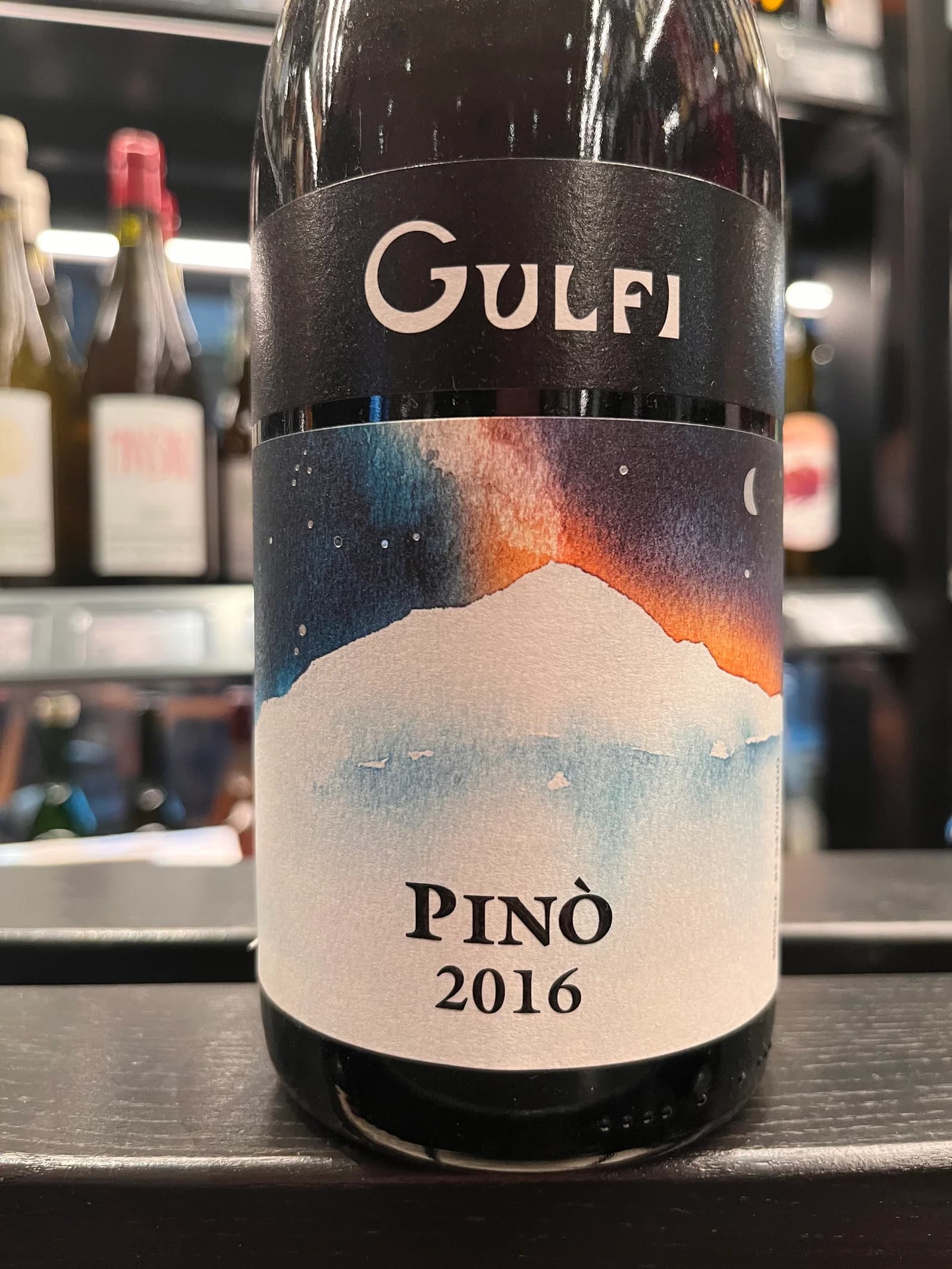
4.4
Pinò
2016· Italy
4.0
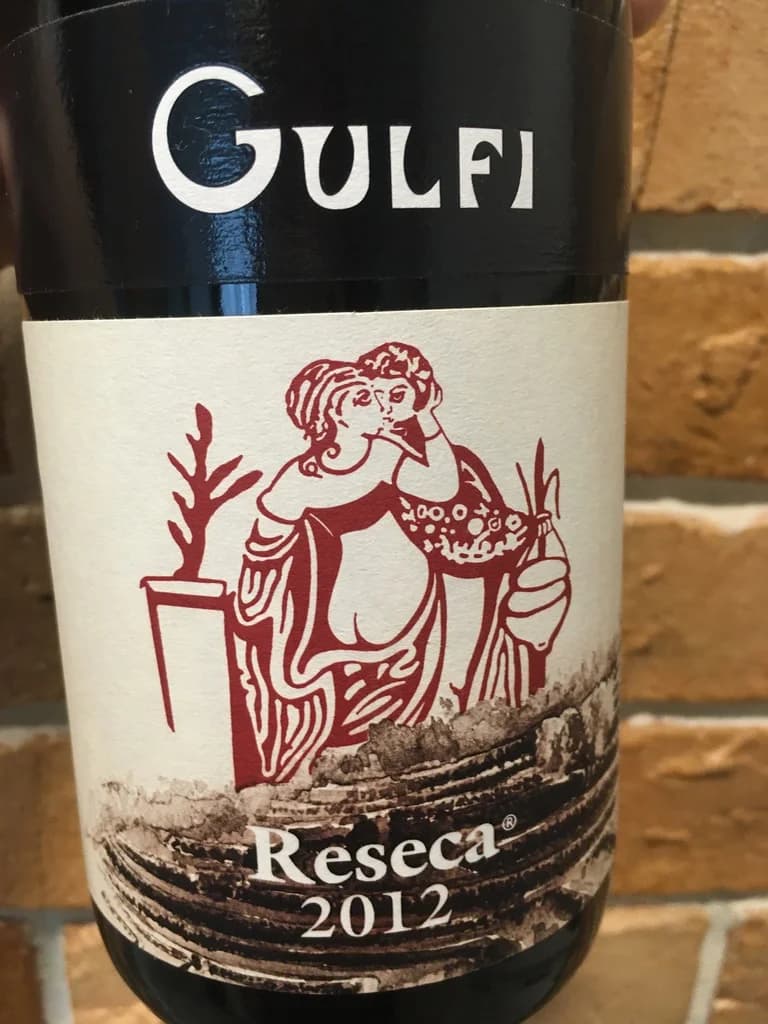
Reseca
2012· Italy
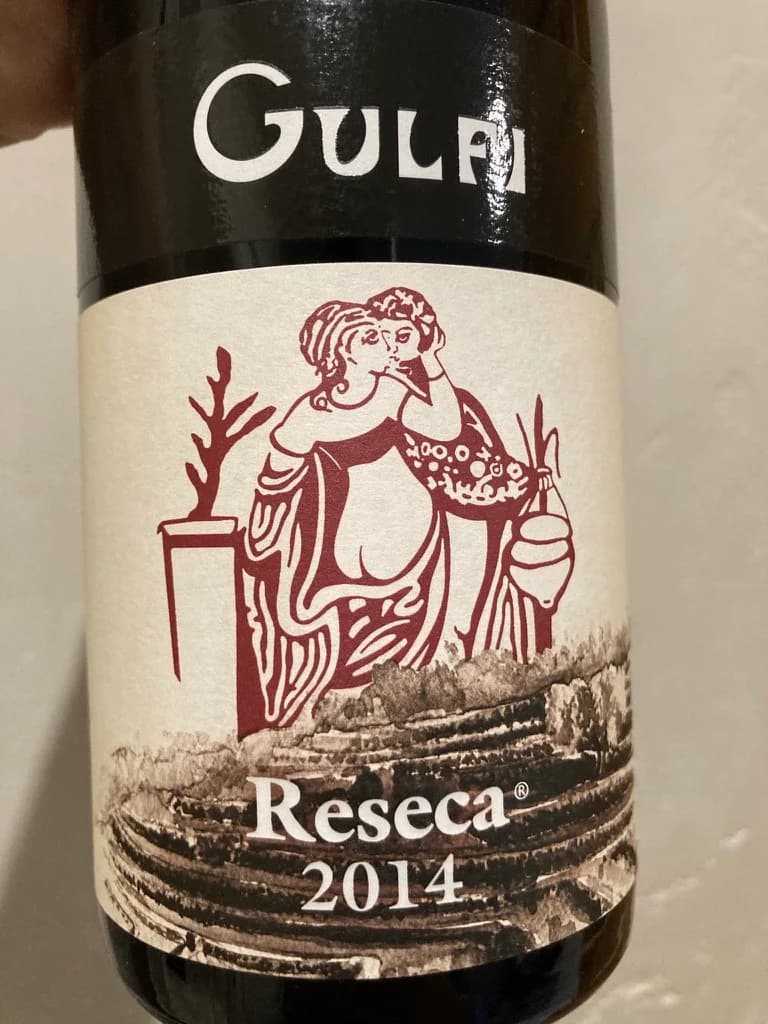
4.0
Reseca
2014· Italy
4.0
Reseca
2017· Italy
3.6
Valcanzjria
2021· Italy