All producers
Telmo Rodriguez
La Rioja, Spain1 wine3.9 avg
Telmo Rodríguez and Pablo Eguzkiza started their company in 1994 with, in their own words, lots of ideas and very few resources. What follows is the story as they tell it: a company built on travelling through Spain, and on old vineyards that others had given up.
The first wine was Alma, from ancient Garnacha vines in Sada, in Navarra, made when the fashion was for Cabernet and Merlot. Then they travelled. In 1995 they worked the medieval vineyards of Arribes del Duero and its rare Juan García grape. In 1996 they made a simple white in Rueda, to explain, as they put it, that Spain was a land of white wine. The same year they produced two barrels of Moscatel in the mountains of Málaga.
In 1998 they came back to Rioja and chose one village, Lanciego, for a wine "de pueblo". Lanzaga now covers 15 hectares, and the winery they built there in 2007 used earth, iron and the staves of their old barrels. The single vineyards followed, there and in nearby Labastida: Las Beatas, first bottled in 2011 after what they count as 20 years of work, then Tabuérniga, El Velado and La Estrada.
The first vineyard they ever bought was in the Sierra de Gredos. Telmo remembered old Garnacha vines from walking the shepherds' trails with his father as a child. In 1999 the company bought Arrebatacapas, a slate slope in Cebreros, where they had found Garnacha surviving above 1,000 metres. It is where the Pegaso wines started.
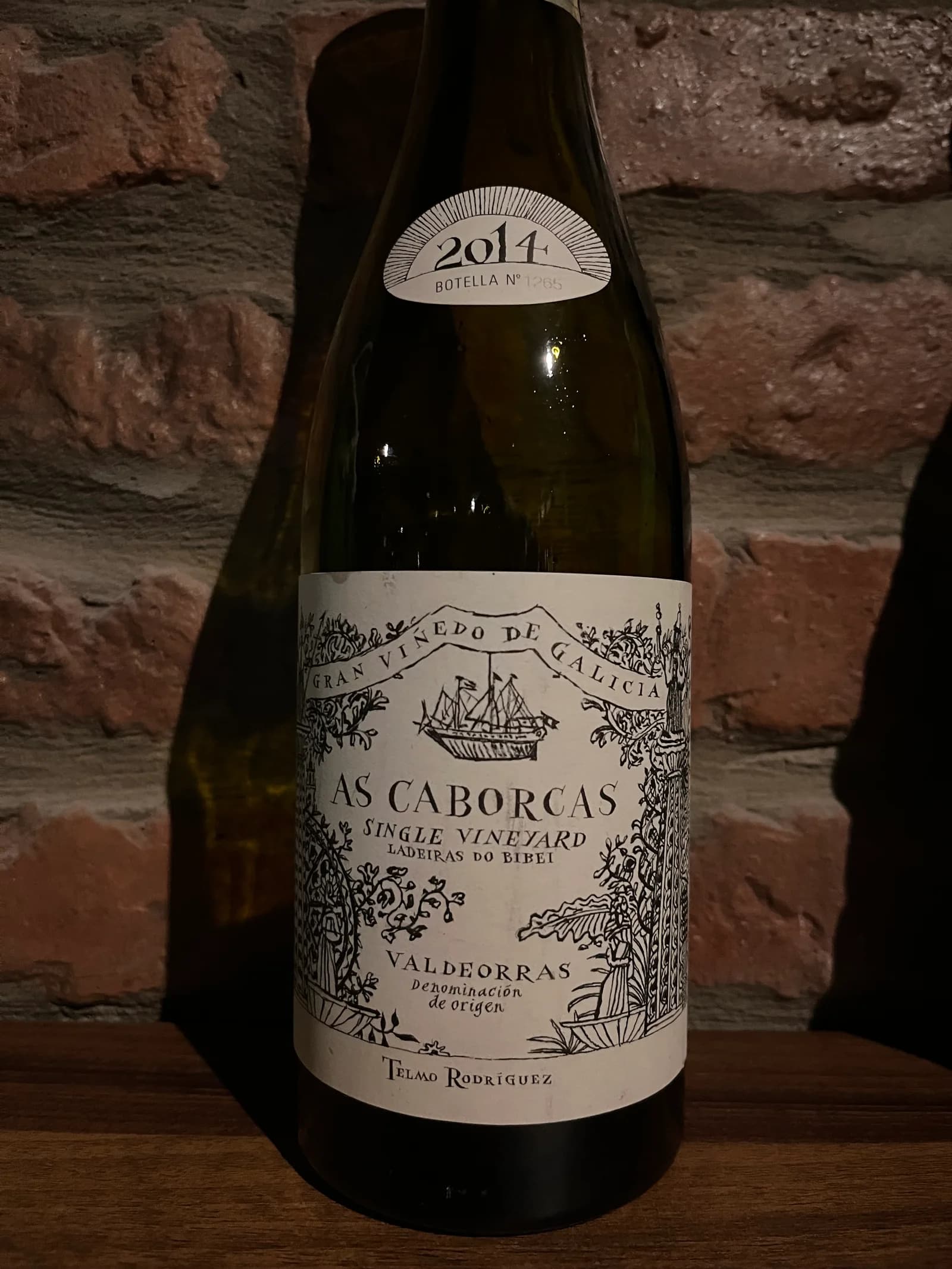
In 2002 they settled in Valdeorras, in Galicia. They bought the abandoned Falcoeira vineyard, which the old people of the town, they say, remembered as the best in the region, and spent ten years bringing it back. As Caborcas, from another old vineyard in the same town, was first bottled in 2010.
There is also Dehesa Gago in Toro, from 1998, and Matallana in Ribera del Duero, from 2016. Across the border, Telmo also makes Omlet in the Douro with Niepoort.
The company counts 355 plots, some 80 hectares and 43 native grape varieties.