All producers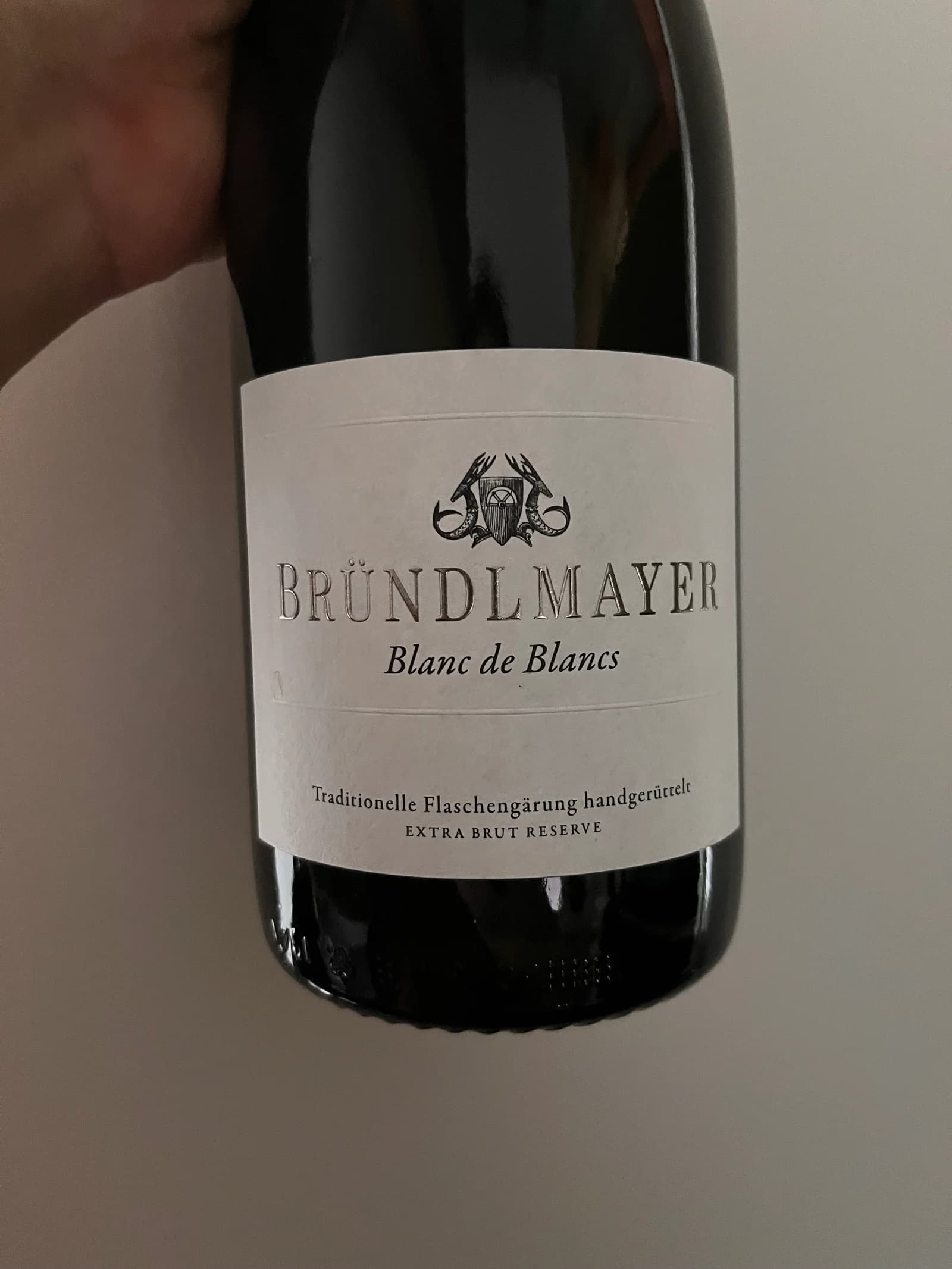




Weingut Bründlmayer
Niederösterreich, Austria13 wines4.0 avg
742
Willi Bründlmayer's Kamptal estate - Austria's benchmark Riesling from Heiligenstein, serious Grüner from Lamm, and one of the country's finest traditional-method Sekt programmes.
When Willi Bründlmayer took over his parents' estate in Langenlois, he turned it towards ecological farming, and synthetic fertilisers have not been used there since 1979. He still leads the house, together with his wife Edwige, Thomas Klinger and Andreas Wickhoff MW, and their son Vincent is part of the team.
Langenlois sits where the valley of the Kamp opens like a shell towards the Danube. The wooded hills of the Waldviertel shield the vineyards from cold north-westerly winds. By day the sun warms the stony terraces, and at night cool forest air drifts down the valley. The most famous site is the Zöbinger Heiligenstein, a terraced slope of 250-million-year-old desert sandstone where the finest Riesling ripens. Loiserberg and Berg Vogelsang, two neighbouring sites, grow on mica-schist, and Käferberg has poor primary rock under clayey marine deposits.
The vineyards have been certified organic by LACON since 2015. Pheromones disrupt the grape moth so no insecticide is needed, and cleared vineyards are left fallow, for years if necessary, before replanting. Grüner Veltliner is the main grape and Riesling the other great one, with Chardonnay and the Pinots as specialties. The reds rest on Pinot Noir, St. Laurent and Zweigelt, including original parcels Willi bought from the Zweigelt family.
The cellar runs on gravity. Grapes arrive at the top, the must flows down to the fermentation vats, and the wines go down again into the casks of the old earth cellar, so nothing has to be pumped. Solar panels on the roof and geothermal pipes under the foundations help cover the energy. The pneumatic presses work at one bar, which the house compares to a handshake between friends.
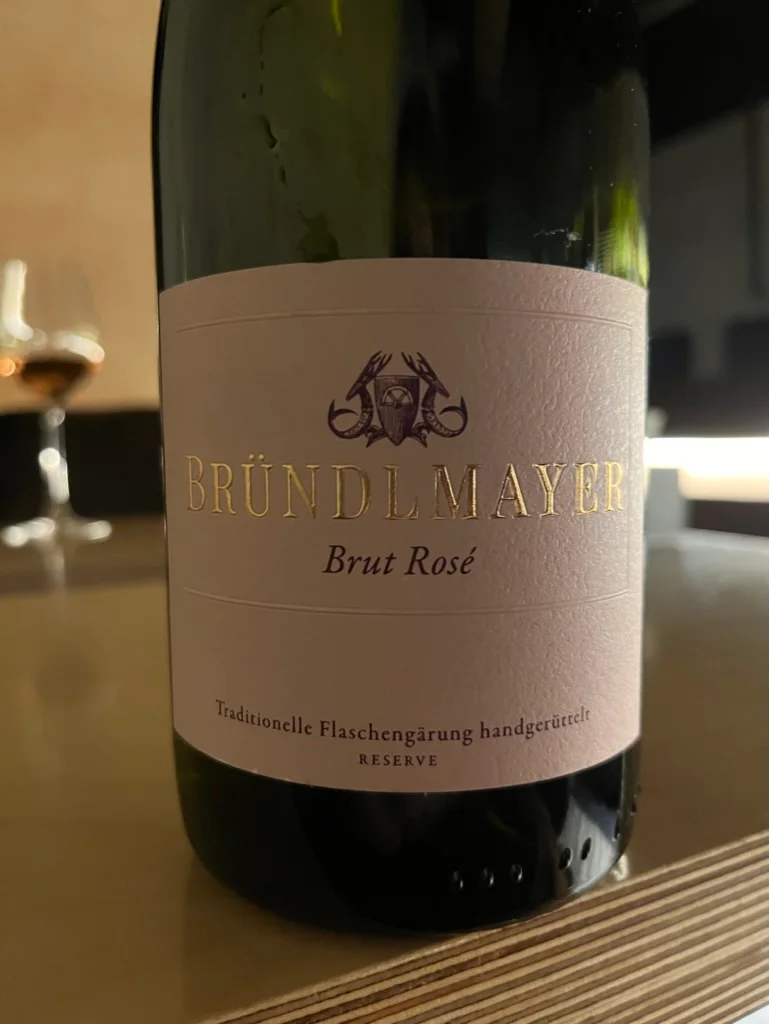
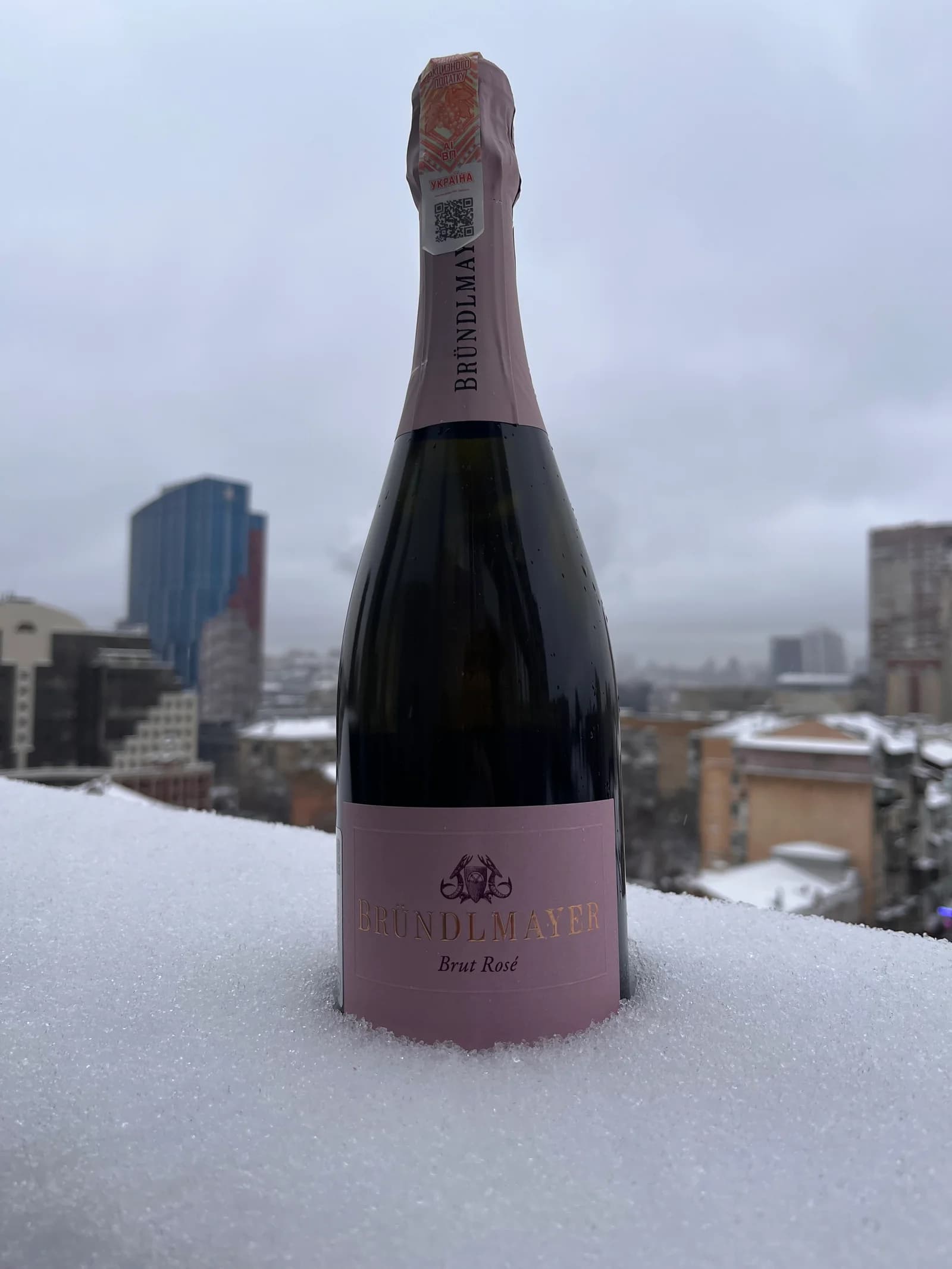
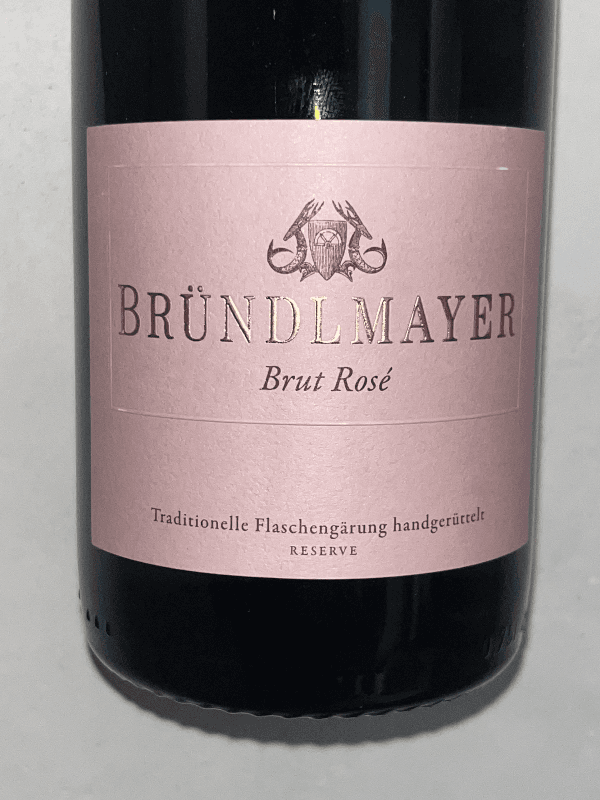
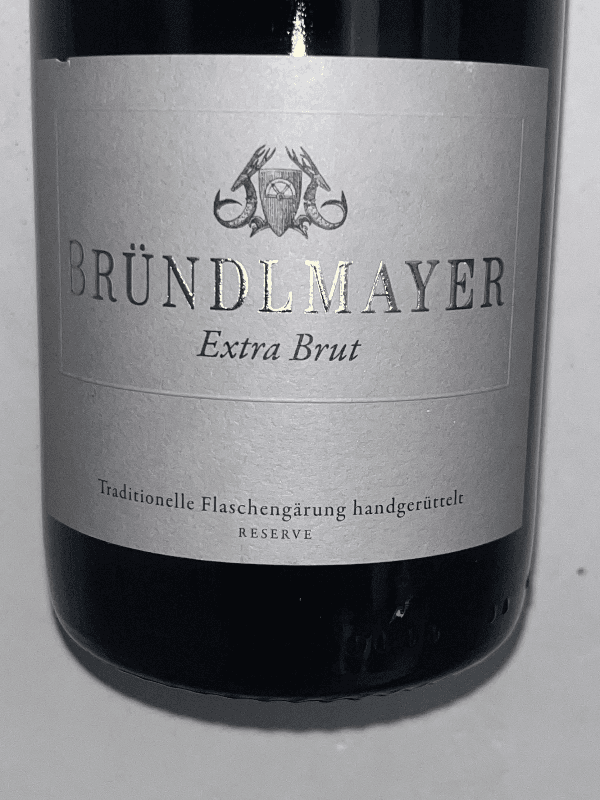
Sekt is the estate's other identity. The grapes for it are chosen in the first weeks of September, for acidity that is lively but not aggressive. They go into a Brut, a Brut Rosé and an Extra Brut, with a vintage Sekt in exceptional years. Everything is made in the estate's own cellar and riddled on wooden racks.
Every back label carries the date of disgorgement, so the bottle tells you exactly how long it has been awake.
Wines
3.9
Blanc de Blancs Extra Brut Reserve L11778/08/15 (d2022-02)
NV, d2022-02· Austria
4.0
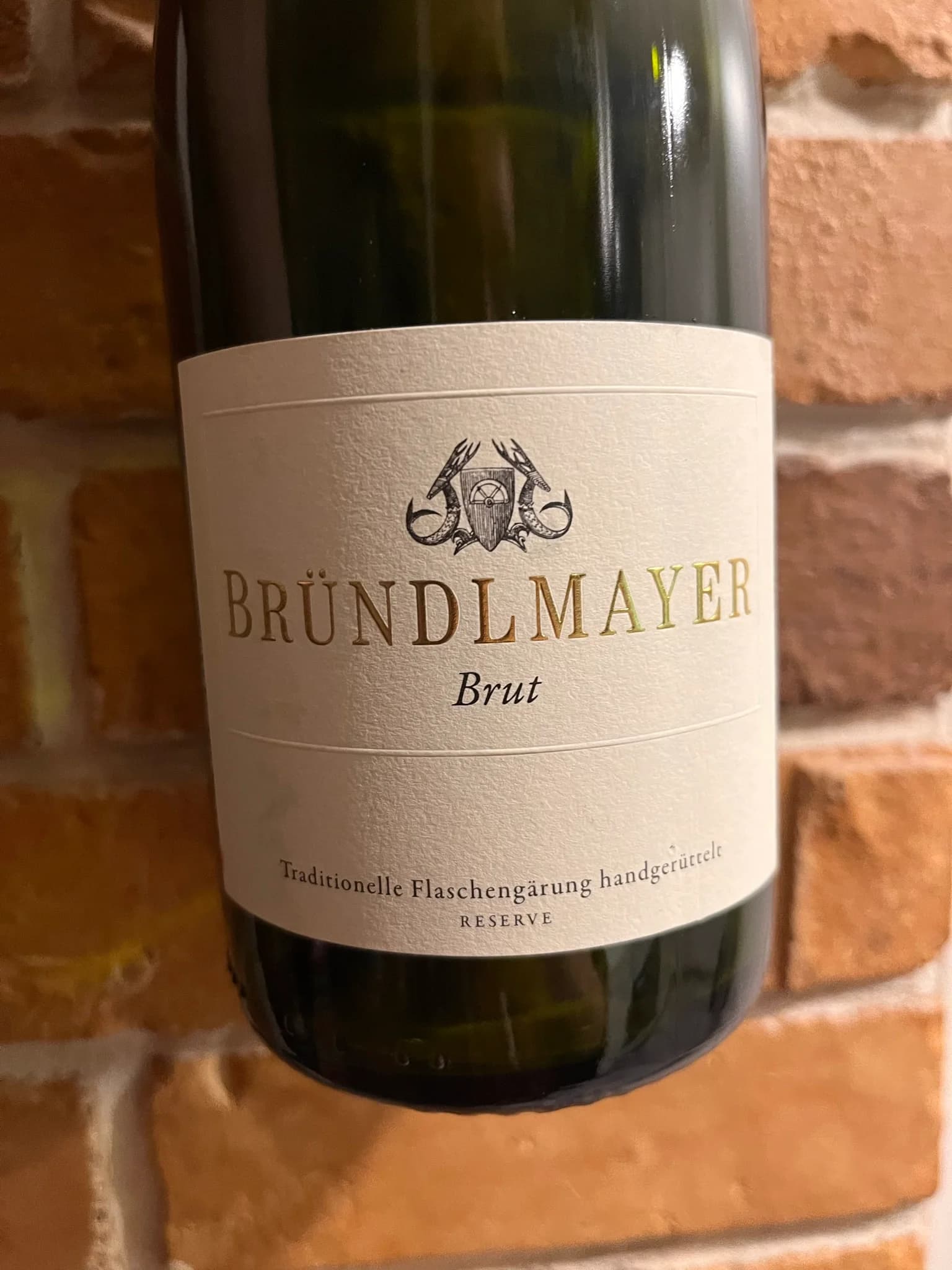
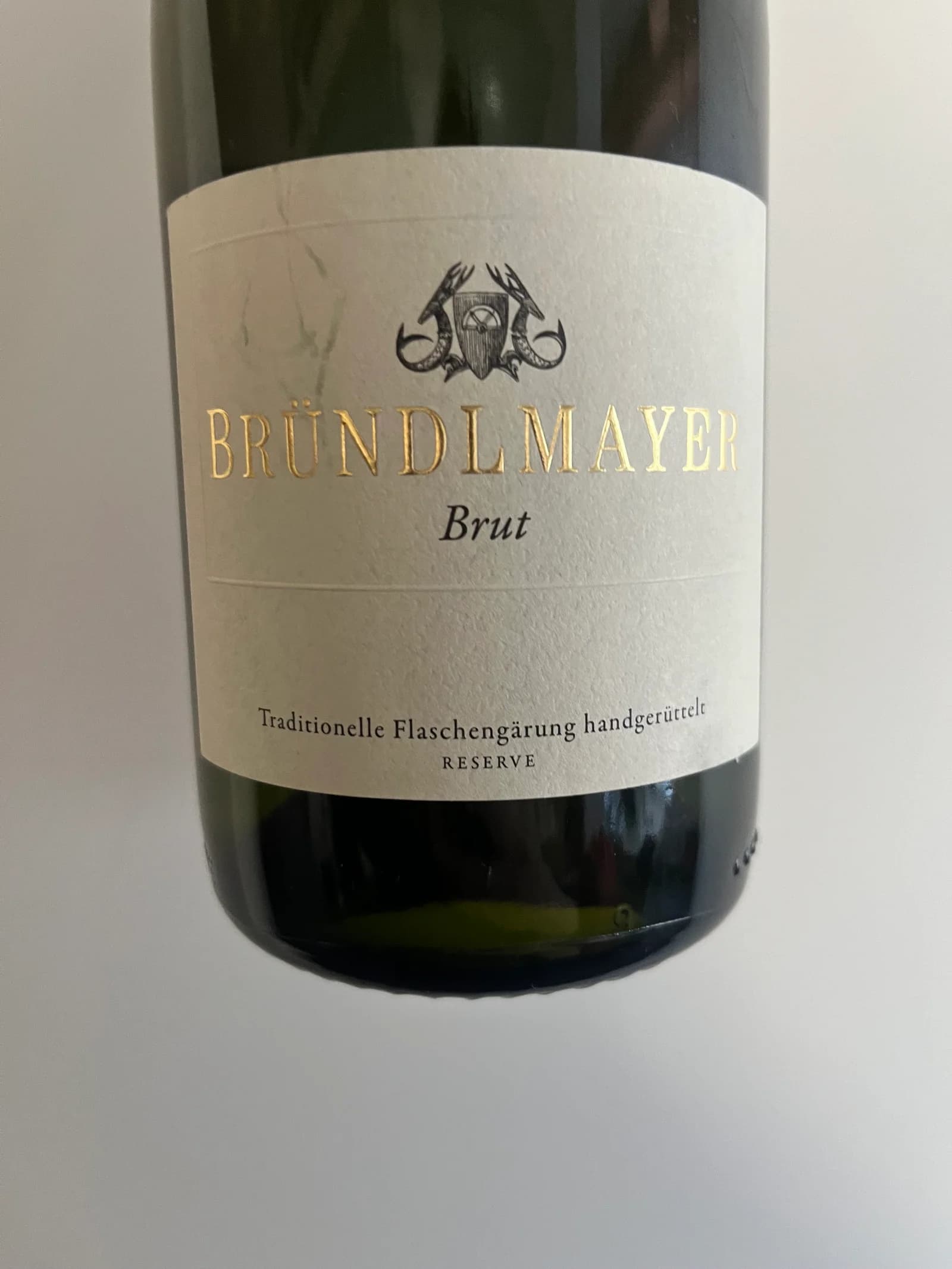
Brut Reserve L11556/04/18 (d2022-03)
NV, d2022-03· Austria
4.0
Brut Reserve L12949/05/19 (d2022-09)
NV, d2022-09· Austria
4.0
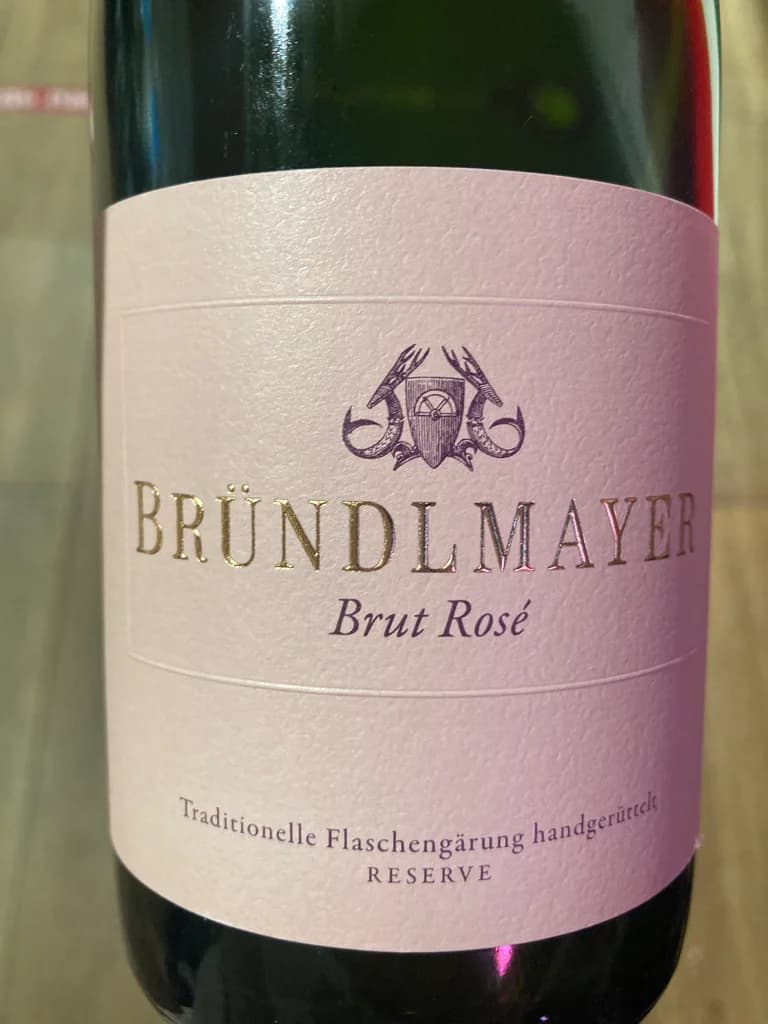
Brut Rosé Reserve
NV· Austria
4.0
Brut Rosé Reserve L11808/04/19 (d2022-04)
NV (2018)· Austria
4.0
Brut Rosé Reserve L13045/05/20 (d2022-10)
NV (2019)· Austria
4.0
Brut Rosé Reserve L16372/05/23 (d2025-05)
NV, d2025-05· Austria
4.0
Extra Brut Reserve L16330/09/20 (d2025-03)
NV, d2025-03· Austria
3.8
Grüner Veltliner Kamptaler Terrassen
2019· Austria
3.5
Hauswein Grüner Veltliner
2021· Austria
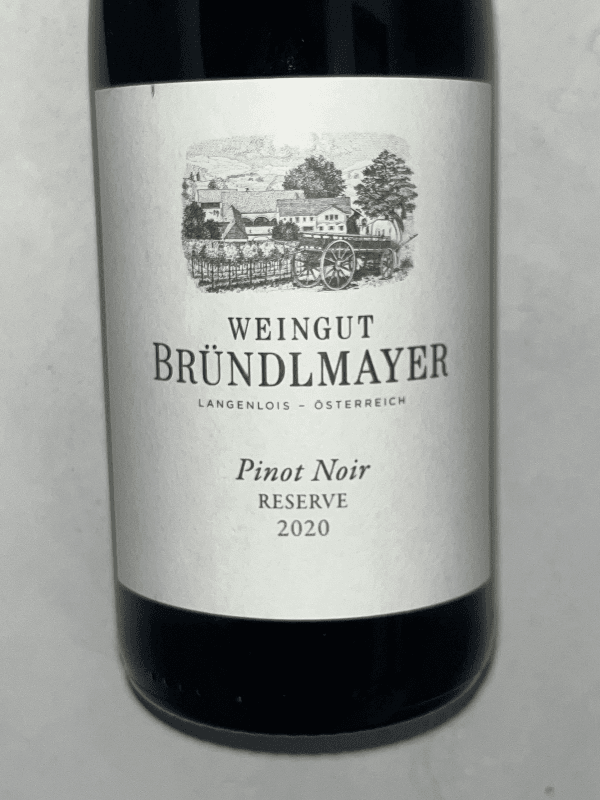
Pinot Noir Reserve Ried Langenloiser Käferberg
2020· Austria
4.5
Riesling Heiligenstein Lyra
2018· Austria
3.8
Zweigelt
2015· Austria