All producers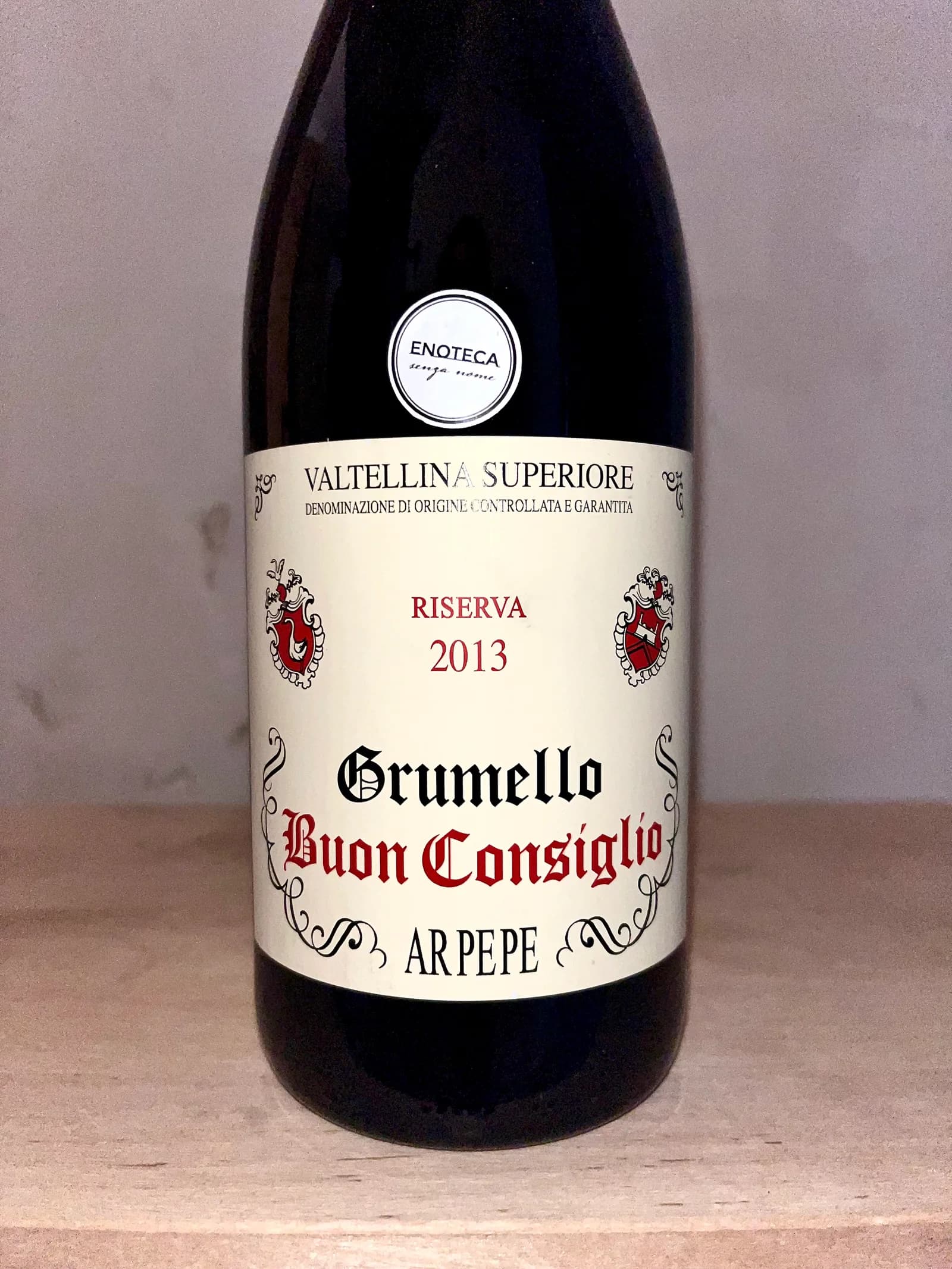
Arpepe
Lombardia, Italy22 wines4.2 avg
The reference for traditional Valtellina Nebbiolo - fifteen hectares of terraced Alpine slopes, long maceration, very late release.
The Pelizzatti family have been making wine in Valtellina since 1860. For more than a century the family winery carried the Pelizzatti name and was one of the valley's most respected houses. Then, in 1973, Arturo's father Guido was diagnosed with cancer. Without consensus among his heirs, the family sold the historic Pelizzatti winery and some of the best vineyards. When Arturo Pelizzatti Perego decided to start again, in 1984, the Pelizzatti brand was no longer theirs. He used his initials instead. Ar.Pe.Pe. was a way of reclaiming the family work without reclaiming the name.
Arturo himself died in 2004. The estate is now in the hands of his three children, the fifth generation: Isabella (commercial), Emanuele (winemaker), and Guido (communications). Around fifteen hectares of terraced south-facing slopes on the north flank of the Adda valley, worked entirely by hand - the terraces are too steep for anything mechanical, and the broader Valtellina terrace landscape is UNESCO-recognised for a reason.
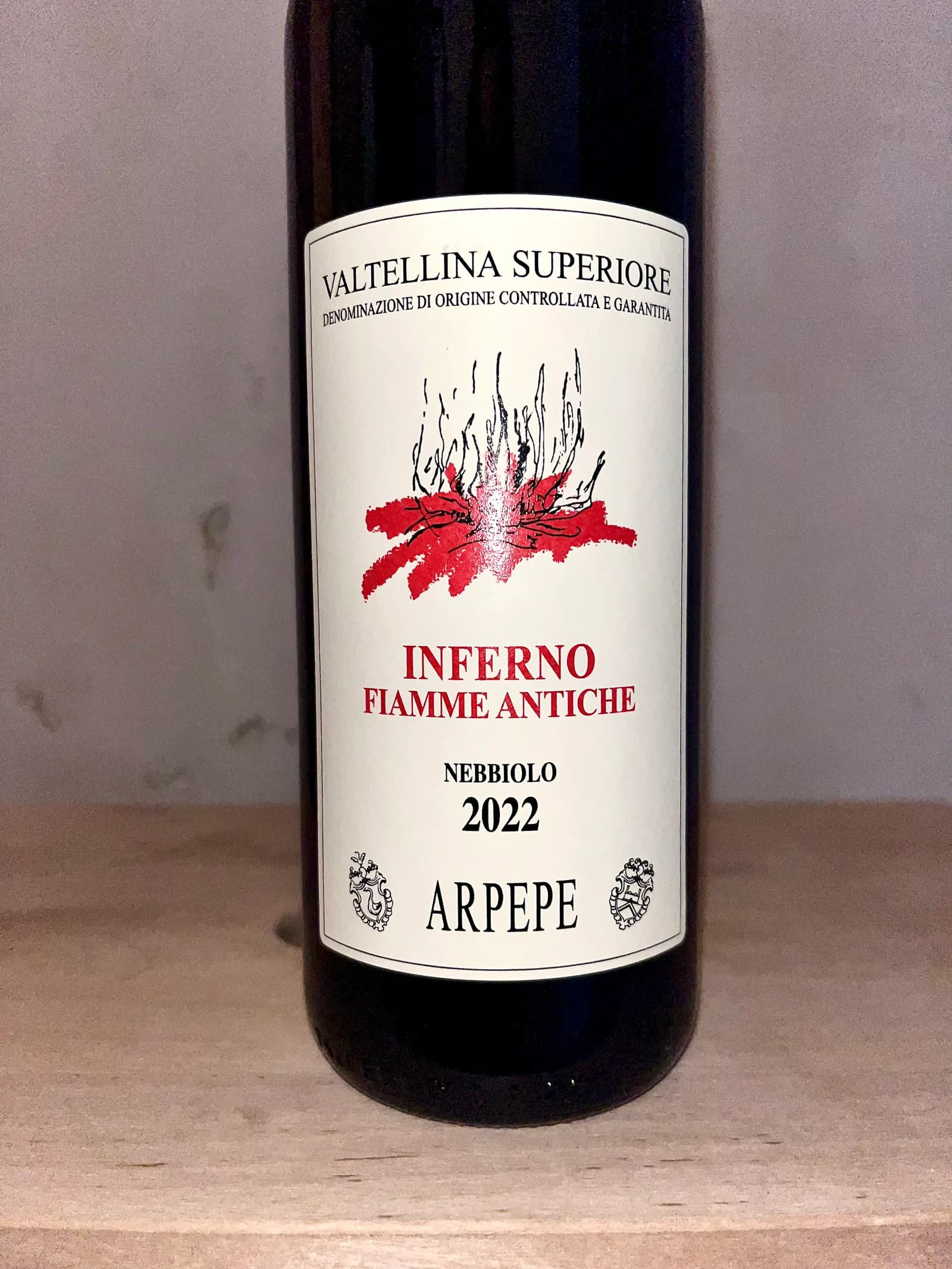
Nebbiolo's reputation is built on the Langhe - Barolo and Barbaresco - where the grape gets warm south-facing slopes at moderate altitude and a long growing season to ripen its notoriously late-maturing tannins. The received wisdom is that it needs warmth. Valtellina contradicts that. The valley runs east-west along the Adda river in the Alps, and the hand-cut dry-stone terraces on its north flank catch maximum southern sun (Arpepe's parcels sit between roughly three hundred and six hundred metres), but the nights are cool, the diurnal range is large, and the overall heat accumulation is lower than in Piedmont. What the grape actually needs, it turns out, is sun and time - not ambient temperature. The terraces deliver the sun; the patience delivers the rest. The grape here is called Chiavennasca - Nebbiolo by another name - and the wines are lighter in body, higher in acidity, more floral and mineral, more Alpine than their Langhe cousins. Where Barolo is architecture, Valtellina is transparency. The Valtellina Superiore DOCG has five historic crus: Sassella (westernmost, most famous), Grumello, Inferno, Valgella, and Maroggia. Arpepe works three of them - Sassella, Grumello, and Inferno.
Philosophy is traditional and patient. The house motto is Il giusto tempo del Nebbiolo - "the right waiting time for Nebbiolo." Fermentations in large upright casks with indigenous yeasts. Very long macerations, measured in months rather than weeks - Rocce Rosse has seen anything from sixty-nine to over a hundred days on the skins depending on the vintage. Aging in large traditional botti (Slavonian oak, chestnut, and French oak in fifty-hectolitre formats), no barrique. Release is very late - top cuvées often appear six to ten years after harvest.
The range:
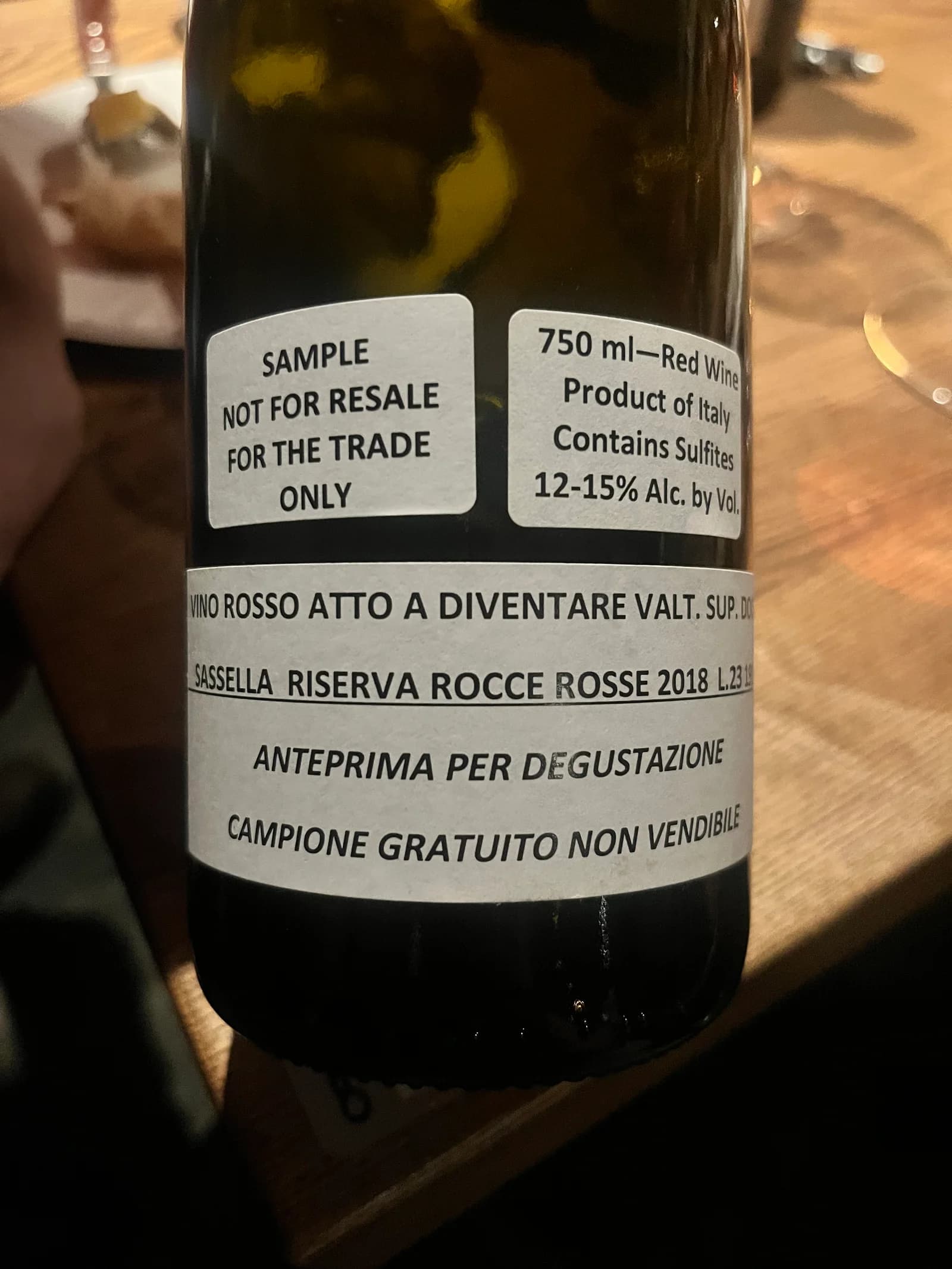
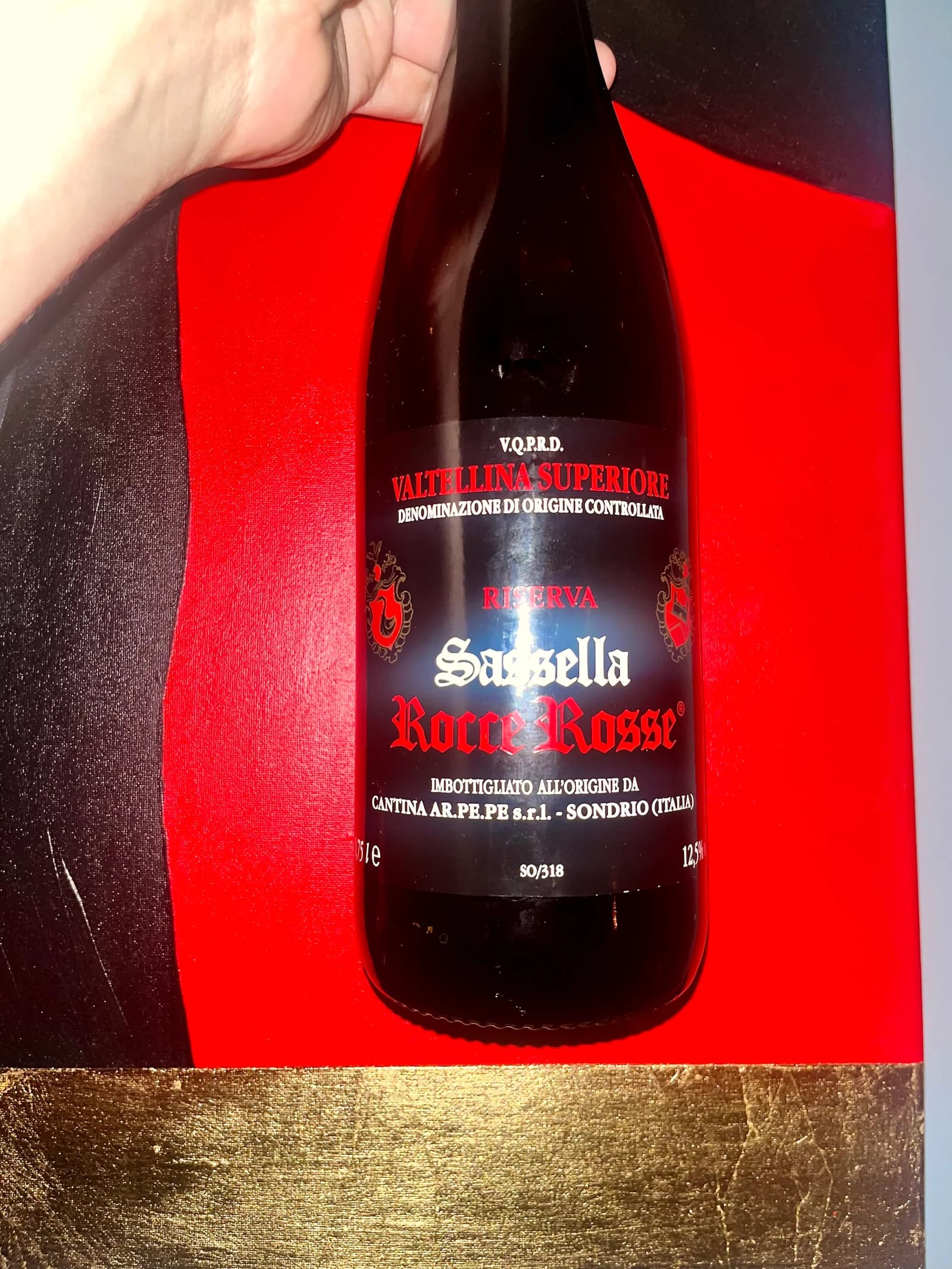
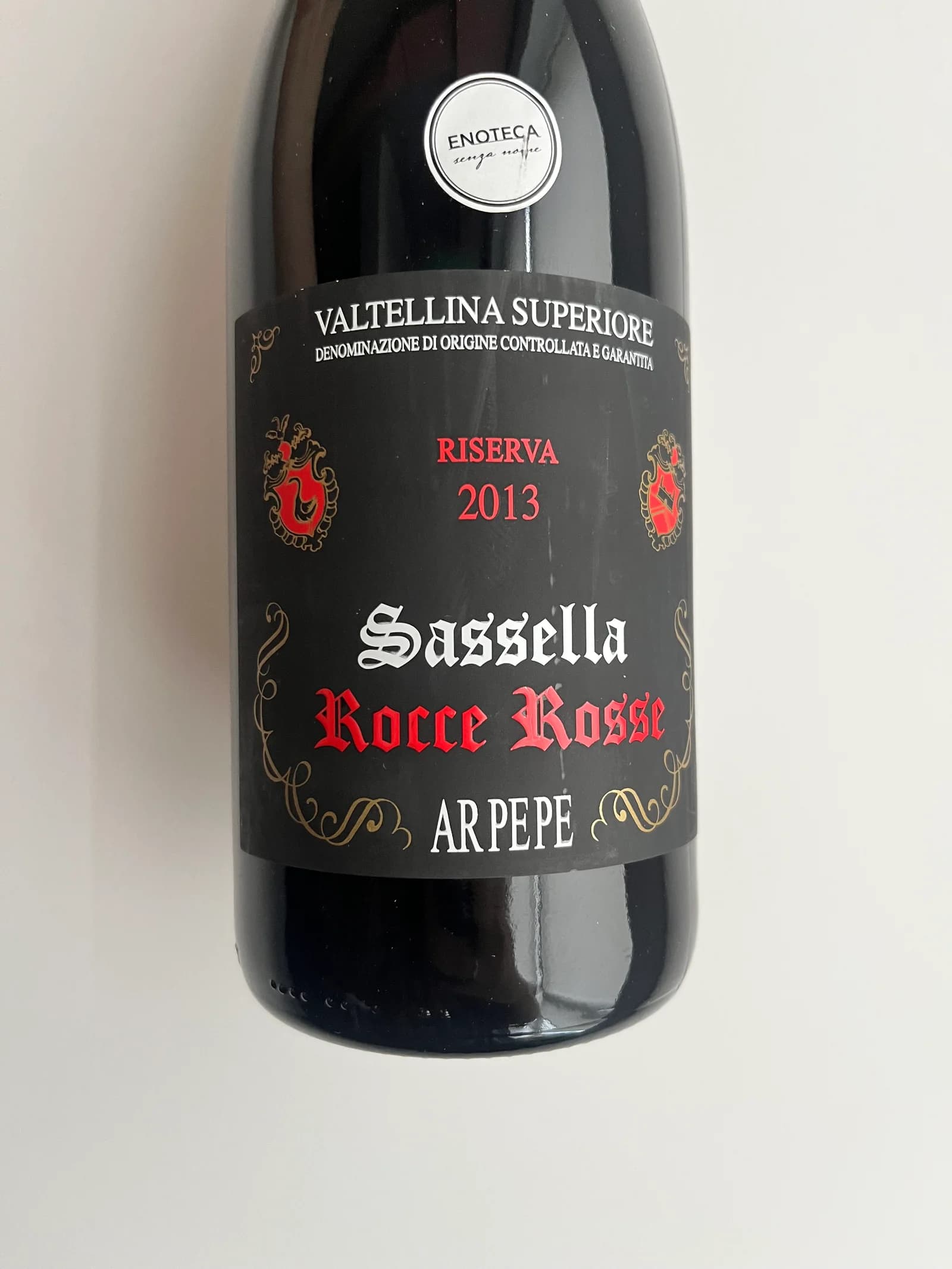
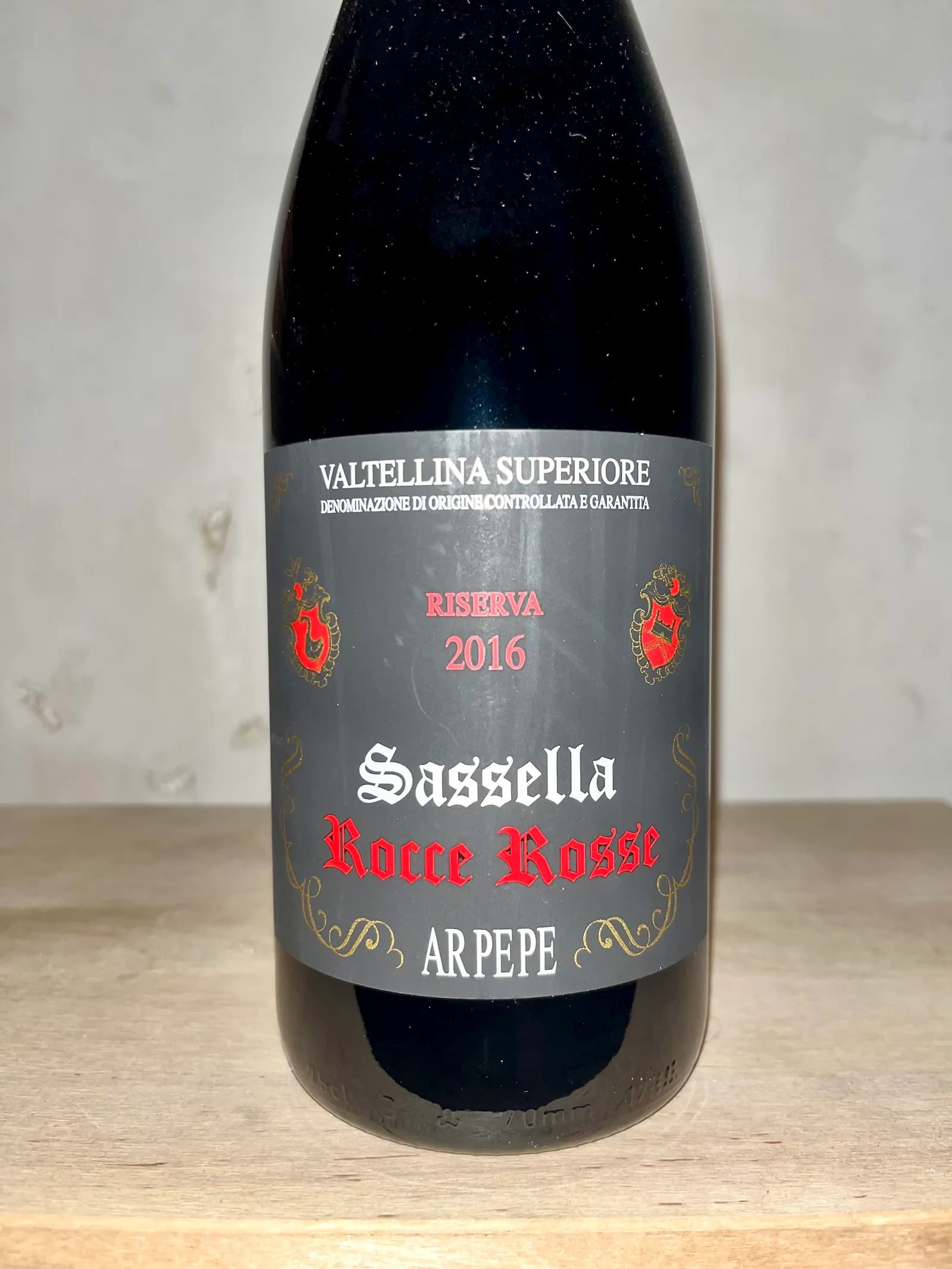
- Rocce Rosse - the flagship. Sassella Riserva from a red-granite plot of fifty-year-old vines. Roughly 39 months in cask plus another three years in bottle before release.
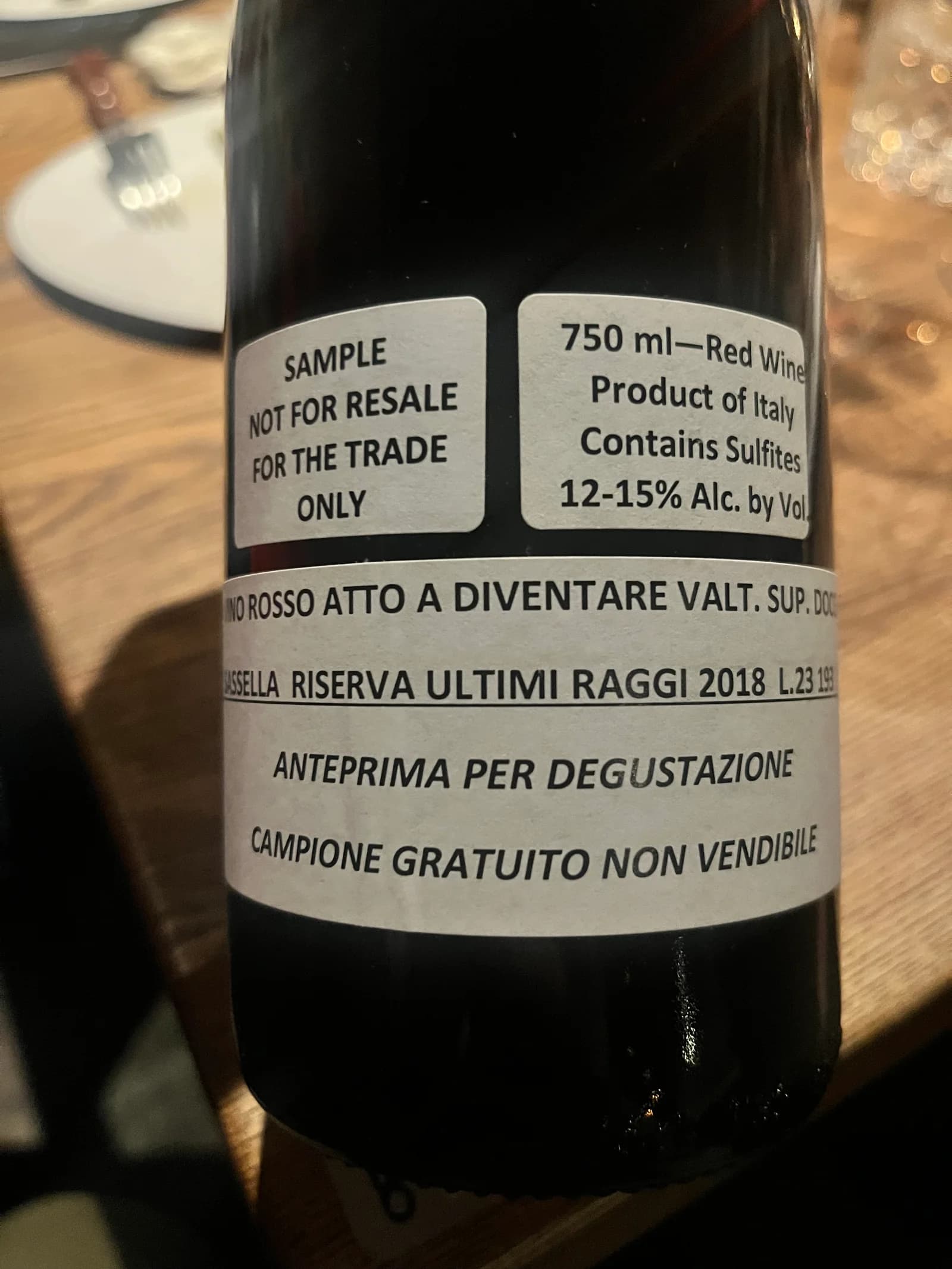
- Ultimi Raggi - Sassella late-harvest, the grapes dried on the vine and picked a month after everyone else, without the straw-mat step of a true Sforzato.
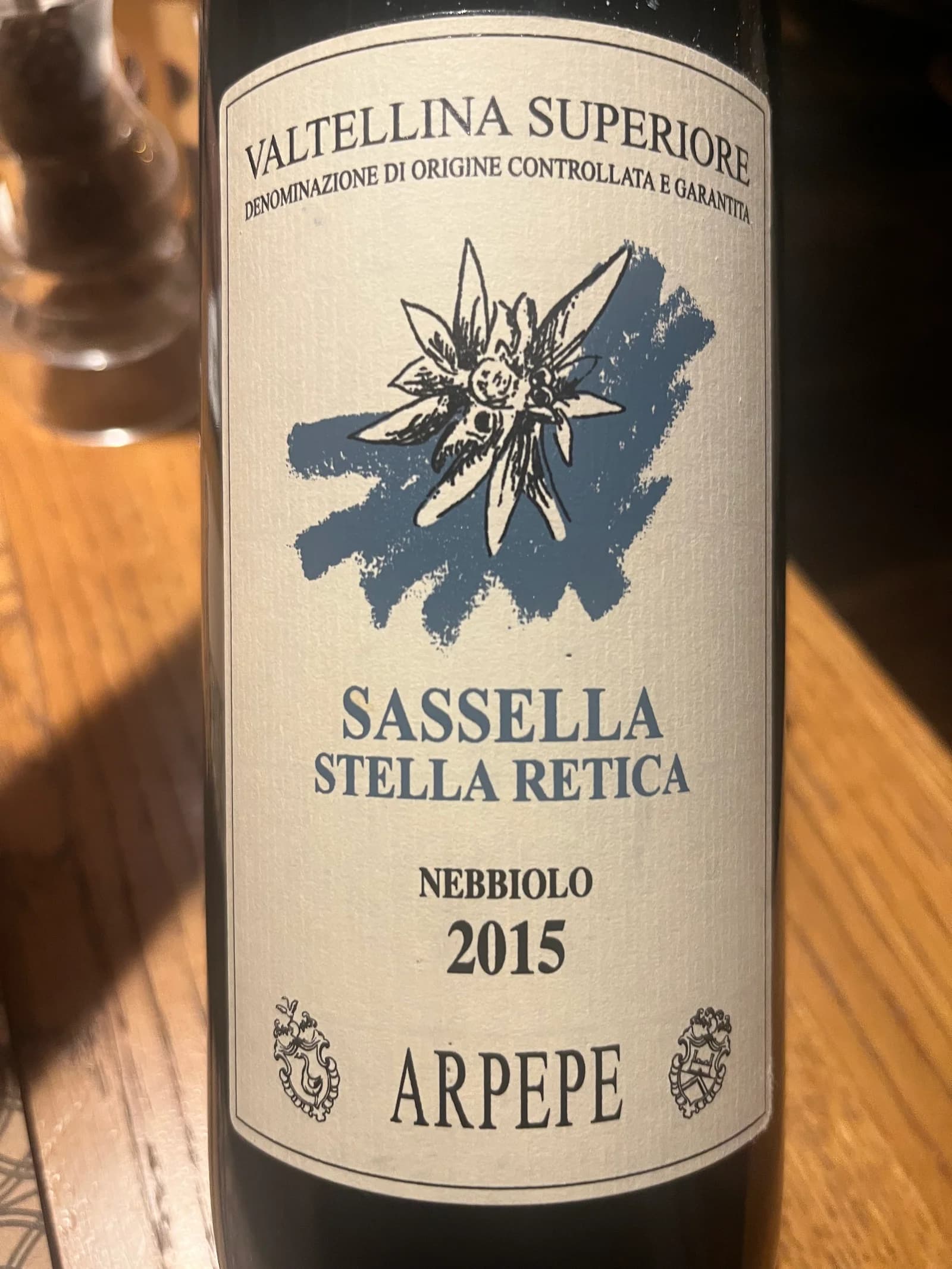
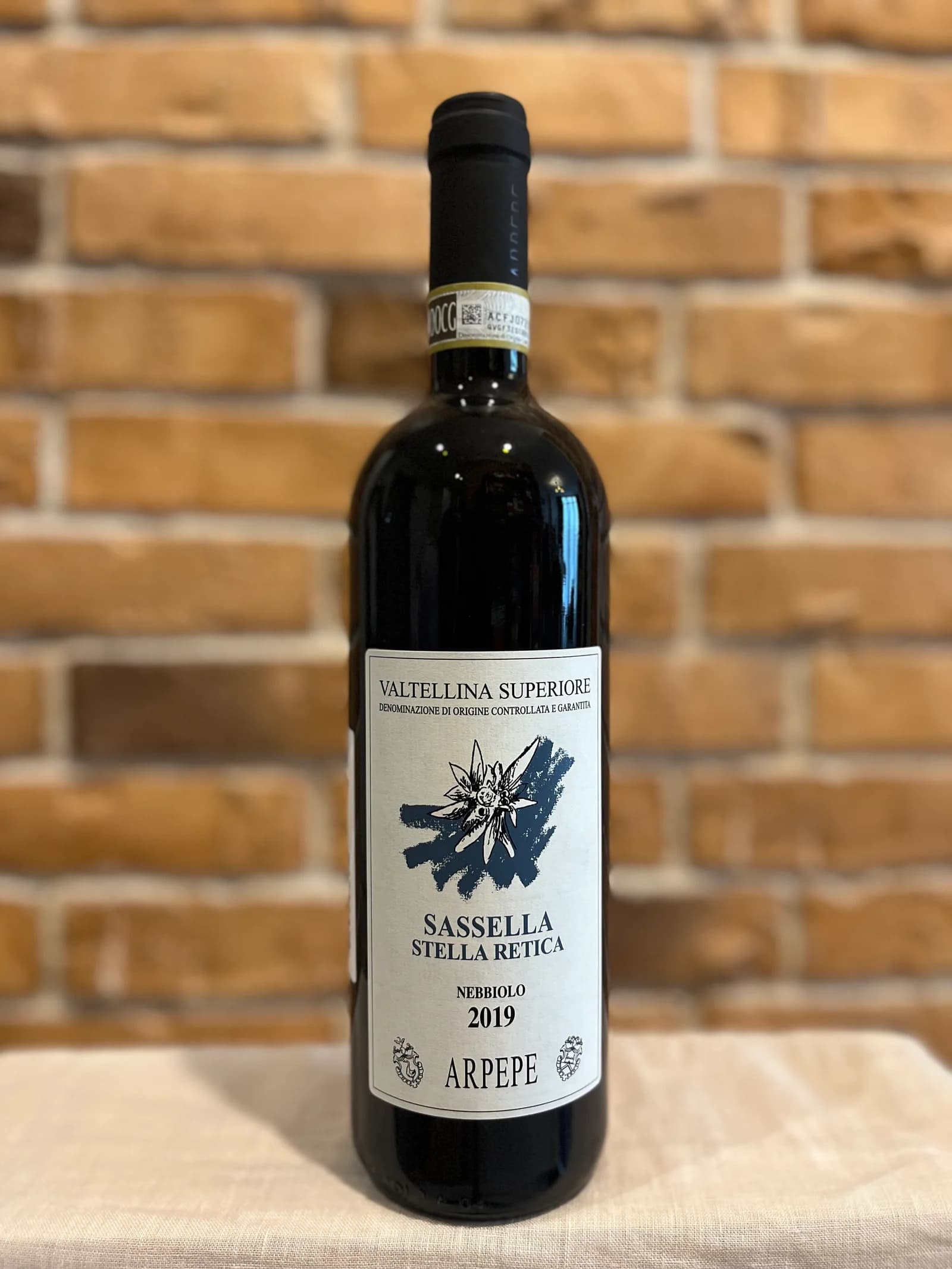
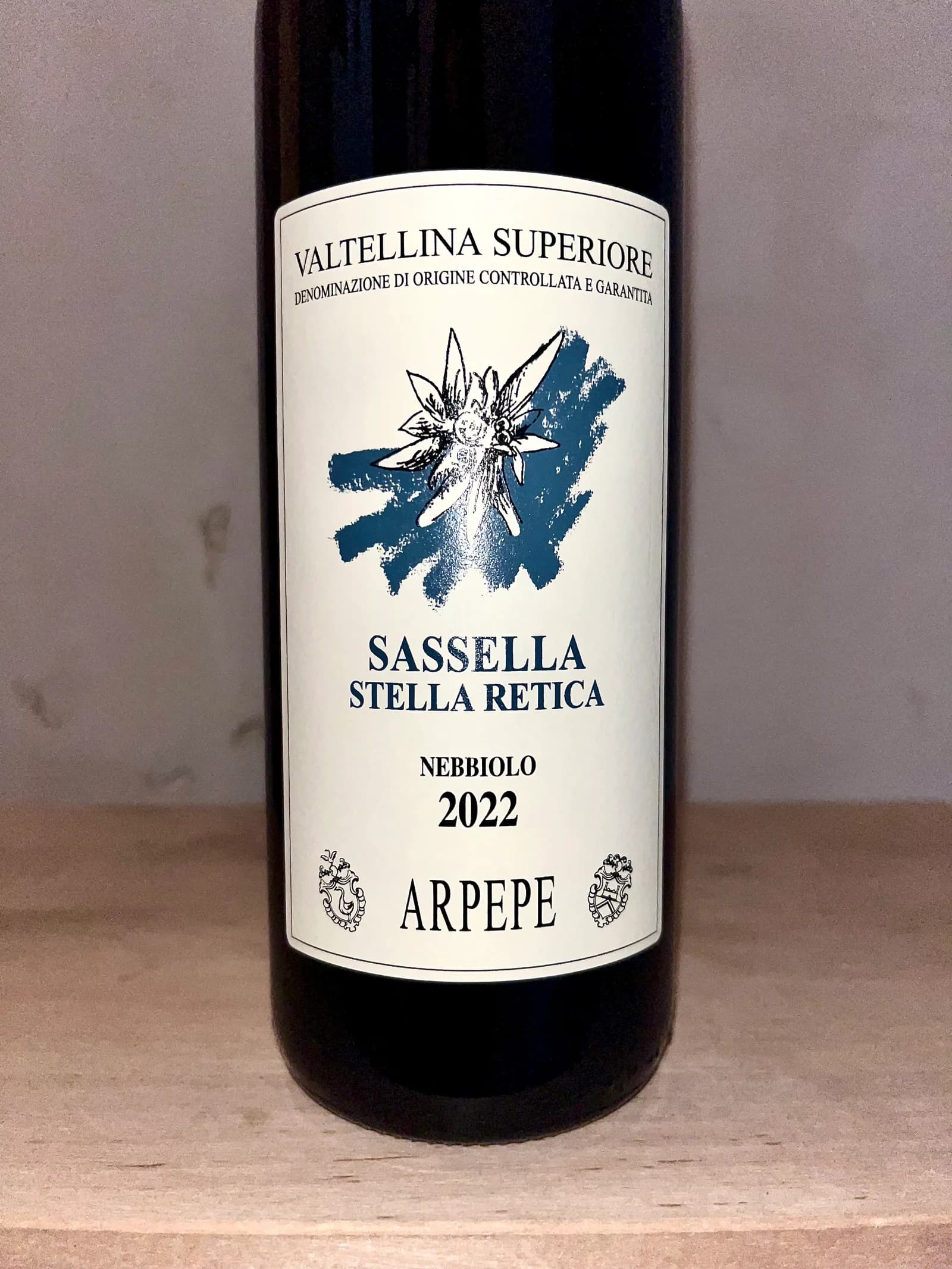
- Stella Retica - Sassella (a blend across Sassella parcels including Rocce Rosse, Nuova Regina, and Ultimi Raggi plots).
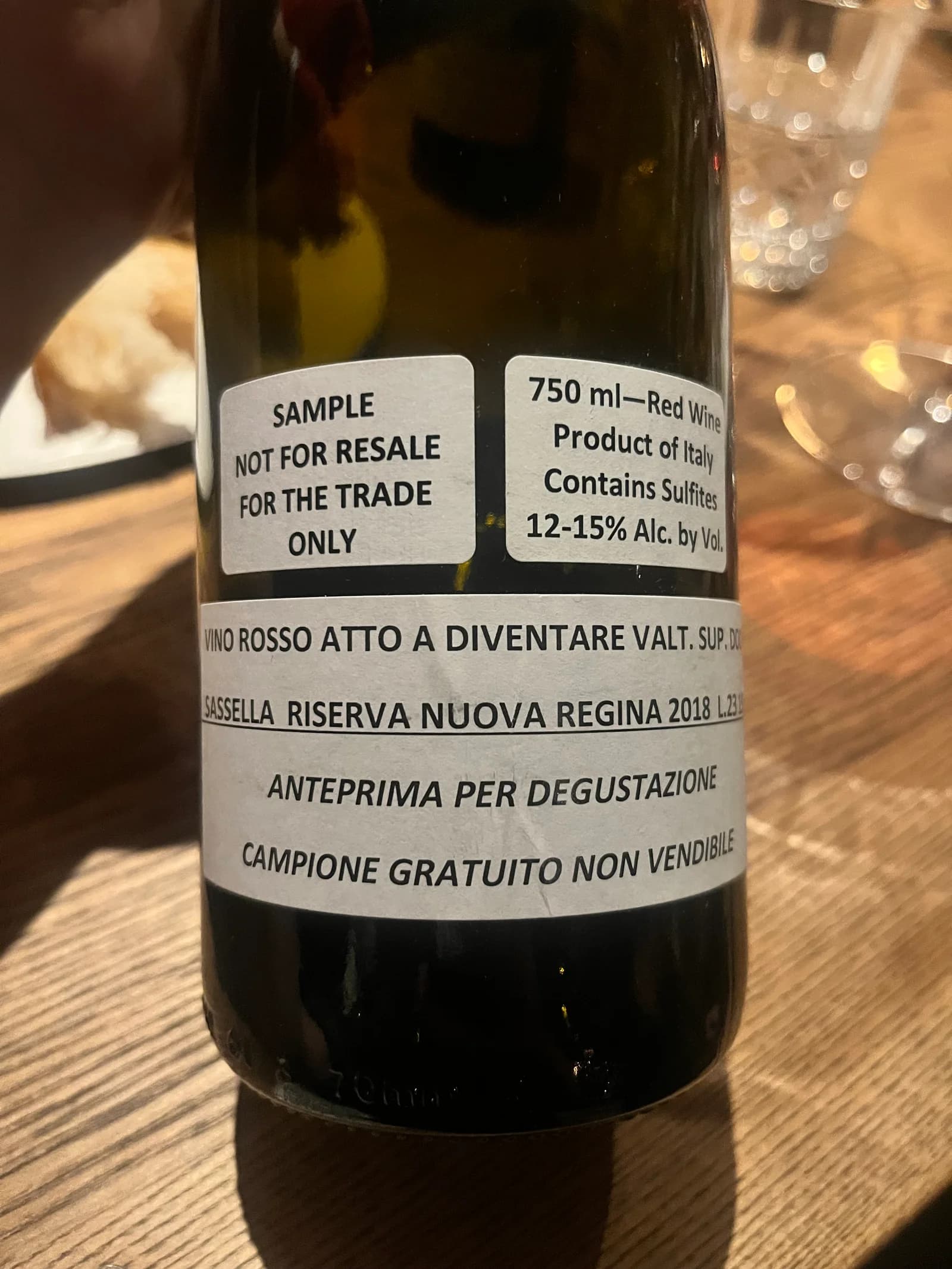
- Nuova Regina - Sassella (renamed from Vigna Regina).
- Rocca de Piro - Grumello Riserva.
- Sant'Antonio - Grumello Riserva.
- Buon Consiglio - Grumello.
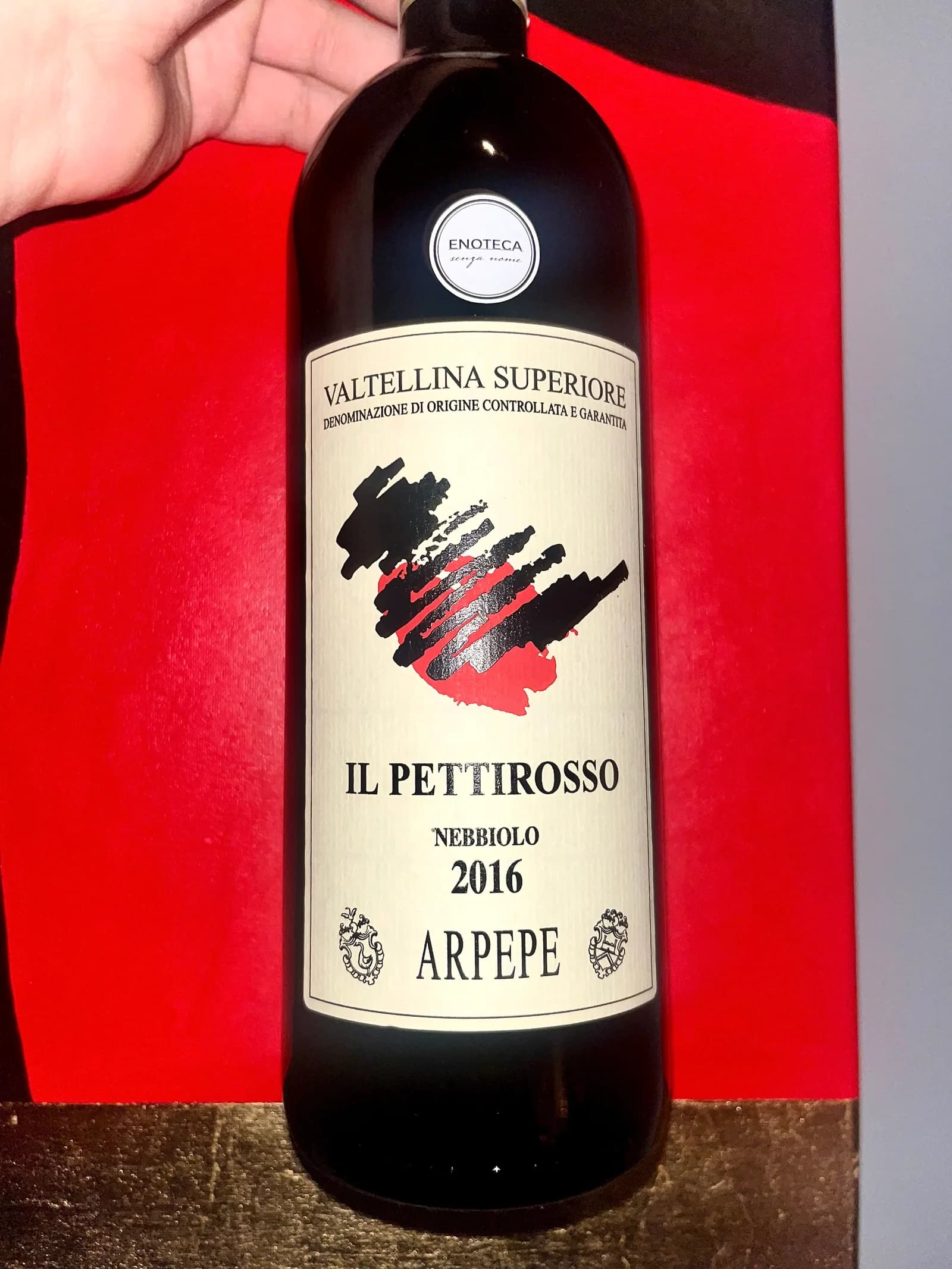
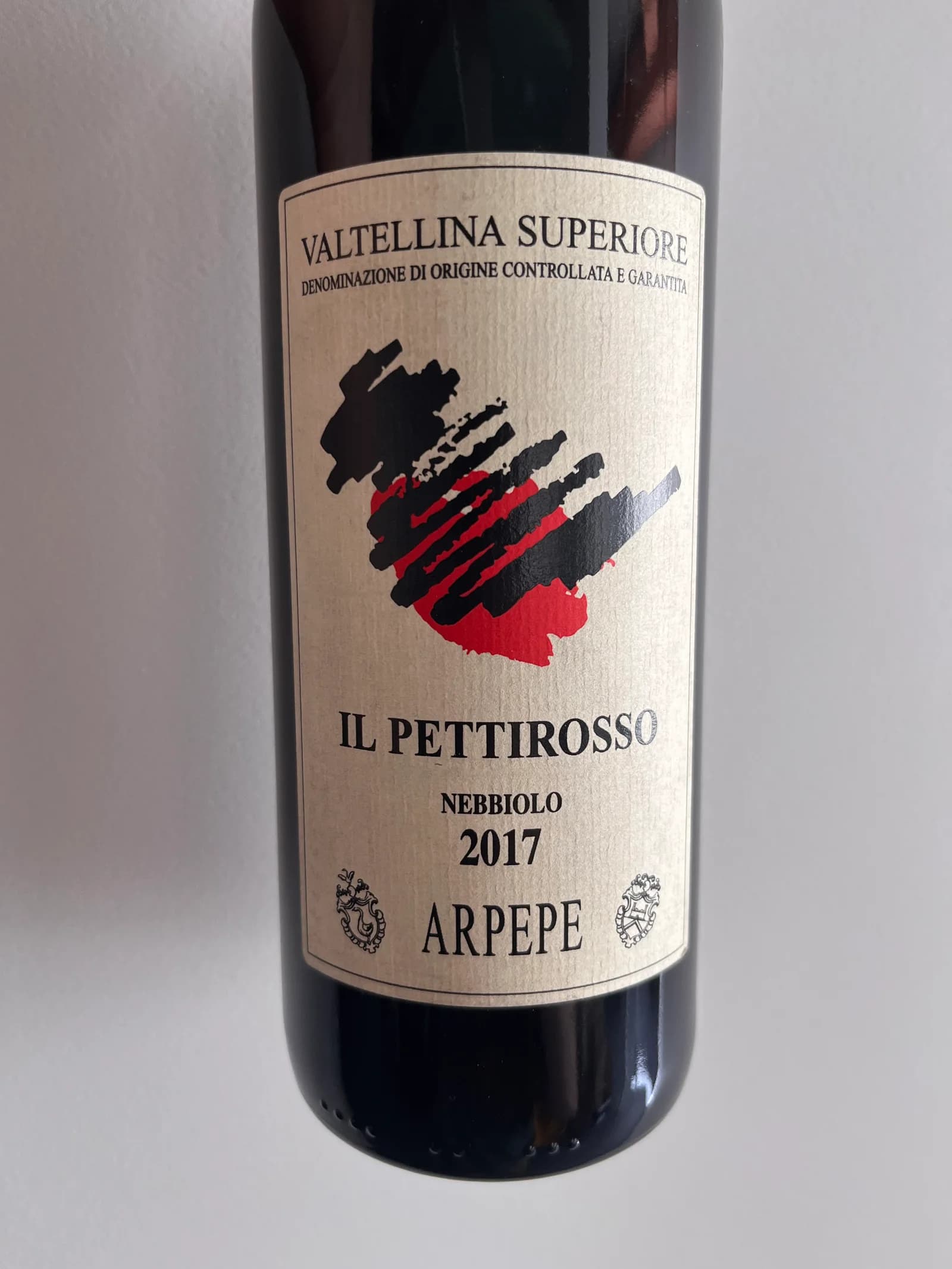
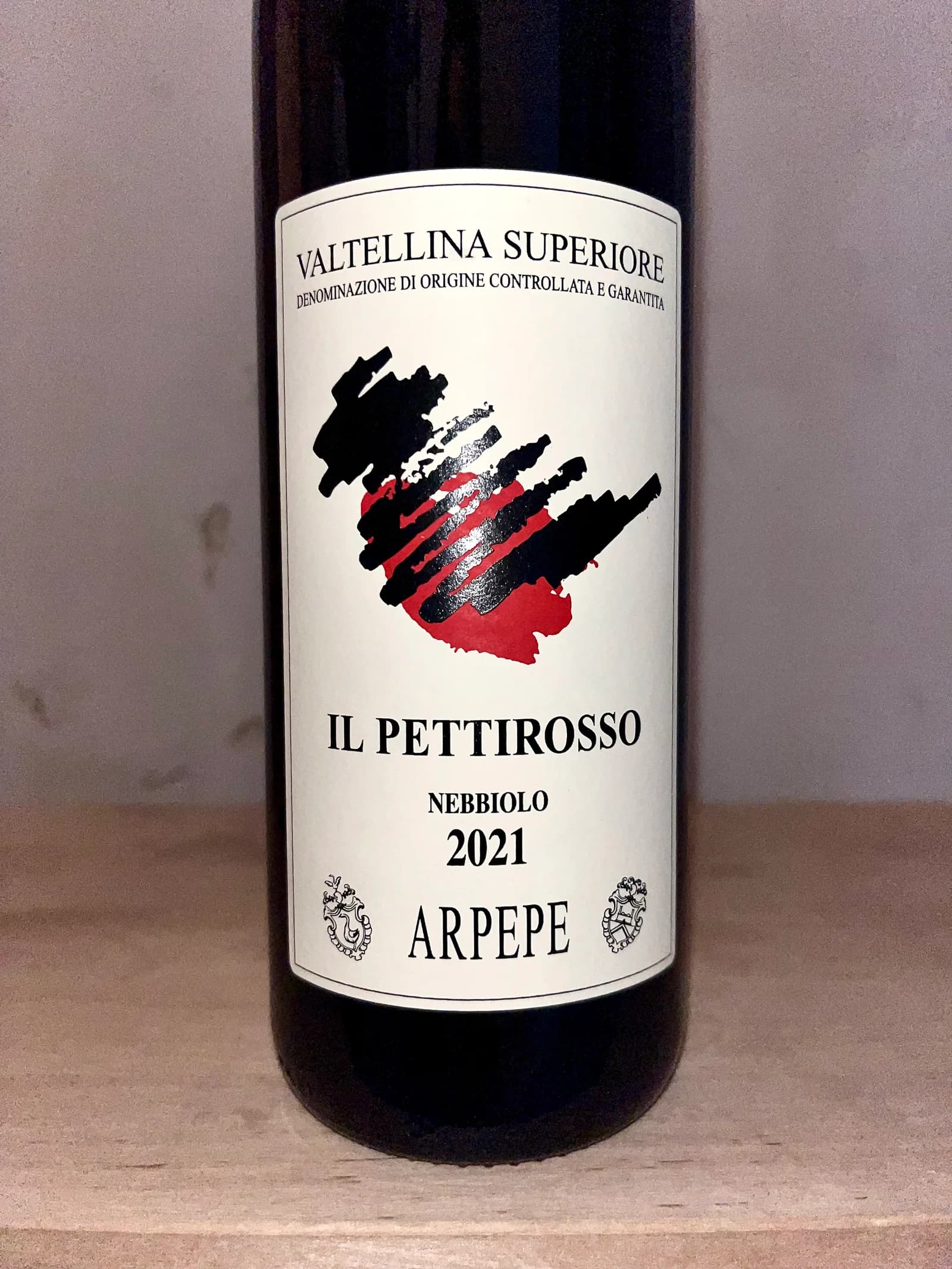
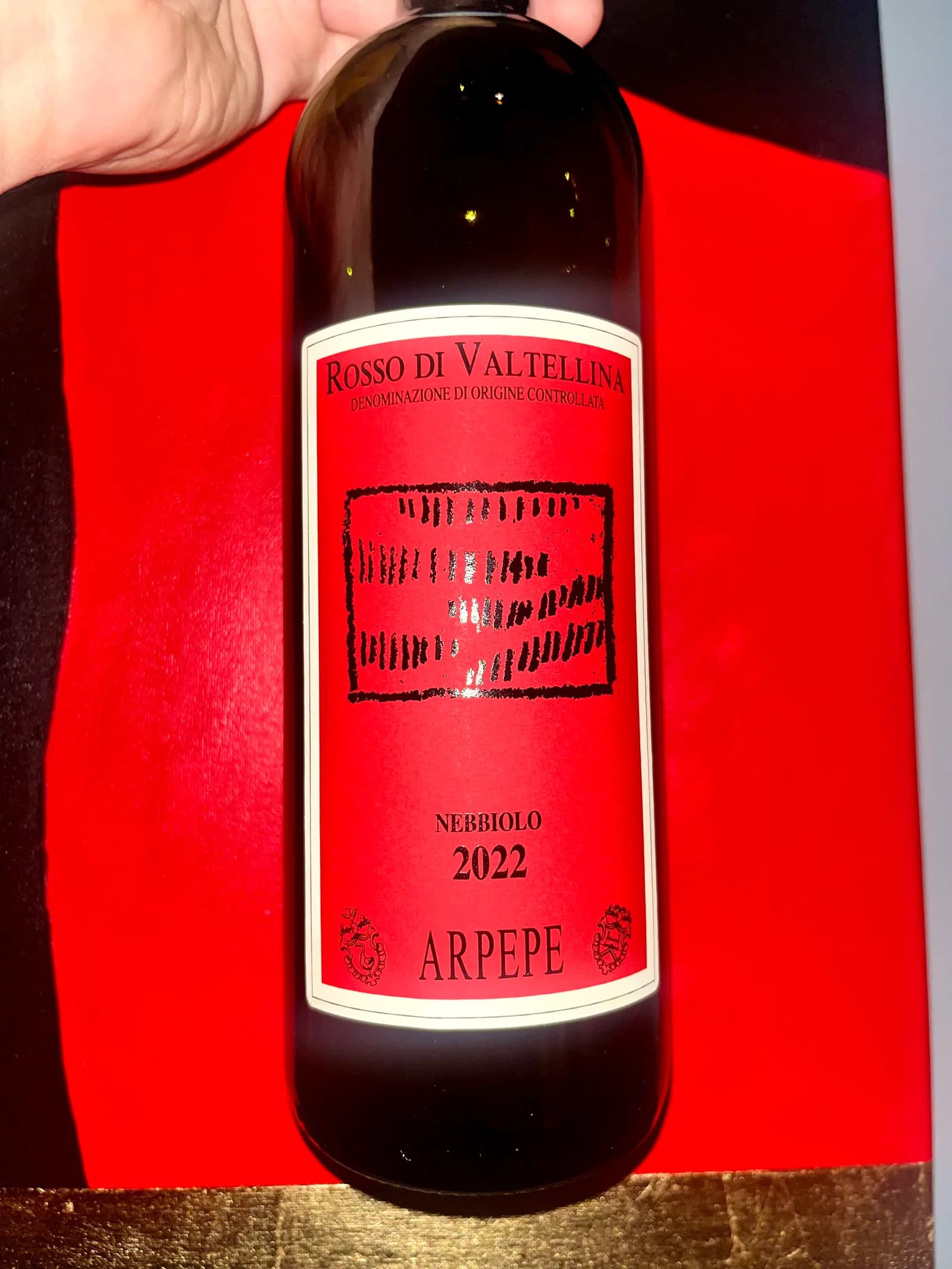
- Il Pettirosso and Rosso di Valtellina - entry-tier.
Arpepe is widely considered the reference for traditional Valtellina Nebbiolo. The wines age extraordinarily; a fifteen-year-old Rocce Rosse is still finding its shape. If you came to Nebbiolo through the Langhe, Arpepe is the other way in - quieter, cooler, more about air and light than about muscle and structure.
Wines
Grumello Riserva Buon Consiglio
2013· Italy
4.1
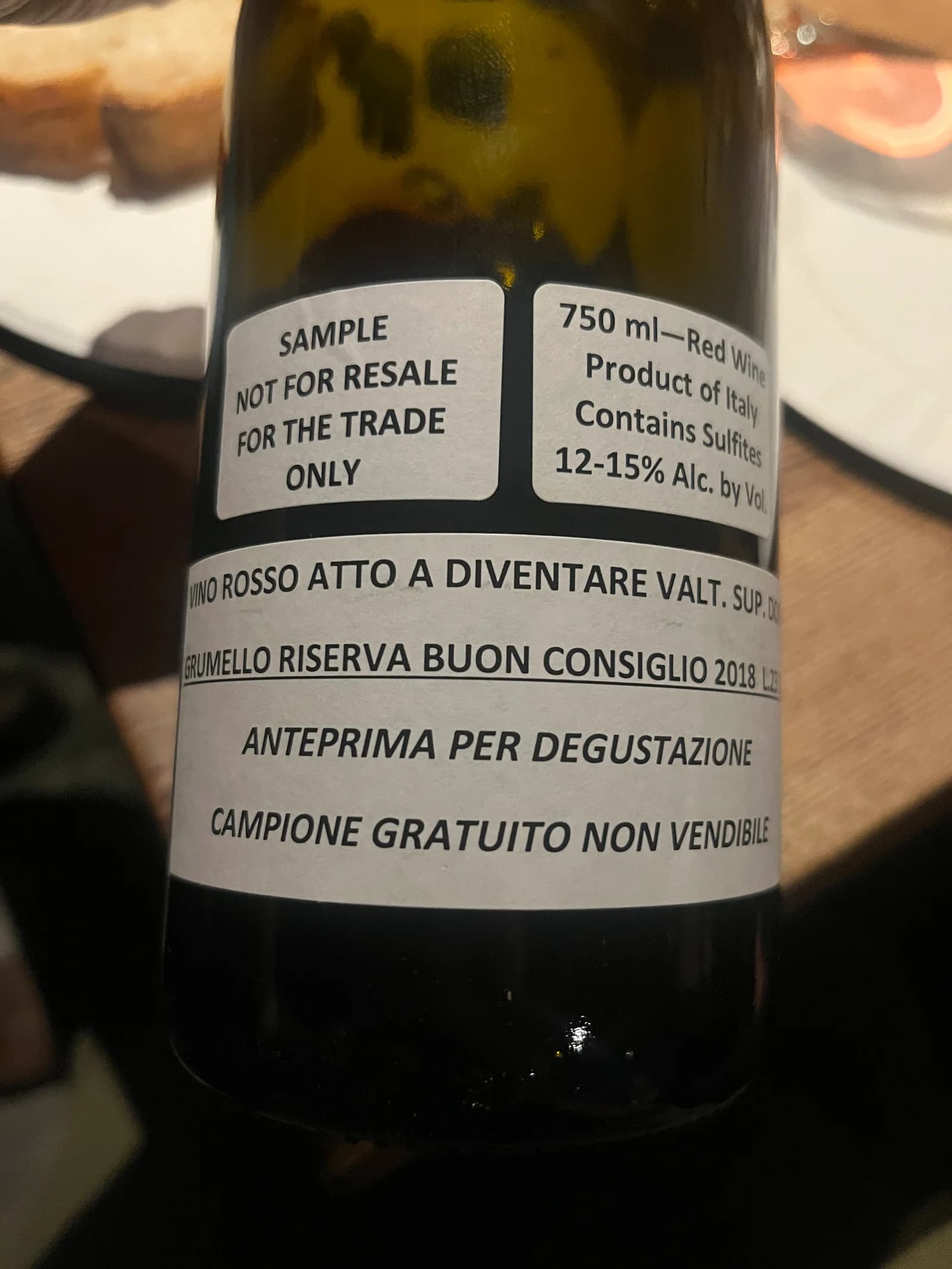
Grumello Riserva Buon Consiglio
2018· Italy
4.0
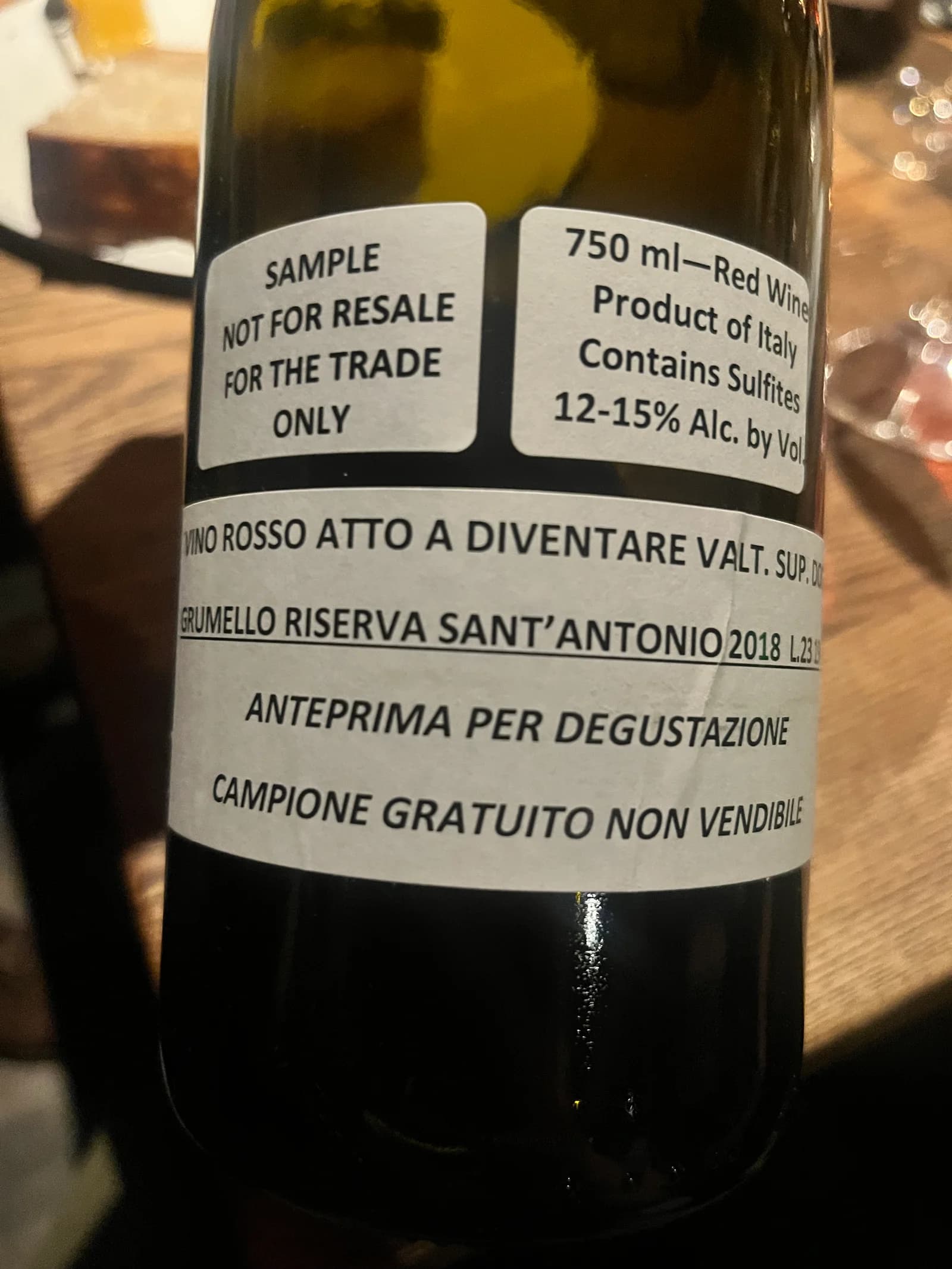
Grumello Riserva Sant'Antonio
2018· Italy
4.4
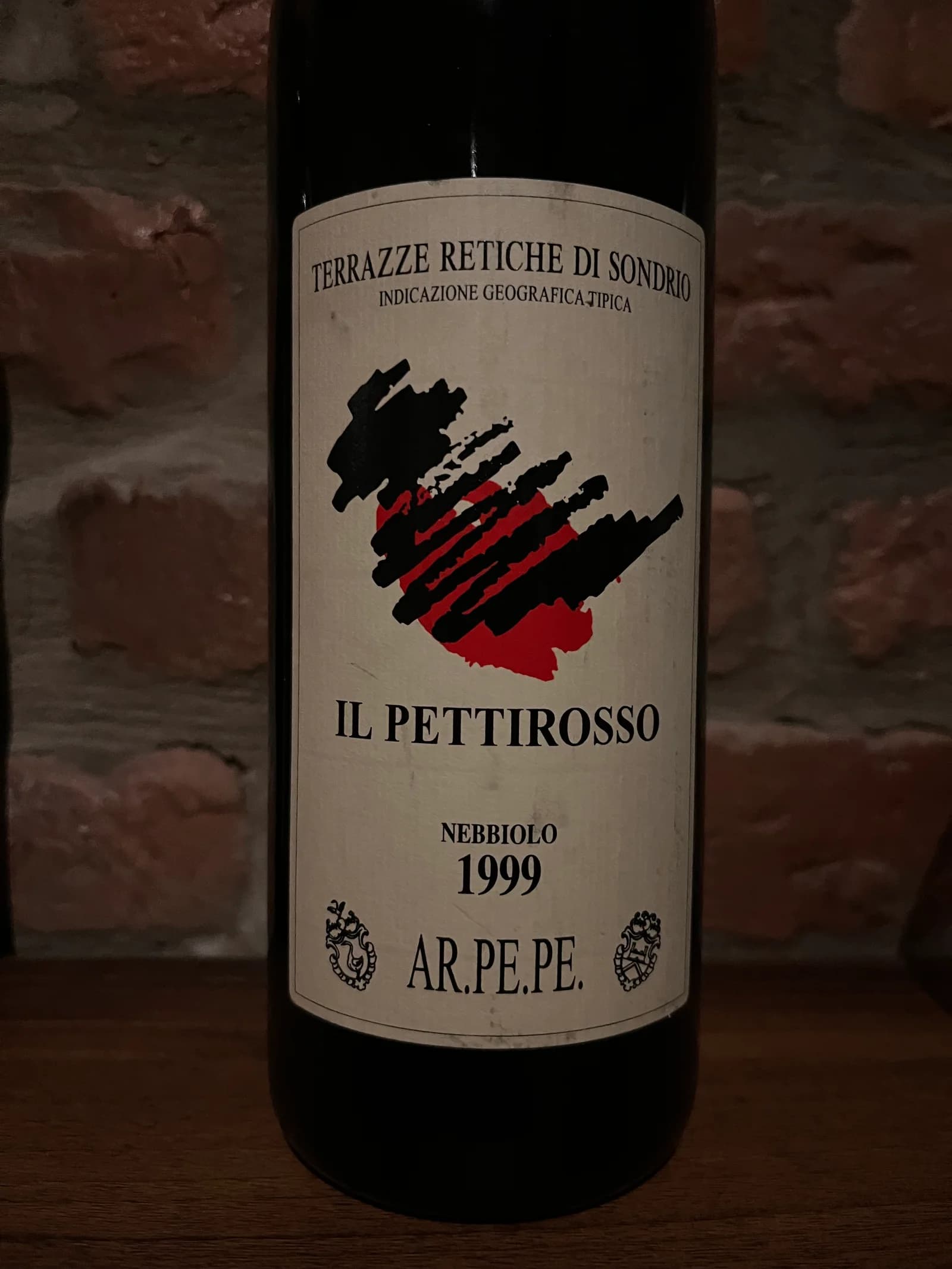
Il Pettirosso
1999· Italy
4.2
Il Pettirosso
2016· Italy
4.3
Il Pettirosso
2017· Italy
4.1
Il Pettirosso
2021· Italy
Inferno Fiamme Antiche
2022· Italy
4.2
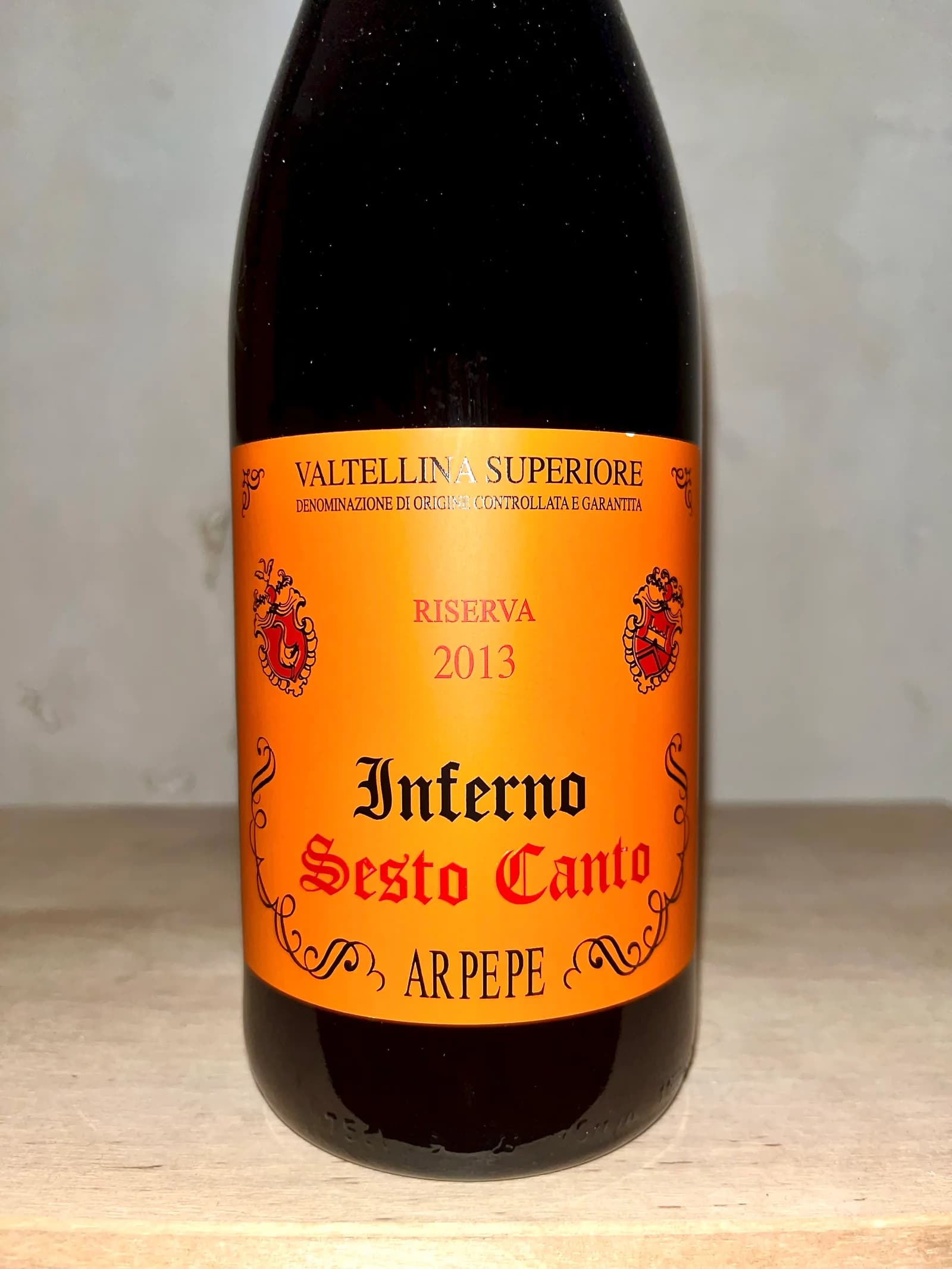
Inferno Riserva Sesto Canto
2013· Italy
4.1
Inferno Riserva Sesto Canto
2018· Italy
4.0
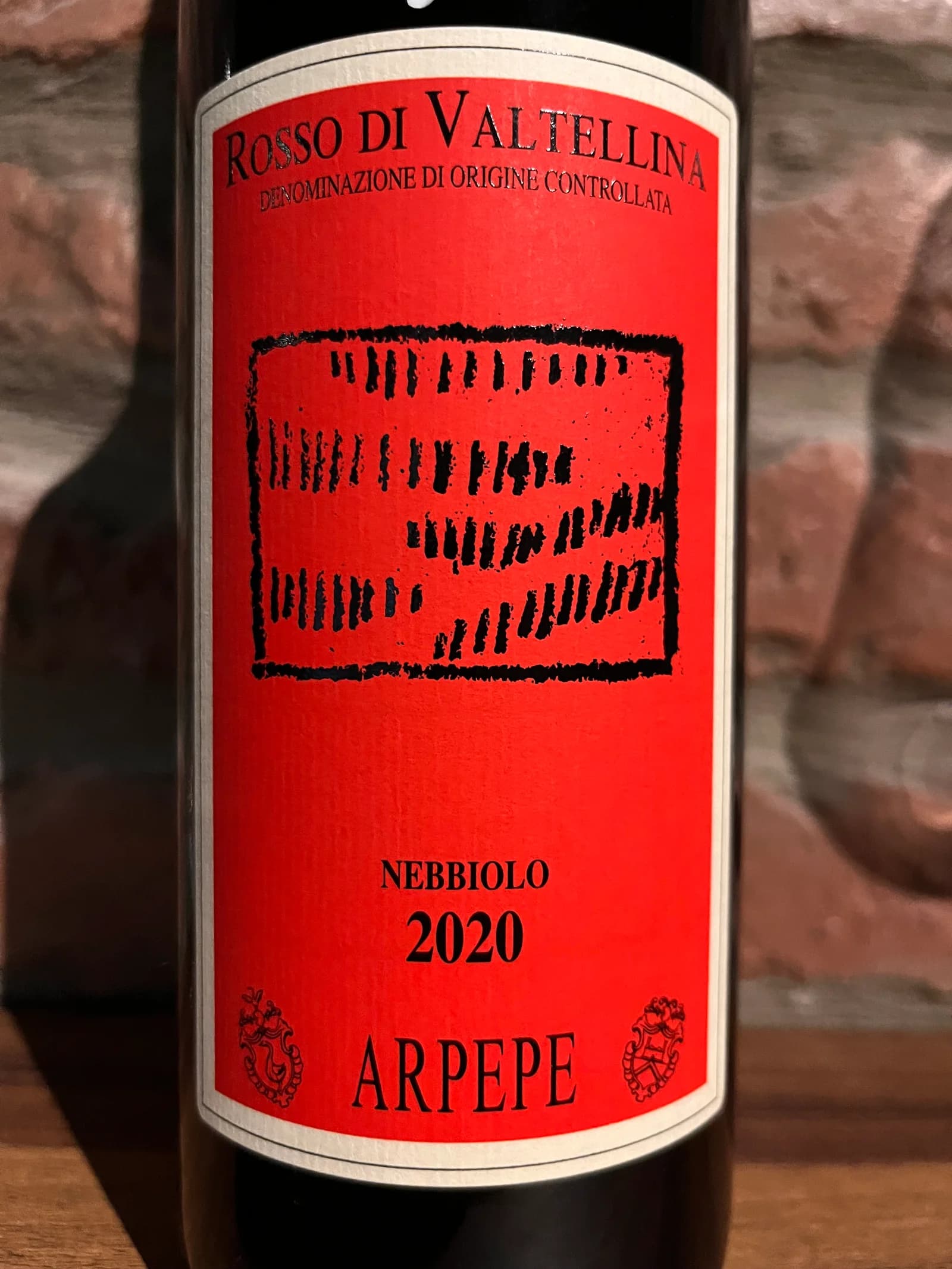
Rosso di Valtellina Nebbiolo
2020· Italy
3.9
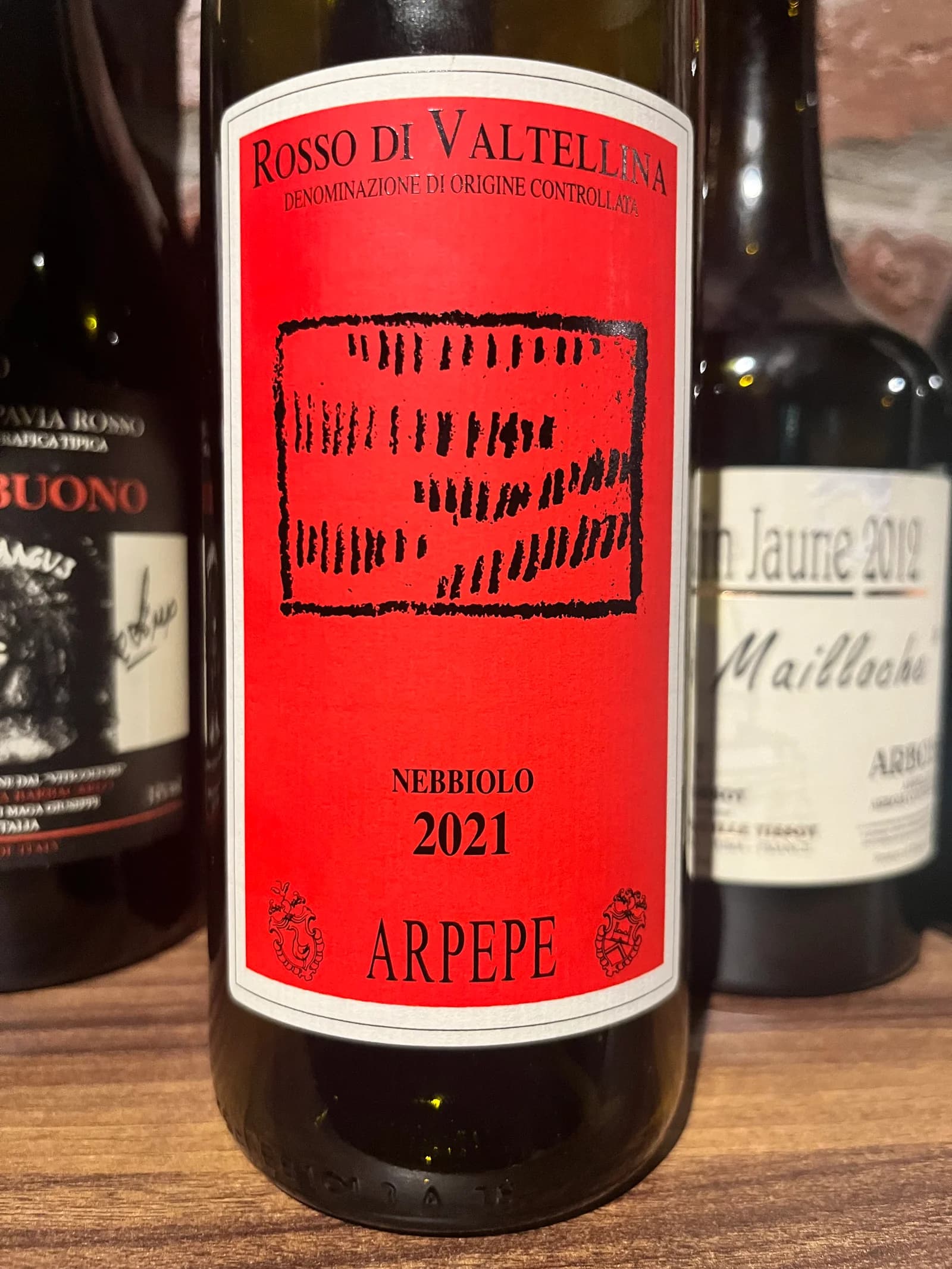
Rosso di Valtellina Nebbiolo
2021· Italy
3.9
Rosso di Valtellina Nebbiolo
2022· Italy
4.3
Sassella Riserva Nuova Regina
2018· Italy
4.3
Sassella Riserva Rocce Rosse
2018· Italy
4.2
Sassella Riserva Ultimi Raggi
2018· Italy
4.7
Sassella Rocce Rosse Valtellina Superiore Riserva
1996· Italy
4.4
Sassella Rocce Rosse Valtellina Superiore Riserva
2013· Italy
4.4
Sassella Rocce Rosse Valtellina Superiore Riserva
2016· Italy
4.4
Sassella Stella Retica
2015· Italy
4.2
Sassella Stella Retica
2019· Italy
4.2
Sassella Stella Retica
2022· Italy