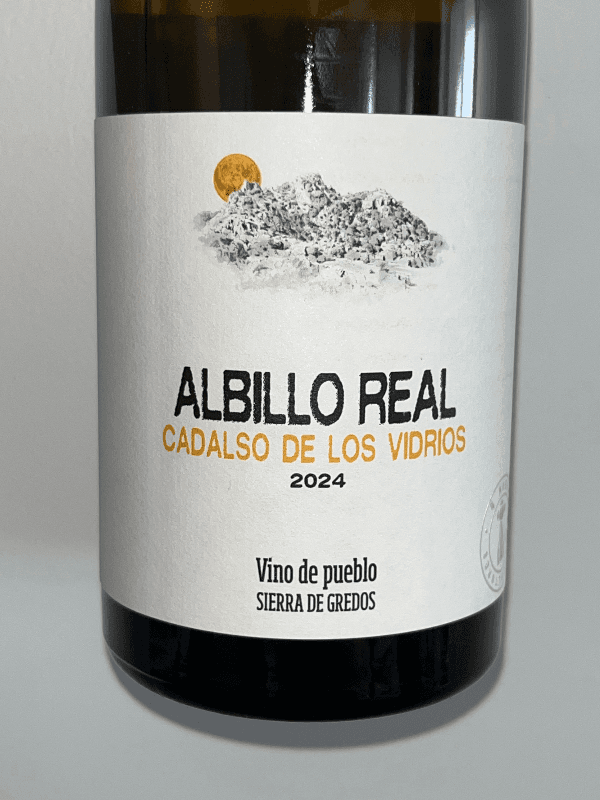
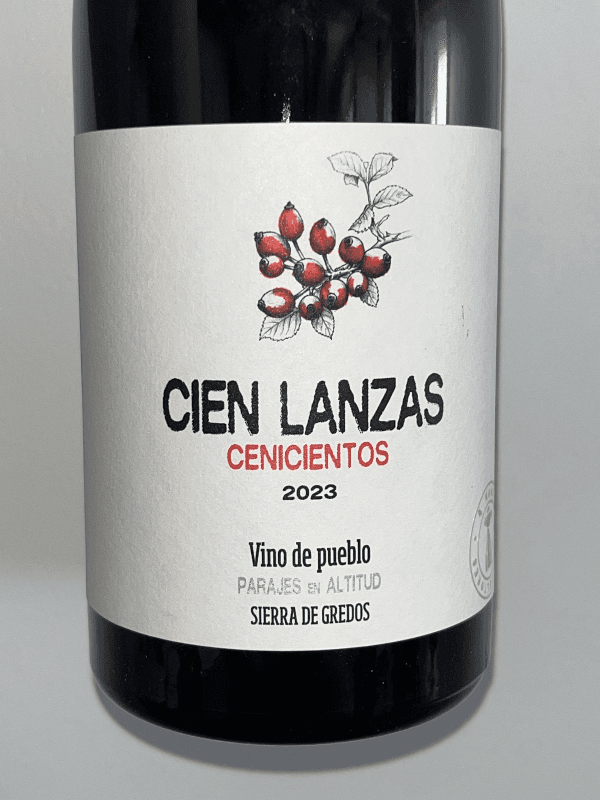
Region
Spain › Community of Madrid › Vinos de Madrid DO
Type
red · still
Grapes
Grenache
Alcohol
13.5%
Volume
750 mL
Bottled
2026-05-07
Available at
Tasting Notes(2)
4.1
The full note is for members.
Join to read it and the rest4.1
Members only
About
GR-10 is the regional red at the base of the 4 Monos range, named for the long-distance footpath from Lisbon to Valencia that crosses two of their vineyards. From the 2016 vintage it is the successor to the old entry-level 4 Monos tinto. The back label describes it as a selection of old Garnacha vines in the villages of Cadalso de los Vidrios, San Martín de Valdeiglesias and Cenicientos, bottled under Vinos de Madrid DOP with the Sierra de Gredos comarca mention. Farming is organic but uncertified, a choice the founders explained to El Español as a matter of paperwork rather than practice.
The numbers come second-hand, and the cellar regime is reported differently by vintage. The generic ficha reproduced by the Spanish merchant Vinissimus on its 2024 listing gives 90% Garnacha with 5% Syrah and 5% Cariñena, from vines of 35 to 80 years on granitic sand between 730 and 950 m, with low yields. The same ficha has native yeasts after a cold maceration with 90% whole bunches, 9 to 10 months in used French oak barrels and foudres of various sizes, then concrete until bottling in May of the second year after harvest. The wine was bottled on 7 May 2026, which fits the ficha's schedule exactly.
Nos Vamos de Vinos, visiting for the 2023, describes the wine fermented in a concrete tank from whole, undestemmed, foot-trodden bunches like all the house's reds, with about 90% Garnacha and 10% Cariñena and other grapes. The US importer's sheet for the 2018 gives 88% Garnacha, 10% Cariñena and 2% Syrah, half whole cluster and half destemmed, 30 to 40 days on skins and nine months in used 300, 400 and 500 l barrels. The Ukrainian sticker's Garnacha 100% is a simplification of a blend every other source puts at about 90%.
For 2024 in San Martín de Valdeiglesias, the neighbouring Las Moradas de San Martín reported a late cold spell from mid February with some frost damage, a cool rainy spring into June and three weeks near 40 C in late July and early August. Their Albillo crop was short but healthy, and the Garnacha was still to pick when they wrote.