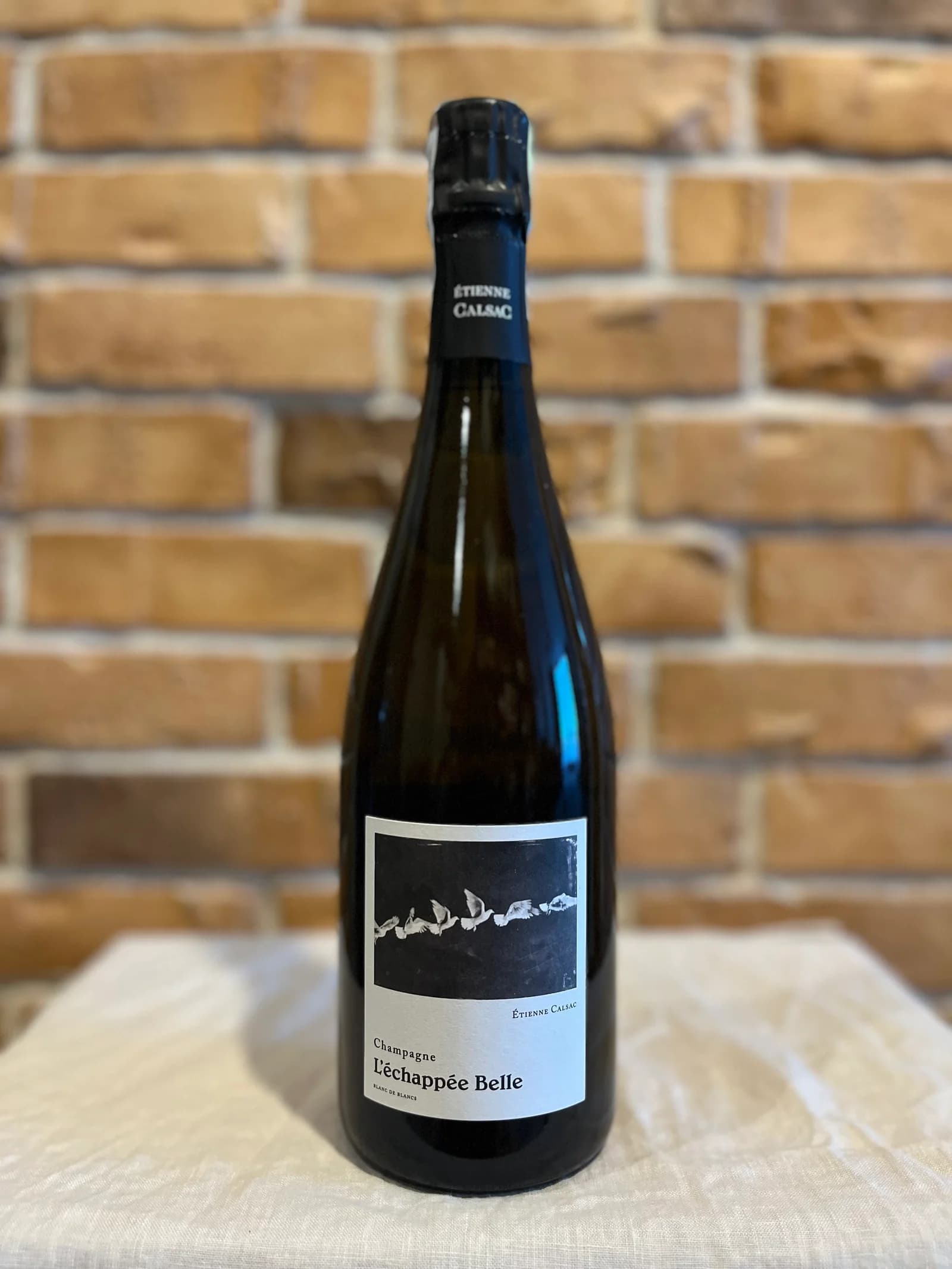
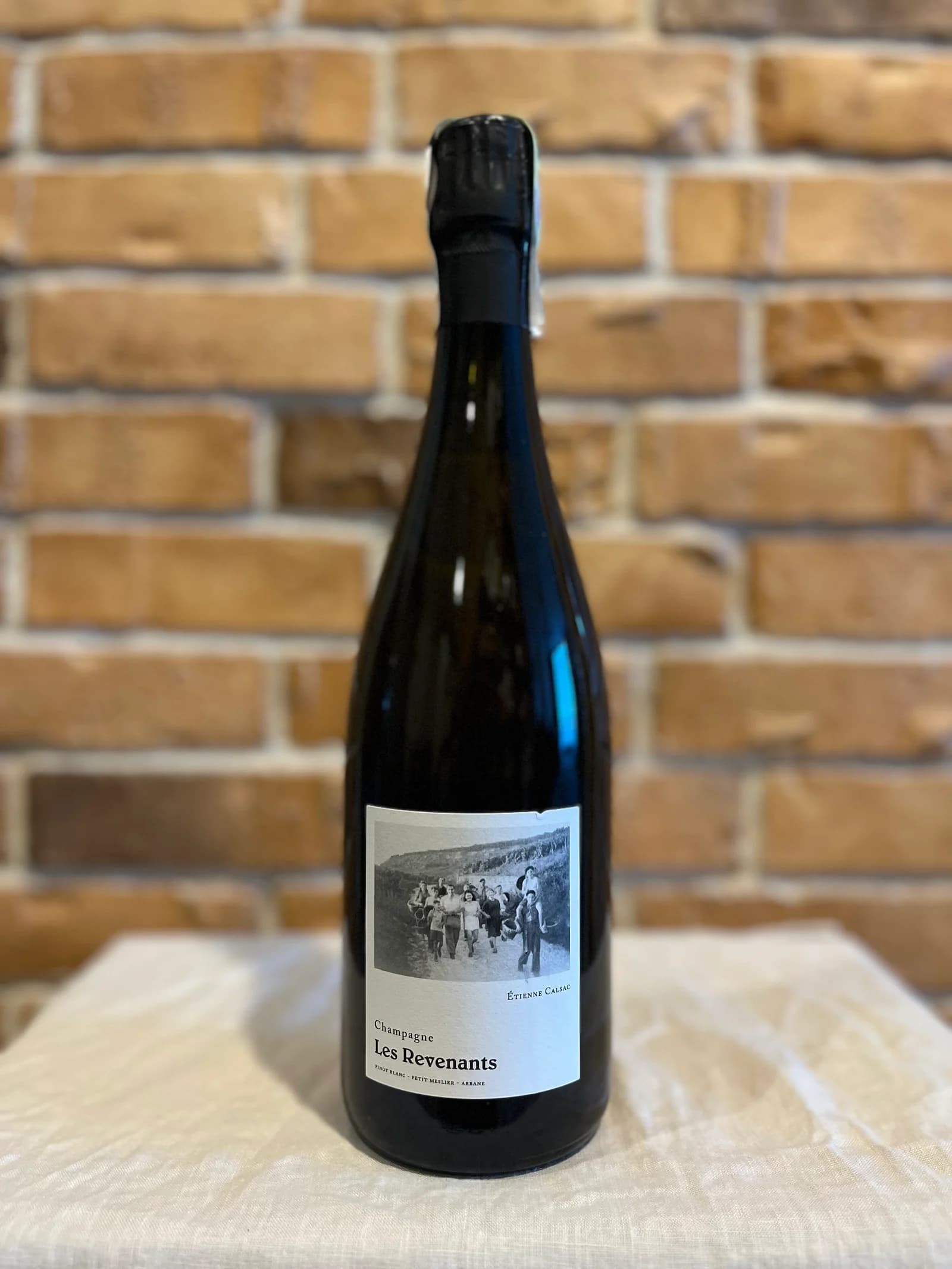
All producers
Étienne Calsac
Côte des Blancs, France2 wines4.2 avg
Young Avize grower in the Côte des Blancs rebuilding his grandparents' vines - organic farming, native-yeast ferments, low dosage, and a cuvée that revives Champagne's forgotten grapes.
Étienne Calsac is a young grower in Avize, a Grand Cru village in the heart of the Côte des Blancs. In 2010, at twenty-six, he took back the roughly three hectares his grandparents had owned in and around the village - vines that had been rented out and their fruit sold off to the big houses since his grandfather retired - and set about rebuilding the domaine from scratch. He had gone into wine school in his mid-teens and worked vintages in France and abroad, in California, New Zealand and Canada, before coming home to make his own.
The holdings are small, around three hectares spread across several terroirs. The heart is in the Côte des Blancs, in Avize and the cooler site of Grauves, and includes the Clos des Maladries, a tiny walled parcel his grandfather planted behind the family house in the early 1970s. Beyond it he farms at Bisseuil in the Grande Vallée de la Marne, at Montgenost in the Côte de Sézanne, and at Bligny down in the Aube. He works his own vines organically and has done from the start; the estate parcels are now certified, though he buys in a little fruit too, so not every bottle carries the organic stamp.
In the cellar the approach is hands-off and parcel by parcel: spontaneous fermentation with native yeasts, a share of the wines raised in neutral oak, malolactic left to run, no filtration on the parcel and heritage cuvées, and very little dosage, so the wines land at extra-brut or drier. The result is precise, chalk-driven Champagne with a thread of curiosity running through it.