Atlantic Whites: Galicia to the Minho
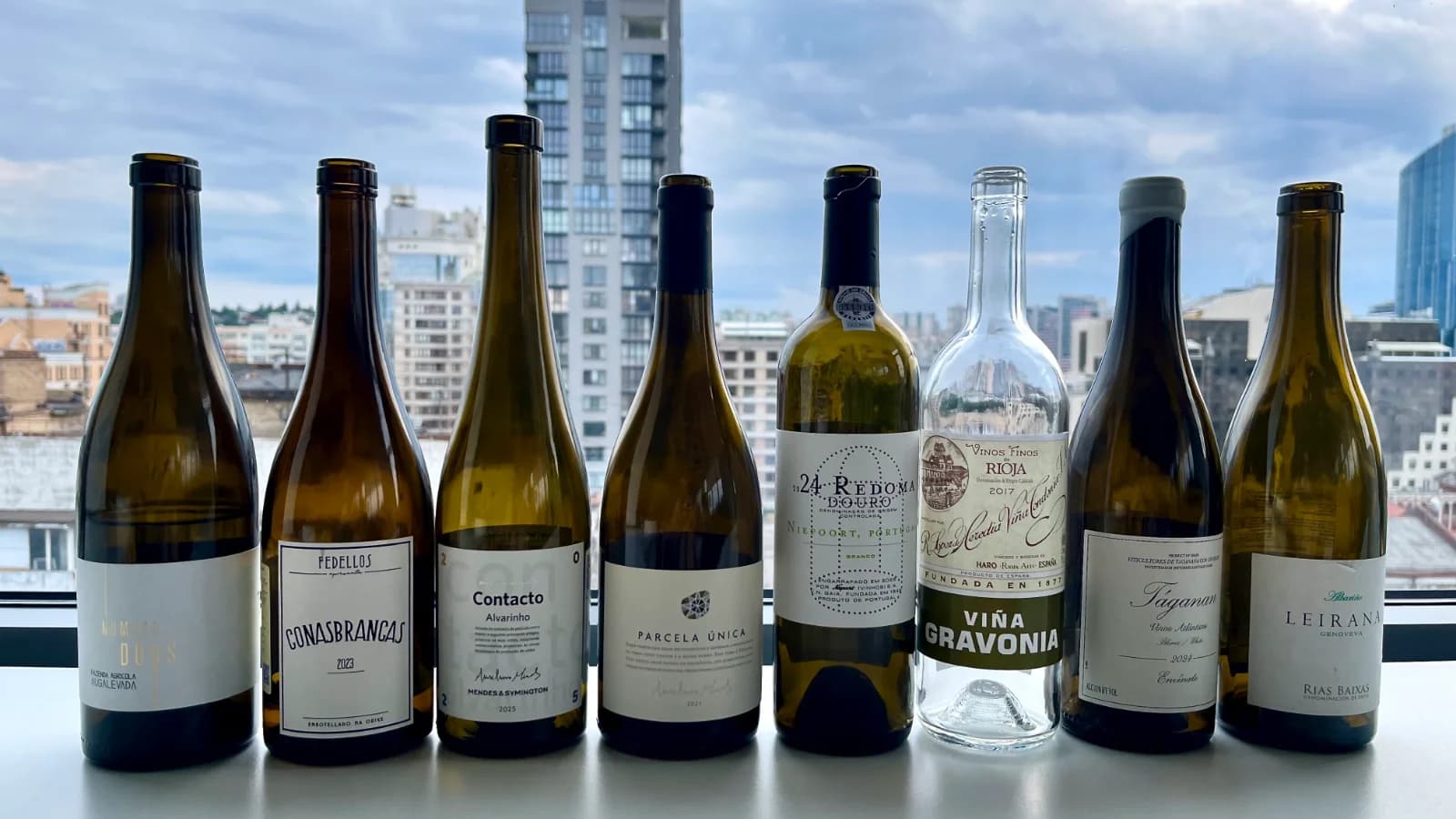
Eight whites poured blind along the Atlantic fringe of Iberia - granite Galicia to the Minho and the Douro, with a volcanic detour and a slow-motion Rioja ringer.
By Boris · Hosted by Boris Buliga
Everything tonight is white, everything is chilled, and everything is poured blind. The idea is one line drawn along the Atlantic fringe of Iberia, where the whites turn saline, taut and high on acid: the granite coast of Galicia, across the Minho into Alvarinho country, up the Douro, and back to the ocean. No labels and no running order to read - just glasses that are supposed to taste like the sea is nearby, with a ringer or two in the flight to keep everyone honest. Somewhere along the way the coast disappears and a volcano shows up instead.
We open standing up with a welcome pour from Augalevada - a nod to the producer we sat with recently, and its only appearance tonight. From there the route does the talking: Ribeira Sacra, two takes on Monção Alvarinho from the same restless hand (one of them wearing a Symington badge, so it only half counts as a repeat), the Douro, a slow-motion detour into a Haro cellar, Tenerife, and finally Rías Baixas to close the loop. Here is what is on the table.
Fazenda Agricola Augalevada Número Dous 2023
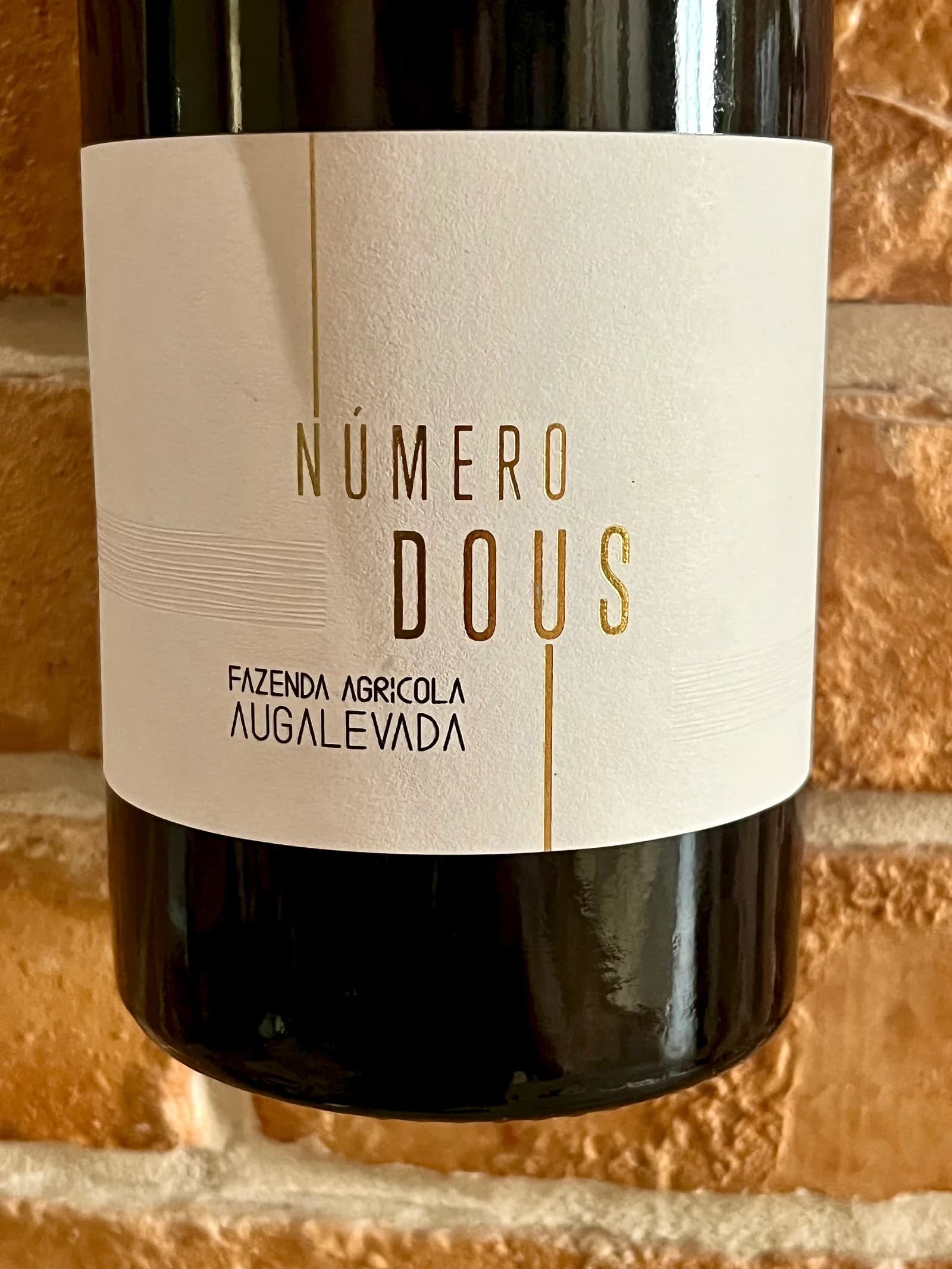
We start before we sit down. Fazenda Agricola Augalevada is Iago Garrido's four hectares of terraced Ribeiro - a semi-professional footballer turned farmer who earned the region's first Demeter certification and let flor become the house signature by accident. Número Dous is the entry white: Treixadura, Albariño and Godello from organically farmed grower parcels along the Arnoia, Avia and Miño rivers, raised around eight months in a mix of old oak, a sherry bota and a clay tinaja. The name recycles the story of the 2014 "number two" amphora experiment that turned the estate toward flor, though today's cuvée is its own thing. 12.5%, bottled outside the DO.
The full note is for members.
Join to read it and the restFedellos do Couto Conasbrancas 2023
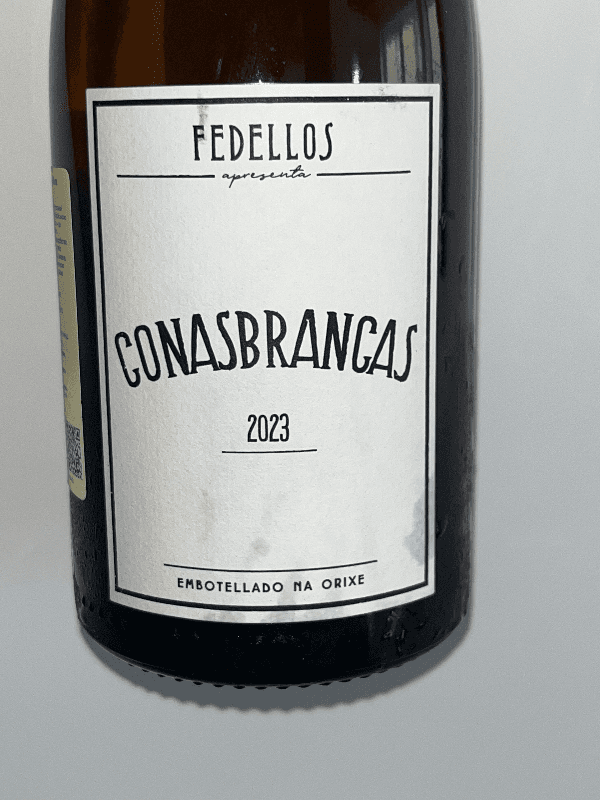
The seated flight opens in the Bibei canyon. Fedellos do Couto was founded in 2011 and consolidated around Curro Barreño and Jesús Olivares, two winemakers who arrived from the Sierra de Gredos and later walked out of DO Ribeira Sacra when the appellation and the wines stopped agreeing. Conasbrancas is their lone white, and the name is a pun - "conas brancas?", what to do with the white vines scattered through the red field blends. Doña Blanca and Godello lead, with Albariño, Treixadura, Lado and Torrontés co-fermented from 60-80-year-old parcels on both banks of the river; the 2023 saw a short maceration and around eight months on lees in neutral oak, including two new 2,000-litre foudres. Around 12%.
The full note is for members.
Join to read it and the restAnselmo Mendes Alvarinho Contacto 2025
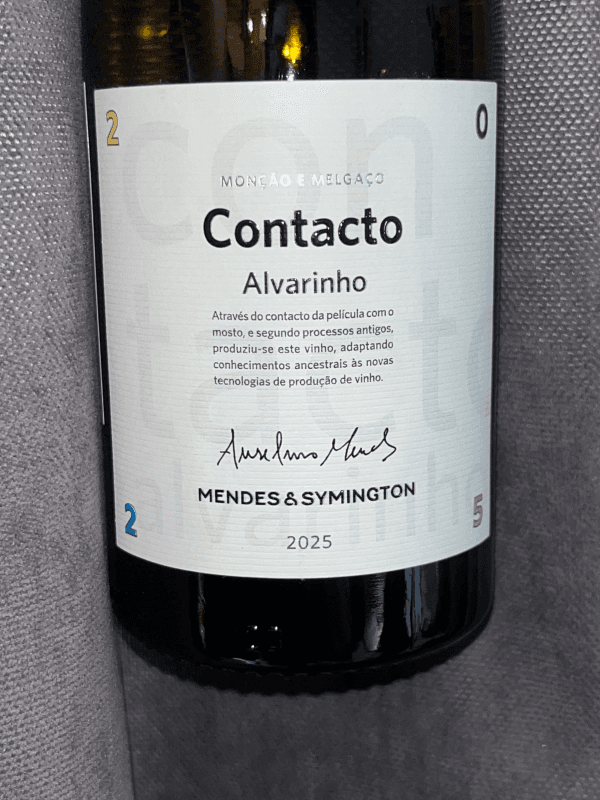
Across the river into Portugal - the Minho is the border here, with the same grape on both banks under two names. Anselmo Mendes of Monção, "Senhor Alvarinho" to the trade, spent the late nineties proving the grape could be serious; his 1999 skin-contact experiments were called heresy and became a template. Contacto is that idea in its current form, made in collaboration with the Symington family over a shared love of the grape: straight Monção e Melgaço Alvarinho with the skins left on the must for a spell, the way things were done before stainless steel. Vinho Verde DOC, 12.5%.
The full note is for members.
Join to read it and the restAnselmo Mendes Parcela Única 2021
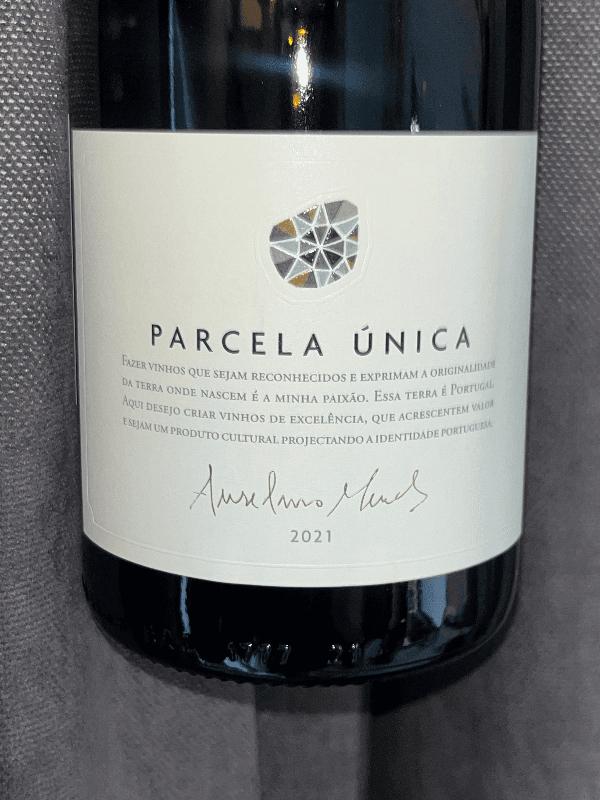
Same man, opposite register. Parcela Única is Mendes's single-vineyard Alvarinho from the 4.8-hectare Paço plot at Quinta da Torre in Monção - north-facing, sandy granite-derived soils, vines around 25 years old. Destemmed, gently pressed and settled cold, then fermented and aged nine months in 400-litre French oak on full lees with bâtonnage, plus a year in bottle before release; the oak is woven in for texture rather than flavour, in the austere mineral register the parcel is known for. The 2021 landed at 12.5% with around 8,000 bottles. Ours, sadly, was a flawed bottle - the one heartbreak of the night, so it sits outside the scoring.
Niepoort Redoma Branco 2024
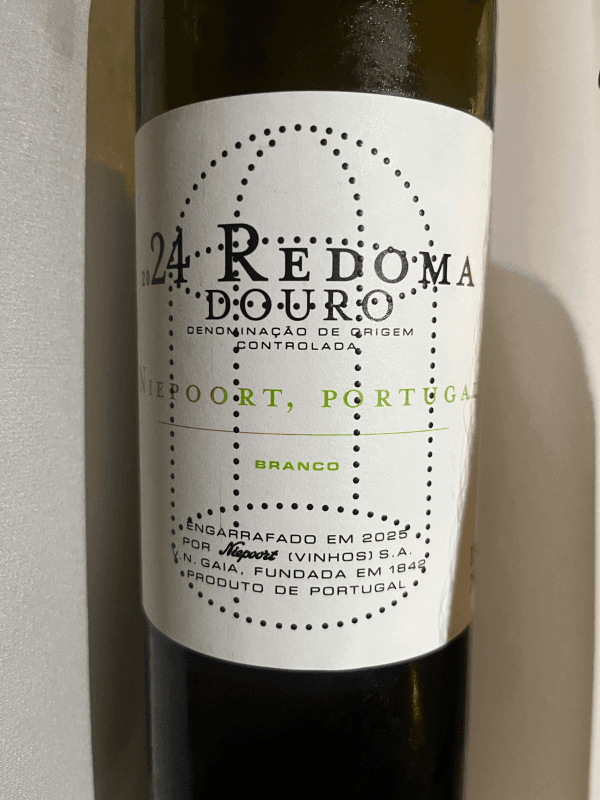
Upriver next - the Douro. Niepoort shipped Port for four generations until Dirk Niepoort took over in 1997 and turned the house into one of Portugal's defining producers of dry table wine. Redoma - Portuguese for "bell jar" - is where that story started: the white joined in 1995 as the sibling of the 1991 Redoma Tinto, an old-vine field blend of Rabigato, Códega do Larinho, Viosinho, Donzelinho and Gouveio from mica-schist slopes at 400-600 metres. The 2024, from a return-to-classic Douro year flagged for excellent white acidity, fermented spontaneously in French oak and spent around eight months on lees. 12%.
The full note is for members.
Join to read it and the restR. López de Heredia Viña Gravonia Blanco Crianza 2017
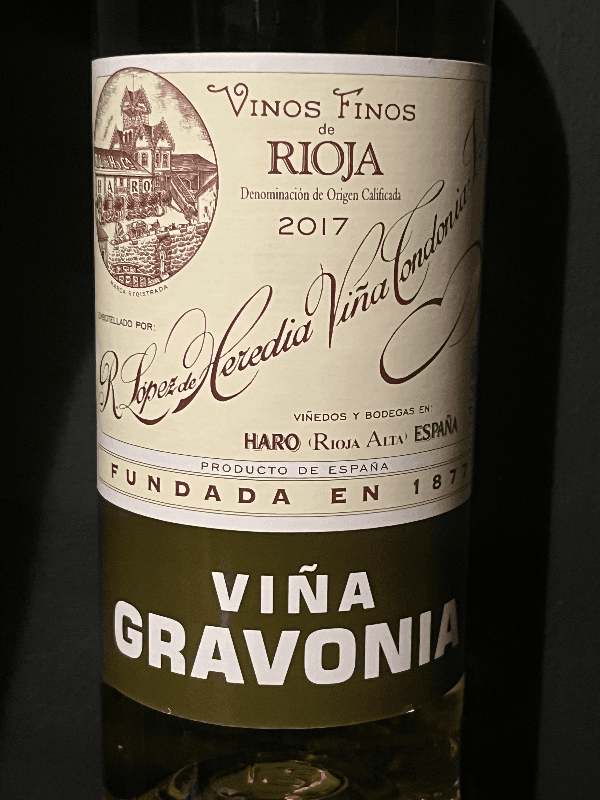
The first real ringer, and the slowest wine of the night. R. López de Heredia has made Rioja in Haro since 1877 and has spent almost a century and a half betting on not changing: American oak coopered on site, traditional rackings, egg-white fining, releases a decade after everyone else. Viña Gravonia is the entry white - 100% Viura from the Viña Zaconia vineyard - aged around four years in old American oak with twice-yearly racking and roughly four more in bottle before release. The 2017 is the current release, which by Heredia arithmetic makes it the freshest thing they sell: beeswax, roasted nuts, dried citrus peel and salt, oxidative around the edges yet still tense.
The full note is for members.
Join to read it and the restEnvínate Táganan Blanco 2024
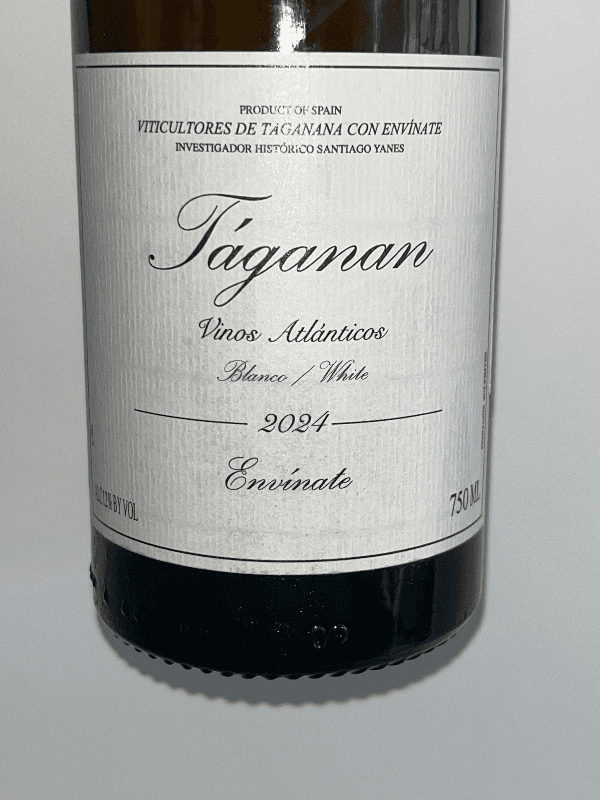
Then the coast disappears and the volcano arrives - without ever leaving the Atlantic. Envínate, the four-friend project that deliberately planted itself in Spain's ignored corners, farms a scatter of ancient parcels around Taganana on Tenerife's Anaga peninsula: untrained, ungrafted vines of 60 to 200-plus years clinging to volcanic cliffs at 75-300 metres above the ocean, worked with some fifteen local families. Táganan Blanco is the village white - a field blend of Listán Blanco, Gual, Malvasía, Marmajuelo, Verdello, Forastera Gomera, Albillo Criollo and a few vines nobody has identified, each parcel fermented separately on wild yeasts, a portion with a few days of skin contact, then around eight months on fine lees. The 2024 is 12%, about 5,000 bottles - salt and smoke over citrus and wet stone.
The full note is for members.
Join to read it and the restForjas del Salnés Leirana Genoveva 2017
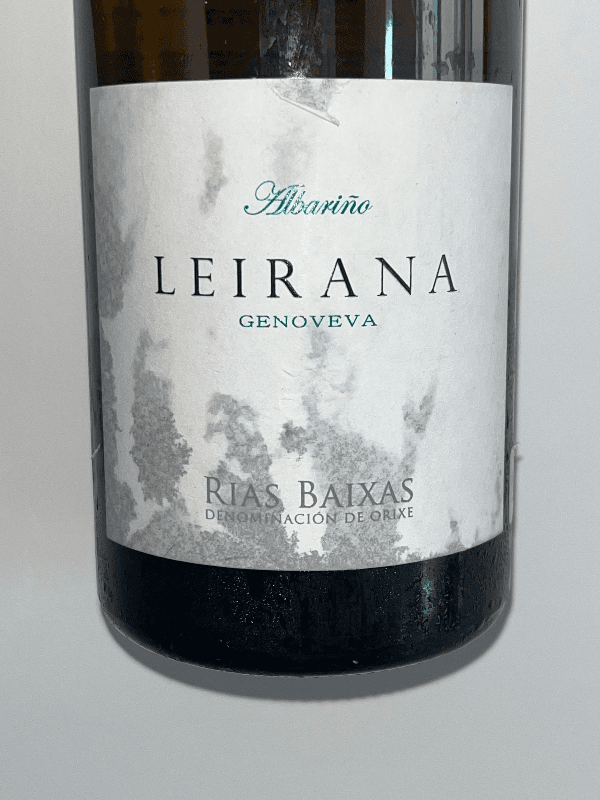
And home to close the loop, back on the Galician coast where the evening's grape goes by Albariño. Forjas del Salnés is Rodrigo Méndez's revival of his blacksmith grandfather's parcels in Val do Salnés, the coldest, wettest corner of Rías Baixas, launched in 2005 with Raúl Pérez at his side. Leirana Genoveva is the single-parcel bottling from Finca Genoveva in Barro: about a hectare of pergola-trained, pre-phylloxera vines planted in 1862, counted among the oldest Albariño anywhere. Native ferment and twelve months on lees in a seasoned 2,500-litre oak foudre, no malolactic; around 6,000 bottles of the 2017, bottled in September 2018. Aged Albariño as the closing argument of the whole Atlantic thesis. 13%.
The full note is for members.
Join to read it and the rest