All producers
Anselmo Mendes
Vinho Verde, Portugal9 wines4.0 avg
81
Monção e Melgaço, northern Vinho Verde. 'Senhor Alvarinho'. Launched his own label in 1998; Muros de Melgaço proved Alvarinho's ageability, Contacto (1999) pioneered short skin-contact on the grape. ~130 hectares across three subzones, around 700,000 bottles a year.
Anselmo Mendes is from Monção on the northern edge of Vinho Verde, across the Minho river from Rías Baixas - Alvarinho country on both sides. He trained in agronomy, then oenology in Portugal and France, and spent years as one of Portugal's most sought-after consulting winemakers before launching his own label in 1998; he was named Revista de Vinhos Winemaker of the Year around that period. Quinta da Torre, the flagship estate, was fully acquired in 2016.
Around 130 hectares across three Vinho Verde subzones: roughly 60 in Monção e Melgaço (Alvarinho, centred on Quinta da Torre), 70 in Lima (Loureiro), plus Baião holdings on schist and granite for Avesso. Sustainable viticulture under Portugal's integrated-production certification. Output is around 700,000 bottles a year across thirty-plus references, exported to roughly sixty countries.
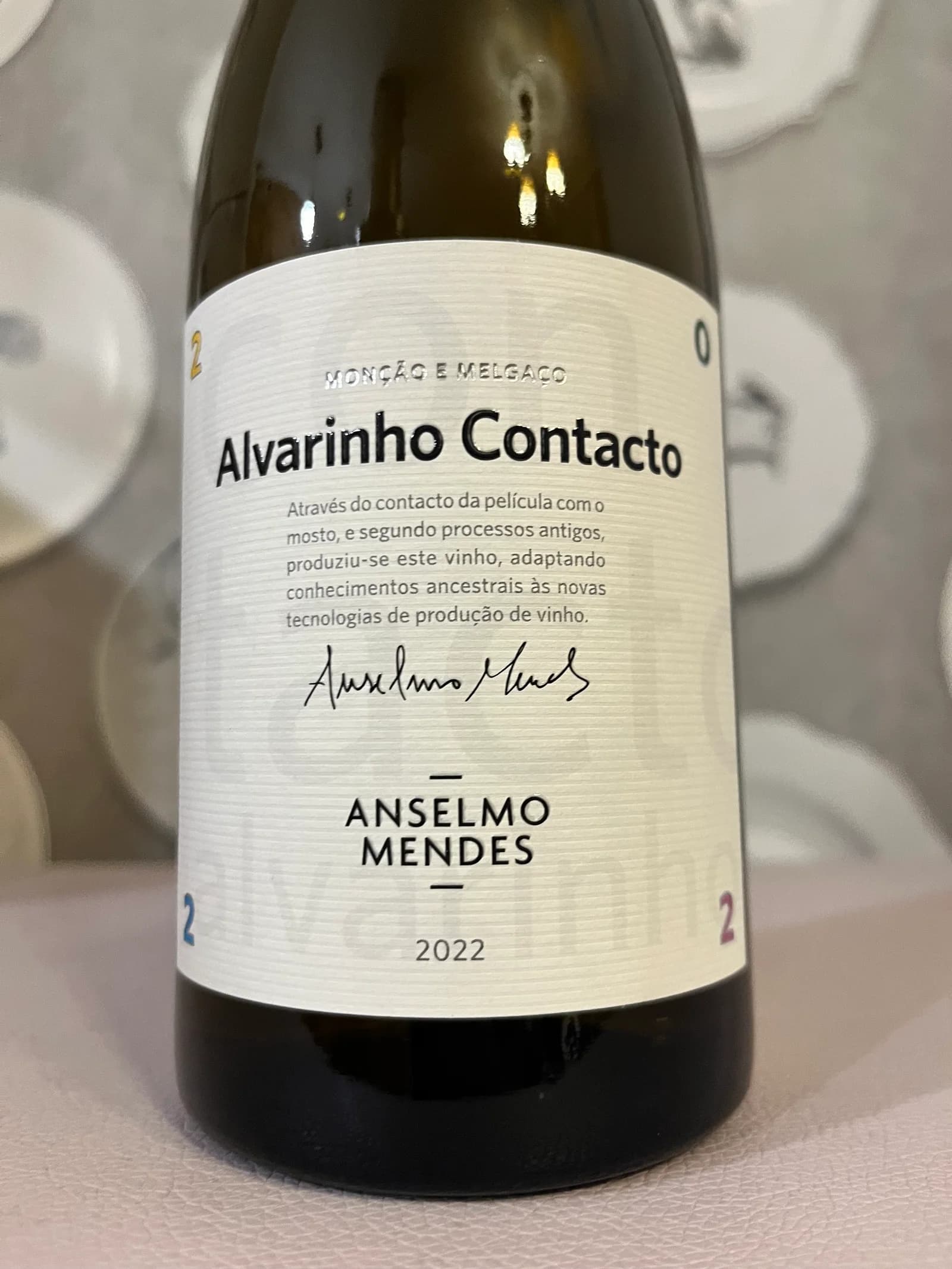
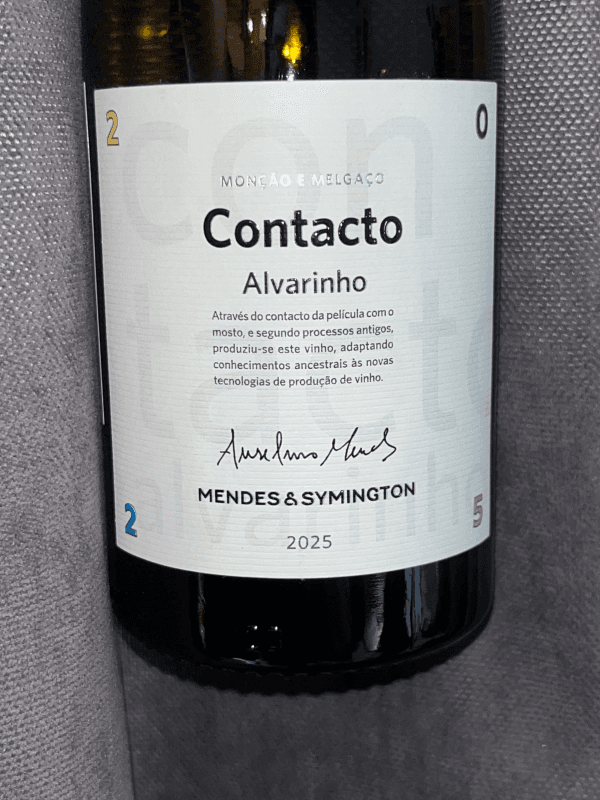
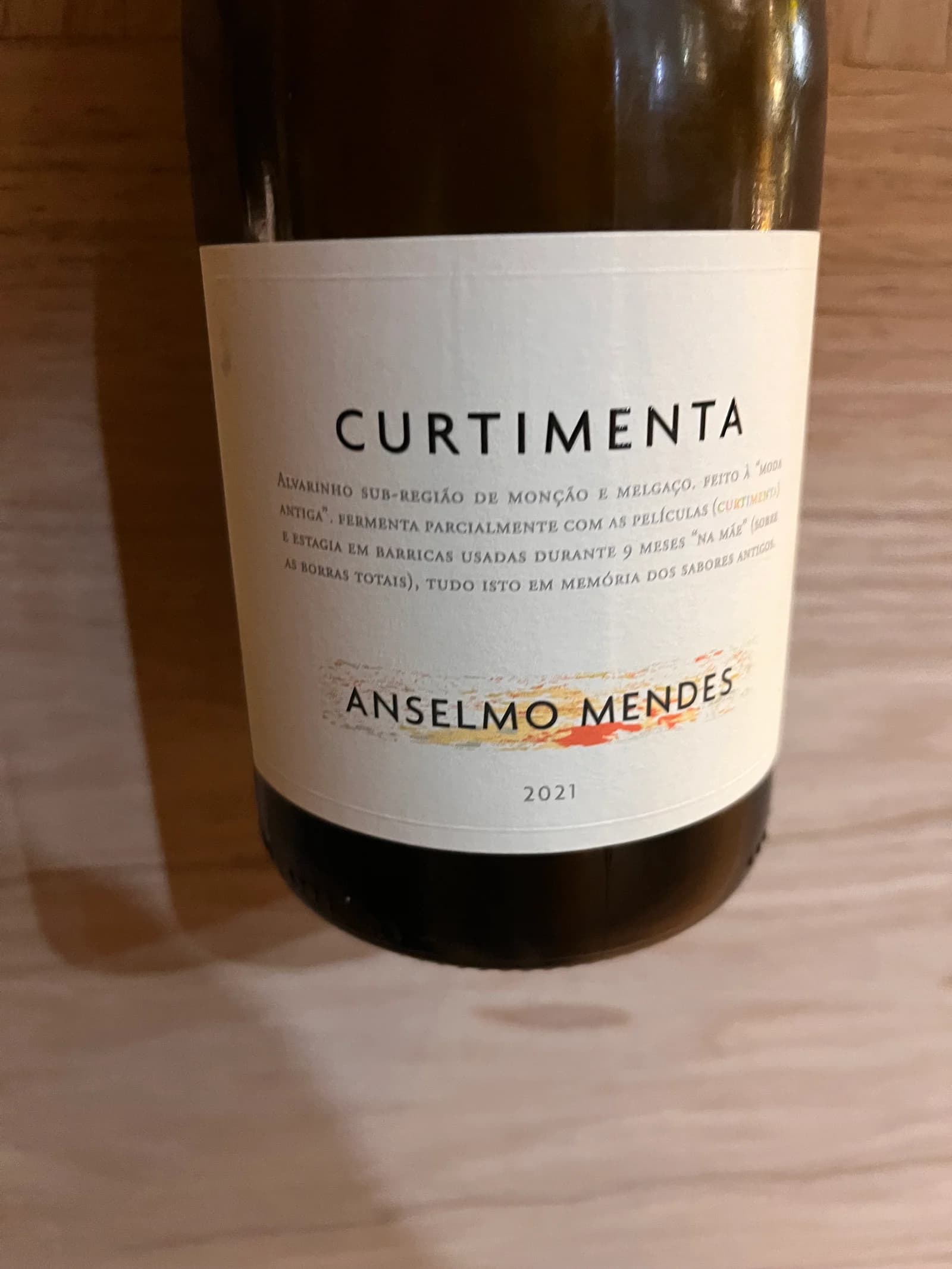
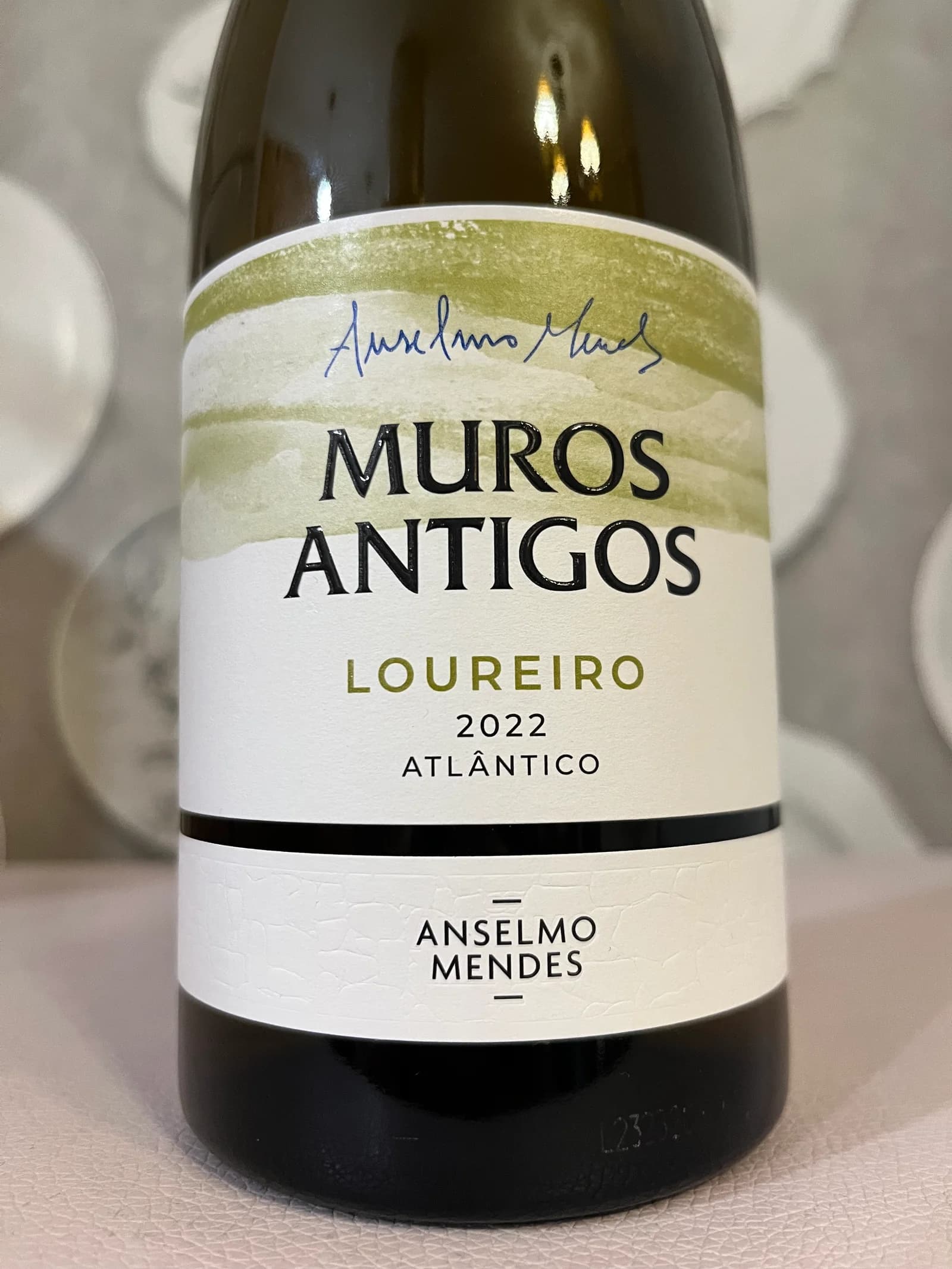
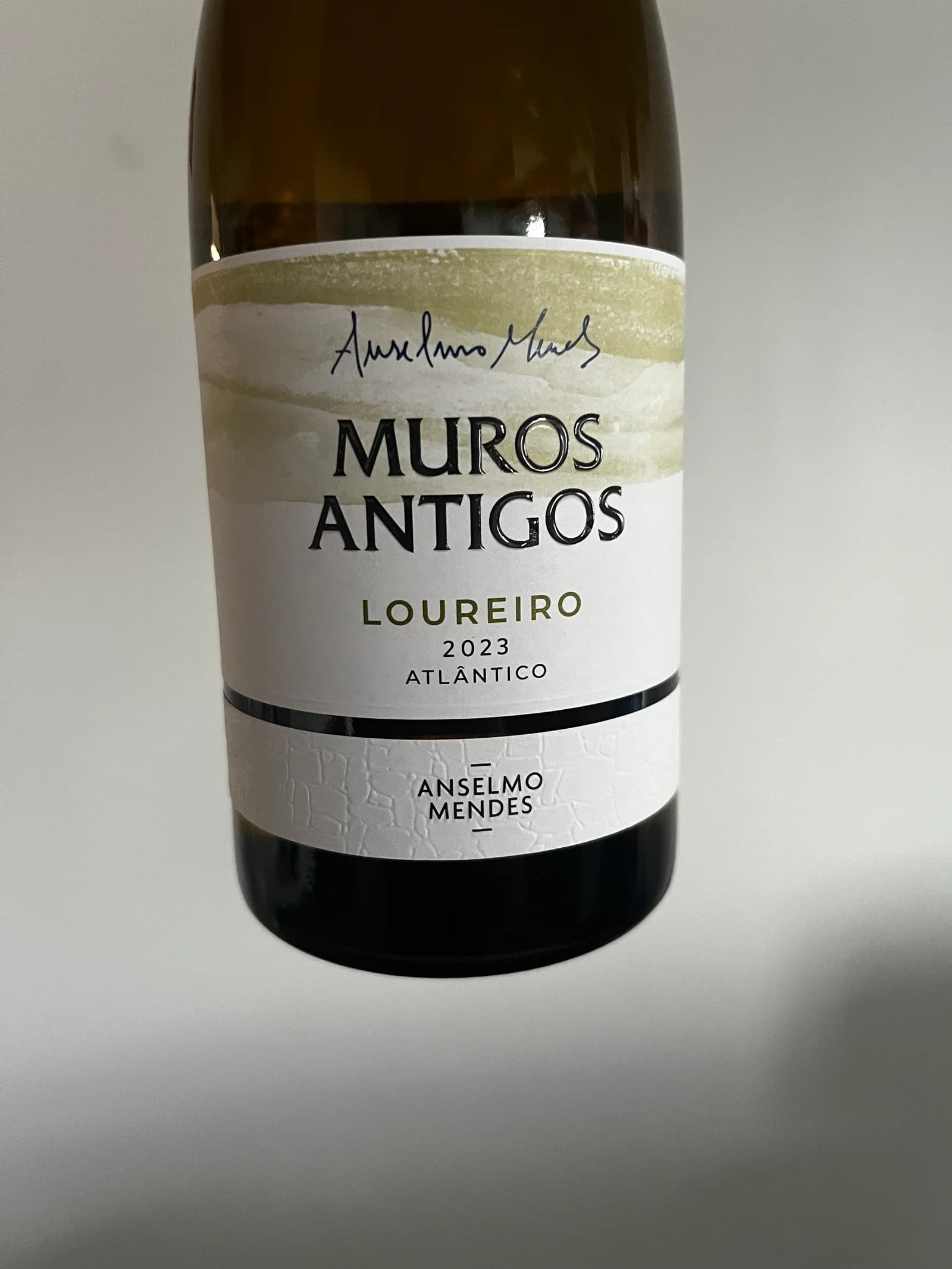
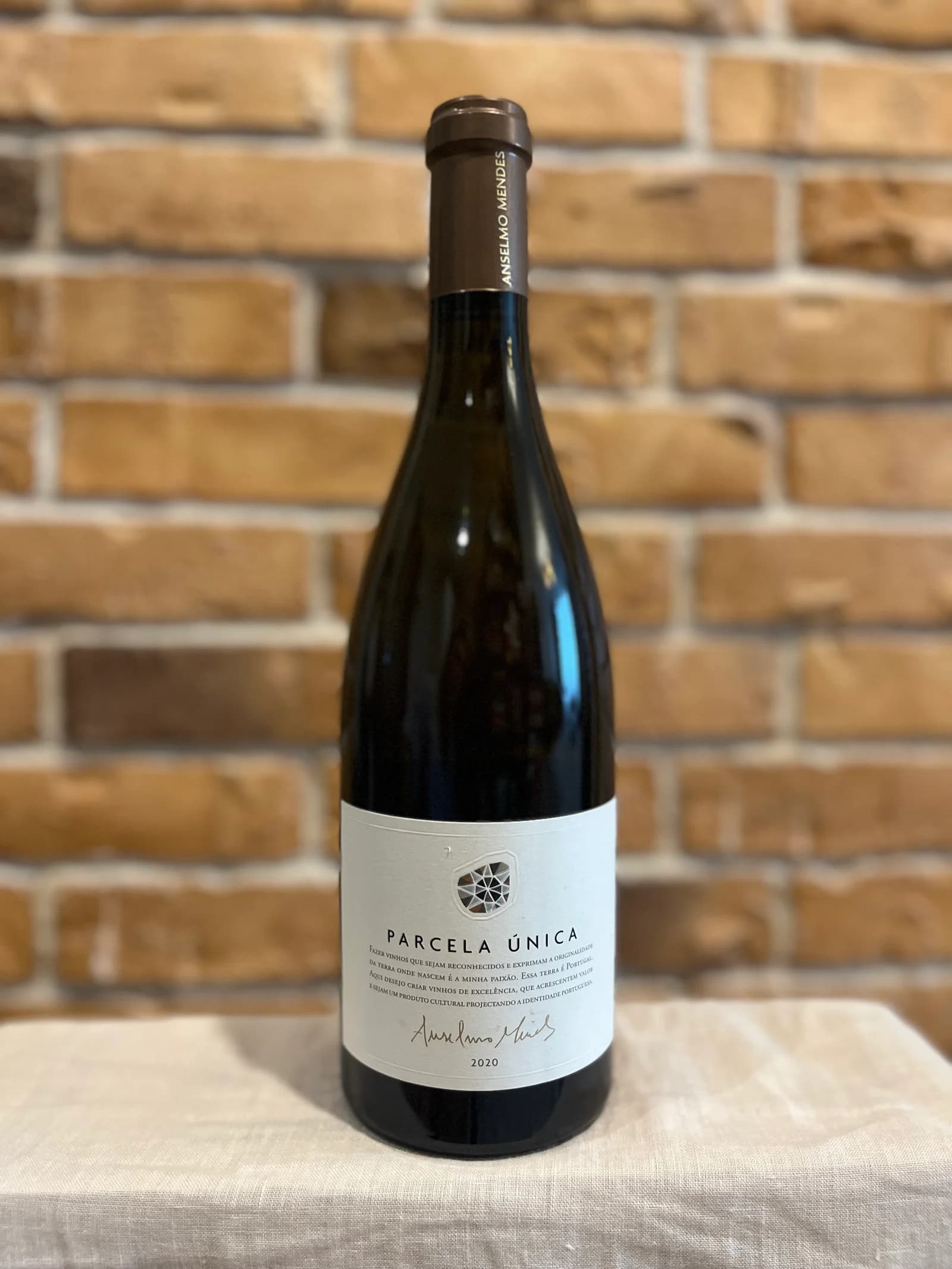
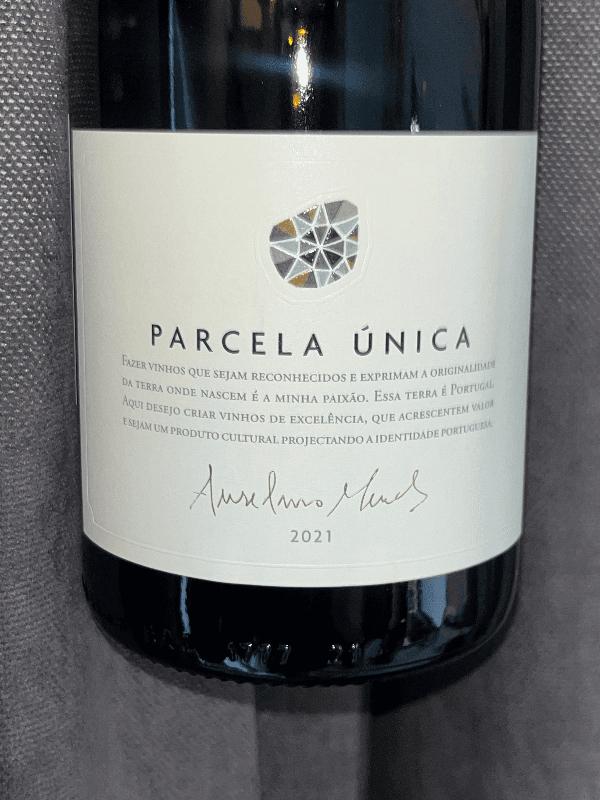
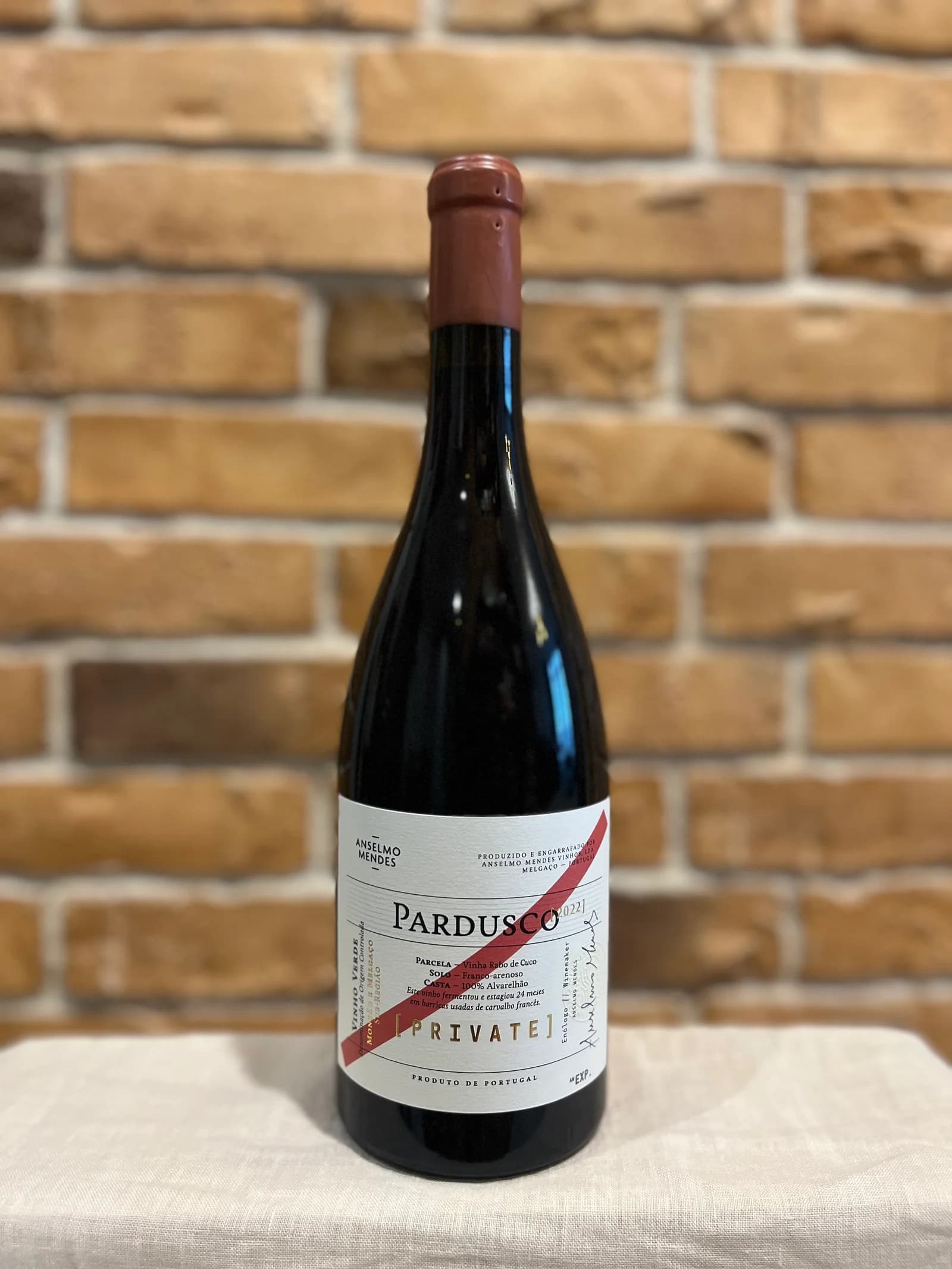
The range is the map. Muros Antigos - "old stone walls" - is the entry Alvarinho (also a Loureiro and an Escolha blend), unoaked, long indigenous-yeast ferments, a few months on lees. Muros de Melgaço, the 1998 debut, is the single-village Alvarinho that first proved the grape's complexity and ageability. Contacto is the cuvée that matters most historically - Mendes began experimenting with short skin-contact Alvarinho in 1999, for aromatics and texture without colour impact. It was called heresy at the time, and it is now a template other Alvarinho producers follow. Curtimenta takes the logic further: a short skin maceration, barrel-fermented, nine months in used 400L French oak with bâtonnage. Parcela Única is the single-vineyard old-vine Alvarinho, fermented and aged nine months in 400L French oak on full lees plus another year in bottle. Above those sit A Torre, Tempo and Expressões. Reds are anchored by Pardusco - an Alvarelhão-led field blend with Pedral, Borraçal and a little Vinhão.
The project broke decisively from the simple, spritzy Vinho Verde stereotype - bone-dry, mineral, no pétillance, serious lees work, oak fermentation, skin contact. Widely known in the trade as Senhor Alvarinho.