All producers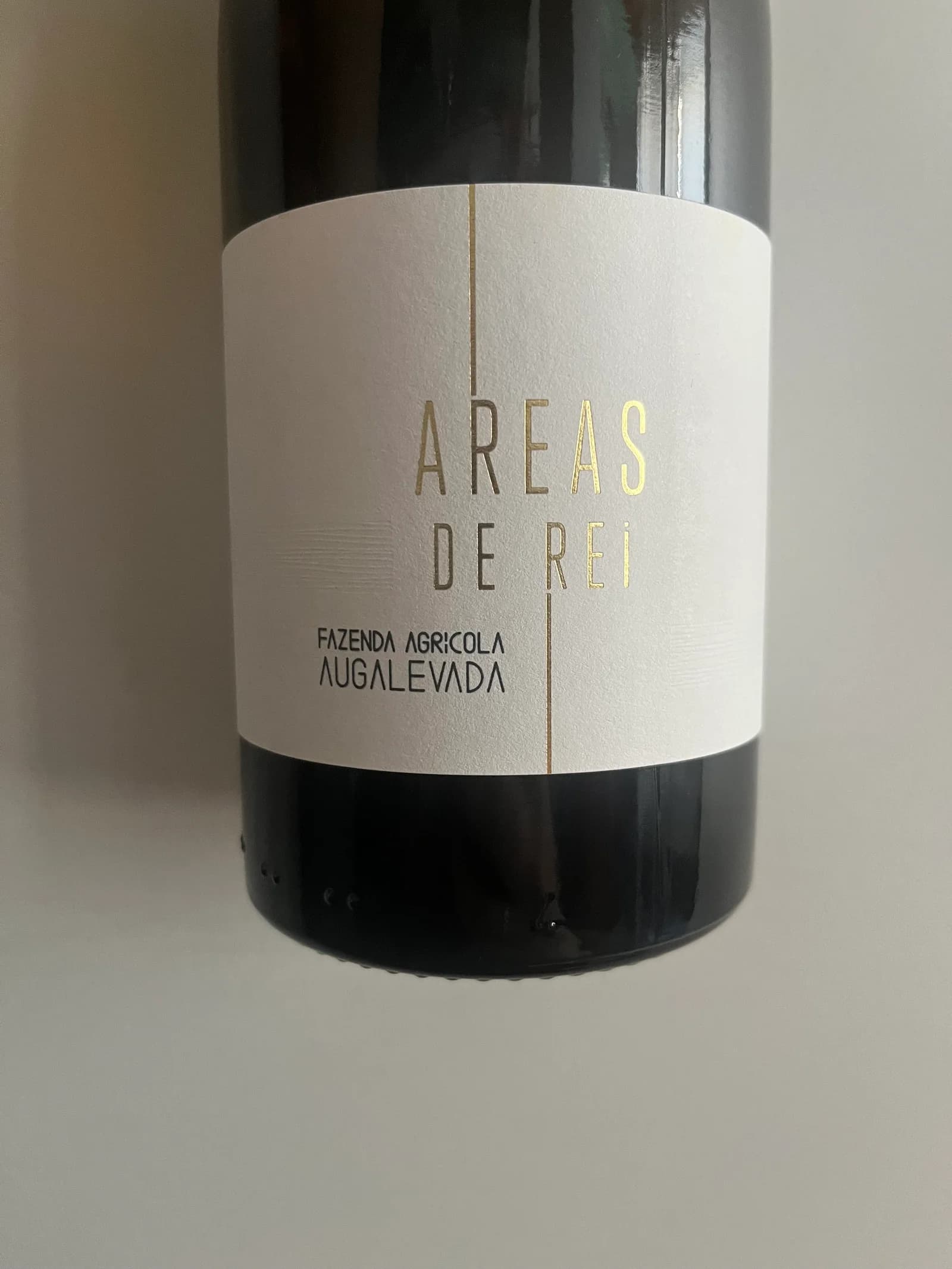
Fazenda Agricola Augalevada
Galicia, Spain20 wines4.0 avg
146
Iago Garrido's micro-estate in northern Ribeiro - four hectares, Demeter-certified biodynamic, Treixadura aged under flor and other Galician acts of faith.
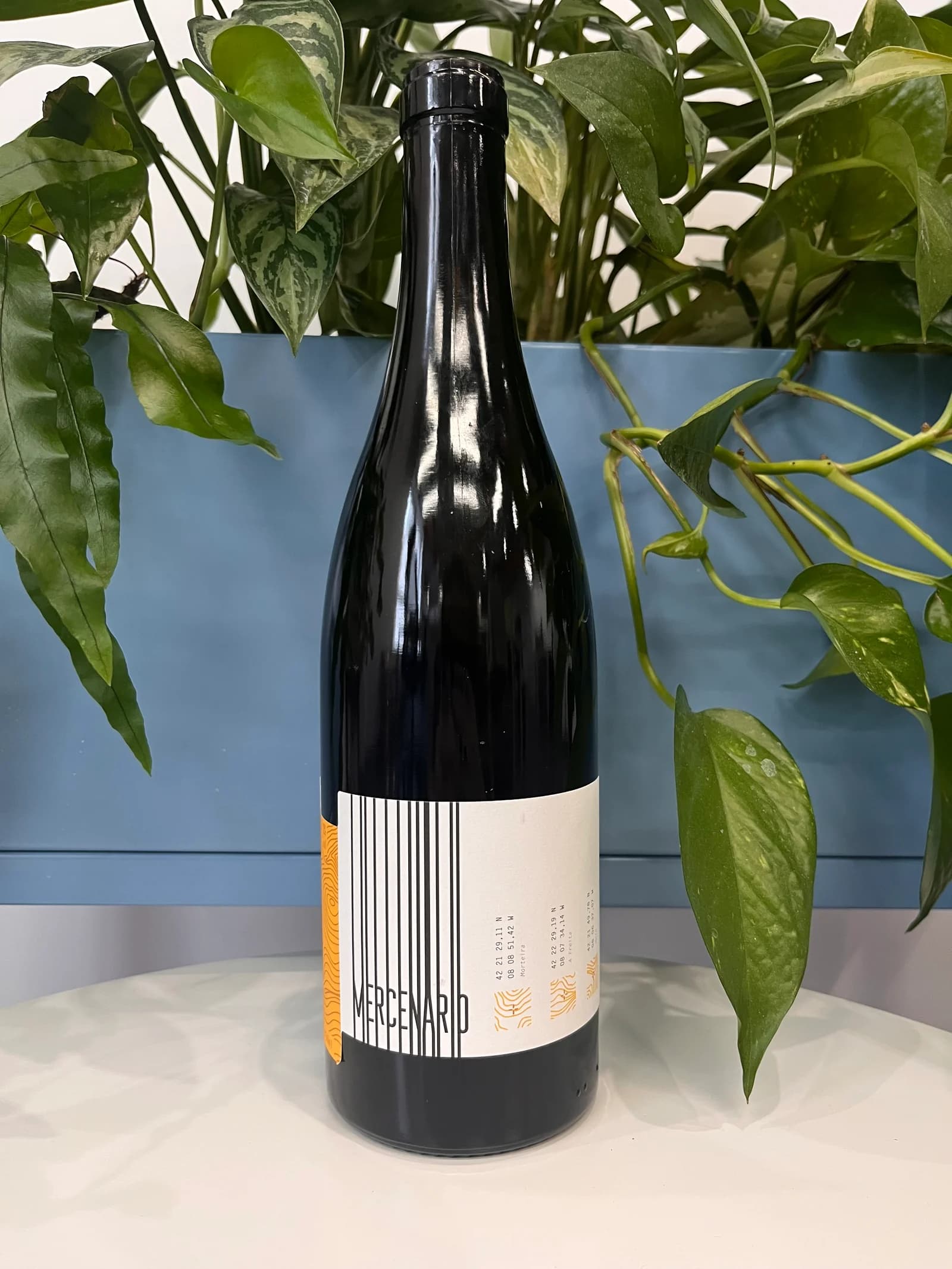
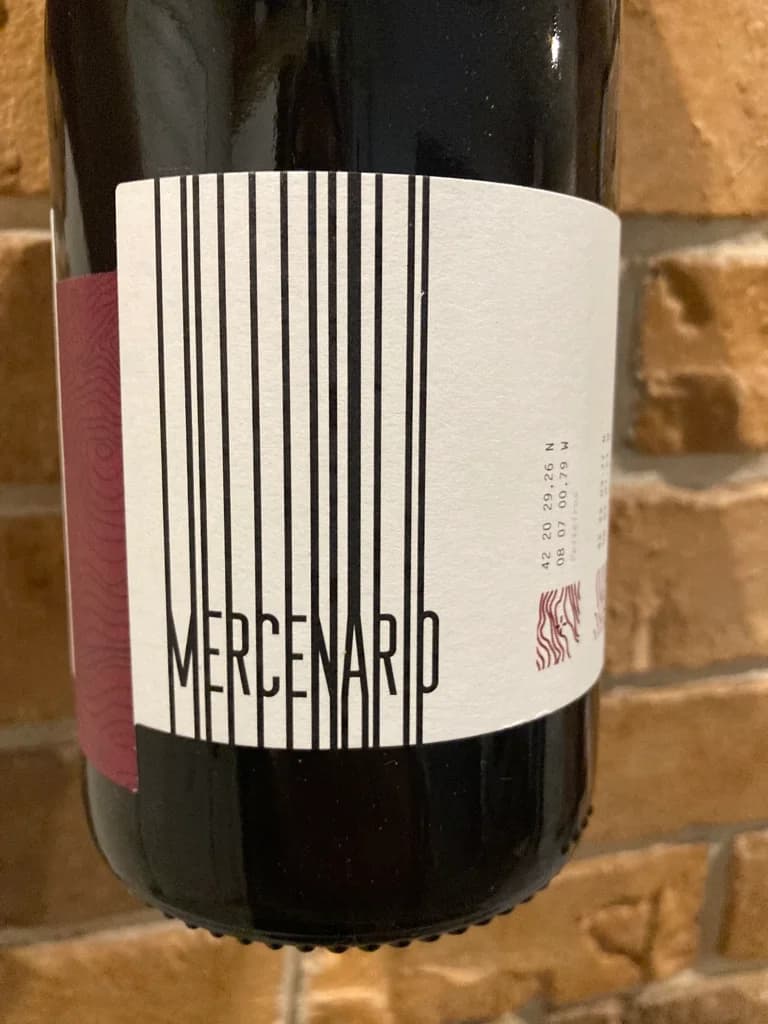
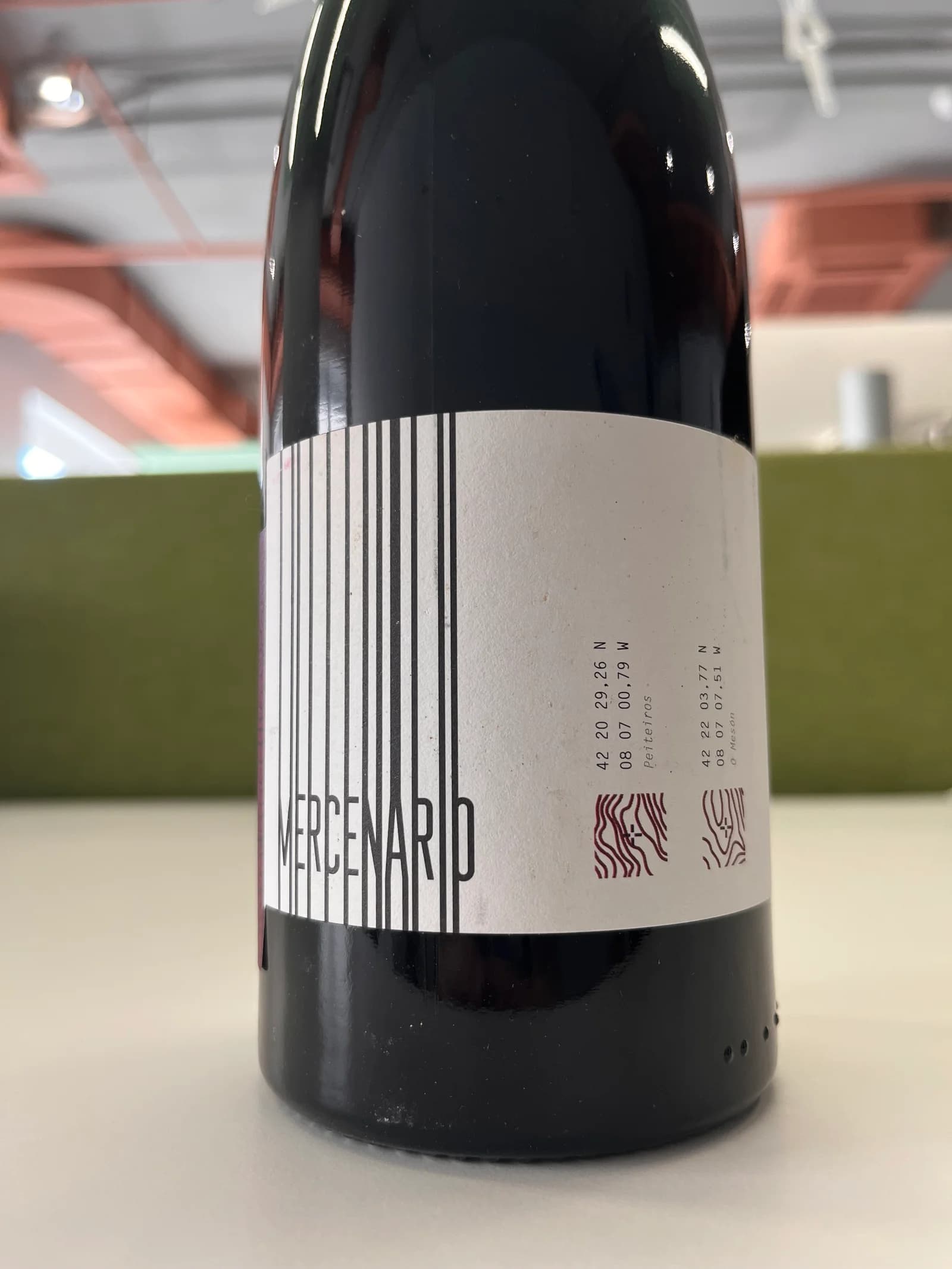
Iago Garrido was a semi-professional footballer before he became a winemaker, which is an origin story you would not invent. He studied agricultural engineering, got interested in permaculture, and in 2008 bought four hectares of abandoned terraces in the Rioboó zone of northern Ribeiro, behind the Monasterio de San Clodio in the Avia river valley. The cellar was completed in 2009. The first wines were the Mercenario range, made from bought and co-farmed fruit; the estate's defining cuvée, Ollos de Roque, arrived in 2014.
Ribeiro is Galicia's inland DO - upstream of Rías Baixas along the Miño, historically Galicia's most prestigious region, and a place where modern interest has only recently begun to catch up with history. Constant Atlantic rain, humidity, and morning fog - a paradise for fungus, and a grinding battle for anyone trying to farm organically. The fact that Iago does, and that he got Augalevada Demeter-certified (the first biodynamic certification in Ribeiro), is not a marketing gesture. It is a choice to make the hard work harder.
The vineyards are small - four hectares of terraced land, hand-farmed, on decomposed granite and gneiss with some xabre (the local Galician word for granitic sand; sometimes spelled jable). Whites are Treixadura (the flagship), Albariño, Godello, Lado, and Agudelo - DNA-confirmed as a Chenin Blanc biotype, reportedly carried into Galicia by monks via the Camino de Santiago. Reds are Galician obscurities: Caiño Longo, Caiño da Terra, Brancellao, Sousón, Espadeiro. Goats, chickens, and other crops share the property - polyculture rather than monoculture.
In the cellar: native yeasts, minimal sulphur (only at bottling, ~20-25 mg/L total), and an eclectic mix of vessels. Buried 400-litre amphoras from Juan Padilla. 300 to 600-litre old French oak (some Stockinger). Local chestnut barrels. And reportedly century-old 500-litre ex-Jerez American oak casks, introduced to the cellar in 2020, where some cuvées age under a film of flor - the veil of yeast more commonly associated with Fino sherry and the whites of Jura.
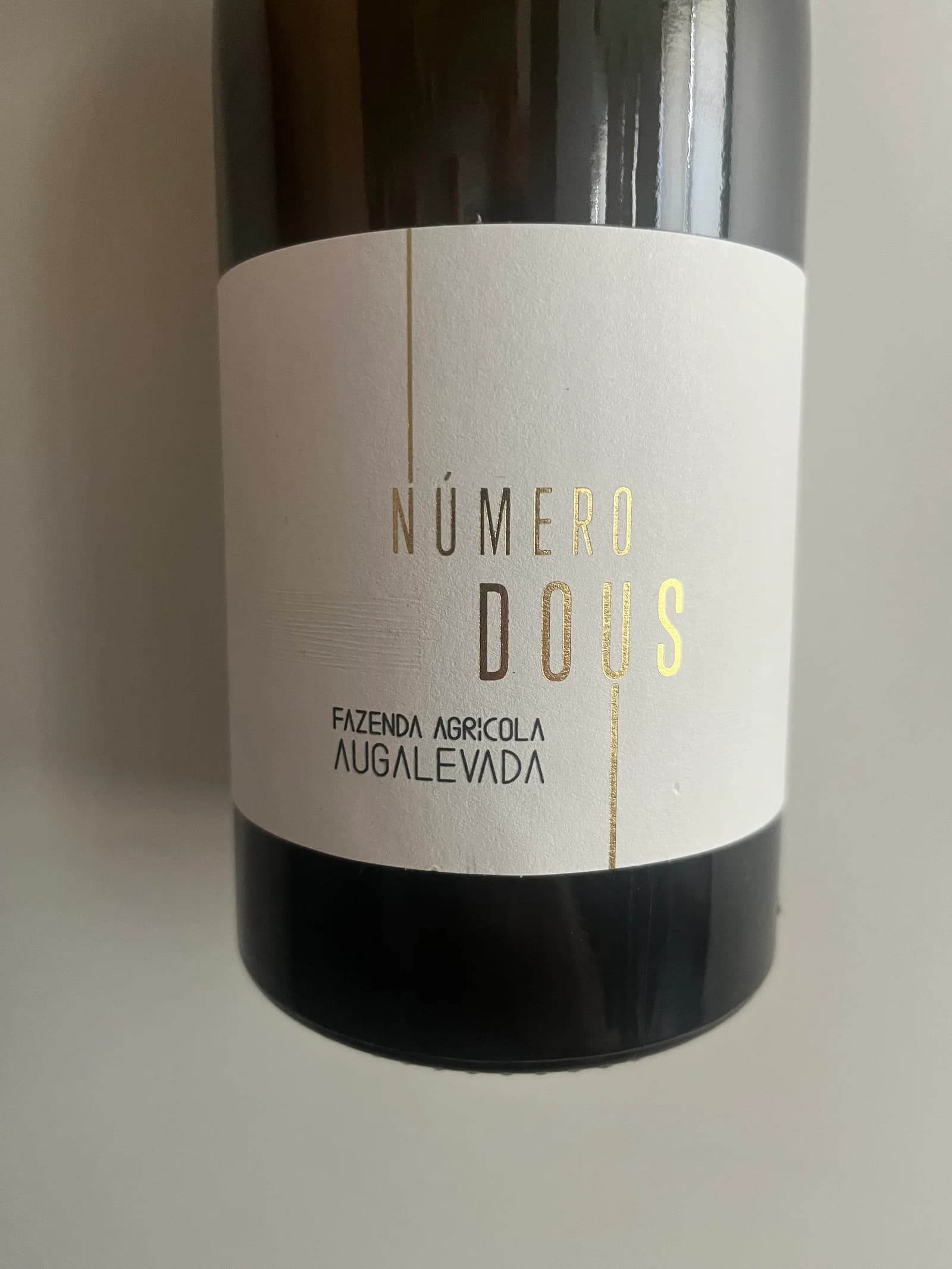
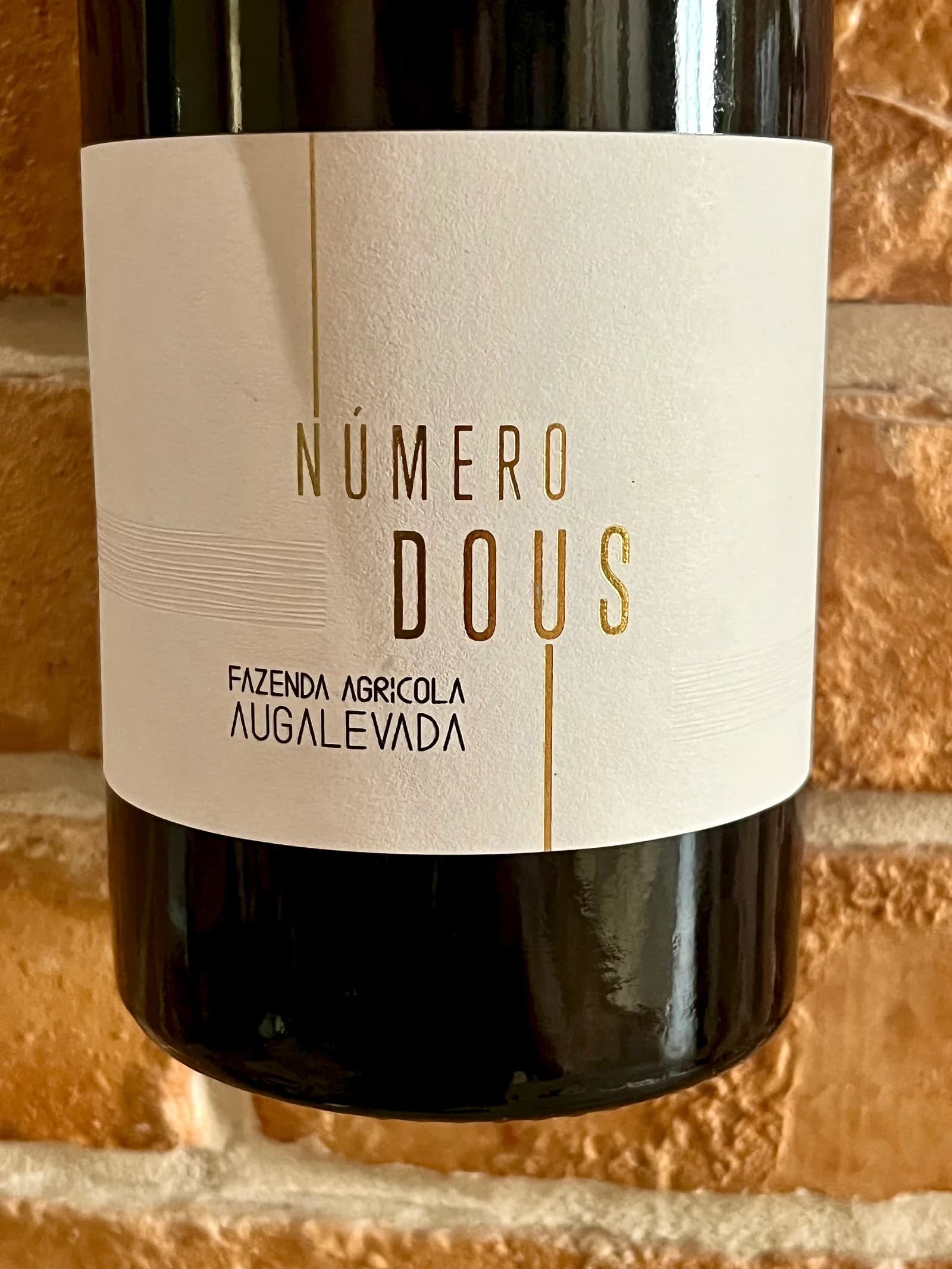
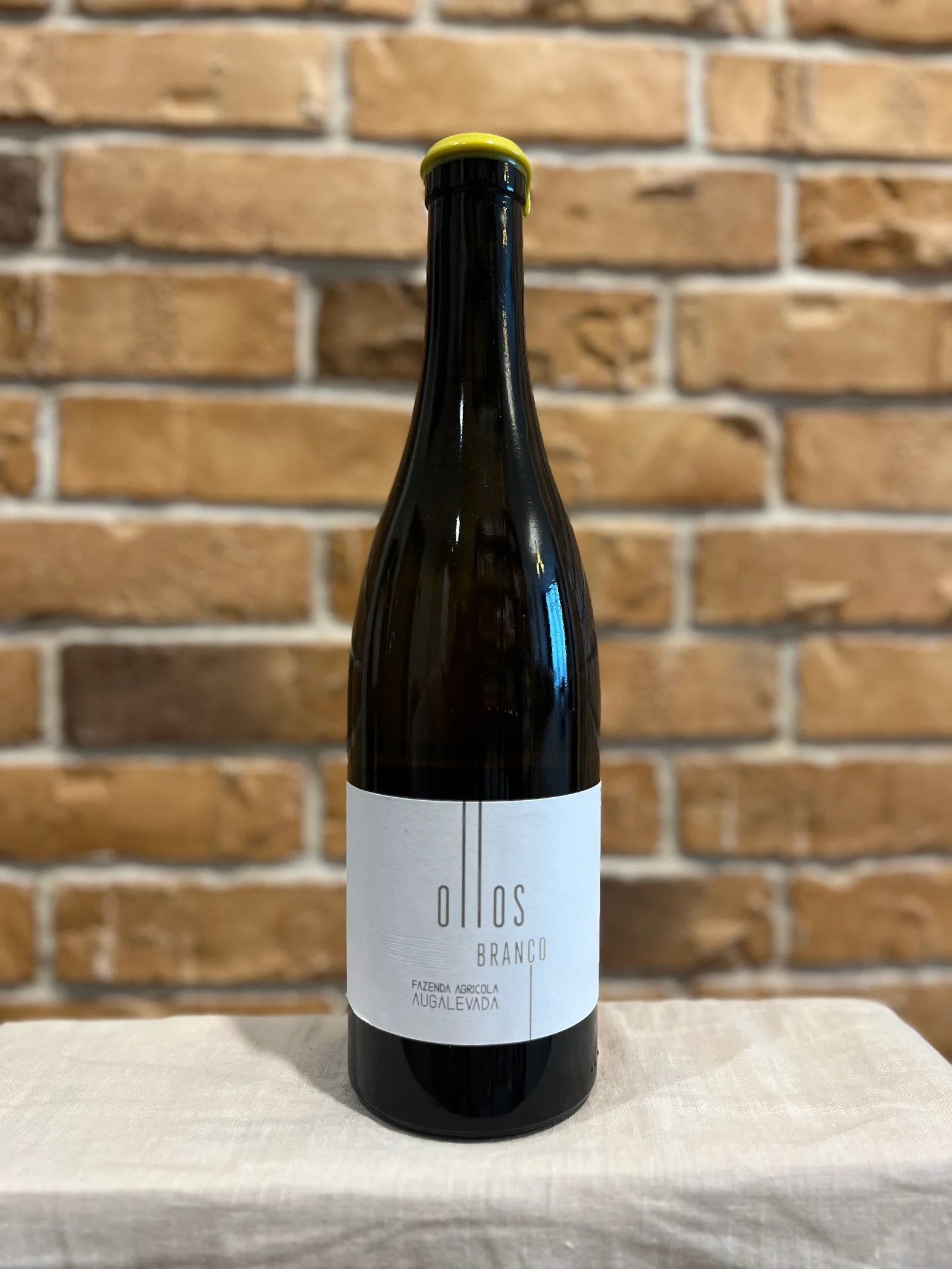
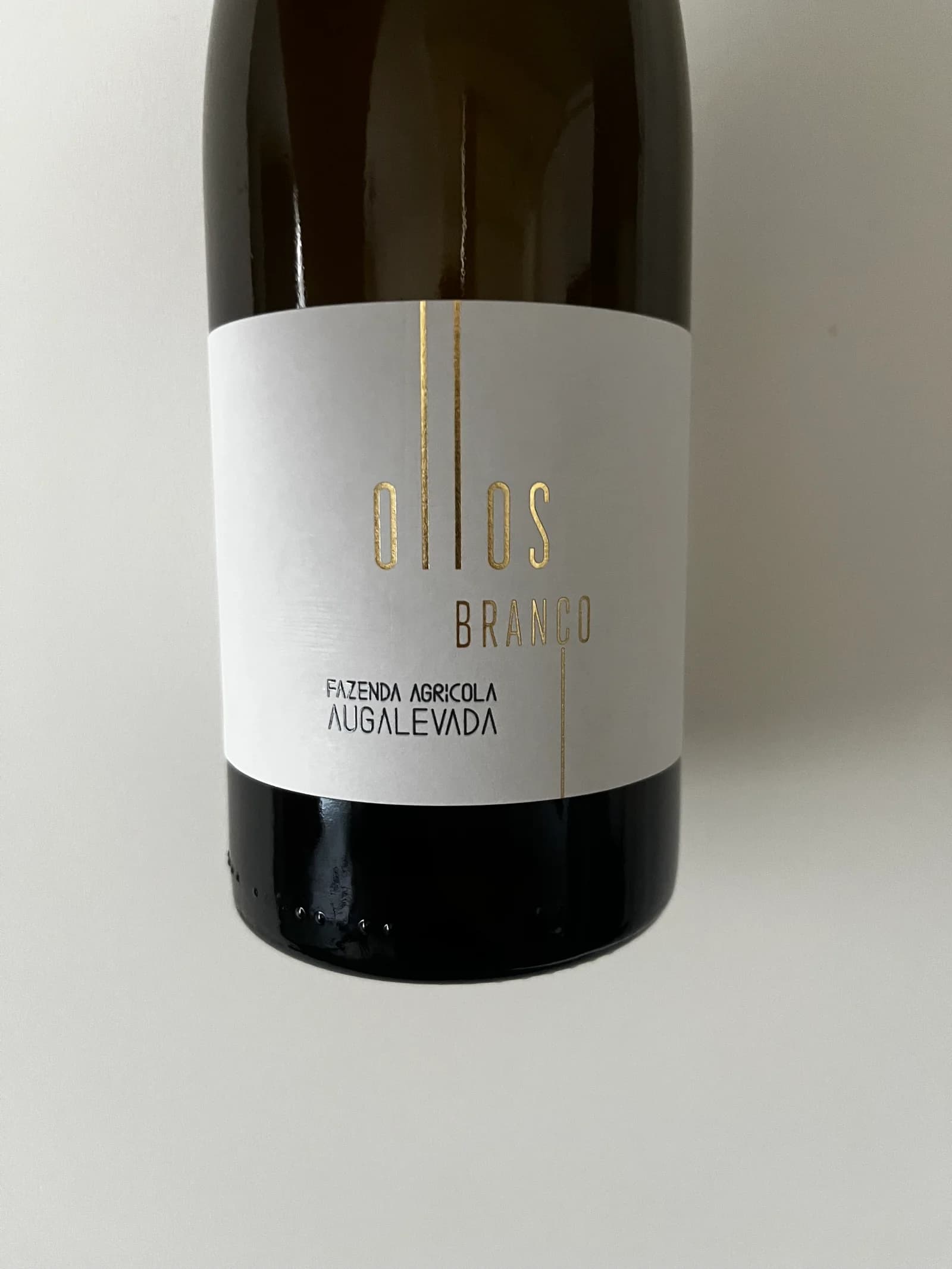
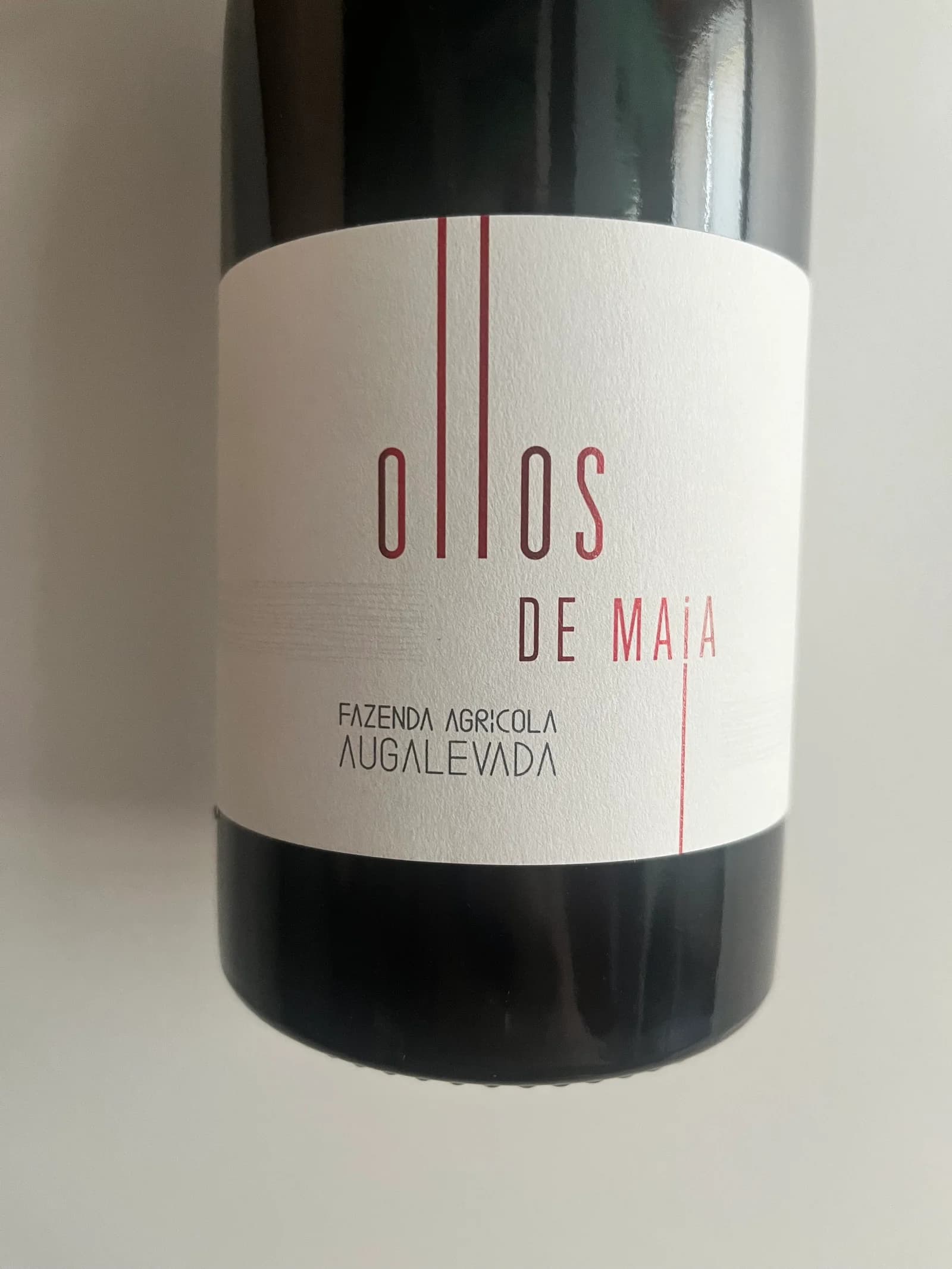
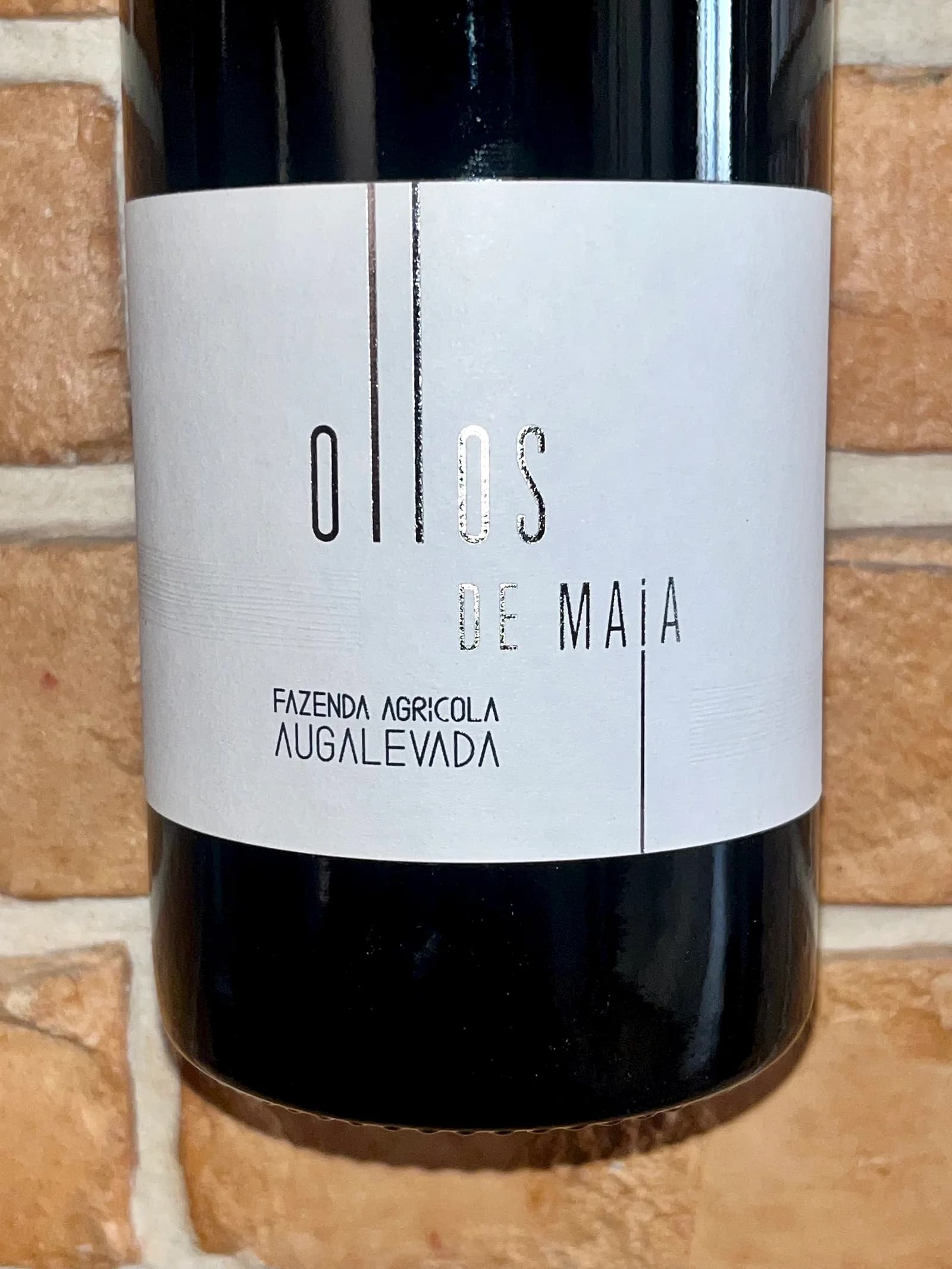
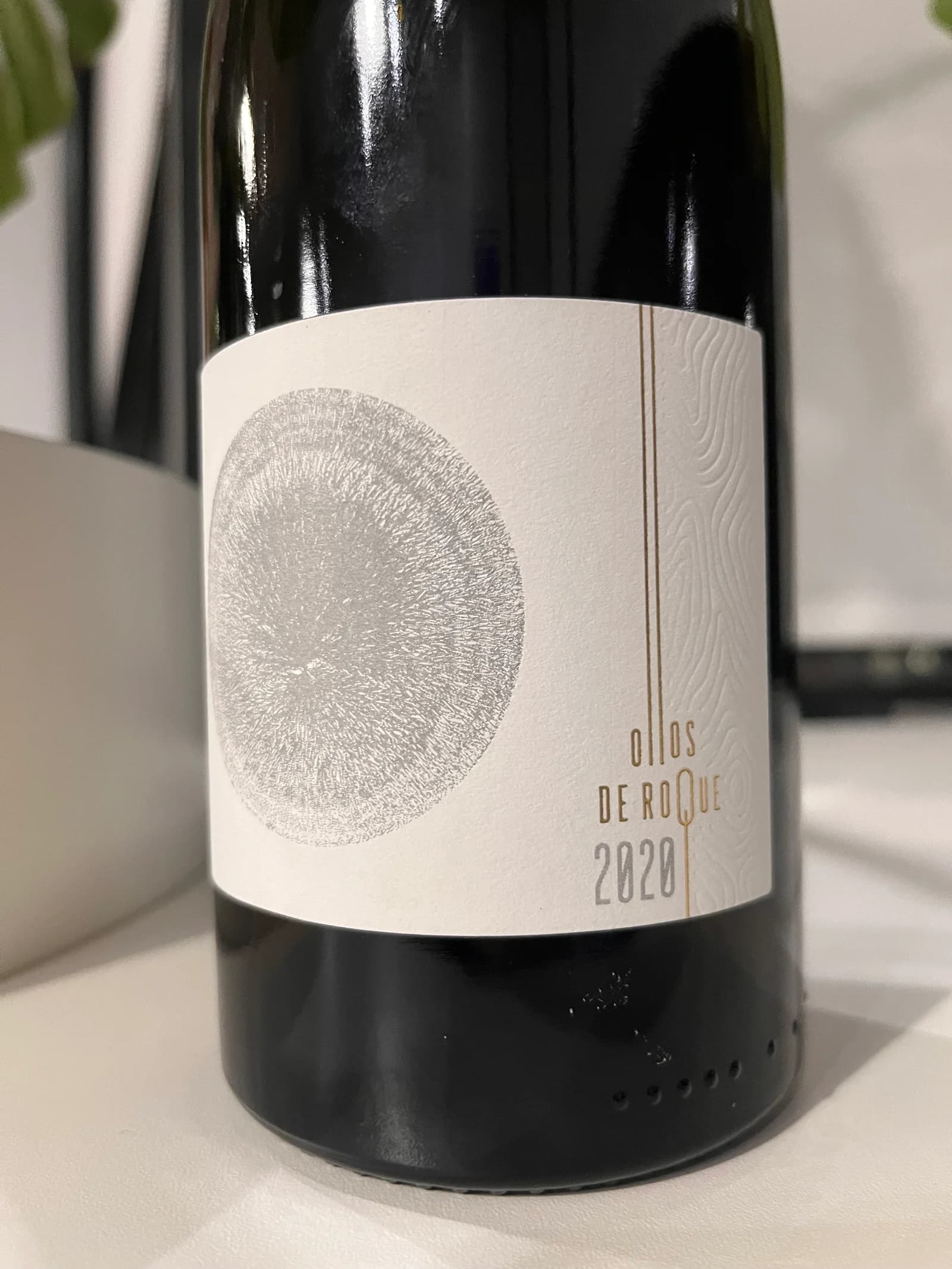
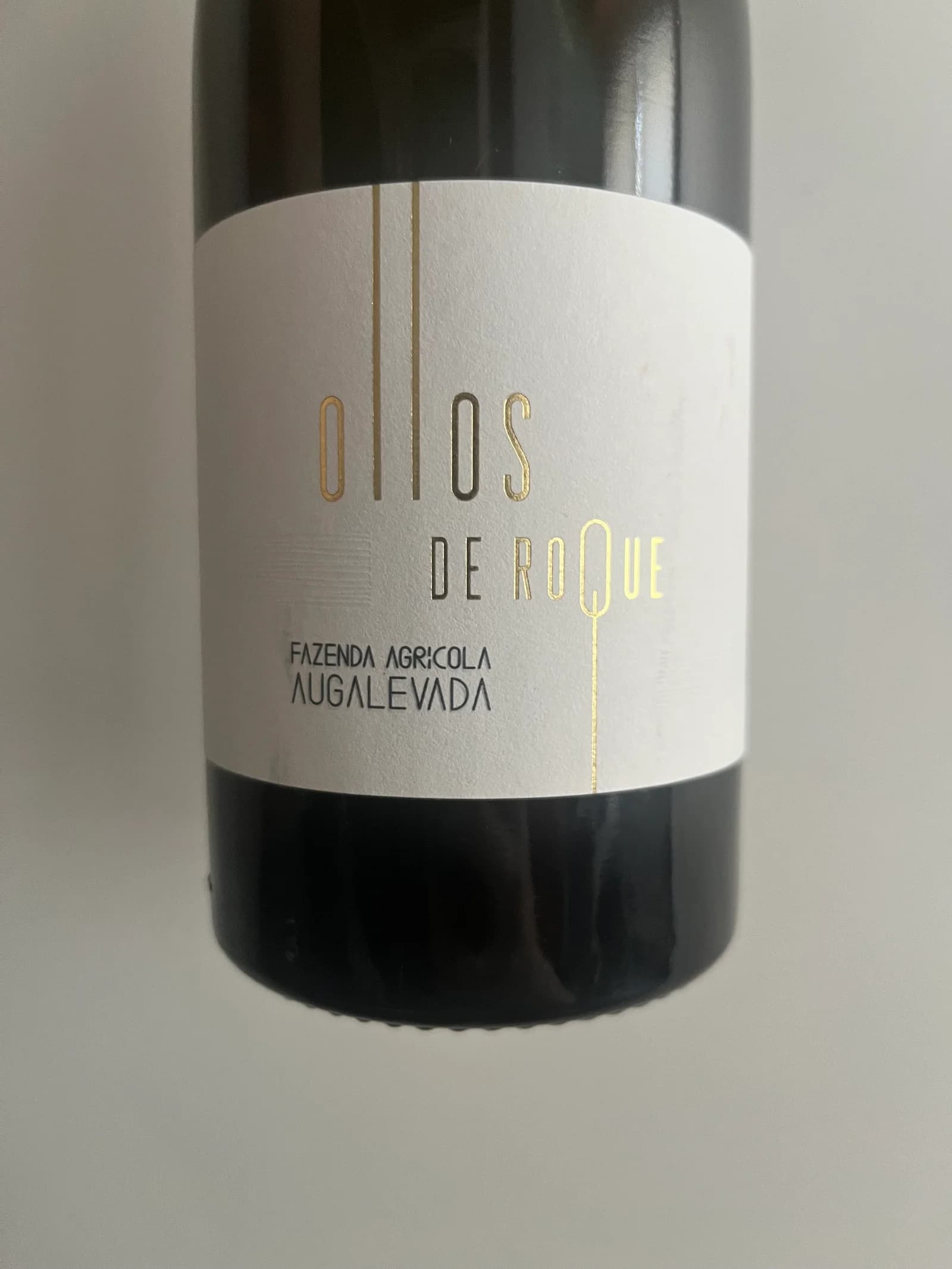
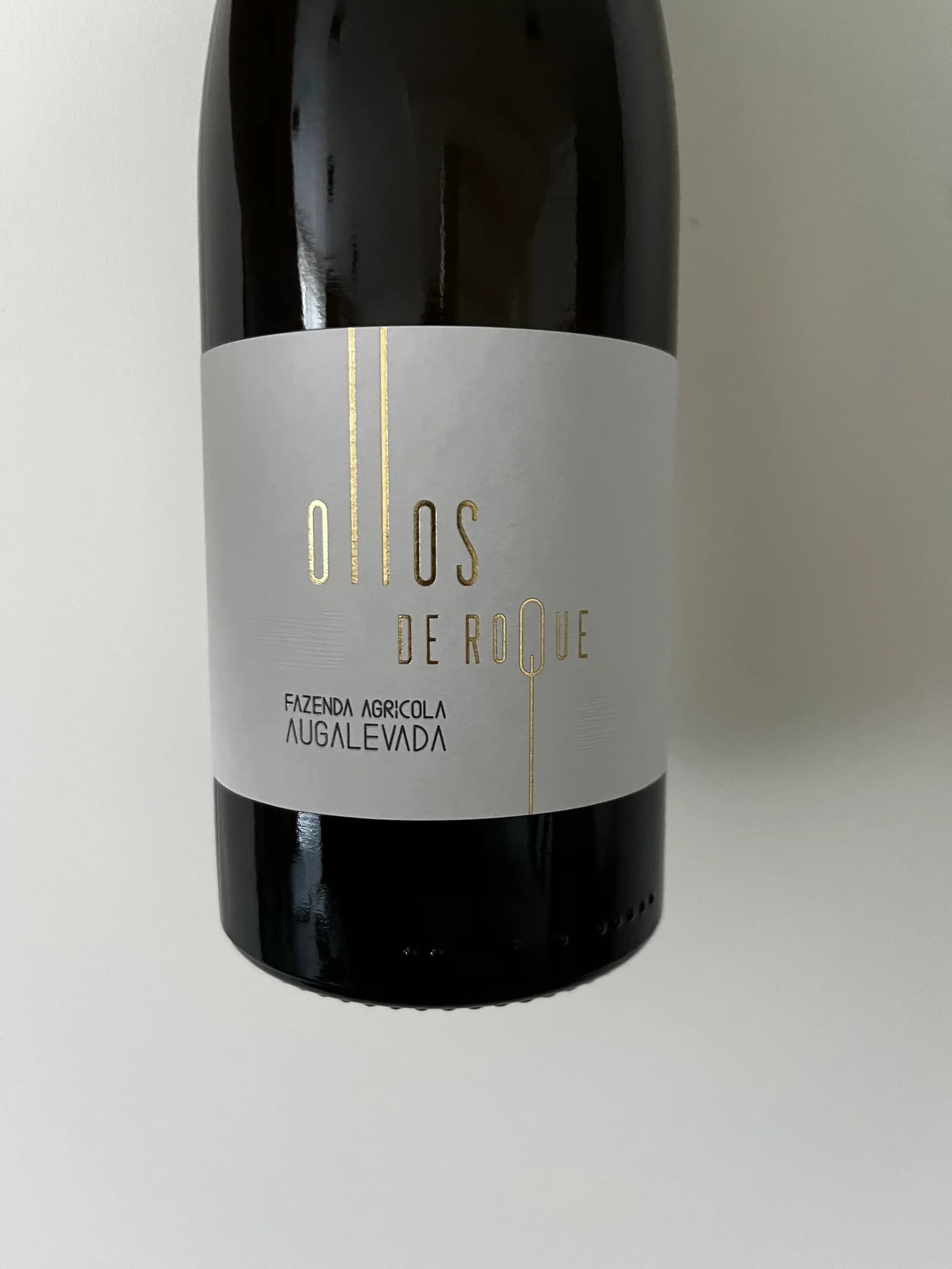
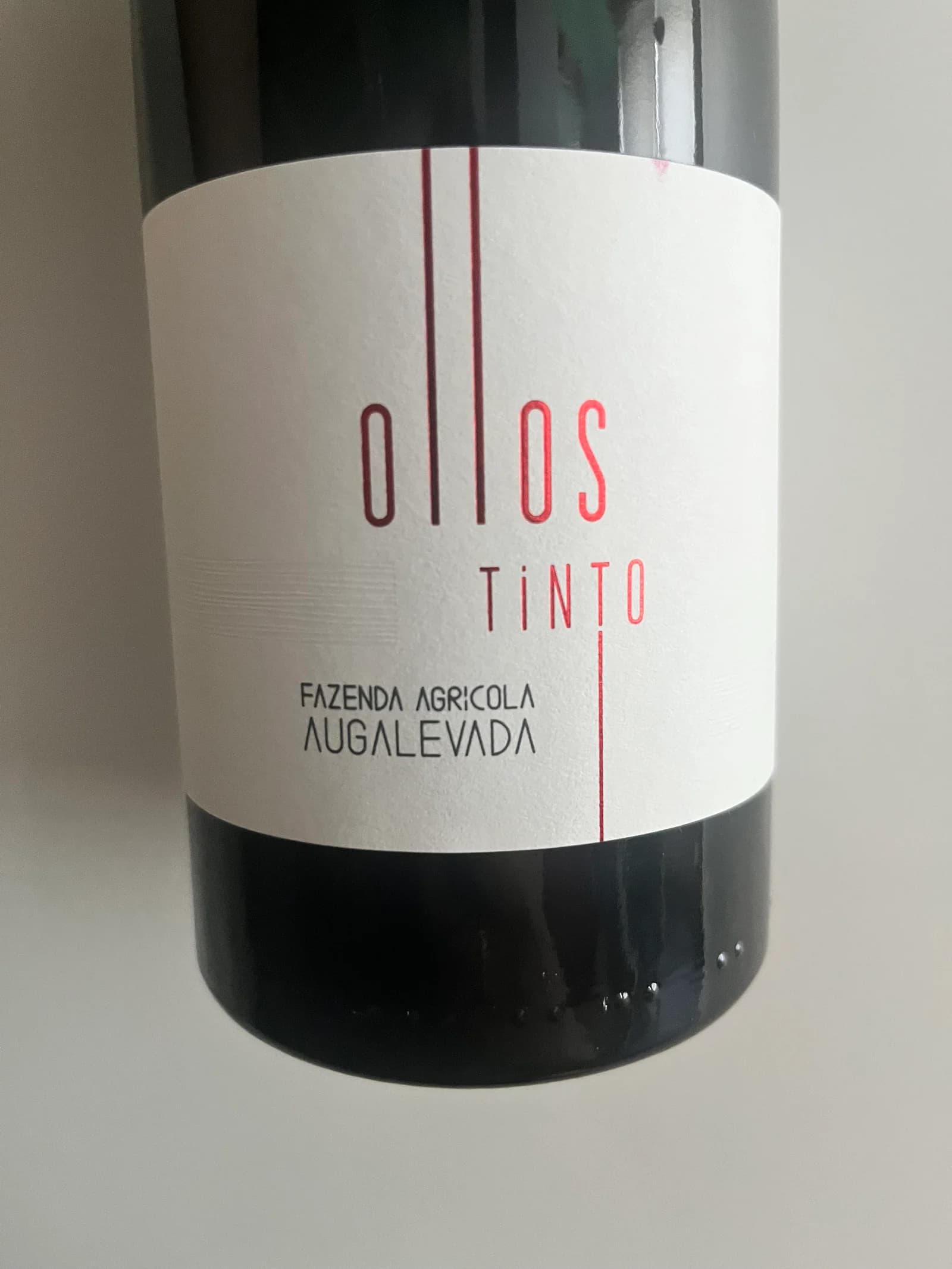
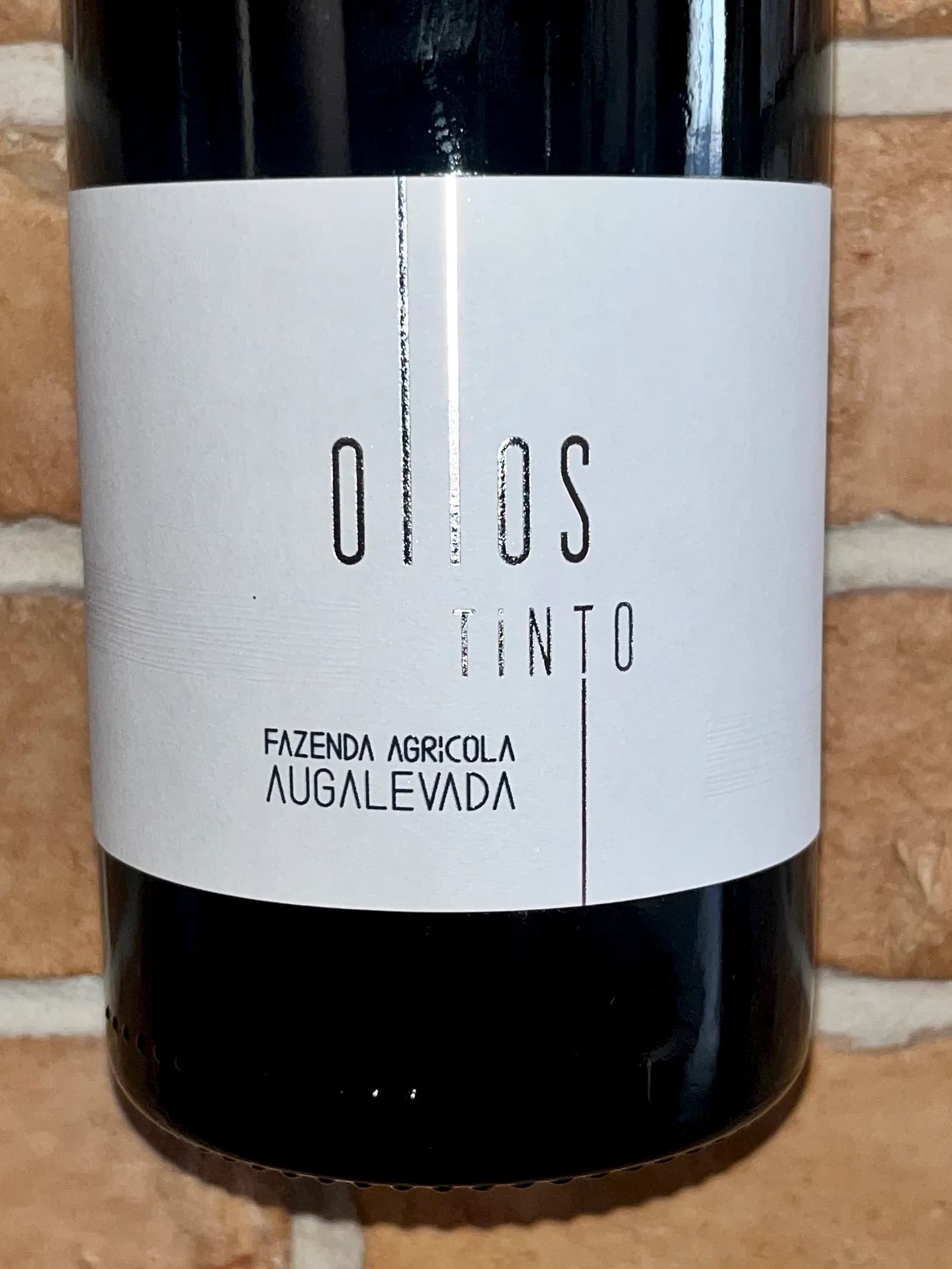
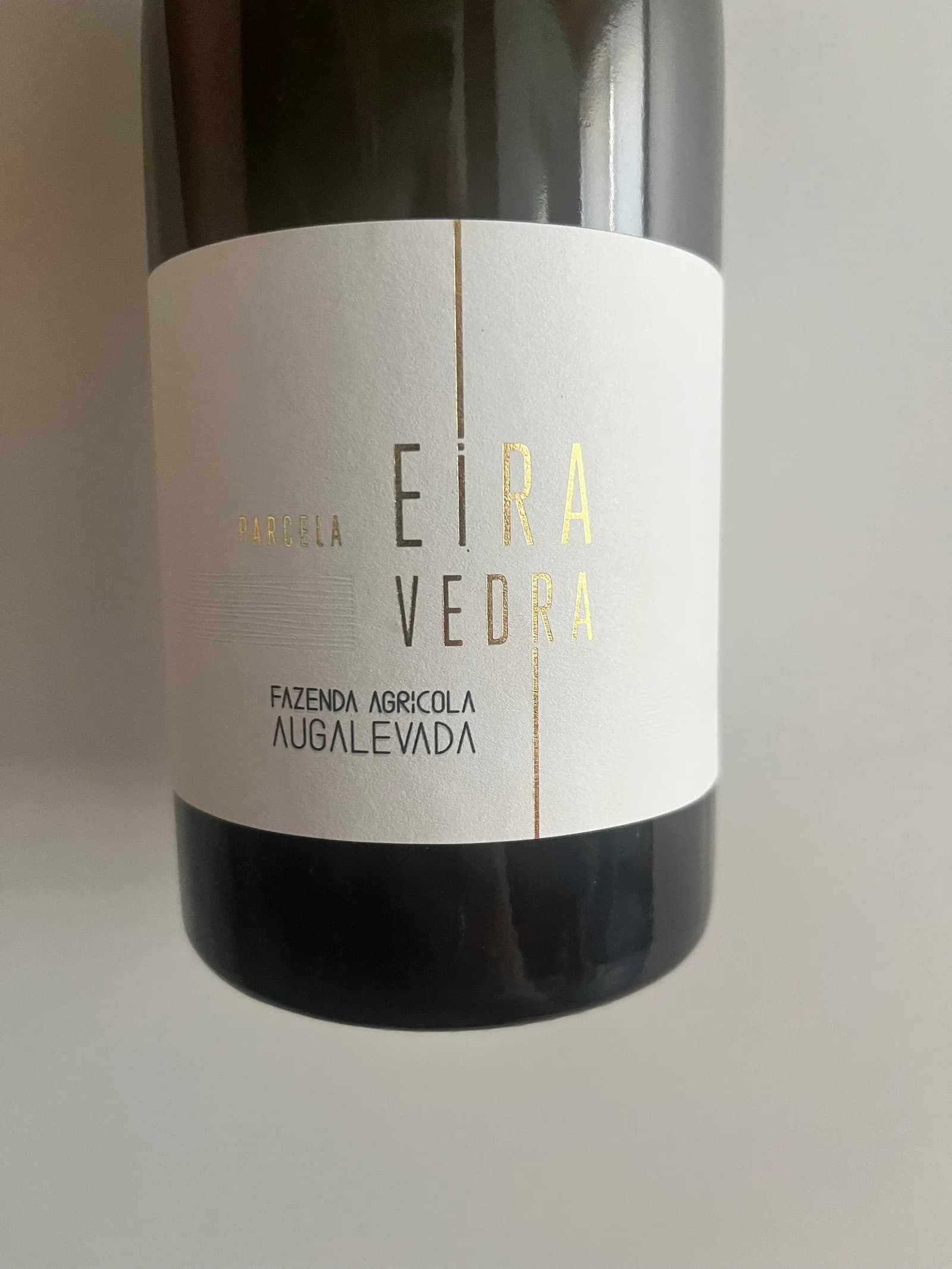
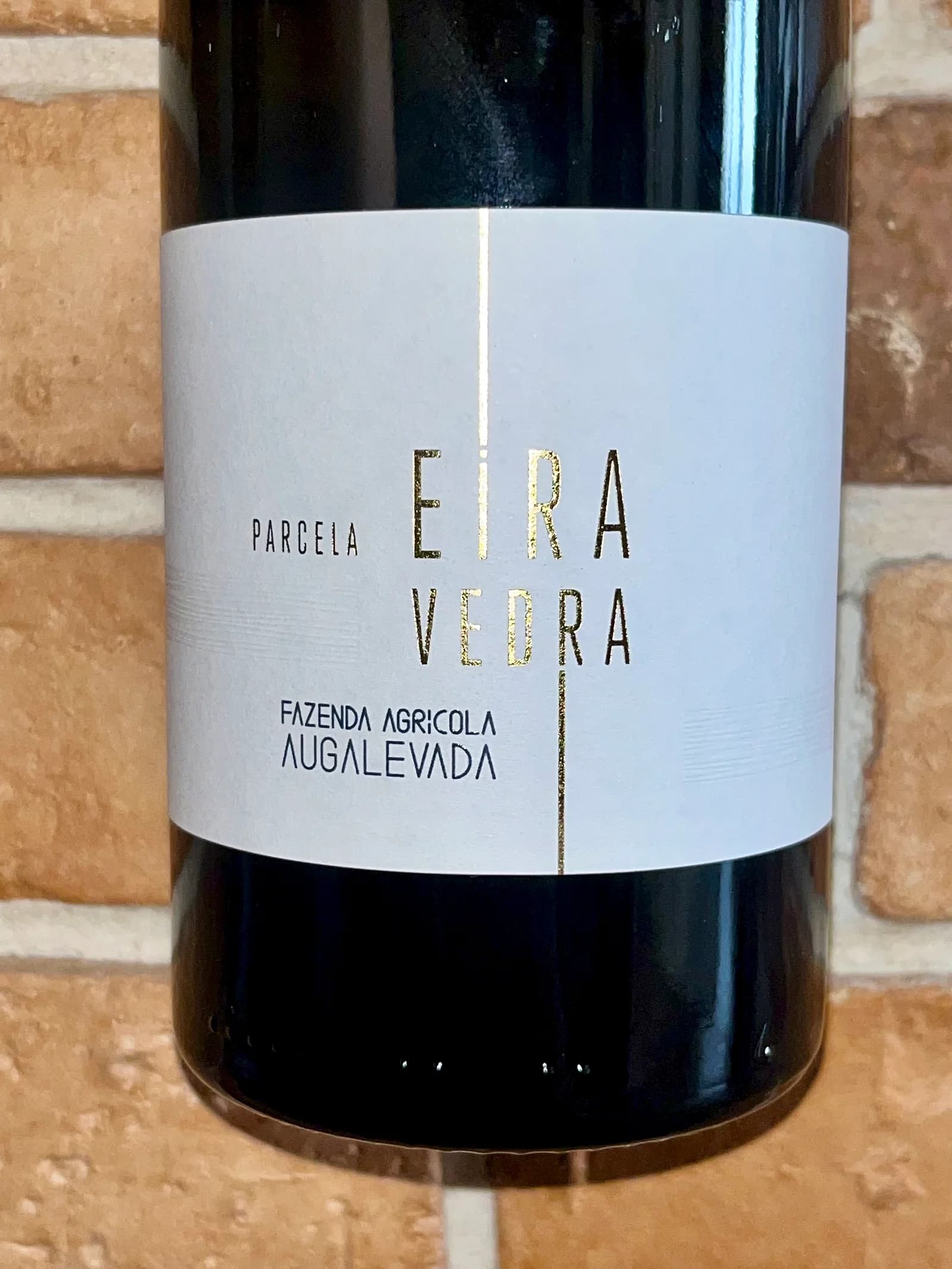
That flor became Augalevada's signature by accident. In 2014 Iago bottled two versions of his first Ollos de Roque - a commercial release aged in oak, and a private experimental batch (later called Número Dous) aged under flor in amphora. He thought the amphora version was a mistake. His friends kept telling him otherwise. He listened, and flor has since become a quiet presence across the range, including on the reds. The Ollos line - Ollos de Roque (flagship white under flor), Ollos Branco, Ollos Tinto, Ollos de Maia (red, partially under flor) - is now the core. The older Mercenario label, made from bought or co-farmed fruit, has been phased out in favour of named-parcel bottlings like Areas de Rei from Monterrei and Eiravedra from the Salnés.
Wines
4.0
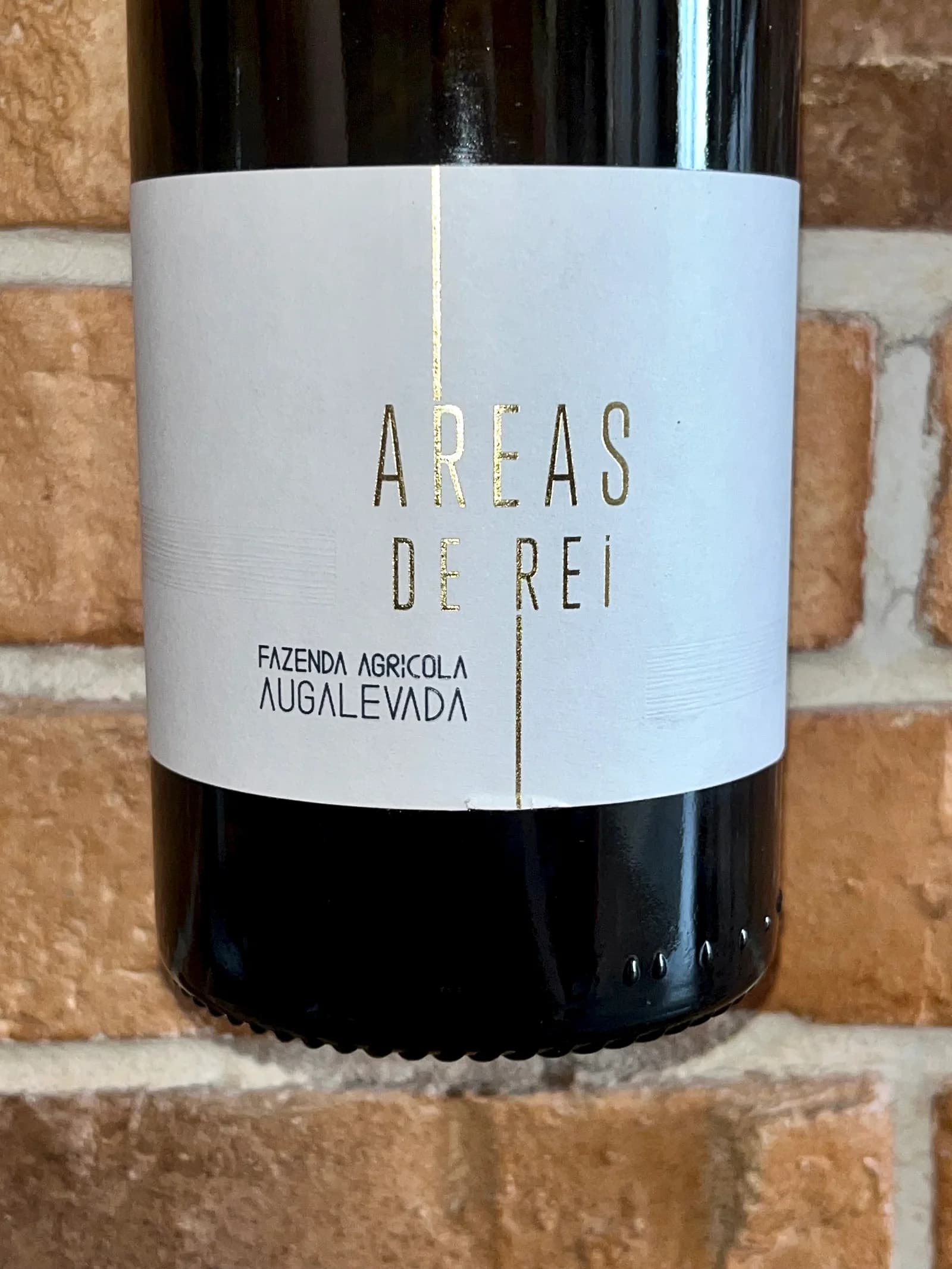
Areas de Rei
2022· Spain
4.1
Areas de Rei
2023· Spain
3.5
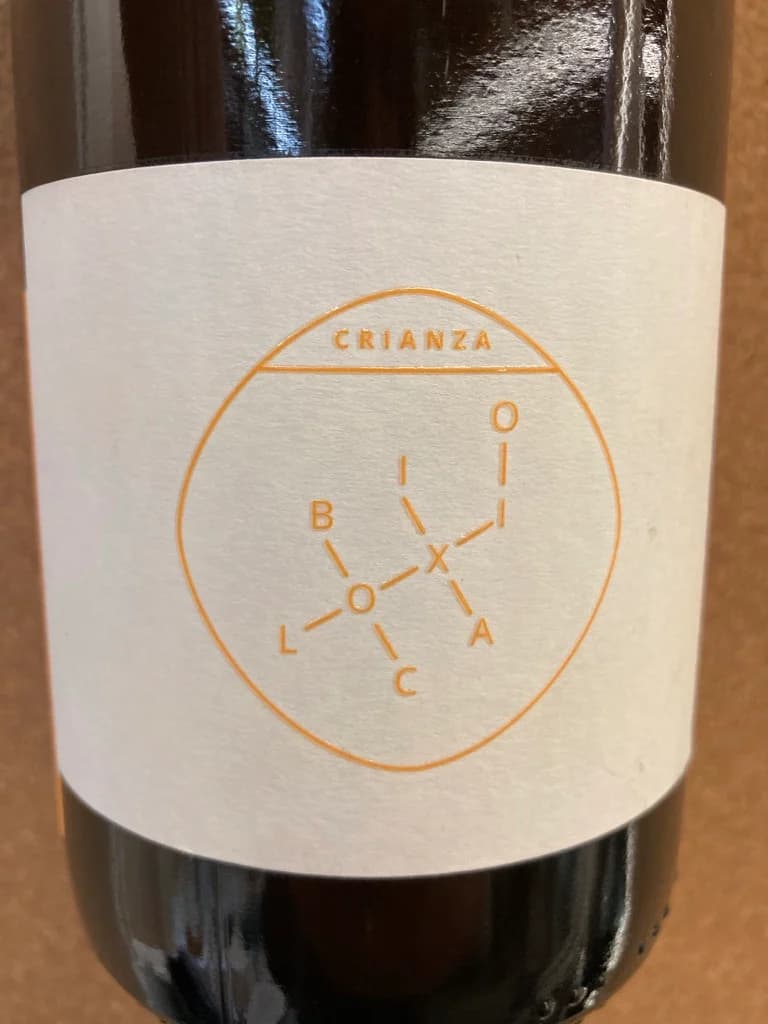
Crianza Bioloxica
2018· Spain
4.0
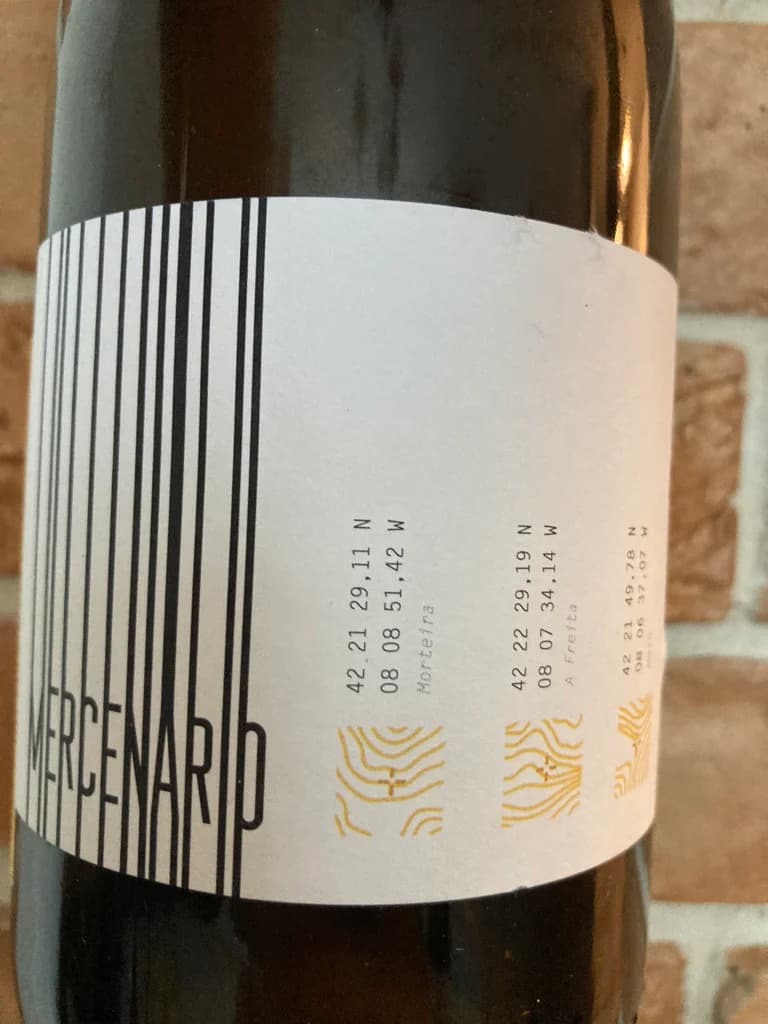
Mercenario branco
2018· Spain
4.2
Mercenario branco
2021· Spain
4.0
Mercenario tinto
2018· Spain
4.1
Mercenario tinto
2021· Spain
3.9
Número Dous
2022· Spain
4.0
Número Dous
2023· Spain
4.1
Ollos Branco
2022· Spain
4.1
Ollos Branco
2023· Spain
4.1
Ollos de Maia
2022· Spain
4.1
Ollos de Maia
2023· Spain
4.1
Ollos de Roque
2020· Spain
4.3
Ollos de Roque
2021· Spain
4.3
Ollos de Roque
2022· Spain
3.9
Ollos Tinto
2022· Spain
3.9
Ollos Tinto
2023· Spain
4.1
Parcela Eiravedra
2022· Spain
4.1
Parcela Eiravedra
2023· Spain