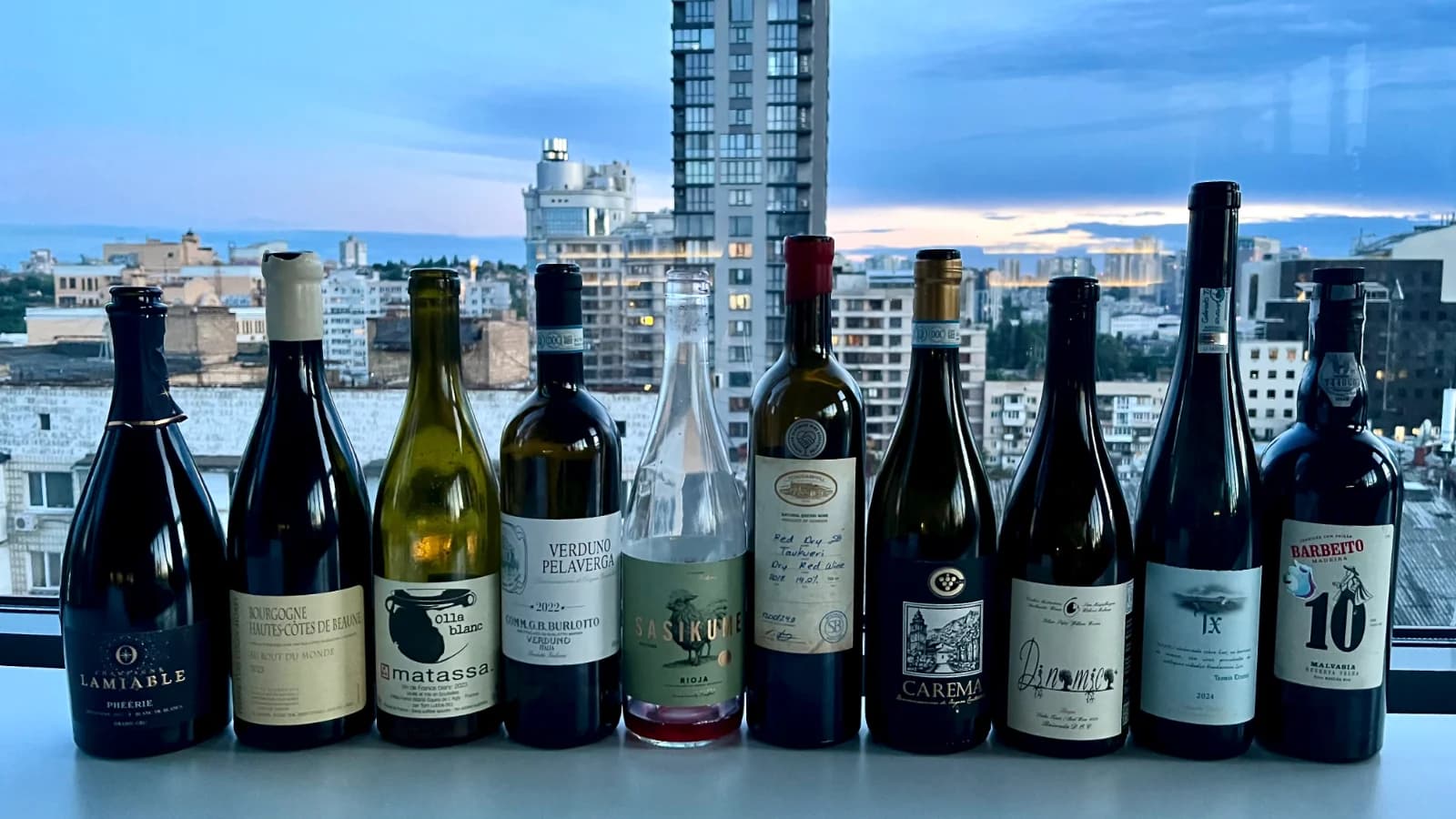
Norm Wines Vol. 5
Buyable bottles that overdeliver, running the full colour wheel from grower Champagne to sweet Madeira.
By Boris · Hosted by Boris Buliga
Norm Wines is the series with the lowest barrier to entry: no trophies, no allocations, no bottles I had to chase for a year. Just wines you can walk into a shop and buy without doing irreversible damage to the family budget, and that everyone at the table actually wants a second glass of. Fifth time around, same principle.
The easy move every year is to bring the crowd-pleaser everyone already expects from me. This time I left it at home. Instead the lineup runs the full colour wheel: a grower Champagne and a white Burgundy to open, a skin-contact orange to bridge, a run of light-to-firm reds from Piedmont, Rioja and Georgia, and a sweet Madeira to send everyone home happy. Eight bottles, five countries, nothing that breaks the bank.
Here is what is on the table.
Lamiable Phéérie 2017
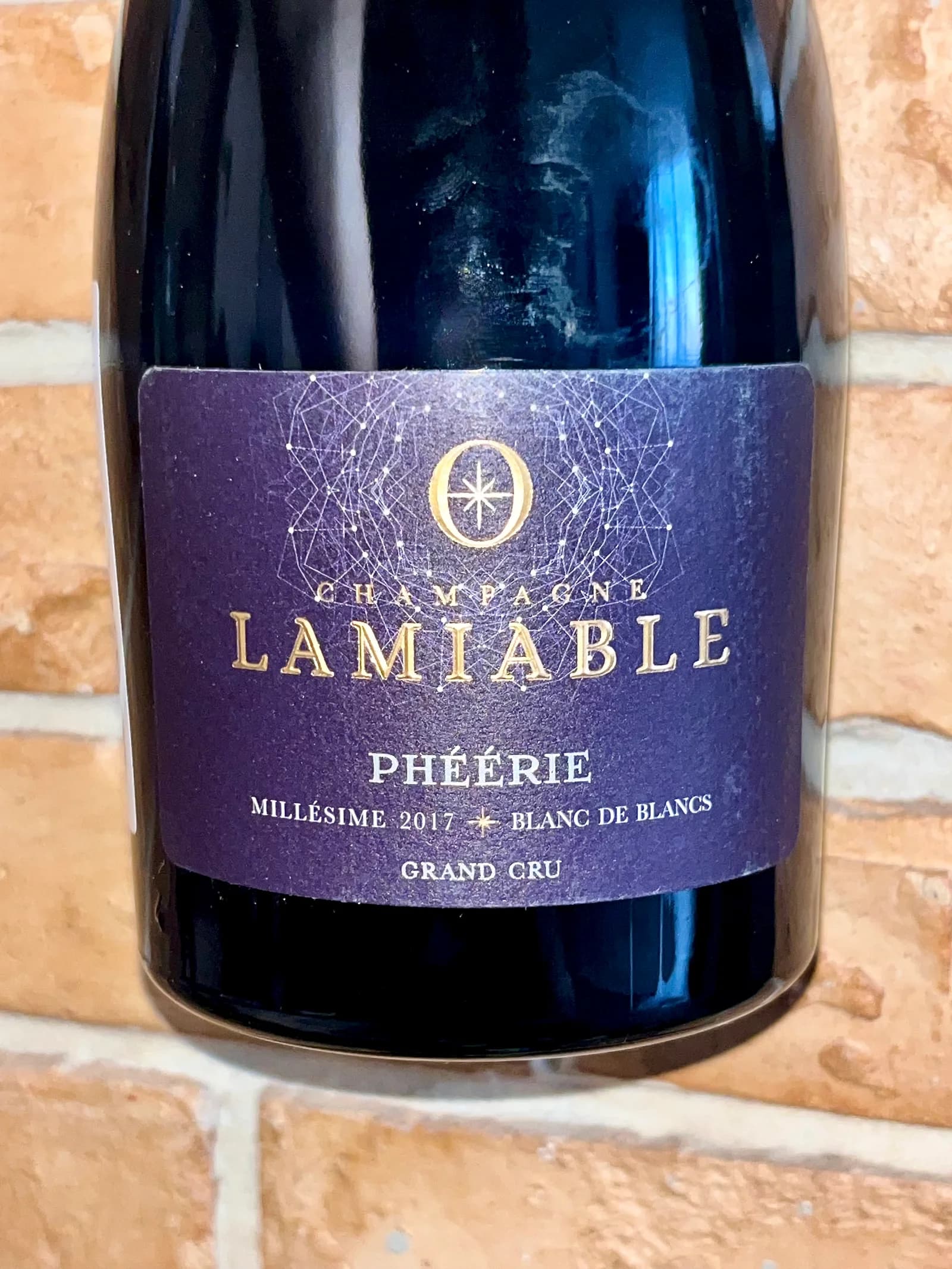
We start with bubbles. Champagne Lamiable is a small grower in the Grand Cru village of Tours-sur-Marne, run today by Ophélie Lamiable and her husband Arnaud, with a range that is mostly Pinot-led. Phéérie is the exception: a vintage Blanc de Blancs, 100% Chardonnay from old vines. The 2017 was harvested in September 2017, bottled the following March, and disgorged only in May 2024 after roughly six years on the lees, finished as an extra-brut.
The full note is for members.
Join to read it and the restPierre-Yves Colin-Morey Bourgogne Hautes-Côtes de Beaune Au Bout du Monde 2023
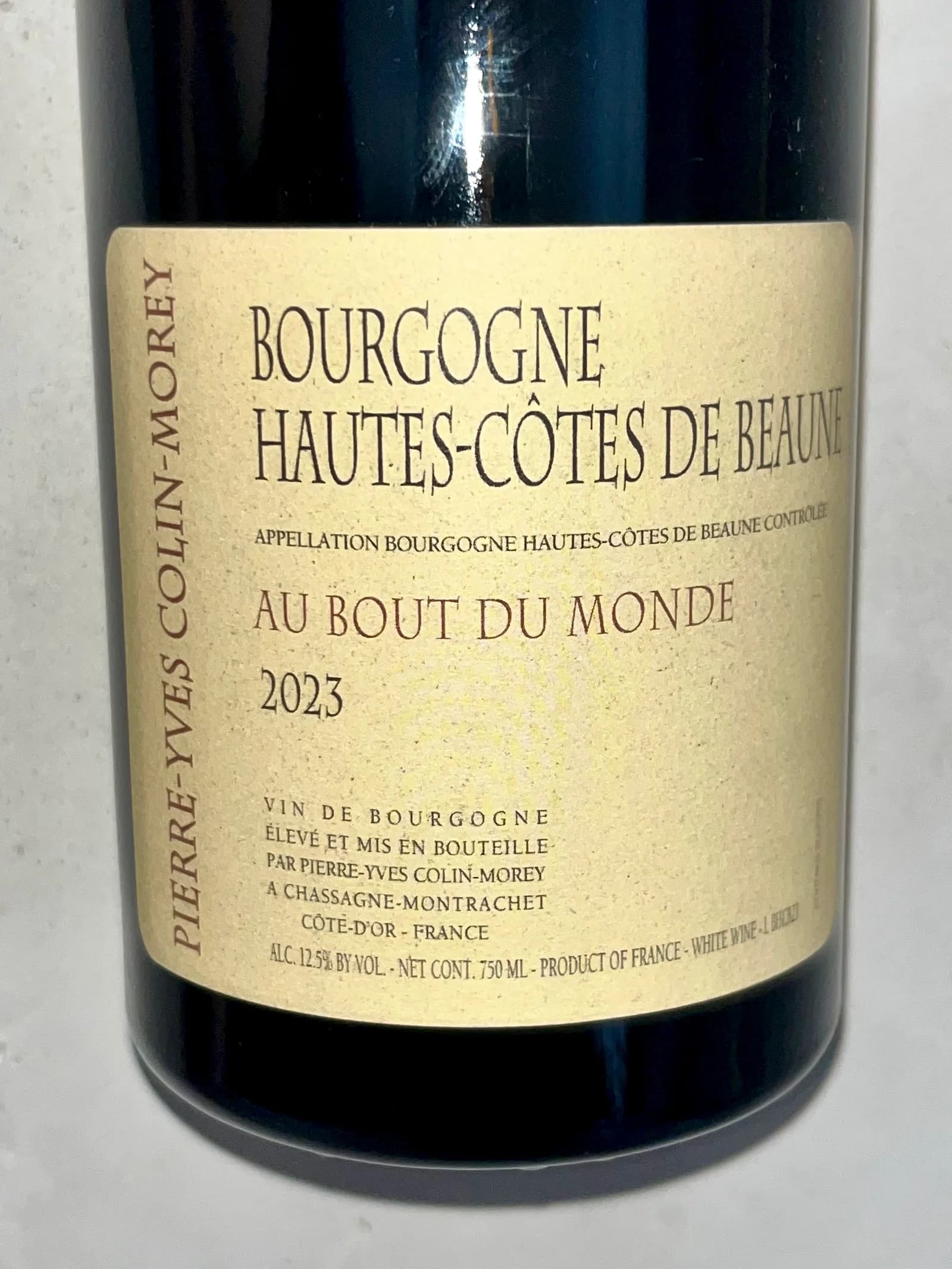
Still Chardonnay, a different register. Pierre-Yves Colin-Morey, son of Marc Colin, set up his own Chassagne-Montrachet domaine in the mid-2000s and is known for raising his whites in 350-litre demi-muid barrels, which put more wine against proportionally less oak, with a longer than usual élevage. Au Bout du Monde, the end of the world, is his name for a set of high, steep, cold limestone-clay parcels in the Hautes-Côtes de Beaune that he took on in 2014. Native-yeast ferment, demi-muid raising, bottled unfined and unfiltered.
The full note is for members.
Join to read it and the restMatassa Olla Blanc 2023
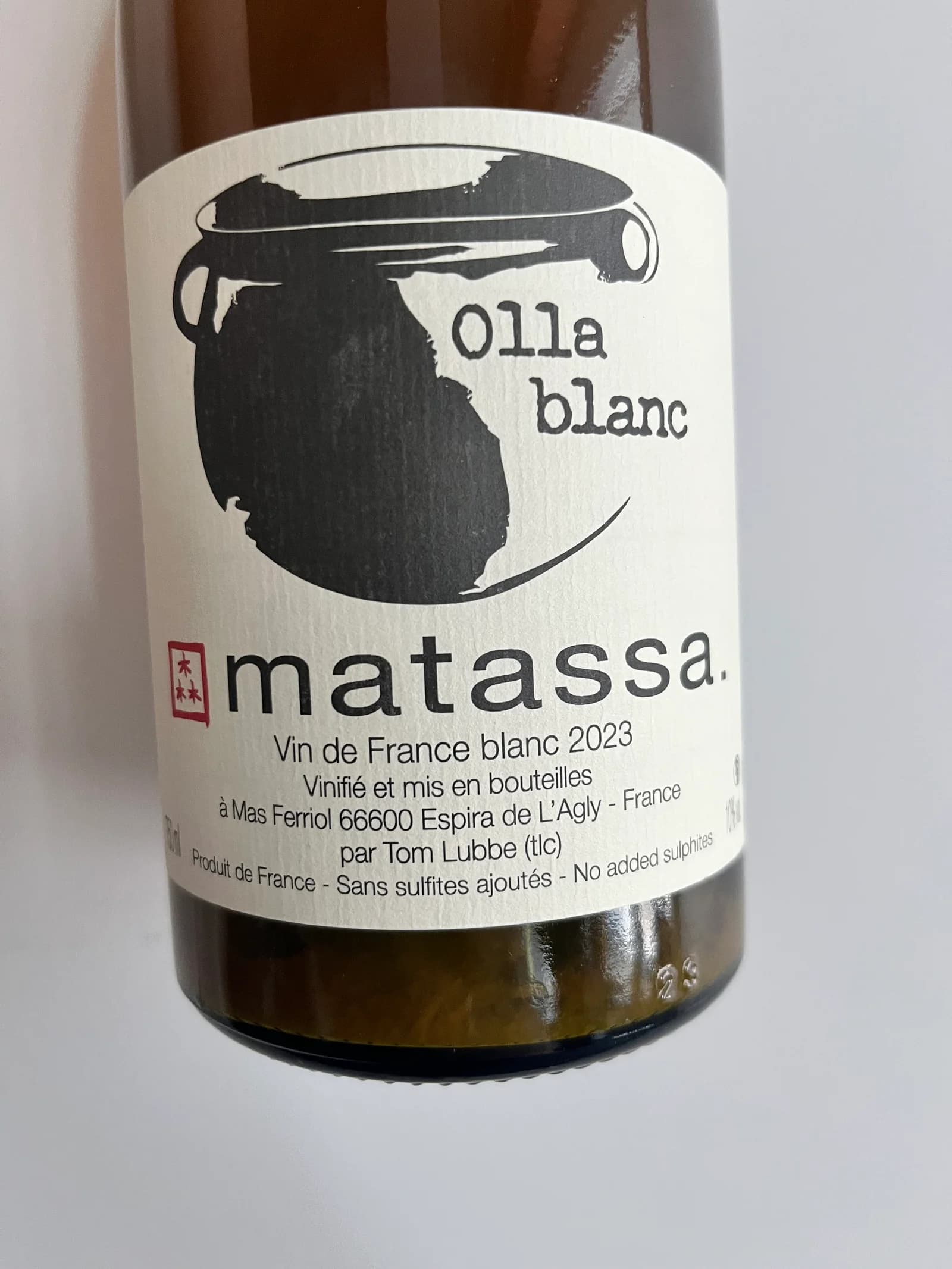
The bridge between white and red: an orange wine. Tom Lubbe's Matassa, founded in 2003 in Calce, is one of the names that helped define French natural wine, farming organically with native yeasts and no added sulphur since 2015. Olla Blanc is a skin-contact white of Macabeo and Grenache, whole-cluster macerated and raised in concrete; the name nods to the Catalan earthenware olla drawn on the label, though the wine itself sees concrete rather than clay. It comes in at around 10% alcohol.
The full note is for members.
Join to read it and the restComm. G.B. Burlotto Verduno Pelaverga 2022
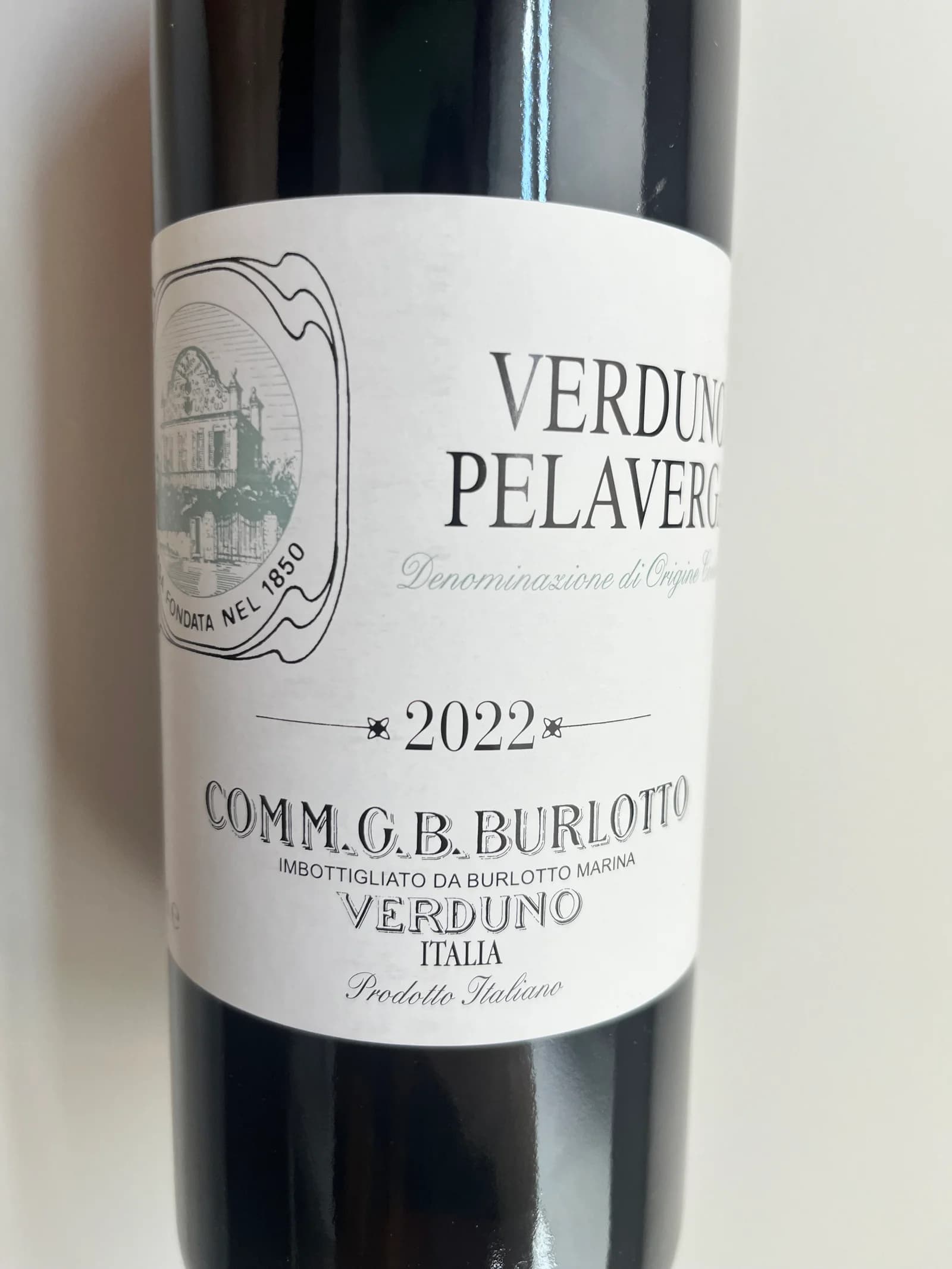
Into the reds, lightest first. G.B. Burlotto sits in Verduno, at the cooler northern edge of the Barolo zone, and is run today by Fabio Alessandria, best known for its whole-cluster, foot-trodden Monvigliero. Verduno Pelaverga is its take on Pelaverga Piccolo, a native grape grown almost only around Verduno that had nearly disappeared before the Verduno Pelaverga DOC was created in 1995. It is made without the long macerations and large-cask ageing of the estate's Barolo.
The full note is for members.
Join to read it and the restBodegas Bhilar Sasikume Bastardo 2024
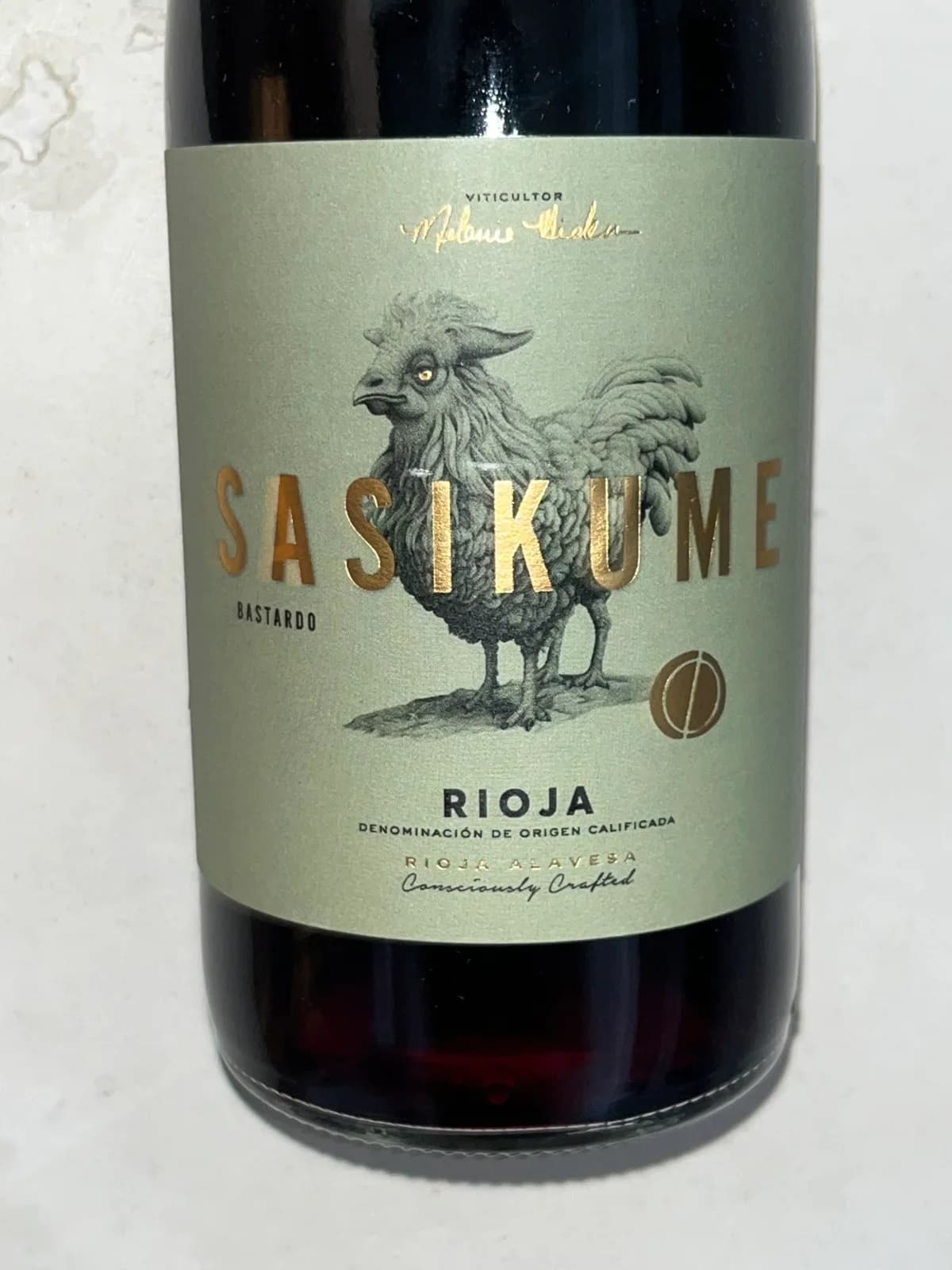
From Rioja Alavesa, but a long way from the oak-and-Tempranillo cliche. Bodegas Bhilar, in Elvillar de Álava, is David Sampedro Gil's organic and biodynamic estate, horse-ploughed and built around an off-grid, gravity-fed cellar. Sasikume is the parallel project of his partner Melanie Hickman under the Etérea Kripan label, sharing the same cellar; Bastardo is the Iberian name for Trousseau, a variety nearly lost in Rioja, here from a small biodynamic parcel planted to bring it back. It is bottled at a low 12%.
The full note is for members.
Join to read it and the restTchotiashvili Tavkveri SB 2018
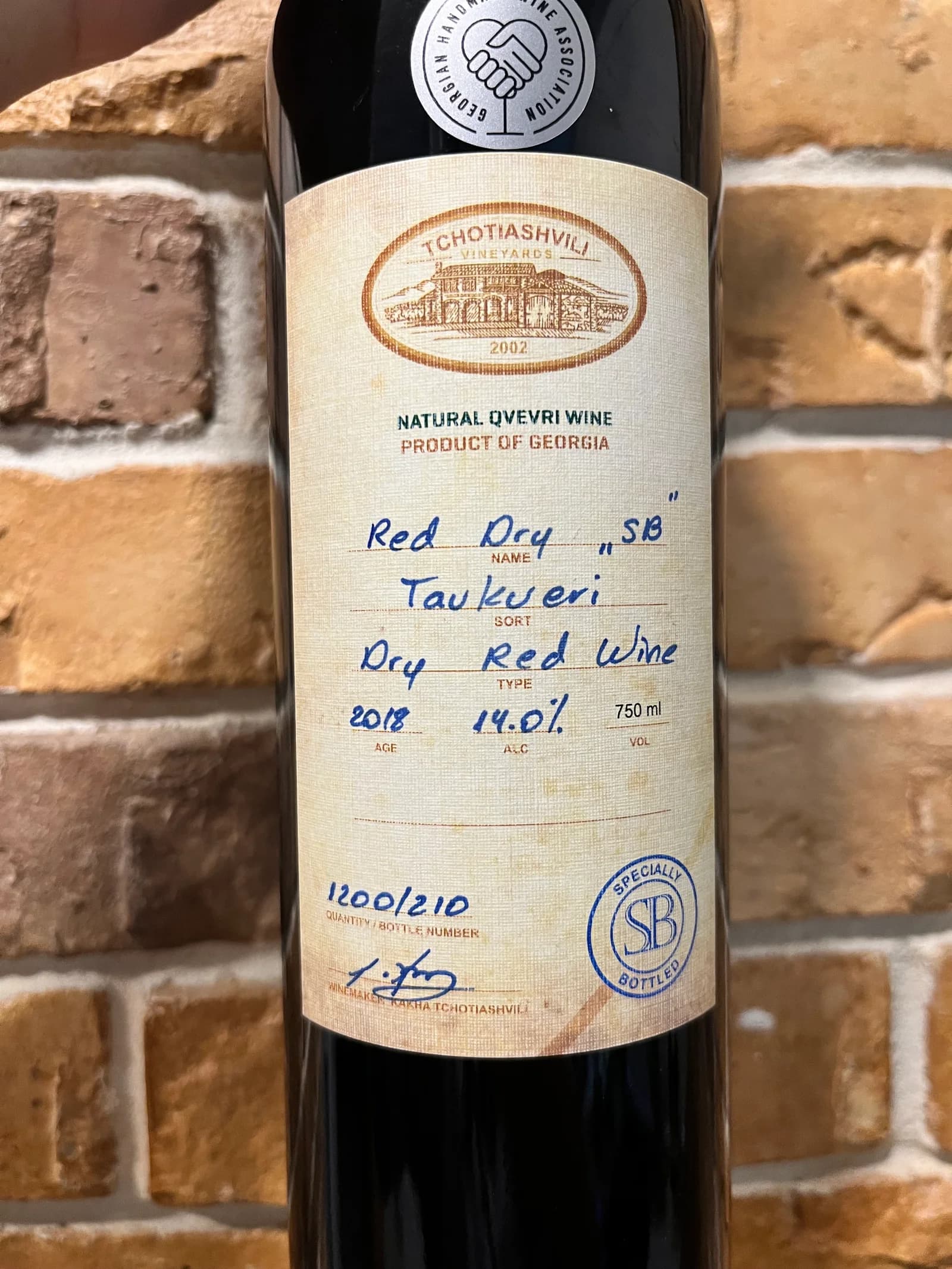
The curveball. The Tchotiashvili family has made wine for six generations at Saniore in Kakheti, working in the Georgian qvevri tradition. Tavkveri is a red grape native to the Kartli region, made here in the buried earthenware qvevri rather than in steel. The SB on the label stands for Specially Bottled, the producer's hand-numbered, signed selections released only after the winemaker's approval; this is the 2018.
The full note is for members.
Join to read it and the restCantina Produttori Nebbiolo di Carema Carema 2020
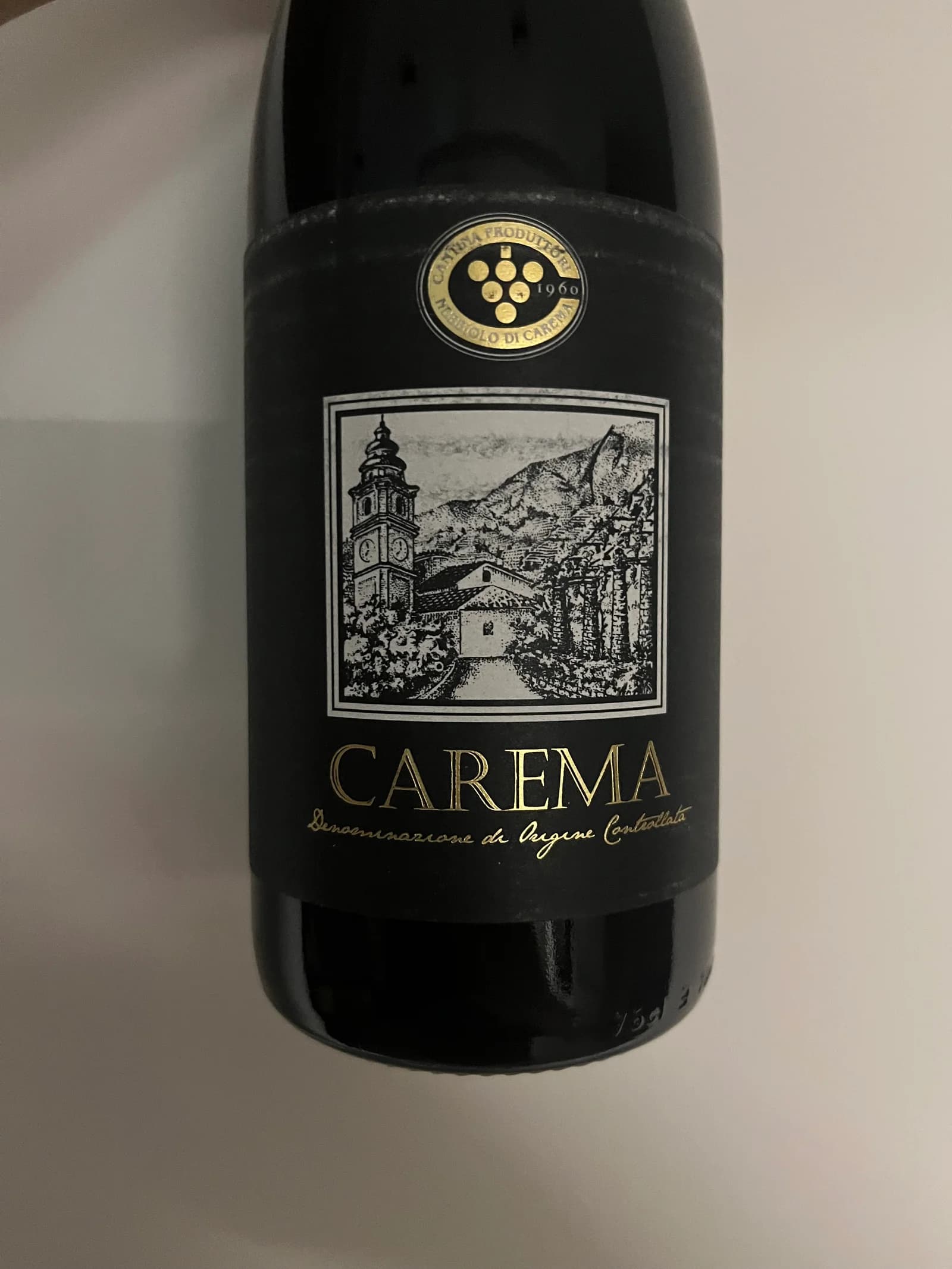
The serious red before dessert. The Cantina dei Produttori Nebbiolo di Carema is a cooperative founded in 1960, farming tiny terraced pergola vineyards that climb the alpine edge of Piedmont toward the Aosta Valley. This is the black-label Carema Classico, made entirely from Nebbiolo, known here as Picotendro. Its back label notes the 2020 was released after at least three years of ageing, with time in large oak or chestnut botti.
The full note is for members.
Join to read it and the restBarbeito Malvasia Reserva Velha 10 years
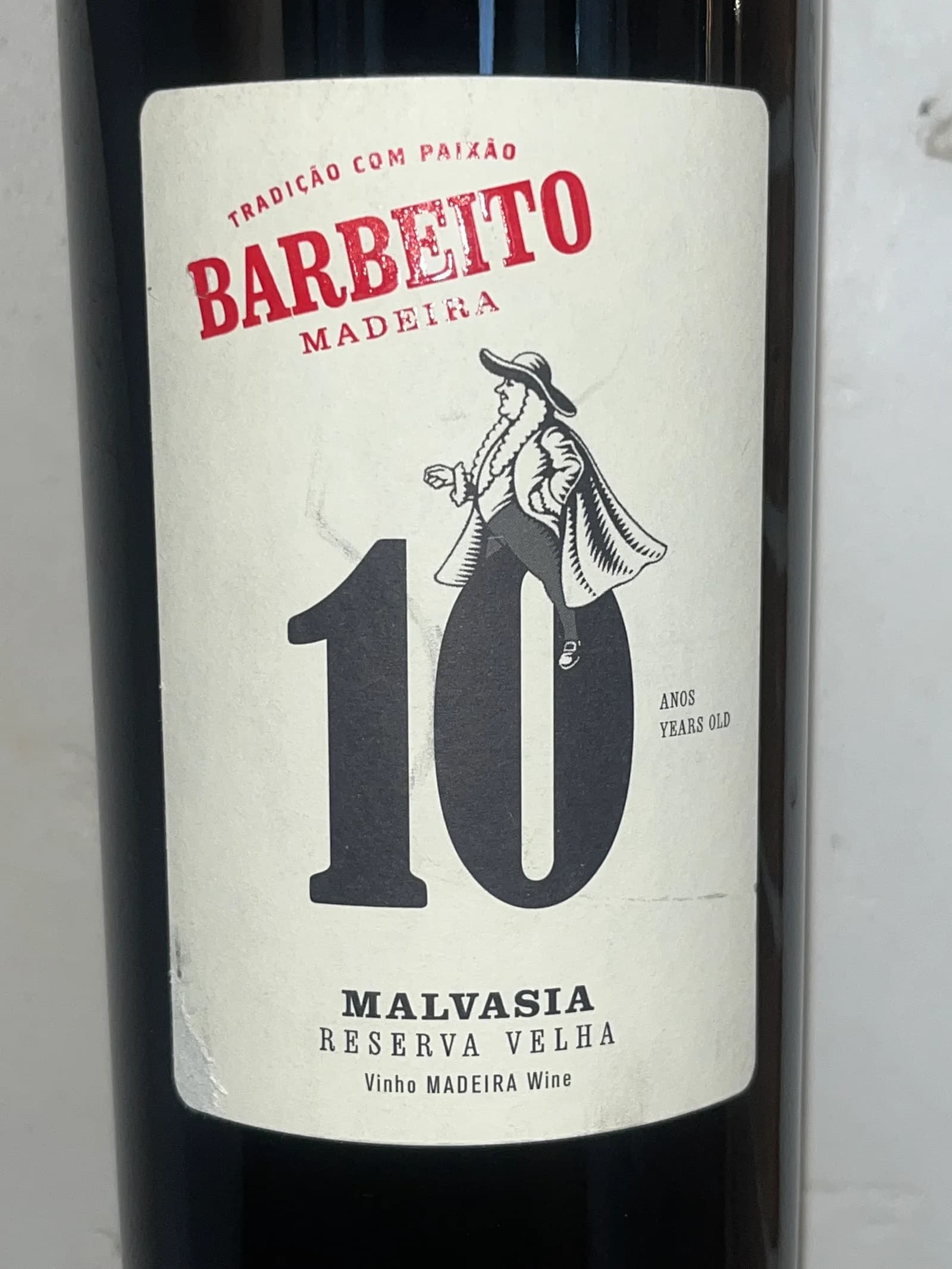
And we finish sweet. Vinhos Barbeito, founded in Funchal in 1946 and now based in Câmara de Lobos under Ricardo Diogo Freitas, favours the slow canteiro method, ageing casks in the warmth of the lodge lofts rather than in the heated estufa tanks used for entry-level Madeira. This is a Malmsey-style Madeira, a multi-cask blend of Malvasia Branca de São Jorge aged at least ten years in old French oak and bottled at 19%. A small glass to close, and a reminder that fortified wine belongs at every table.
The full note is for members.
Join to read it and the rest