All producers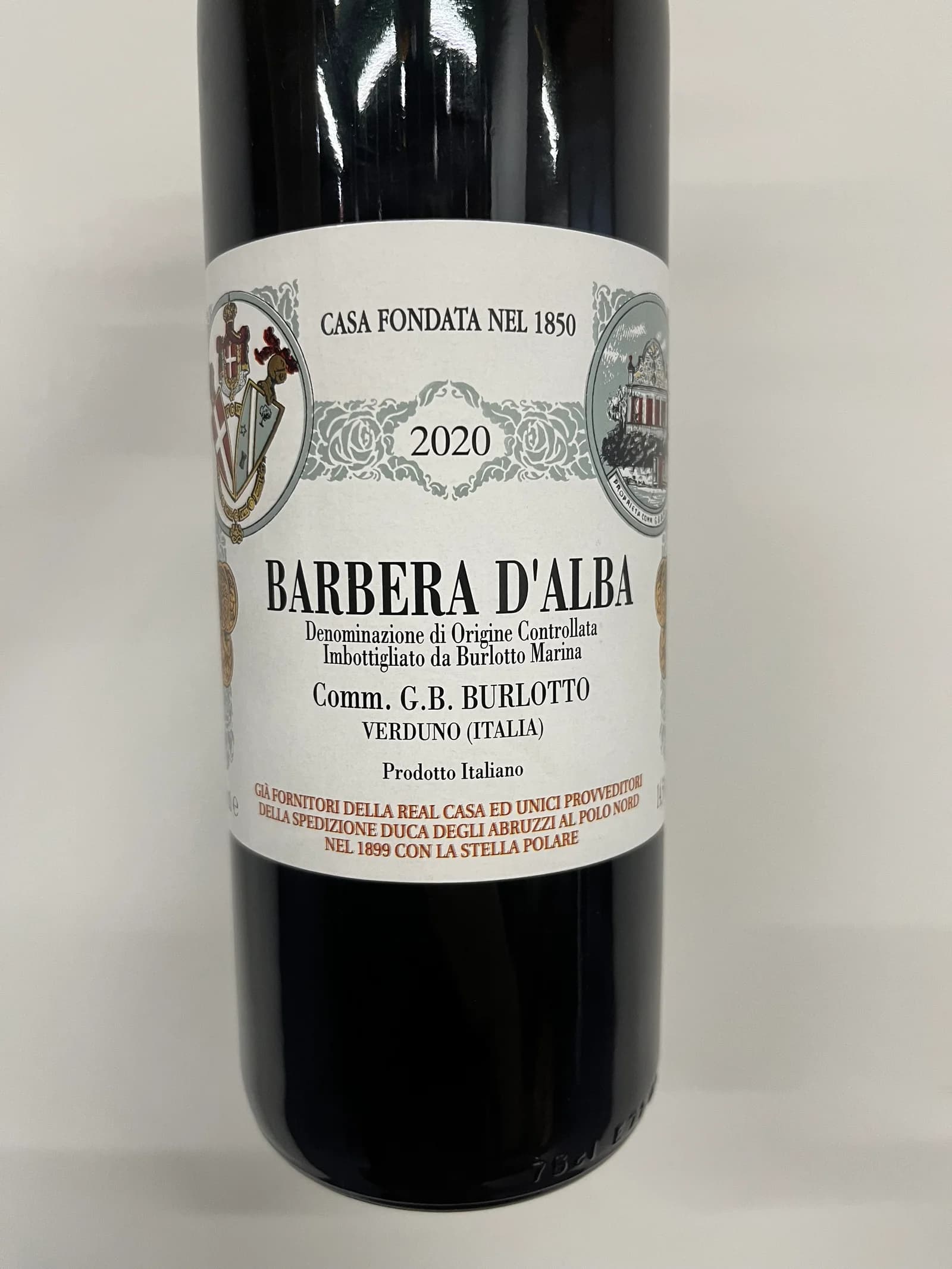
Comm. G.B. Burlotto
Barolo, Italy32 wines4.3 avg
293
Traditional Barolo from Verduno - foot-trodden Monvigliero, sixteen hectares across fourteen crus, and a long, quiet line of succession.
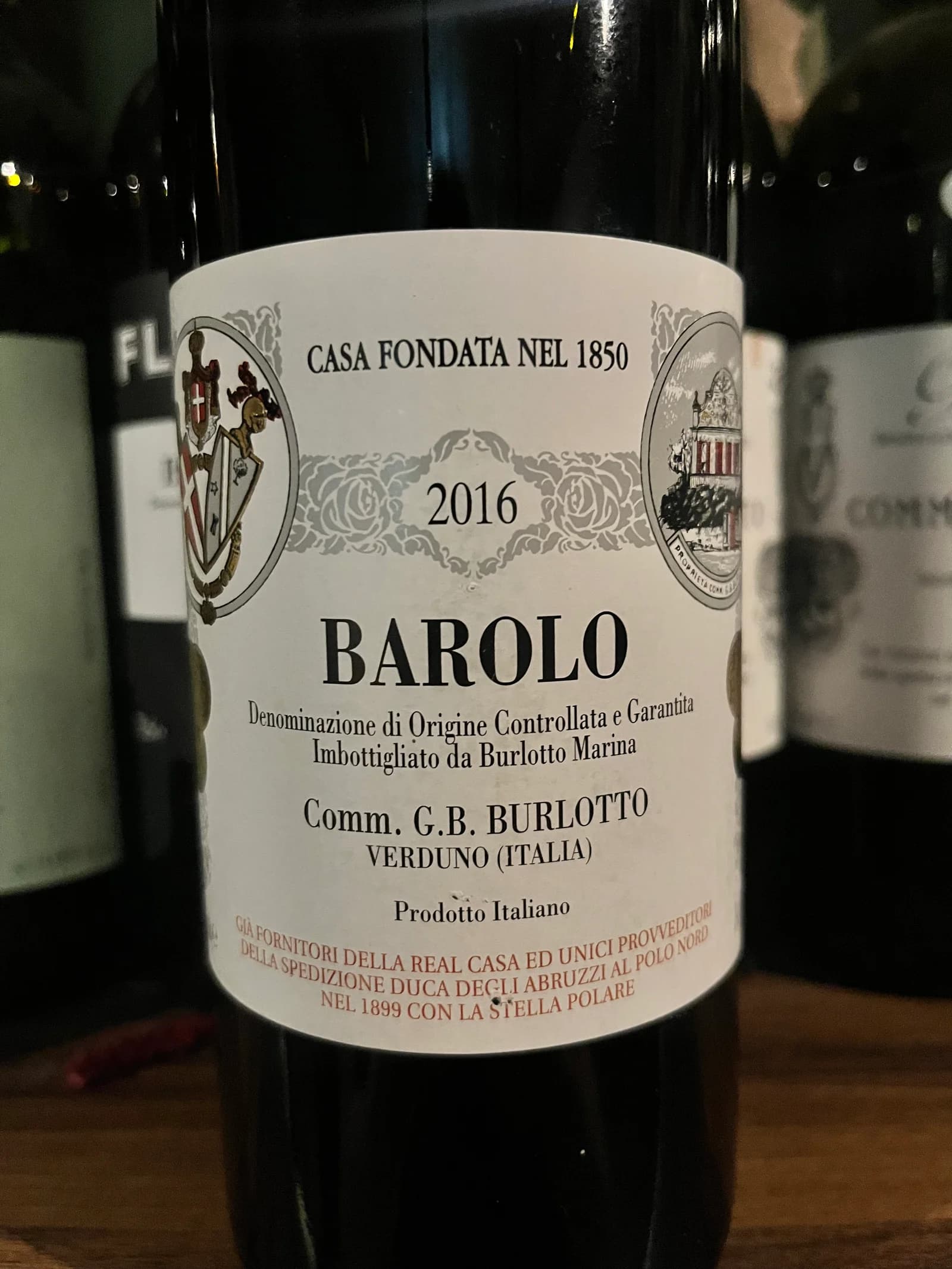
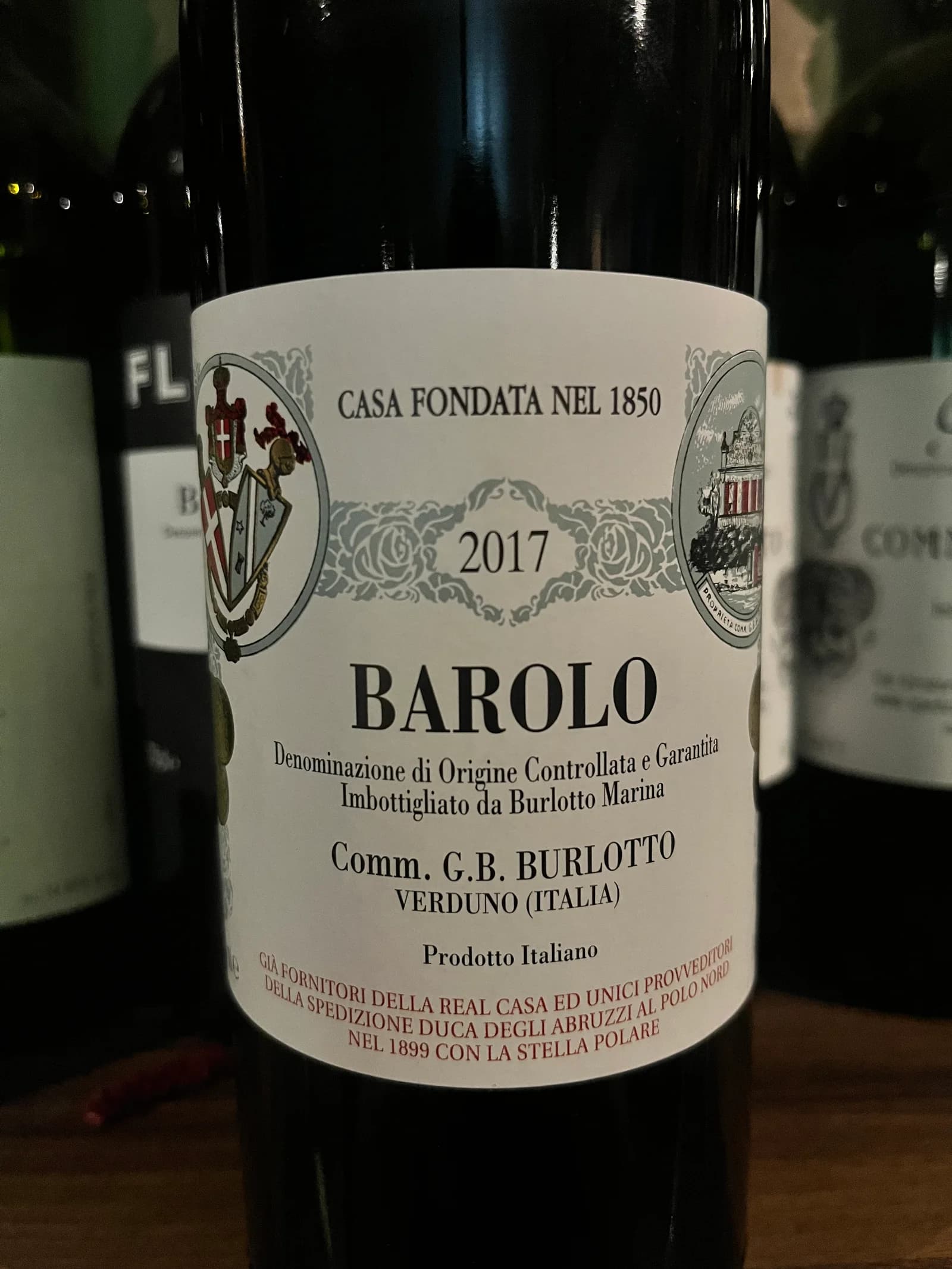
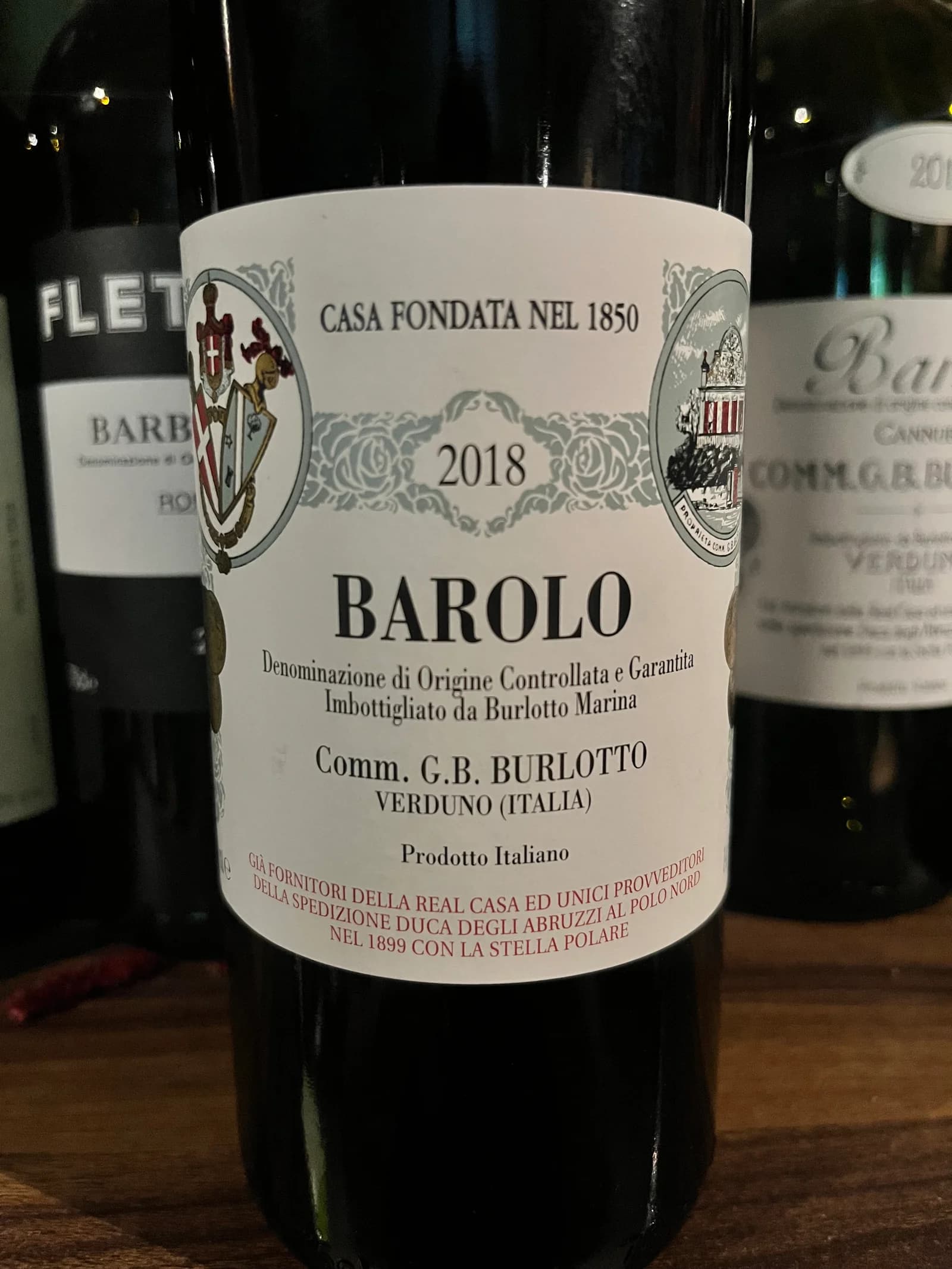
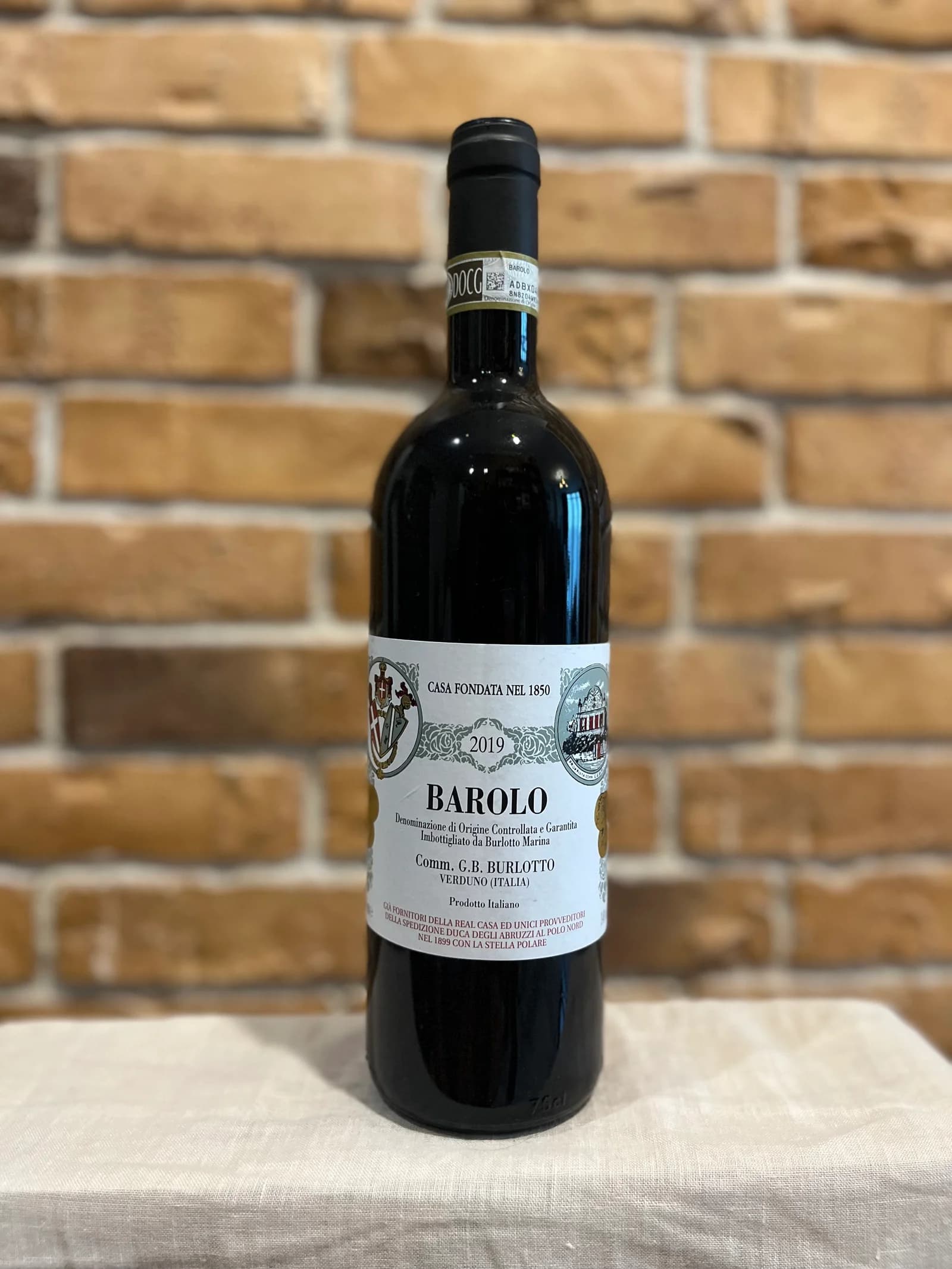
Burlotto sits in Verduno, at the cooler, paler northern edge of the Barolo zone. The estate was founded in 1850 by Giovan Battista Burlotto, who did something unusual for his time: he bottled his Barolo under the estate's own name while most producers were still selling in cask or demijohn. His wines reached the House of Savoy, who named him their official supplier, and in 1899 his Barolo travelled with Duke Luigi Amedeo of Abruzzi's expedition to the North Pole. He was later awarded the title of Commendatore - the "Comm." on the label - in recognition of his contribution to the local economy. He died in 1927.
The estate quieted after that. Verduno spent much of the 20th century overshadowed by the more muscular communes to the south. Burlotto held the vineyards, but the wider attention moved elsewhere.
Fabio Alessandria, great-great-grandson of the founder, now runs the estate. The vineyard is just over sixteen hectares across fourteen crus in four municipalities - Verduno, Barolo, Monforte d'Alba, and Roddi.
Monvigliero is the estate's signature. Whole clusters, foot-trodden, up to sixty days on the skins, long aging in large botti. It is one of the last places in Barolo where this method is still applied at this scale.
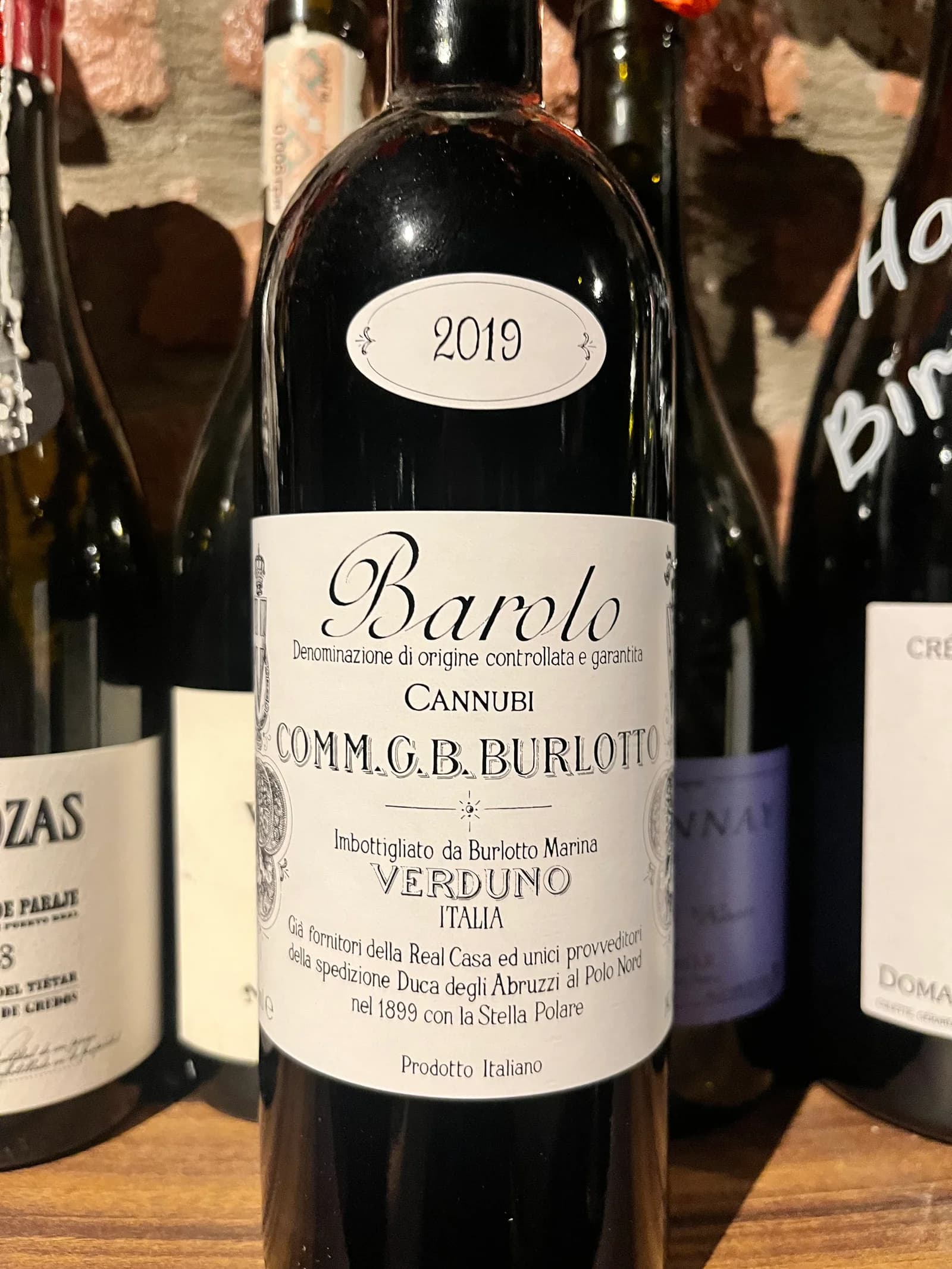
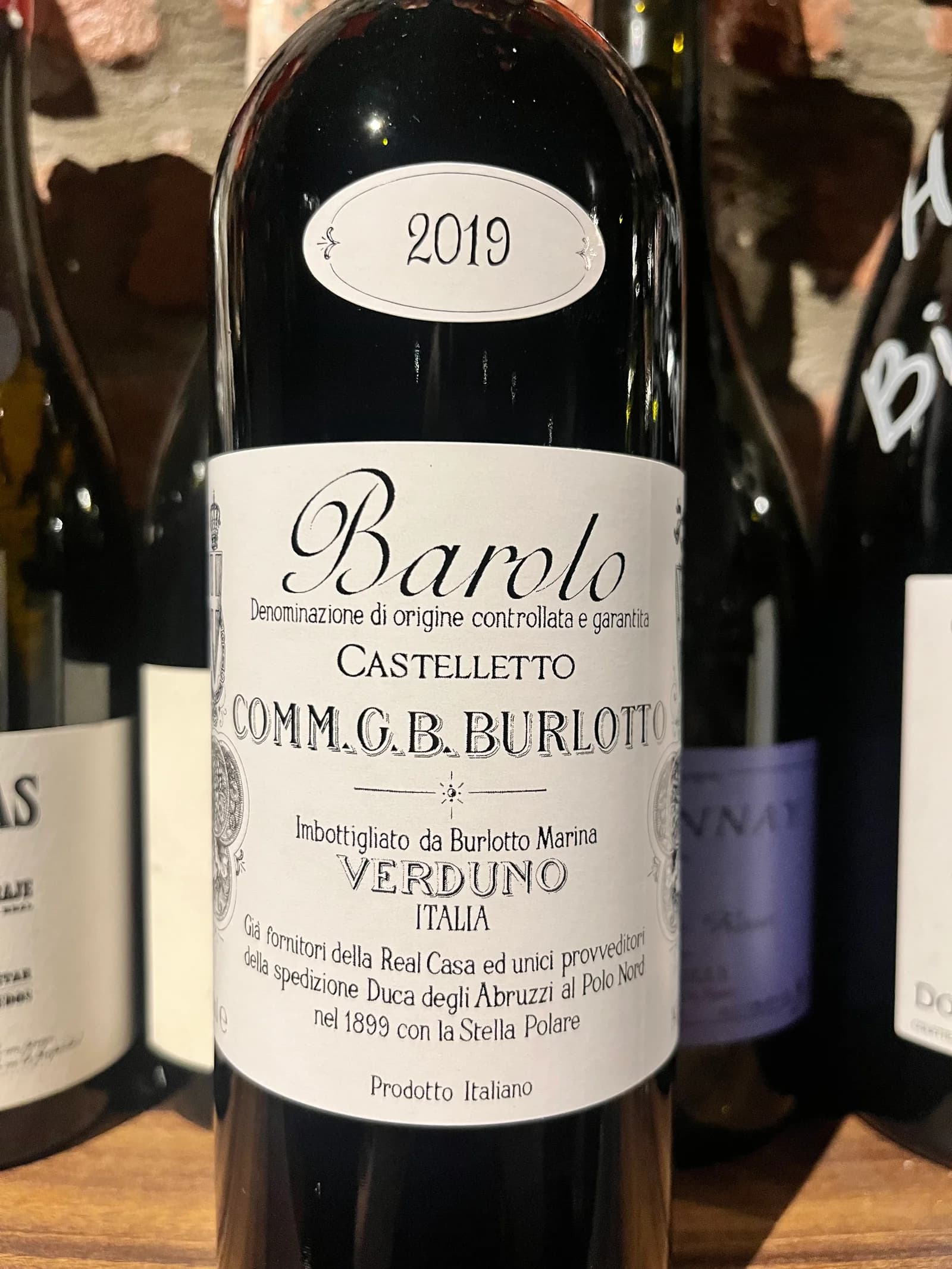
Acclivi is a blend of top Verduno parcels - Monvigliero, Neirane, Rocche dell'Olmo, Boscatto - made only in strong vintages. Cannubi comes from a small 0.7-hectare parcel in Barolo proper; Castelletto, new since the 2018 vintage, comes from Monforte.
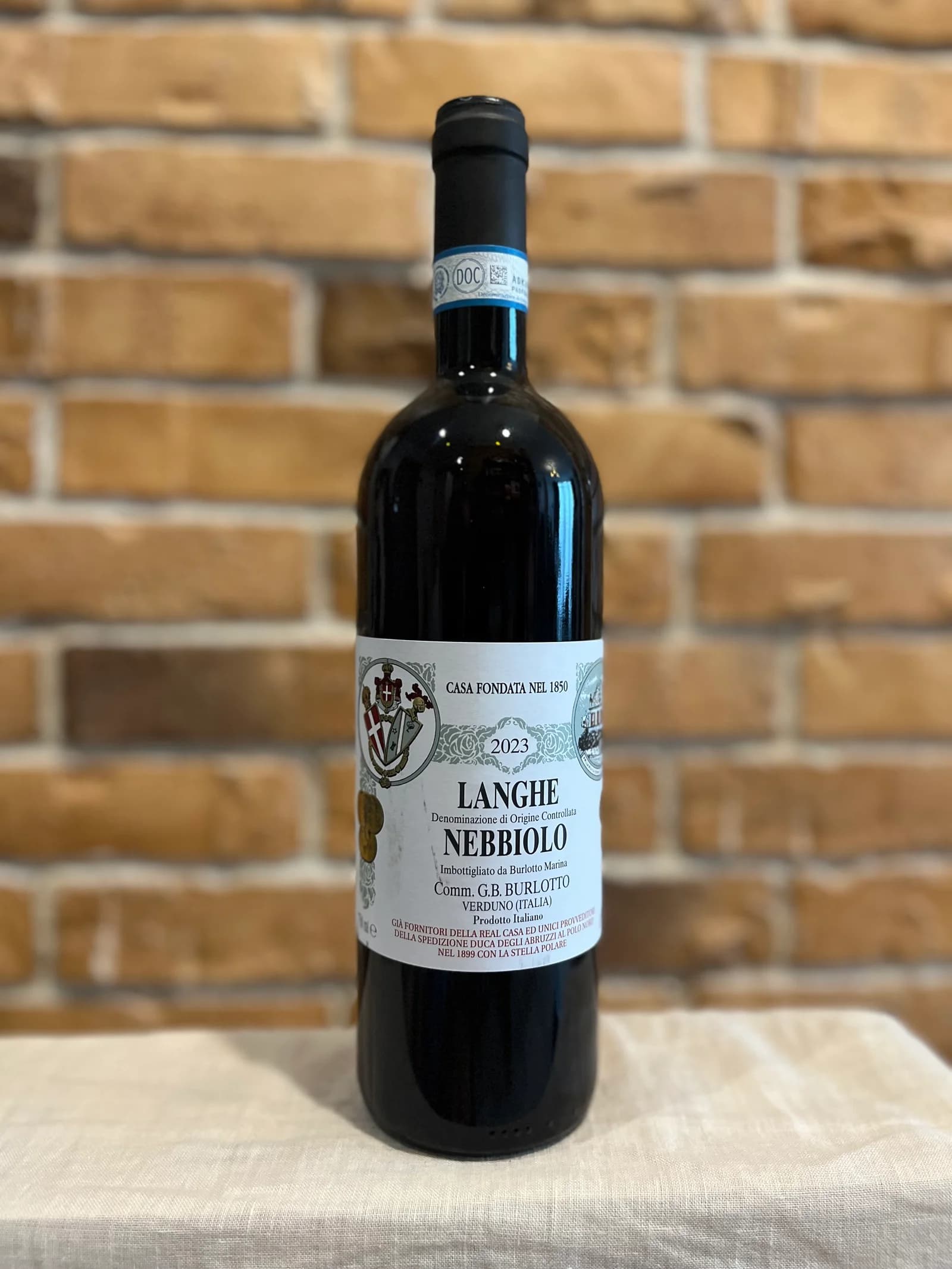
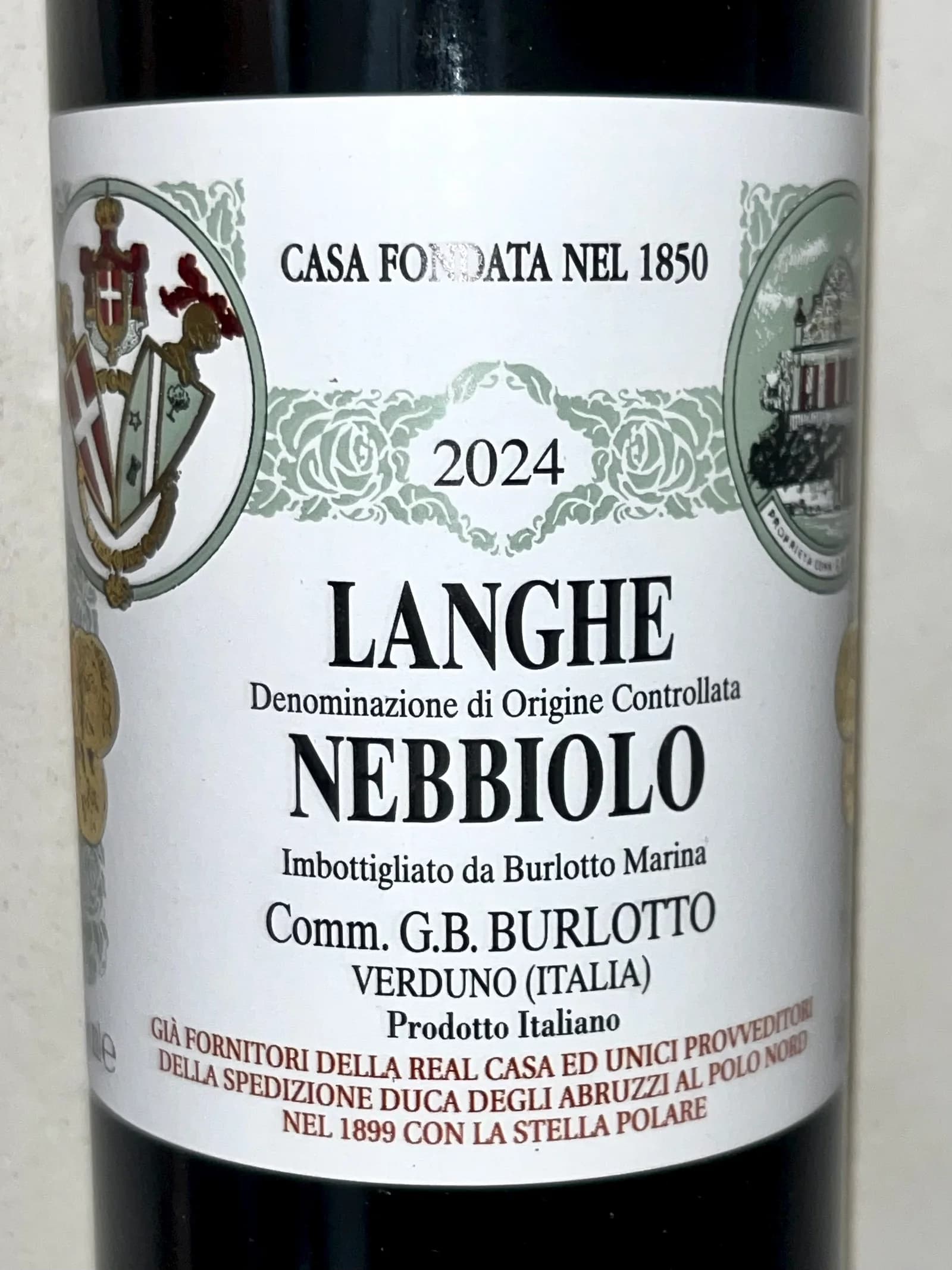
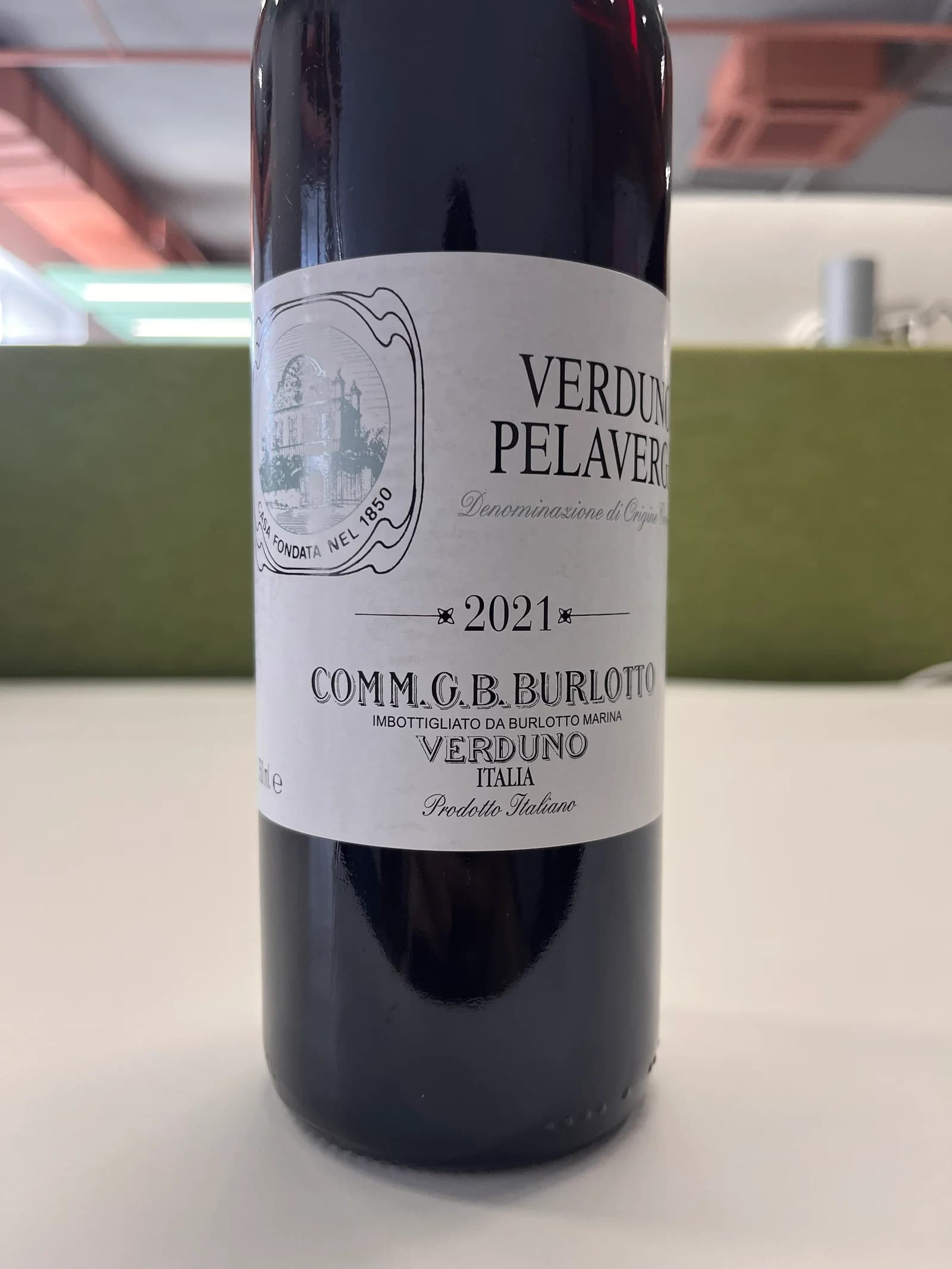
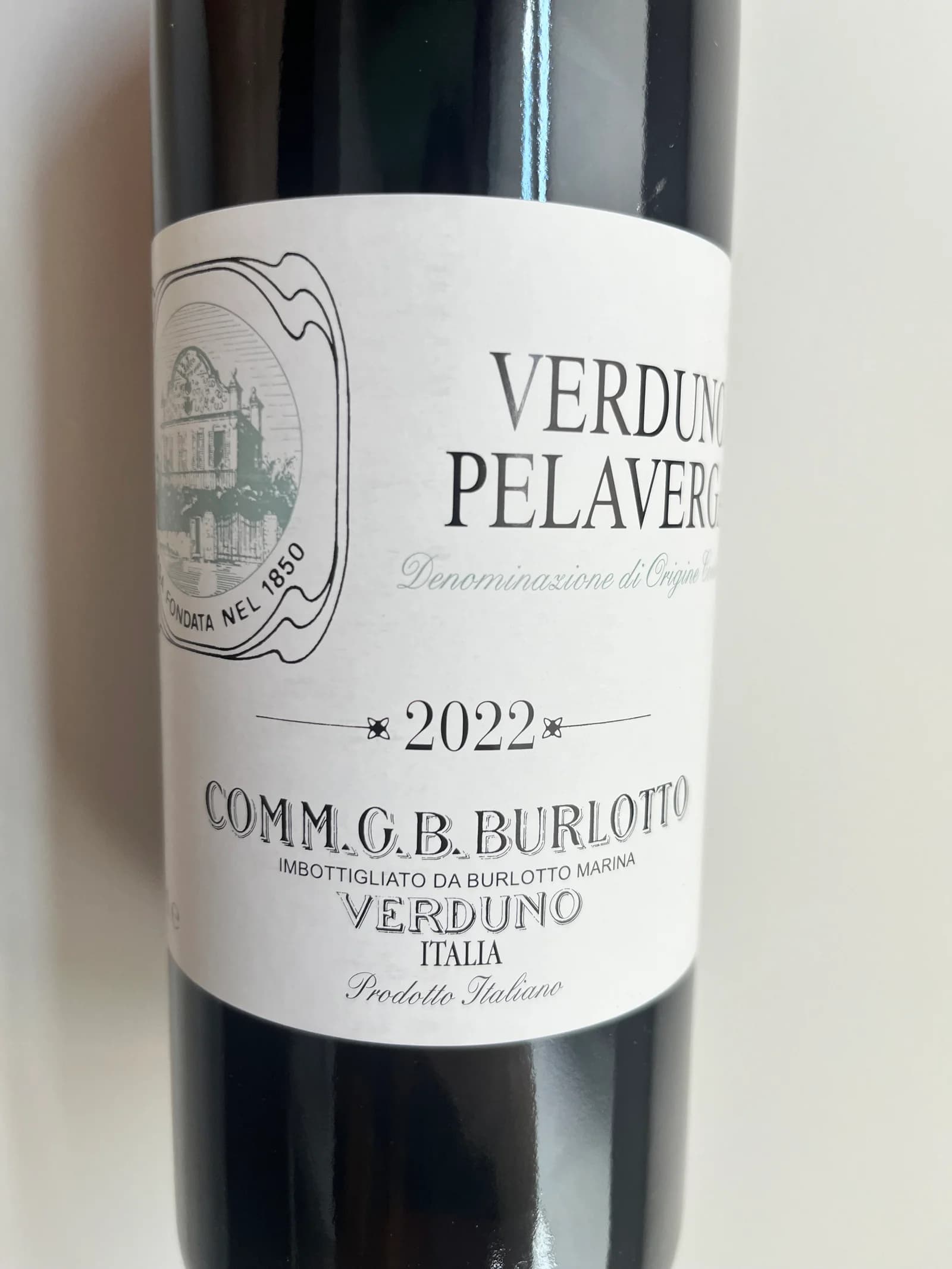
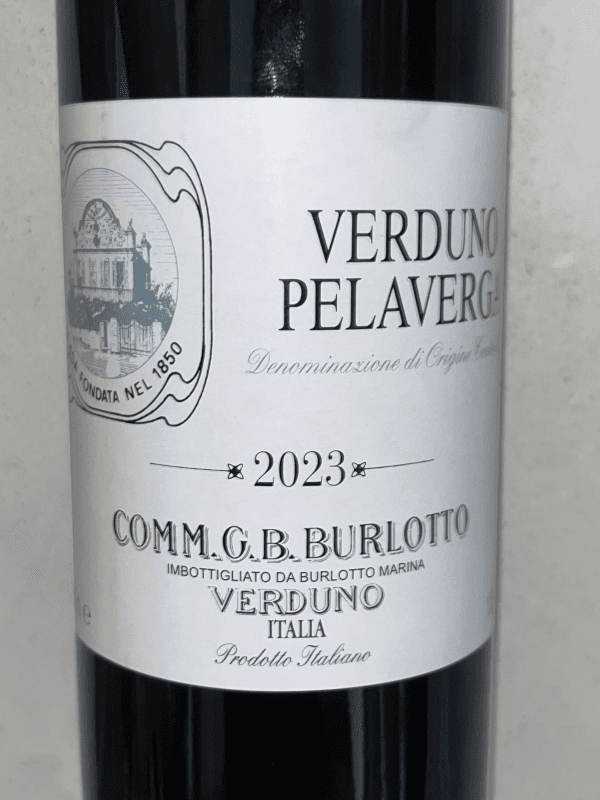
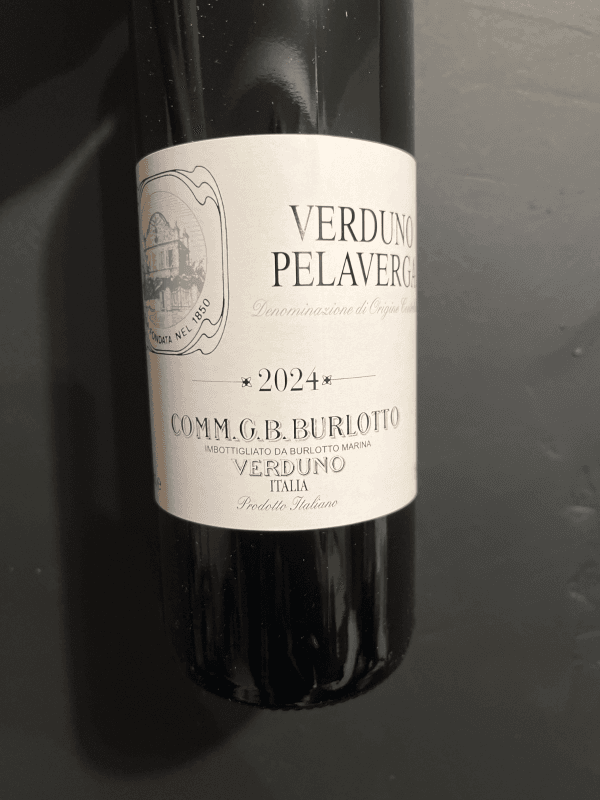
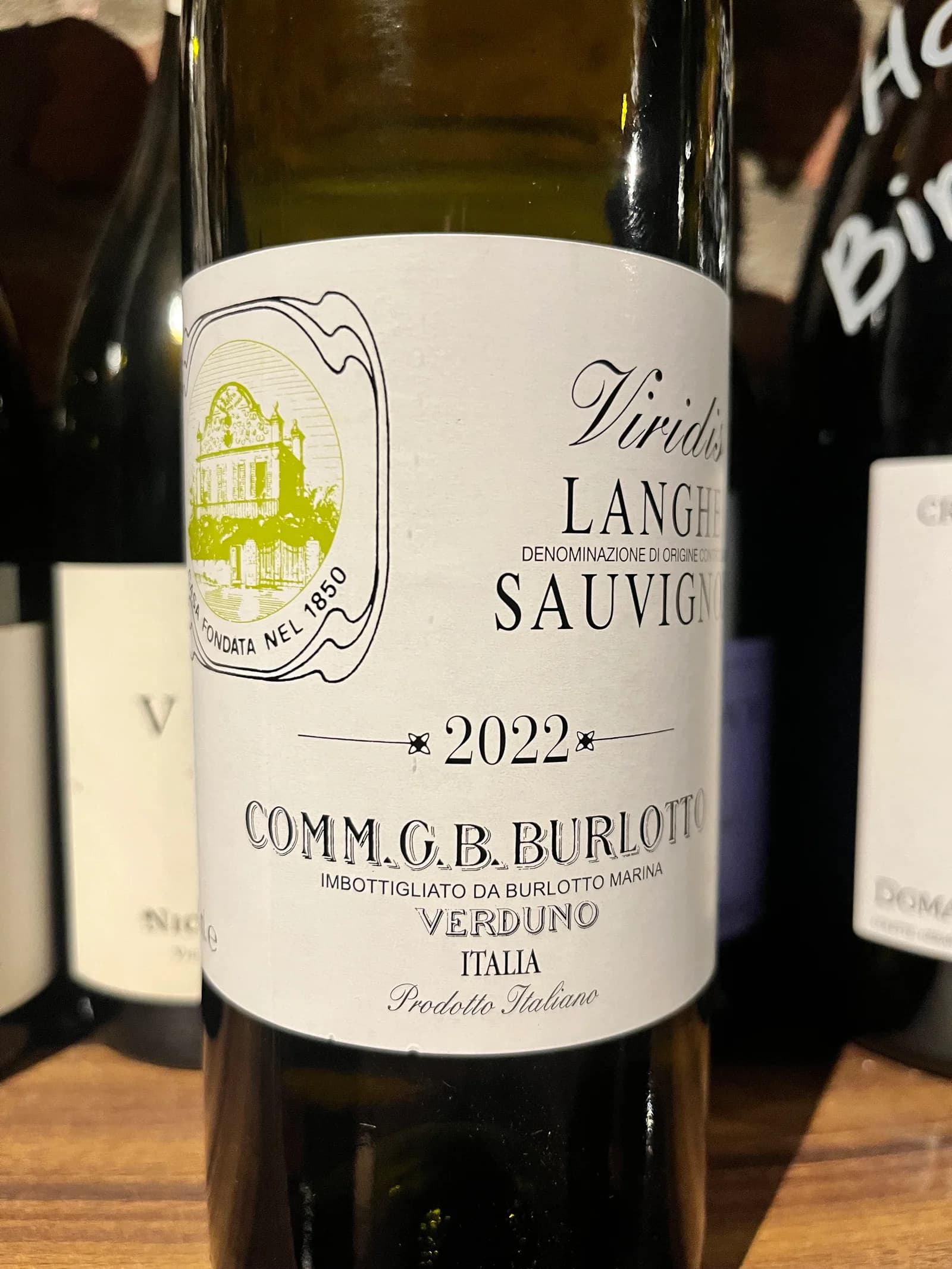
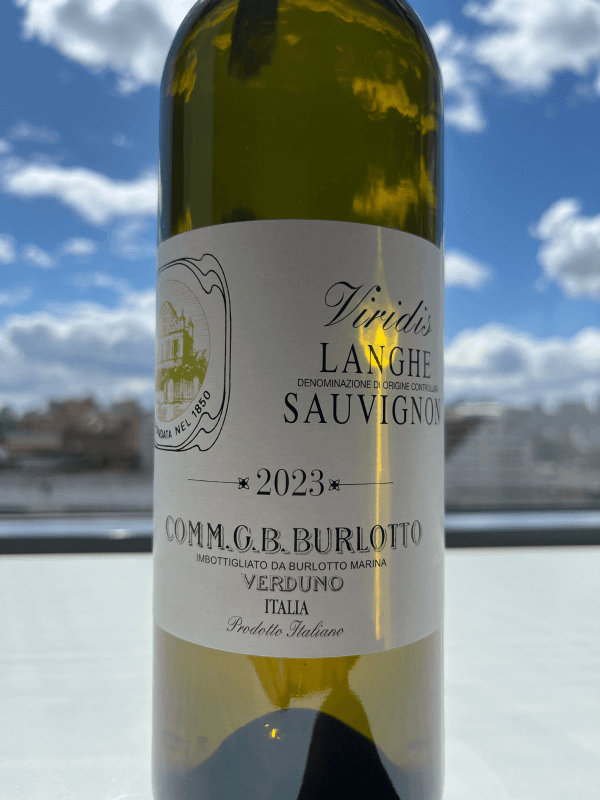
Outside Barolo: Verduno Pelaverga, of which Burlotto is the reference producer. Freisa, Dolcetto d'Alba, two Barberas (including the single-vineyard "Aves"), Langhe Nebbiolo, the Nebbiolo rosé Elatis, and a Sauvignon Blanc from the Castagna parcel.
Winemaking across the range stays traditional: long macerations, large old oak, no barriques, modest sulphur. Whole-cluster is now reserved for Monvigliero and part of the Dolcetto. Everything else is built on the vineyards and restraint.
Wines
4.2
Barbera d'Alba
2020· Italy
4.0
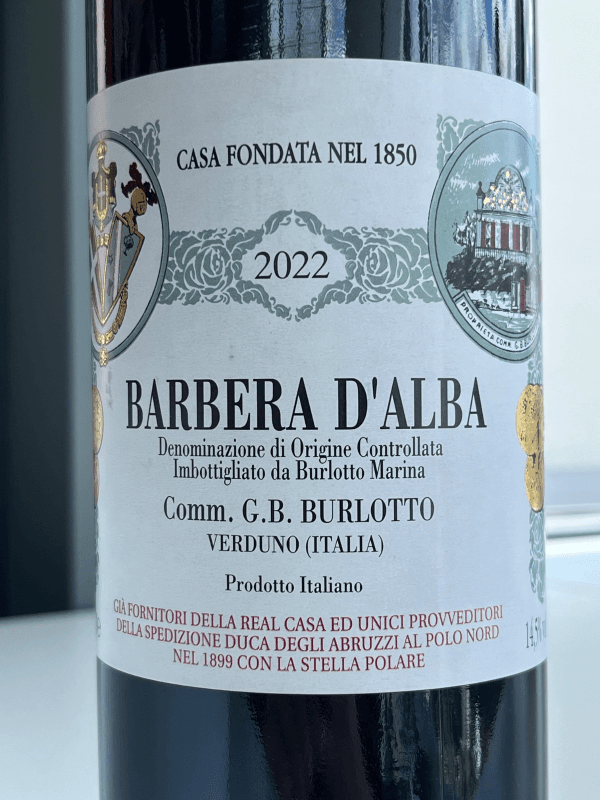
Barbera d'Alba
2022· Italy
4.3
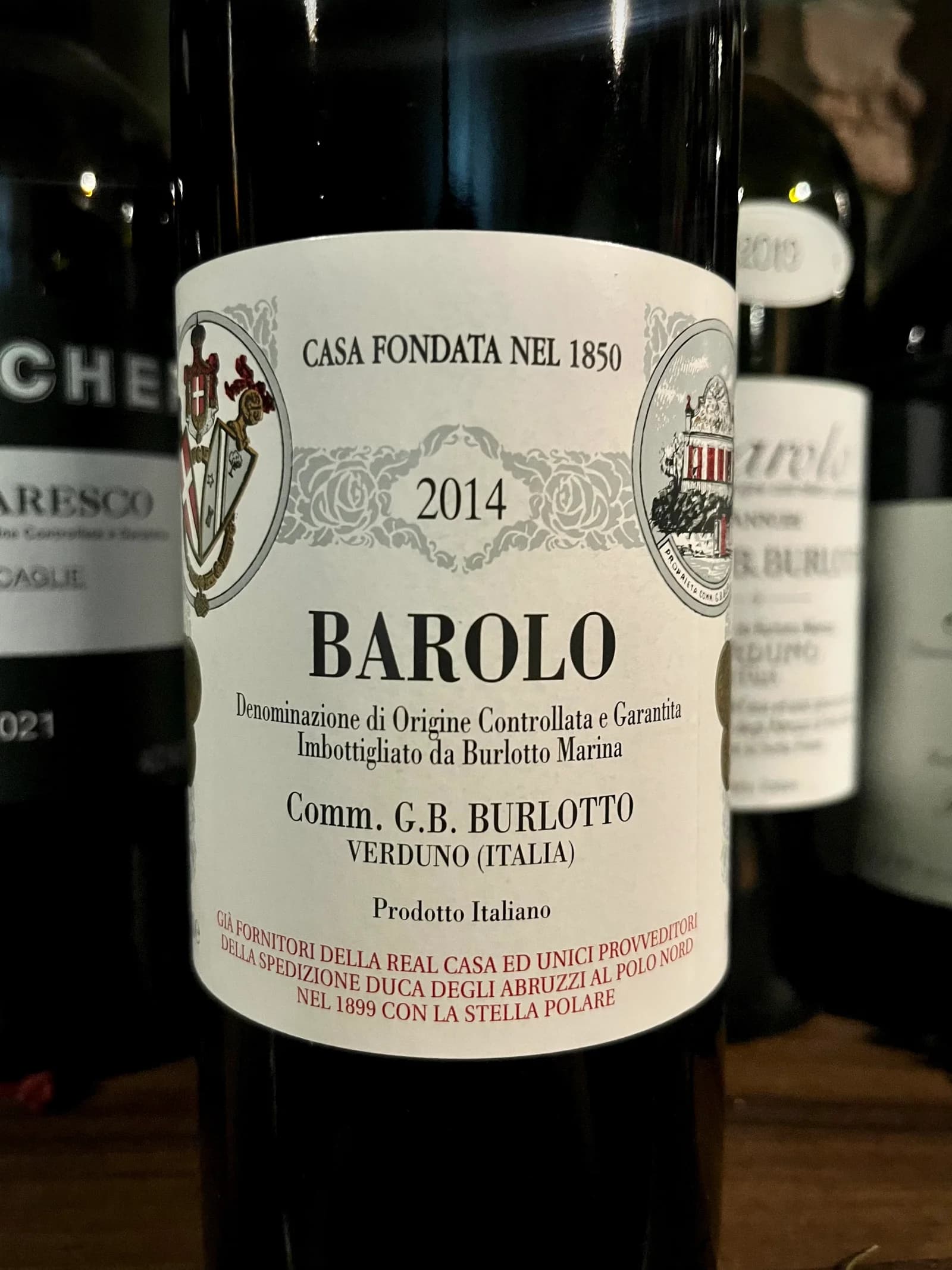
Barolo
2014· Italy
4.6
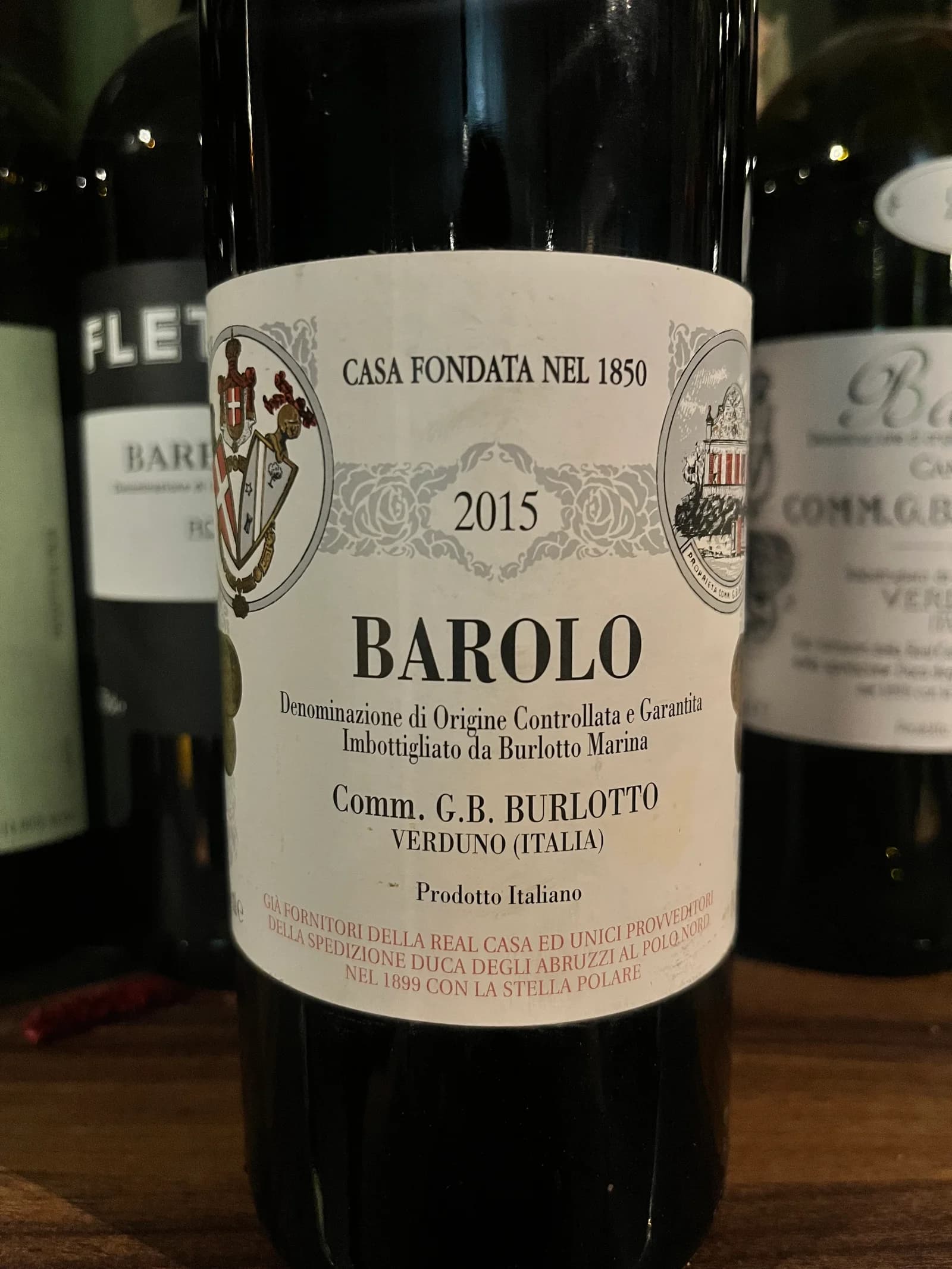
Barolo
2015· Italy
4.7
Barolo
2016· Italy
4.5
Barolo
2017· Italy
4.0
Barolo
2018· Italy
4.5
Barolo
2019· Italy
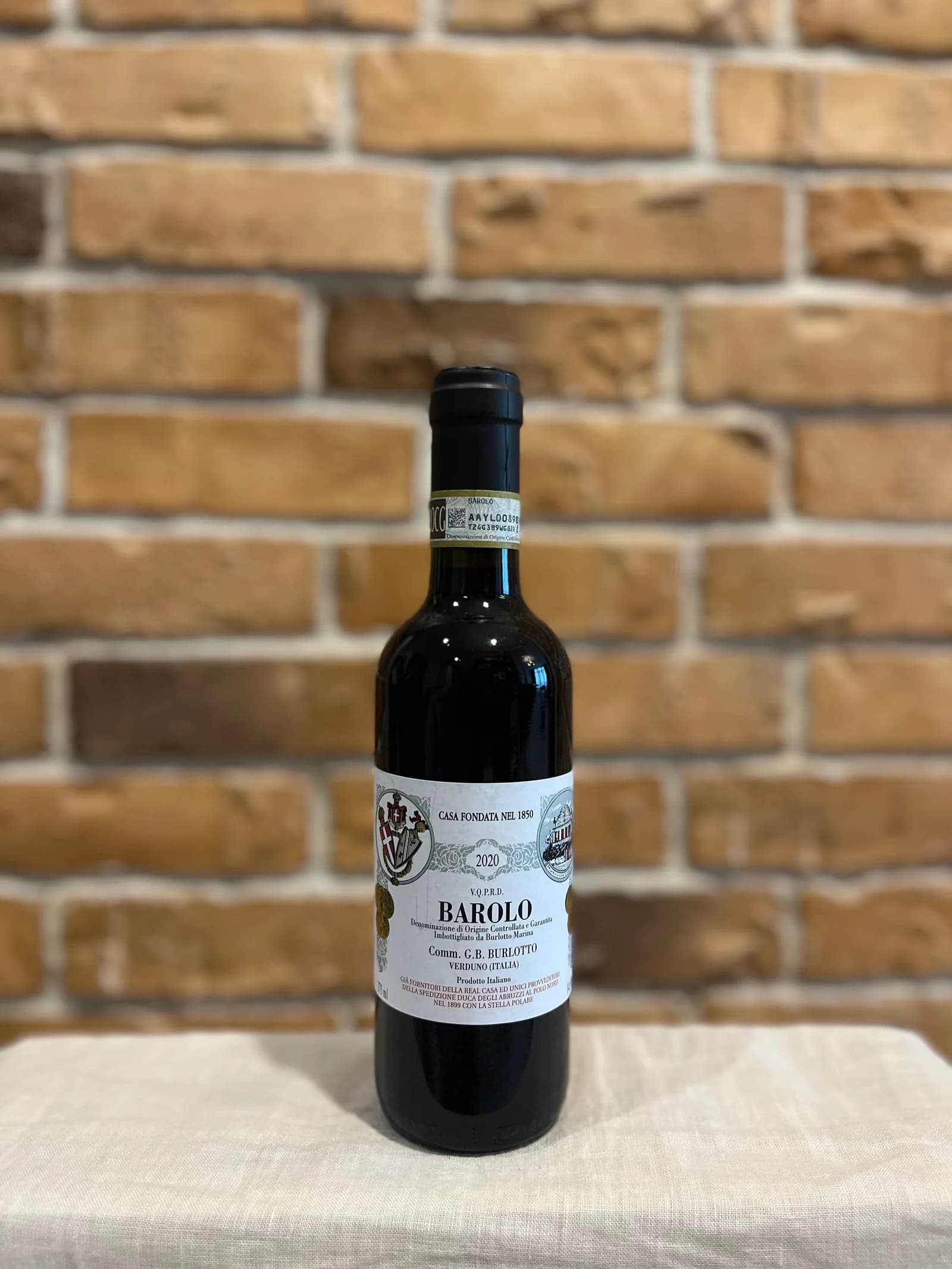
4.3
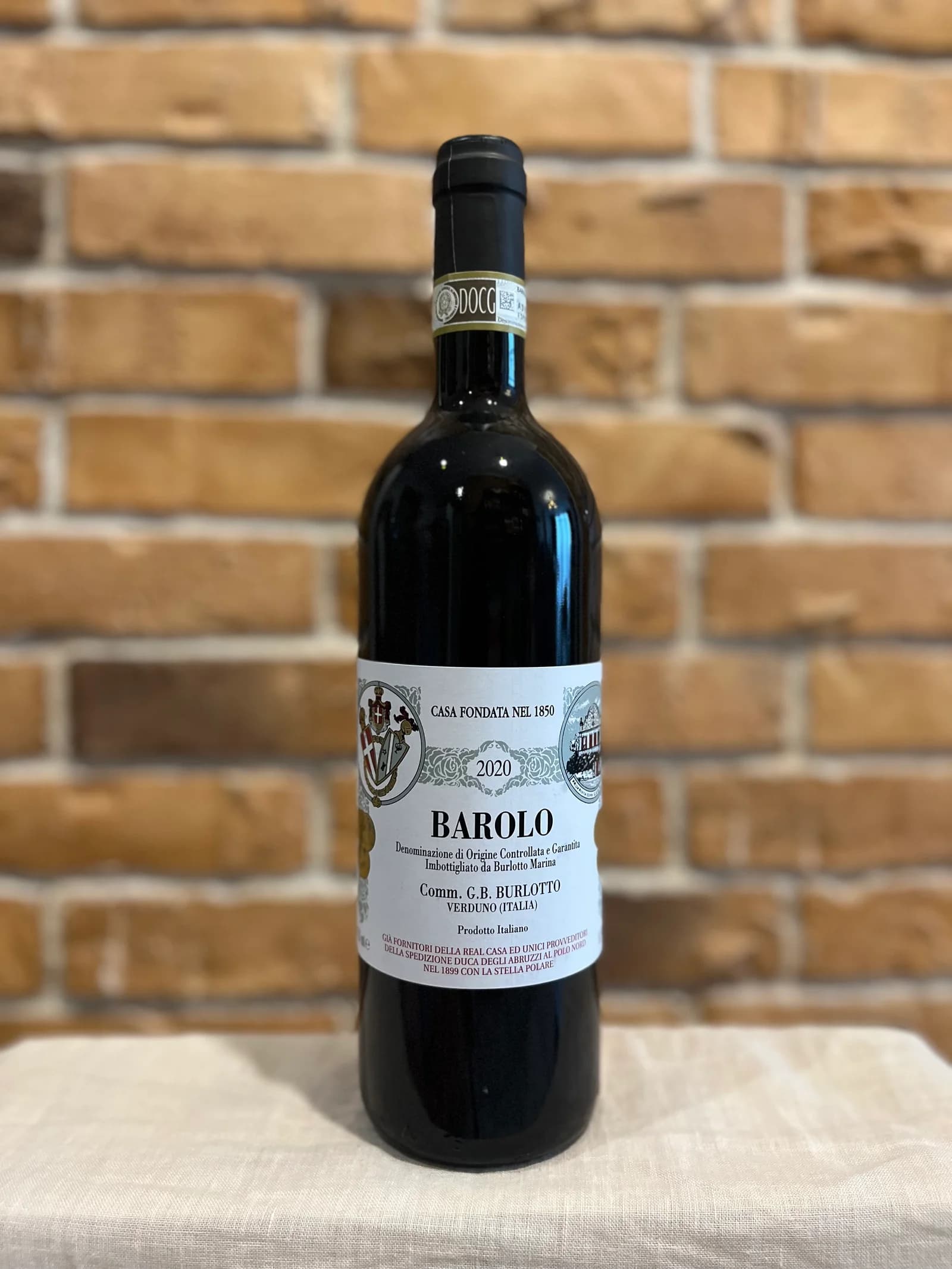
Barolo
2020· Italy
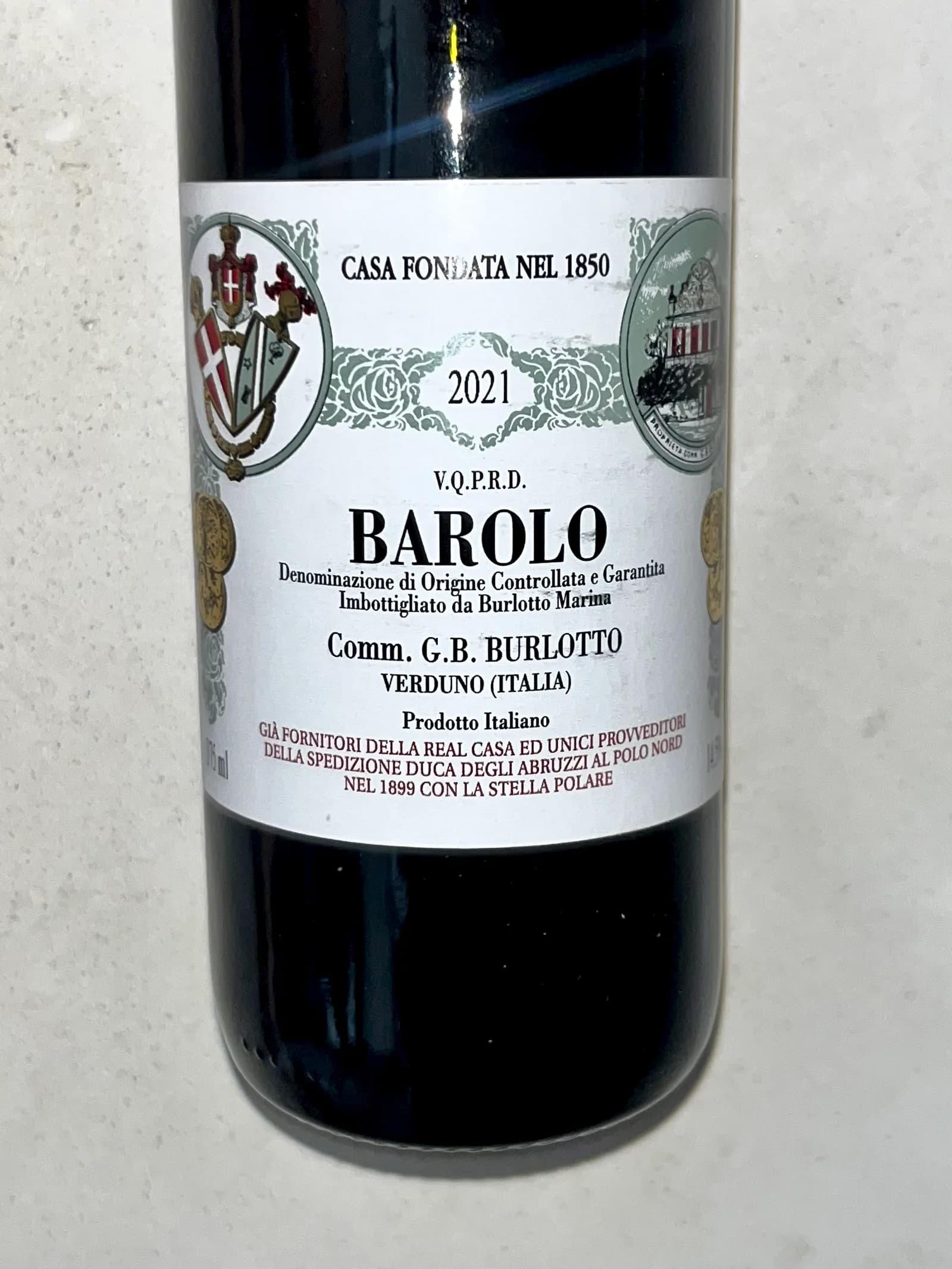
4.3
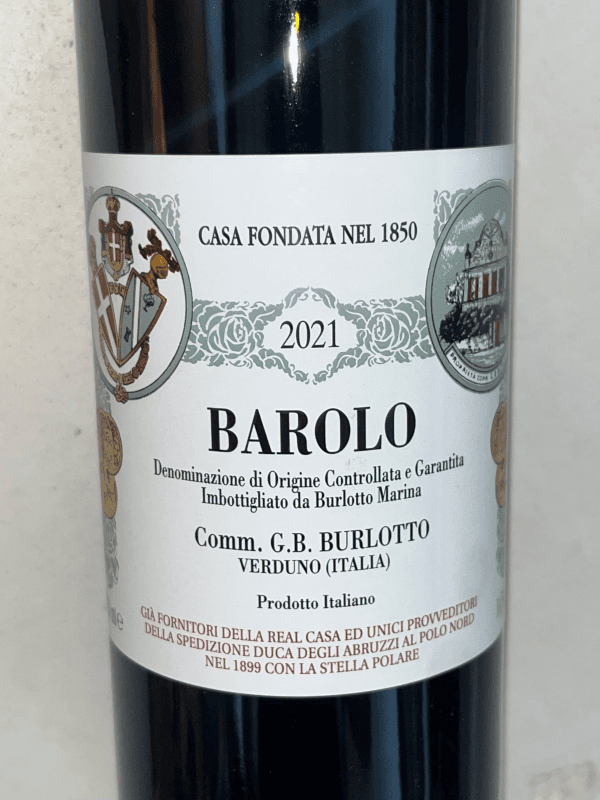
Barolo
2021· Italy
4.5
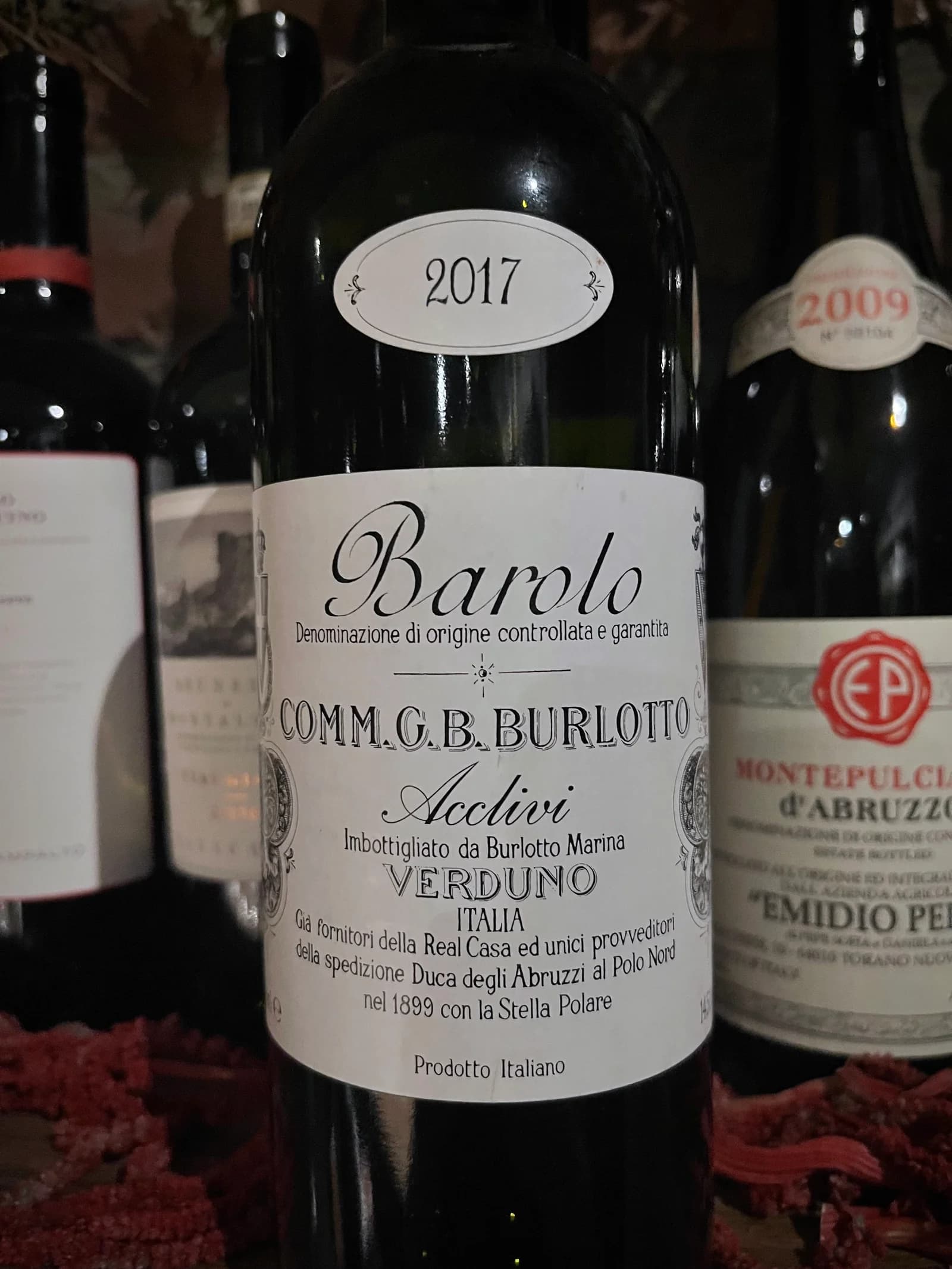
Barolo Acclivi
2017· Italy
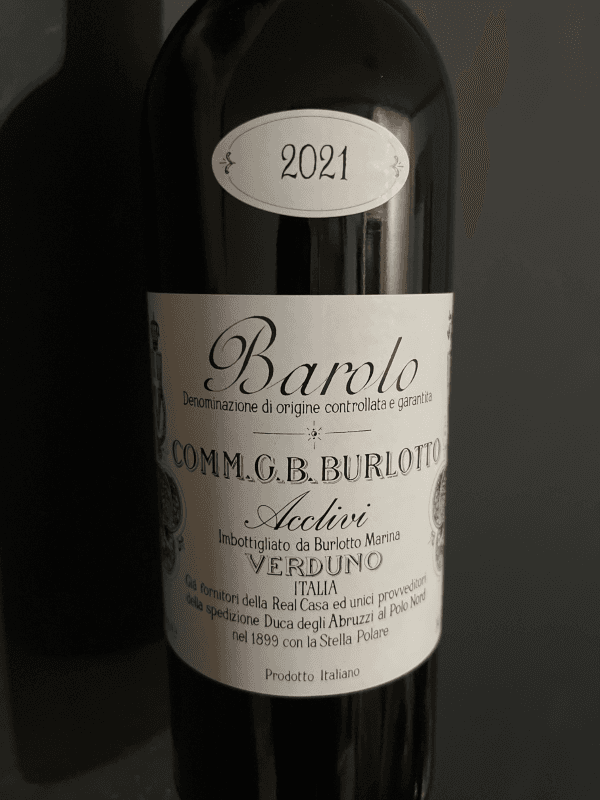
Barolo Acclivi
2021· Italy
4.8
Barolo Cannubi
2019· Italy
Barolo Cannubi
2020· Italy
4.5
Barolo Castelletto
2019· Italy
Barolo Castelletto
2020· Italy
4.4
Barolo Half
2020· Italy
4.3
Barolo Half
2021· Italy
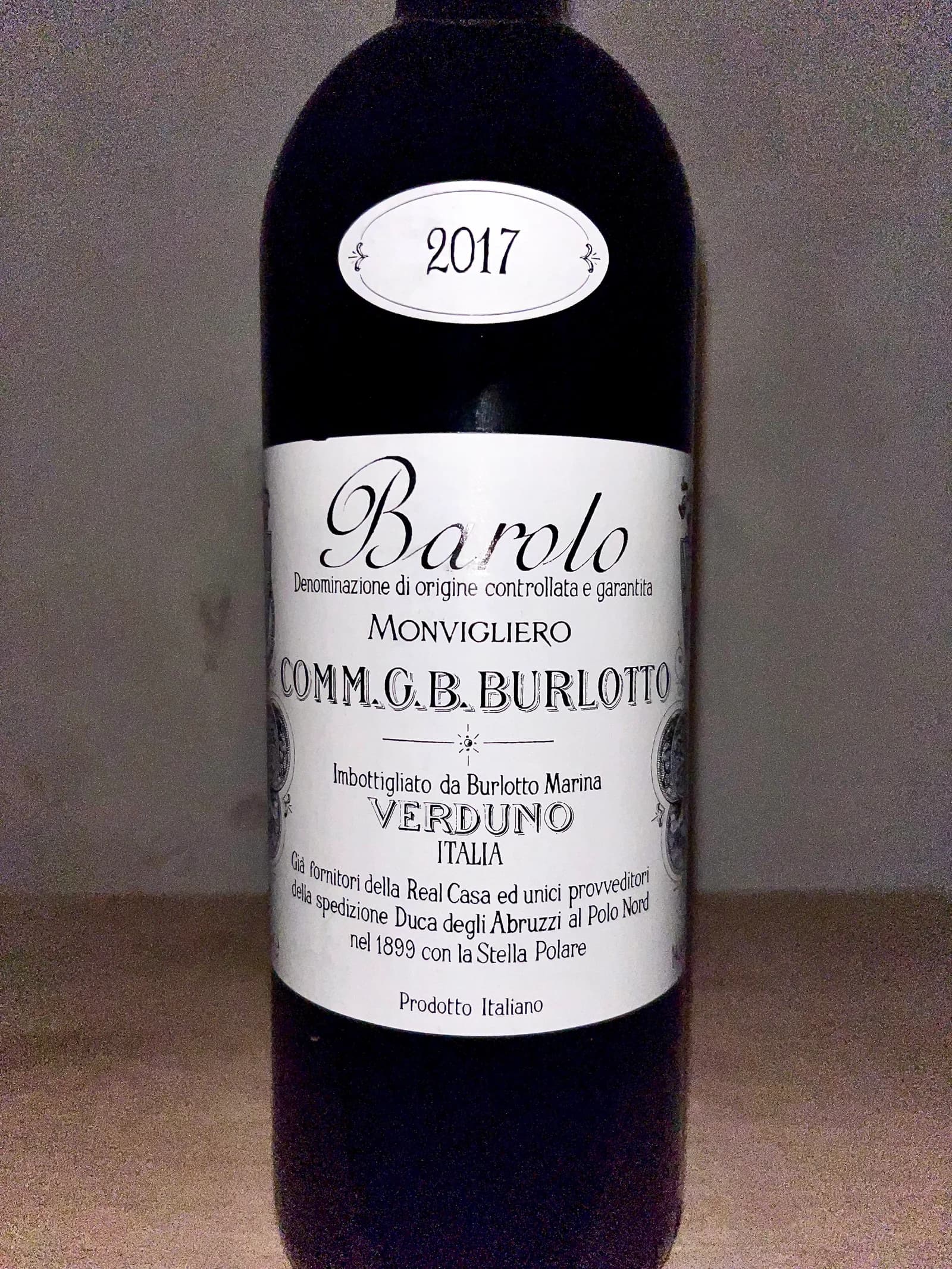
4.7
Barolo Monvigliero
2017· Italy
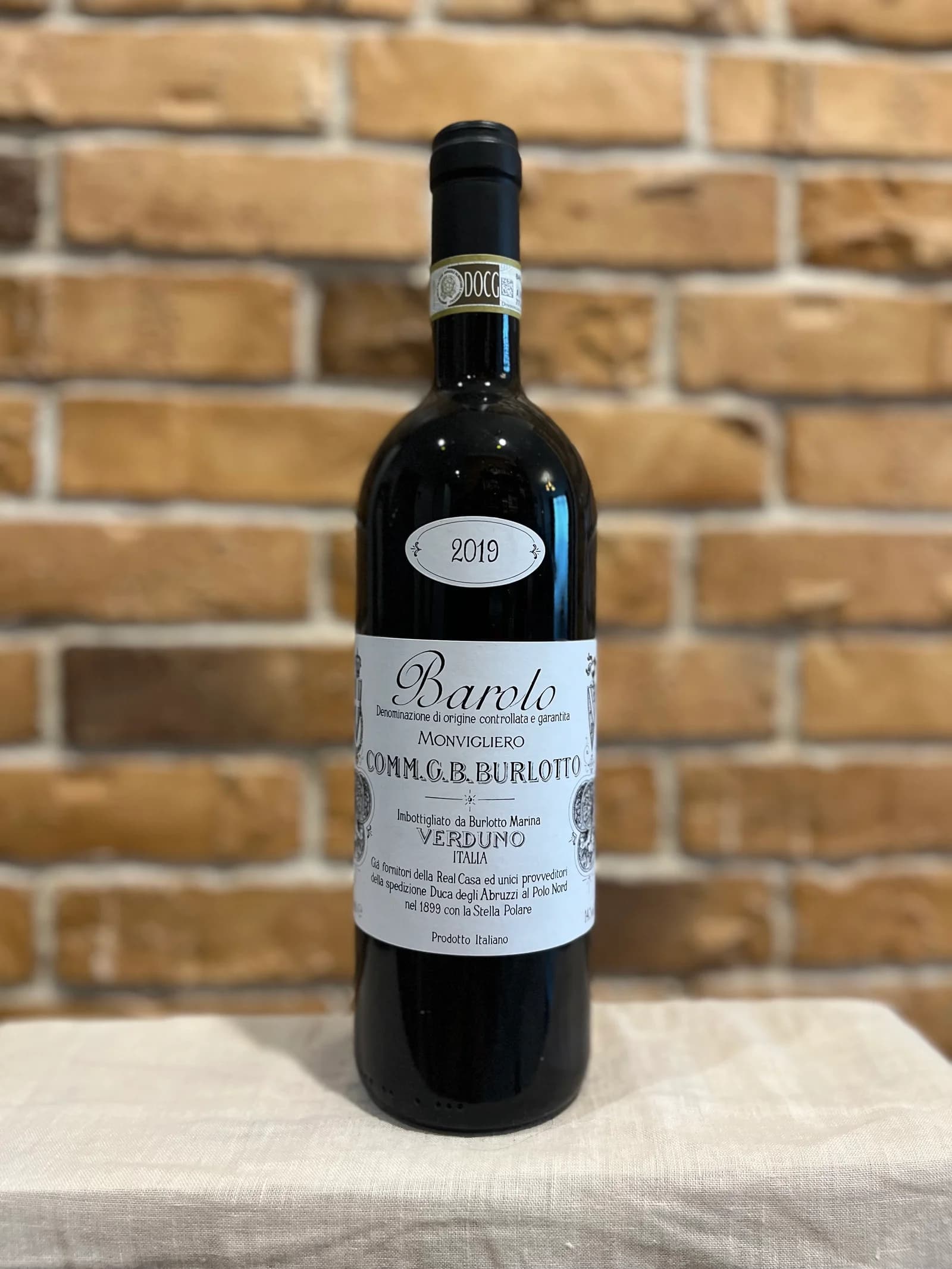
4.8
Barolo Monvigliero
2019· Italy
Barolo Monvigliero
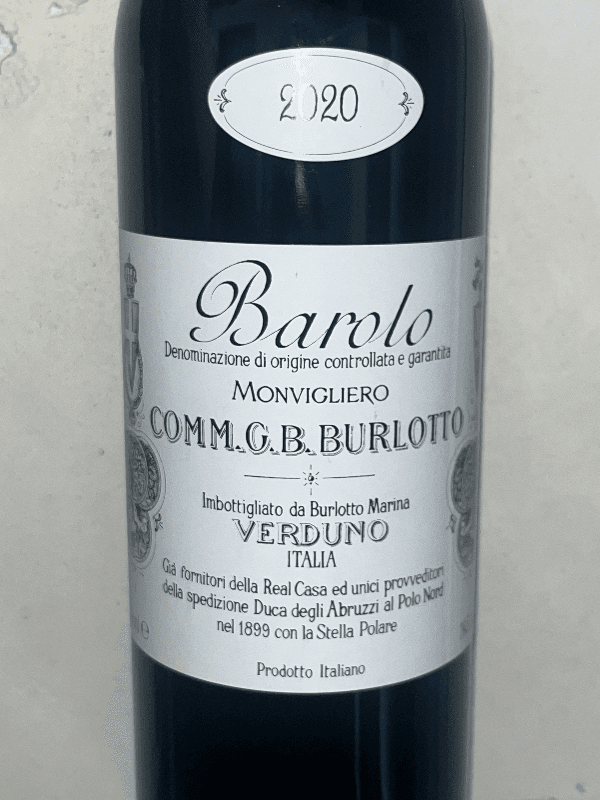
2020· Italy
Barolo Monvigliero
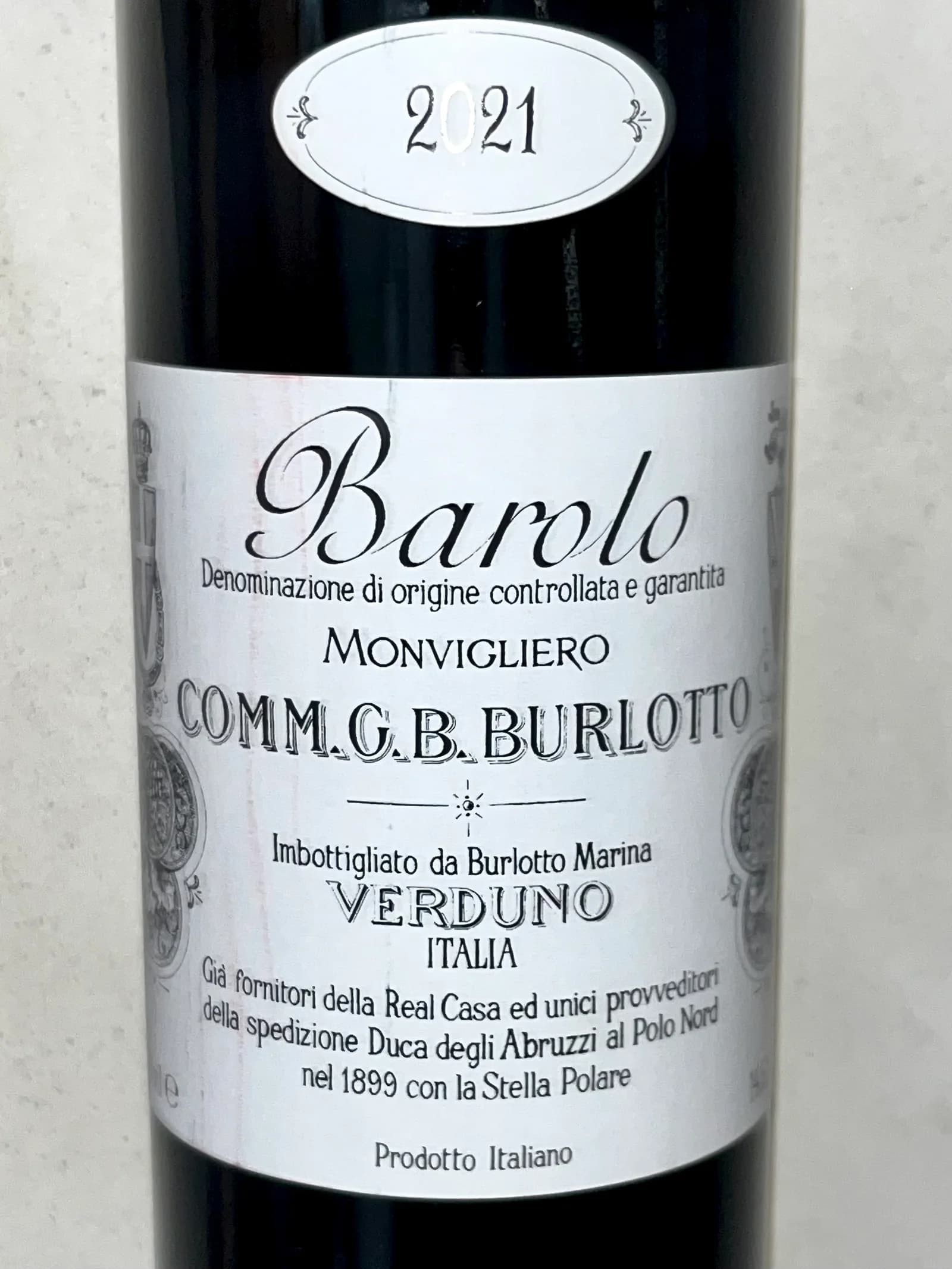
2021· Italy
Dives Langhe Sauvignon
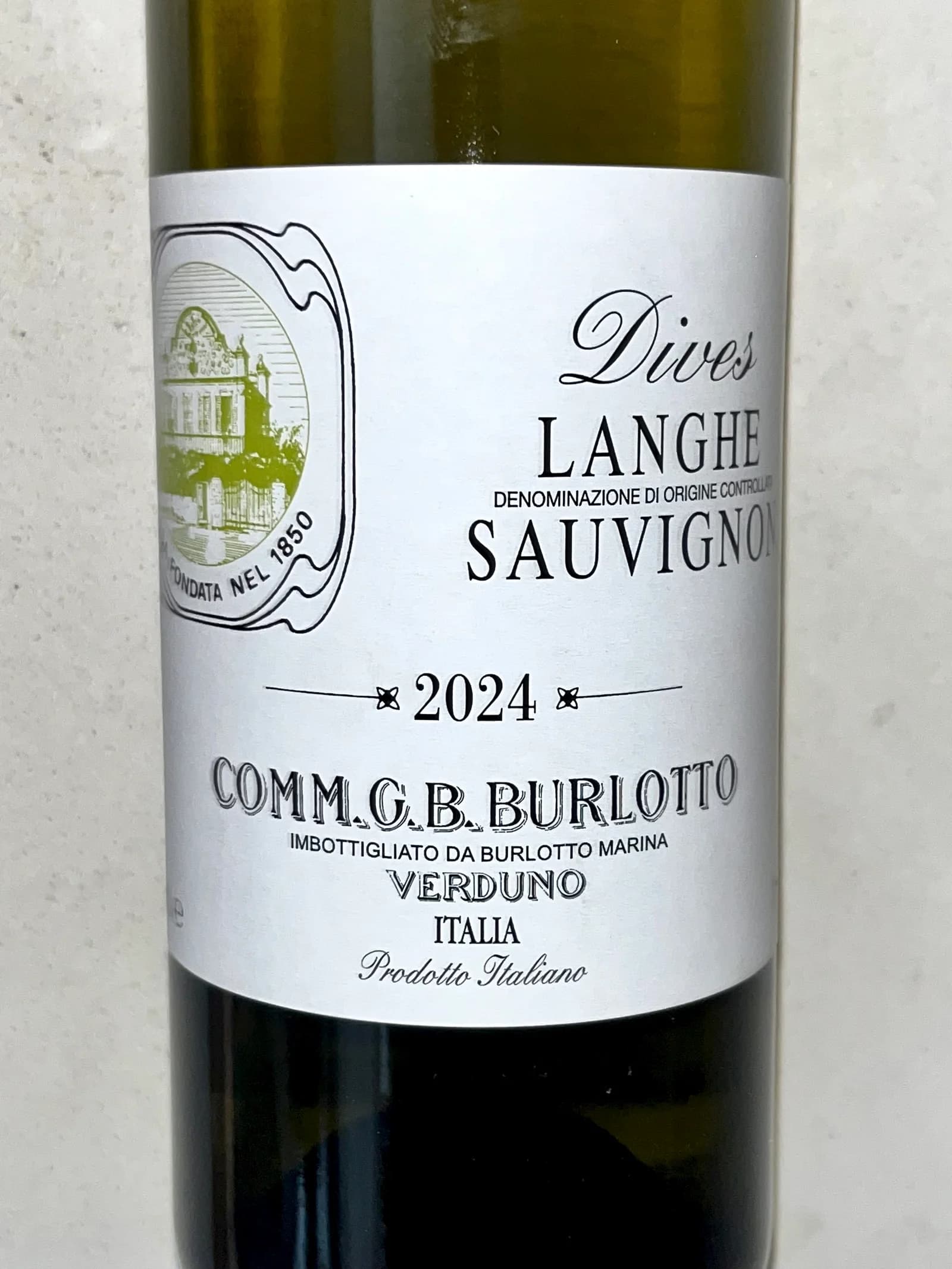
2024· Italy
3.9
Langhe Freisa
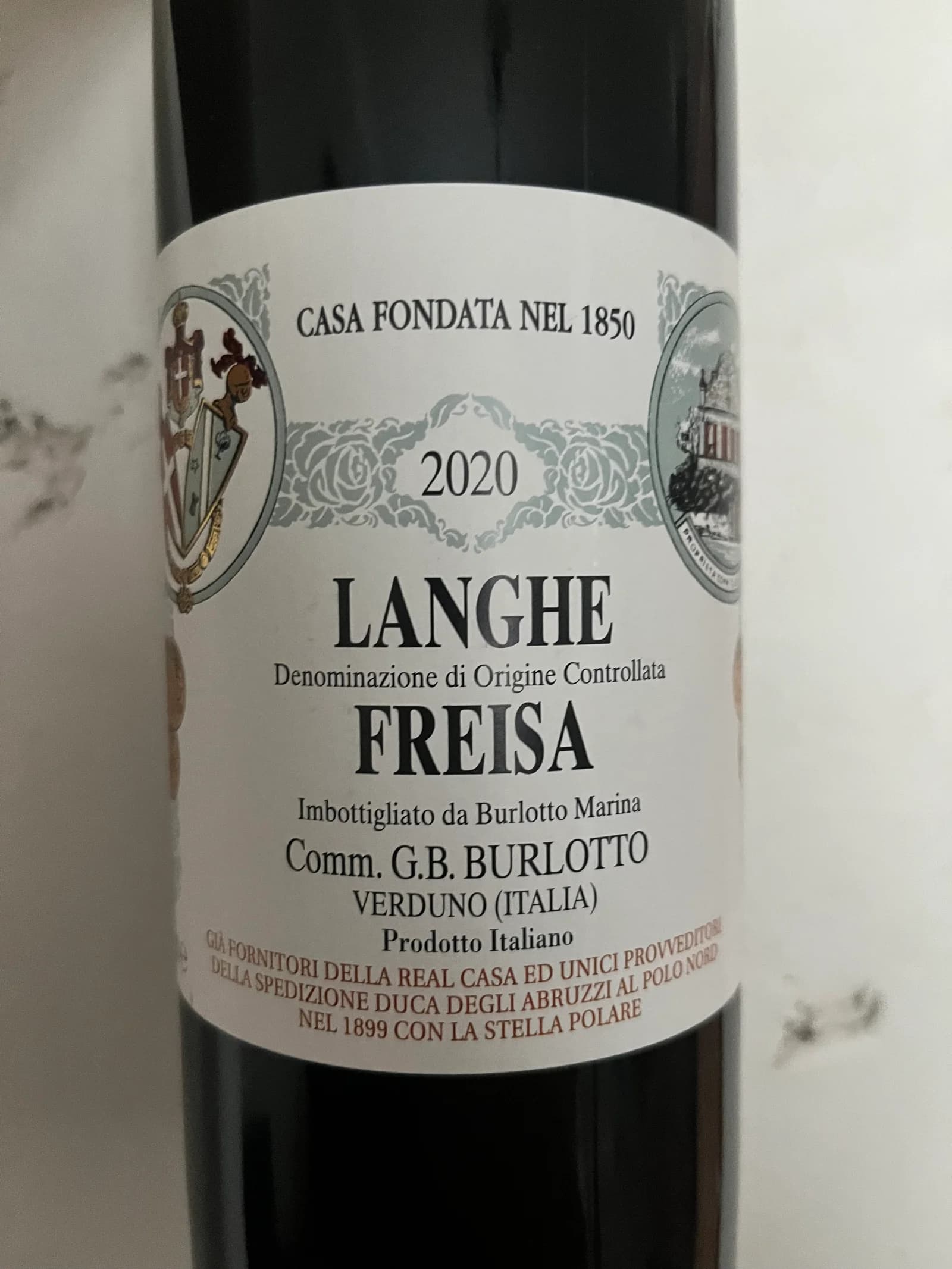
2020· Italy
4.2
Langhe Nebbiolo
2023· Italy
4.2
Langhe Nebbiolo
2024· Italy
4.0
Verduno Pelaverga
2021· Italy
4.1
Verduno Pelaverga
2022· Italy
Verduno Pelaverga
2023· Italy
Verduno Pelaverga
2024· Italy
3.9
Viridis Langhe Sauvignon
2022· Italy
3.9
Viridis Langhe Sauvignon
2023· Italy