All producers
Tenuta San Guido
Bolgheri, Italy7 wines4.3 avg
The Bolgheri estate that invented the Super Tuscan: Cabernet planted in 1944 for the family table, sold from the 1968, and since 1994 the only single-estate DOC in Italy.
Sassicaia started as one man's stubbornness. Mario Incisa della Rocchetta, a marchese who liked Bordeaux, planted about a hectare of Cabernet Sauvignon at Castiglioncello di Bolgheri, around 400 m up, in 1944, because the gravelly ground reminded him of Graves. The cuttings were long romanticised as coming from Lafite or Latour; the estate's own account names the Dukes Salviati of Migliarino, near Pisa, as the source. From 1945 to 1967 the wine was drunk at the family table and nowhere else.
The 1968 was the first vintage sold, reaching the market in 1971 with Giacomo Tachis as consulting winemaker, part of the wider Antinori and Tachis collaboration that reshaped Italian wine in those decades, and it went on to invent the category we now call Super Tuscan. Mario's son Nicolò built the modern estate and is now Honorary President; the third generation of cousins runs it today, with Priscilla Incisa leading external relations, Alessandro Berlingieri as chairman since 2022 and Carlo Paoli as general manager since 2009 and CEO since 2025.
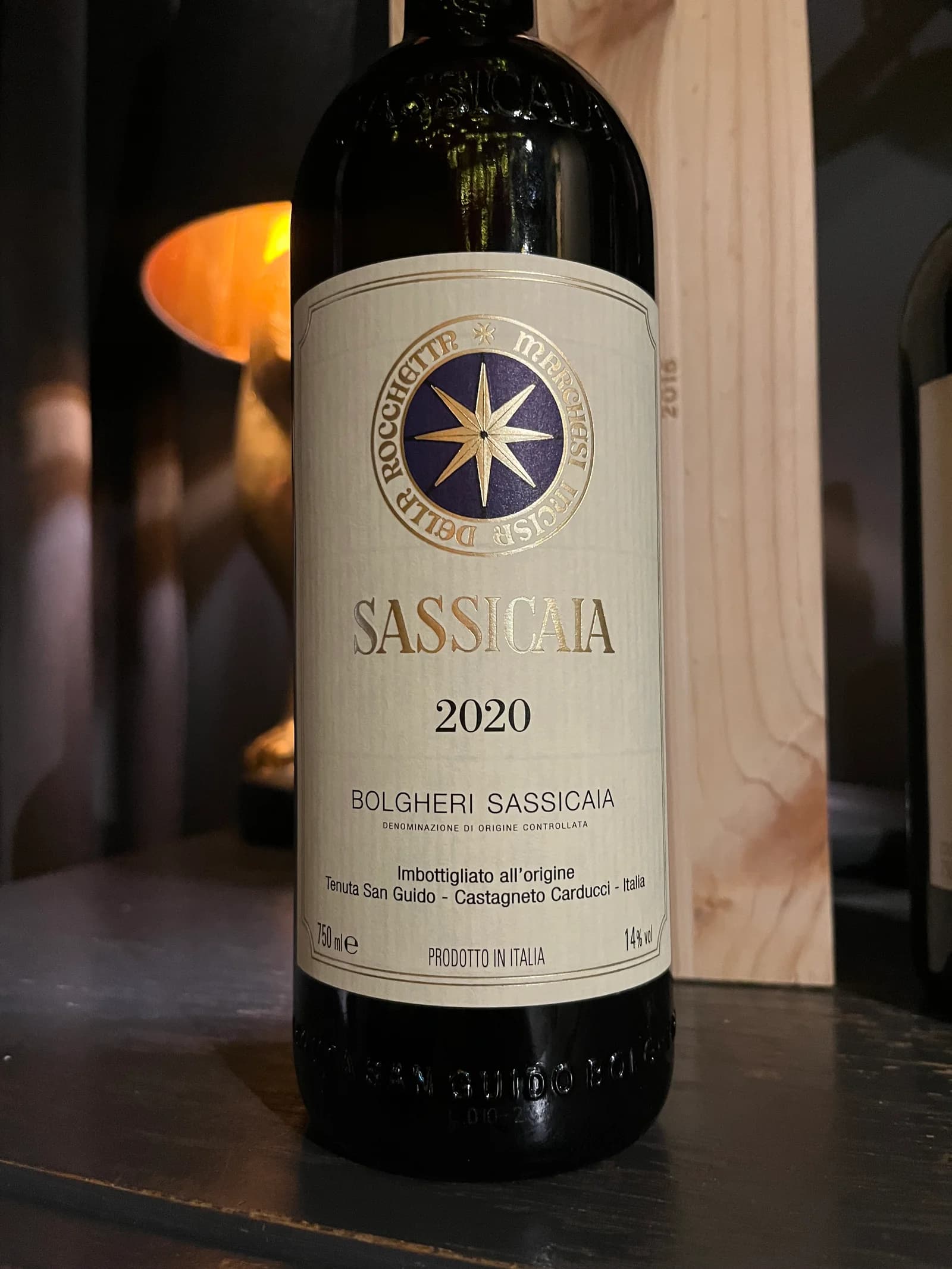
In 1994 the wine got the rarest prize in Italian wine, an appellation of its own: Bolgheri Sassicaia was created as a sub-zone within Bolgheri DOC and became an autonomous DOC in December 2013, the only single-estate DOC in Italy, defined on the Tenuta San Guido property alone. The estate spans around 2,500 ha at Castagneto Carducci, with vineyards between 100 and 360 m on marl, gabbro, pebbles and clay across the Castiglioncello, Aia Nuova, Cerreta, Sassicaia di Sopra and San Martino parcels.
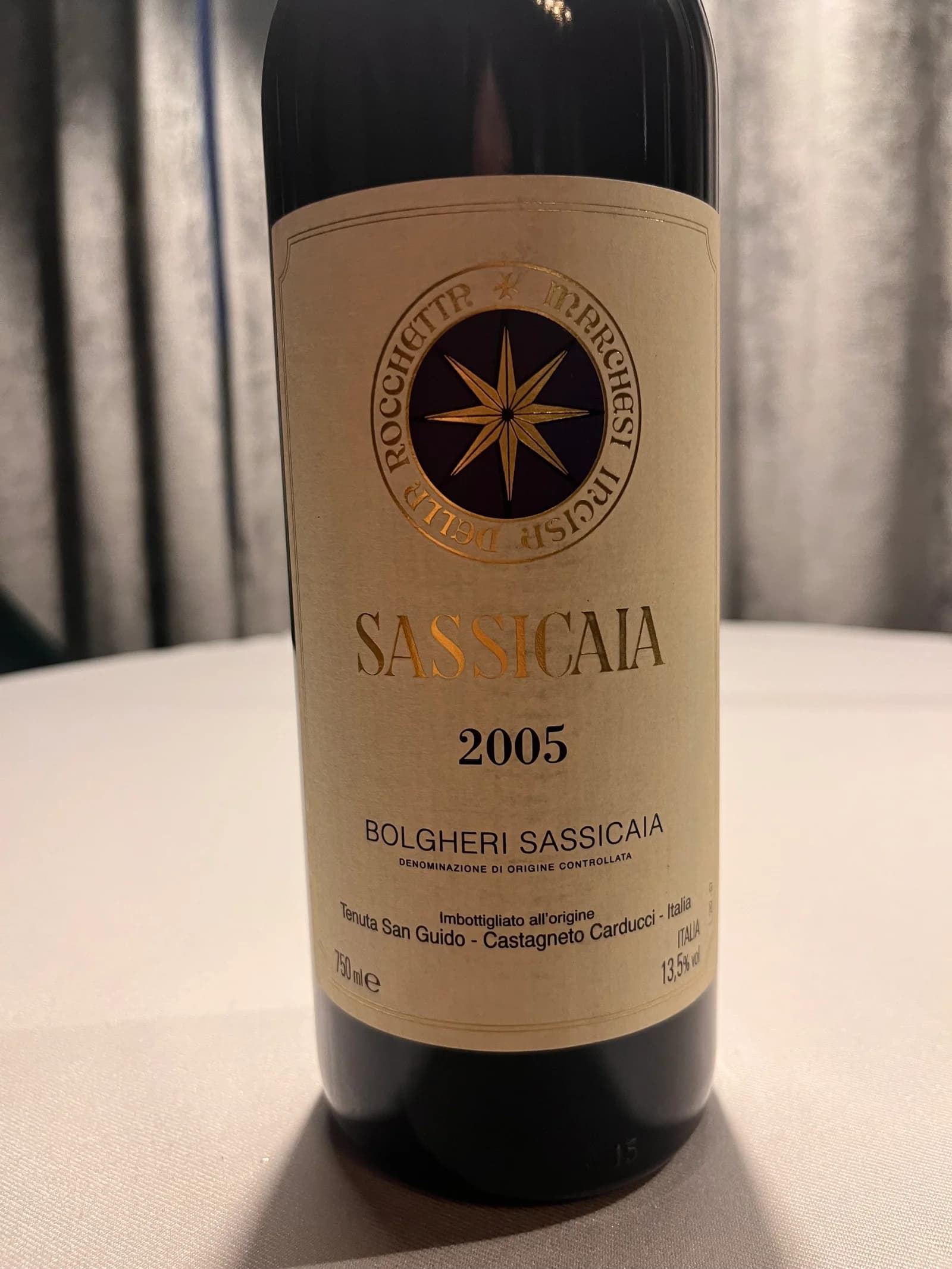
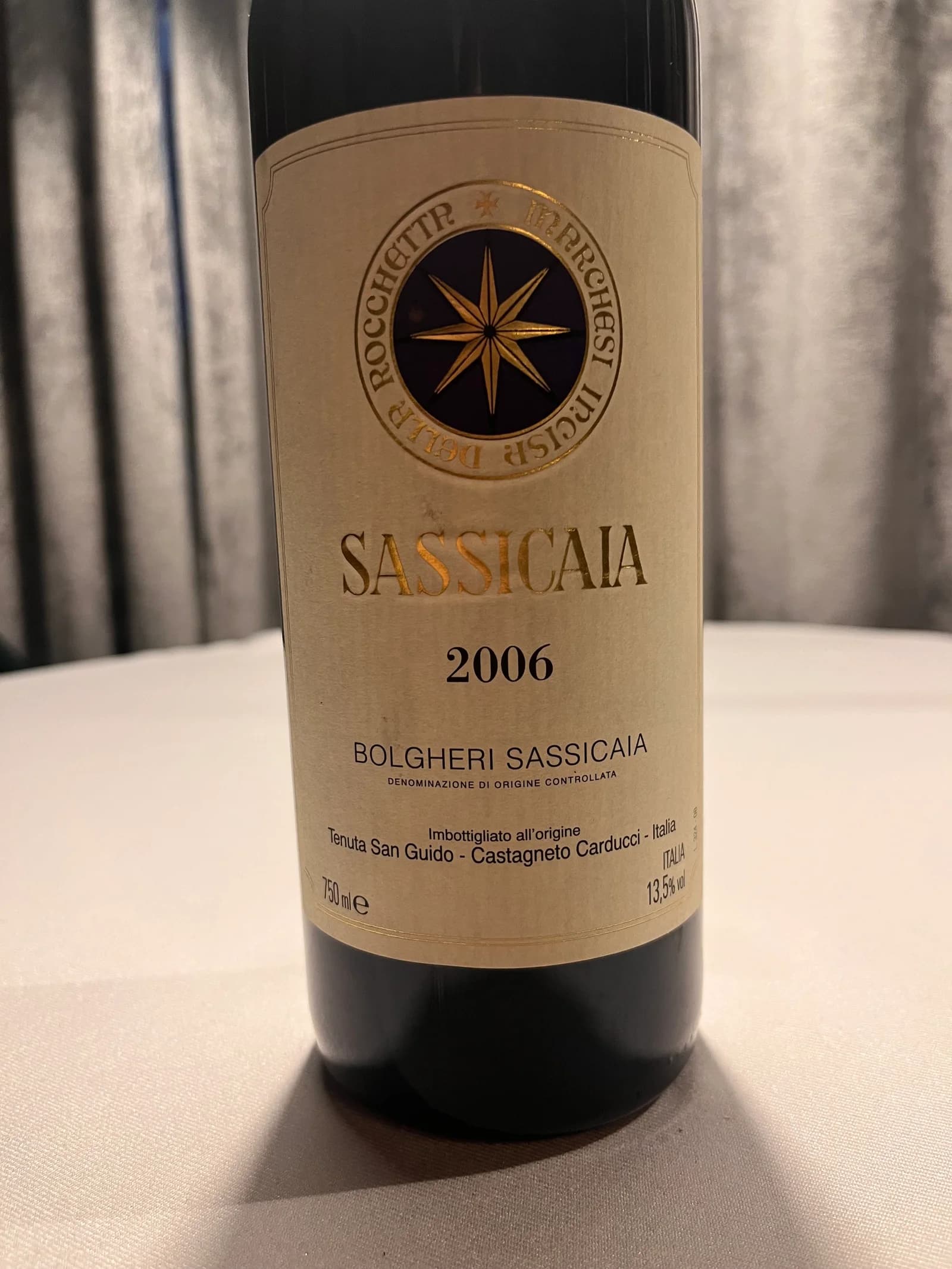
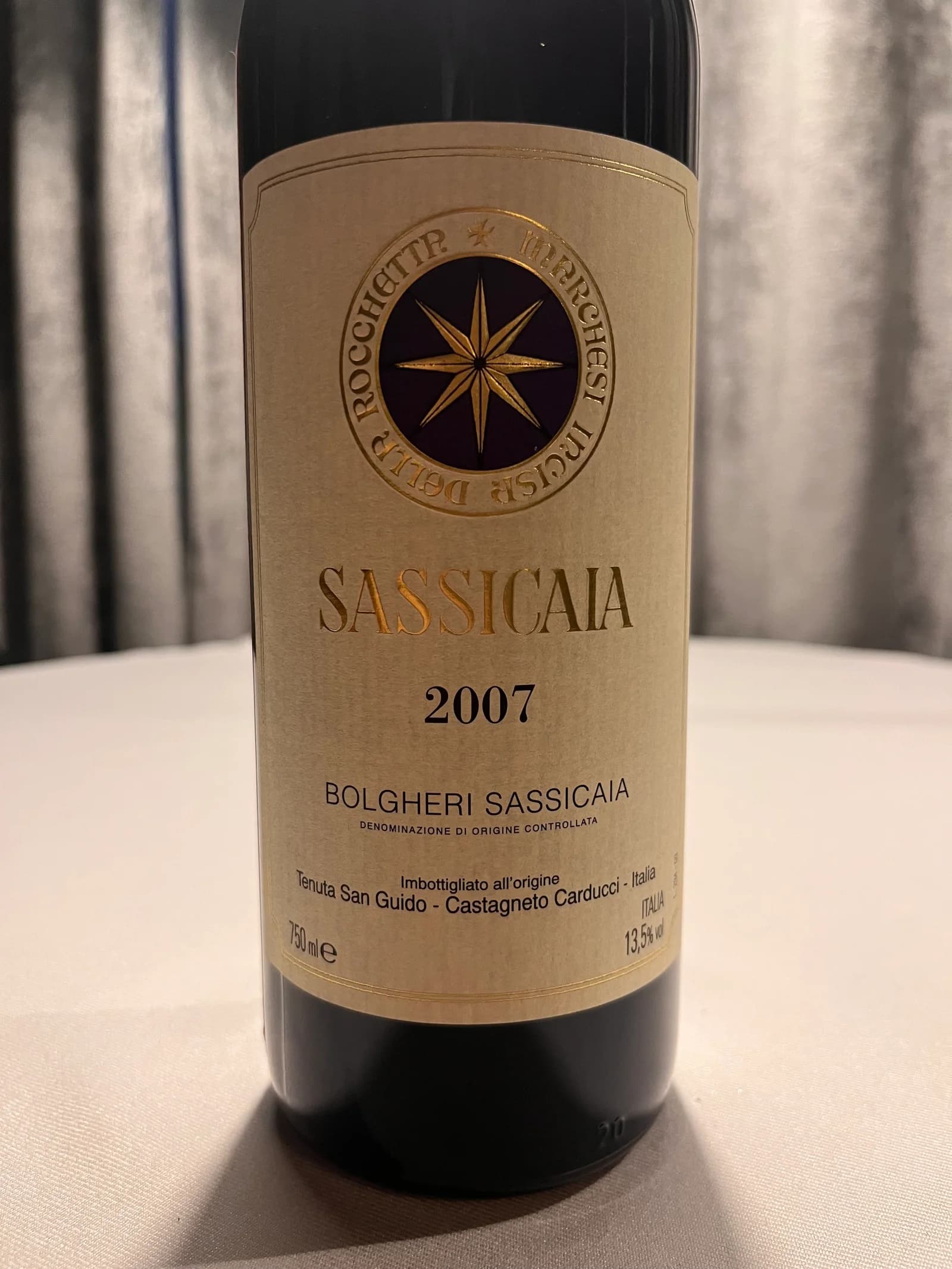
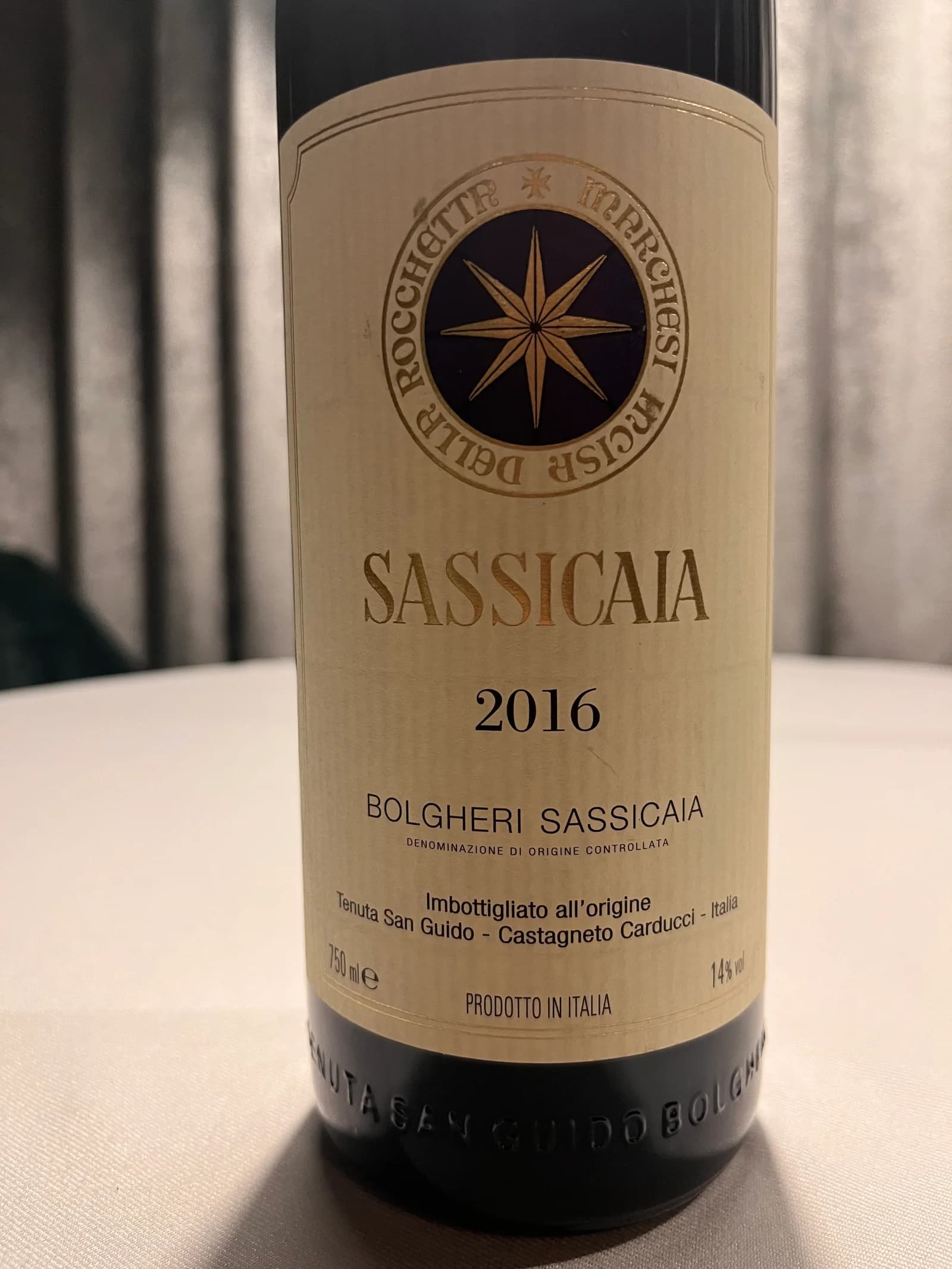
Three wines carry the name. Sassicaia is 85% Cabernet Sauvignon and 15% Cabernet Franc, around 24 months in French barriques with roughly a third new. Guidalberto, from 2000, adds Merlot to the Cabernet; Le Difese, from 2002, is about 70% Cabernet Sauvignon with 30% Sangiovese bought from Chianti partners outside the estate.