Serve It Cold
Everything out of the ice bucket, poured blind: chilled reds, a Trousseau twin test under two passports, an oxidative Rioja white on ice, and Bouzy brut nature to finish.
By Boris · Hosted by Boris Buliga
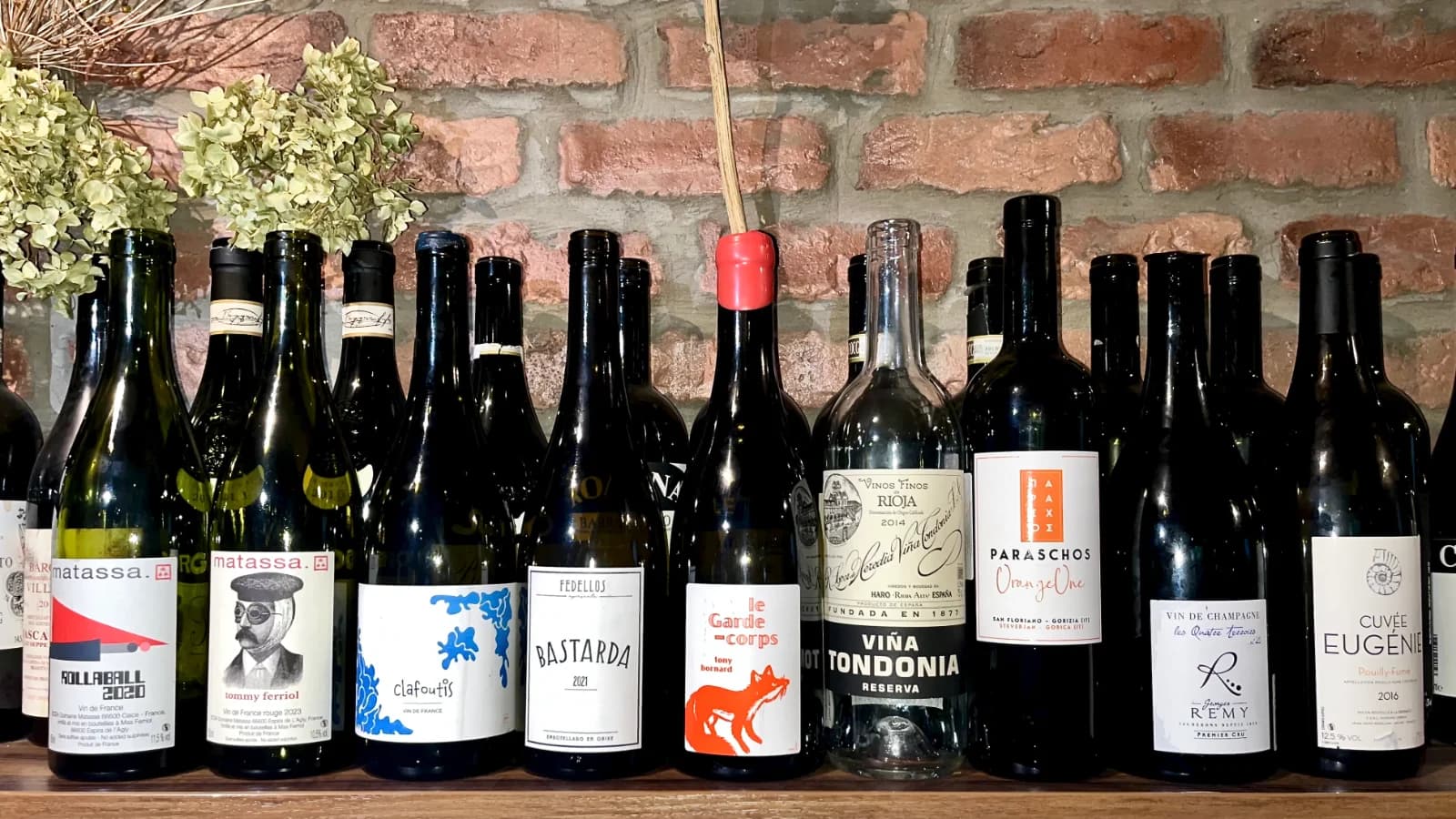
One rule tonight: everything comes out of the ice bucket. Every bottle, including the ones nobody in their right mind would normally chill - that is rather the point. A warm July evening, eight pours served blind and cold, built around refreshment first: a pink that is nearly red, a run of light reds that love the cold, one genuine provocation from a cellar where time moves slower, and bubbles to send everyone home.
There are games hidden in the flight, too. The first two glasses come from the same Calce cellar wearing different colours. Later, one grape appears twice under two different passports - and the table gets to argue about whether it can tell. No labels, no running order, just cold glasses and warm opinions. Here is what is on the table.
Matassa Rollaball 2020
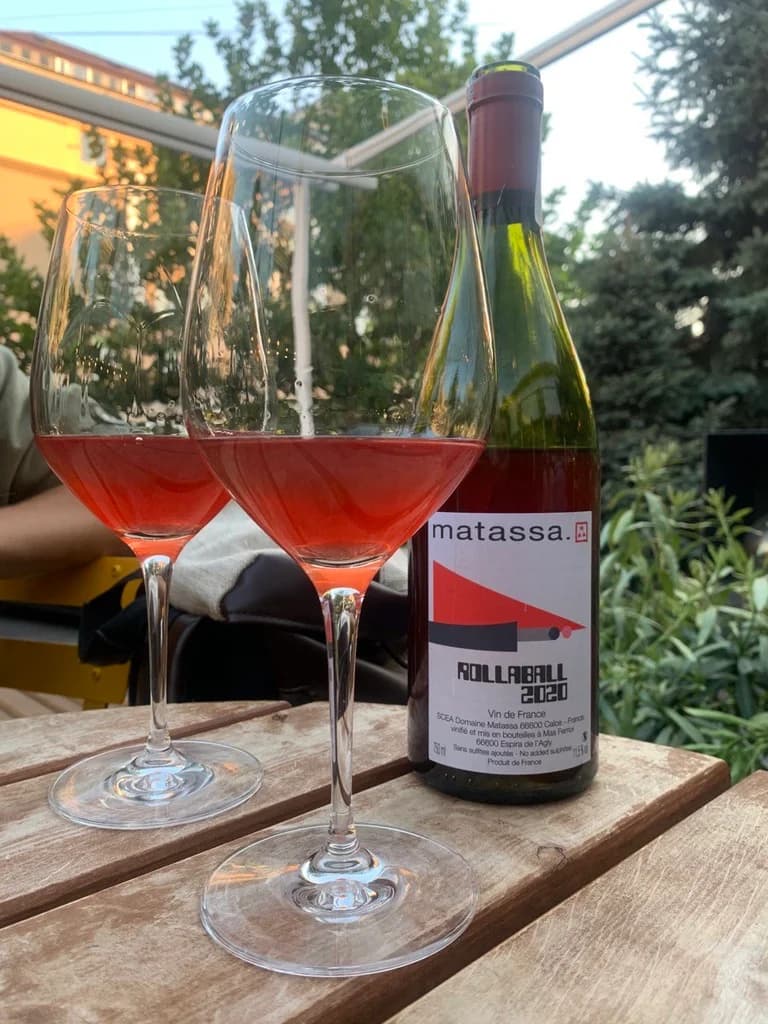
We start pink - sort of. Tom Lubbe arrived in Calce in 1999 for a three-month stage at Domaine Gauby and never really left; Matassa was founded in 2003 in his living room, and it has been one of the defining voices of French natural wine since - all Vin de France by choice, nothing added since 2015. Rollaball was his first-ever rosé, and 2020 its first vintage: old-vine Mourvèdre and Carignan, half and half, pressed whole-bunch with only the maceration that happens inside the press, raised in concrete. At 11.5% it sits right on the line between rosé and pale red.
The full note is for members.
Join to read it and the restMatassa Tommy Ferriol 2023
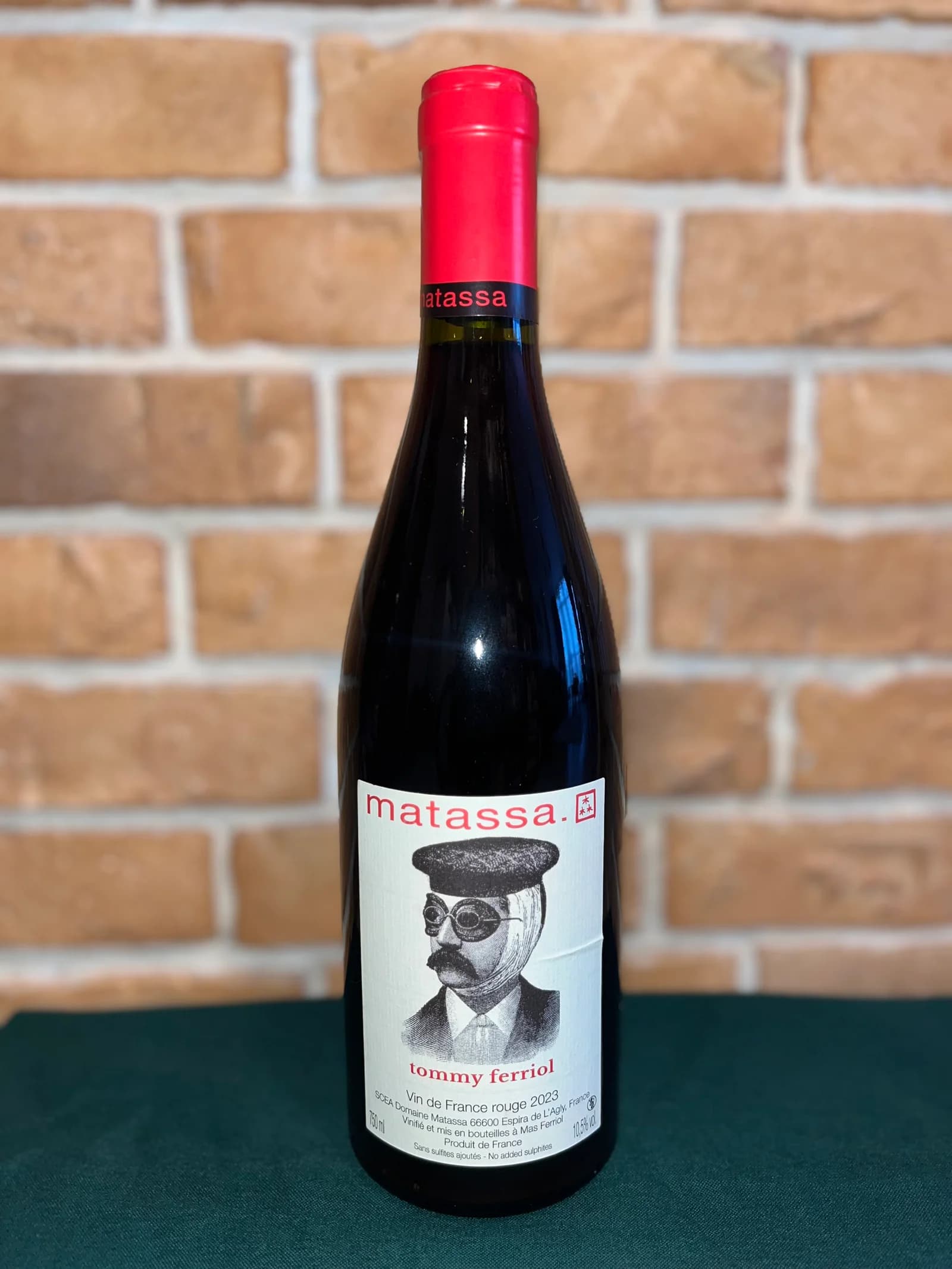
Same cellar, next glass - the two faces of Matassa back to back. Tommy Ferriol is the cuvée formerly known as Brutal Rouge, renamed after Mas Ferriol, the historic Catalan mas near Perpignan that Tom bought from Jolly Ferriol - the fruit comes exclusively from the vineyards around the house, and the name plants a flag on that fact. A 70/30 blend of Syrah and Muscat à Petits Grains, which reads exactly as strange and exactly as fragrant as it sounds. The 2023 also happens to be Matassa's twentieth vintage. 10.5% - built for the ice bucket if anything ever was.
The full note is for members.
Join to read it and the restDavoche Clafoutis Syrah 2021
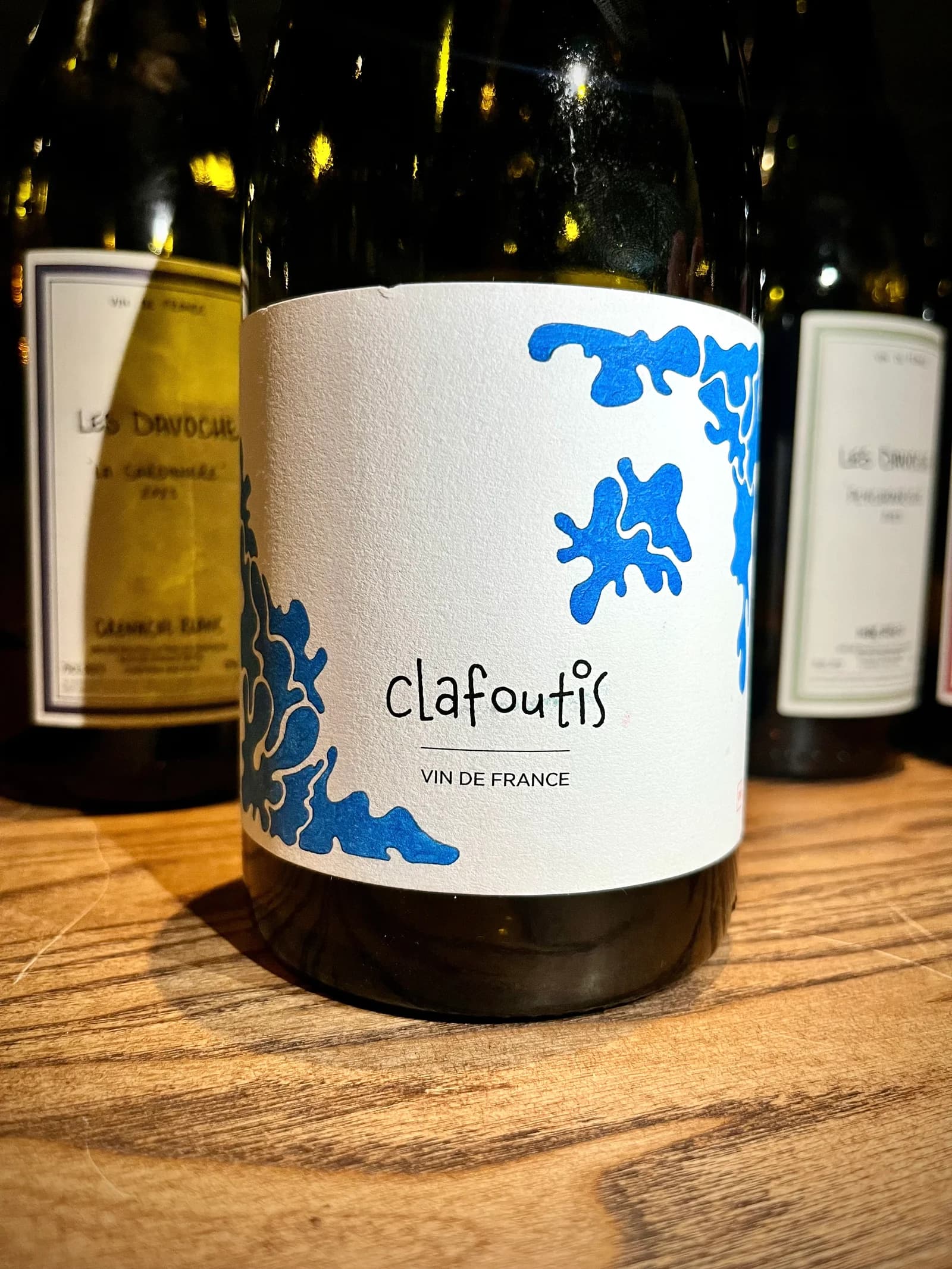
From the teacher's valley to the students'. Davoche is Tess Davison and Charles Ripoche - she an Australian chef who cooked at Mugaritz and Noma before turning to wine via Felton Road and Matassa itself; he trained in the Loire and under Cyril Fhal at Clos du Rouge Gorge. Clafoutis is their négociant line, started in 2020 before they had vines of their own: this Syrah comes from a neighbour's organic twelve-year-old vines on light granite, three days of gentle maceration, then a year in used barrels and six months in bottle. 13% - the heaviest red of the night, which on this particular evening means something different than usual.
The full note is for members.
Join to read it and the restFedellos do Couto Bastarda 2021
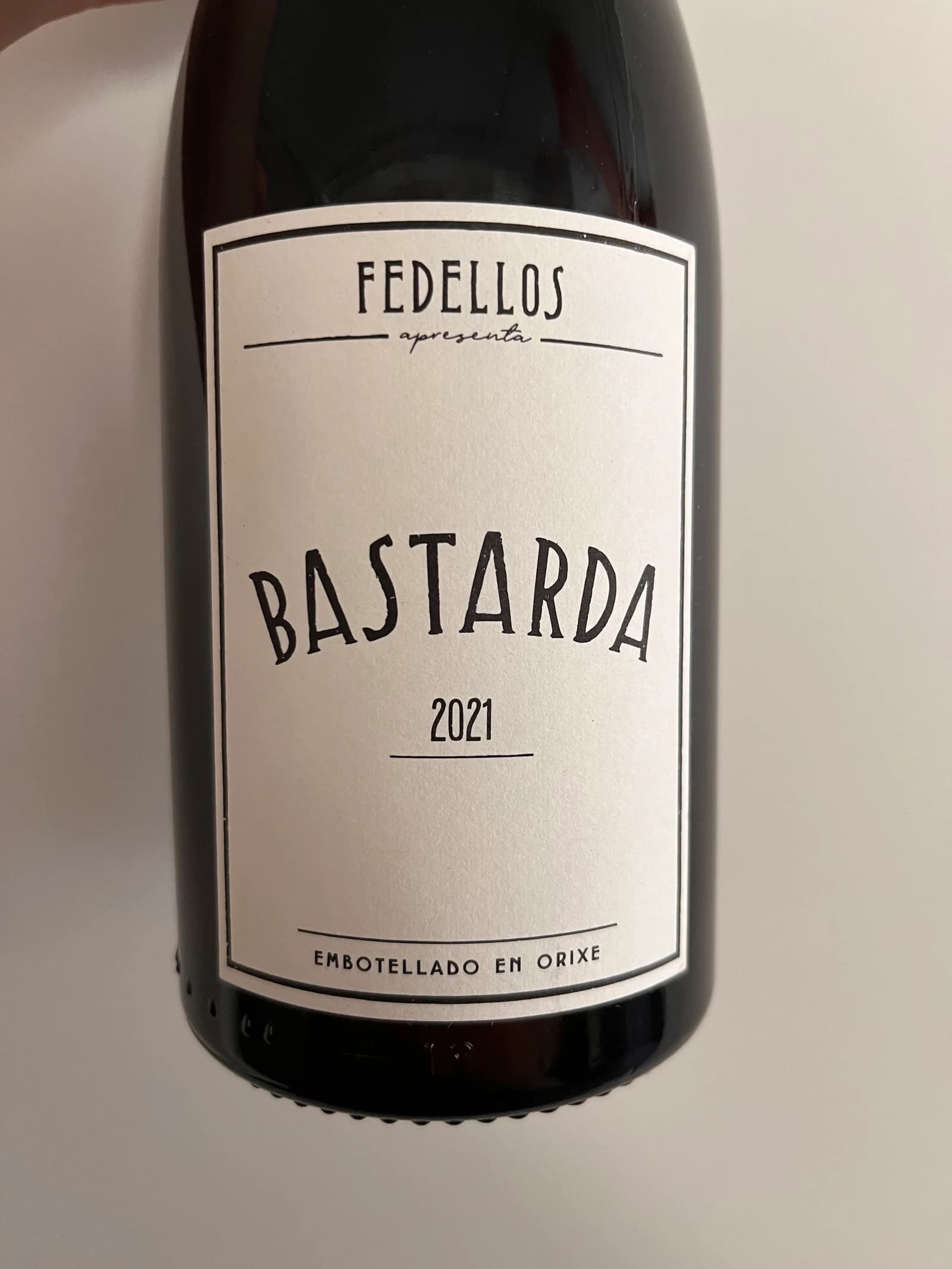
Now the game begins. Fedellos do Couto is the Ribeira Sacra project that walked out of its own DO when the appellation kept calling the wines atypical; Curro Barreño and Jesús Olivares farm vertiginous parcels in the Sil and Bibei canyons. Bastarda is their varietal Merenzao - the grape the Jura calls Trousseau and Portugal calls Bastardo - whole clusters through a 40-60 day maceration, then ten months in neutral oak; 6,000 bottles of the cool, wet 2021, filled in June 2022, at 12%. Remember this glass - the grape is not done for the night.
The full note is for members.
Join to read it and the restTony Bornard Trousseau le Garde-corps 2019
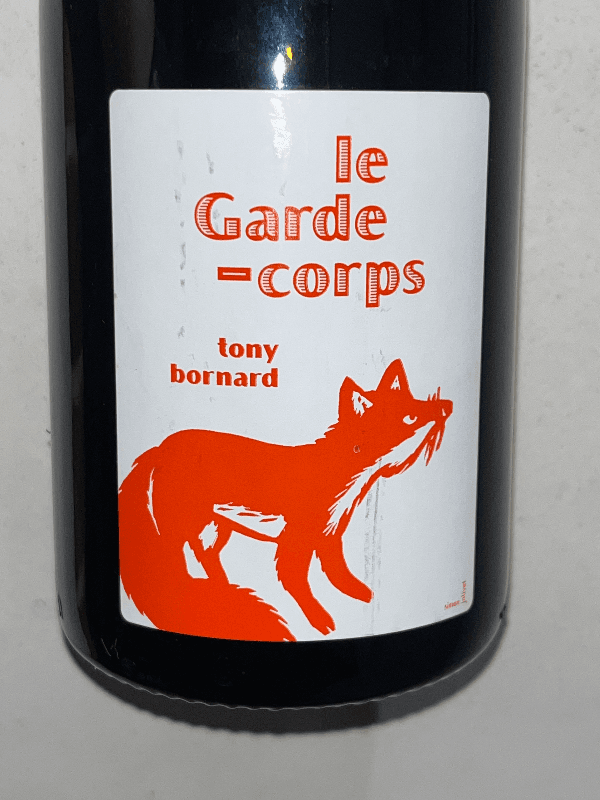
Same grape, different passport. Tony Bornard is Philippe's son in Pupillin, heir to the village grammar written by Pierre Overnoy - strict natural, sulphur at trace levels or not at all, Vin de France rather than the AOC panels. Le Garde-corps is his structured, cellar-bound Trousseau - the name puns on vin de garde - from the La Bidode parcel planted in 1988, a month on skins, old barrels, nothing added. 2019 was a tiny Jura year, two frosts and a hot summer, and it shows in the 13.8% - a very different build from the grape's showing one glass ago. Same variety, two philosophies, one table argument.
On the night, the argument ended fast. Not a flawed bottle, just a bad wine - easily one of the worst bottles I have brought to a tasting this year, if not longer. The twin test still worked: it just crowned Galicia by knockout.
The full note is for members.
Join to read it and the restR. López de Heredia Viña Tondonia Blanco Reserva 2014
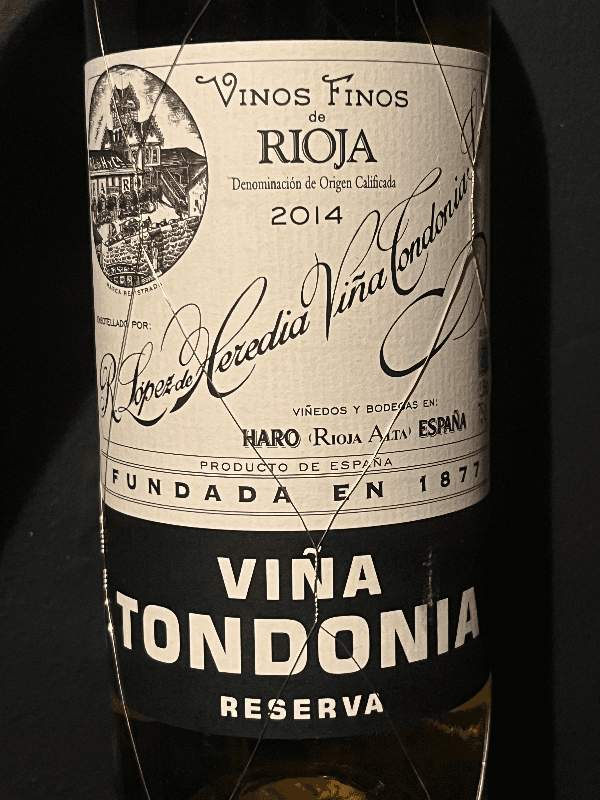
Then the dare. R. López de Heredia has made Rioja in Haro since 1877 by betting, for almost a century and a half, on not changing - American oak coopered on site, egg-white fining, releases a decade late. Tondonia Blanco Reserva is Viura with 10% Malvasía from the great shell-shaped vineyard above the Ebro: six years in cask, up to four more in bottle, about 19,000 bottles a vintage. This is a wine built for dim cellars and long dinners, the last bottle anyone would think to bury in ice - which is exactly why tonight it goes into the bucket.
The full note is for members.
Join to read it and the restParaschos Orange One 2020
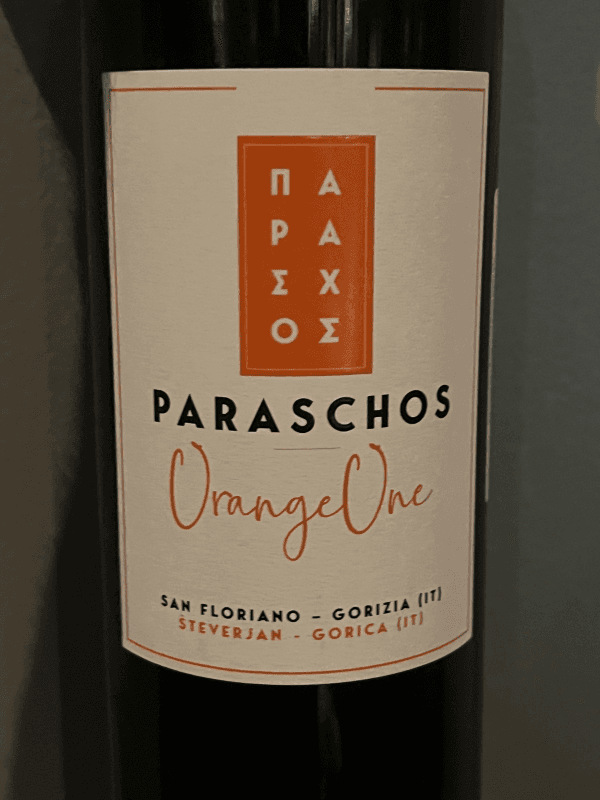
Cooling down on skins. Evangelos Paraschos ran a family restaurant on the Collio border until tasting his neighbours - Gravner, Radikon - convinced him to make wine himself; today his sons Alexis and Jannis run the cellar in San Floriano, farming ponca marl terraces. Orange One is the long-macerated cuvée: Ribolla Gialla, Friulano and Malvasia Istriana in roughly equal parts, spontaneous ferment on skins, over two years in big Slavonian oak, bottled unfiltered. The 2020 is 12.5% - and of everything on the table, the pour with the most to prove in an ice bucket.
The full note is for members.
Join to read it and the restGeorges Remy Les Quatre Terroirs N°20
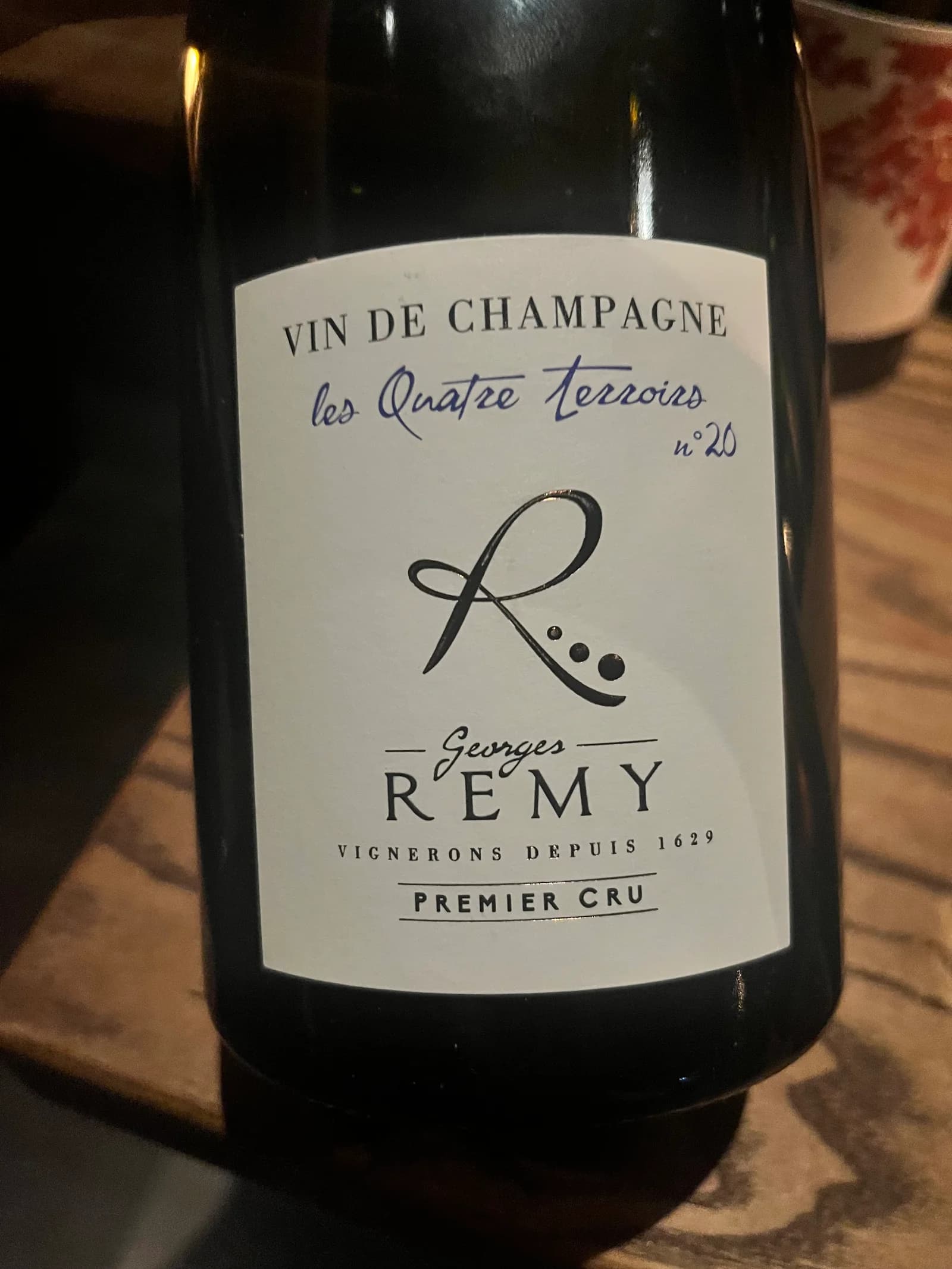
And the send-off. Georges Remy is not an old label revived - Georges founded it himself, after his father gave up production in 1989 to sell grapes; he came back through Avize, Bordeaux and years of running a vineyard-services business, opening in 2011 with a still Bouzy Rouge before the first sparkling harvest in 2014. From 4.7 hectares across Bouzy, Ambonnay, Louvois and Tauxières, fermented spontaneously in Burgundy barrels, mostly brut nature. Les Quatre Terroirs N°20 blends those four villages - 73% Pinot Noir, 27% Chardonnay on a 2020 base with a whisper of reserves - tiraged July 2021, disgorged July 2023, zero dosage, 6,501 bottles. Cold Pinot-led bubbles from the village of Bouzy: the one wine tonight the ice bucket was always going to get.
The full note is for members.
Join to read it and the rest