All producers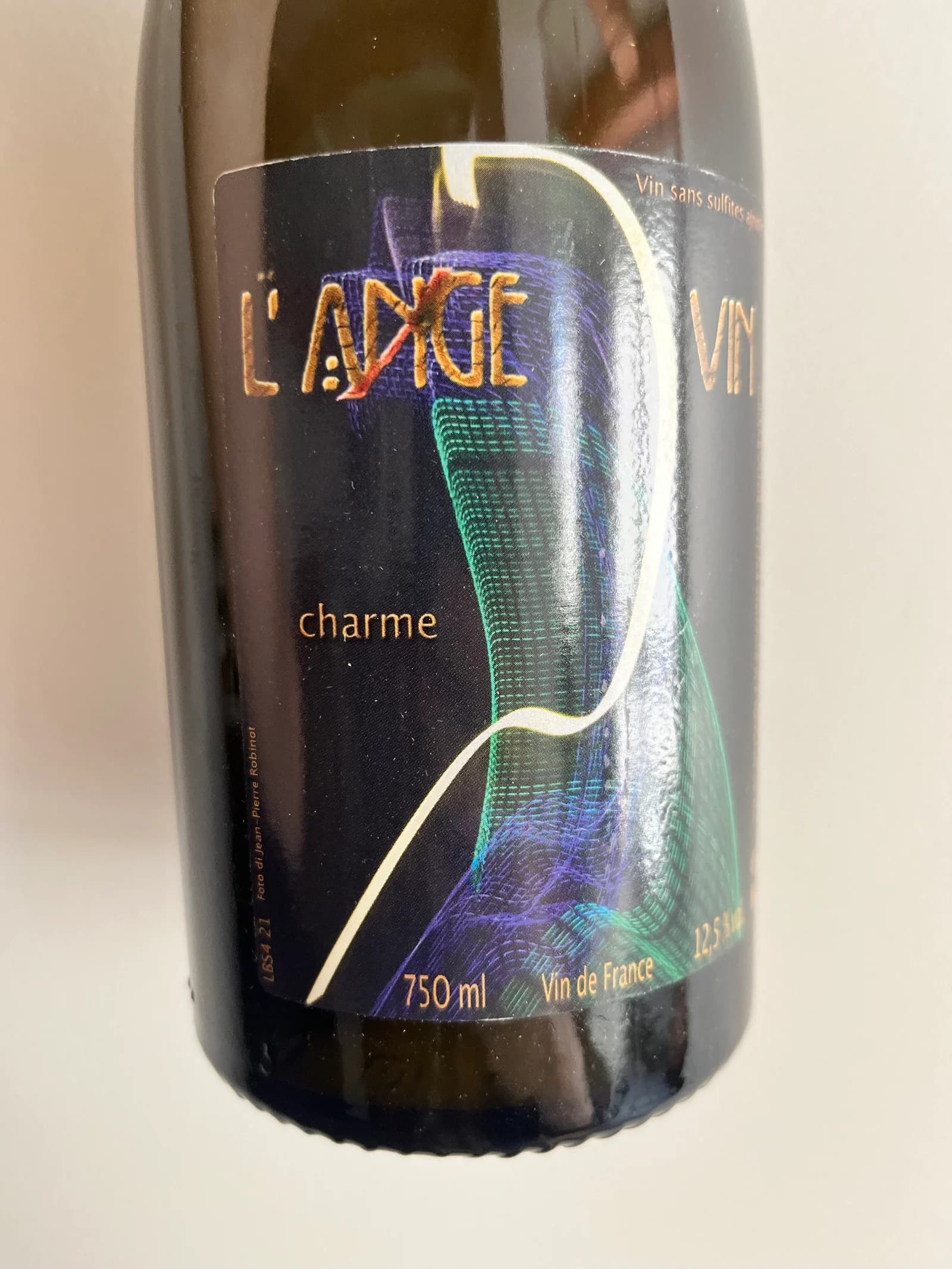
Jean-Pierre Robinot
Touraine, France17 wines4.1 avg
962
Journalist, Paris natural wine bar pioneer, and eventually vigneron - Robinot's Coteaux du Loir estate is Pineau d'Aunis and Chenin from tuffeau cellars, made with no rush and no sulphur.
Once you are caught by the living, you can't go back.
- Jean-Pierre Robinot w/ Irish Baklava Fan
First, he tends the vineyards on a tractor, and then he gets into his red Coste, a replica of the Ferrari 330 P4 from 1967, to drive around the area. This is Jean-Pierre Robinot in life - breaking free from his native village in Chahaignes, moving to Paris where he worked as a plumber, opening a wine bar, starting a wine magazine, and then leaving it all to return to his homeland in his fifties to make his own wine - the only way he believes to truly understand this form of art. As he says himself, "If a winemaker doesn't cheat, he gives a signature to the wine." So opening his wines is probably one of the best ways to get to know him while staying in Kyiv.
Art is the most acceptable form of self-reduction. And although I don't like to reduce a grand human life filled with endless moments to a few words, it's probably worth sharing at least a few facts. Let's say, to recreate some chronology and have the context of wine creation.
So, a 17-year-old boy runs away to Paris and works as a plumber for nearly 20 years. But somewhere between 22-25 years old, he truly falls in love with wine. Sometimes on the internet, they say it happened thanks to a 1964 bottle of Cheval Blanc. So, in the following years, Jean-Pierre was immersed in conventional wines (as they are now called). But everything changes when, in the 80s, he encounters the wines of Marcel Lapierre. In 1983, he co-founded the magazine "Le Rouge et le Blanc" (alongside Michel Bettane, among others). Friends and people around him start opening natural wine bars, and at some point, Jean-Pierre decides to quit his profession to join this parade of natural bars. Thus, L'Ange Vin - The Angel Wine - appears.
He laughs that although natural wine lovers existed at that time, there were still enough visitors and critics who considered him and his friends mentally deranged. And to all the claims that natural wine is just a fashion, Jean-Pierre waved them off and said, "Once you are caught by the living, you can't go back." So, for him, there was nothing temporary in it.
In the early 2000s, Jean-Pierre decides to return to his homeland to make wines himself. He finds a house, which he later buys. The house comes with a cellar, but as he gets more vineyards, one cellar becomes insufficient. He gradually acquired several other cellars dug into the local limestone hillsides - by most accounts five in total. After his first vintage in 2002, he sold his bar and fully dedicated himself to winemaking.
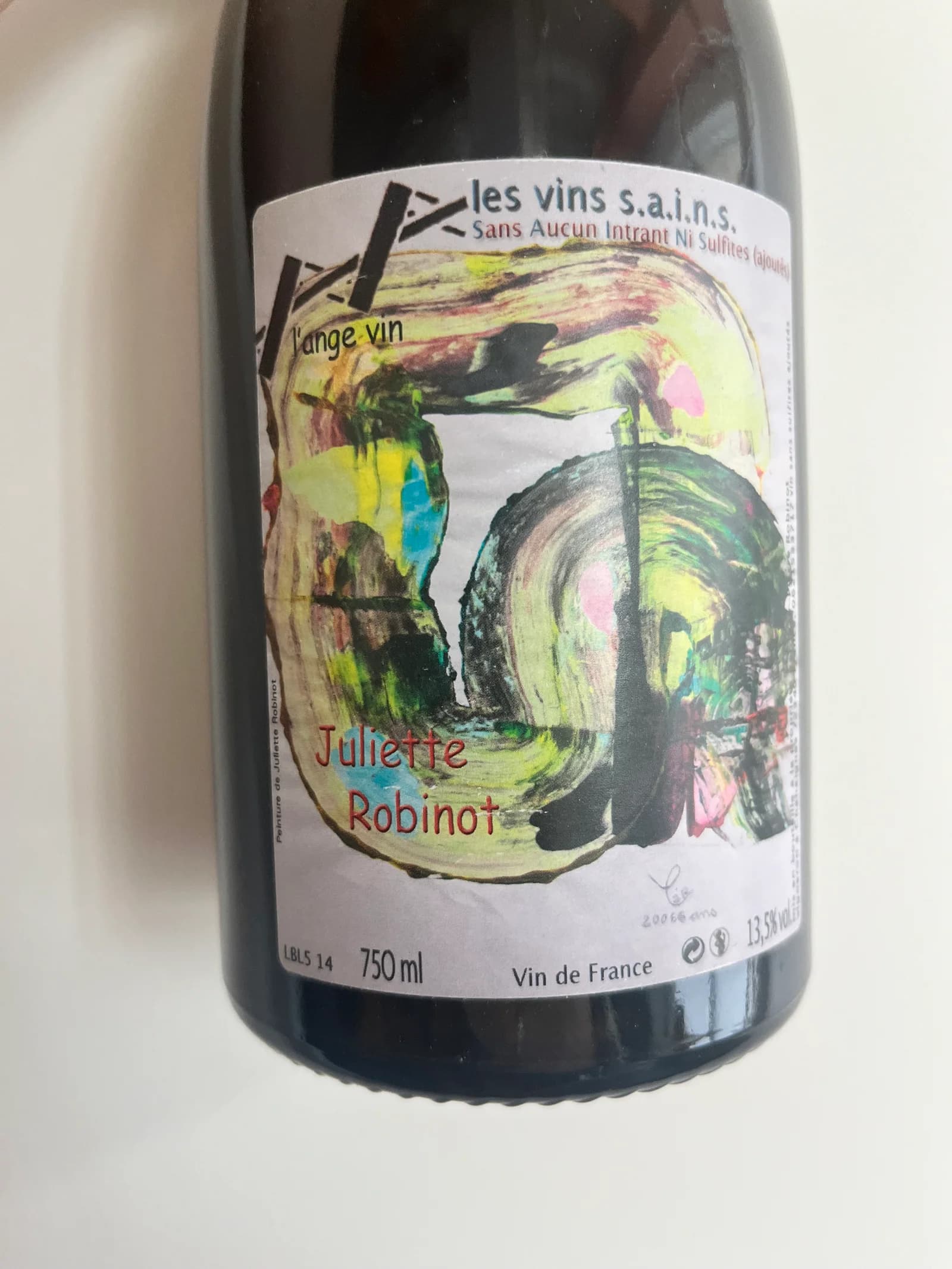
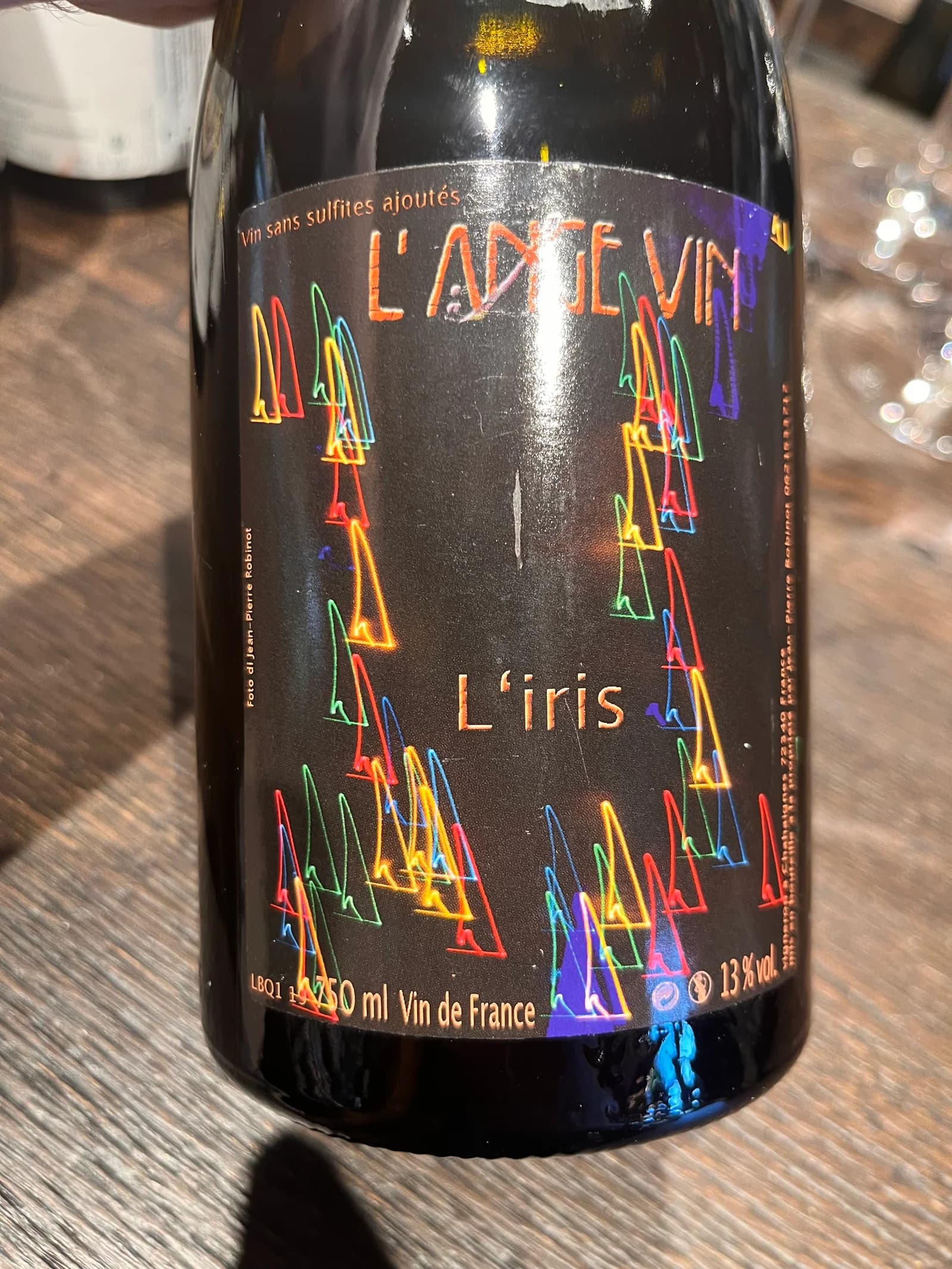
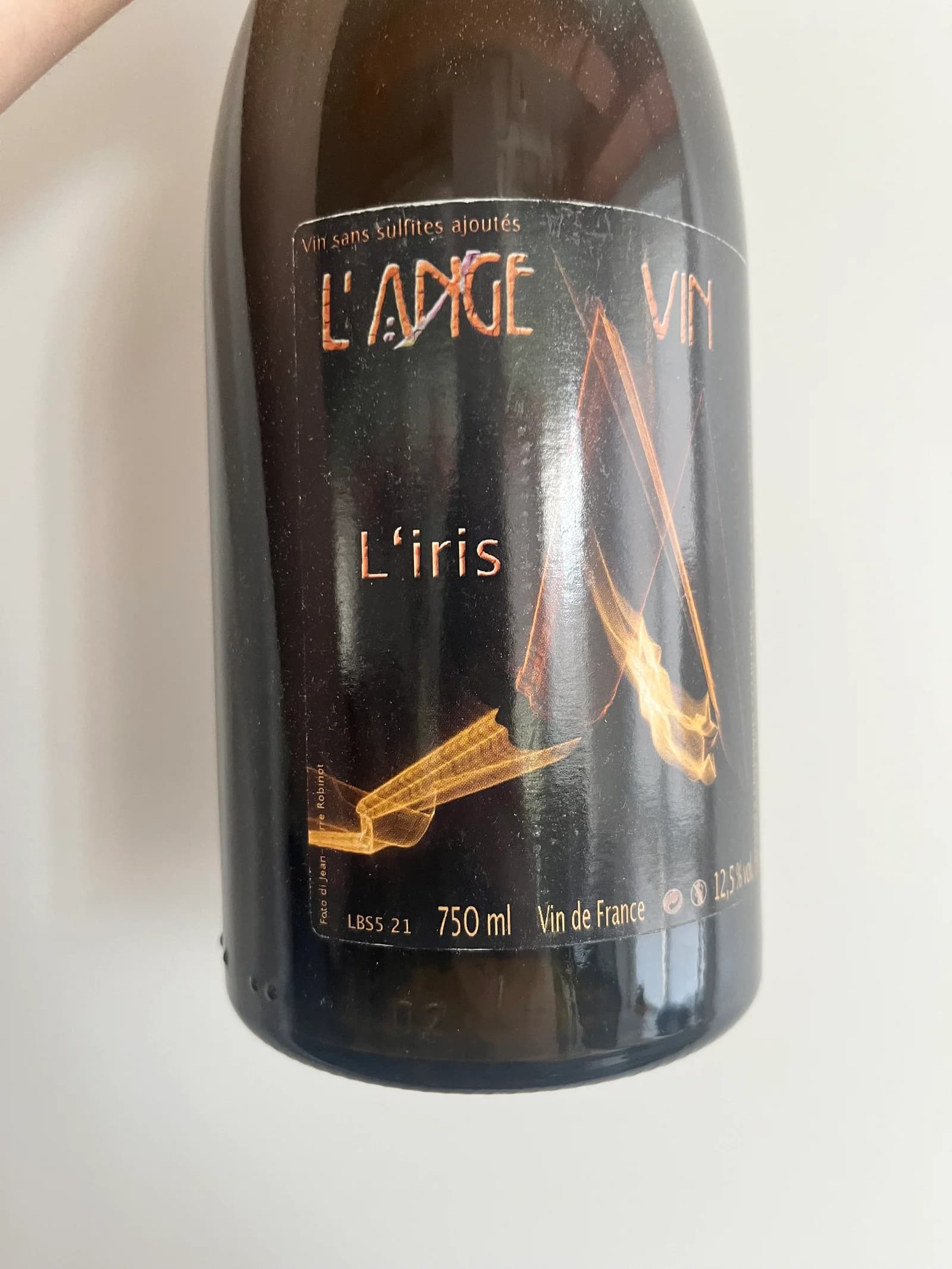
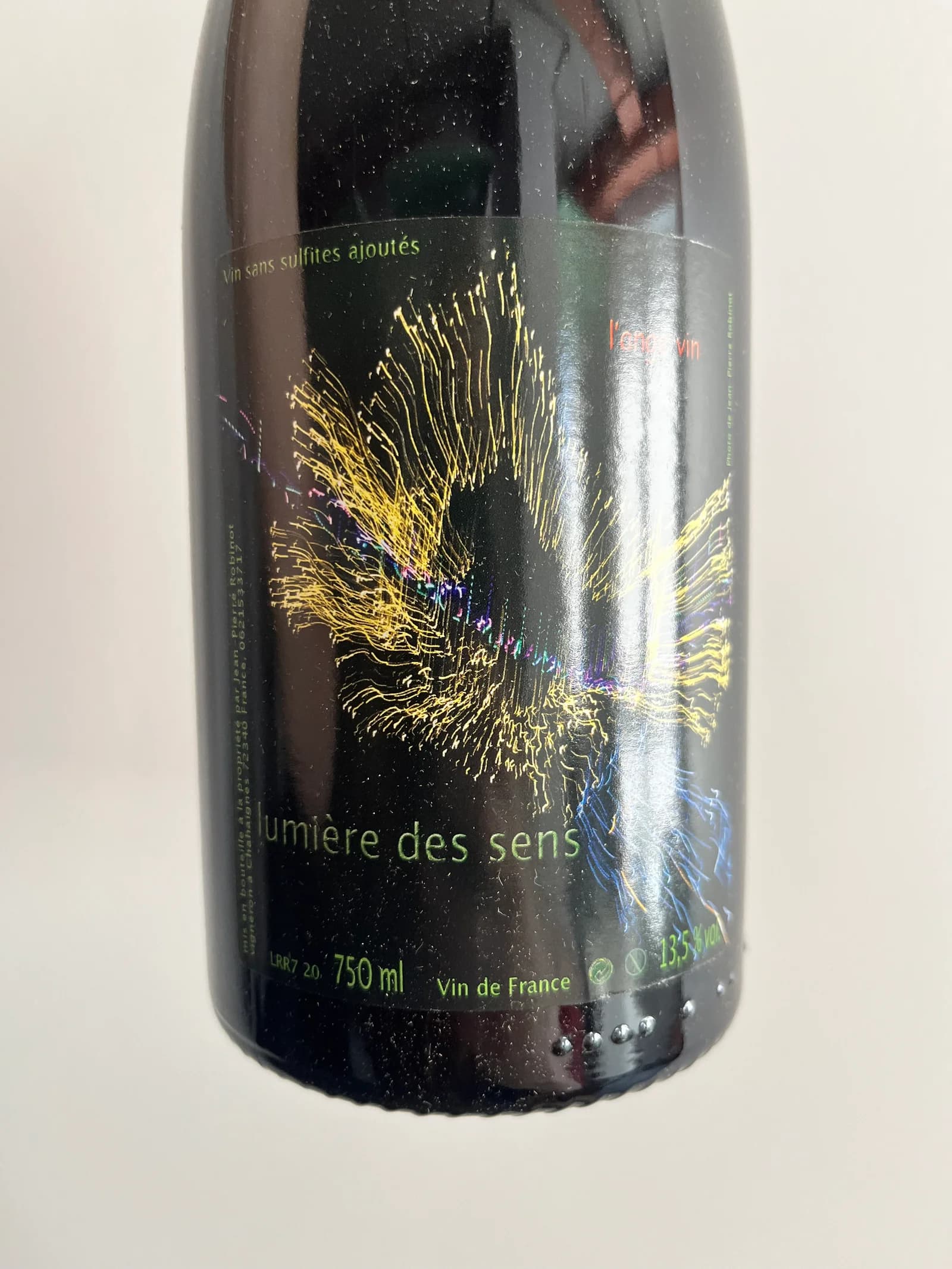
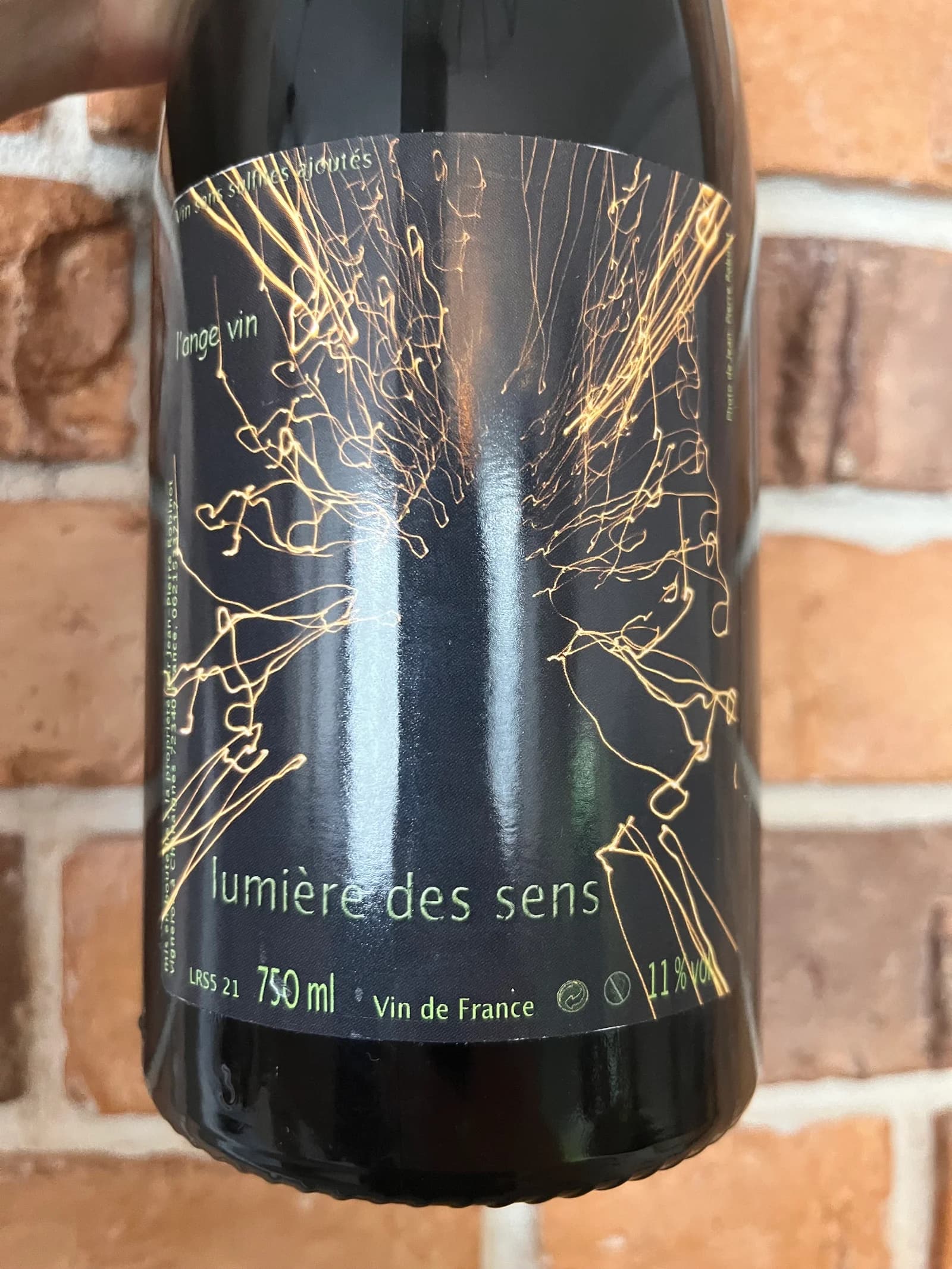
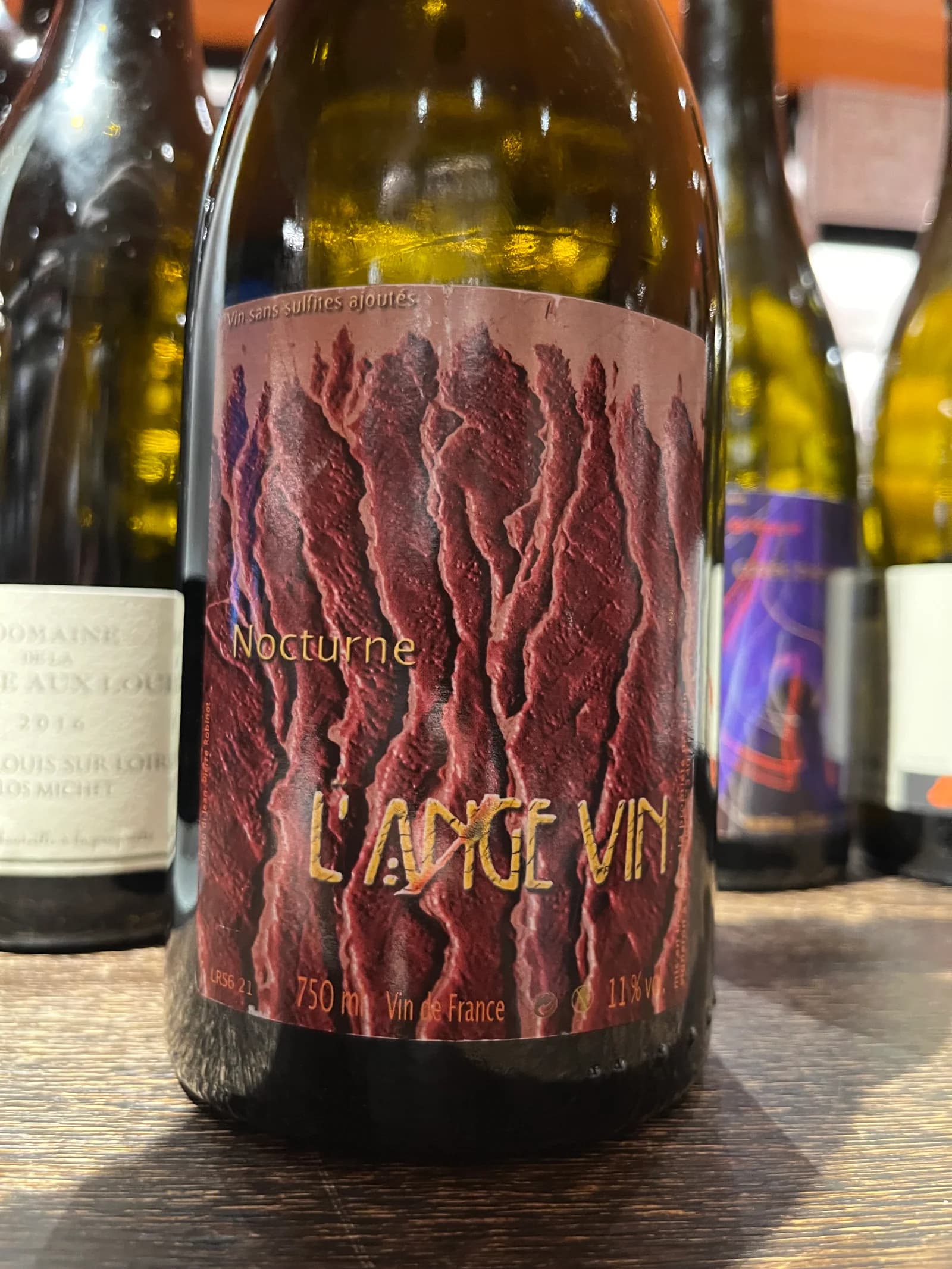
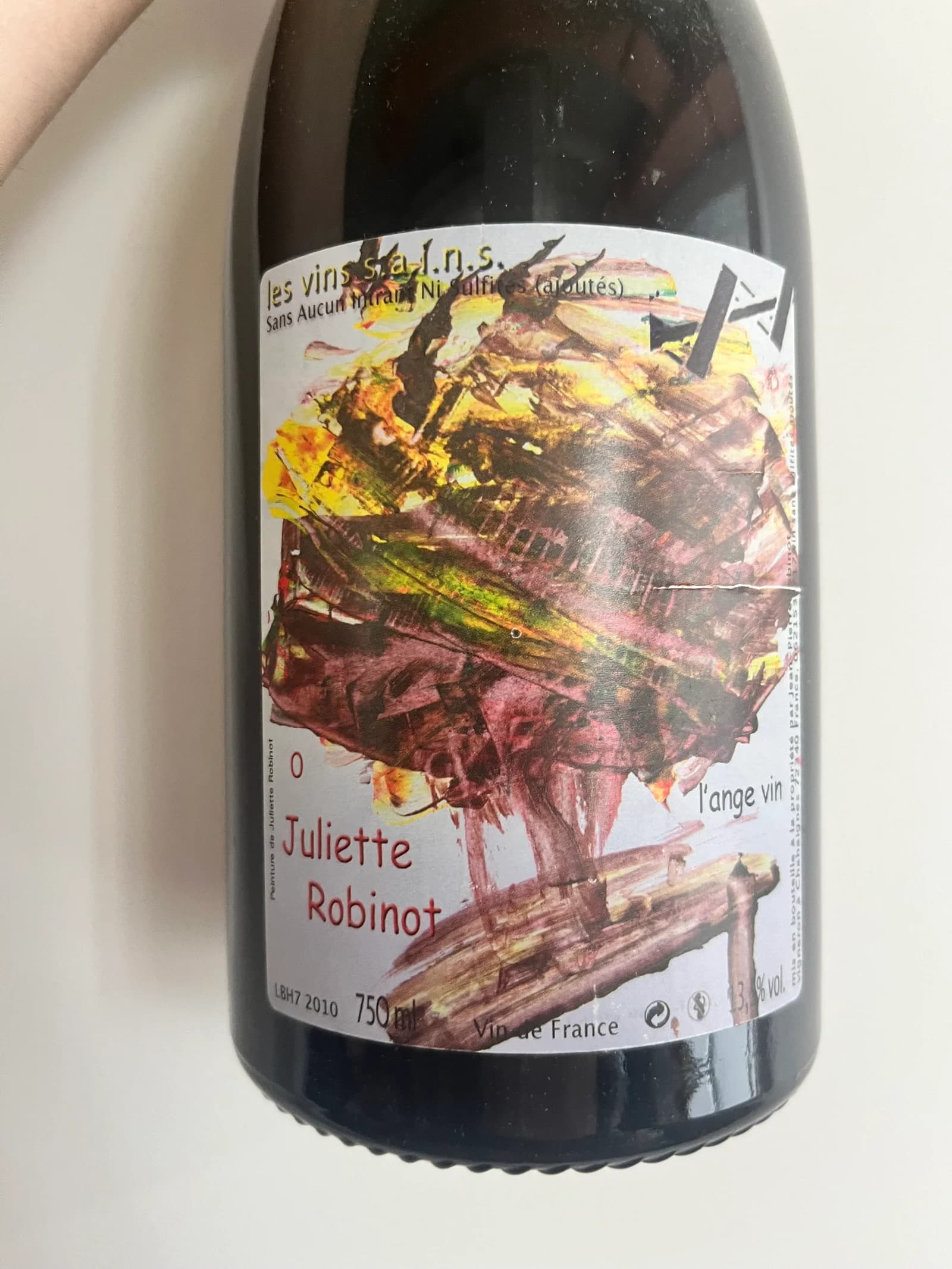
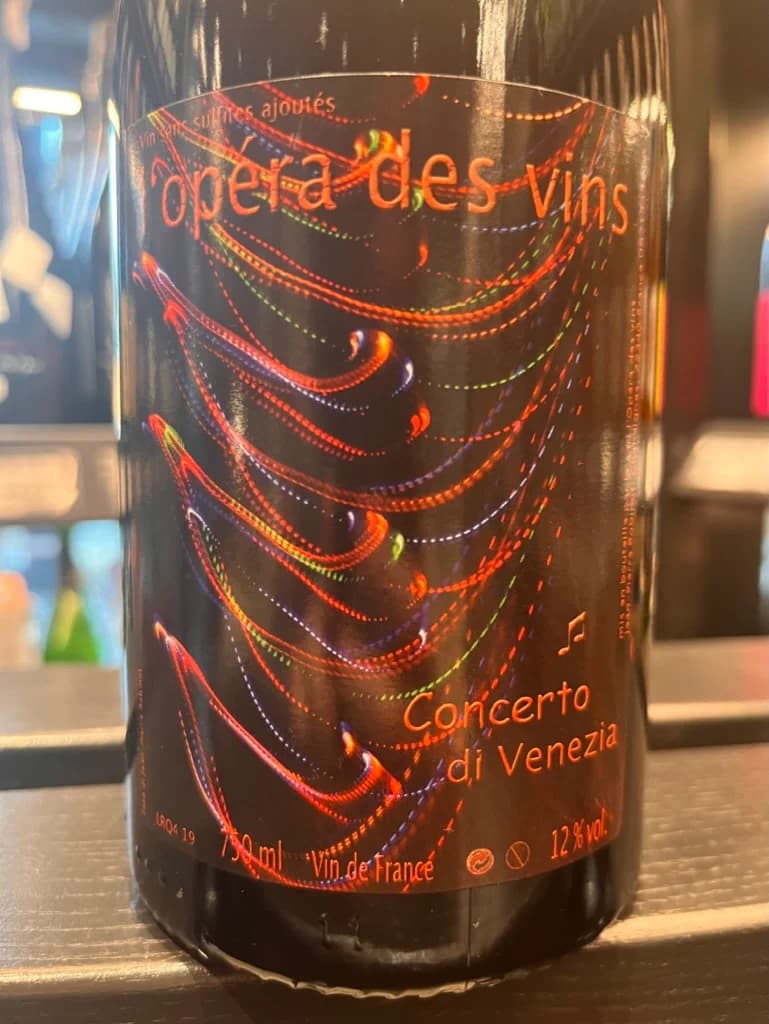
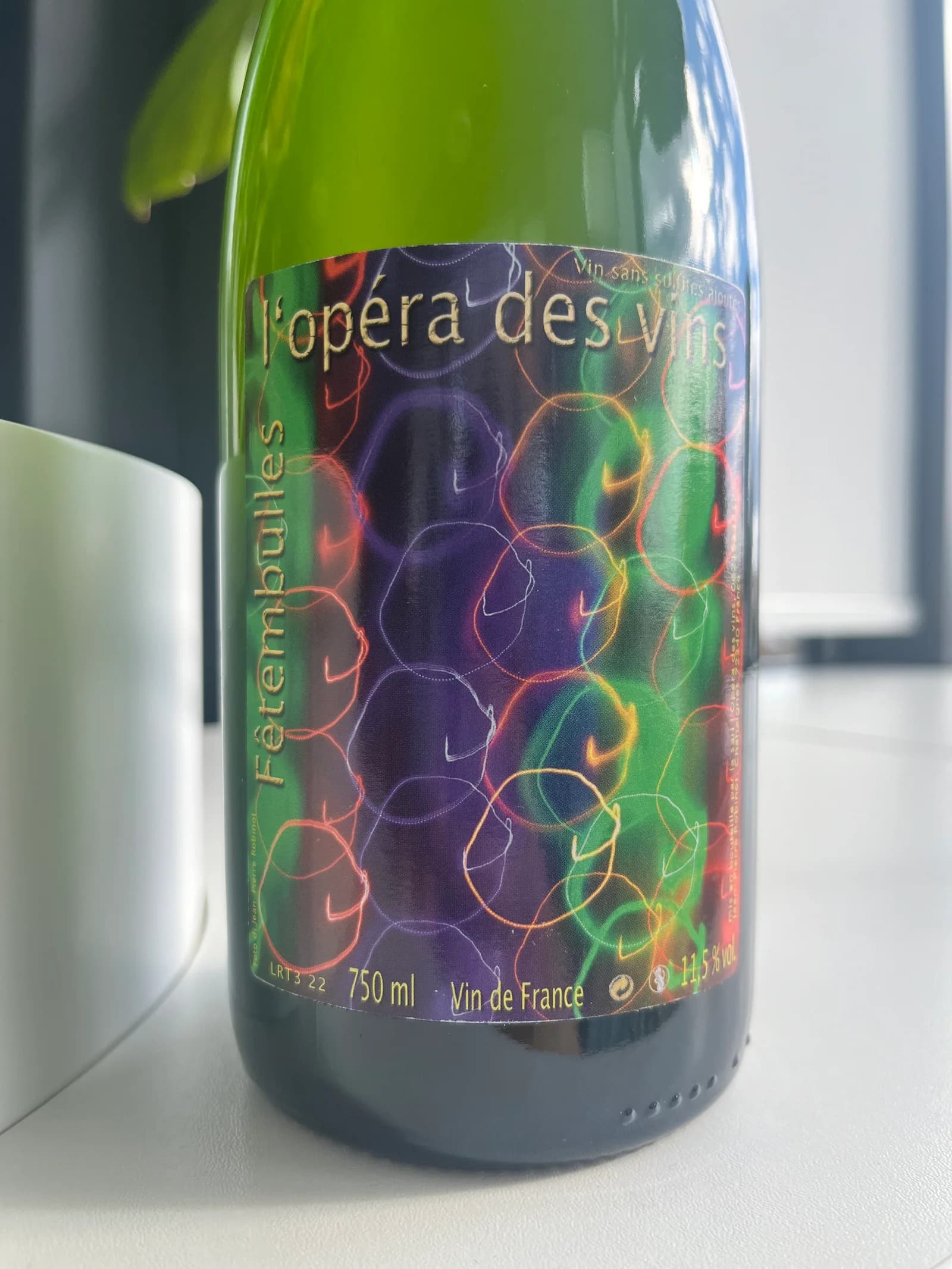
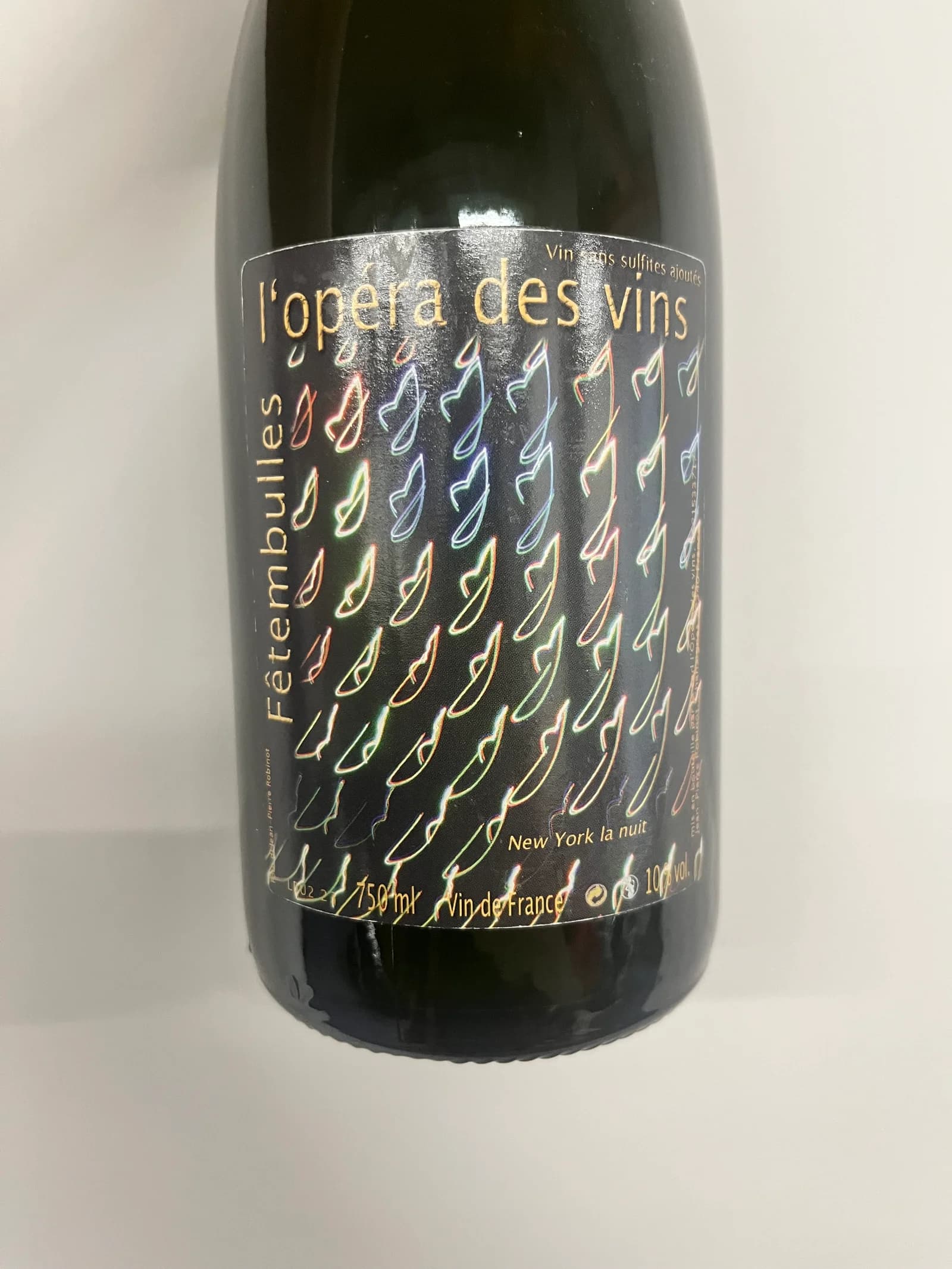
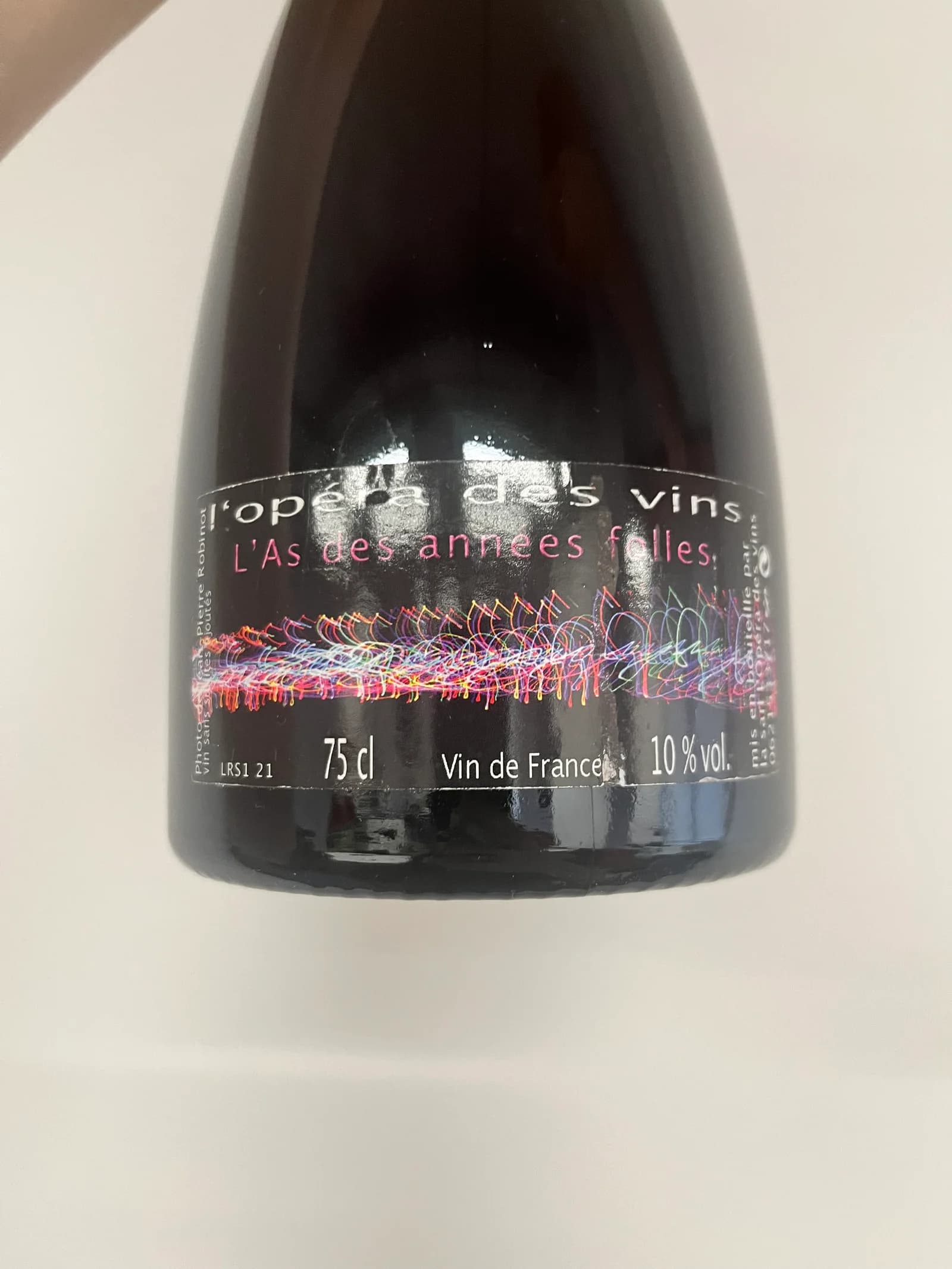
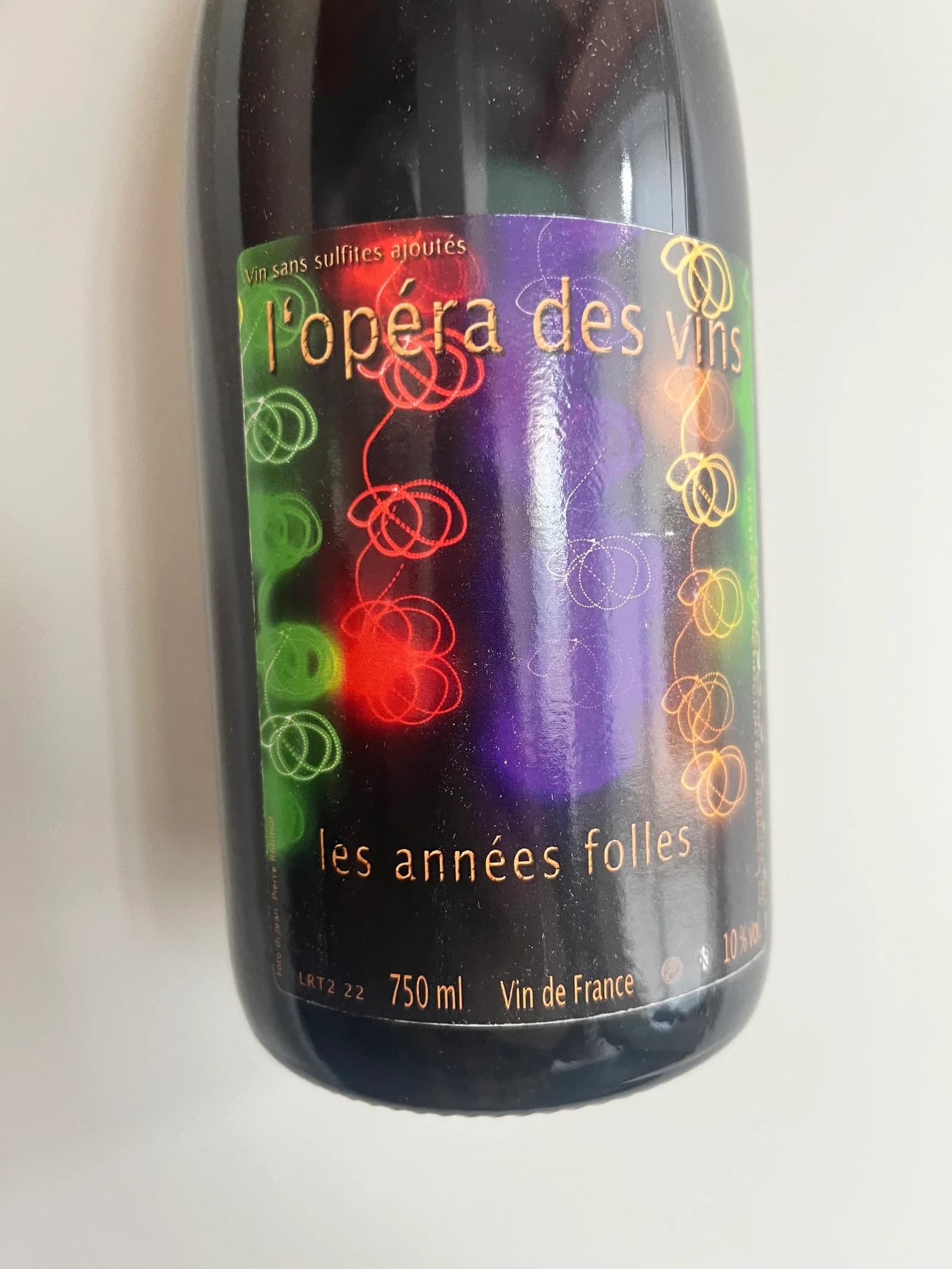
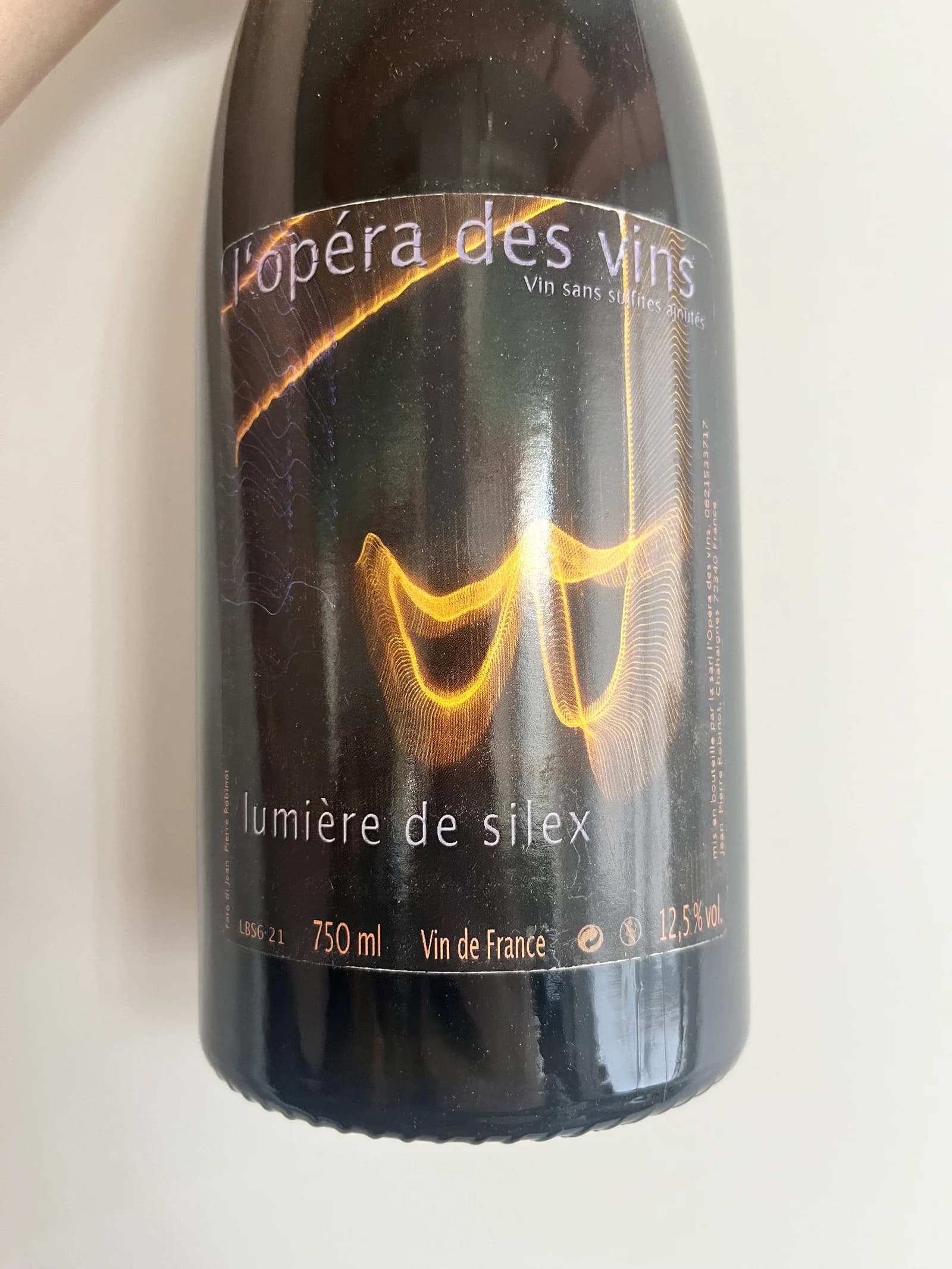
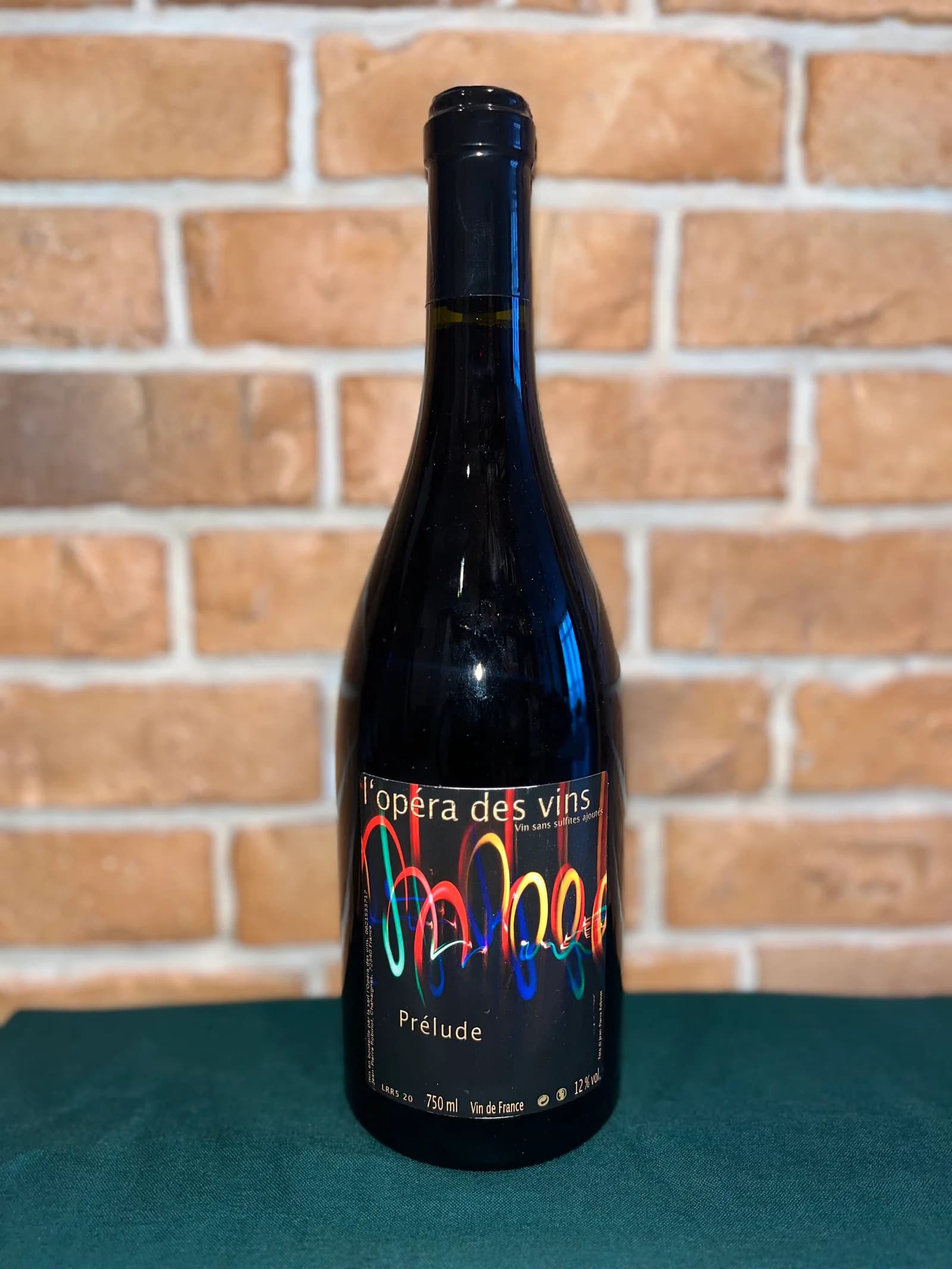
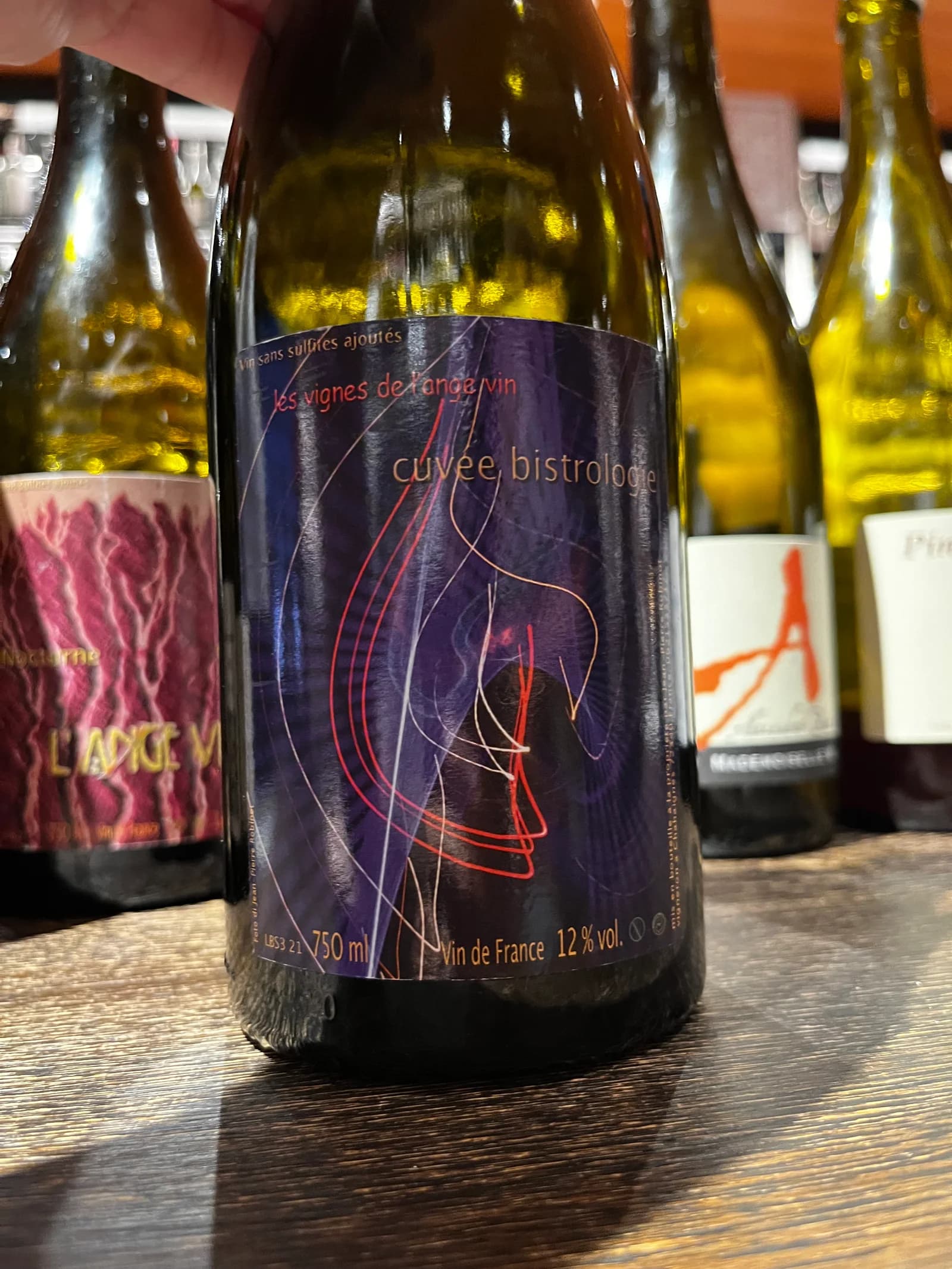
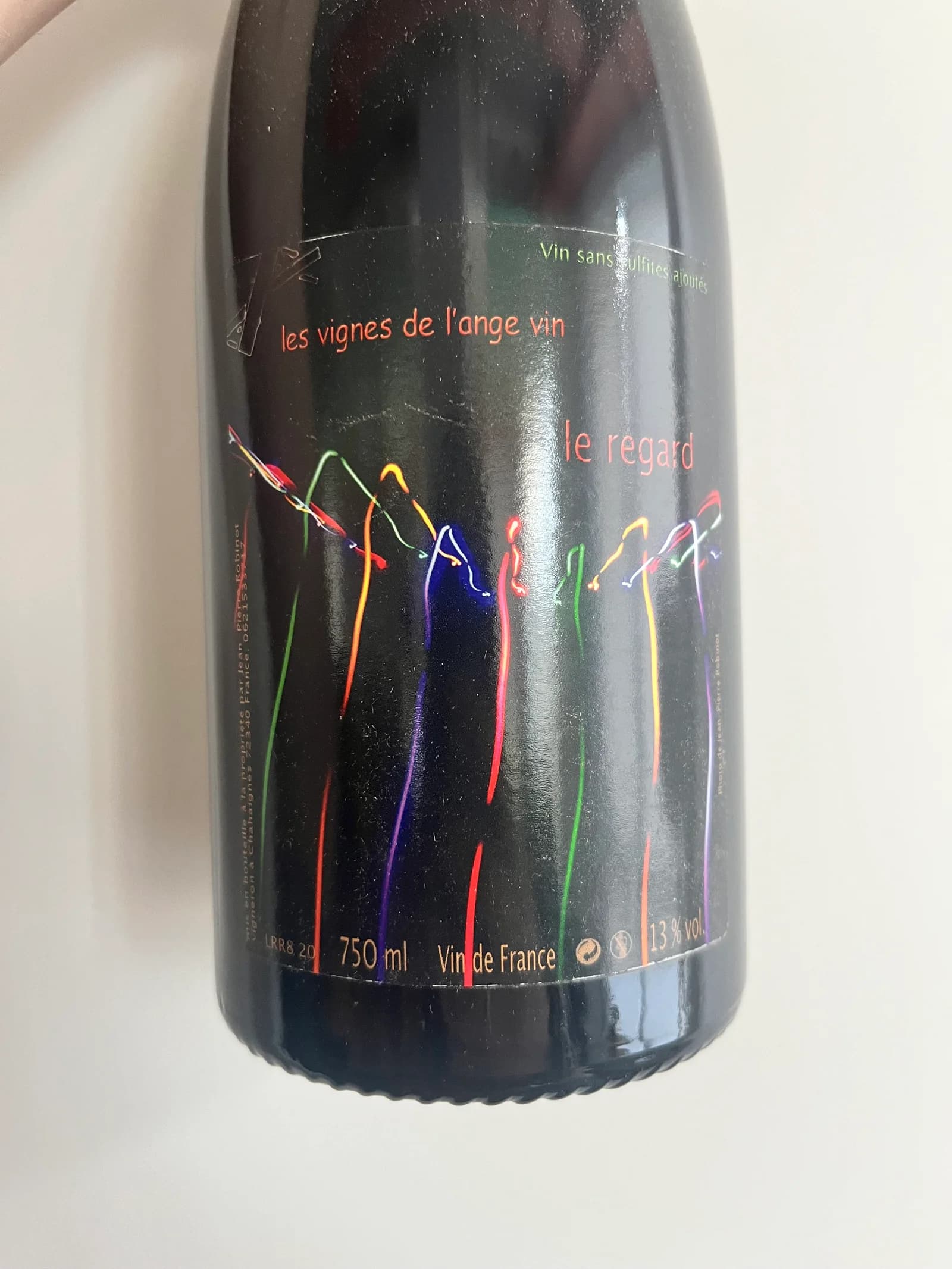
One of the things that immediately catches the eye is the abstract labels. Jean-Pierre has a passion for art, photography, painting, and art in general. That's why he started doing abstract photography and paintings for his labels. His daughter Juliette contributed a childhood drawing that became the label for the Juliette and Camille cuvées, both named for her (Camille is her middle name). He gladly changes the labels, so don't expect to always see the same photos or illustrations on your favourite wines.
You can also notice that some wines are called L'Ange Vin, and others - L'Opéra des Vins. It's simple. The first ones are made from his own grapes, and the second ones from purchased grapes.
Jean-Pierre works with two grape varieties - the magnificent Chenin Blanc and the somewhat lost-in-history Pineau d'Aunis. If many people around the world have heard of Chenin Blanc, the situation with Pineau d'Aunis is not so good. For a long time, this grape variety was used to produce simple wine, so the grapes mainly grew on the upper and lower parts of the hills, giving the best places in the middle to Chenin Blanc. But Jean-Pierre decided to give Pineau d'Aunis a chance, planting it in the central parts of the slopes with eastern exposure.
In general, Jean-Pierre has a "no rush" mentality, so he does not hurry in winemaking either, allowing the wine to slowly develop in the cellar. The cellars are all dug into limestone, with the natural thermal stability that comes with that - cool enough through summer that fermentations crawl, which is exactly what he wants.
Wines
l'ange vin charme
2021· France
4.2
l'ange vin Juliette
2014· France
3.9
l'ange vin L'iris
2019· France
4.1
l'ange vin L'iris
2021· France
4.0
l'ange vin lumière des sens
2020· France
4.2
l'ange vin lumière des sens
2021· France
4.1
l'ange vin Nocturne
2021· France
4.5
l'ange vin Super Juliette
2010· France
3.9
l'opéra des vins Concerto di Venezia
2019· France
4.1
l'opéra des vins Fêtembulles
2022· France
3.9
l'opéra des vins Fêtembulles
2023· France
4.0
l'opéra des vins les années folles
2021· France
4.1
l'opéra des vins les années folles
2022· France
4.2
l'opéra des vins lumière de silex
2021· France
4.4
l'opéra des vins Prélude
2020· France
4.2
les vignes de l'ange vin cuvée bistrologie
2021· France
4.0
les vignes de l'ange vin le regard
2020· France