Mix Italiano - hotdogs and a tour of the boot
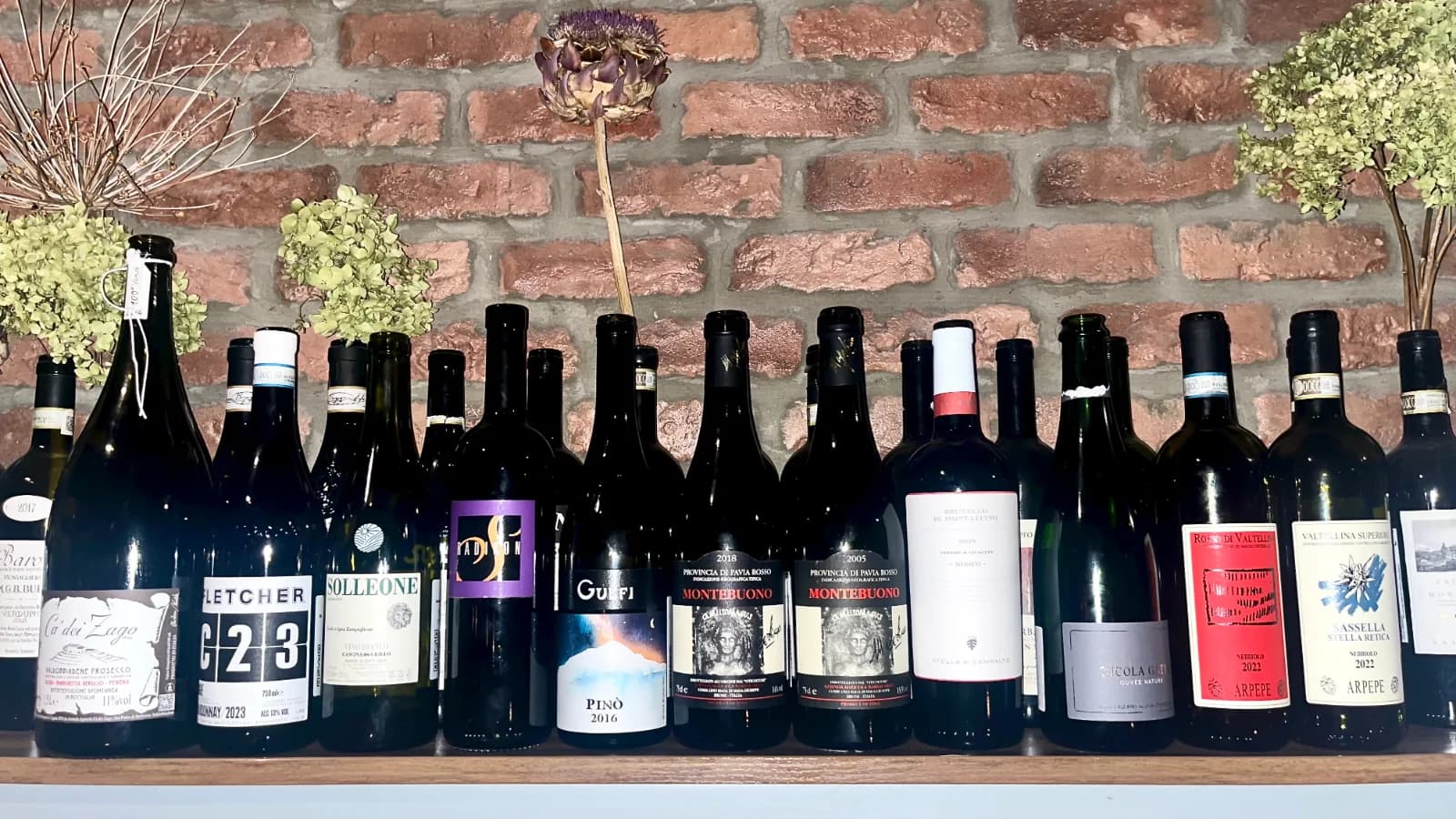
Italian-only night at Lo, opened with col fondo, hotdogs from the mangal on the street, and a lineup that crossed from Valdobbiadene to Etna with a thirteen-year Montebuono pair in the middle.
By Boris · Hosted by Boris Buliga
Wanted to make this one a little more memorable, so while everyone was gathering at Lo I pulled the portable charcoal grill (mangal in Ukrainian) out onto the street, fired it up, and we started grilling old-school hotdogs with Korean-style spicy carrots and sauerkraut - the proper Ukrainian street-food kit. A magnum of Ca' dei Zago col fondo opened, poured into glasses between turning the sausages on the grill. By the time we drifted inside, the appetites were properly set.
The lineup that followed was built around a few specific bottles I'd been wanting to open. A ten-year-old Etna Pinot from Gulfi - the Pinò 2016, drawn from a sub-half-hectare planting on the volcano's northern slope. The Brunello I keep buying despite the bruising price tag, Stella di Campalto Bosco 2018. And a thirteen-year vertical-pair test of Lino Maga's Barbacarlo Montebuono - the 2018 against the 2005, same wine and same patient template, just thirteen years apart on the clock.
Around those anchors: a beautiful long-form orange Sauvignon from Tenuta Grillo, a precise Langhe Chardonnay from David Fletcher, and a surprise bonus a guest brought - a Radikon Slatnik 2017 served blind. Then more hotdogs and a few extra bottles to close: a long-aged Nicola Gatta Cuvée Nature, an Arpepe Rosso di Valtellina, and an Arpepe Stella Retica Sassella to keep the Nebbiolo theme running into the night.
A beautiful evening - the kind where the format does as much work as the bottles, and both deliver.
Ca' Dei Zago Valdobbiadene Prosecco Magnum
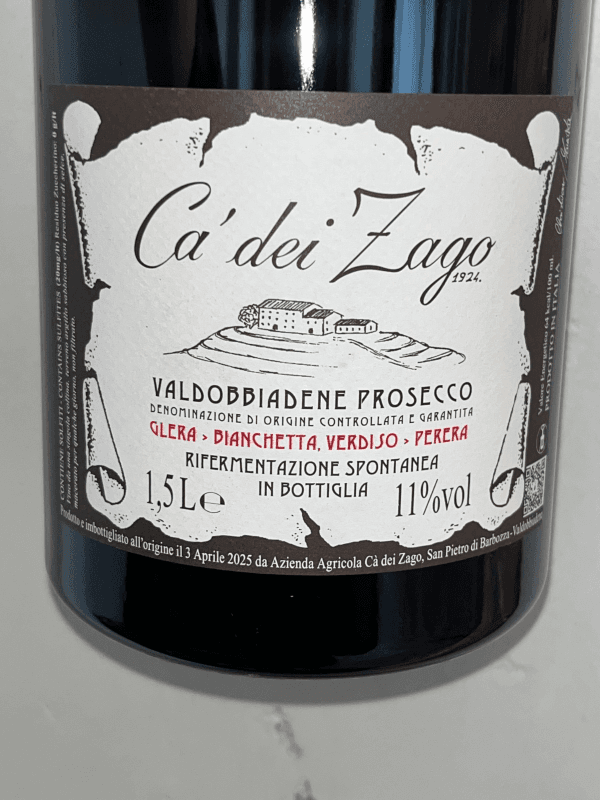
Ca' dei Zago is a fifth-generation family estate in Valdobbiadene founded in 1924, now run by siblings Christian and Marika - one of the touchstones of the col fondo revival. The Magnum is their signature: a Valdobbiadene DOCG sparkling refermented in bottle on its lees, undisgorged, intentionally cloudy. Majority Glera with a complement of Verdiso, Perera, and Bianchetta from old hand-tended plots, two days on skins, spontaneous ferment in cement, no fining or filtration. In magnum the larger format slows lees autolysis and gives the wine a longer, calmer second life.
The full note is for members.
Join to read it and the restDavid Fletcher Langhe Chardonnay 2023
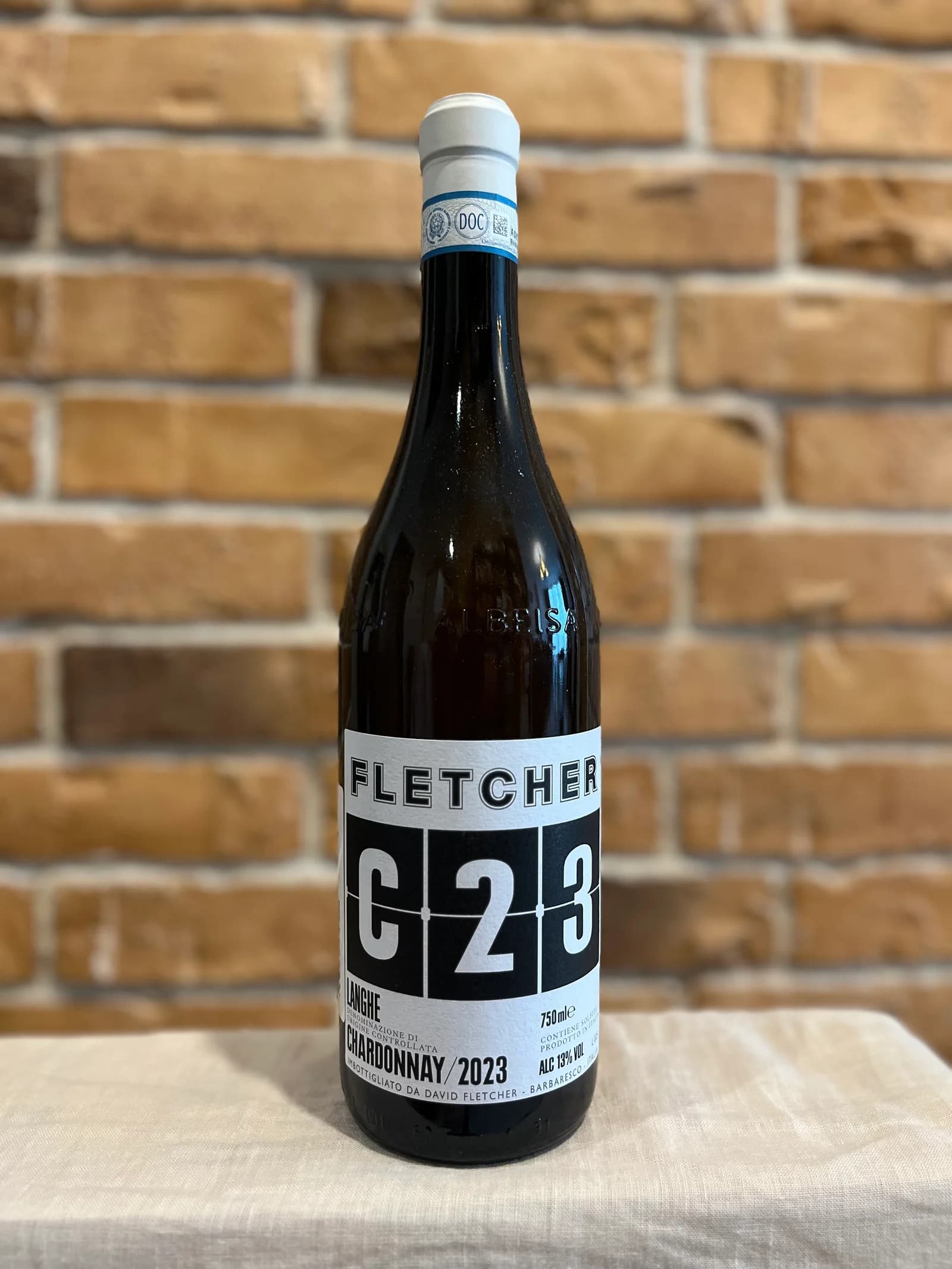
David Fletcher is the Adelaide-born winemaker who moved to Piedmont in 2007 to work harvest at Ceretto and launched his own négoce label in 2009; cellar today is in Barbaresco's converted train station ("La Stazione"). The Langhe Chardonnay sits alongside his Nebbiolo lineup: whole-bunch pressed with no sulphur and handled oxidatively into barrel, then spontaneously fermented and aged around nine months on lees with roughly 30% new French oak per year. Texture from lees and skin work rather than oak signature.
The full note is for members.
Join to read it and the restTenuta Grillo Solleone 2018
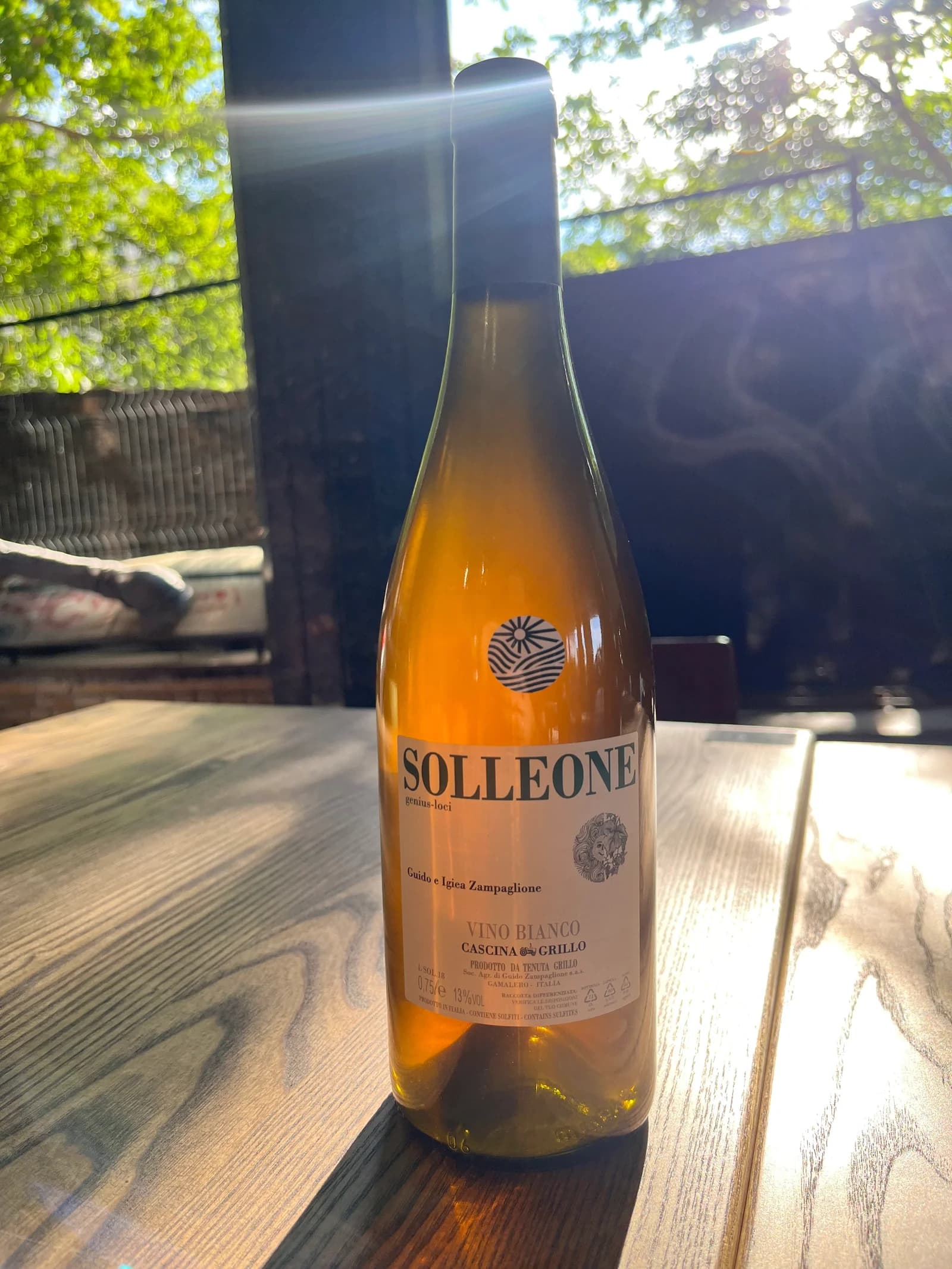
Tenuta Grillo is Guido Zampaglione's Piedmontese estate in Gamalero, Monferrato - a patient cellar releasing wines eight to fifteen years after harvest. Solleone is his long-form orange wine from 100% Sauvignon Blanc, the name a nod to the dog-day sun the grapes ripen under. Around 60 days on skins with native yeasts, then roughly a year in steel and at least five more years in bottle before release - unfined, unfiltered, the variety reshaped by maceration time.
The full note is for members.
Join to read it and the restRadikon Slatnik 2017
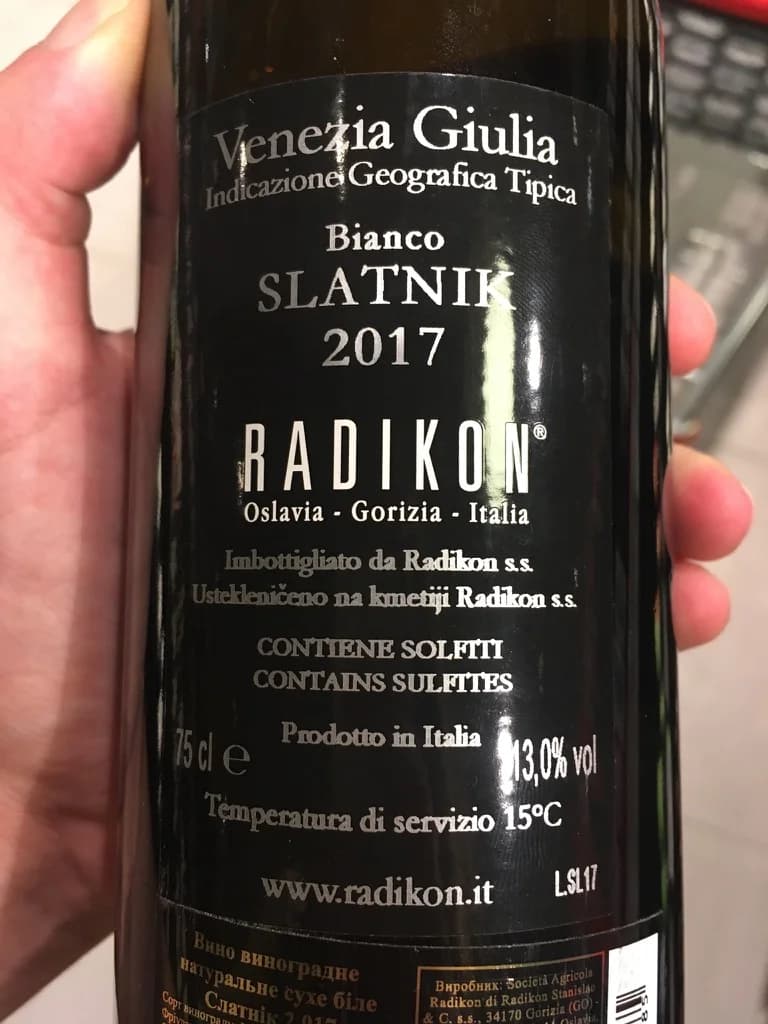
Radikon is the Oslavia (Friuli) house Stanko Radikon built into one of the canonical orange-wine references; Saša Radikon launched the friendlier 750ml "S-line" in 2009. Slatnik is the entry into that line: roughly 80% Chardonnay and 20% Friulano from the Slatnik plot, with eight to fourteen days on skins and around a year in large old botti - far shorter than the long-maceration Oslavia cuvées. Stanko died in 2016; Saša has carried the S-line forward with the same template since.
The full note is for members.
Join to read it and the restGulfi Pinò 2016
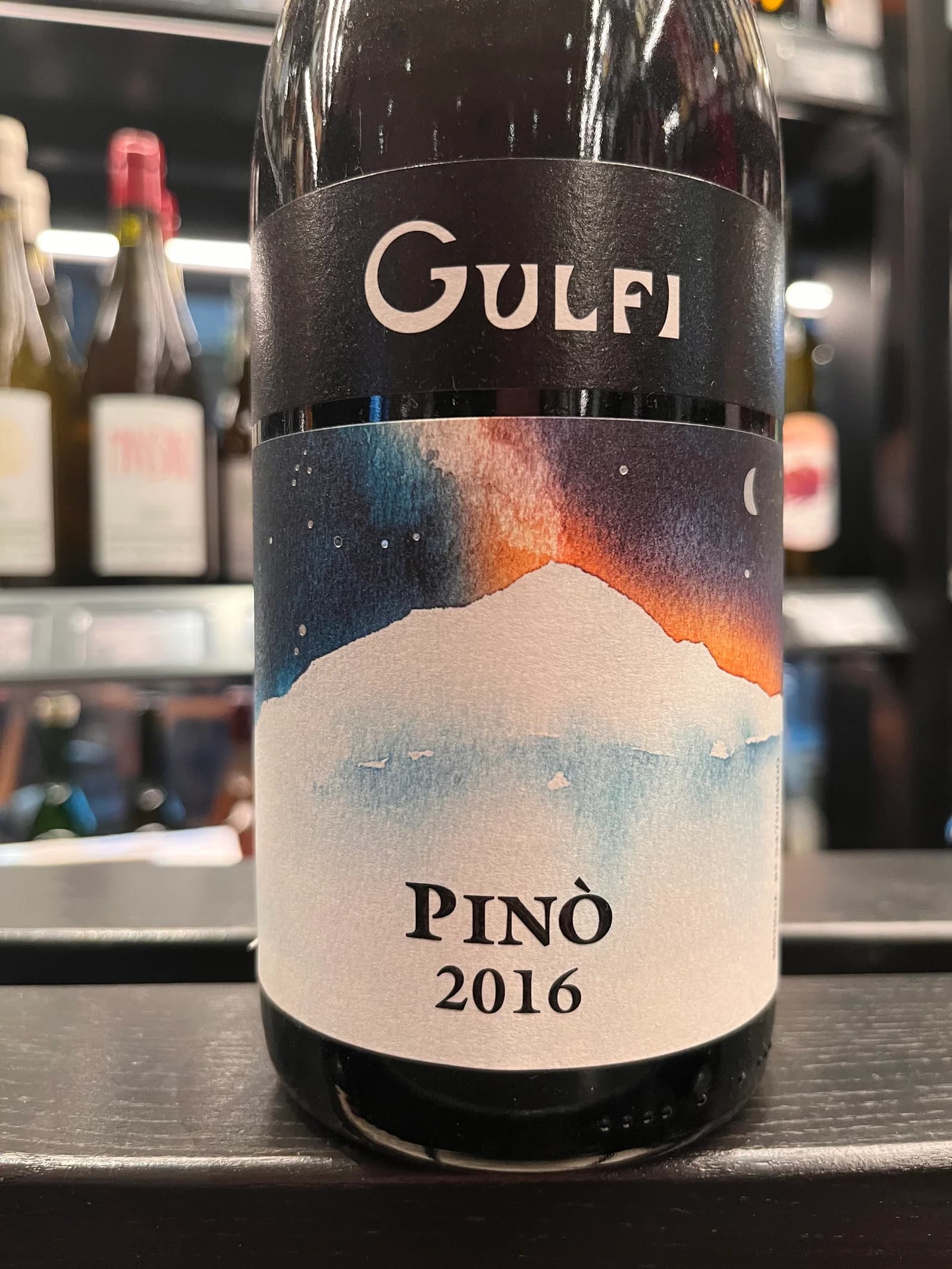
Pinò is Gulfi's experimental Etna Pinot Noir from Vigna Militi in Randazzo, planted in under half a hectare on the volcano's northern slope at around 800 metres - sharing ground with the Nerello Mascalese that becomes their Reseca. Native ferments, neutral Slavonian wood, no additions to speak of. A small, deliberate outlier in a Sicilian cellar otherwise built on indigenous varieties.
The full note is for members.
Join to read it and the restBarbacarlo Montebuono 2018
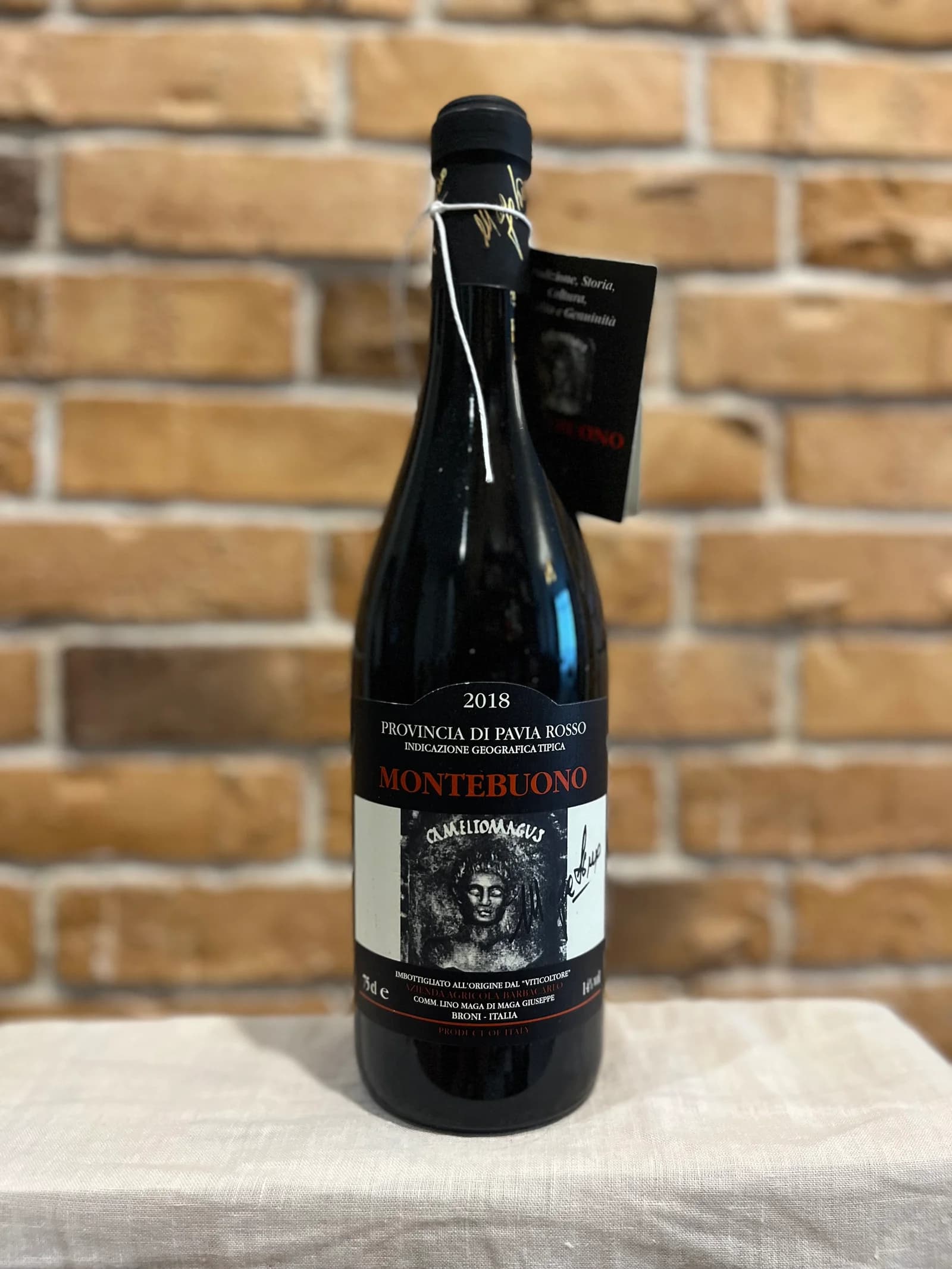
Montebuono is Lino Maga's sibling cuvée to the legendary Barbacarlo, from a south-facing parcel adjacent to but less extreme than the Barbacarlo slope in the Oltrepò Pavese commune of Broni. The blend is Croatina-led with Uva Rara, Vespolina (Ughetta locally) and a touch of Barbera. Fruit is foot-trodden, ferments spontaneously for seven to eight days, ages around eight months in 3000-litre old casks racked by the moon, then bottled the spring after the following harvest with fermentation often still finishing in glass.
The full note is for members.
Join to read it and the restBarbacarlo Montebuono 2005
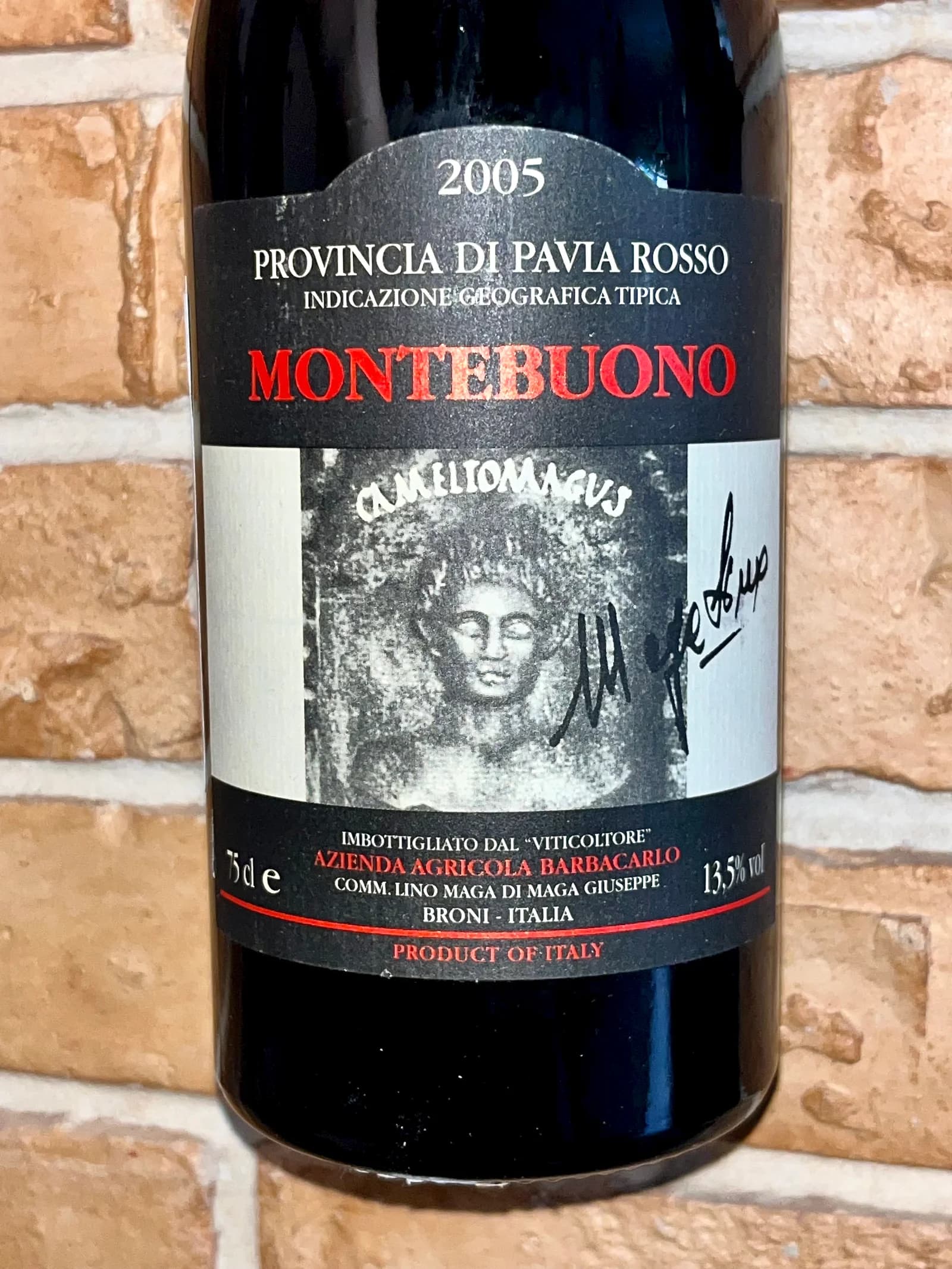
The same wine as the 2018, made by Lino Maga himself more than a decade before his death at year-end 2021, and bottled to the same patient template: Croatina with Uva Rara, Vespolina and a touch of Barbera, foot-trodden, fermented with indigenous yeasts, aged in big old Slavonian casks and bottled the following spring with fermentation often finishing in glass. The Montebuono parcel and its method have not materially shifted over the years; what changes with age is the wine in glass, not the recipe behind it.
The full note is for members.
Join to read it and the restStella di Campalto Brunello di Montalcino Bosco 2018
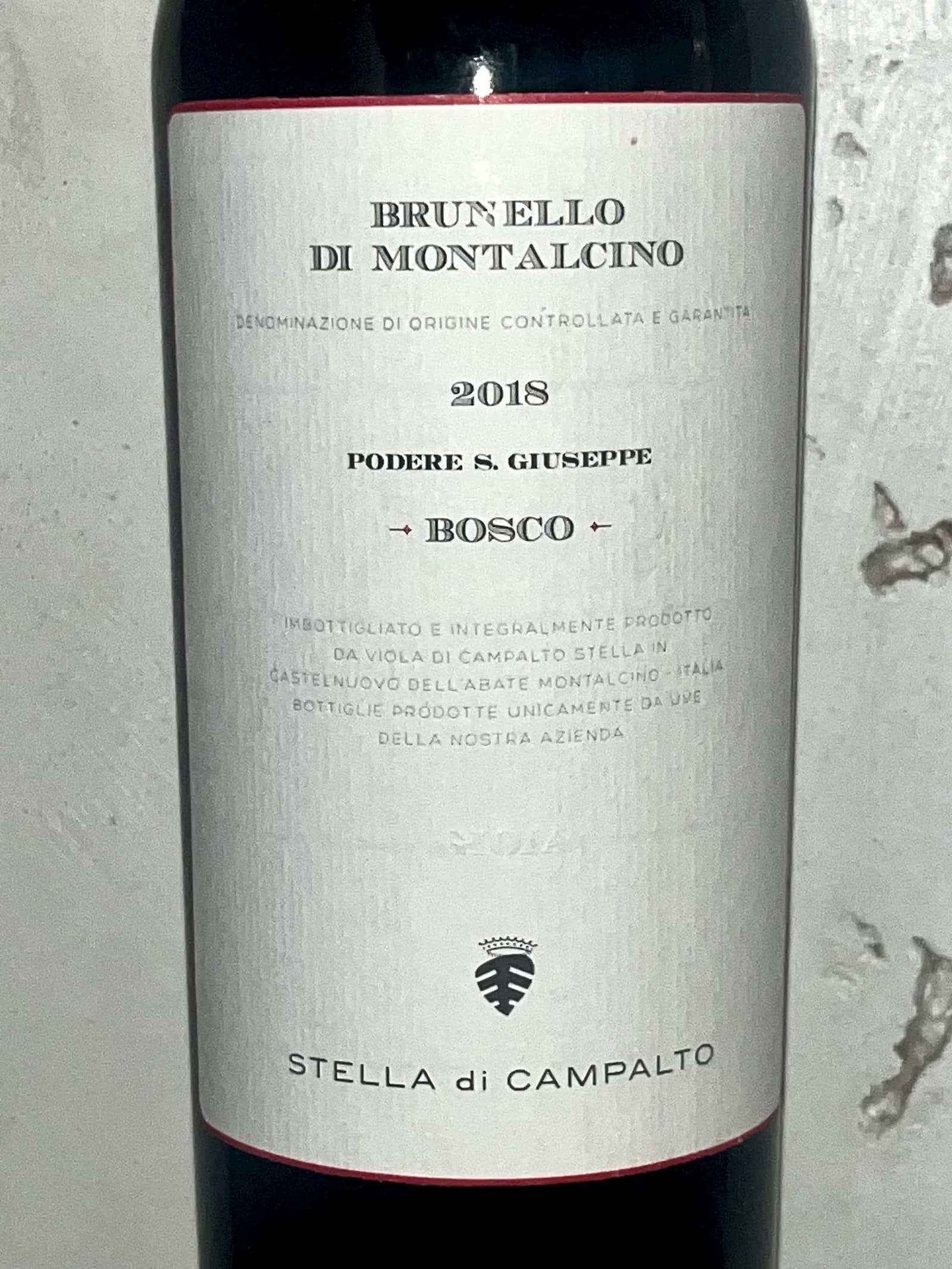
Bosco is one of Stella di Campalto's site-named Brunello cuvées from her Podere San Giuseppe estate in Castelnuovo dell'Abate, near the Abbey of Sant'Antimo. The blend draws from four south- and southwest-facing plots - Bosco, San Giuseppe, Ulivo, and Curva - between 210 and 290 metres on a property with twelve distinct soil types. Spontaneous ferment in 20-40hl wooden vats with no pied de cuve, around 34 months in 15-17hl casks plus roughly 30 months in bottle. Organic since 1996, biodynamic since 2002, with output across all Brunello bottlings only around 14,000 bottles.
The full note is for members.
Join to read it and the restNicola Gatta Cuvée Nature d2024-09 CN6
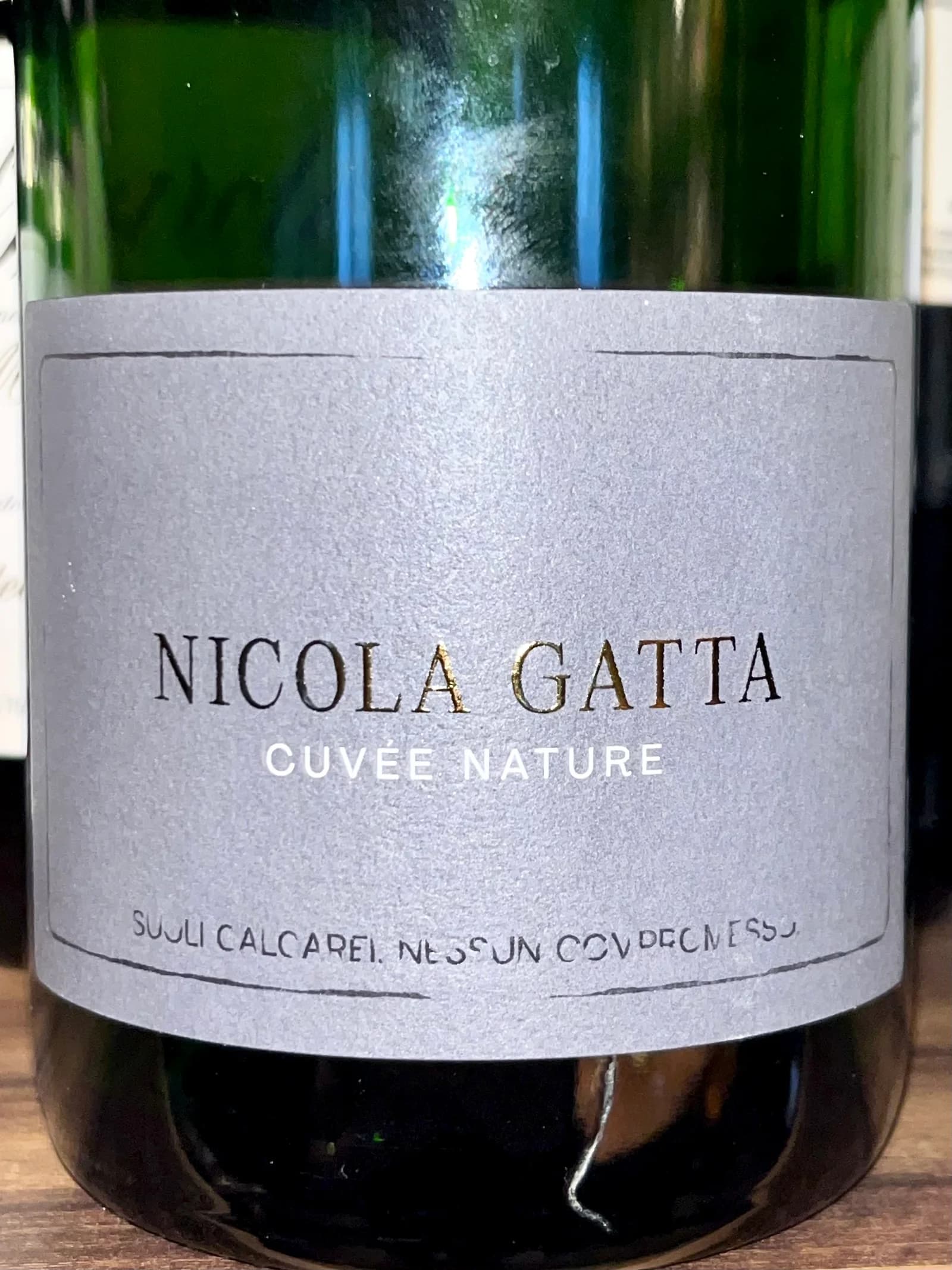
Nicola Gatta works limestone-rich calcareous hills in Gussago and Cellatica on the eastern edge of Franciacorta, deliberately outside the DOCG so he can bottle as Vino Spumante on his own terms. Cuvée Nature is roughly 80% Chardonnay and 20% Pinot Nero, spontaneously fermented in tonneaux, secondary fermented in bottle, and aged around thirty lunar months on lees before disgorgement. Zero dosage, no added sulphites, no filtration. This release is the CN6 batch, disgorged September 2024.
The full note is for members.
Join to read it and the restArpepe Rosso di Valtellina Nebbiolo 2022
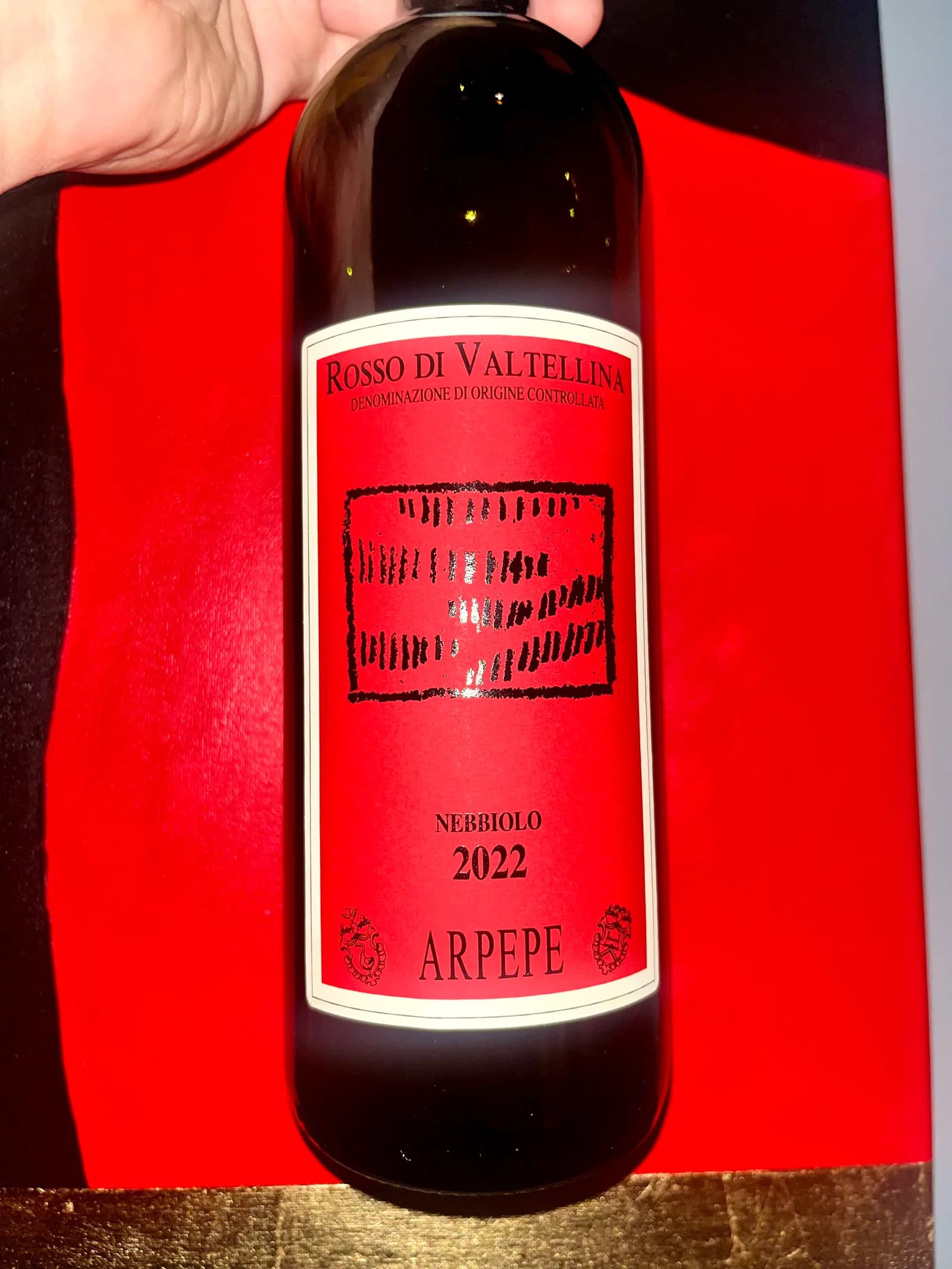
Rosso di Valtellina is Arpepe's entry tier and the youngest expression of Chiavennasca (Nebbiolo) the family releases. Born in 2003 as a vintage blend across the family's cru sites when the harvest demanded it, it has stayed in the range ever since. Native-yeast ferment, extended maceration in wooden vats, six to twelve months in large untoasted casks of Slavonian or French oak before further bottle time.
The full note is for members.
Join to read it and the restArpepe Sassella Stella Retica 2022
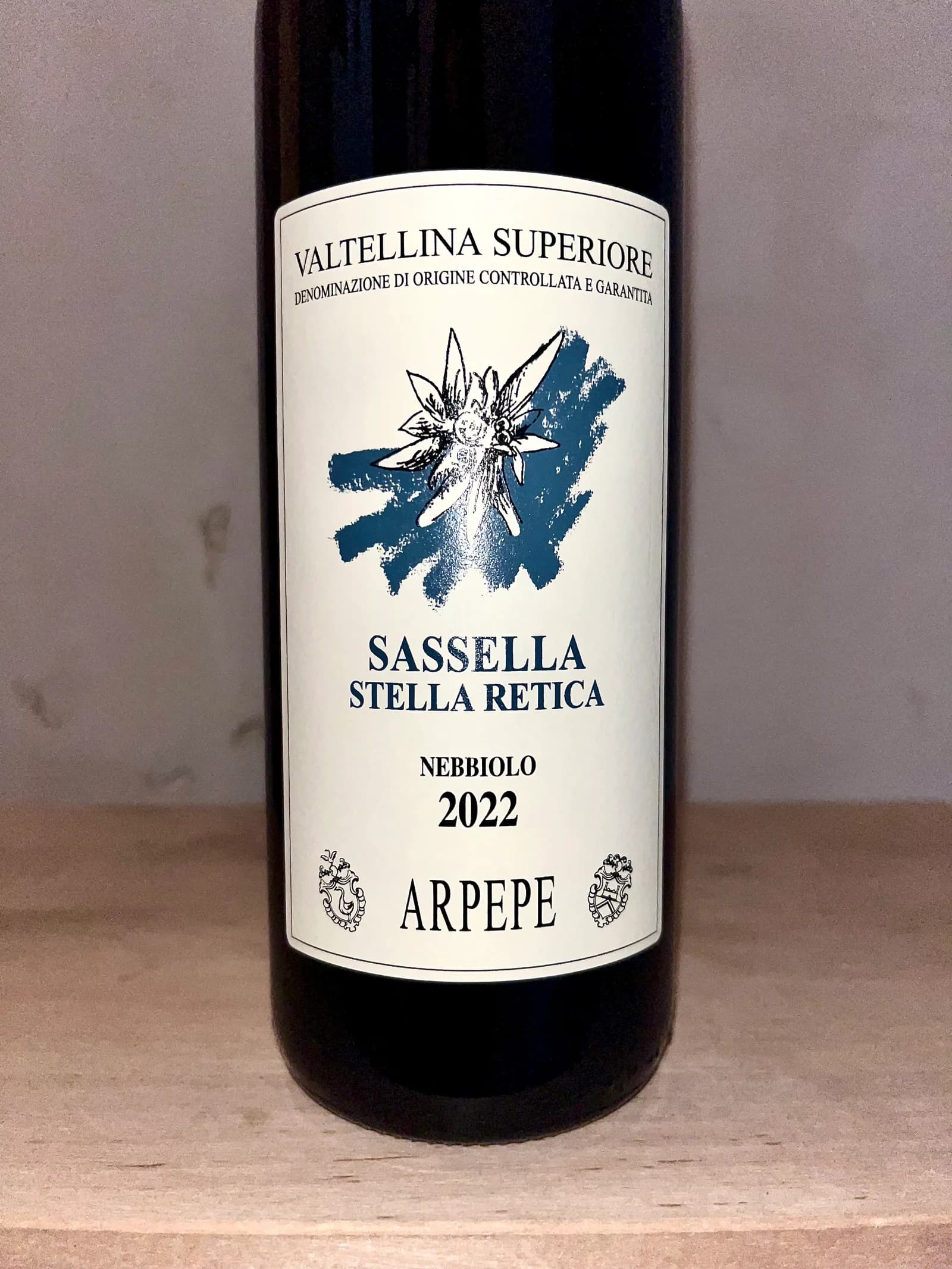
Stella Retica is Arpepe's Sassella sub-zone Valtellina Superiore, drawn from the rocky upper terraces of one of the appellation's most prized slopes. 100% Chiavennasca (Nebbiolo), fermented with indigenous yeasts, then aged 18-24 months in large old casks of Slavonian and French oak before extended bottle rest. The alpine, fine-boned counterpoint to Piedmontese Nebbiolo - red fruit and dried rose carried by stony tension.
The full note is for members.
Join to read it and the rest