All producers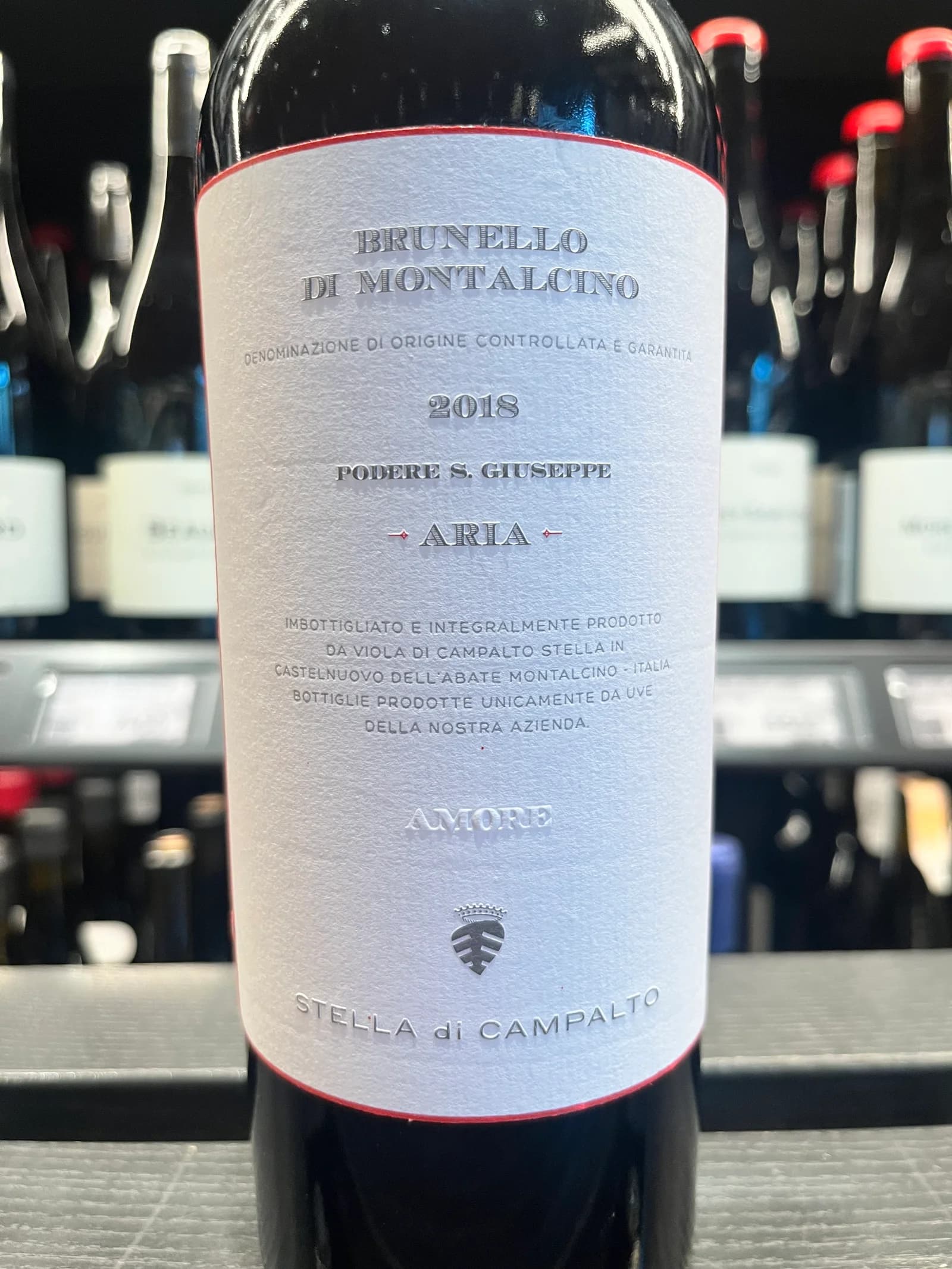
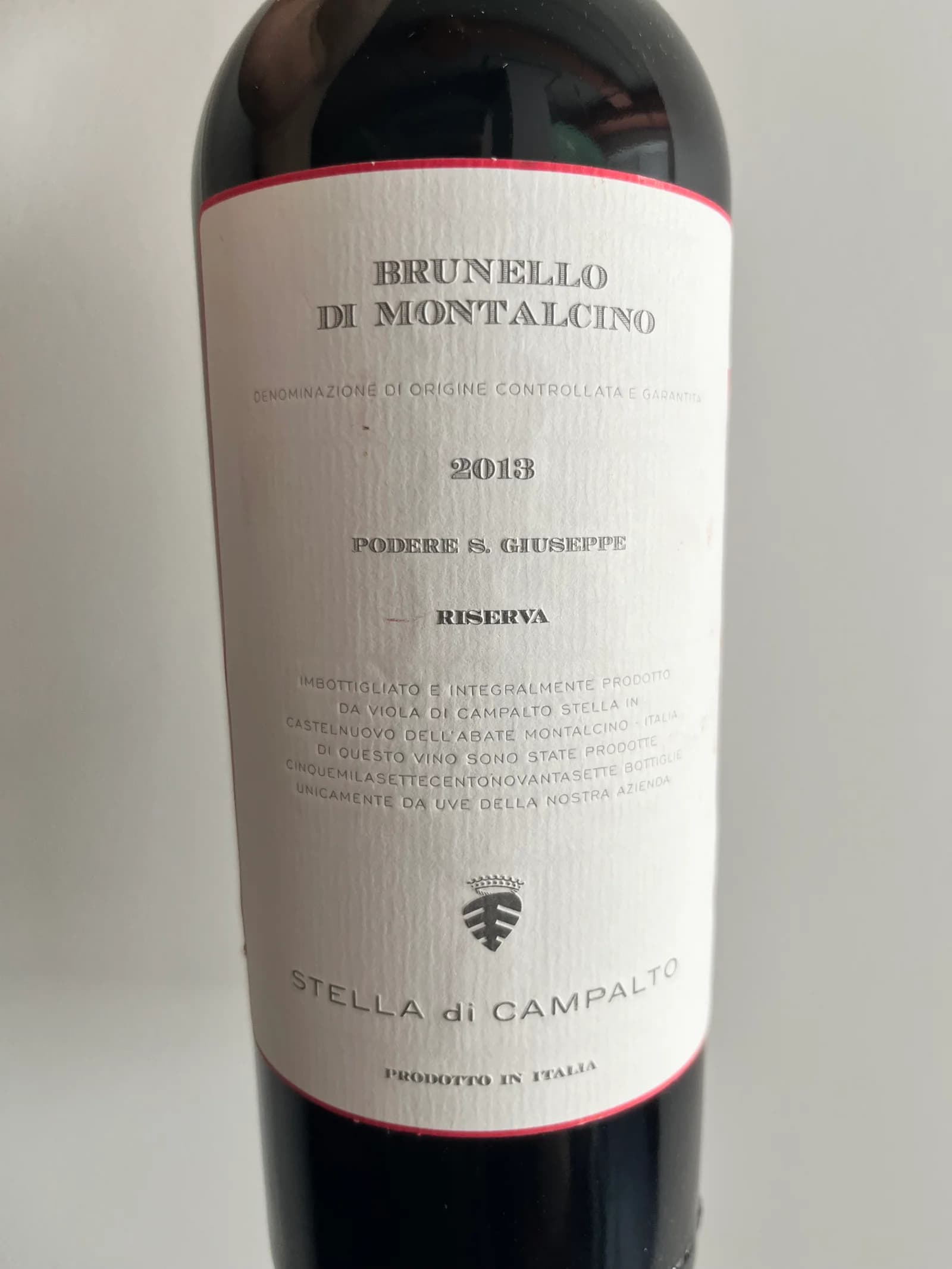
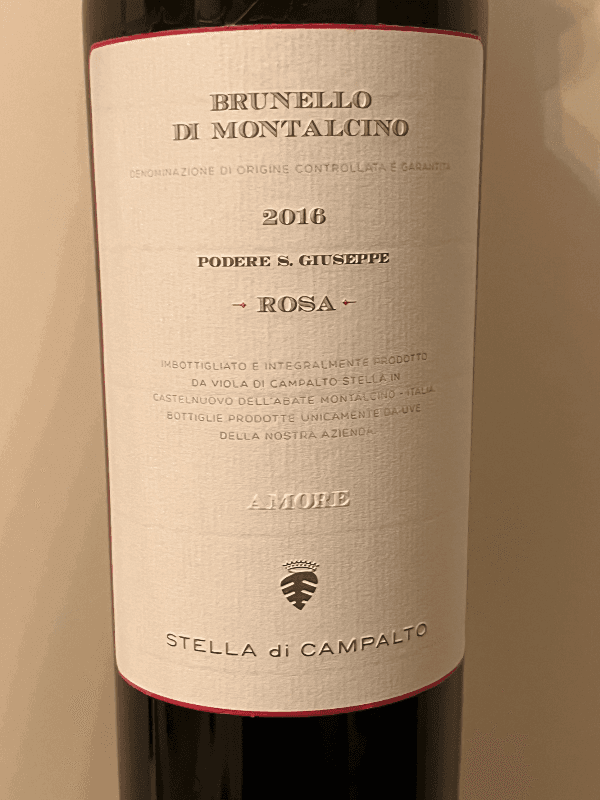
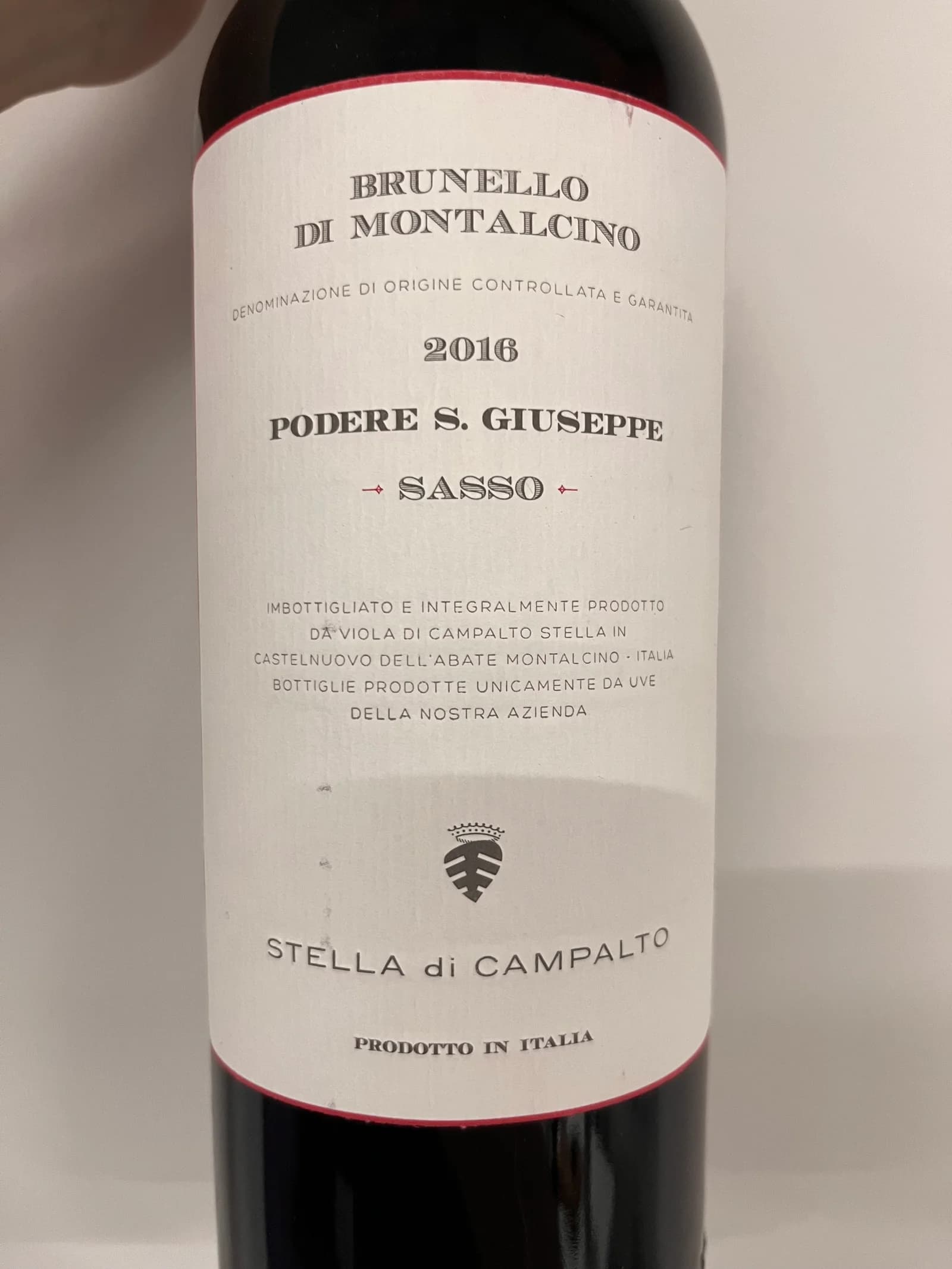
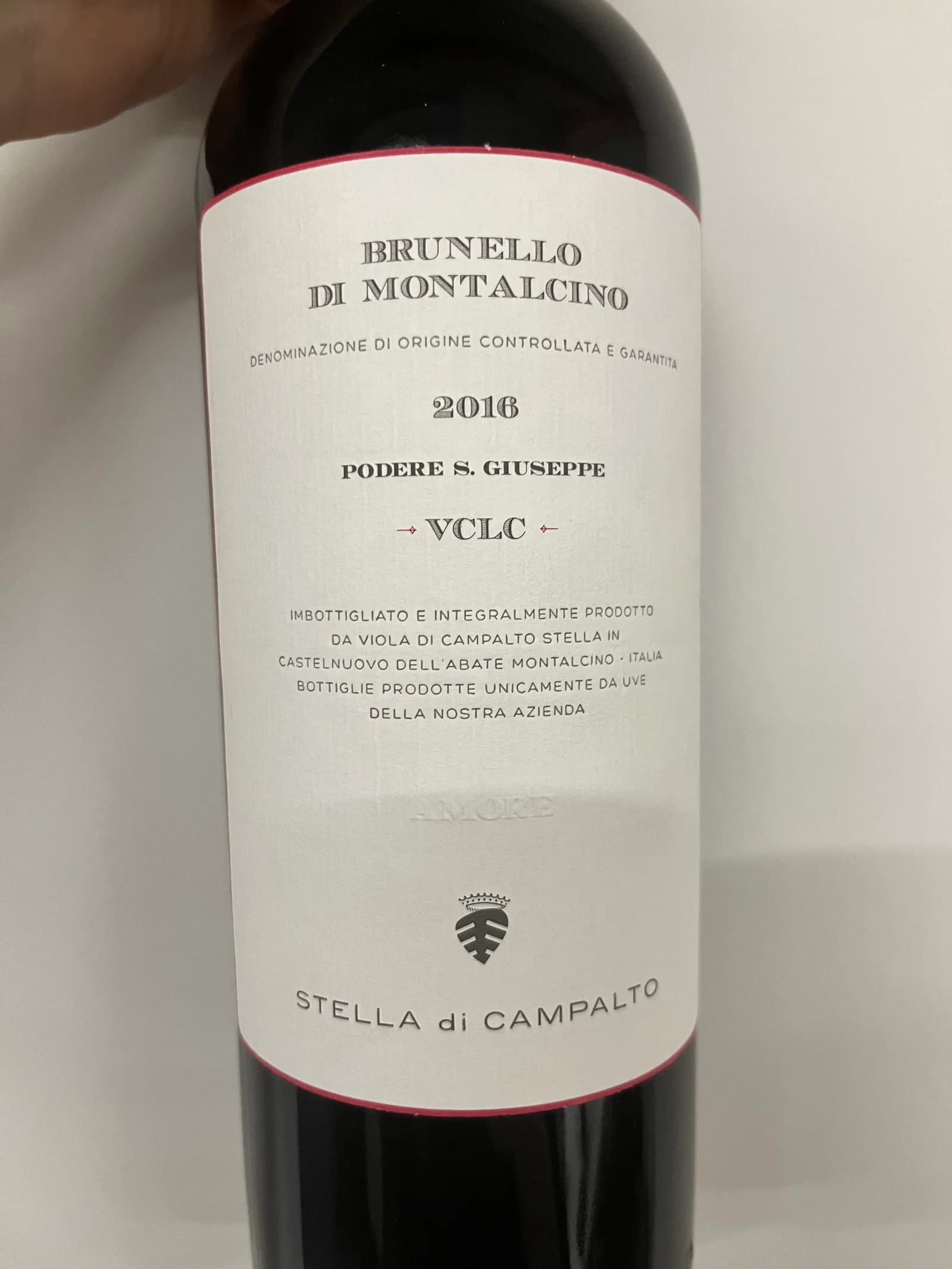
Stella di Campalto
Montalcino, Italy18 wines4.6 avg
Roughly six hectares of biodynamic Sangiovese on the south-eastern shoulder of Montalcino - one of the most patient, Burgundy-inflected voices in modern Brunello.
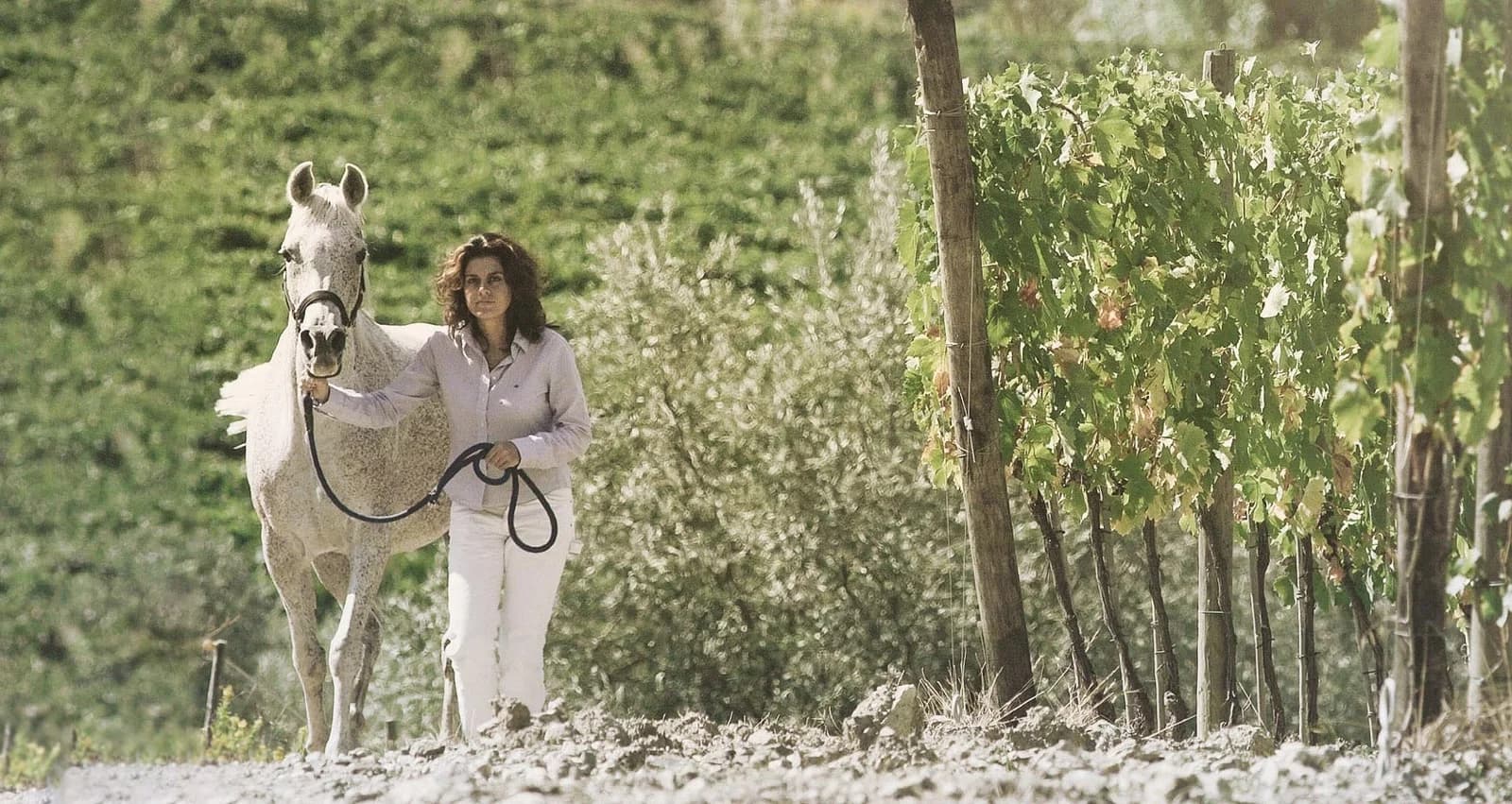
Stella di Campalto did not come from wine. Born in Rome, raised between Prague and Milan, she arrived in Montalcino almost by accident: in 1992 she and her then-husband were given a derelict thirteen-hectare parcel near Castelnuovo dell'Abate as a wedding present. The property - Podere San Giuseppe, established as a sharecropping estate in 1910 - had been abandoned since the 1930s or 1940s. Stella decided to restore it. She lived there, rustic, while replanting the vineyards and learning winemaking from neighbours. Piero Palmucci of nearby Poggio di Sotto mentored her through the early vintages - she has called him the winemaker who whipped her into shape.
Organic certification came in 1995-96 (sources differ). The core four hectares were replanted by 1998, with further expansion after. The first commercial wine was a Rosso di Montalcino in 2001, a few hundred bottles. She converted to biodynamic practice in 2002 and received Demeter certification in 2005. For the first few years she made only Rosso; the first Brunello was the 2004 vintage, released a few years later.
The estate sits in the south-eastern quadrant of Montalcino - below Castelnuovo dell'Abate, within sight of Monte Amiata, facing south and west toward the sea and the Ombrone river. This is the warmer, drier side of the zone (Poggio di Sotto and the Sant'Angelo in Colle orbit are the neighbours). Around six hectares under vine out of a thirteen-hectare estate, spread across five or six parcels at roughly 210-340 metres. The soils are a mosaic - the estate counts roughly twelve distinct types across the property, ranging from quartz and limestone to volcanic black earth - and this patchwork is what gives her cuvées their separate identities.
In the cellar: gravity-fed underground, spontaneous fermentation with native yeasts, aging in older large wood, no fining or filtration, very little sulphur. Between the vine rows she plants twenty-five different grains for biodiversity. Parcels are vinified separately and kept separate through aging; she blends late, when the wines are ready, treating the final step (she has said) like matchmaking.
Grapes release their skins, in their element. Three extra years of aging - simplicity happens. Let it go: press, macerate, mutate, elevate. Into the cellar, from earth to oak. An alchemical pause, perfectly poised. It takes time, an eternity: surprises happen when you stop looking, and wait.
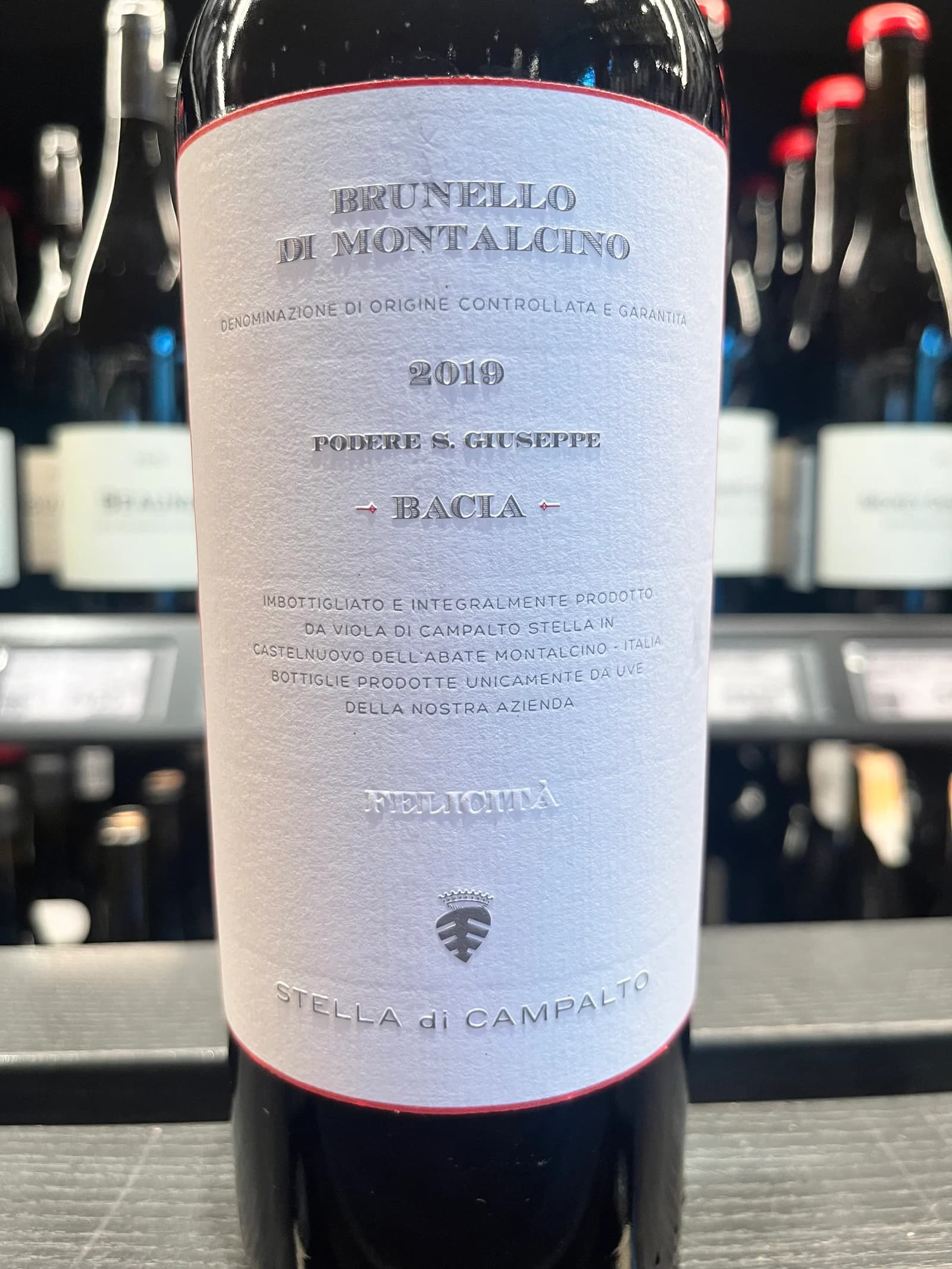
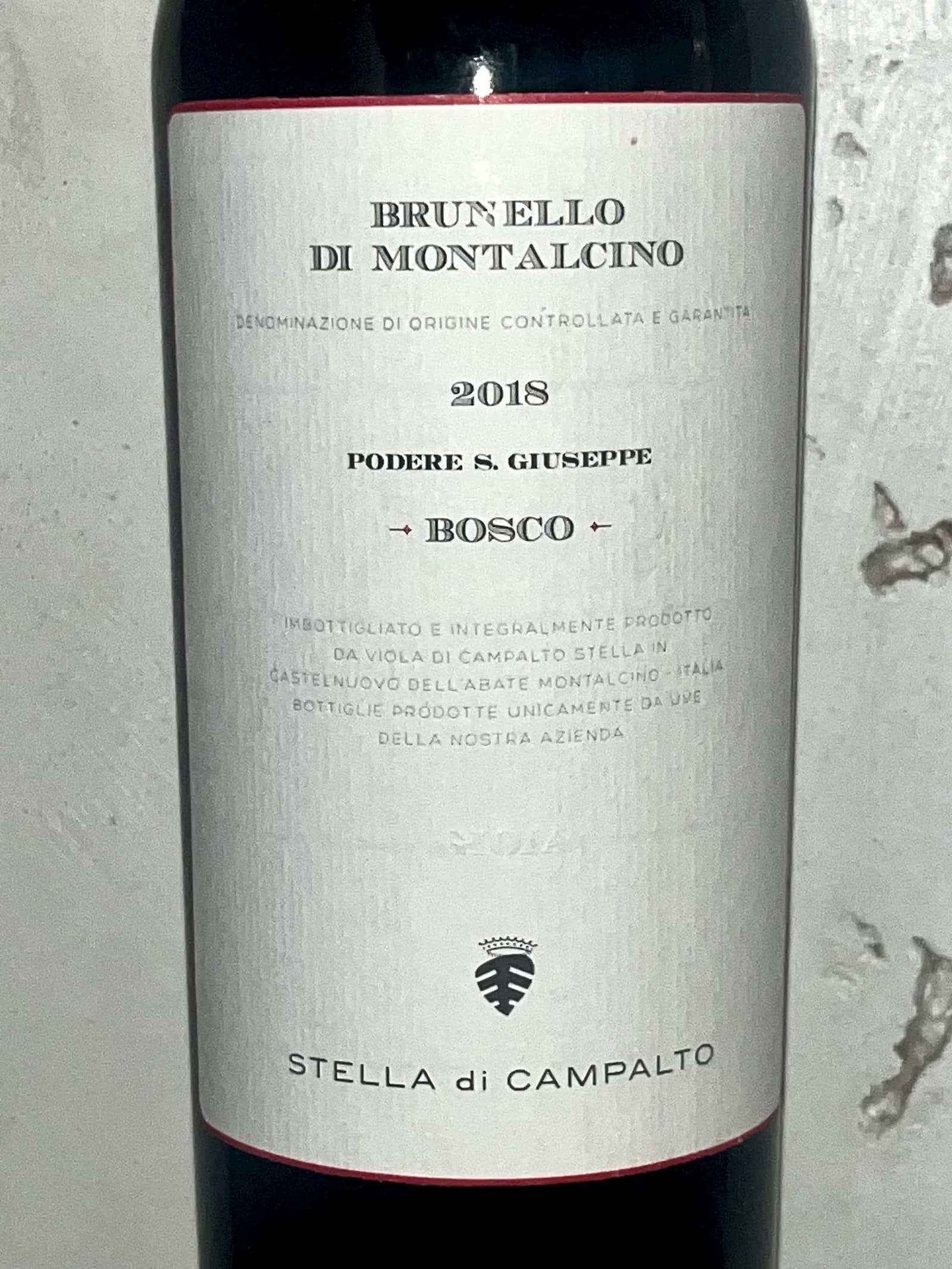
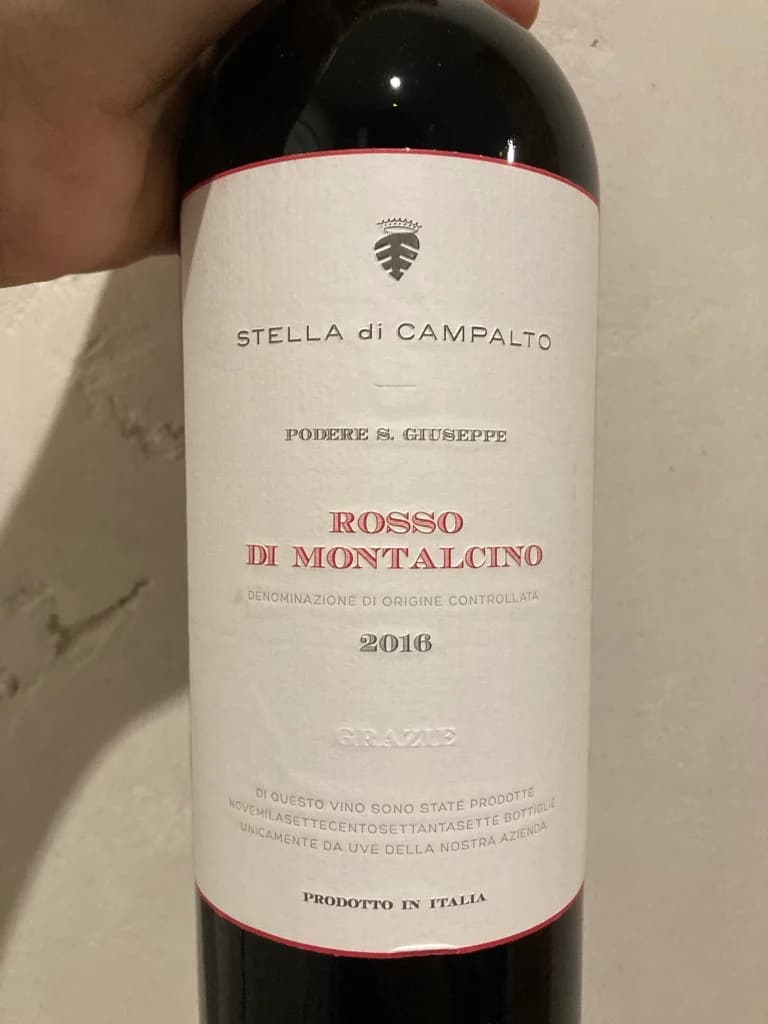
The range: Rosso di Montalcino (the original wine), Brunello di Montalcino (now including single-cru bottlings introduced from the 2016 vintage - Aria, Bacia, Bosco, Corso, Rosa), Brunello di Montalcino Riserva (including the 2011 Riserva bottled as two single-vineyard cuvées, Beatrice and Benedetta, named for her daughters), and Sangiovese IGT in vintages she declassifies. Her wines read more like Burgundy than Bordeaux - bright ruby, delicately aromatic, built for decades. She is mentioned in the same breath as Case Basse (Soldera), Pian dell'Orino, Salicutti, and Poggio di Sotto: the small, patient, biodynamic Montalcino.
Wines
Brunello di Montalcino Aria
2018· Italy
Brunello di Montalcino Bacia
2019· Italy
4.7
Brunello di Montalcino Bosco
2018· Italy
4.6
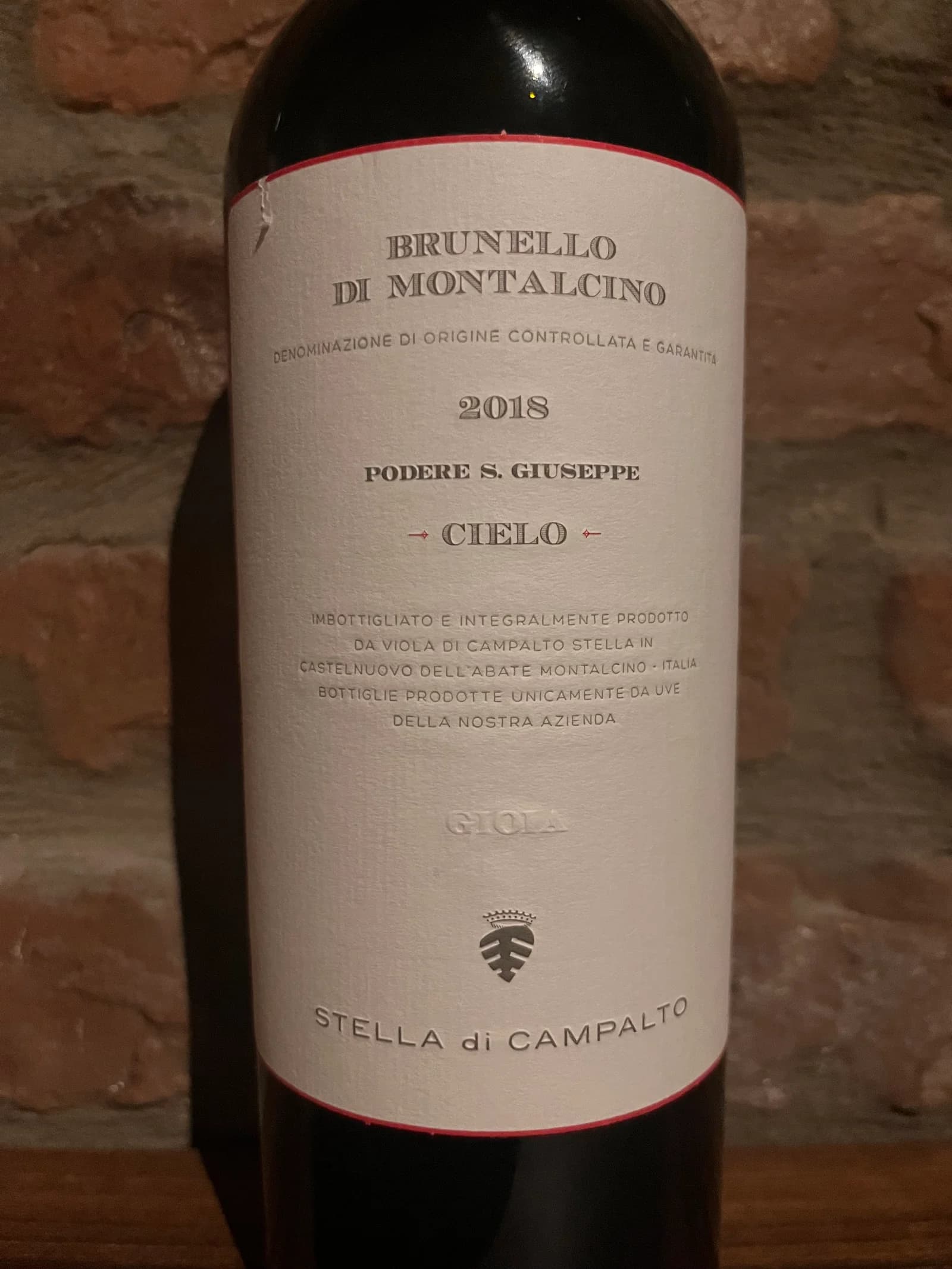
Brunello di Montalcino Cielo
2018· Italy
4.5
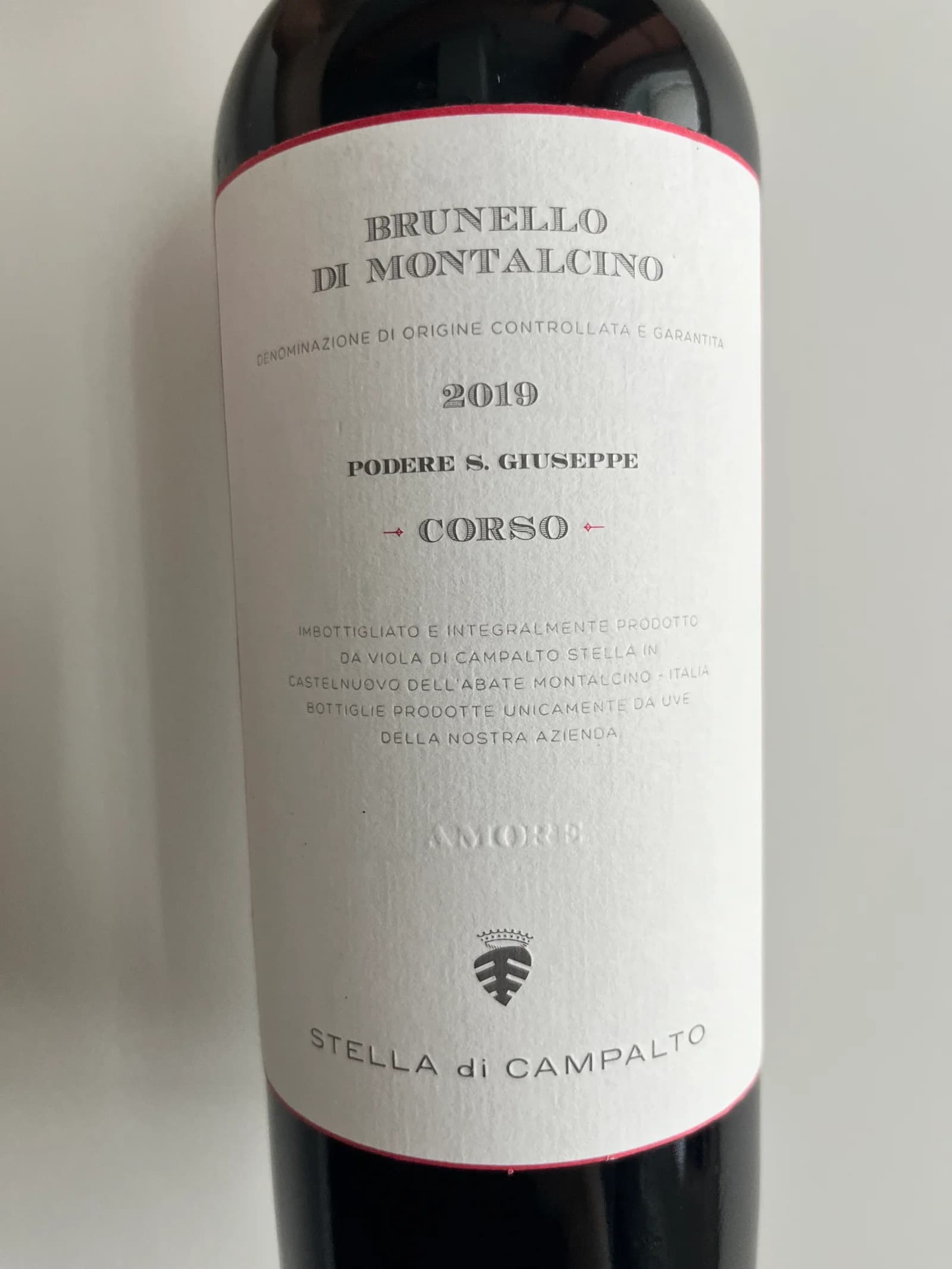
Brunello di Montalcino Corso
2019· Italy
5.0
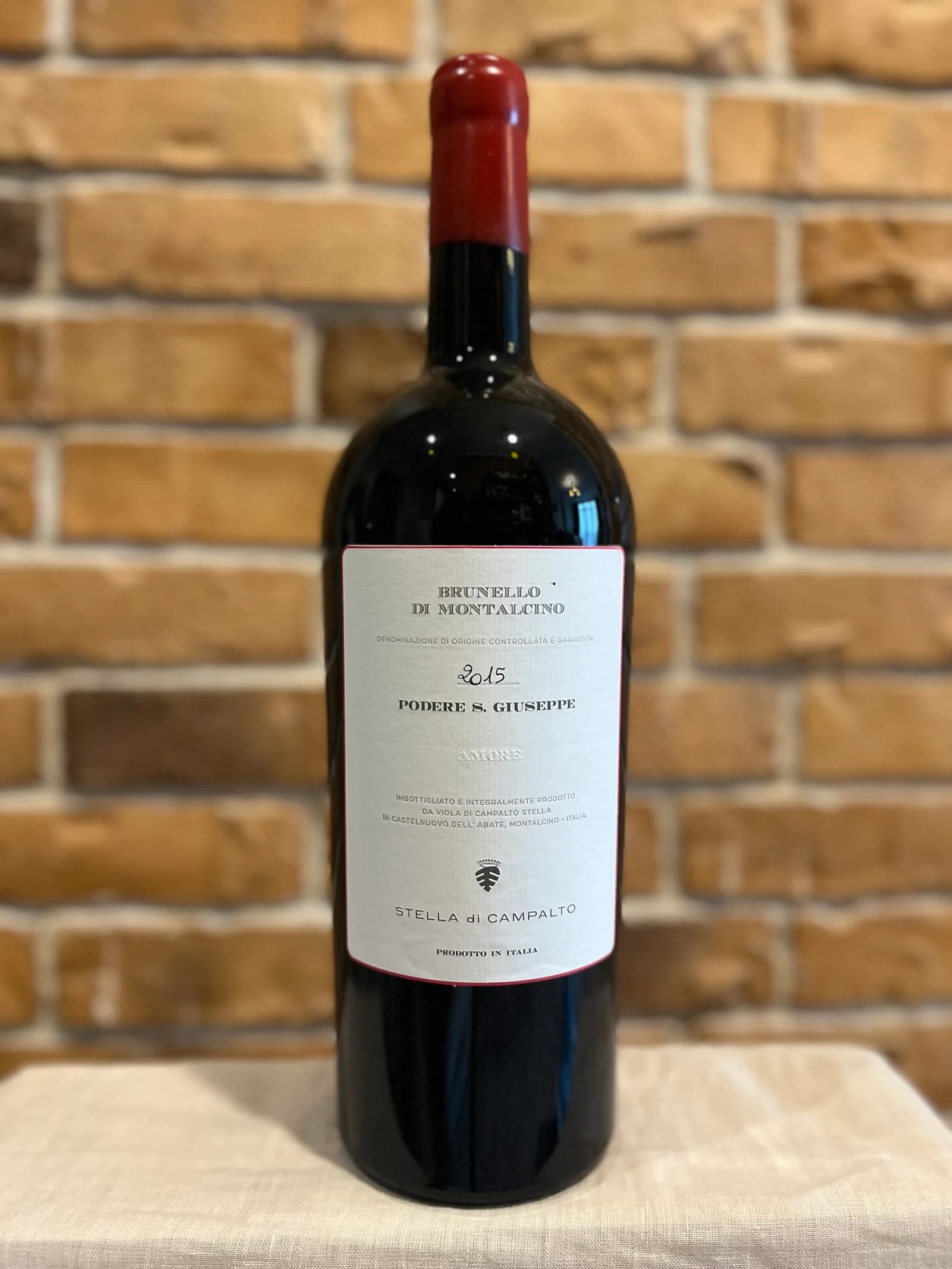
Brunello di Montalcino Magnum
2015· Italy
4.8
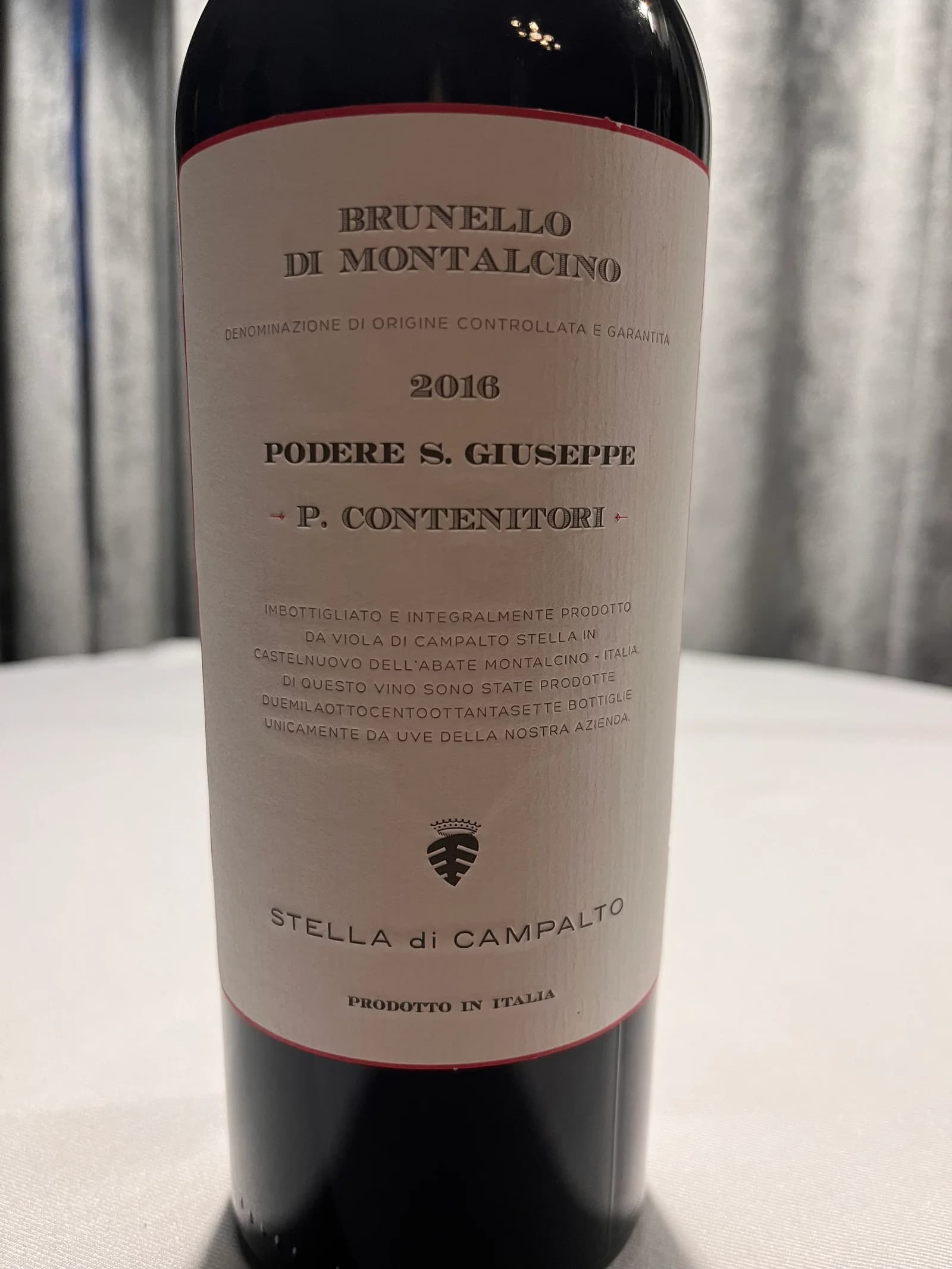
Brunello di Montalcino Piccoli Contenitori
2016· Italy
4.7
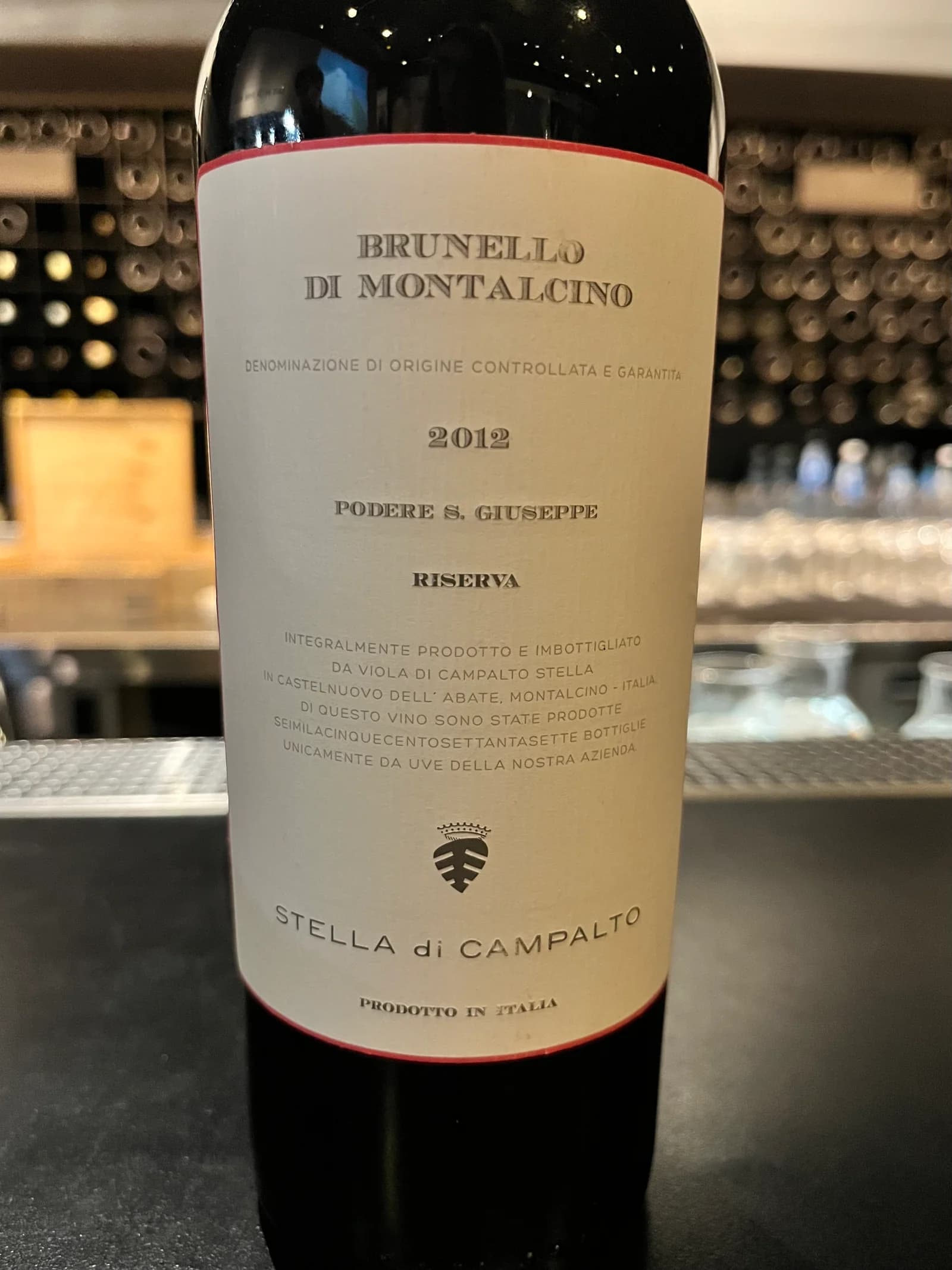
Brunello di Montalcino Riserva
2012· Italy
4.7
Brunello di Montalcino Riserva
2013· Italy
4.5
Brunello di Montalcino Rosa
2016· Italy
5.0
Brunello di Montalcino Sasso
2016· Italy
4.9
Brunello di Montalcino VCLC
2016· Italy
4.2
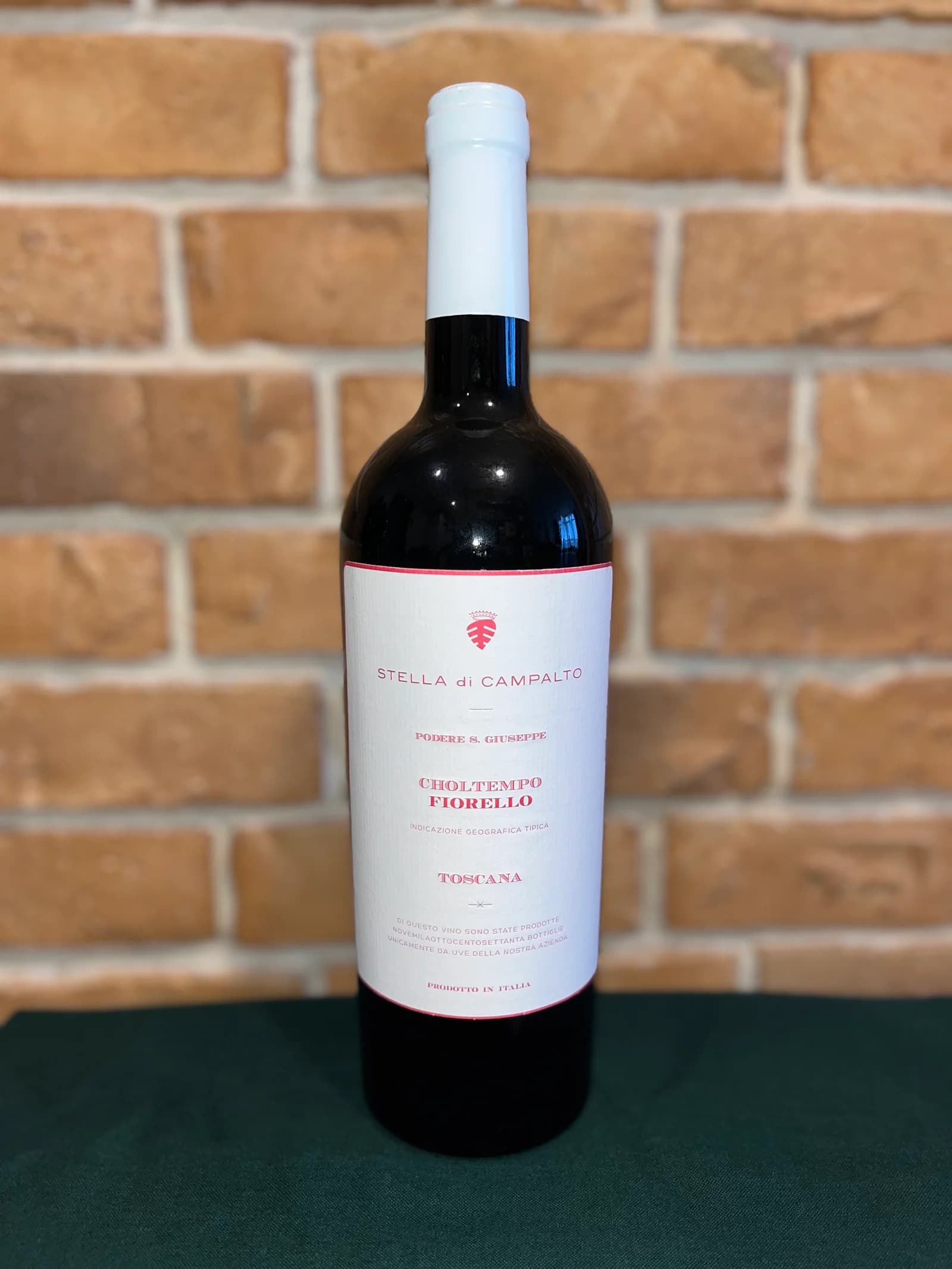
Choltempo Fiorello L.21/05
NV· Italy
4.1
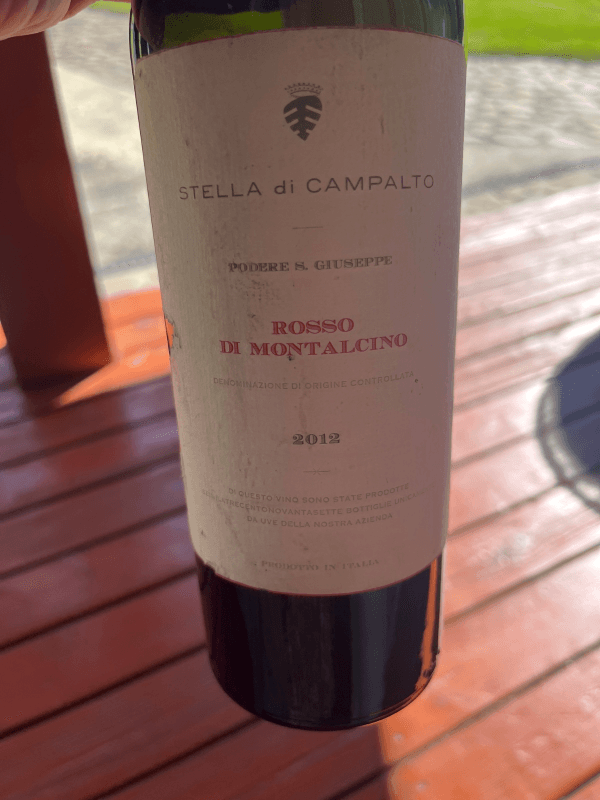
Rosso di Montalcino
2012· Italy
4.8
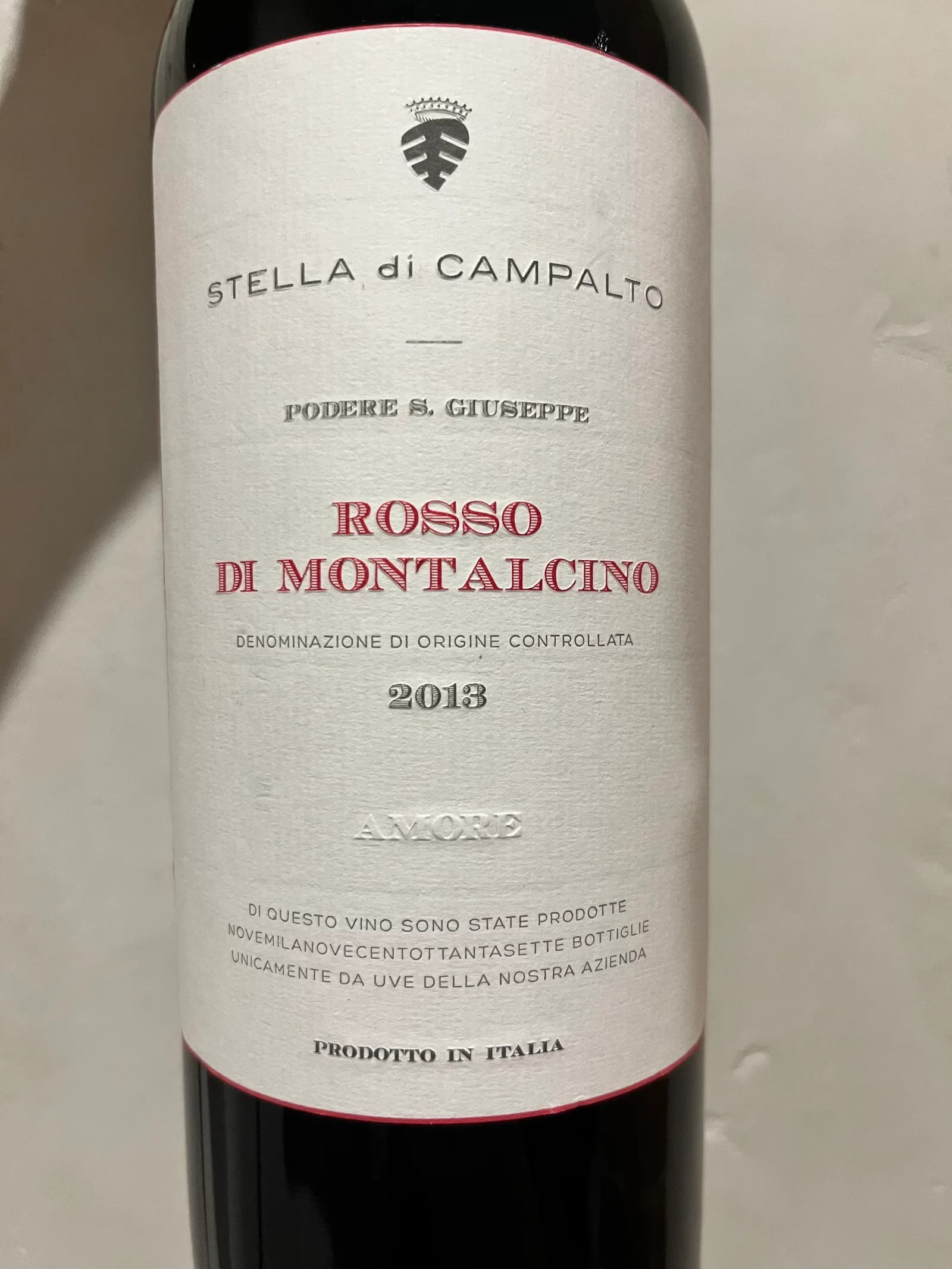
Rosso di Montalcino
2013· Italy
4.6
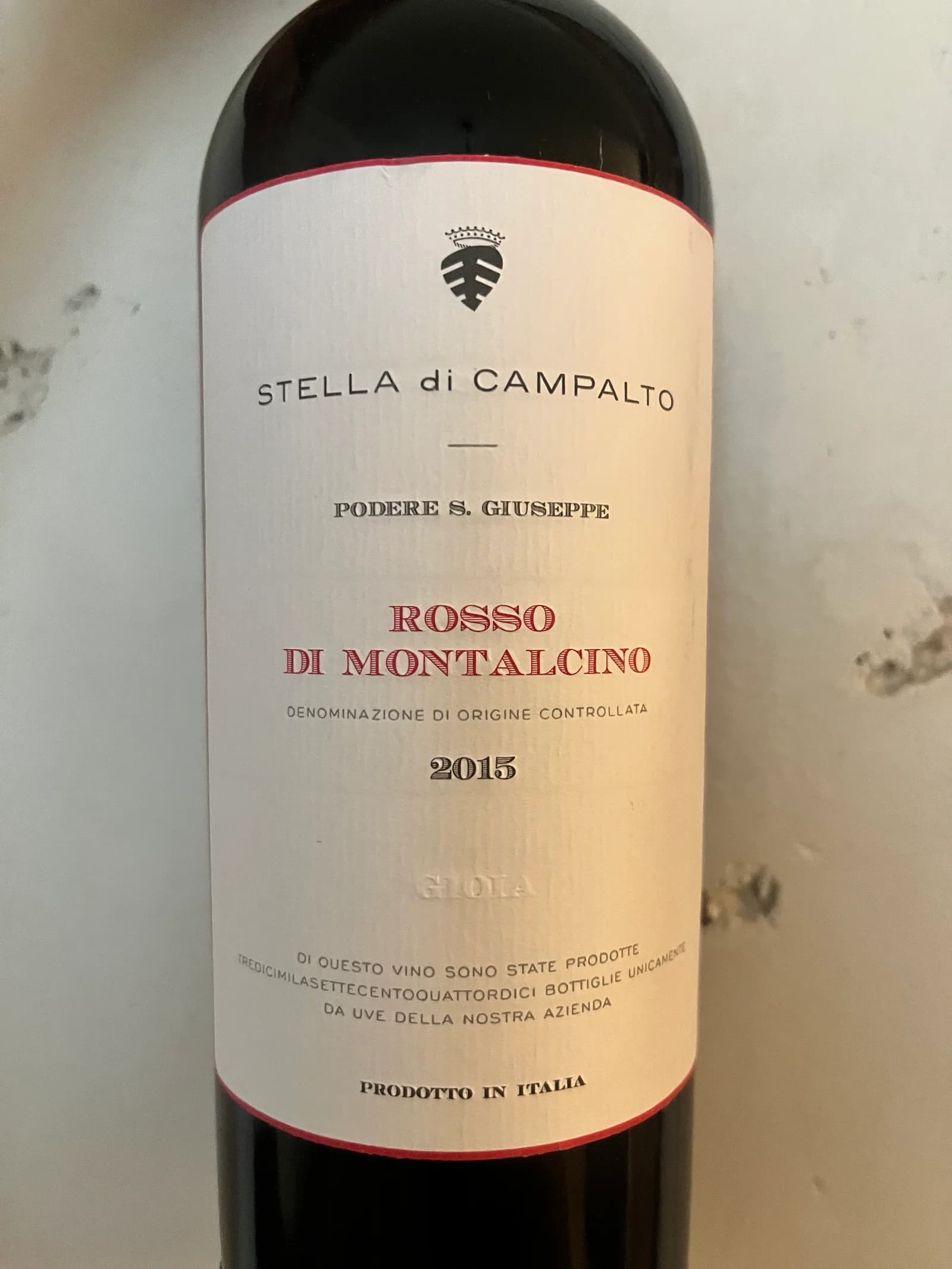
Rosso di Montalcino
2015· Italy
4.5
Rosso di Montalcino
2016· Italy
4.5
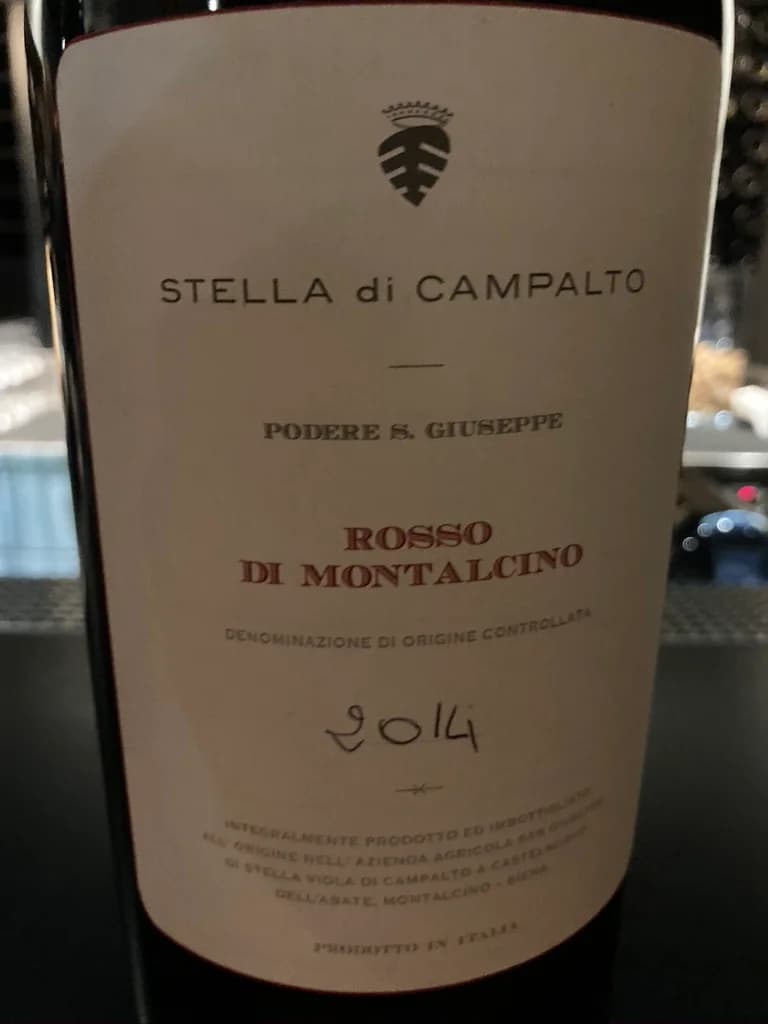
Rosso di Montalcino Magnum
2014· Italy