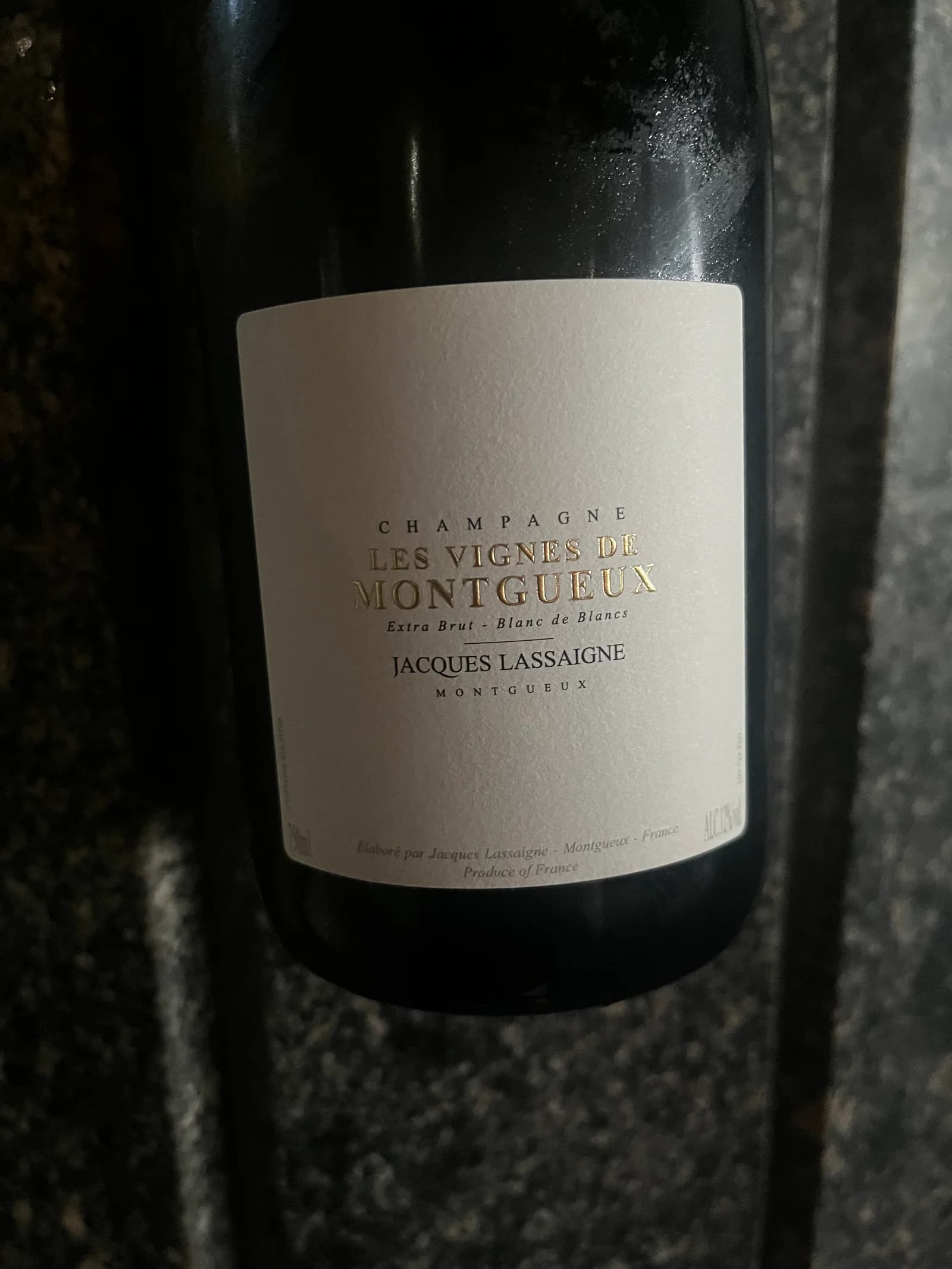
Region
France › Champagne › Côte des Bar › Montgueux › Champagne AOC
Type
white · traditional · sparkling · brut-nature
Grapes
Chardonnay
Alcohol
12%
Volume
750 mL
Disgorged
2024-02-18
On lees
72 months (6 years)
Tasting Notes
No tasting notes yet.
About
Clos Sainte-Sophie is not Emmanuel Lassaigne's vineyard, and the label says so: property of the Valton family since 1913. It is a walled garden in the middle of the Montgueux vineyard and for most of a century was the only clos in the Aube. In the 1870s and 1880s it was the experimental plot of Marcel Dupont, who taught agriculture at Troyes and named it after his wife, and where his friend, the Troyes horticulturist Charles Baltet, ran grafting trials; two Japanese apprentices of Baltet took cuttings from it home to Yamanashi, some of the first European wine vines planted in Japan. Since 2010 Lassaigne has bought the grapes under a contract with the family and made the wine under his own name, one vintage at a time; in 2014 he was not sure the arrangement would continue, and it did.
The clos is about a hectare, of which some 0.4 ha of old Chardonnay, planted between 1968 and 1975 by massal selection, goes into the wine; the house picks only vines over forty years old. The vines sit on a gentle south-east slope with almost no topsoil, the roots straight in Cretaceous chalk, though one importer describes heavy clay over the chalk. The cellar work is the strangest in the range. The wine ferments in 500-litre barrels that came from Burgundy, from the Jura, some of them former vin jaune casks from Ganevat, and from Cognac, then spends a few months in barrel and a couple in tank before going into bottle the spring after harvest, for a second fermentation at five bar rather than six. Sulphur is used only at the press, there is no fining and no filtration, and every bottle is disgorged by hand.
The 2017 spent about six years on its lees. The six digits printed on the label edge, 180224, look like a disgorgement date, 18 February 2024, which would fit a spring 2018 tirage. 2017 in Champagne opened with a dozen frost nights in April that hit the Côte des Bar hardest, ran hot from May, turned stormy in July and August and wet at the end of the month, with rot arriving in the Pinots; the Chardonnay fared better, and Montgueux began picking on 26 August, in what was one of the region's earliest harvests since the 1950s.