All producers
Jacques Lassaigne
Montgueux, France4 wines4.1 avg
Emmanuel Lassaigne's Chardonnay estate on the chalk hill of Montgueux near Troyes, run since 1999, about 4 ha owned plus bought fruit: hand-disgorged, zero dosage across the range, and the Aube's historic clos among its cuvées.
Montgueux is a lone chalk hill west of Troyes, about 200 ha of vines, most of it Chardonnay on south-facing slopes, and Jacques Lassaigne came to it in 1964. In the 1970s he and his brothers were only the second family in the village to own a press; they sold grapes and some bottles, and by the late 1990s the business was in trouble. His son Emmanuel left a job in manufacturing and took over in 1999. The hill was once called the Montrachet of Champagne; his estate is the reason most people have heard of it today. The chalk under Montgueux is Upper Cretaceous, millions of years older than the Côte des Blancs, with a thin clay-limestone skin and flint on top.
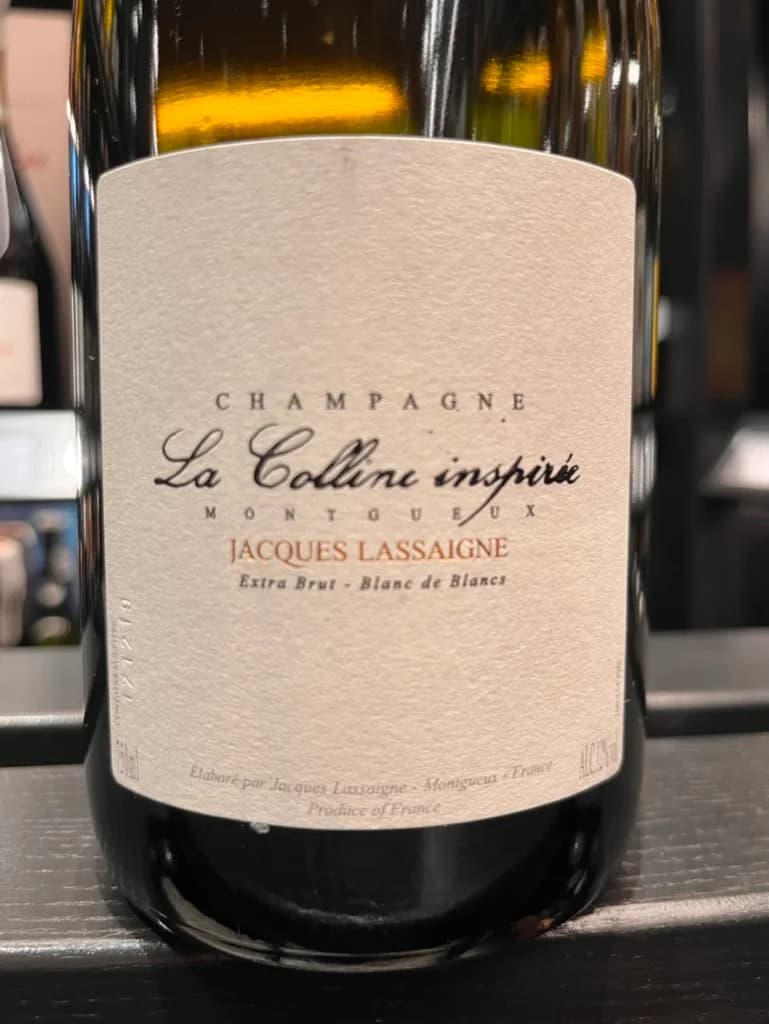
Emmanuel farms four hectares or so of his own and buys the fruit of two or three more, including the Clos Sainte-Sophie in the village and the parcels of La Grande Côte, while remaining registered as a grower. Each parcel is vinified apart, mostly in stainless steel, with a share of old oak in some cuvées and two, La Colline Inspirée and Clos Sainte-Sophie, entirely in barrel, on indigenous yeasts, with sulphur only at the press. The second fermentation is slow, every bottle is disgorged by hand, and for well over a decade nothing has carried any dosage.
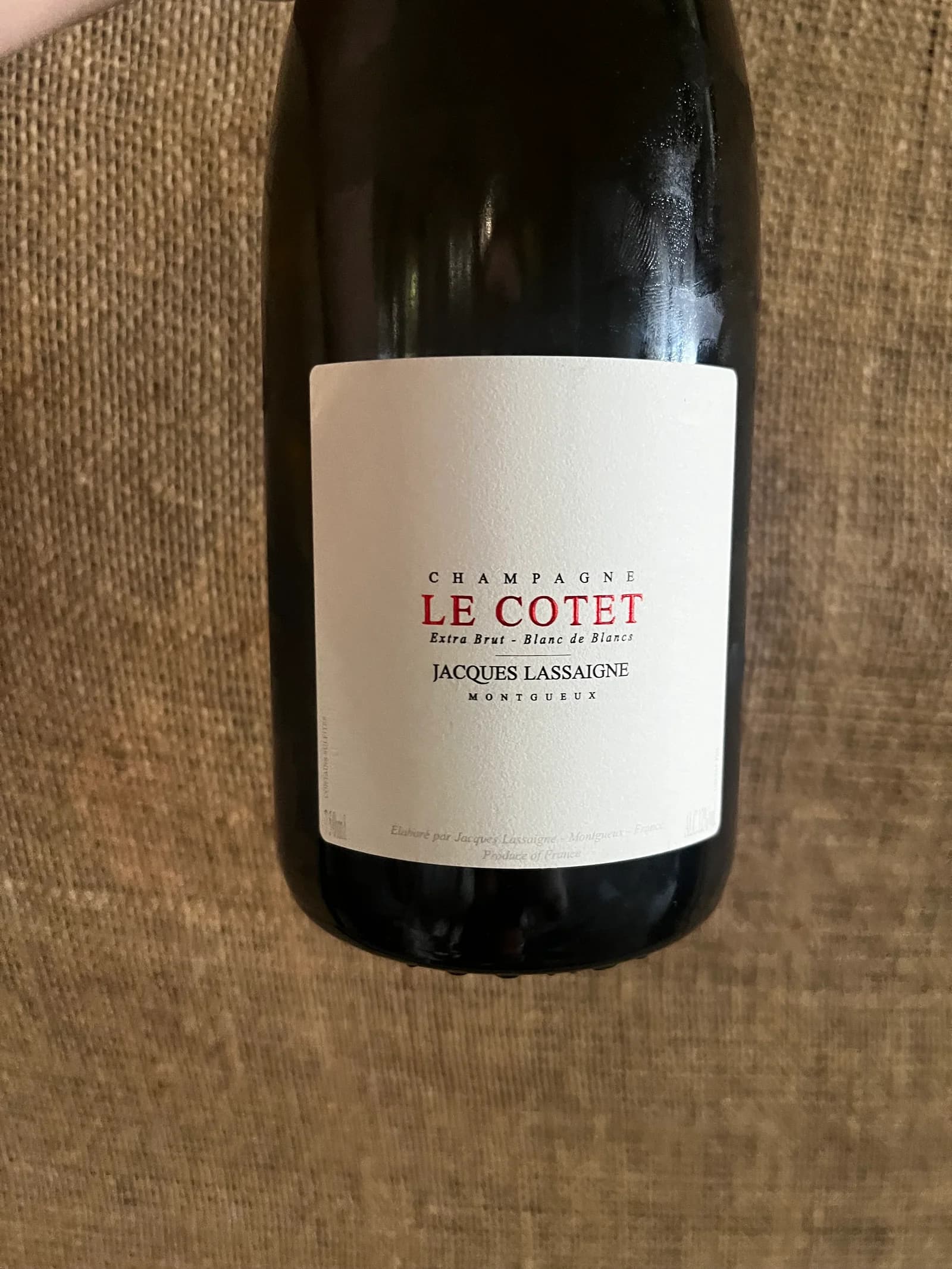
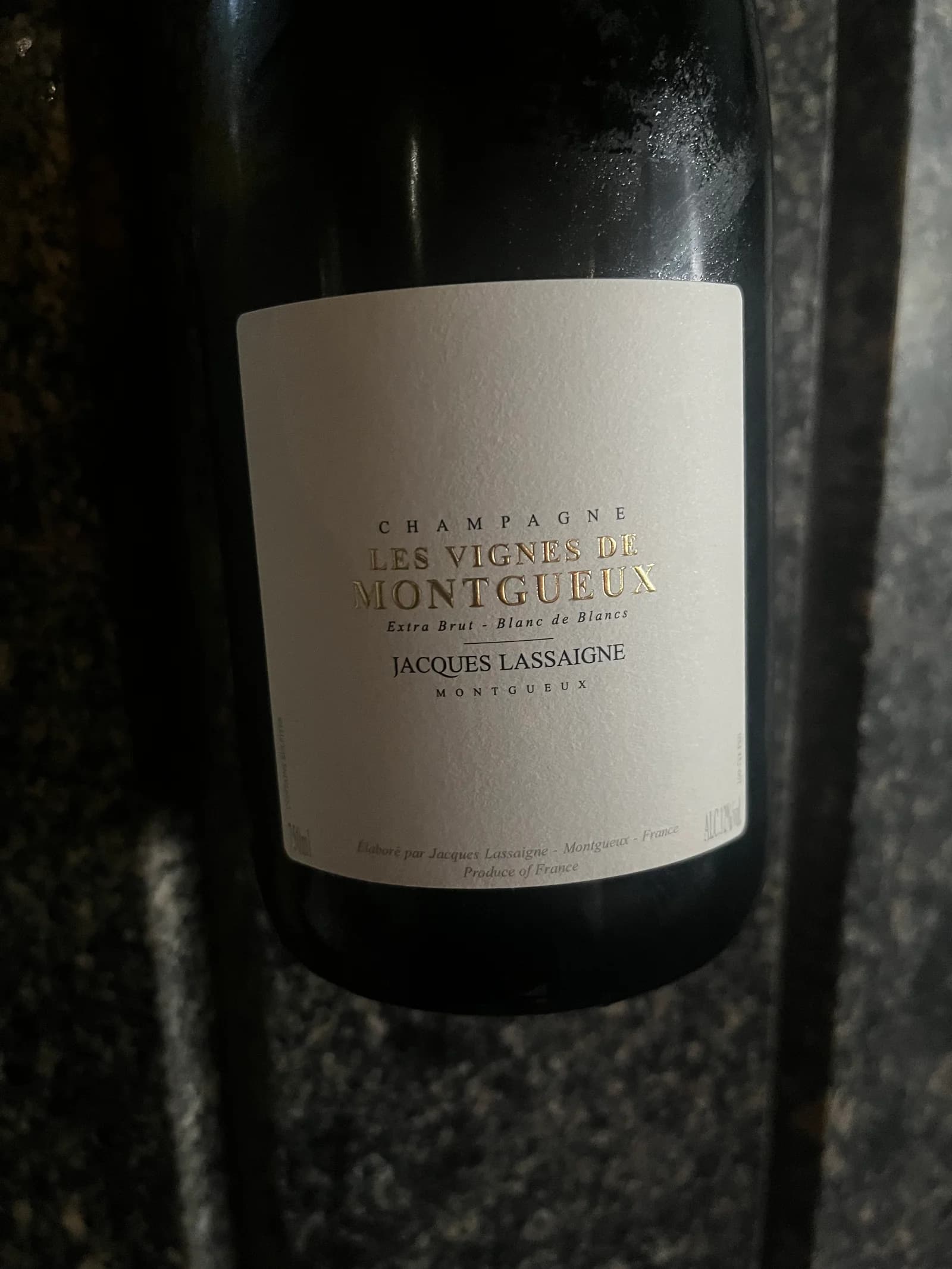
The range starts with Les Vignes de Montgueux, a blend of most of his parcels across several years, and climbs through Le Cotet, from the 0.6 ha his father planted in the mid 1960s, La Colline Inspirée, the vintage Millésime, the trio Alto, Tenor and Soprano from La Grande Côte, a Rosé de Montgueux, and Clos Sainte-Sophie, the walled garden whose grapes he has bought since 2010. Alongside the Champagnes there are still Coteaux Champenois, a white from the Haut Revers du Chutat parcel and, in some years, a red.