All producers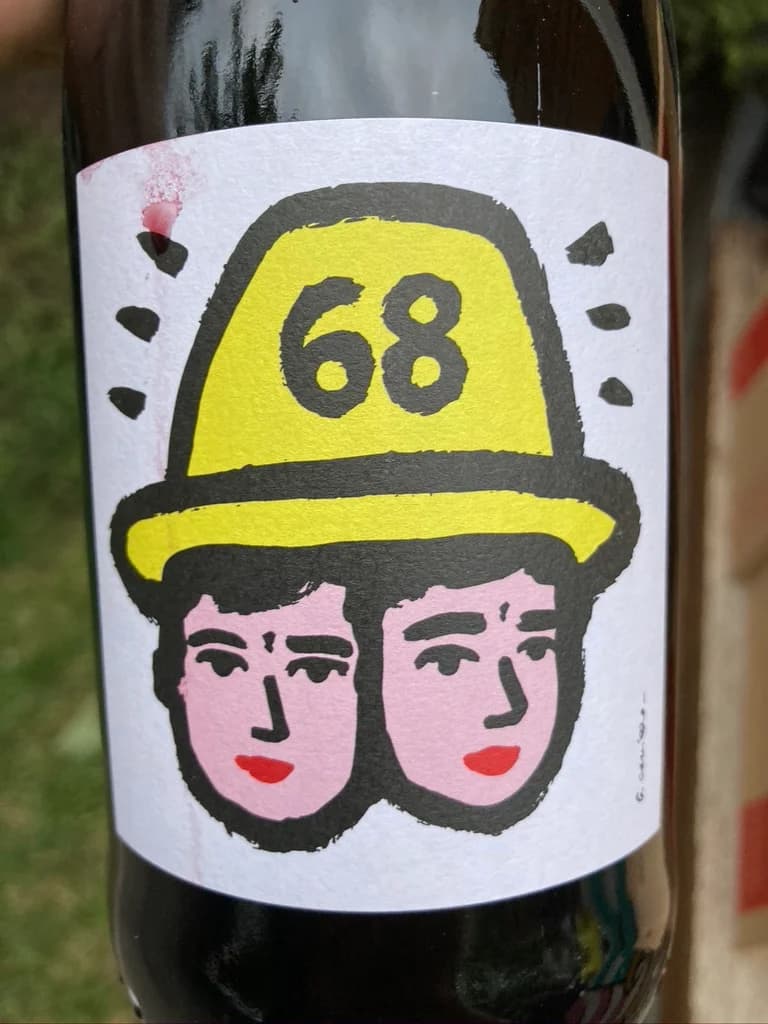
Cascina 'Tavijn
Monferrato, Italy34 wines3.9 avg
304
Nadia Verrua's small estate in the overlooked corner of Asti - Ruché, Grignolino, Barbera, and a cellar named after her father.
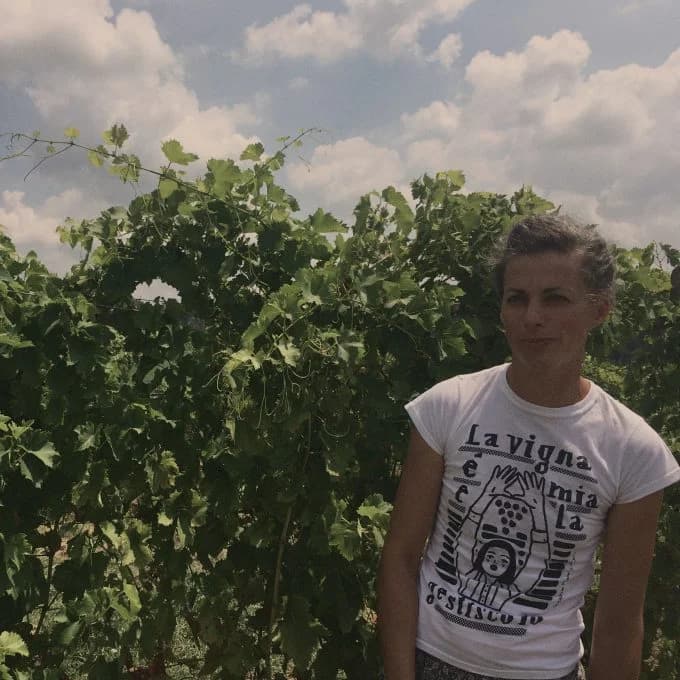
Cascina Tavijn sits in Scurzolengo, in the Monferrato hills of Asti province - not the famous Langhe to the south, but the quieter cousin that keeps producing grapes worth caring about. The Verrua family has farmed here since 1908. For most of that century they sold their grapes to the local cooperative. It was Nadia Verrua, the fourth generation, who decided to do something else.
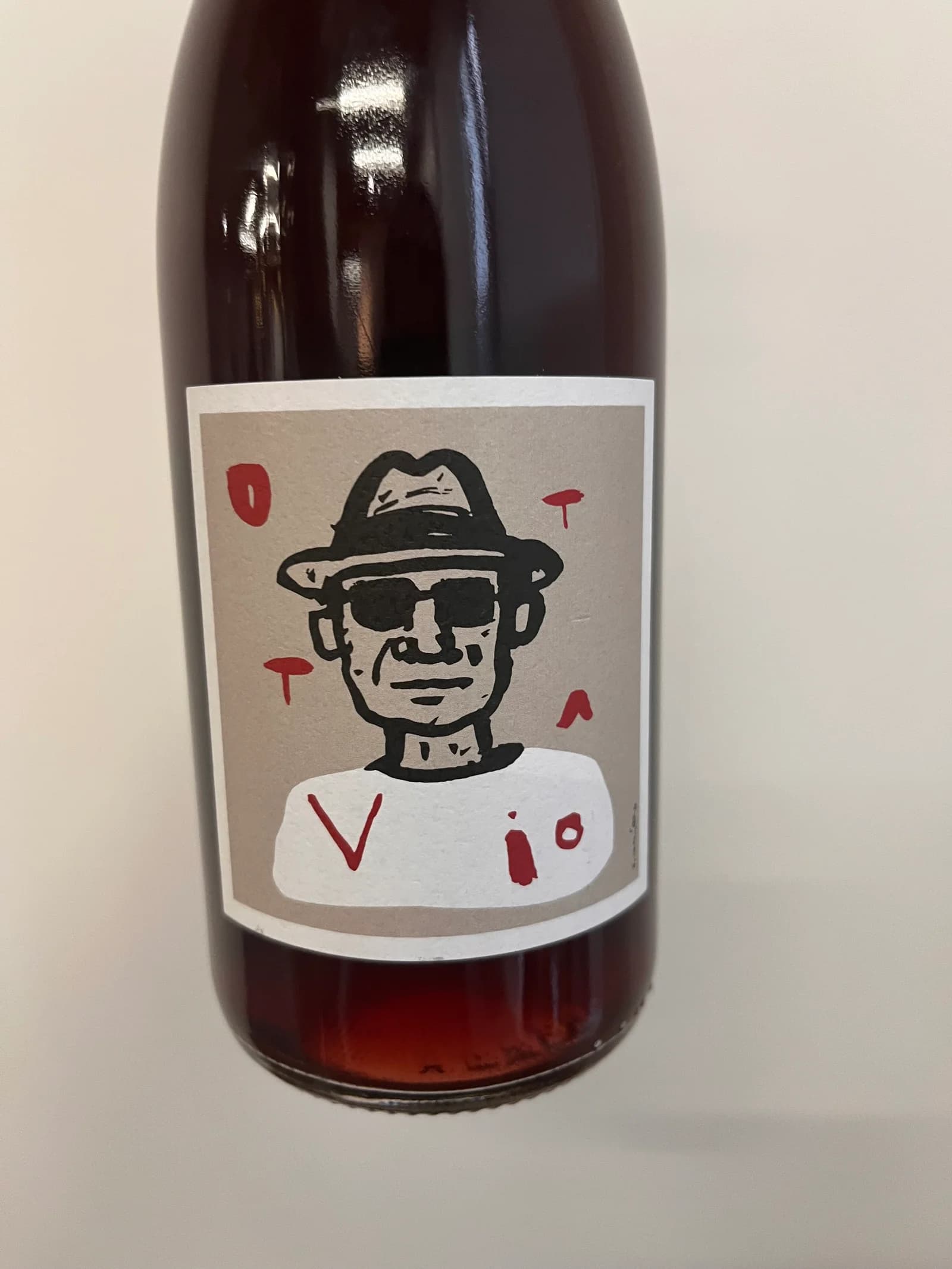
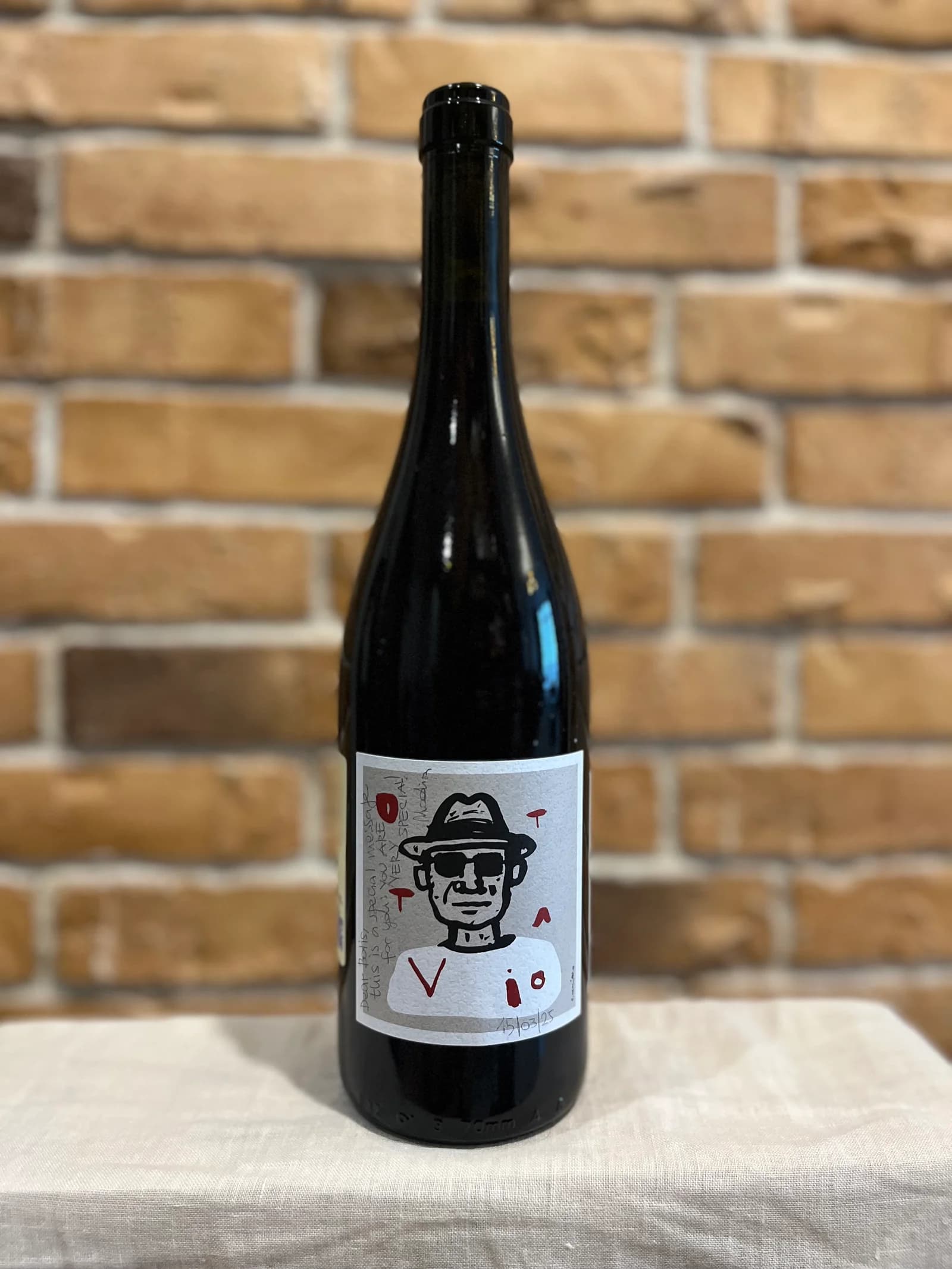
She took over from her father Ottavio (hence the estate name - "Tavijn" is a dialect form of Ottavio, a name that recurs across the Verrua generations; not a reference to sand despite what half the internet claims) and began bottling independently in 2000-2001. She has said, more than once, that she came home from city life without an obvious plan, except that she couldn't stand the idea of her father's vines disappearing into a cooperative blend.
About six hectares of producing vines plus four of hazelnut trees, worked organically since 2007 (ICEA certified). Sandy soils on the upper slopes (the Sabbie d'Asti) with calcareous clay-marl below, threaded with marine fossils - Monferrato was underwater through the Pliocene, and the shells still turn up in the dirt. The grape portfolio is stubbornly local: Ruché (the obscure grape of the Castagnole Monferrato zone, which Nadia - alongside Montalbera, Ferraris, and a handful of others - helped rehabilitate as a serious variety), Grignolino - the prickly, pale, pigment-shy cousin of Nebbiolo that locals love and outsiders struggle to place - and Barbera. Small amounts of Freisa, Cortese, Moscato, and Slarina round it out.
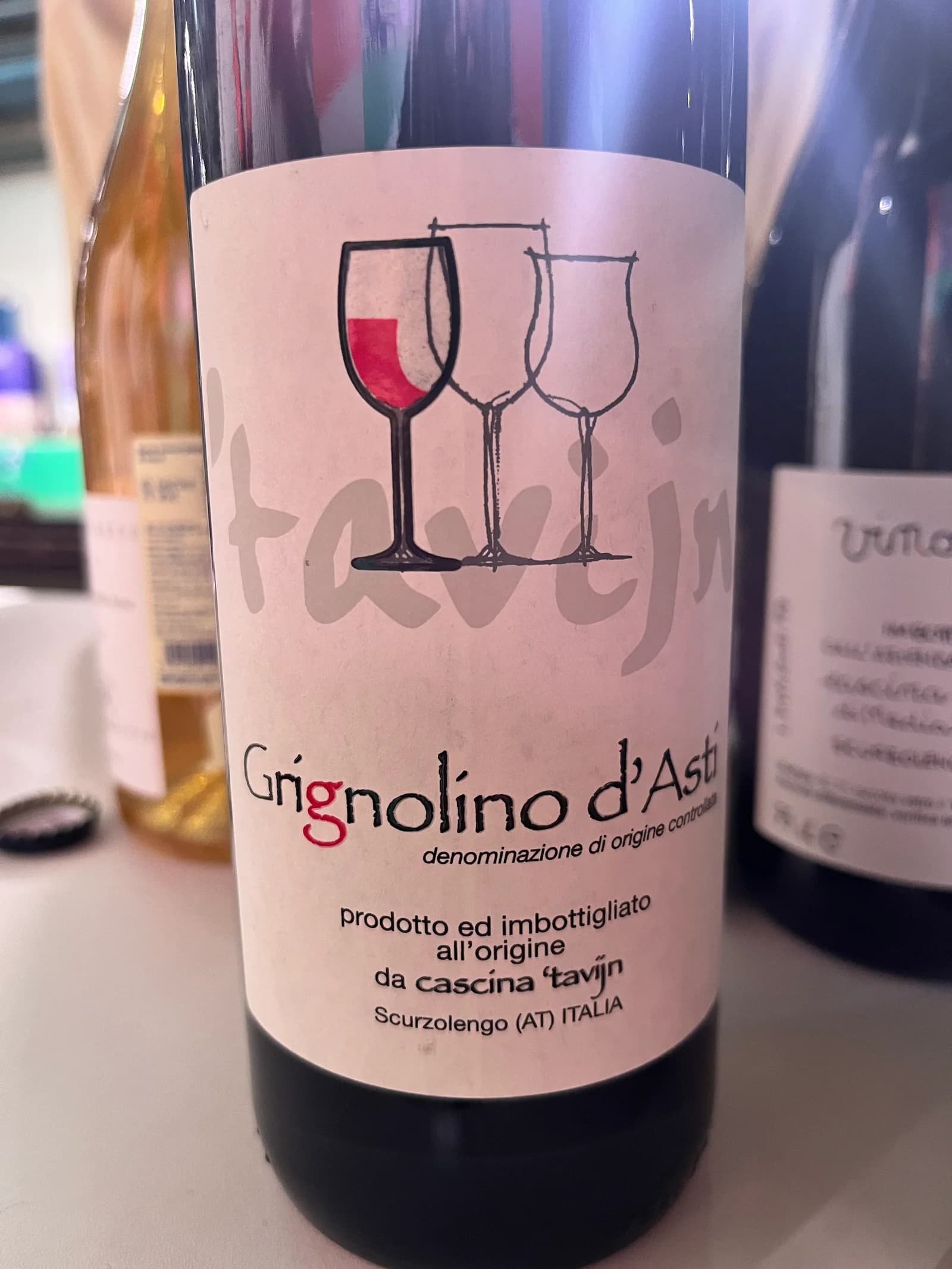
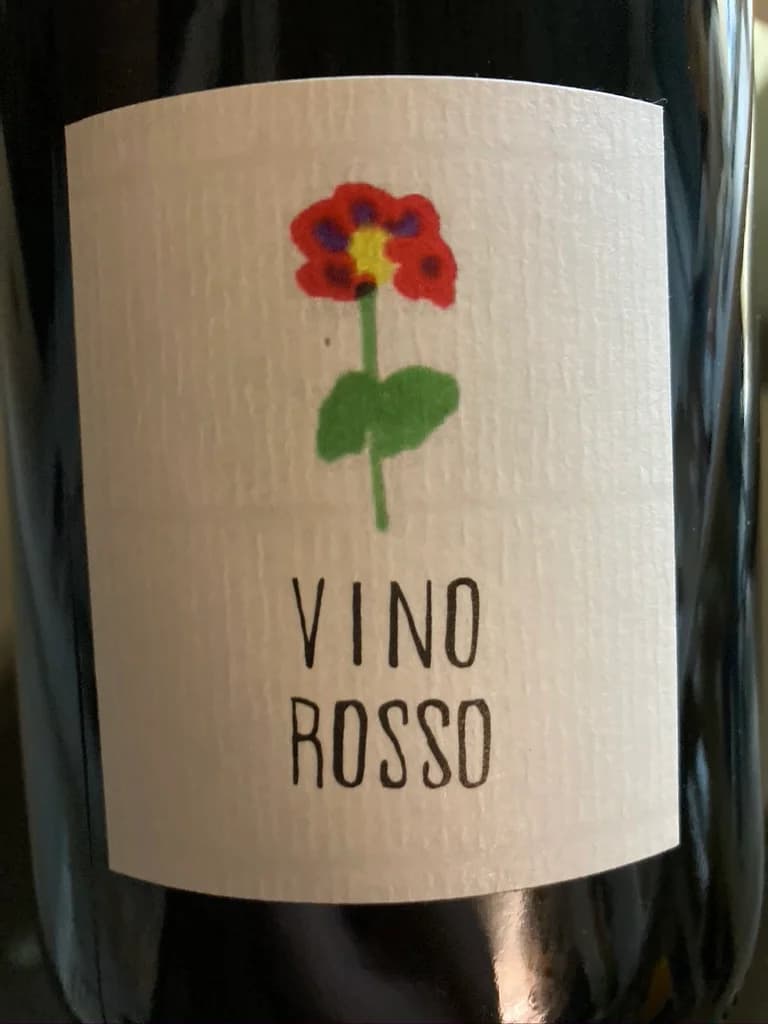
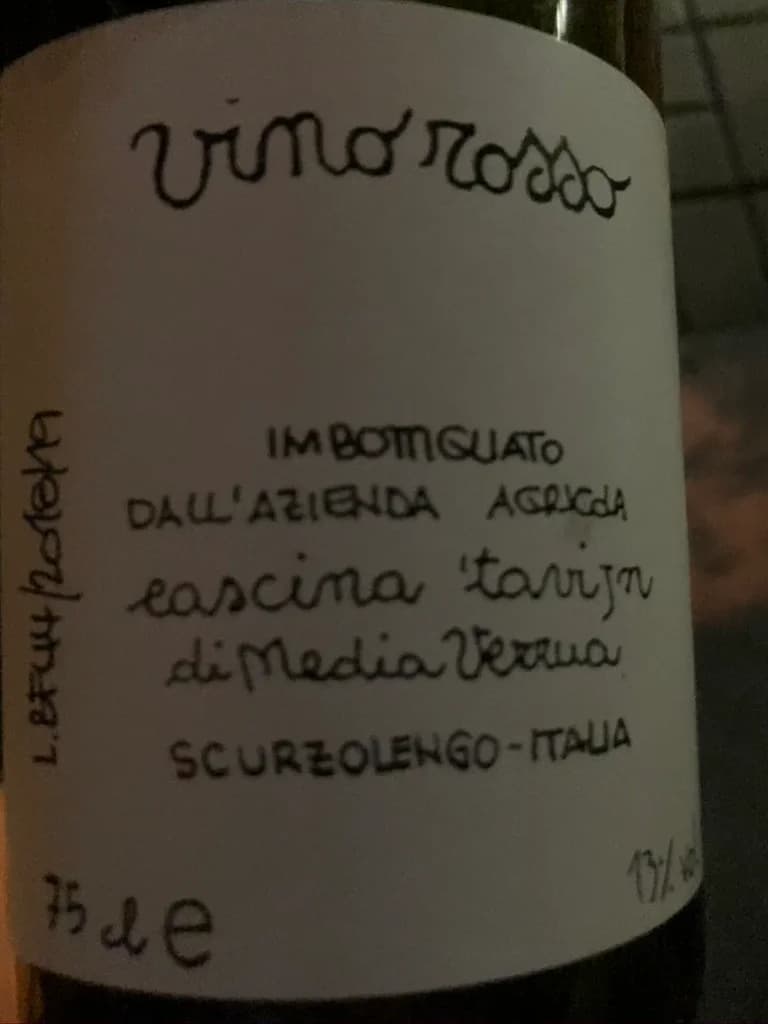
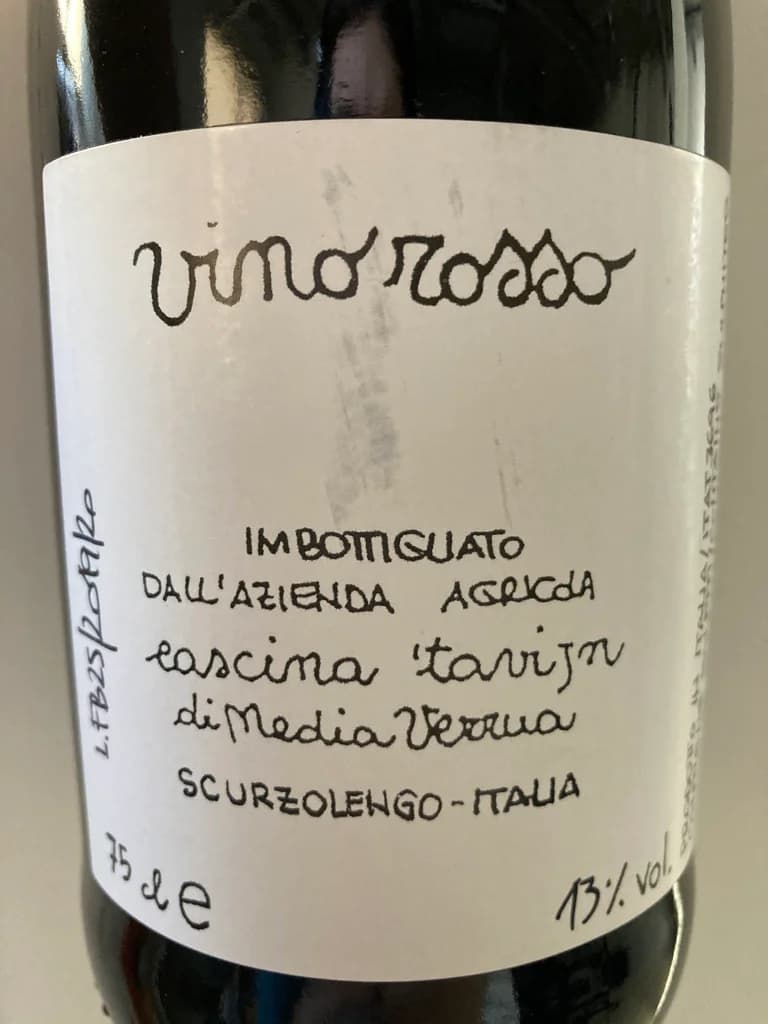
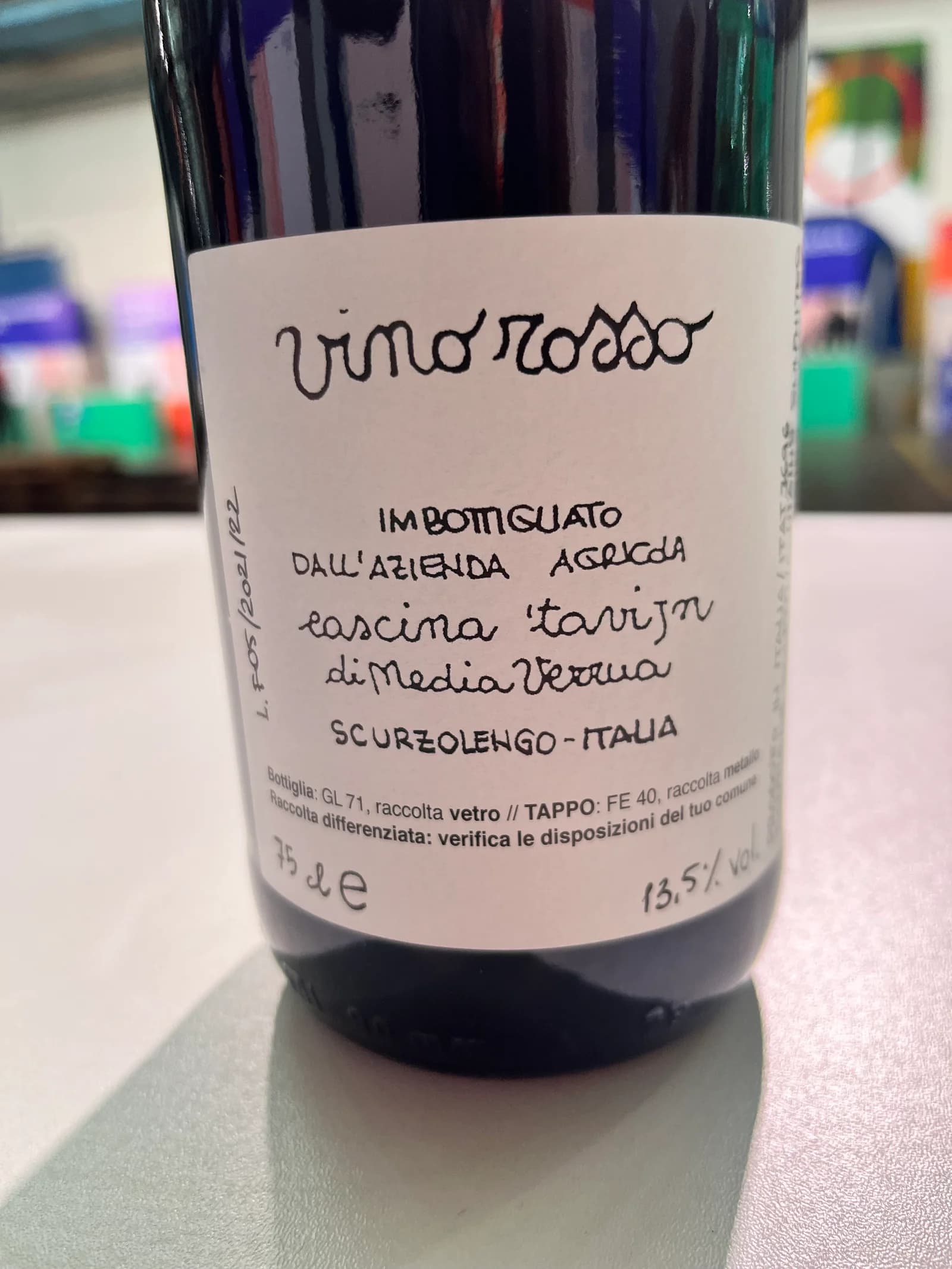
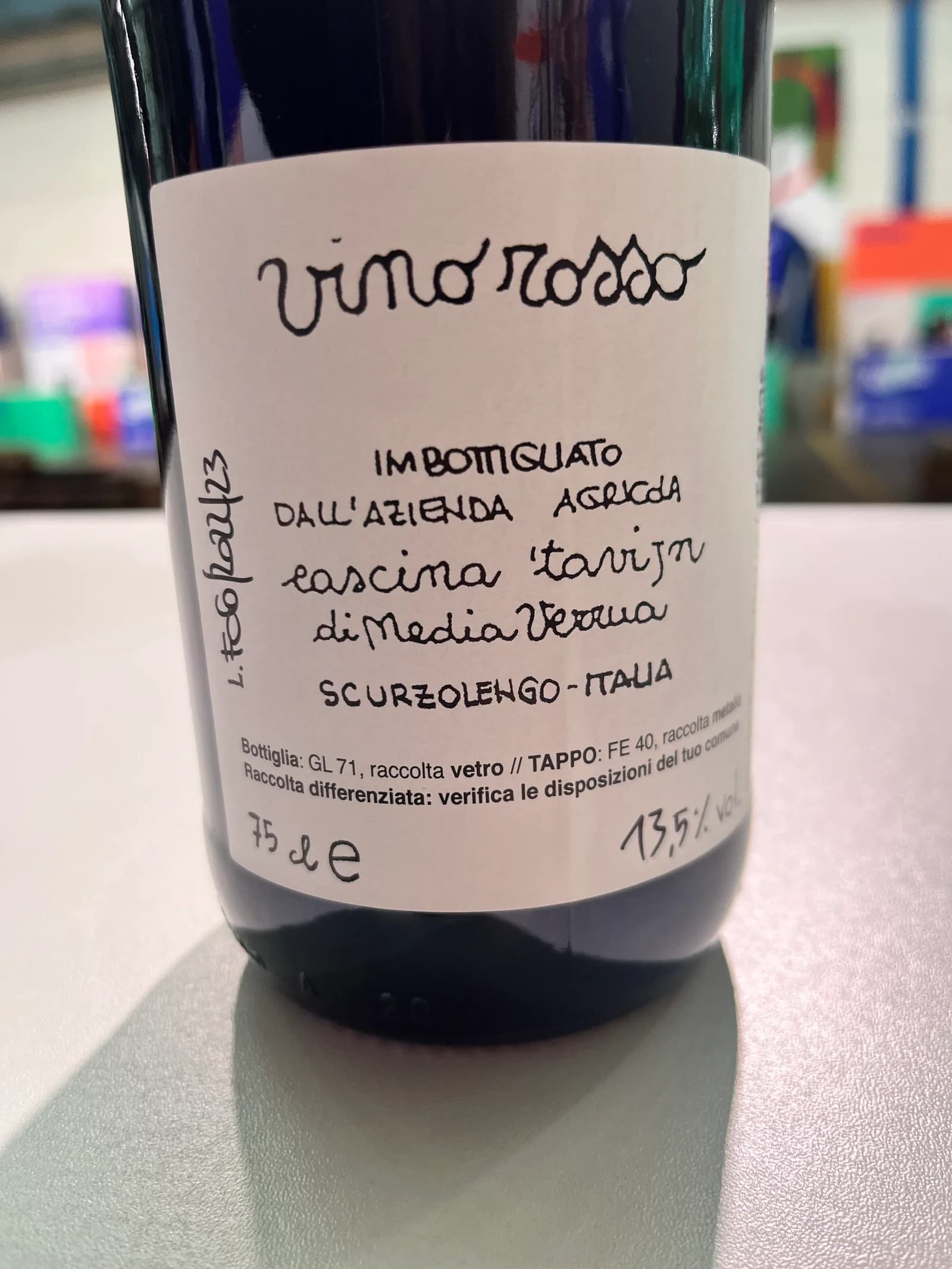
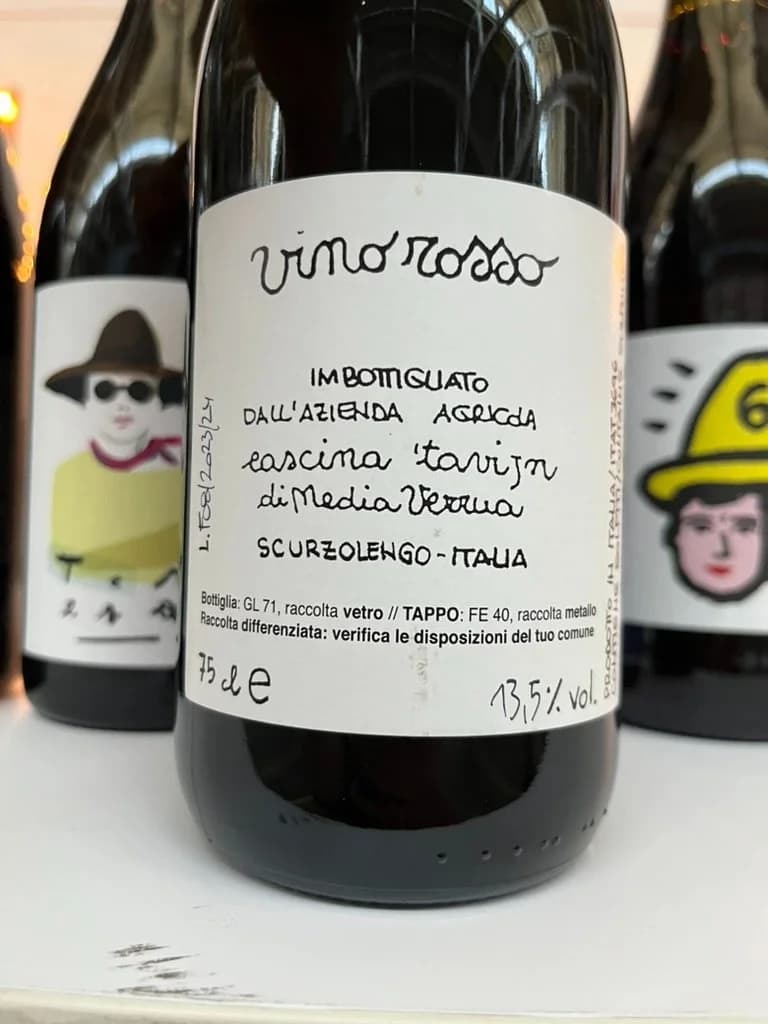
Most wines are now bottled as Vino Rosso or Vino Bianco, which means no vintage or grape variety on the front label; a coded lot system fills the gap on the back. The decision to declassify is consistent with everything else about Nadia's approach - the regulations were a poor fit, so she stepped out of them. (Ottavio is the exception, still labelled Grignolino d'Asti DOC.)
In the cellar: native yeasts, spontaneous fermentation, a mix of concrete tanks built into the walls in the 1960s, large Slavonian oak botti, steel, and some fiberglass. Minimal sulphur - ideally none, small additions after malolactic only if the wine asks. Many bottlings carry a light natural spritz from preserved fermentation CO2, which the Langhe elite would find gauche and Monferrato regulars love.
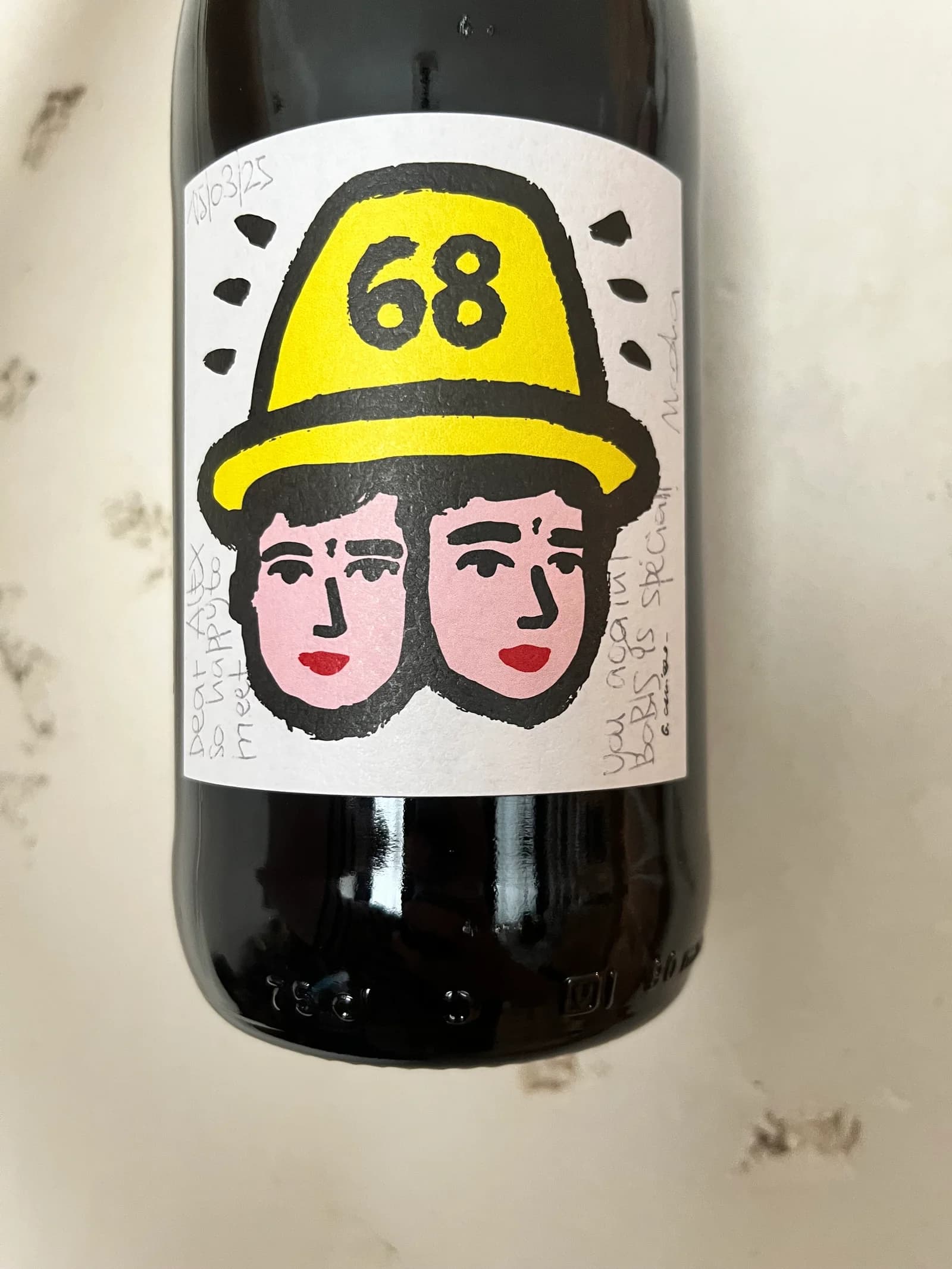
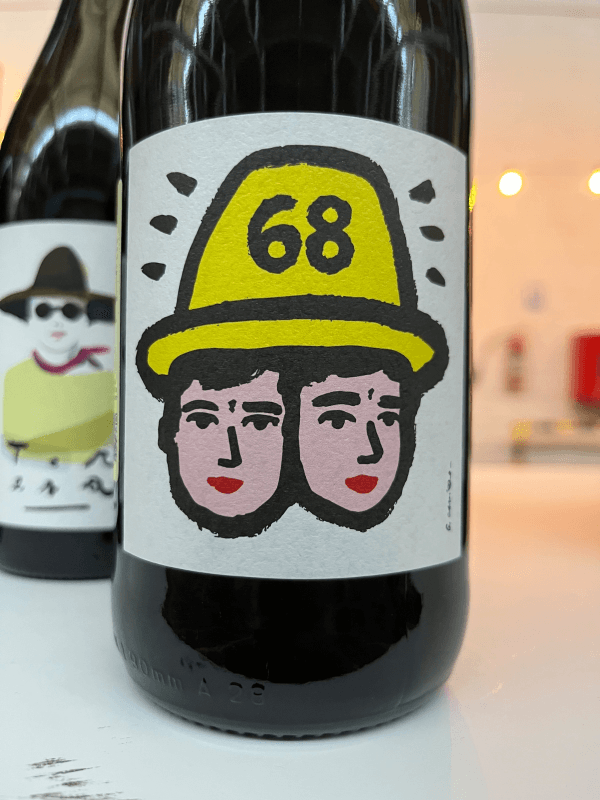
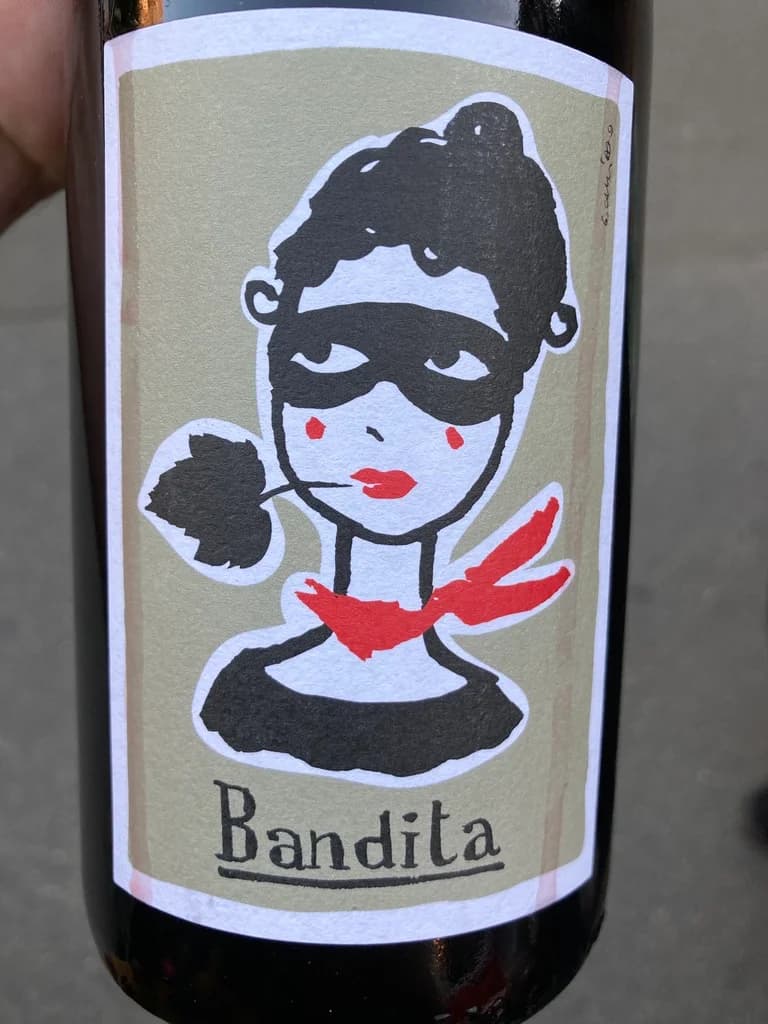
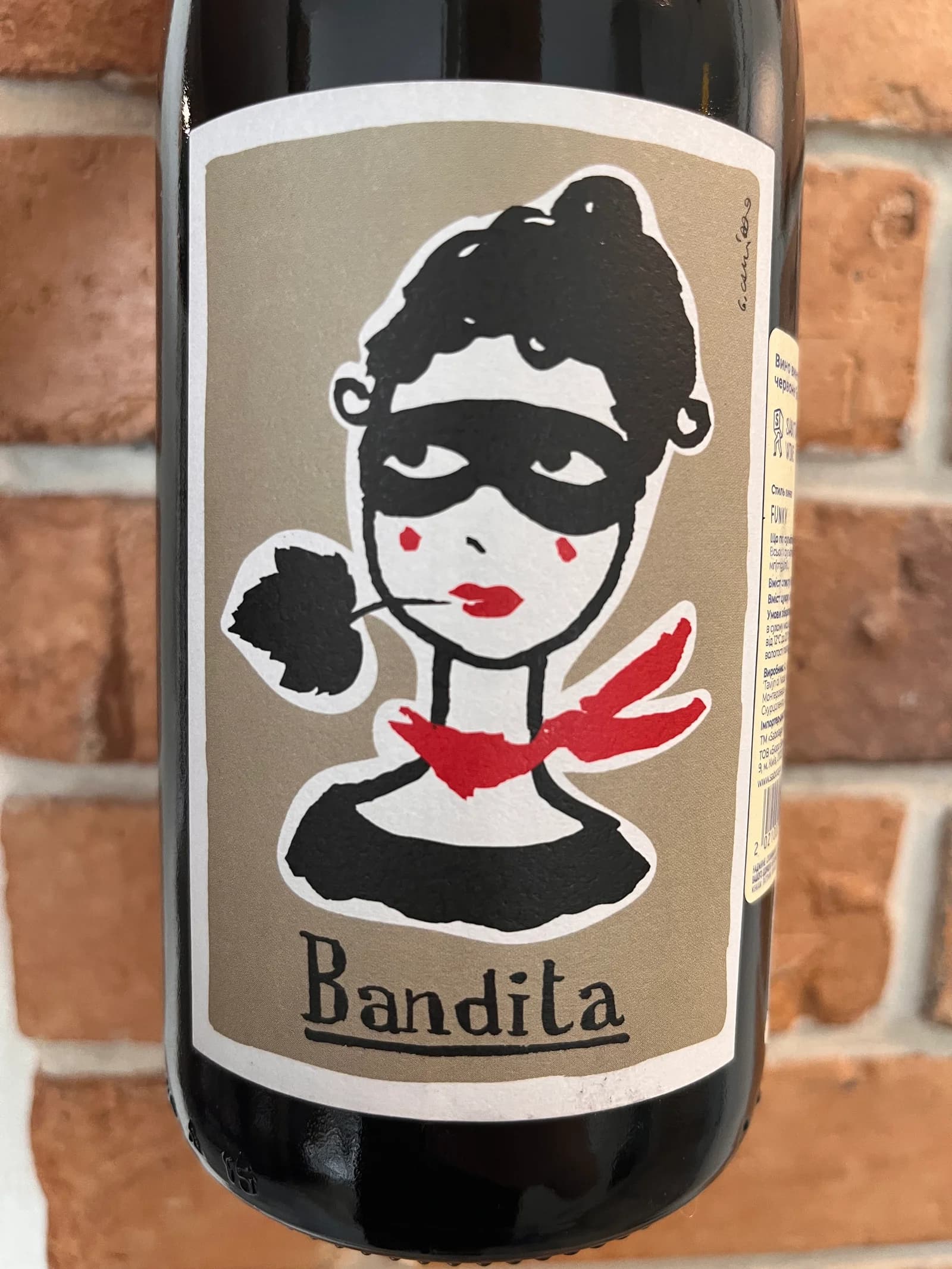
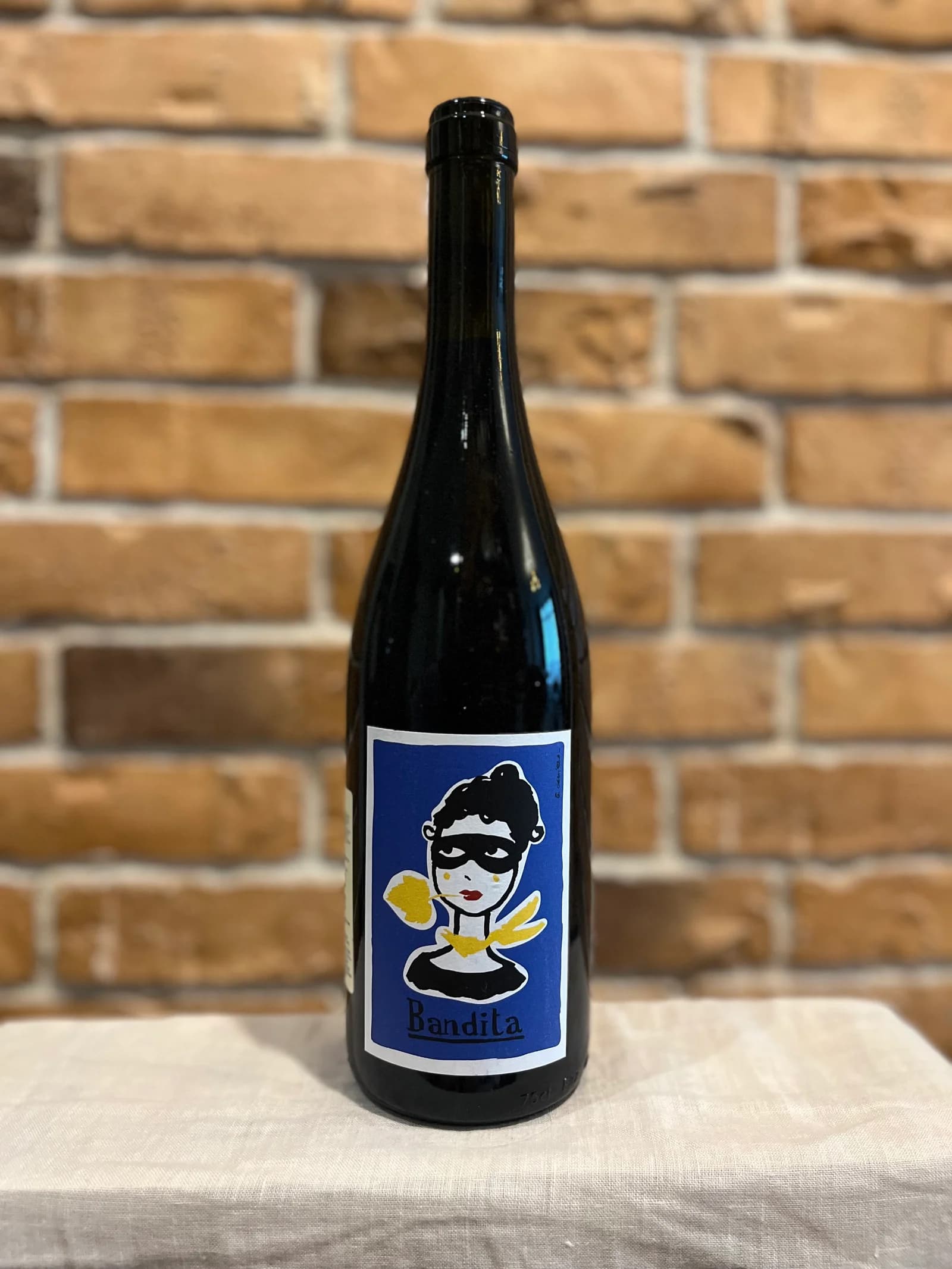
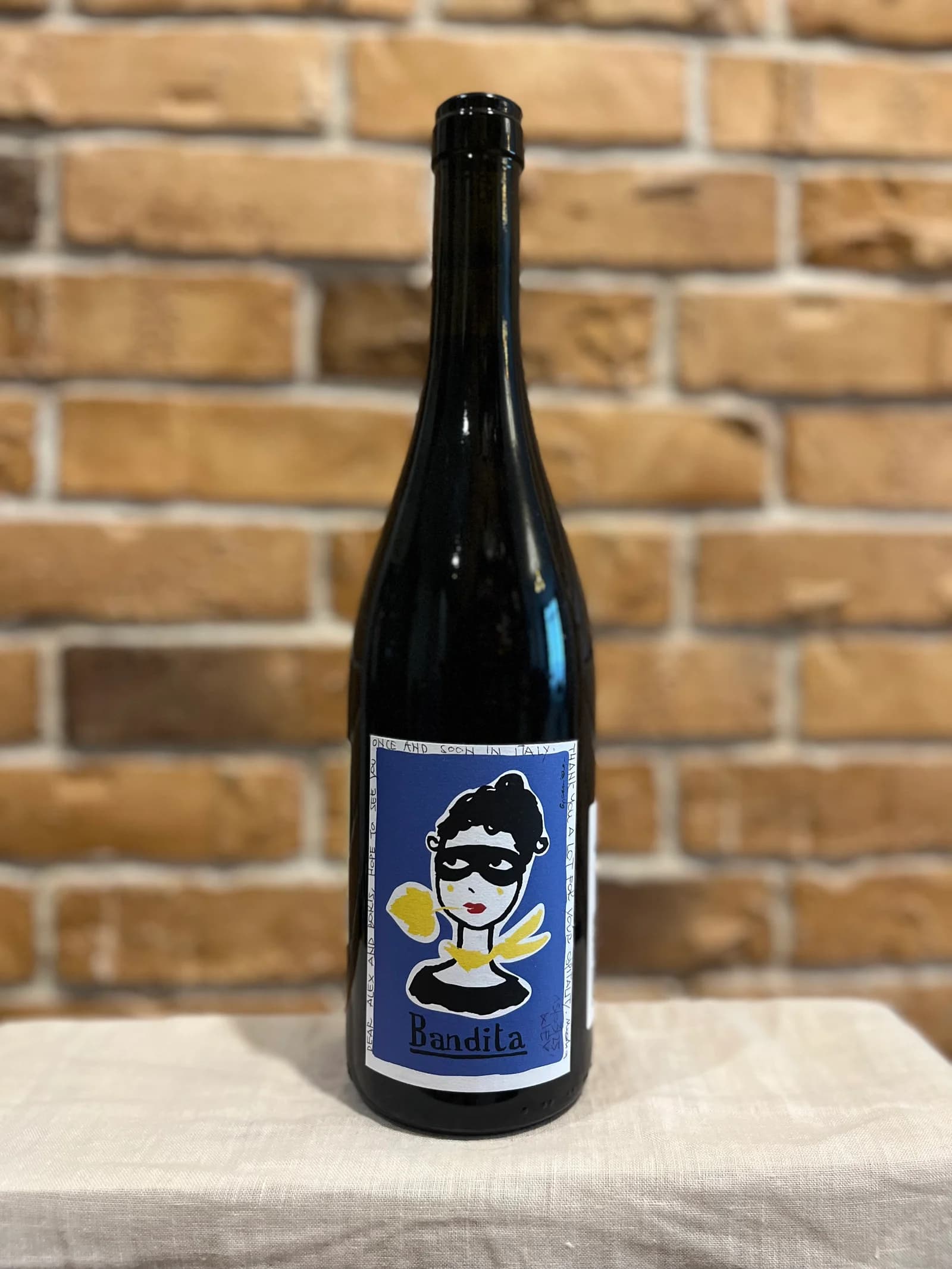
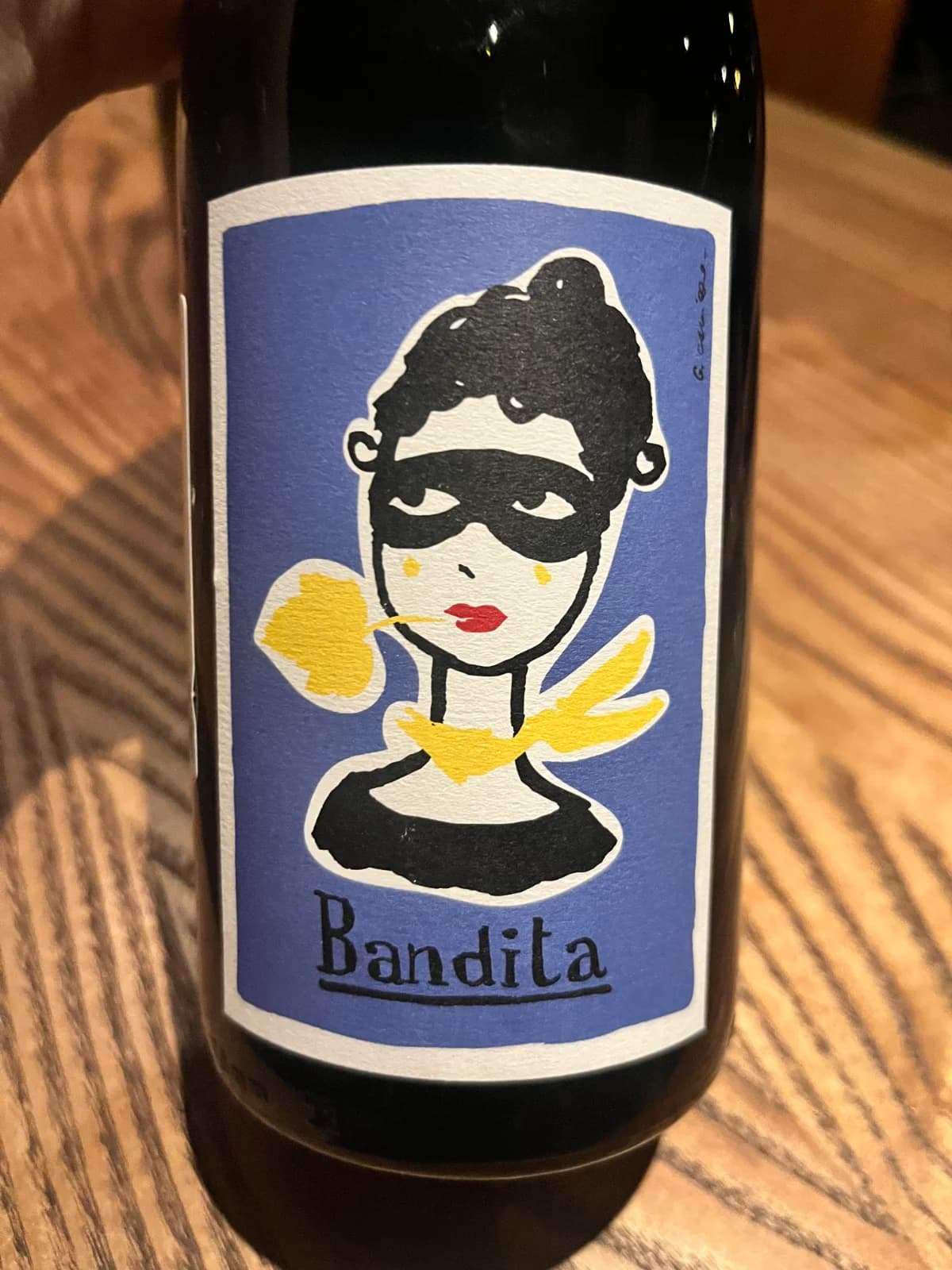
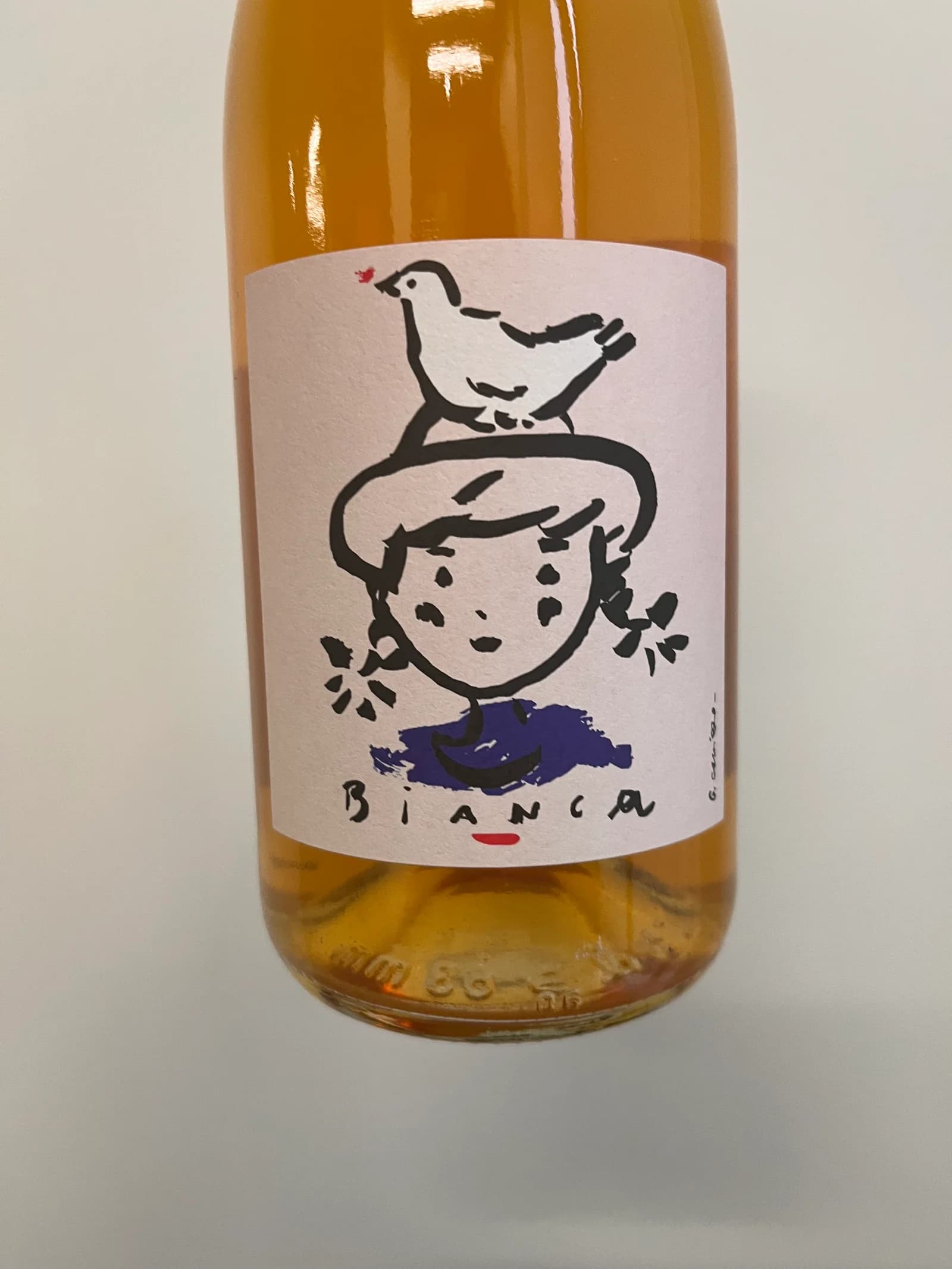
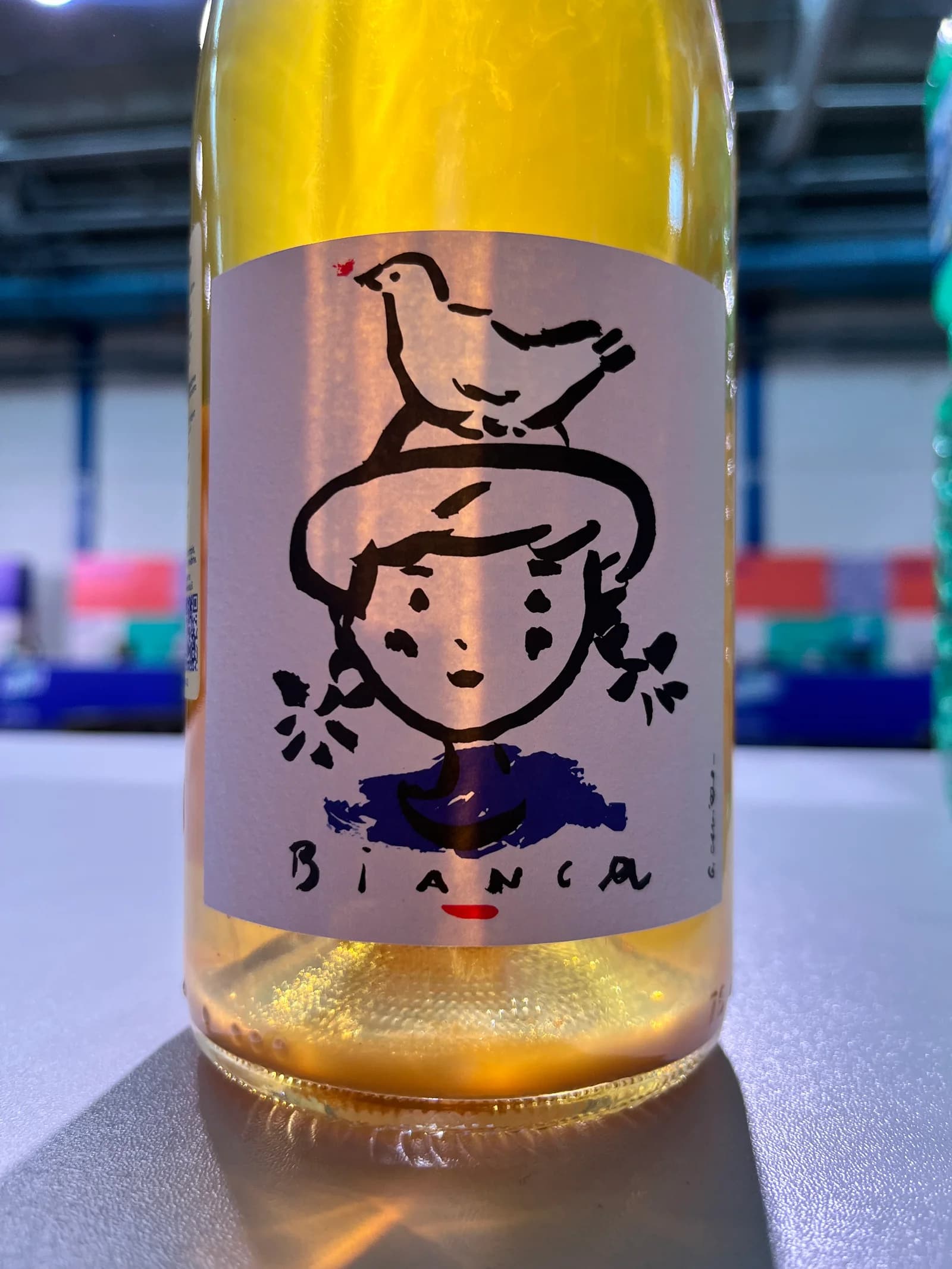
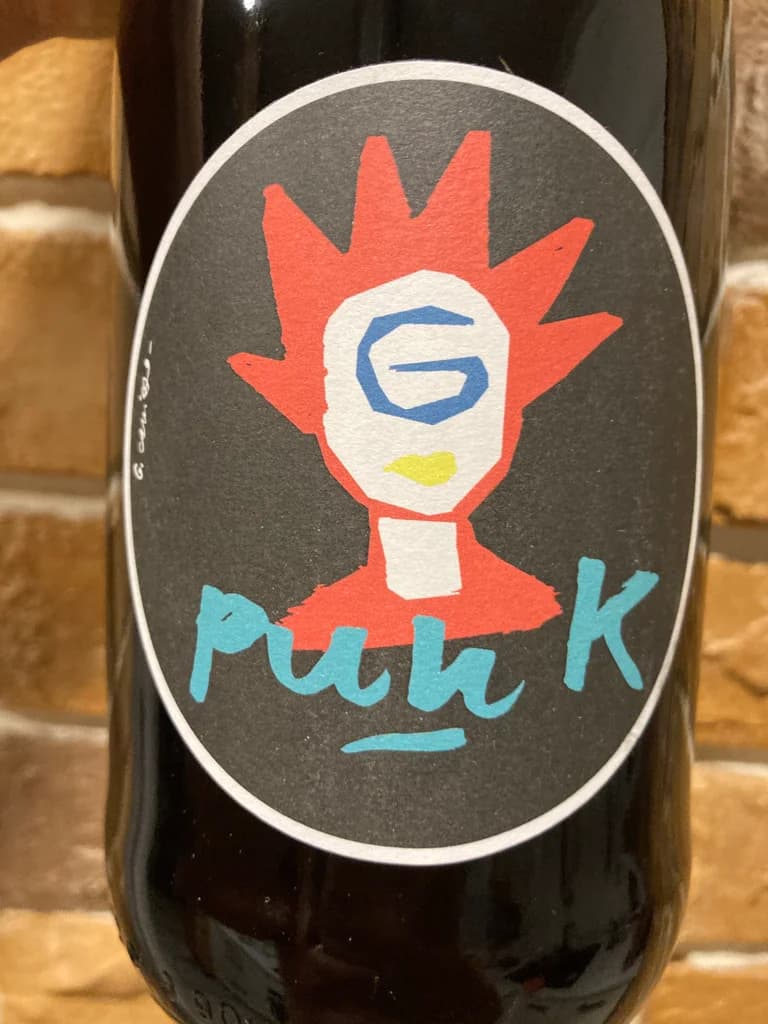
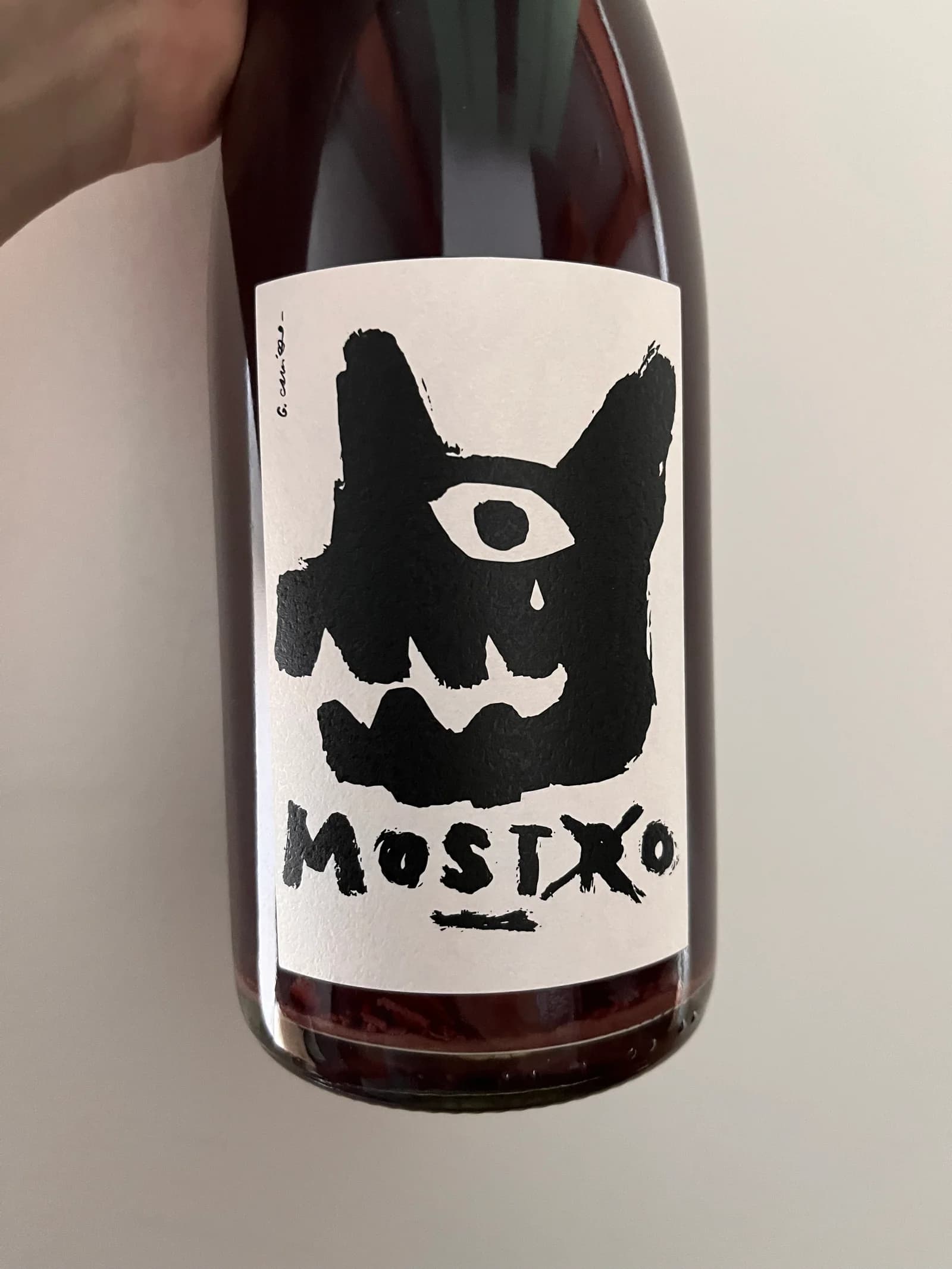
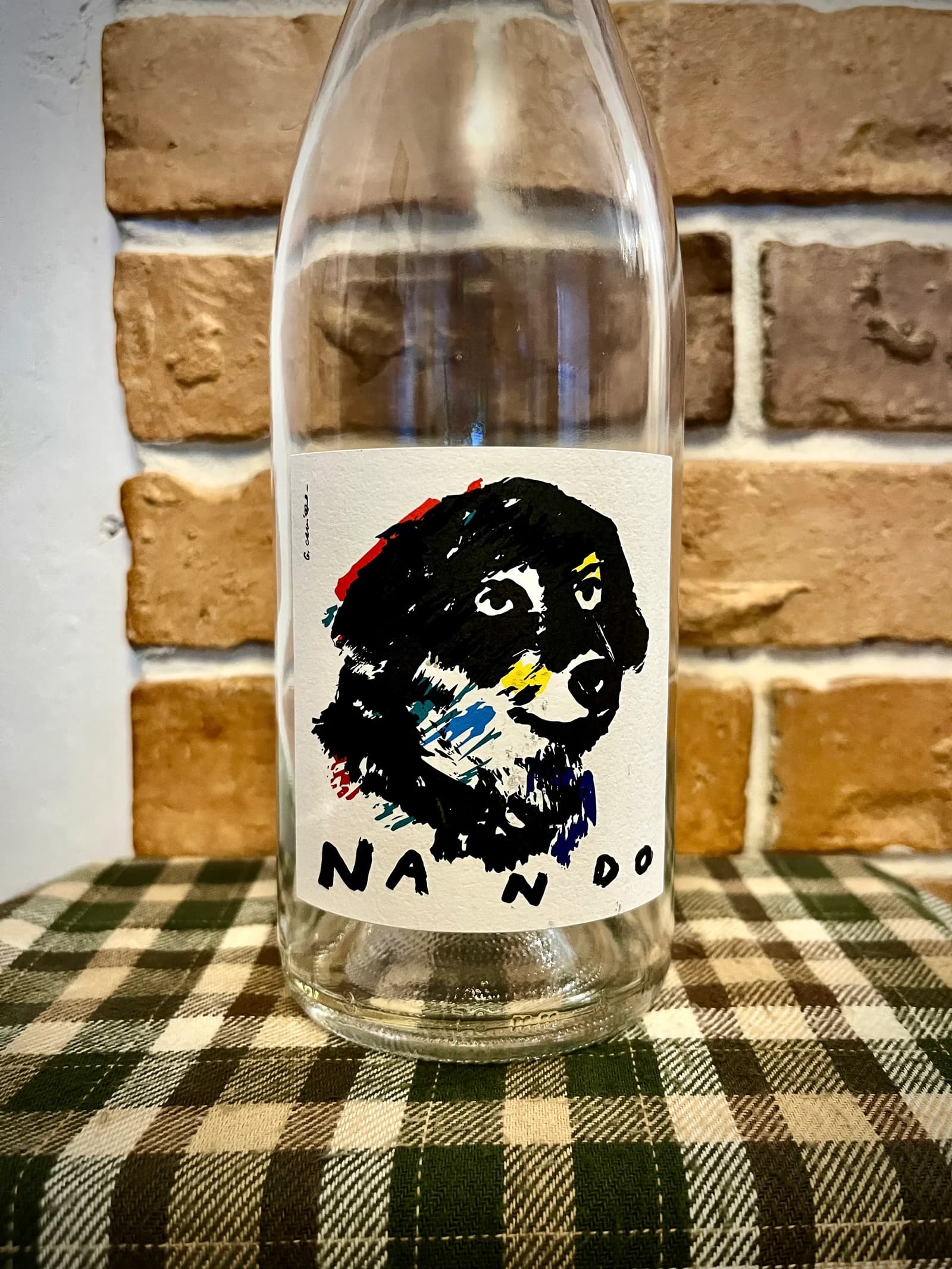
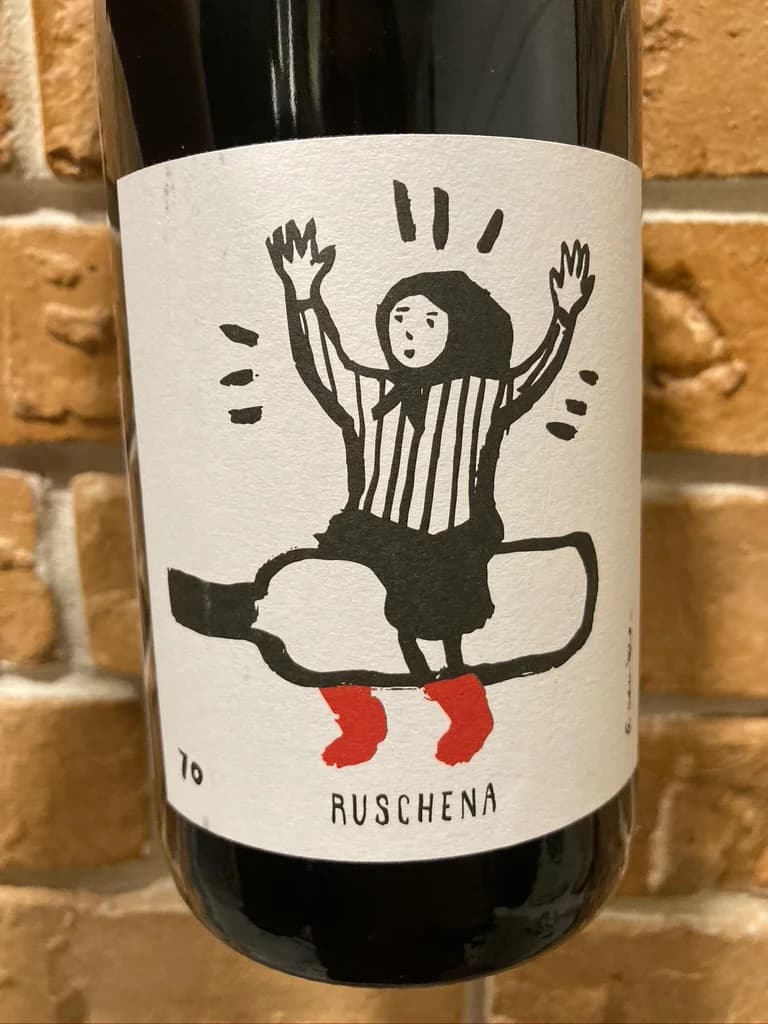
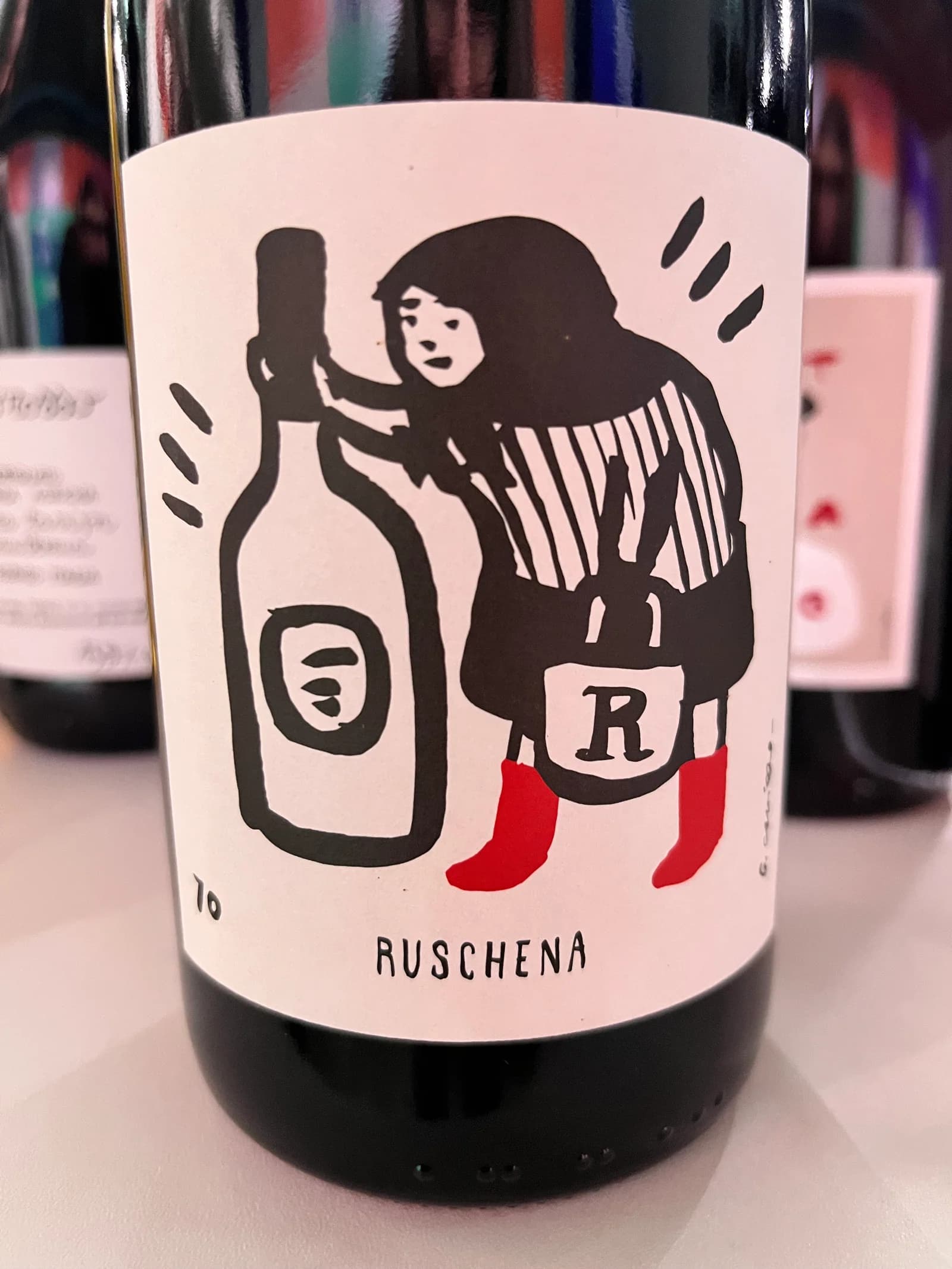
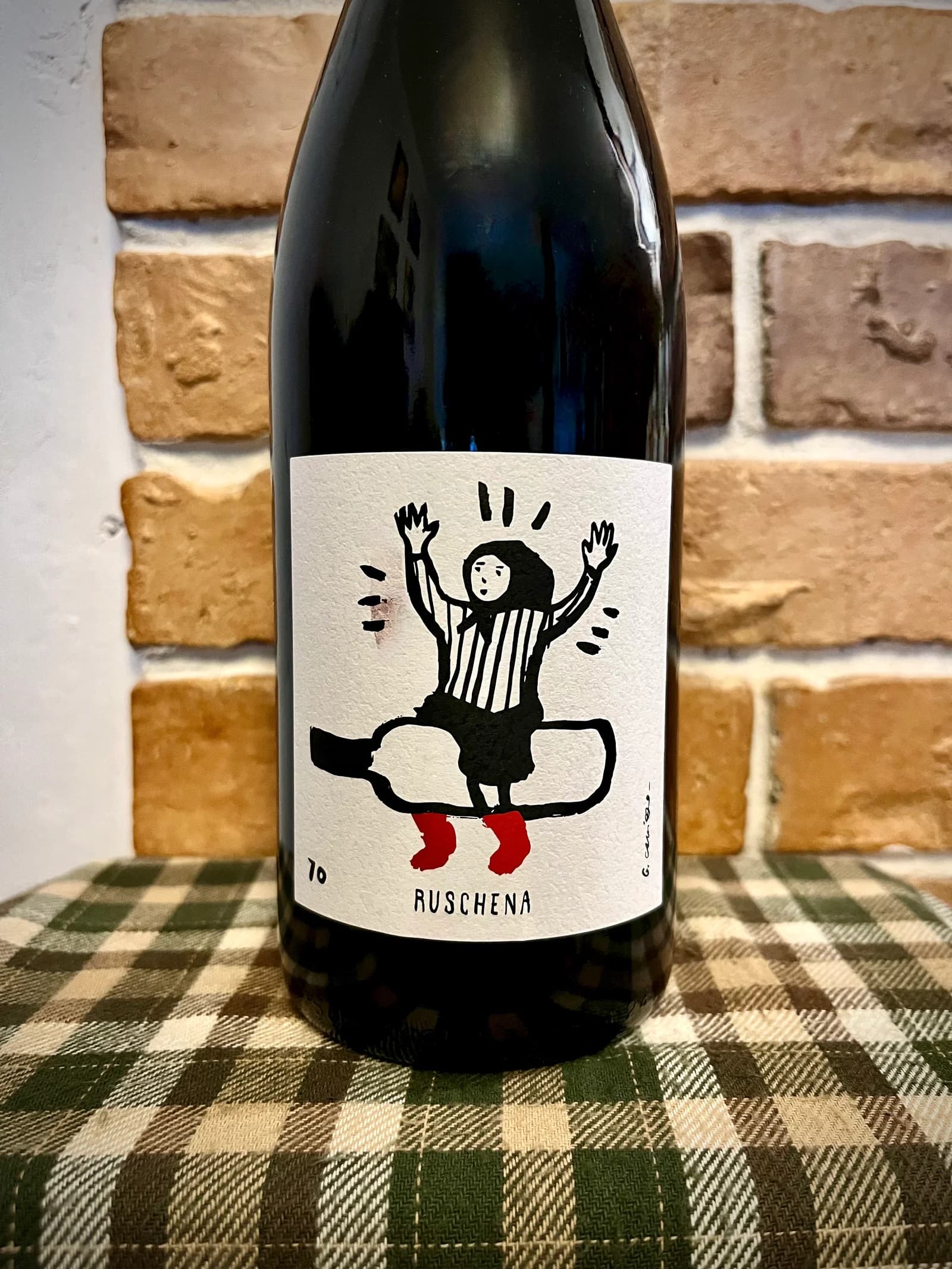
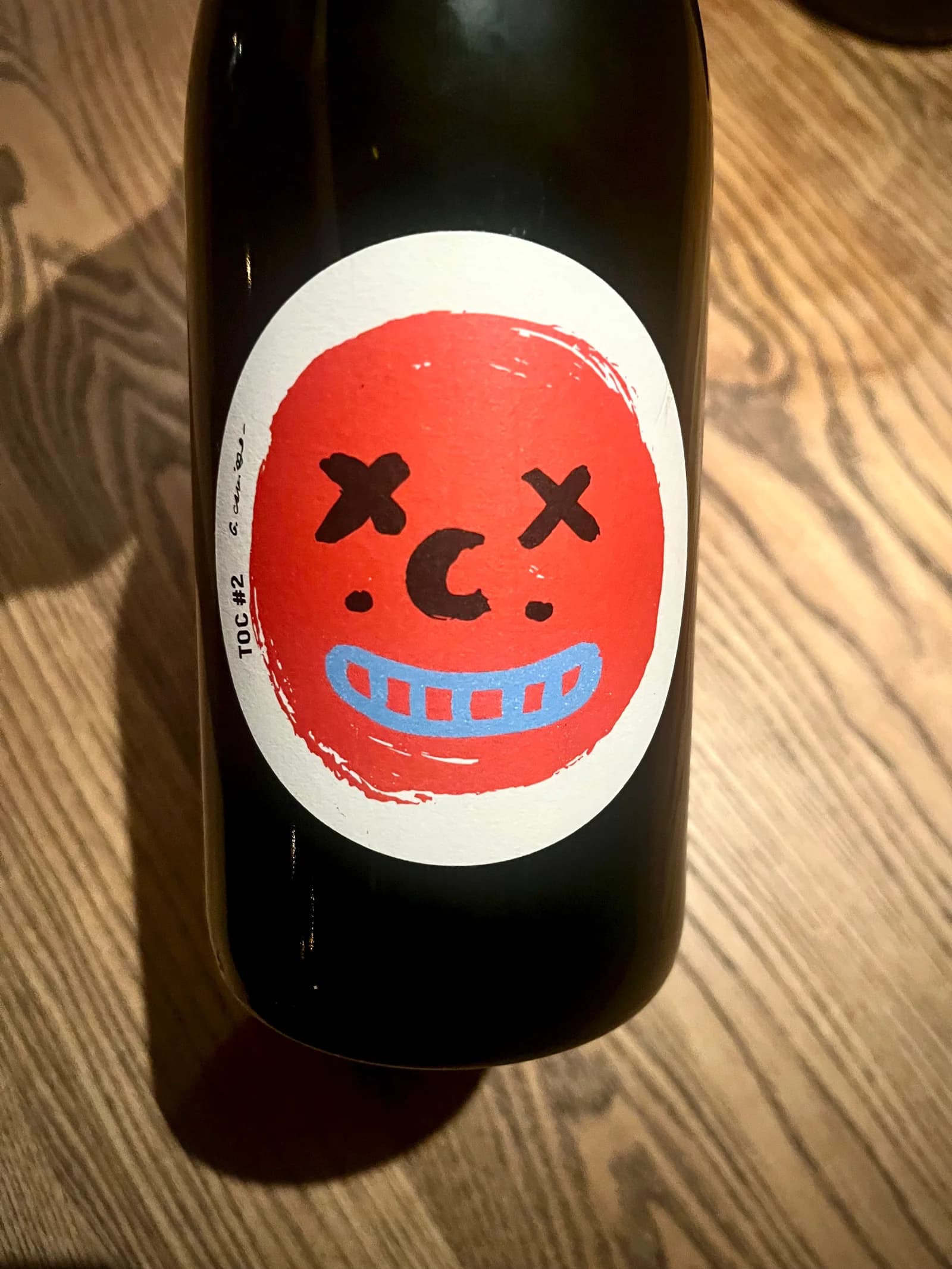
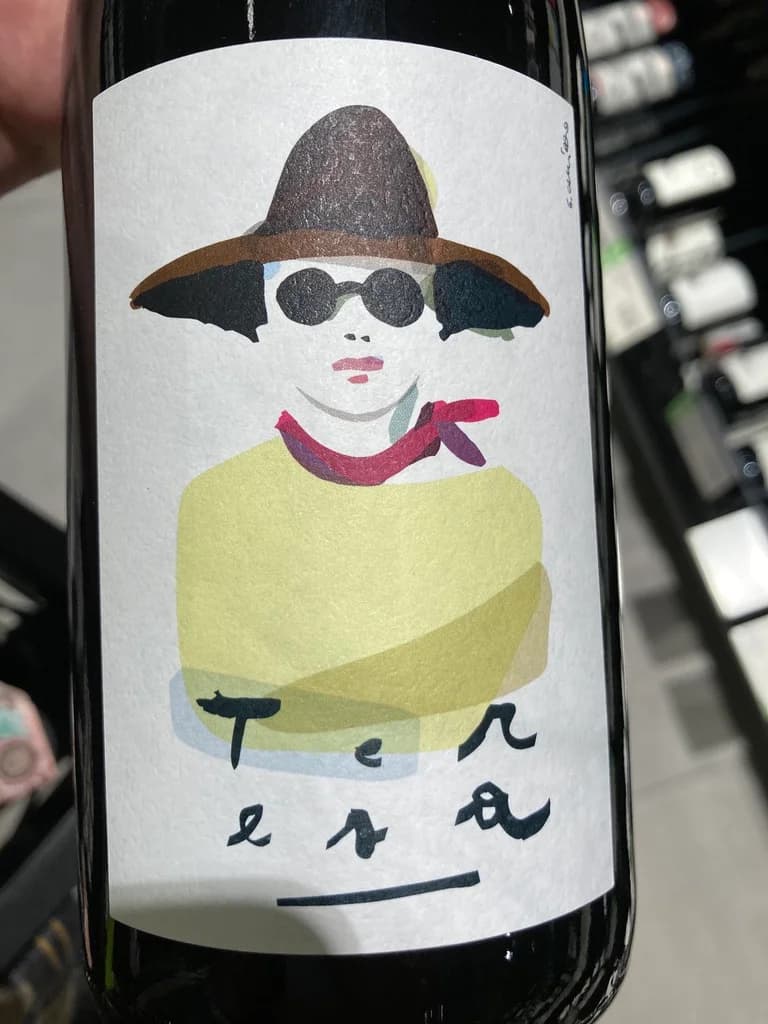
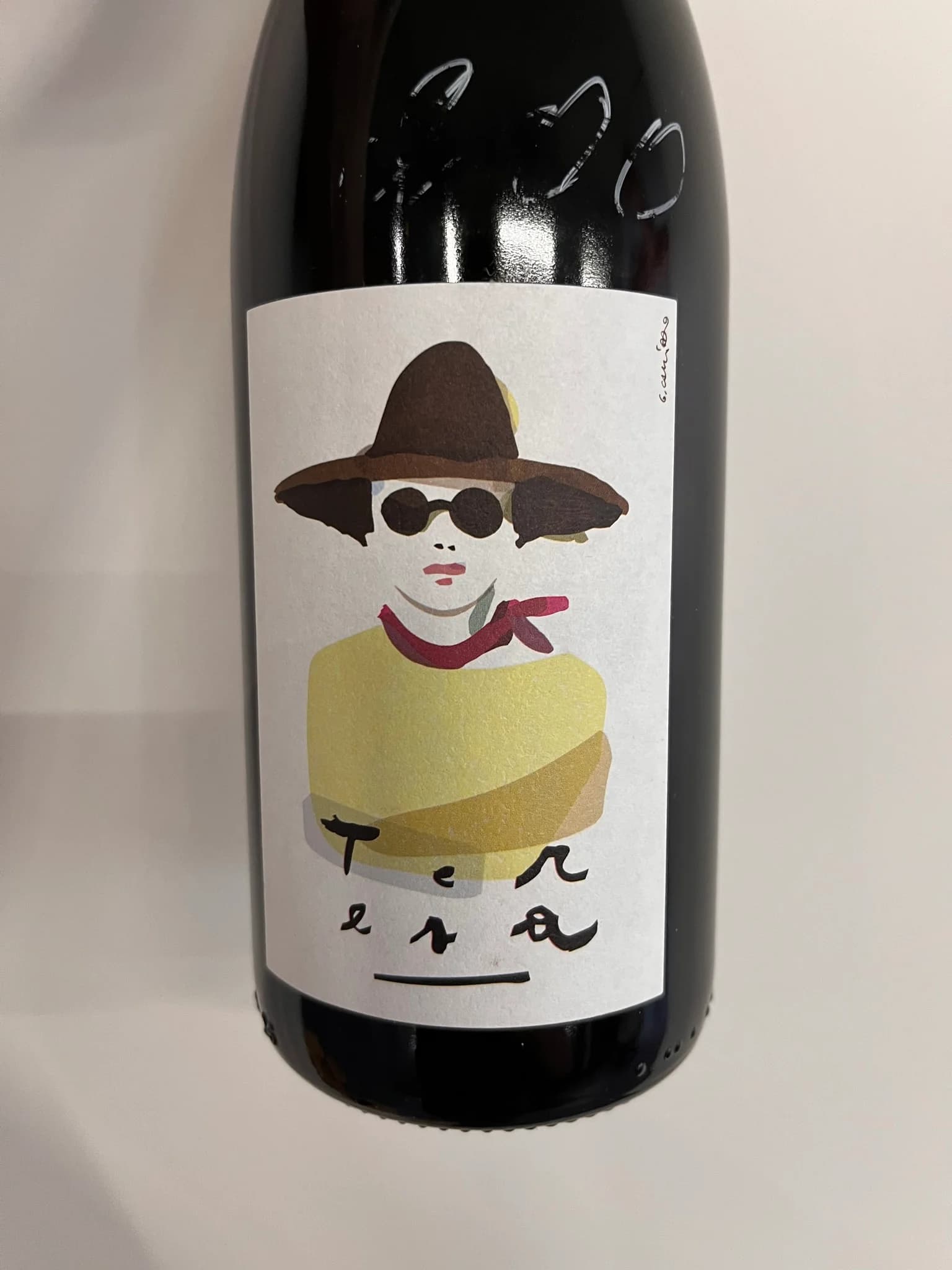
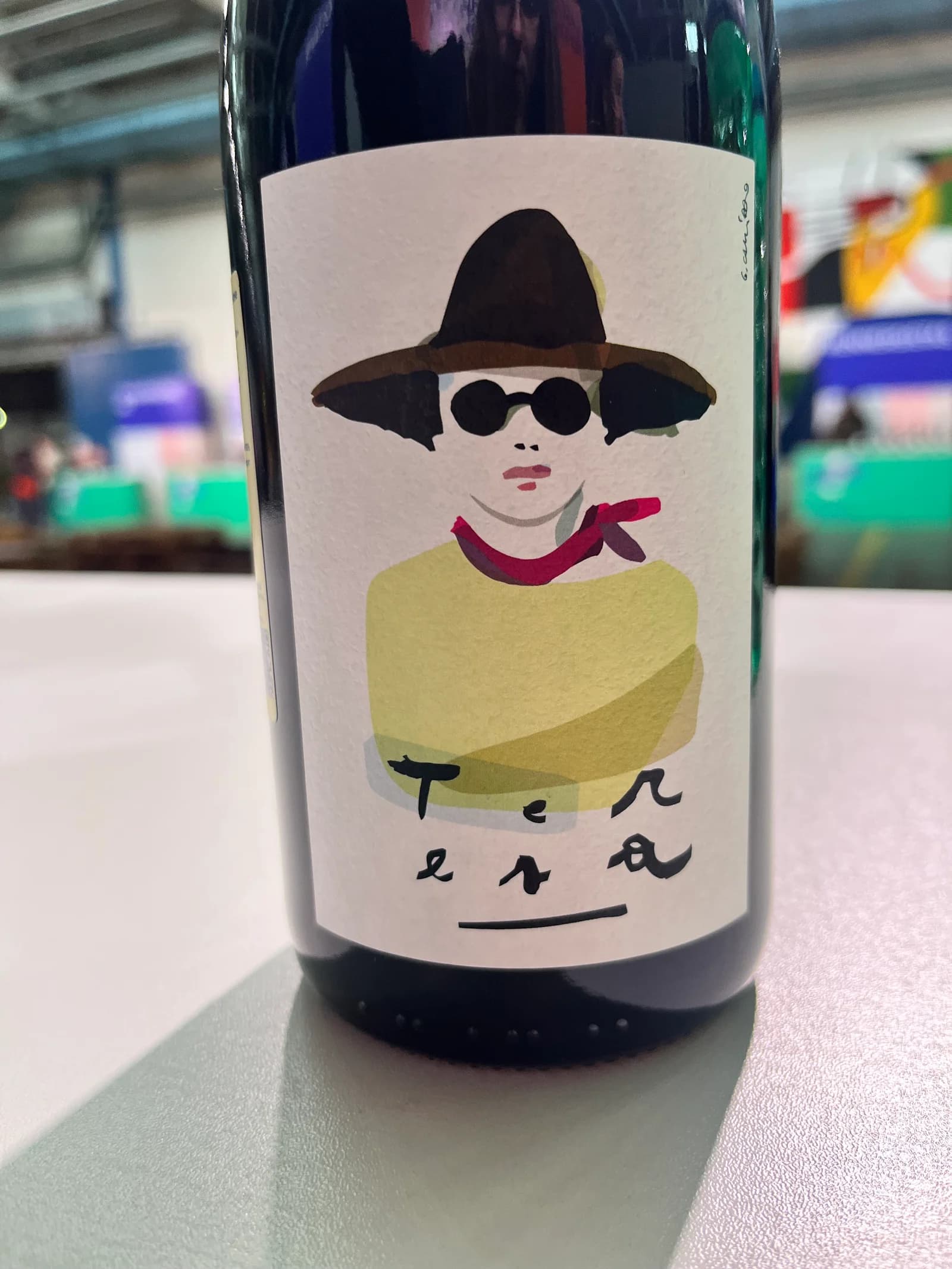
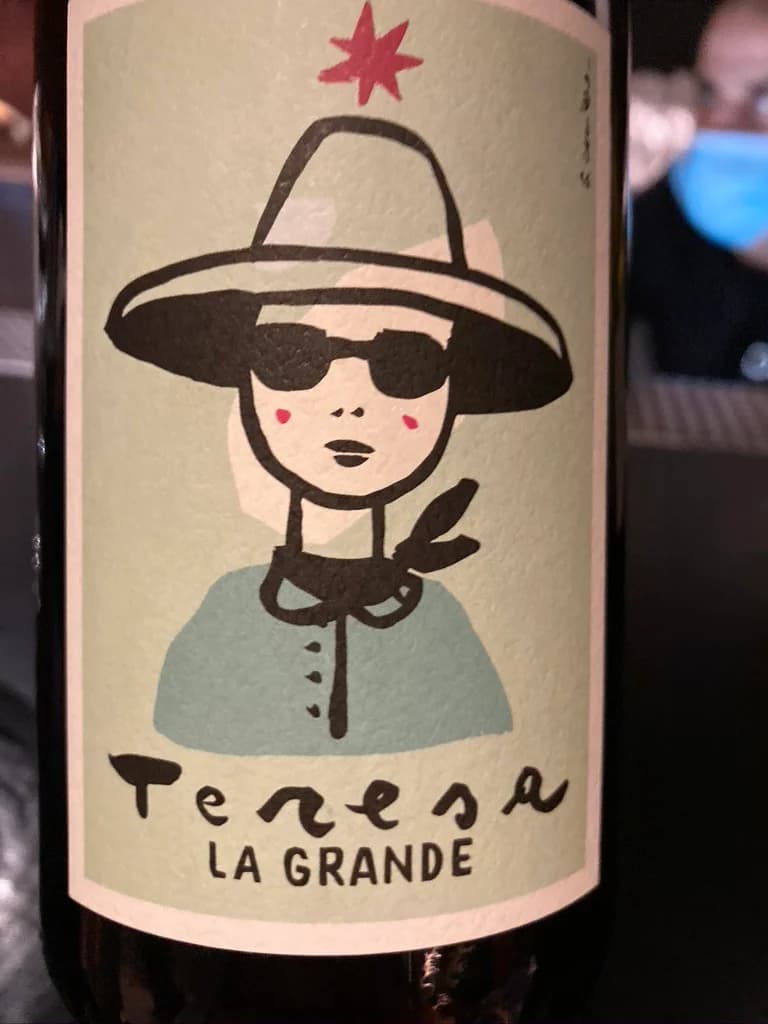
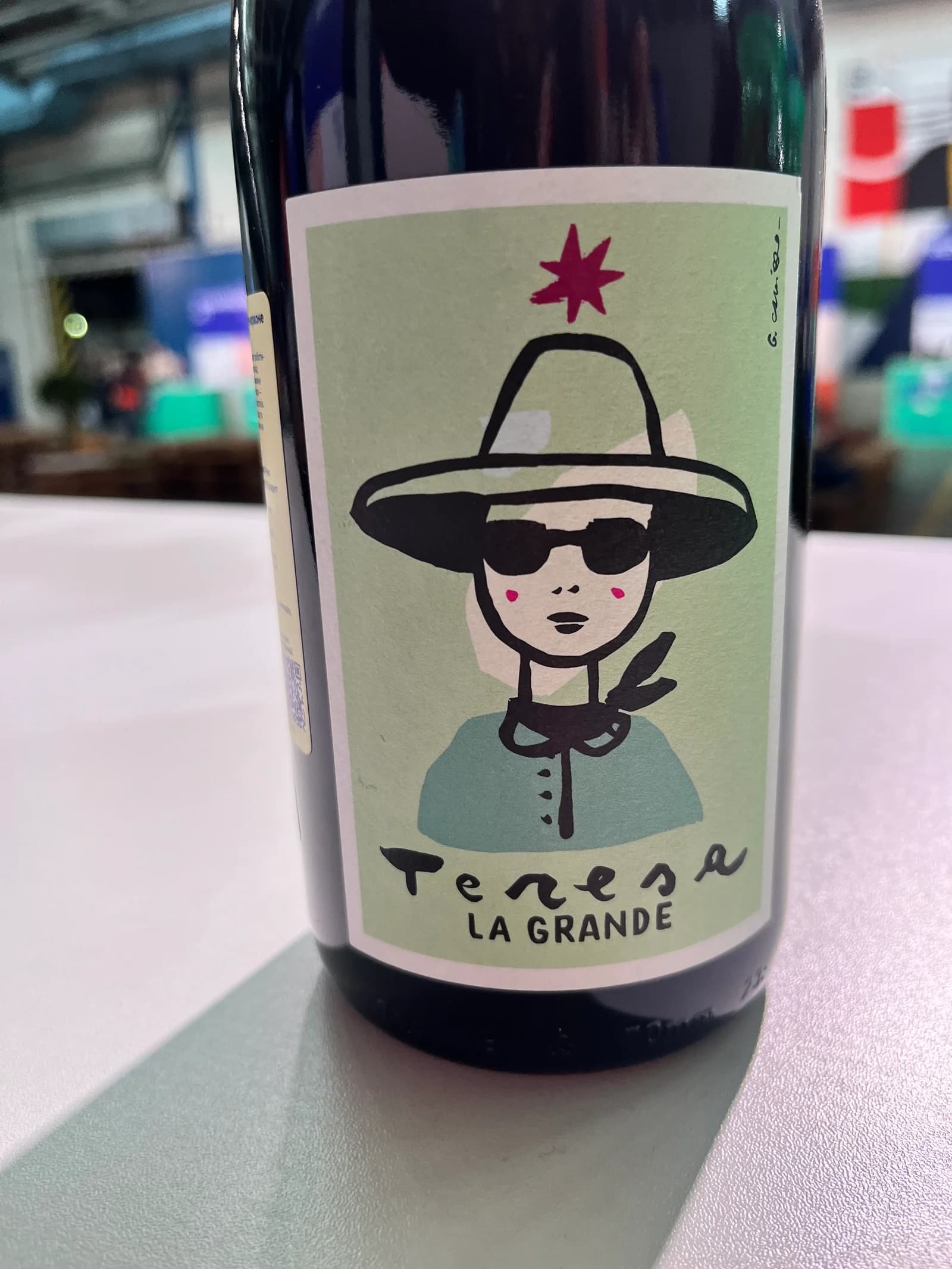
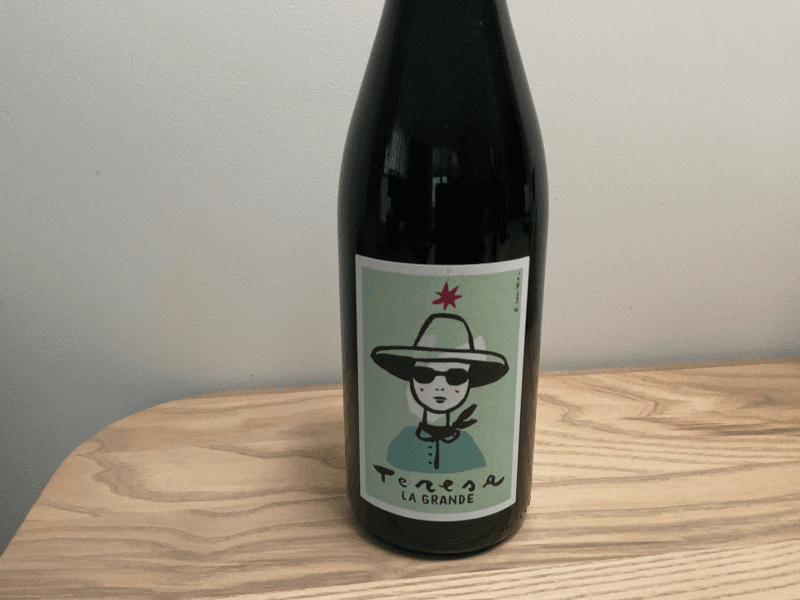
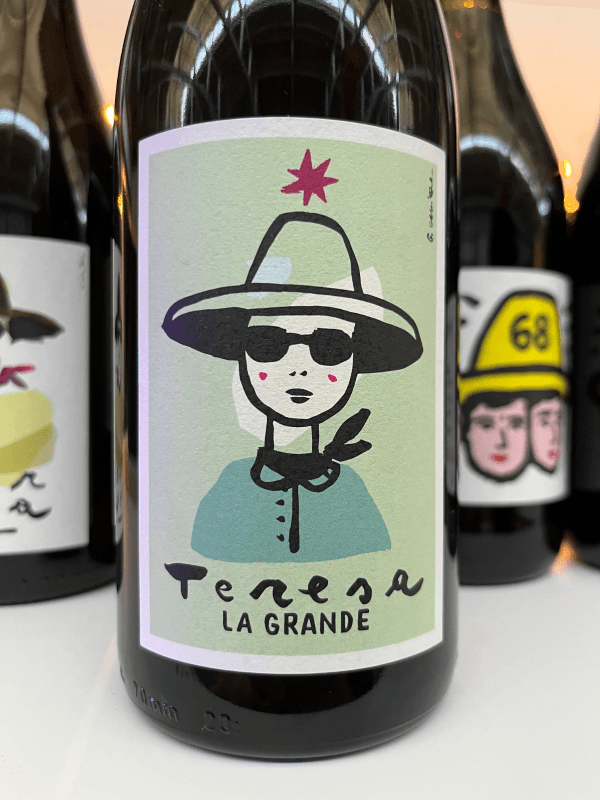
The historic cuvées are named for family. Teresa (Ruché, for her mother) and Teresa la Grande (the extended-aged version). Ottavio (Grignolino, for her father). Bandita (Barbera, with a Zorro-mask label) - recent vintages appear as B / Denominata after an Argentine trademark dispute forced the rename, but the bandit is still there. 68 is a Barbera-Ruché blend named for her uncle Sisto (sei = 6) and her father Ottavio (otto = 8). Bianca (for her daughter) is an orange-style skin-contact white from Cortese, Chardonnay, and Moscato. The labels, designed by Gianluca Cannizzo, carry the same vibrant personality as the wines - and as Nadia herself, who is the voice of this estate.
Tavijn is firmly in the natural-wine camp (Louis/Dressner in the US, Tutto Wines in the UK).
Nadia is also a regular at the Supernatural wine festival in Kyiv - she keeps coming back even now, to a city that is being bombed. Her participation is often reason enough for me to work the festival just to spend the day with her.
Wines
3.8
68
2019· Italy
4.0
68
2022· Italy
4.0
68
2024· Italy
4.1
Bandita
2016· Italy
3.9
Bandita
2019· Italy
4.0
Bandita
2020· Italy
4.0
Bandita
2021· Italy
4.0
Bandita
2023· Italy
3.9
Bianca
2021· Italy
3.9
Bianca
2022· Italy
4.0
G Punk
2018· Italy
3.8
Grignolino d'Asti
2012· Italy
3.9
Mostro
2021· Italy
4.0
Nando
2023· Italy
3.8
Ottavio
2021· Italy
4.0
Ottavio
2023· Italy
3.8
Ruschena
2018· Italy
4.0
Ruschena
2019· Italy
4.0
Ruschena
2023· Italy
3.8
Slarina
2018· Italy
3.9
Slarina
2022· Italy
3.8
Teresa
2018· Italy
3.9
Teresa
2021· Italy
3.9
Teresa
2023· Italy
3.7
Teresa la Grande
2016· Italy
4.0
Teresa la Grande
2021· Italy
Teresa La Grande
2022· Italy
4.1
Teresa La Grande
2023· Italy
4.2
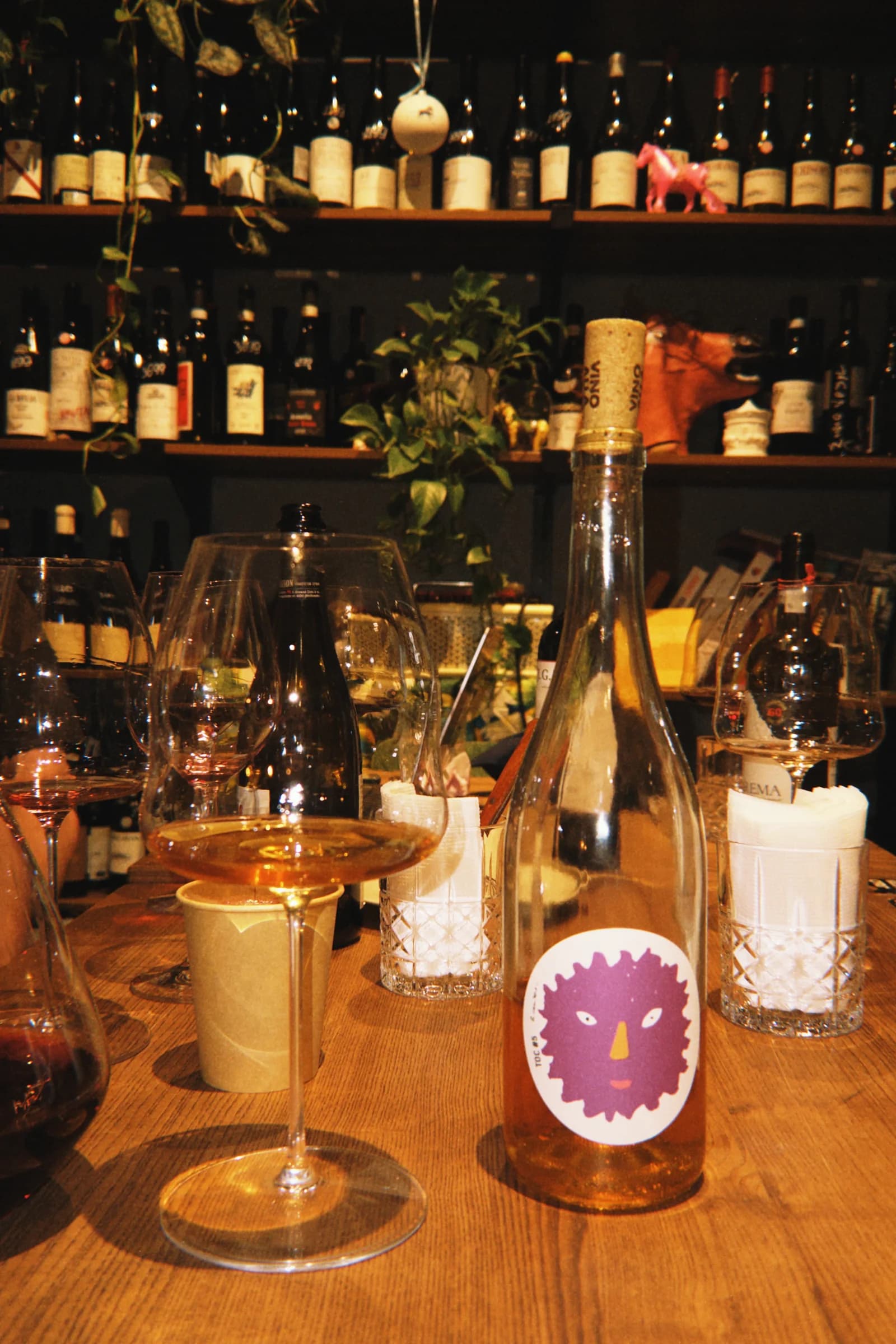
TOC #5
2023· Italy
3.7
Vino Rosso
2018· Italy
3.6
Vino Rosso
2019· Italy
3.8
Vino Rosso
2021· Italy
3.7
Vino Rosso
2022· Italy
3.8
Vino Rosso
2023· Italy