All producers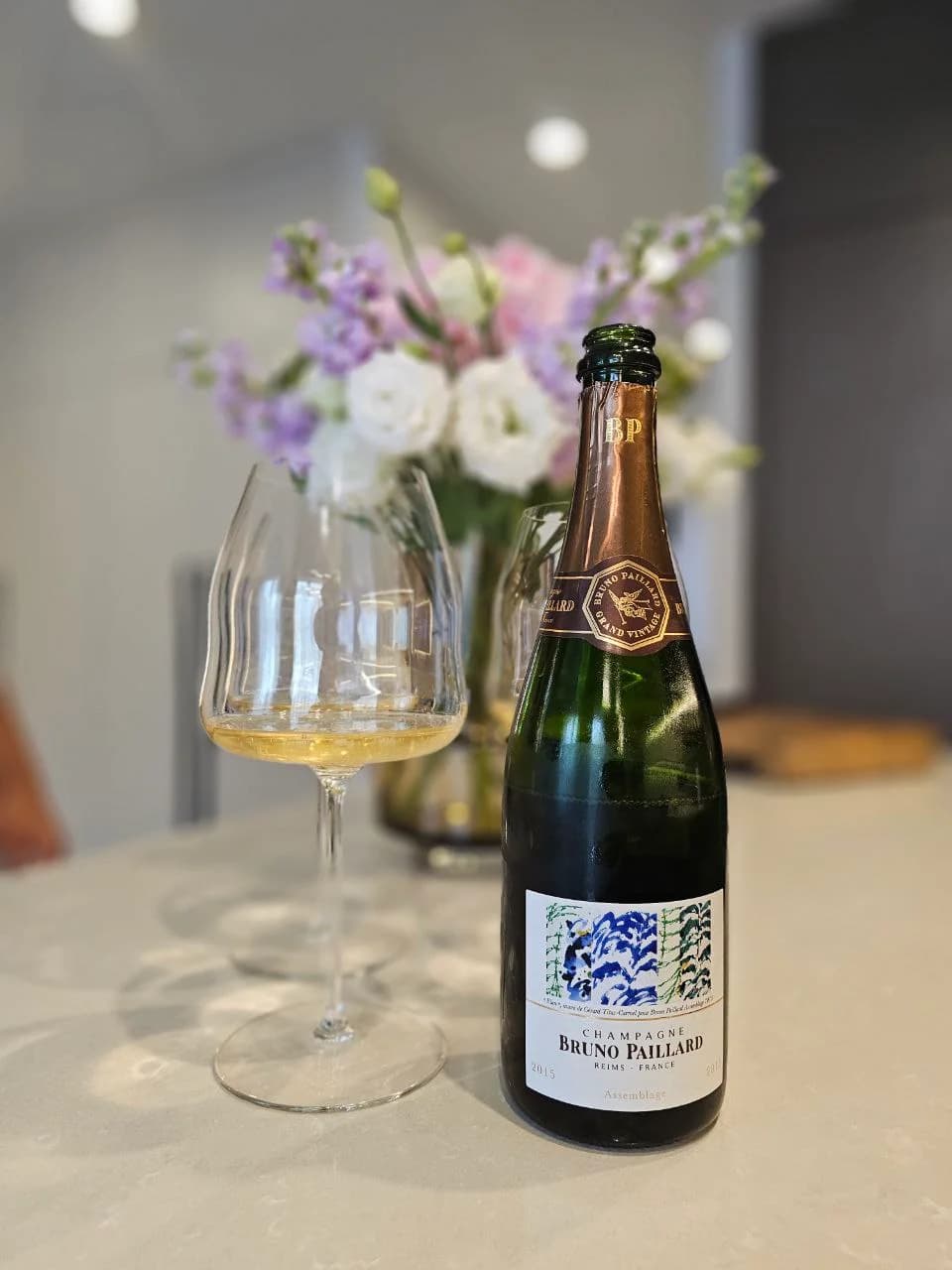






Bruno Paillard
Montagne de Reims, France29 wines4.3 avg
272
The first new Champagne house in nearly a century - Reims-based, 32 hectares, low dosage, and the producer that made disgorgement dates transparent in Champagne.
In 1981 a broker's son of 27 sold his vintage Jaguar to buy his first barrels and founded the first new house Champagne had seen in nearly a century. The Paillards had brokered grapes in Bouzy and Verzenay since 1704, so Bruno knew the region from the buyer's side of the table; he just wanted his own name on the label. The first years were rented cellars and bought fruit. Serious vineyard buying began in 1994 with three hectares of Grand Cru Chardonnay in Oger, and today the house owns 32 ha, twelve of them Grand Cru across Oger, Le Mesnil-sur-Oger, Chouilly, Cramant, Verzenay, Mailly and Bouzy, which covers about a third of what it needs; the rest comes from long-term contracts with growers in more than thirty villages. Around 500,000 bottles a year, small for a négociant and deliberately so.
Two years in, in 1983, Bruno started printing the disgorgement date on every bottle, the first house to do it systematically, and it took the rest of Champagne a long time to follow. The habit says everything about the house: a Champagne should tell you when it was born and when it woke up. The rest of the discipline follows the same logic, three years on lees at the minimum for the entry cuvée, twice the legal requirement, consistently low dosage, partial oak vinification for the top cuvées, and a rest after disgorgement before anything is sold.
His daughter Alice Paillard joined in 2007 and has been CEO since 2018; day-to-day runs through her now. Bruno remains chairman of Lanson-BCC, the group whose predecessor, Boizel Chanoine Champagne, he co-founded in 1991 and which took its current form after the 2006 merger with Lanson, bringing together Lanson, Besserat de Bellefon, Chanoine Frères, Boizel, Philipponnat, De Venoge, Maison Burtin and Domaine Alexandre Bonnet.
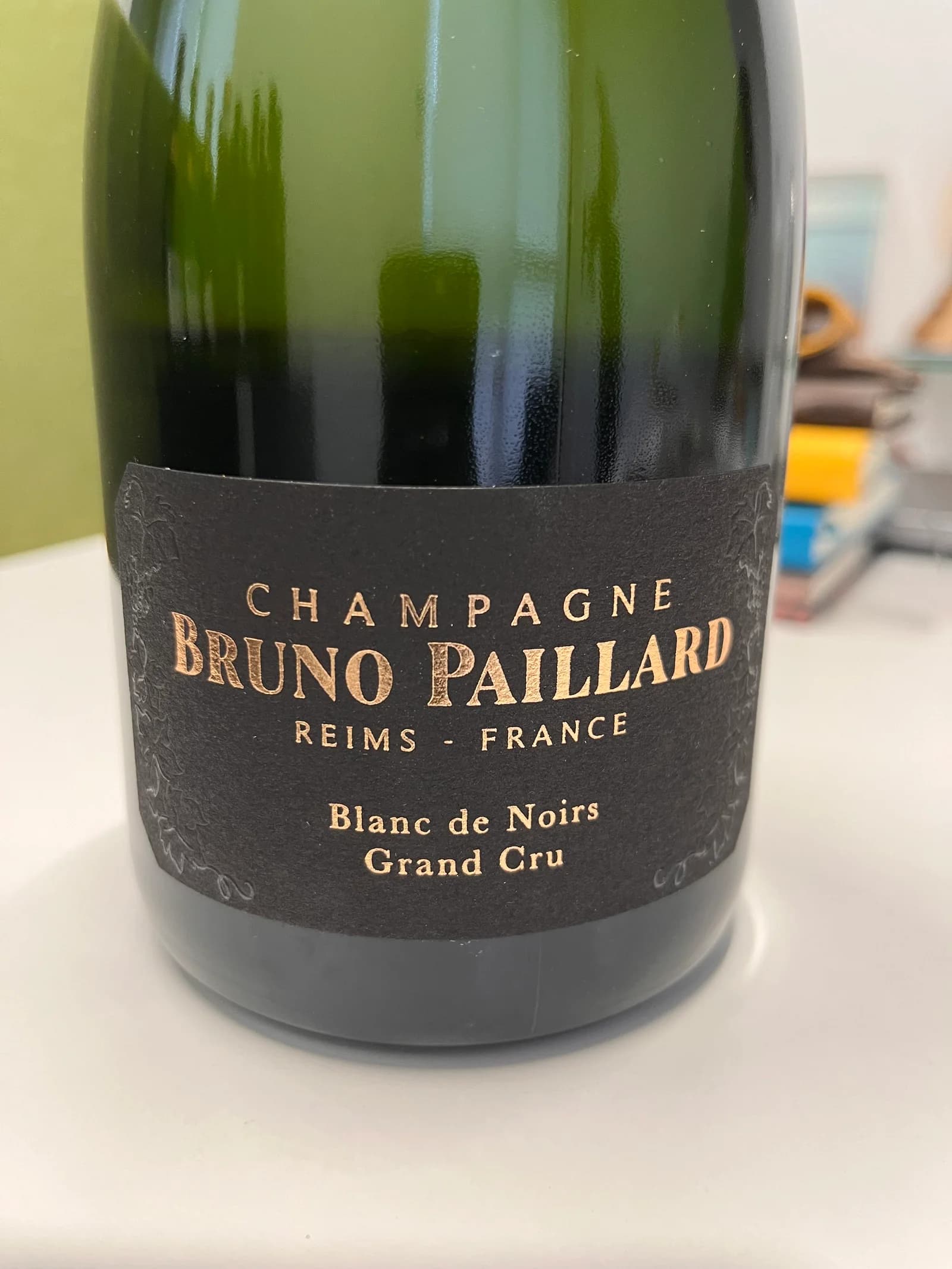
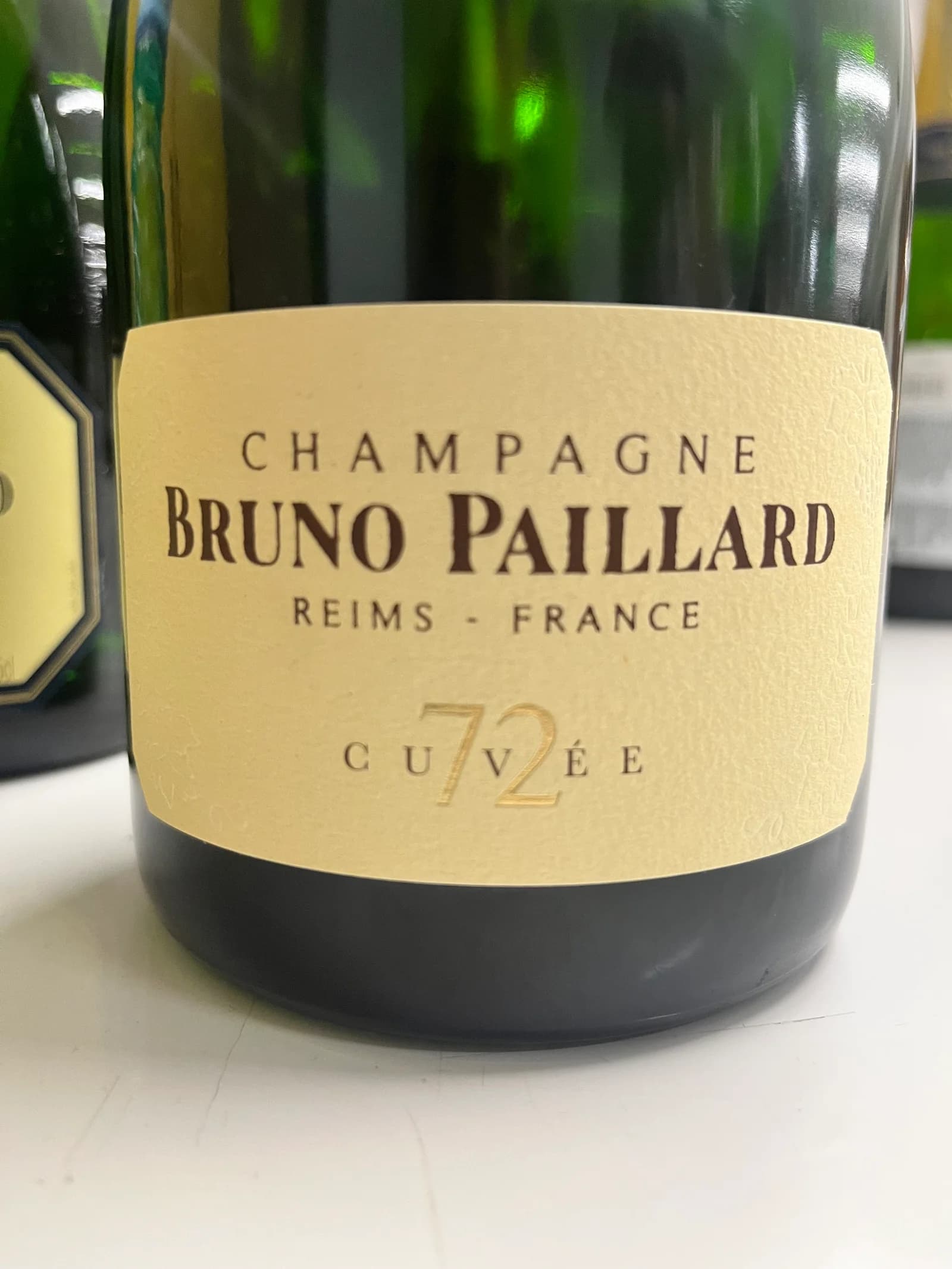
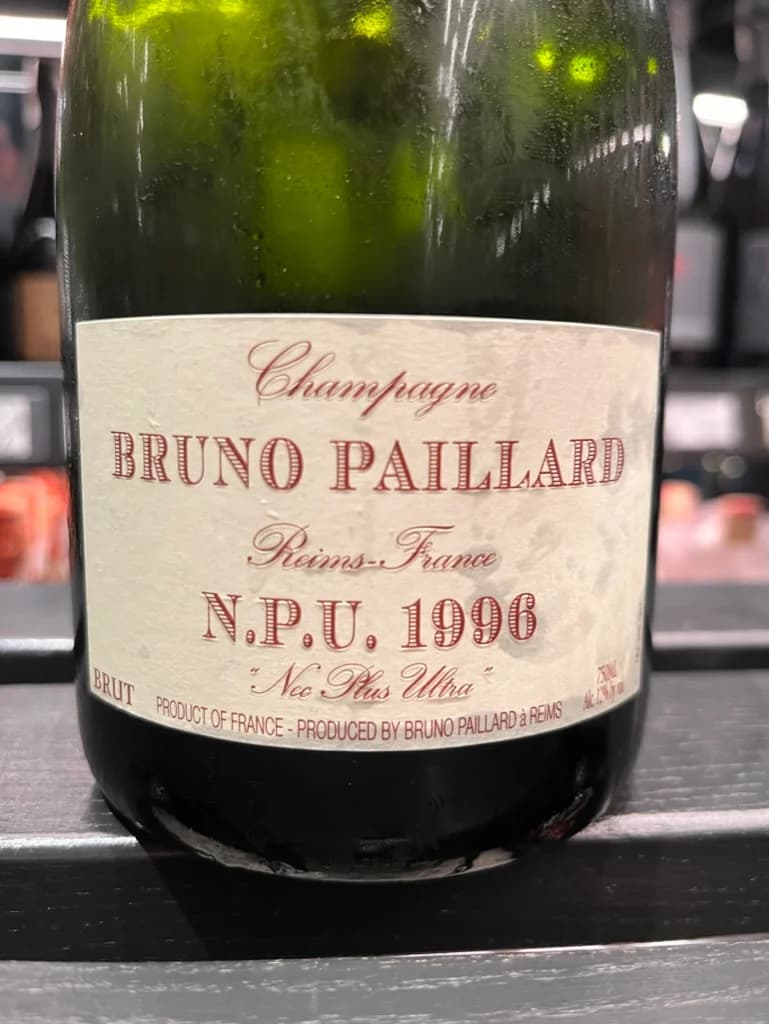
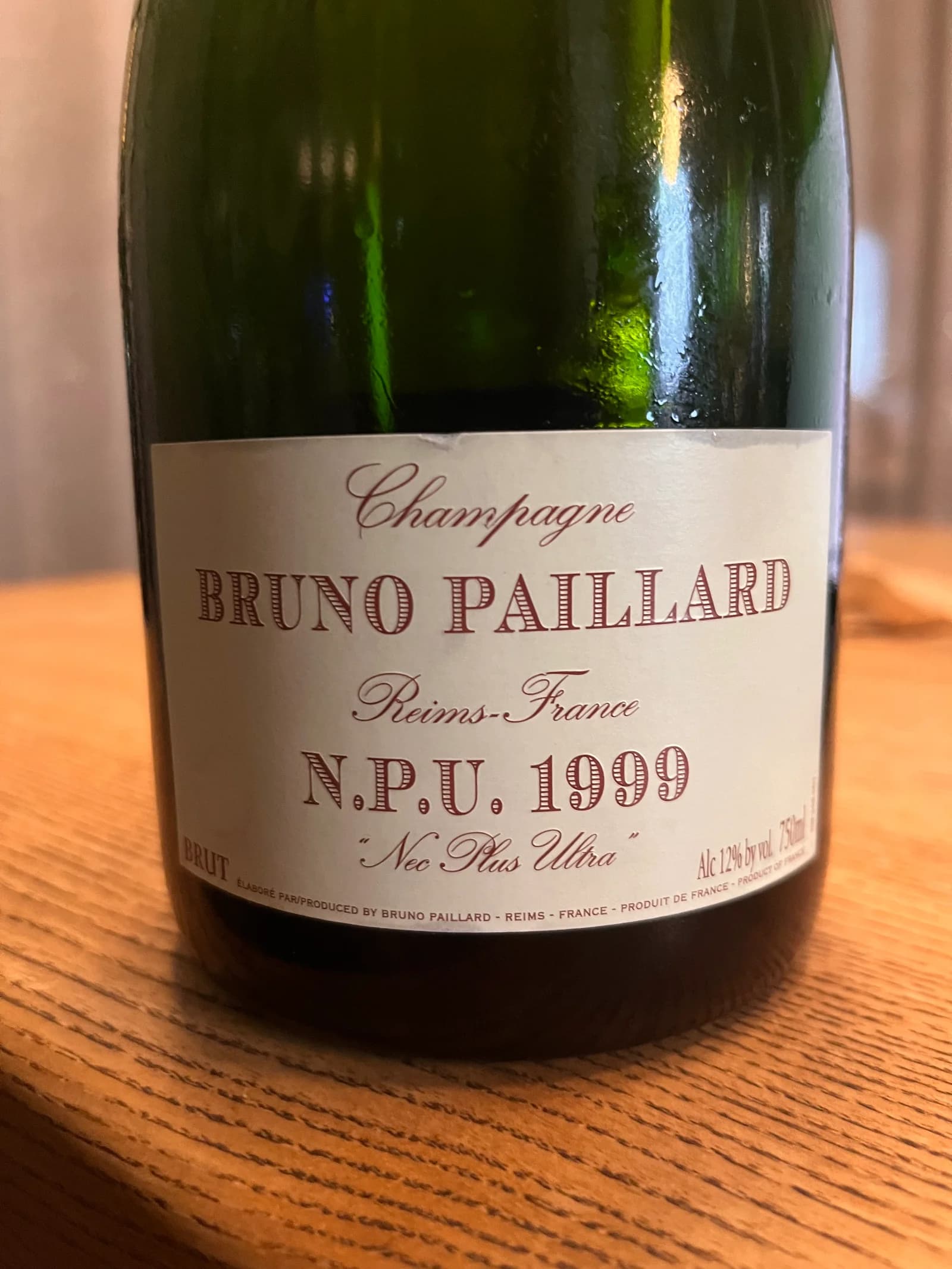
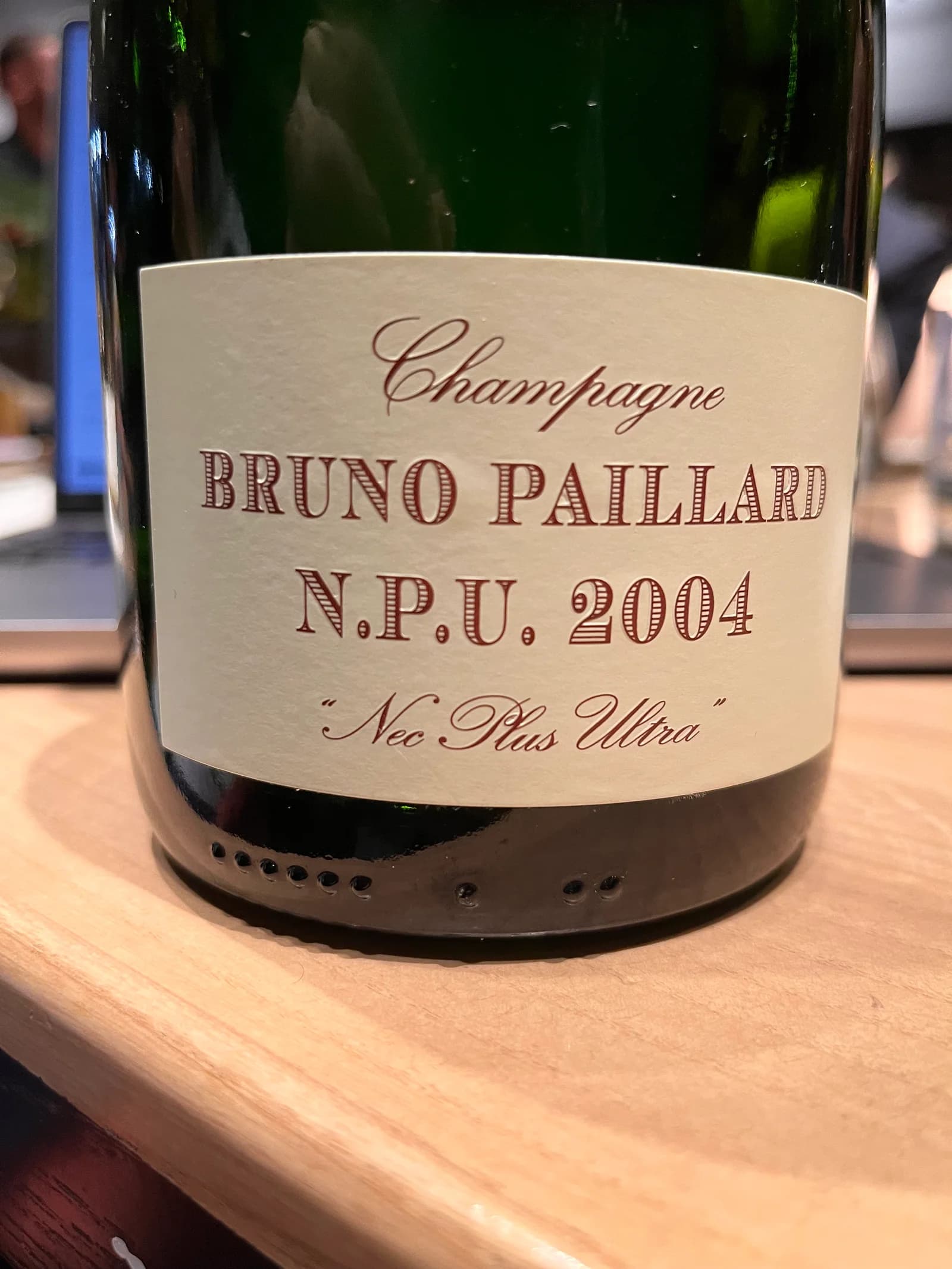
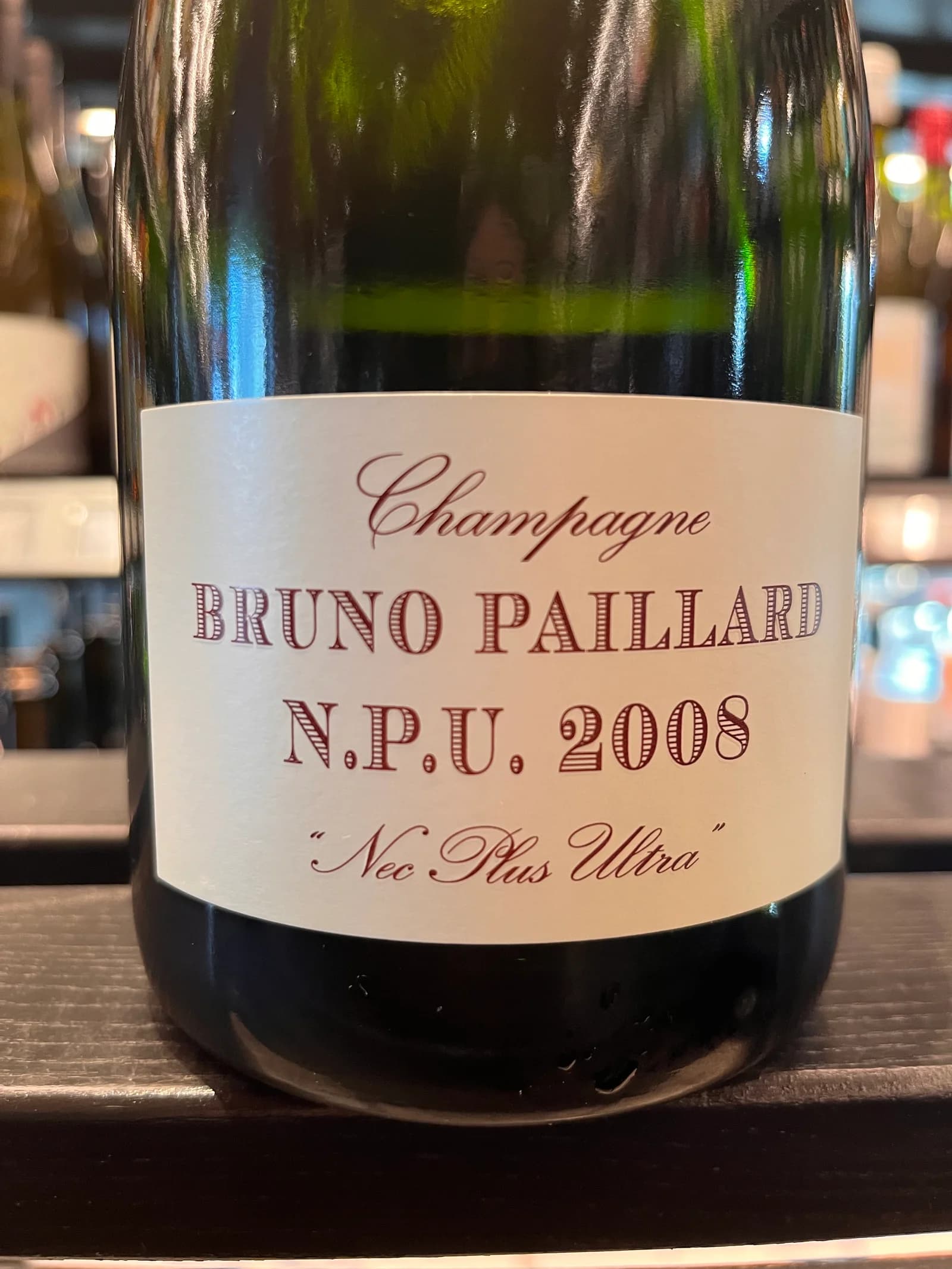
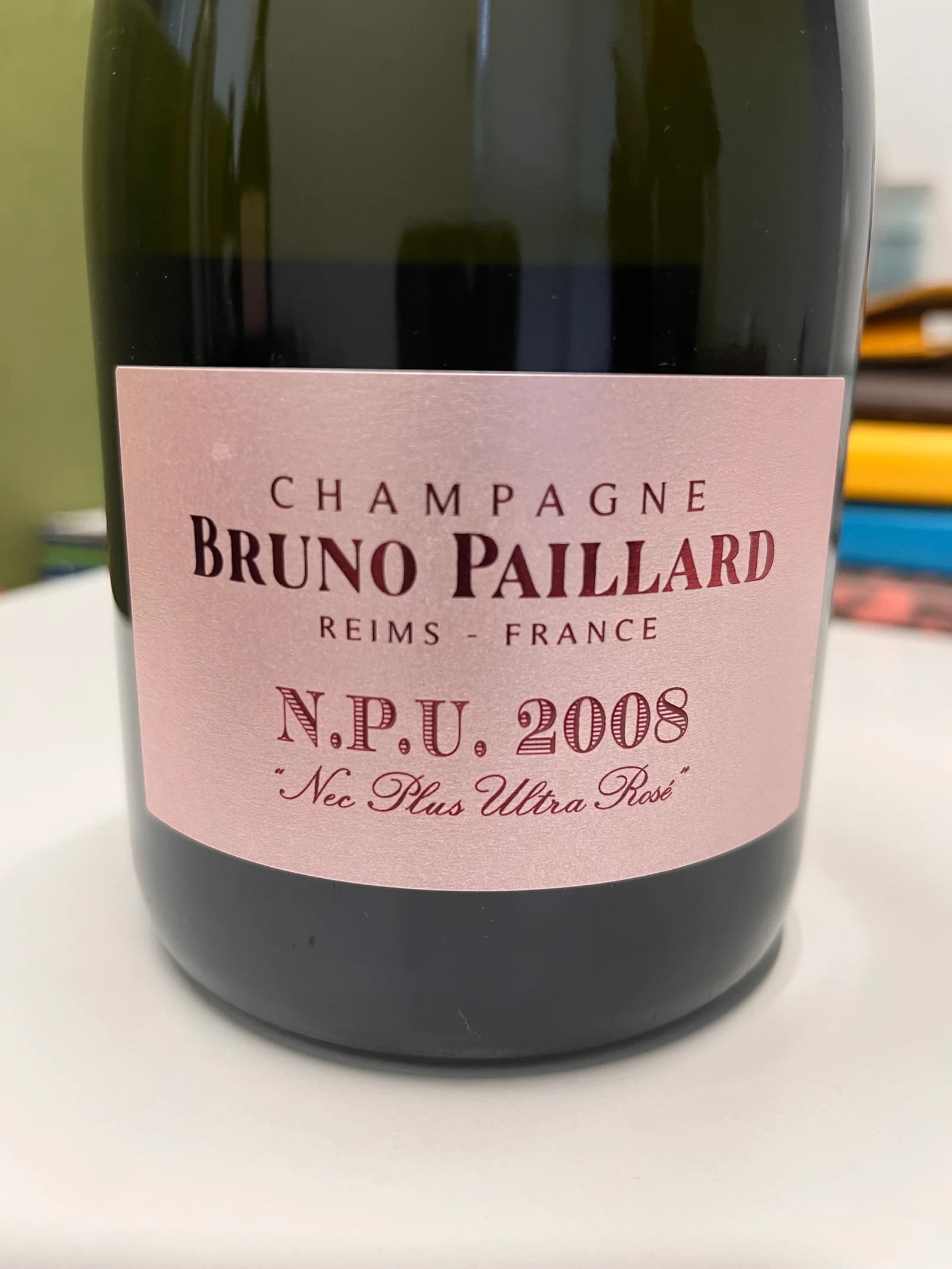
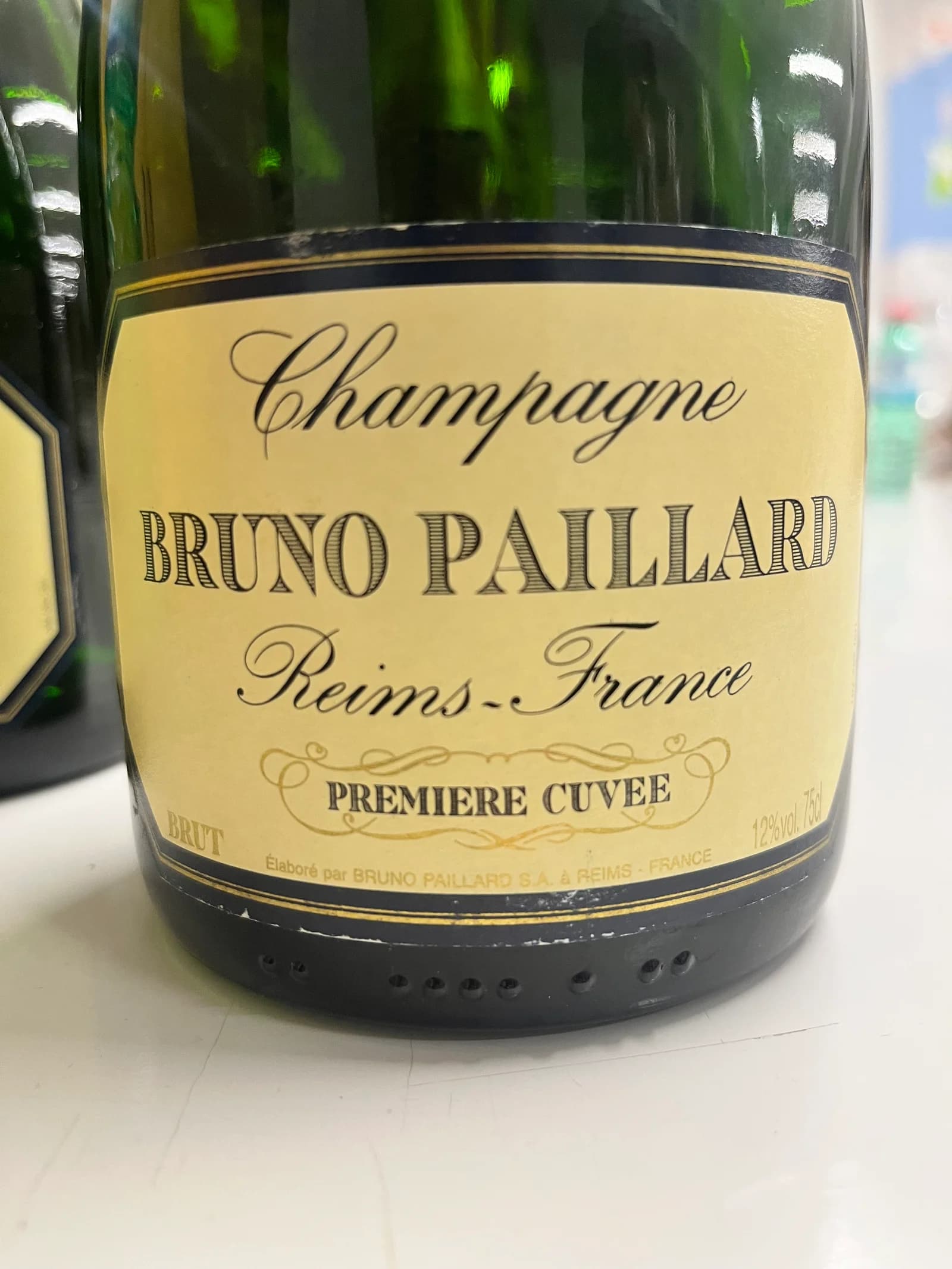
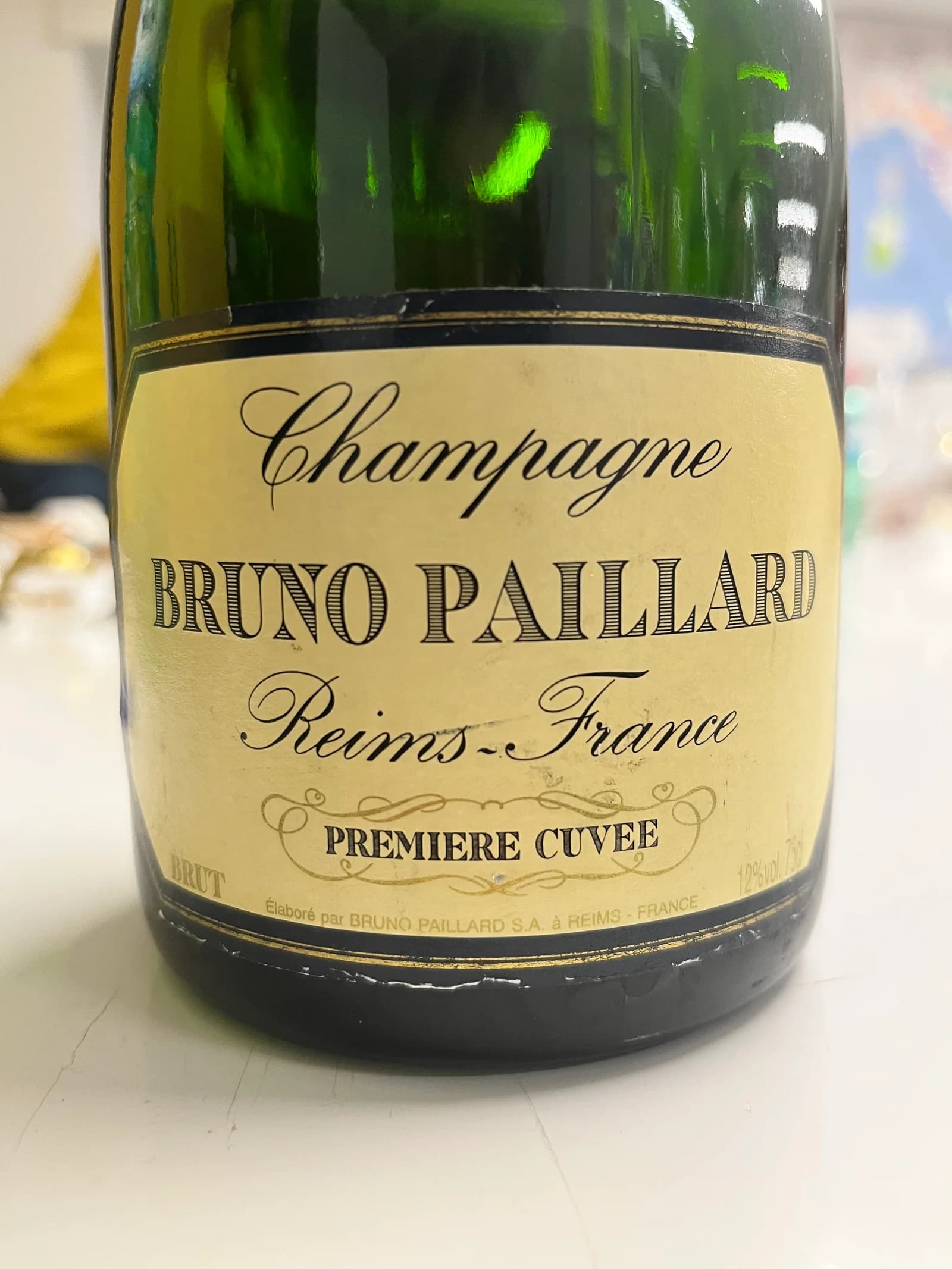
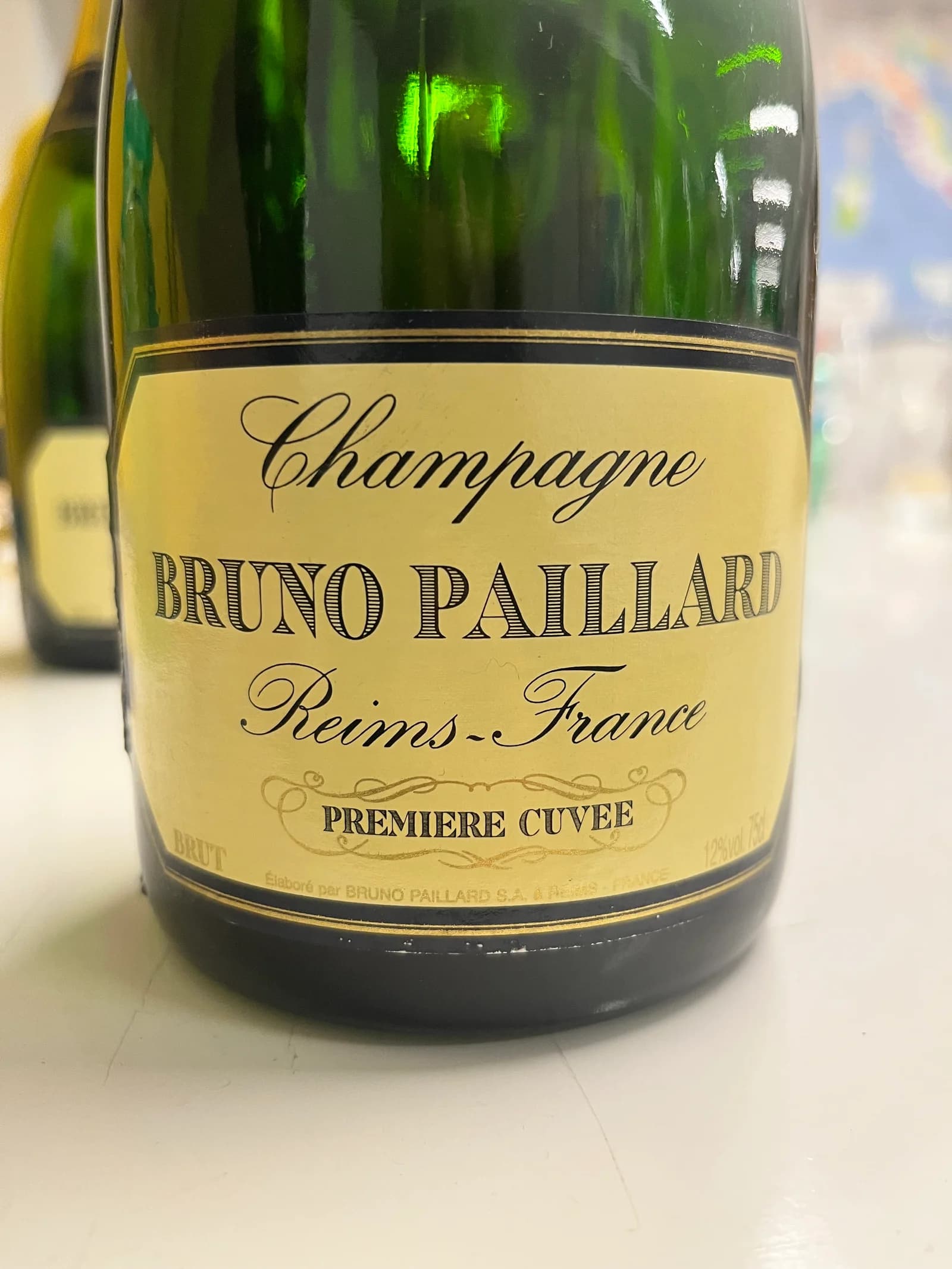
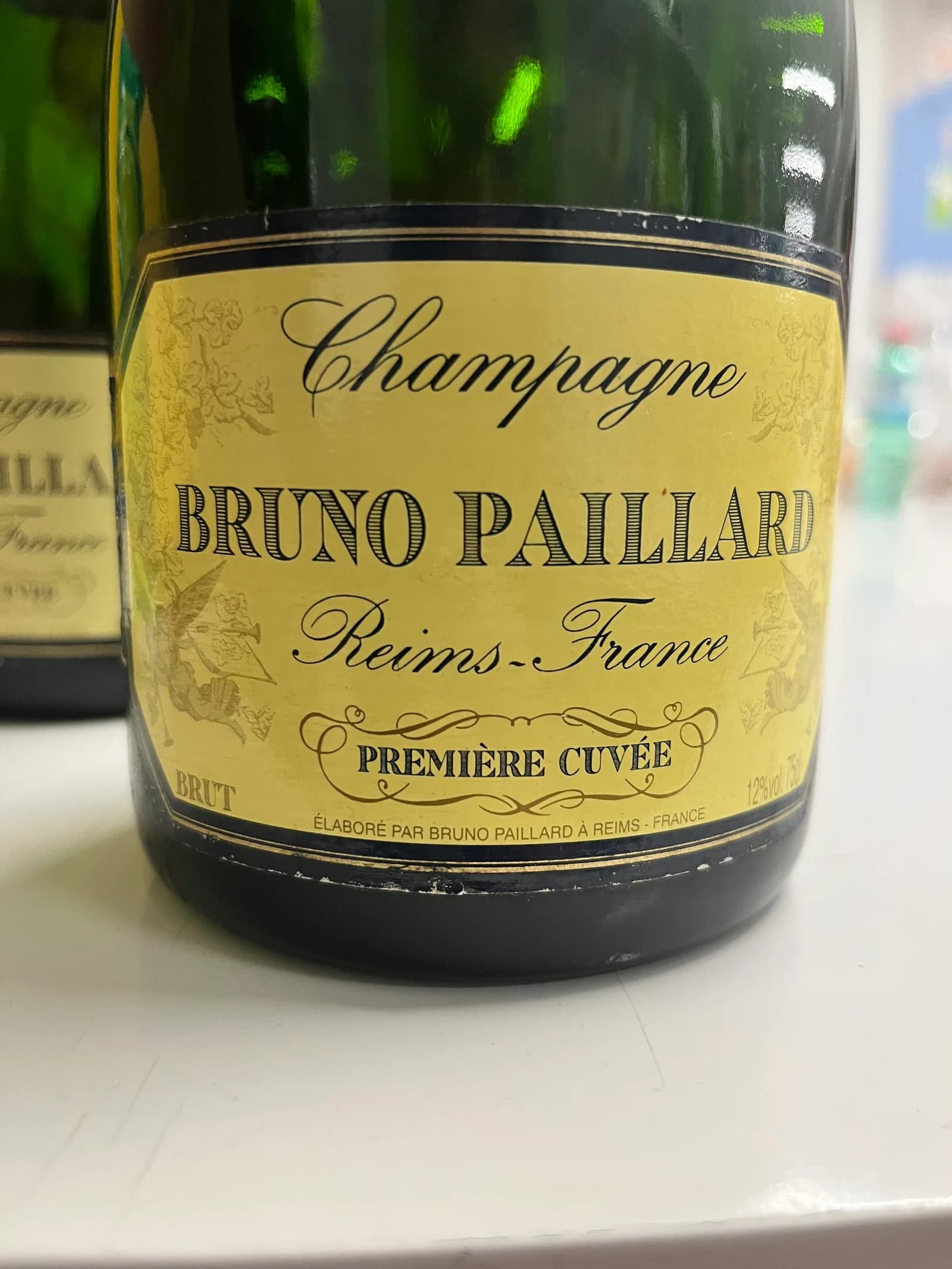
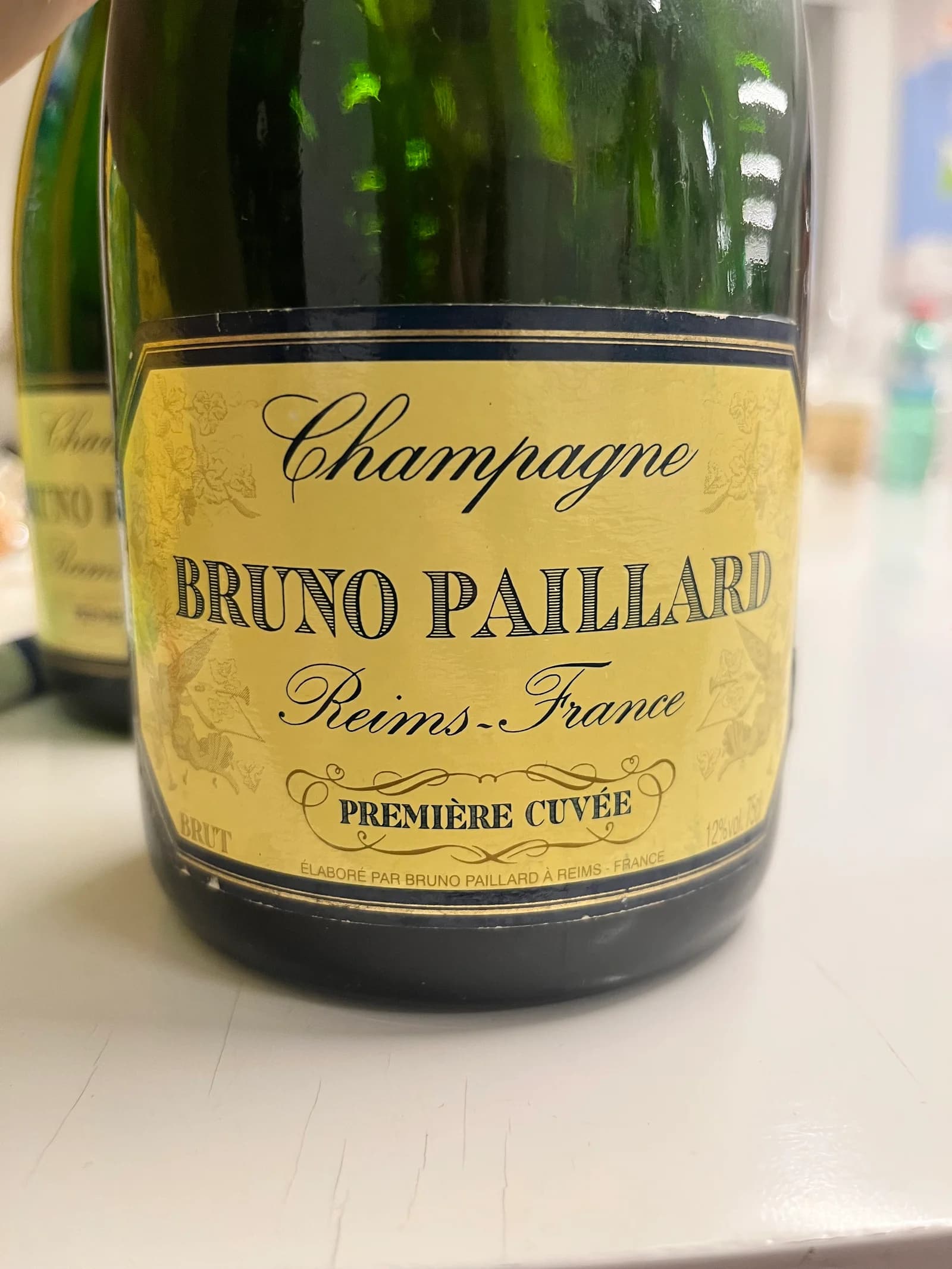
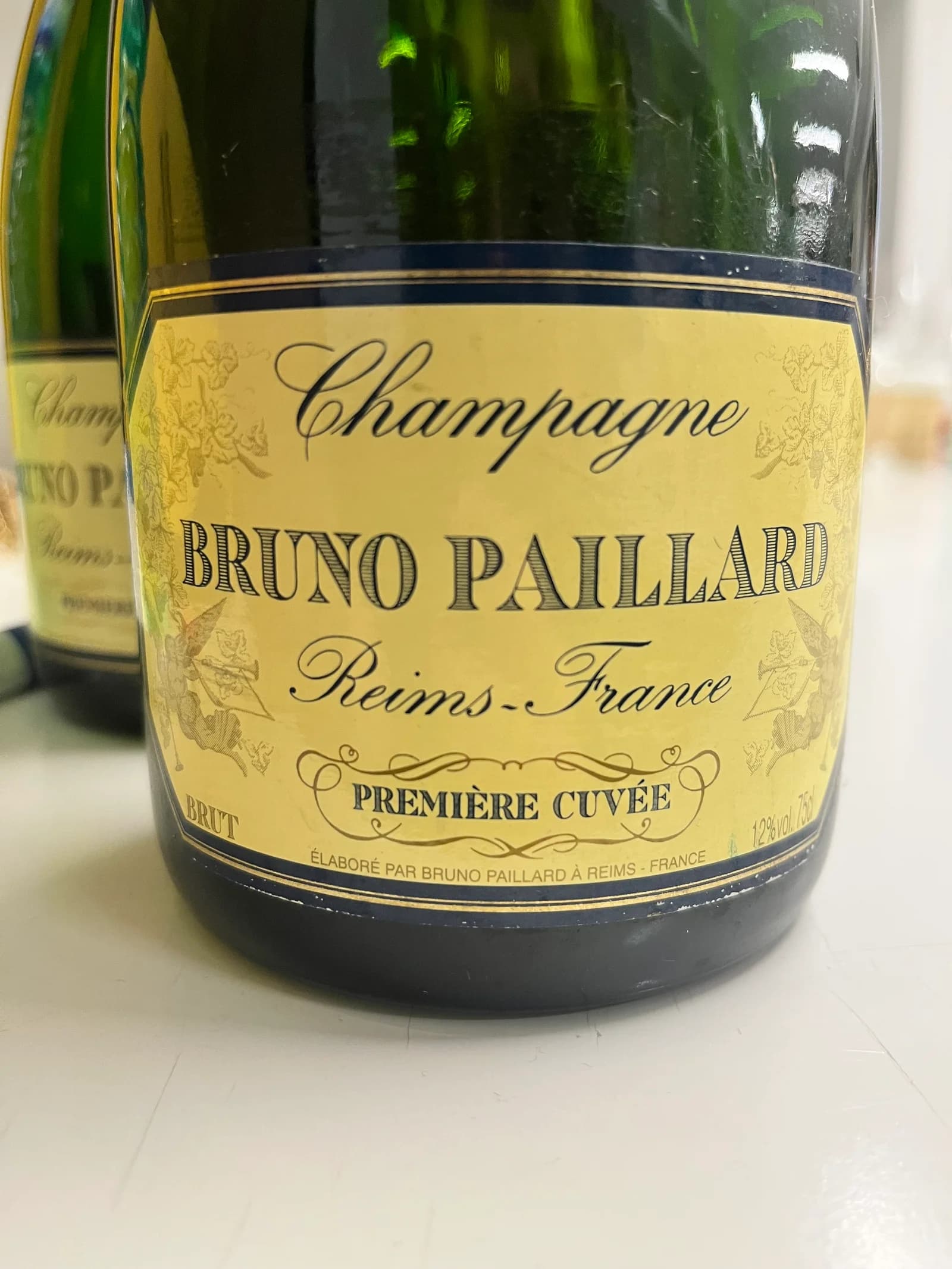
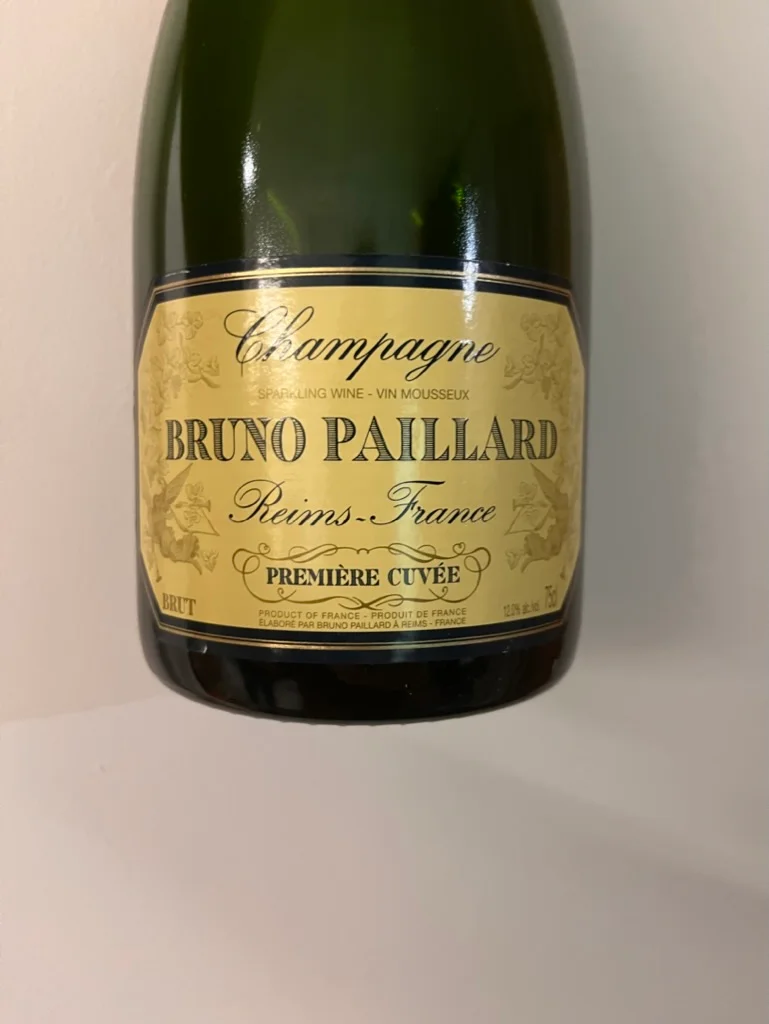
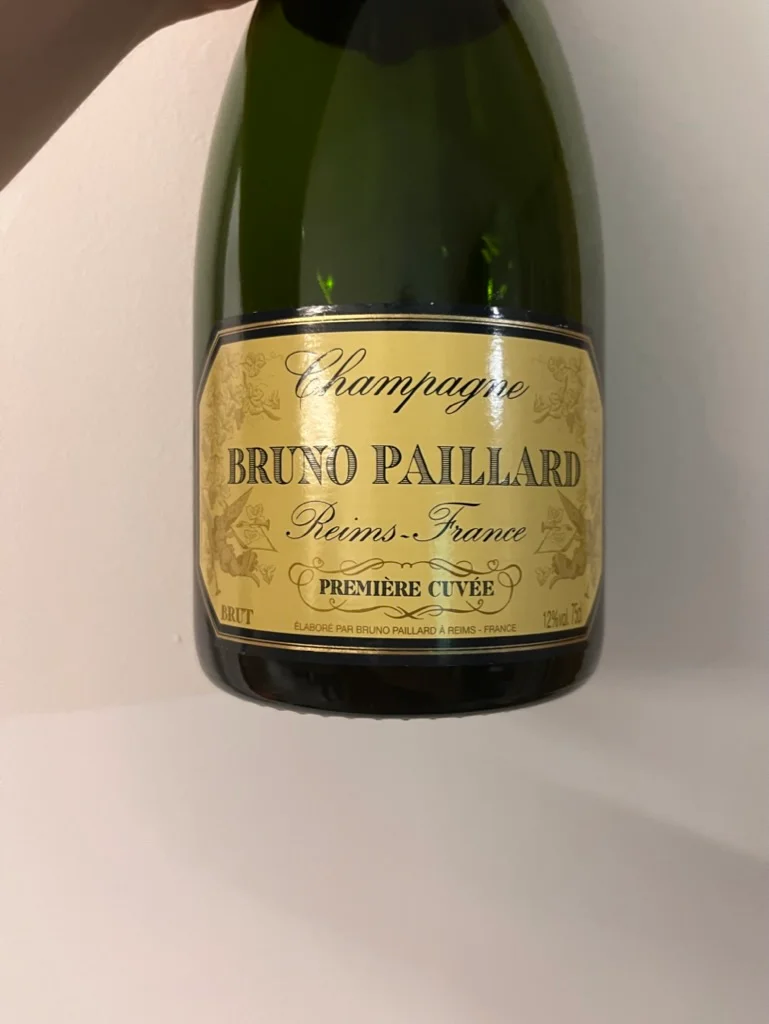
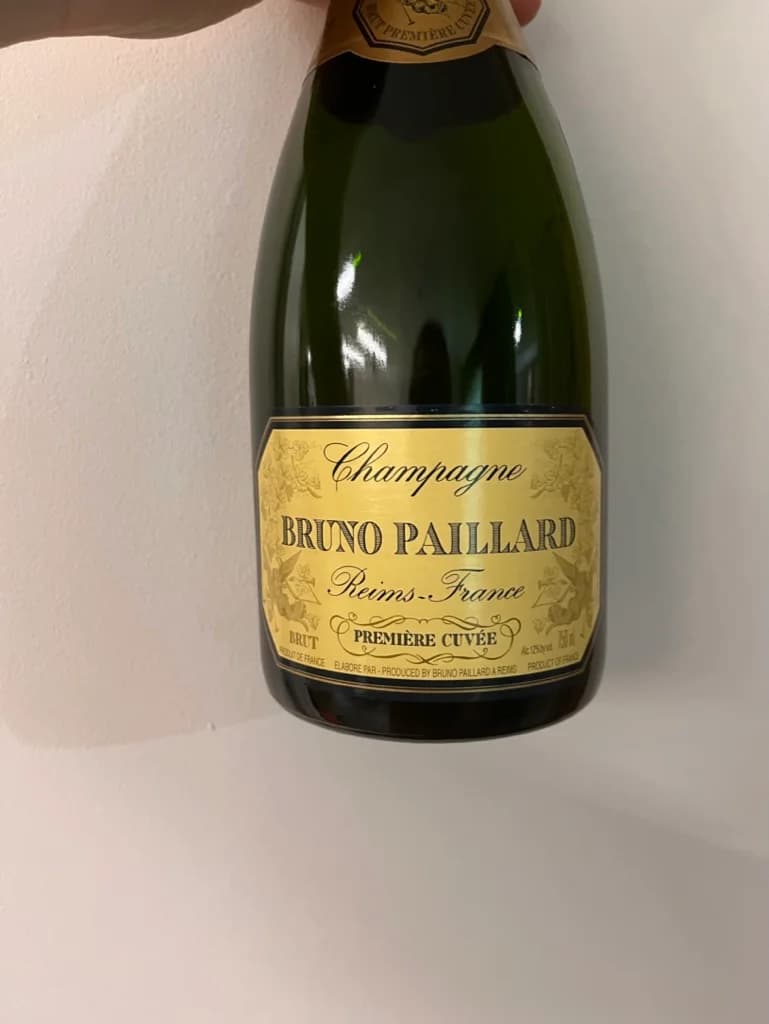
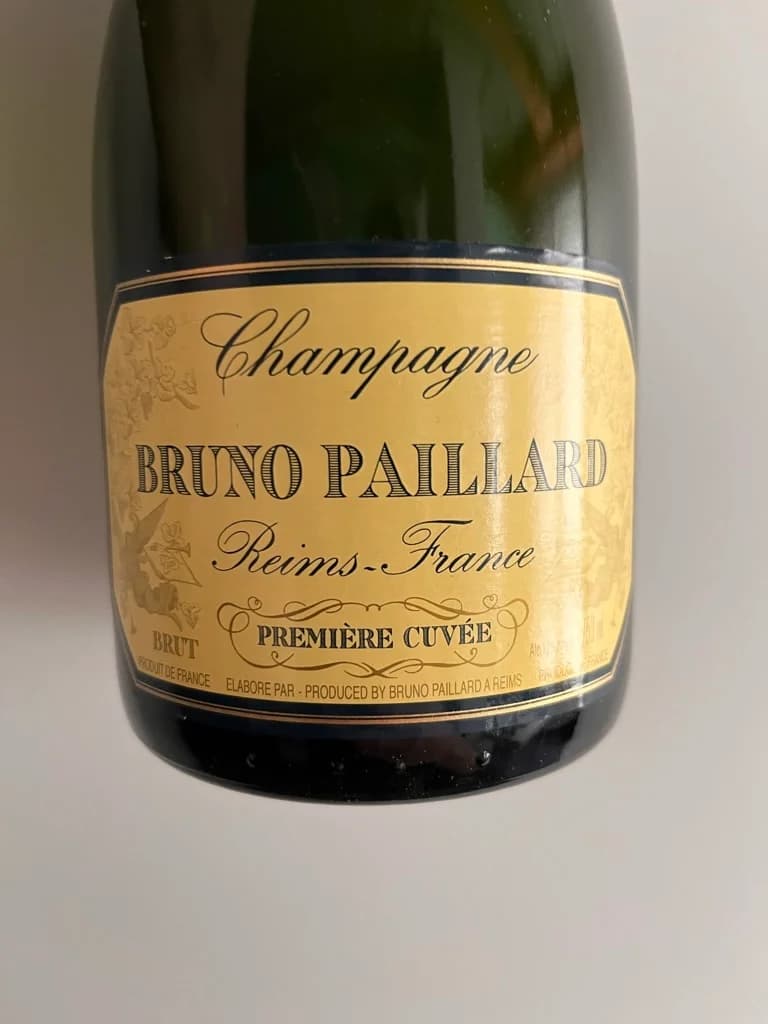
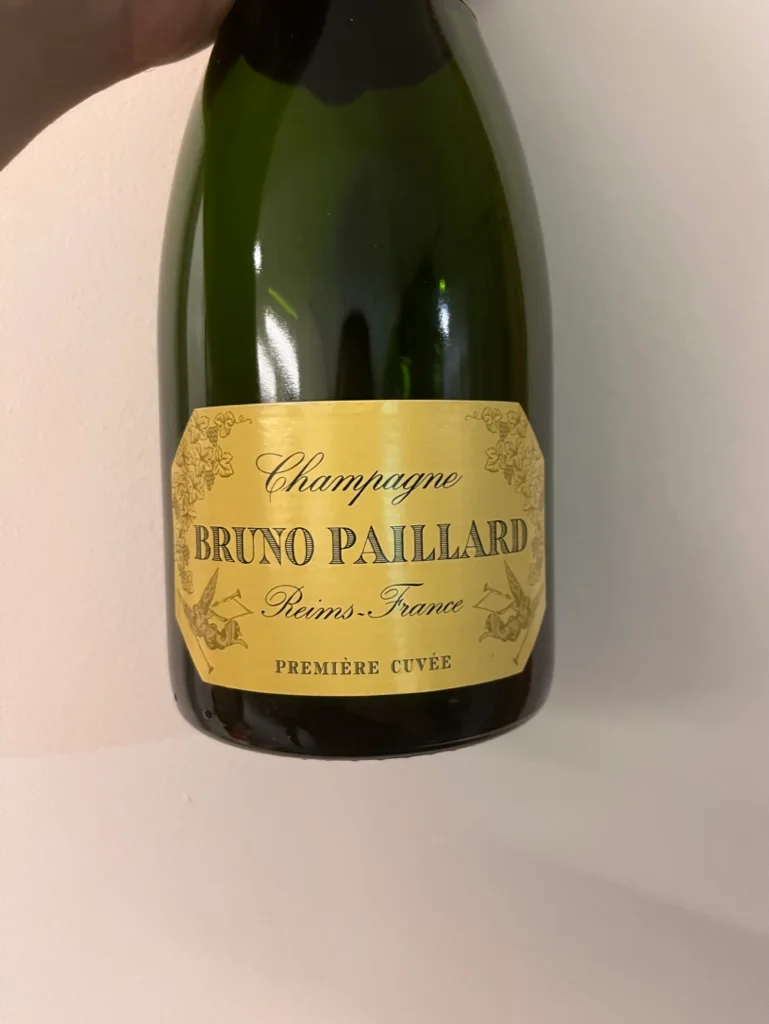
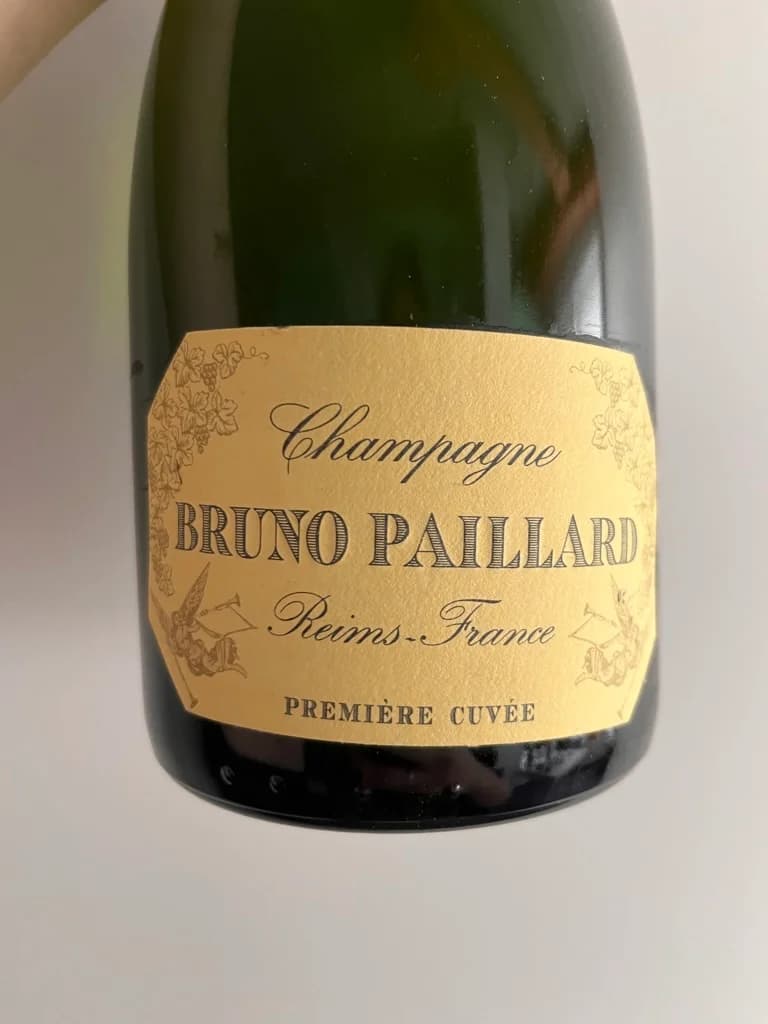
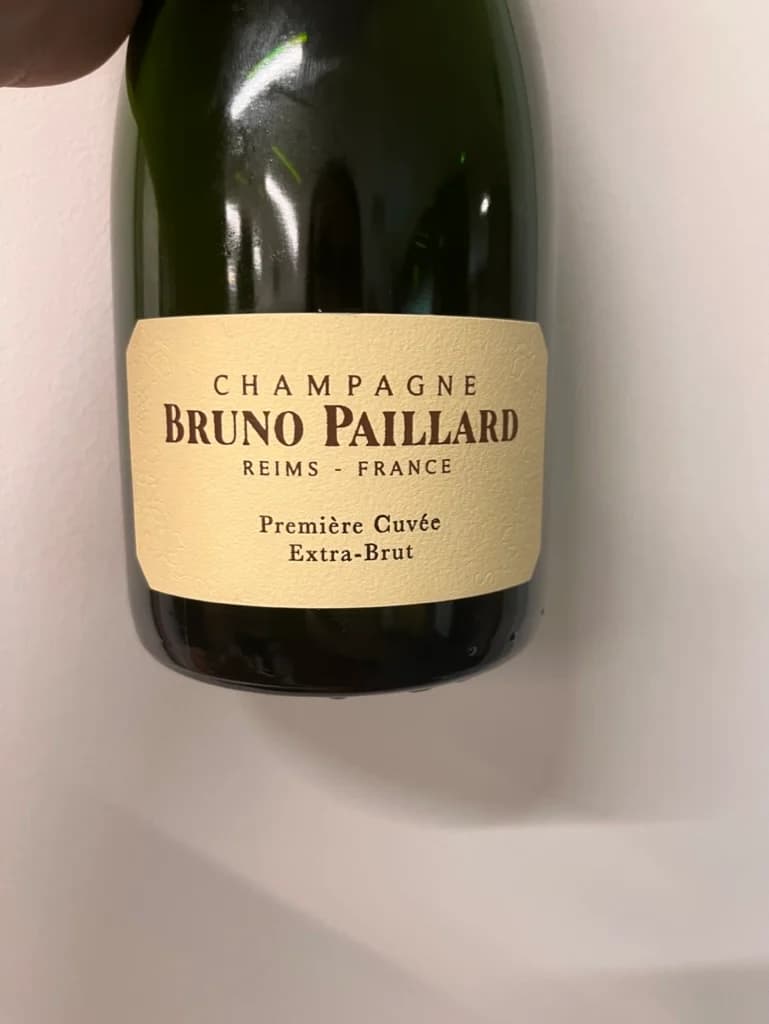
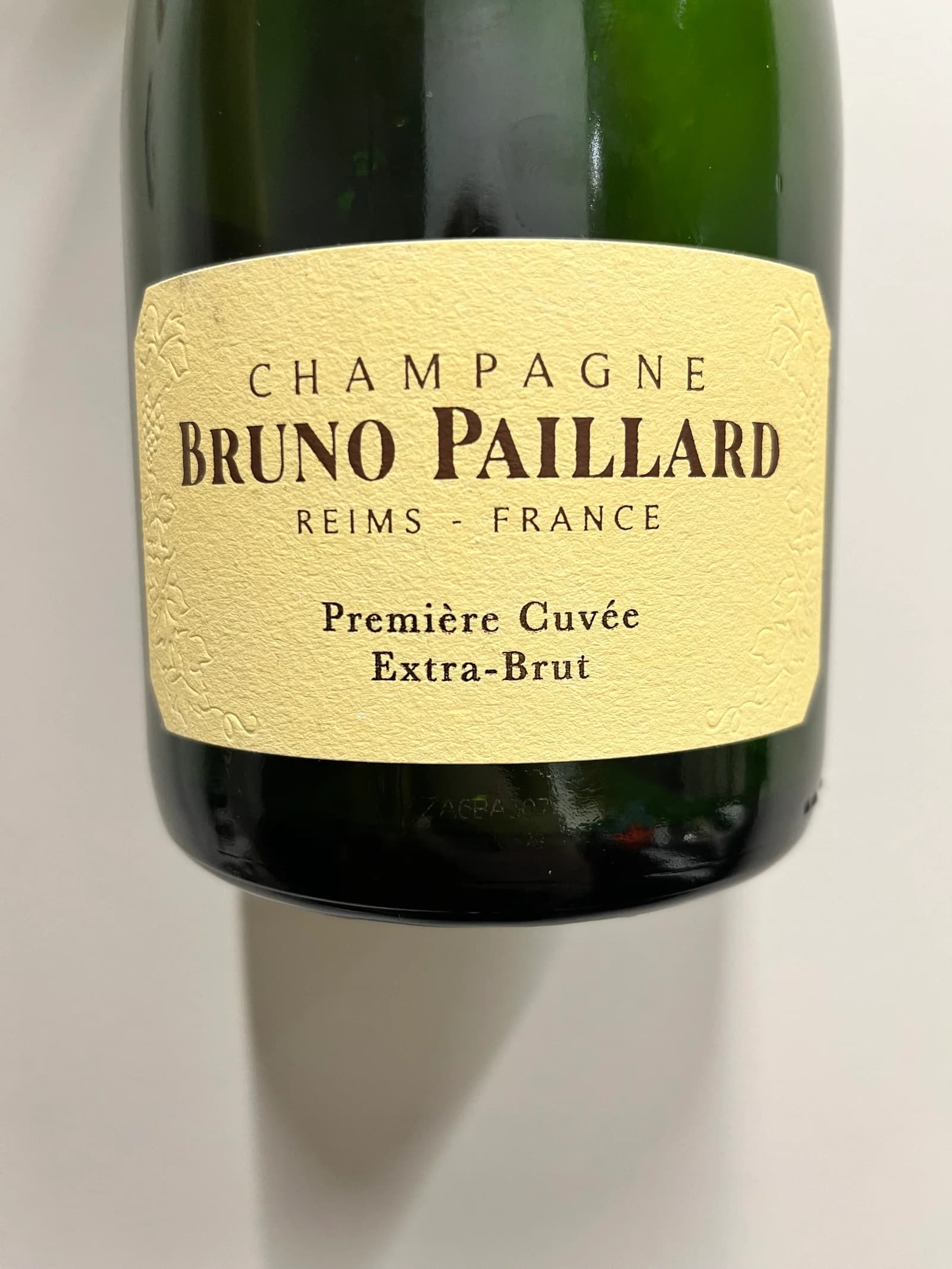
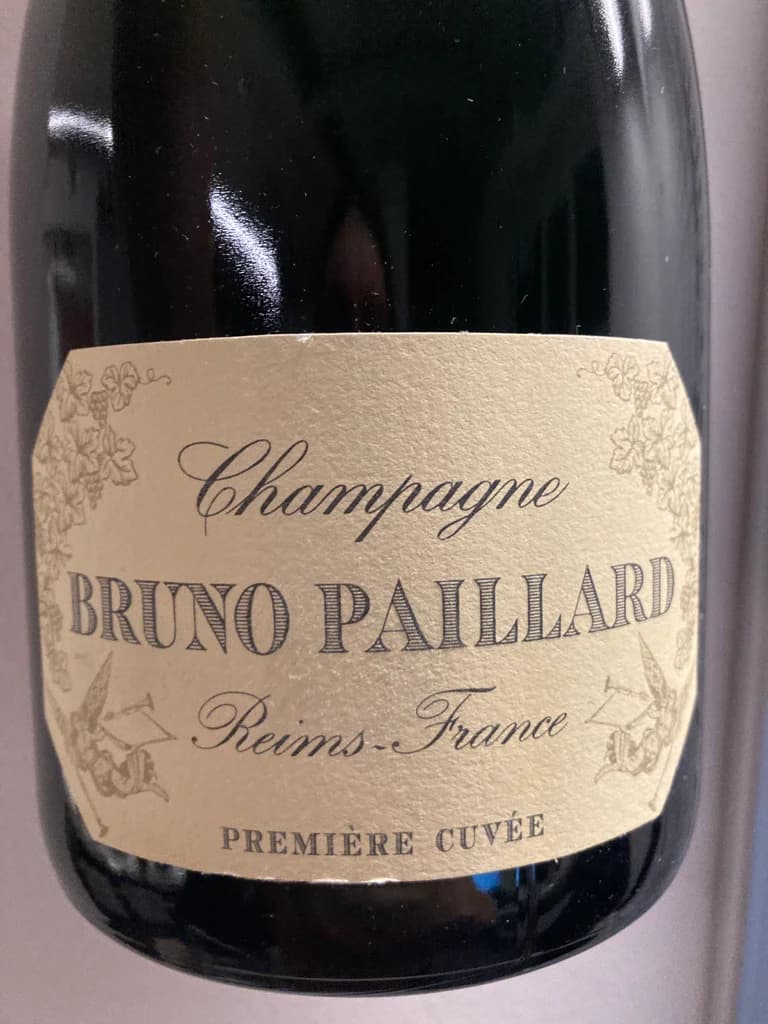
The range starts with Première Cuvée Extra Brut, roughly 45% Pinot Noir, 33% Chardonnay and 22% Meunier, and its rosé, then the Grand Cru Blanc de Blancs and Blanc de Noirs, Dosage Zéro, Cuvée 72 built on a perpetual reserve started in 1985, the vintage Assemblage and Blanc de Blancs, and at the top N.P.U., Nec Plus Ultra, made only when the vintage earns it: 1990, 1995, 1996, 1999, 2002, 2003, 2004, 2008 and 2009 so far, roughly half Chardonnay and half Pinot Noir from six or seven Grands Crus, ten months in oak and ten or more years on lees. The house style is aerodynamic rather than vinous, precise and saline, built on chalk rather than oak weight. It is not the fashionable register right now. It is what Bruno Paillard set out to make in 1981, and he has not moved.
Wines
4.3
Assemblage
2015· France
4.4
Blanc de Blancs
2013· France
4.4
Blanc de Blancs Magnum
1996· France
4.1
Blanc de Noirs (2018)
NV (2018)· France
4.1
Cuvée 72 (d2019)
NV (2015)· France
4.0
Dosage Zéro (d2021)
NV (2015)· France
4.4
N.P.U.
1996· France
4.5
N.P.U.
1999· France
4.5
N.P.U.
2004· France
4.3
N.P.U.
2008· France
4.4
N.P.U. Rosé
2008· France
4.4
Première Cuvée (d2001)
NV (1997)· France
4.5
Première Cuvée (d2002)
NV (1998)· France
4.5
Première Cuvée (d2003)
NV (1999)· France
4.5
Première Cuvée (d2004)
NV (2000)· France
4.3
Première Cuvée (d2005)
NV (2001)· France
4.3
Première Cuvée (d2006)
NV (2002)· France
4.3
Première Cuvée (d2010)
NV (2006)· France
4.4
Première Cuvée (d2012)
NV (2008)· France
4.2
Première Cuvée (d2014-02)
NV (2010)· France
4.2
Première Cuvée (d2014-05)
NV (2010)· France
4.2
Première Cuvée (d2017)
NV (2013)· France
4.1
Première Cuvée (d2018)
NV (2014)· France
4.1
Première Cuvée (d2019)
NV (2015)· France
4.0
Première Cuvée (d2021)
NV (2017)· France
4.0
Première Cuvée (d2022)
NV (2018)· France
4.1
Première Cuvée (d2023)
NV (2019)· France
4.0
Première Cuvée Magnum (d2020)
NV (2016)· France
4.2
Rosé Première Cuvée (d2019)
NV (2015)· France