Region
Austria › Niederösterreich › Wein
Type
white · still
Grapes
Grüner Veltliner
Alcohol
12.5%
Volume
750 mL
Tasting Notes(2)
4.0
The full note is for members.
Join to read it and the rest4.1
Members only
About
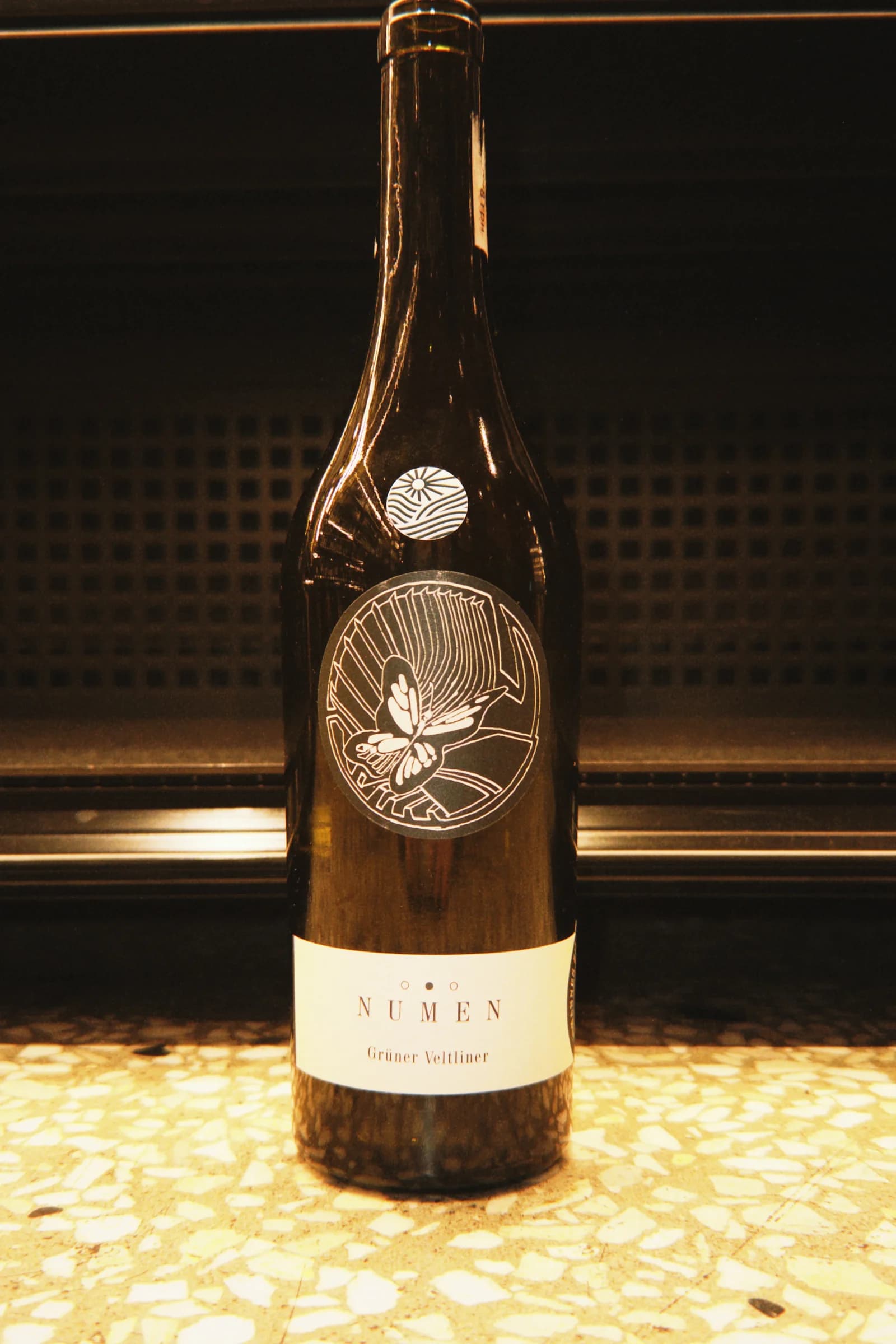
The wine originates from vineyards situated at an elevation of 180-200 meters above sea level, with vines averaging around 60 years of age, ensuring a deep-rooted exploration of the terroir's complexity. Vinification is handled with a natural approach, embracing spontaneous fermentation without temperature control and employing semi-carbonic maceration for 7 days in qvevri, 25% of which includes the stems, to enhance the wine's structure and aromatic profile. Following fermentation, the wine undergoes a maturation process lasting 16 months in old acacia barrels with a 700-litre capacity, contributing nuanced layers of texture and flavour. Bottling is conducted without filtration or fining, with a minimal dose of SO₂ added at bottling to preserve the wine's integrity.
Releases of Numen Grüner Veltliner
2 releases| Release | Score | QPR | Price |
|---|---|---|---|
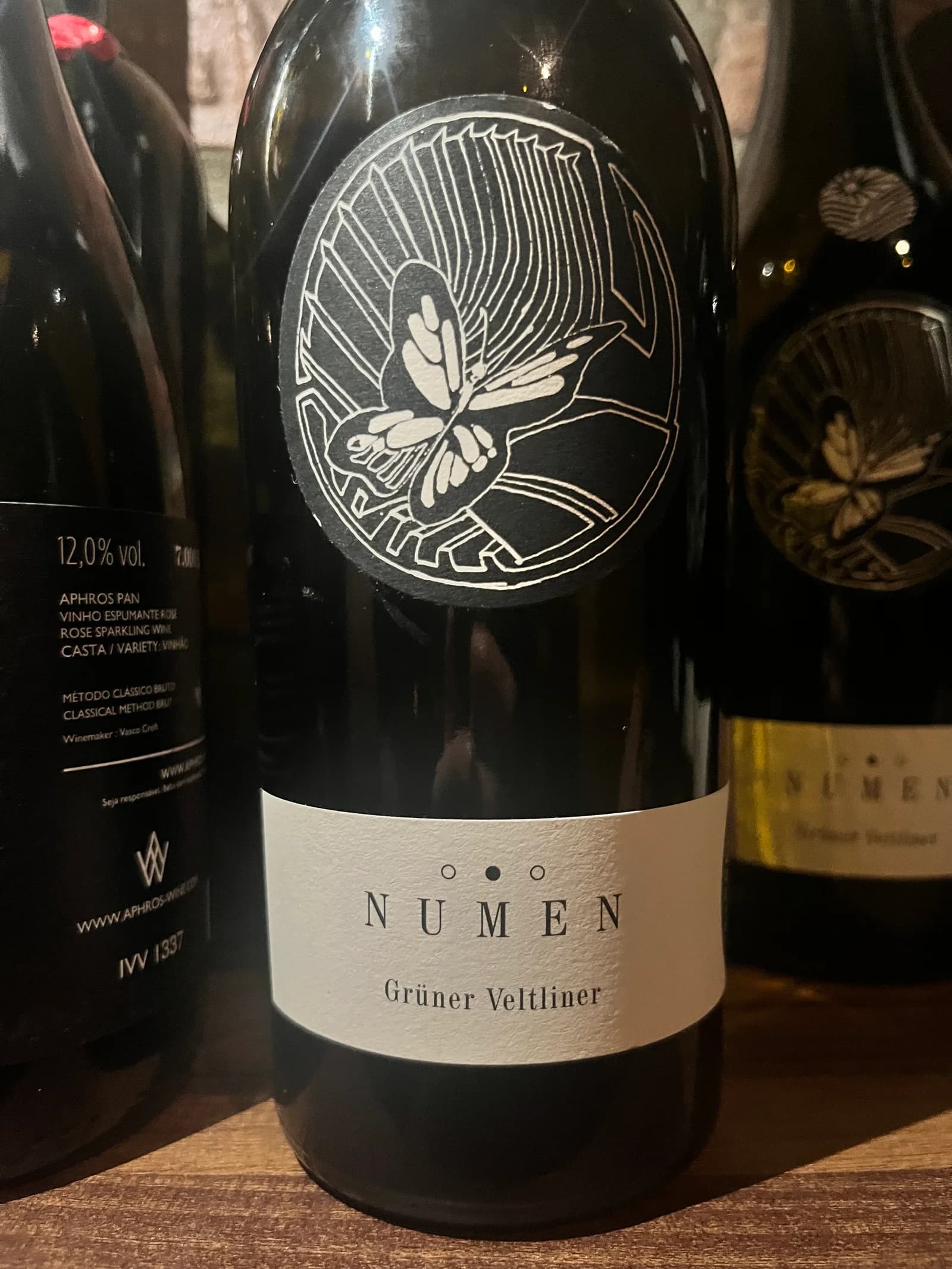 2017 2017 | 3.9 | 0.74pricey | 1530 UAH |
 |