All producers
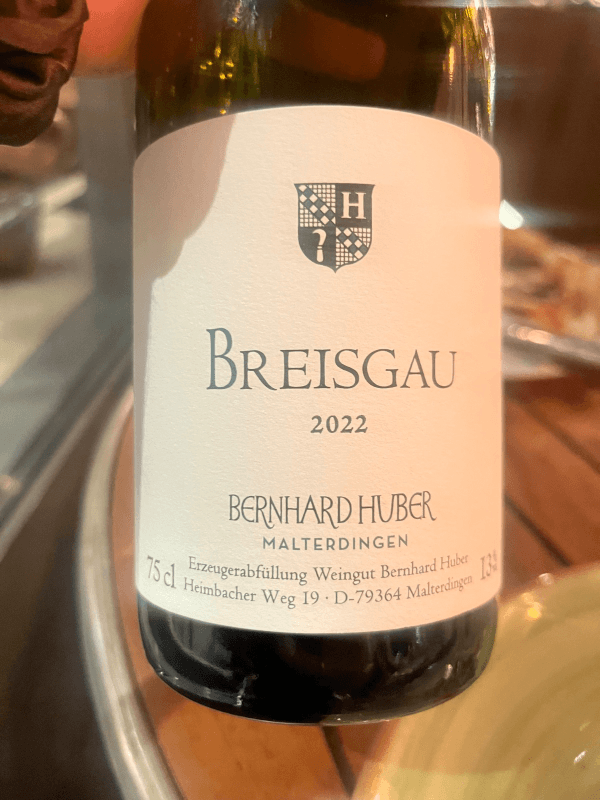
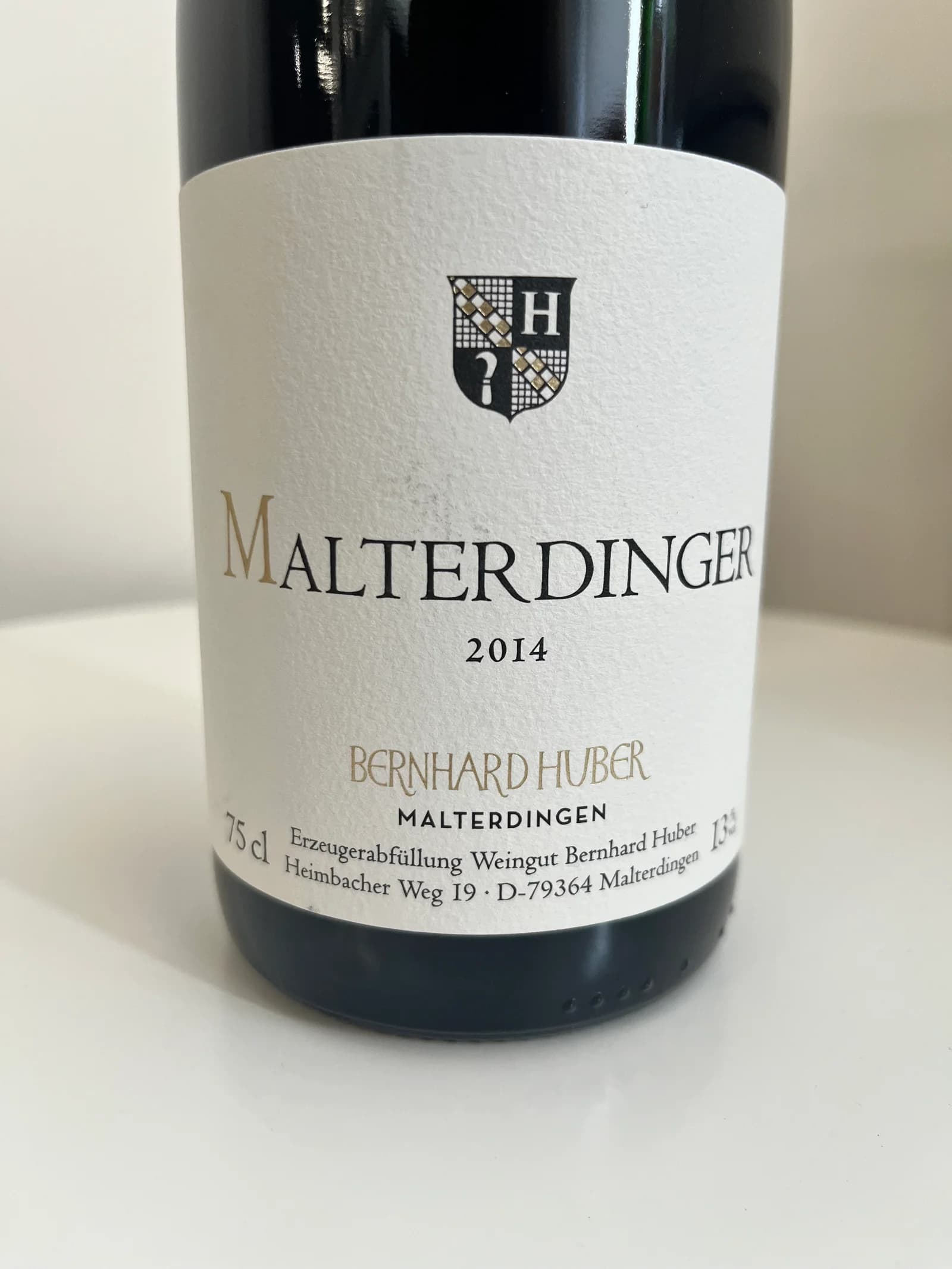
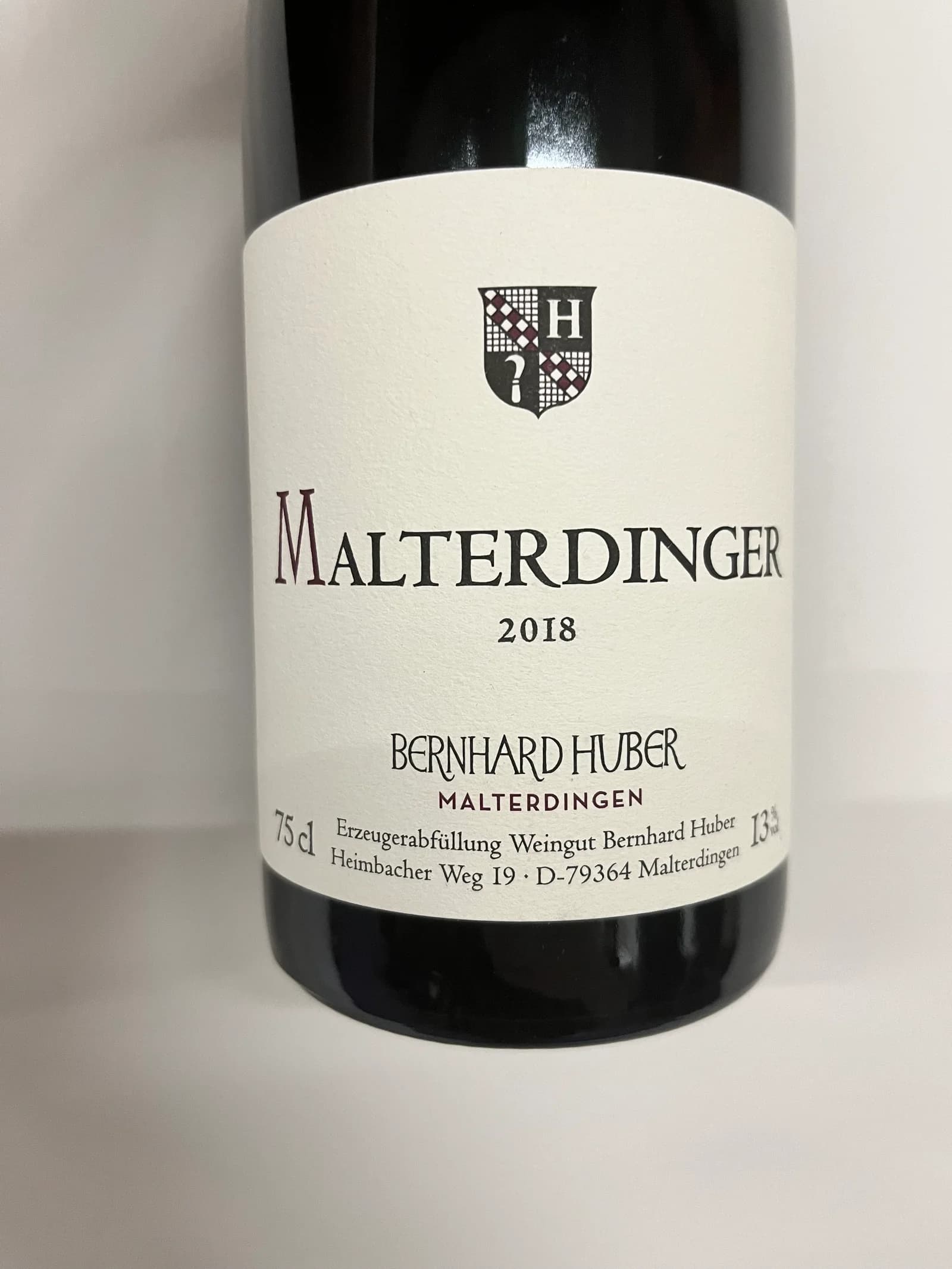
Bernhard Huber
Baden, Germany8 wines4.1 avg
431
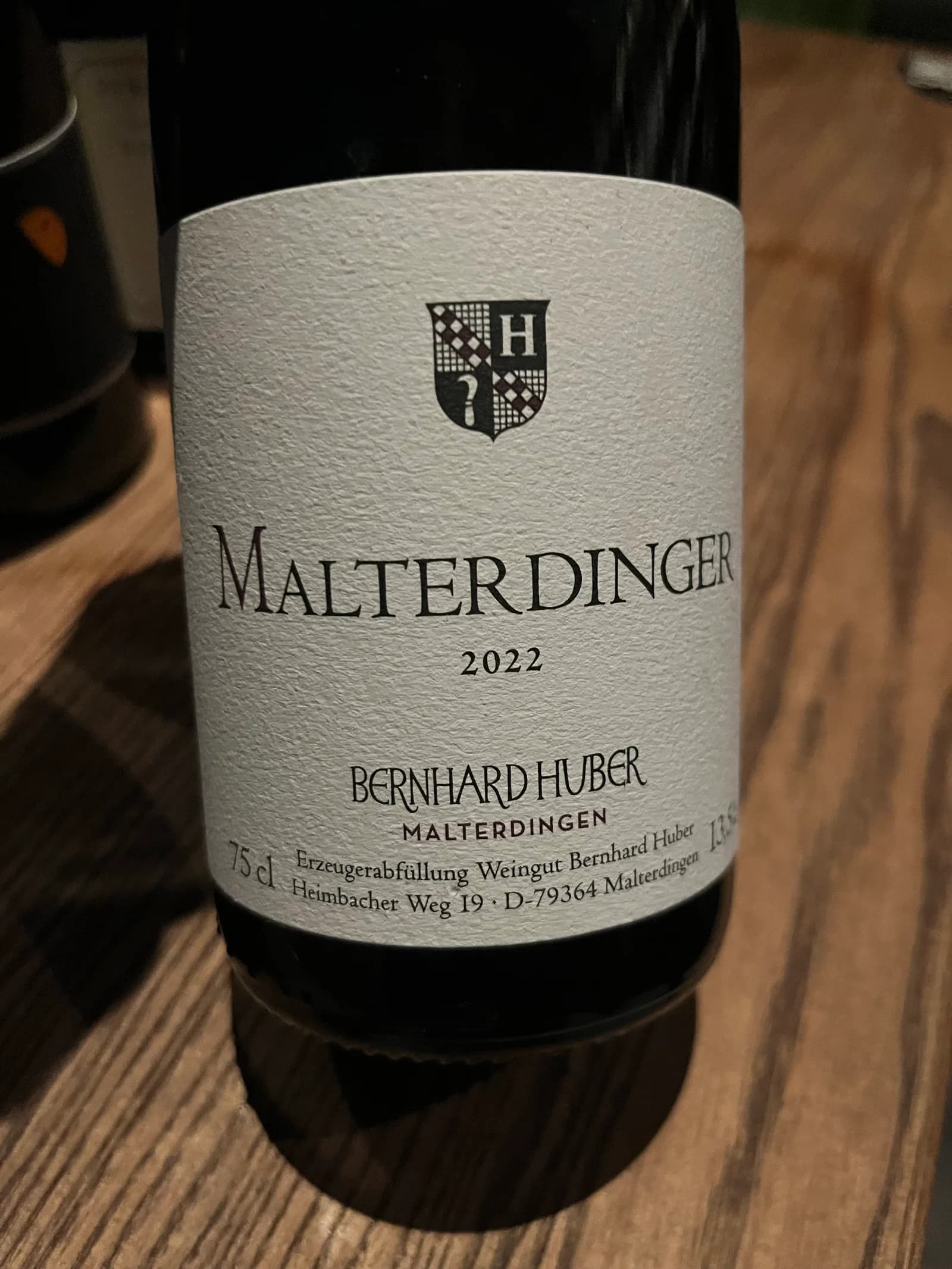
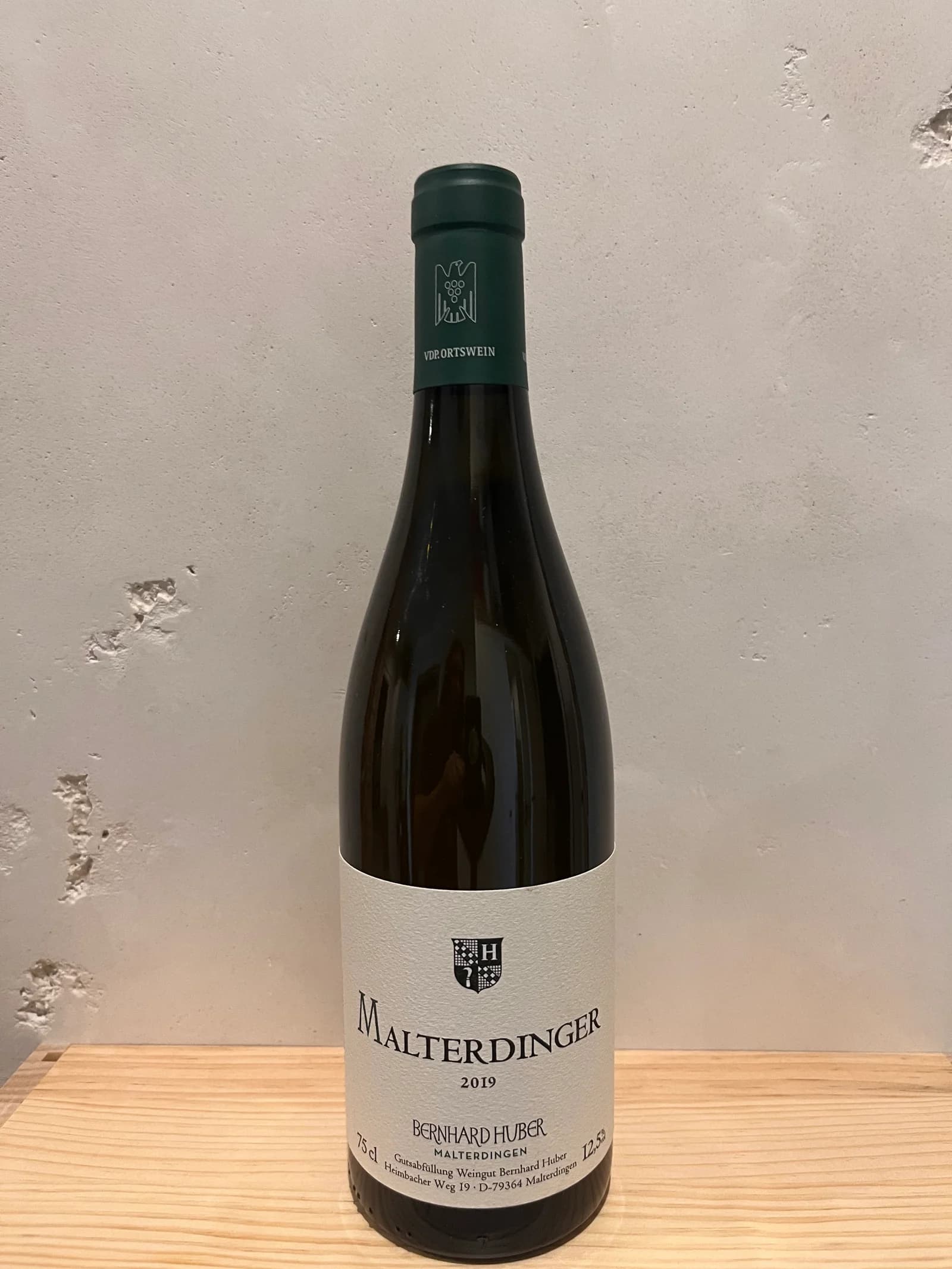
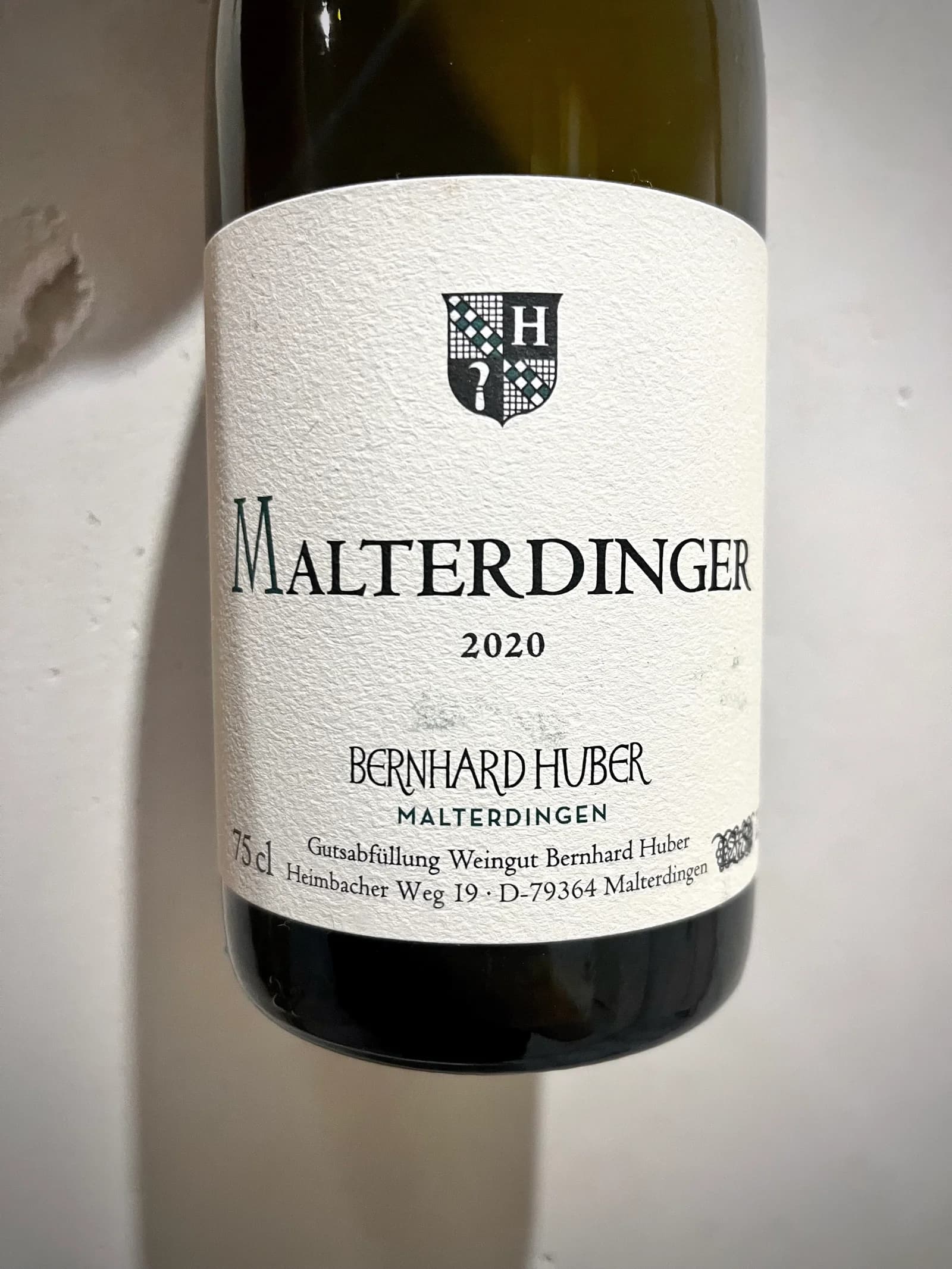
The German Pinot Noir benchmark - Malterdingen, Baden, shell limestone that mirrors Burgundy, and a legacy continued by Julian Huber after Bernhard's death in 2014.
Bernhard Huber began estate-bottling in 1987 in Malterdingen, a village in Baden whose viticultural history goes back to the fourteenth century, when Cistercian monks brought Pinot Noir from Burgundy and planted it on the shell limestone soils they recognised from home. The monks' old estate is where the winery still stands today. Bernhard spent the next three decades proving that the comparison to Burgundy was not sentimental - it was geological. His Pinot Noirs were regularly mistaken for serious Côte d'Or in blind tastings, and he became widely known as the "Godfather of German Pinot Noir."
Bernhard died on 11 June 2014, of cancer, aged fifty-five. His son Julian Huber took over while still studying oenology at Geisenheim, running the estate alongside his mother Barbara and the team. Julian has maintained his father's quality-obsessed, Burgundy-informed approach, with commentators noting a continued refinement and perhaps a lighter touch - continuity of vision rather than revolution.
Around twenty-six to twenty-eight hectares (sources vary). Seventy percent Pinot Noir (Spätburgunder), fifteen percent Chardonnay, the rest Pinot Blanc (Weissburgunder), Pinot Gris (Grauburgunder), Freisamer, Muskateller, and Müller-Thurgau. Burgundy clones sourced directly from France. All Pinot Noir and Chardonnay bottled unfiltered, premium reds aged sixteen to eighteen months in barrel.
The key sites:
- Malterdinger Bienenberg - the flagship vineyard, shell limestone, Grosses Gewächs (GG)
- Wildenstein - a tiny, low-yielding plot within Bienenberg (~28 hl/ha), the most prestigious single-site bottling
- Schlossberg (Hecklingen), Sommerhalde (Bombach), Alte Burg (Kondringen)
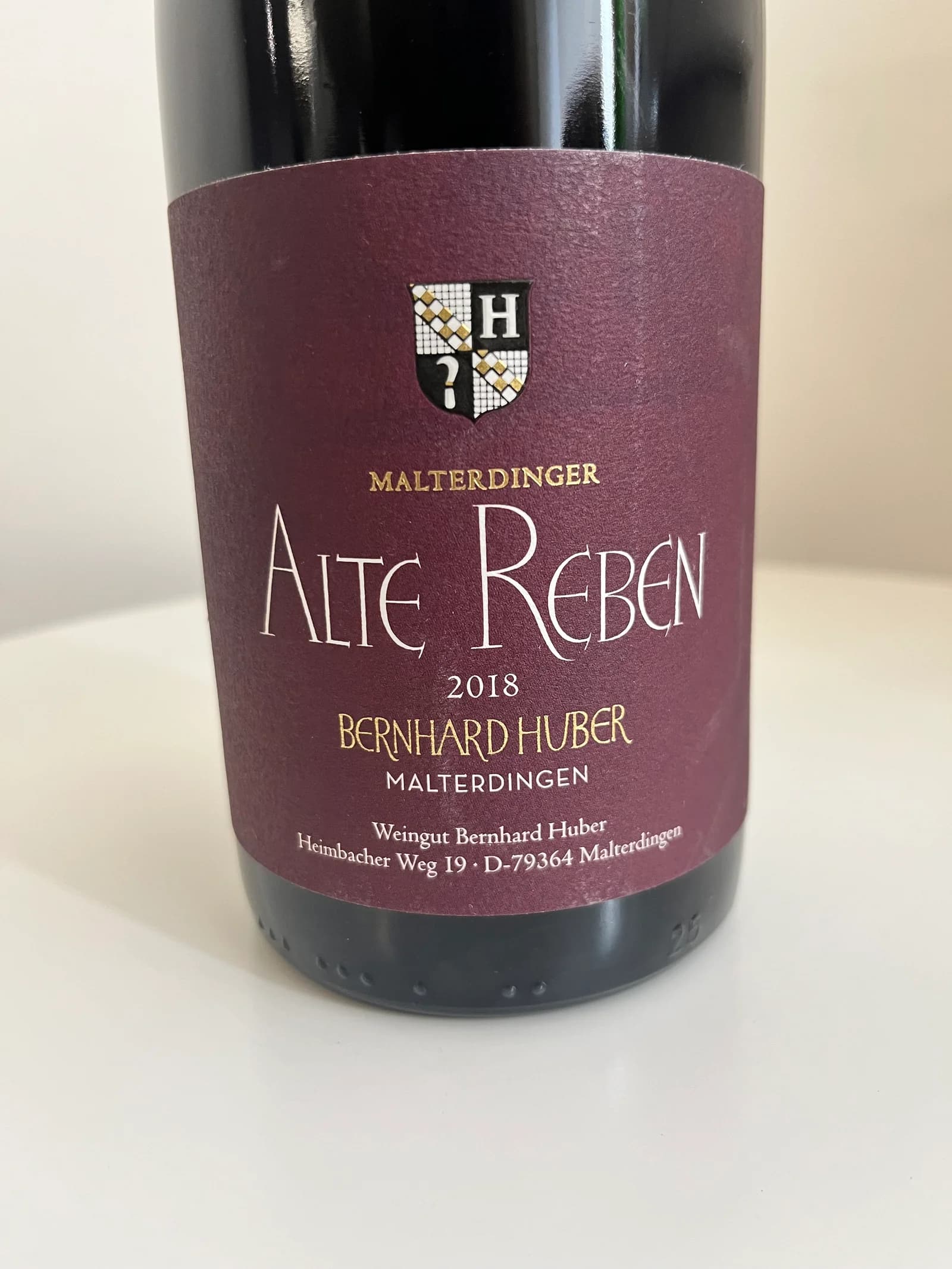
- Alte Reben Spätburgunder - old-vine selection, twenty-five to sixty years
The Wildenstein and Bienenberg GG bottlings are what settled the argument about whether Germany could produce world-class Pinot Noir. Under Julian, the argument has continued - quietly, exactly, without raising the voice.