All producers
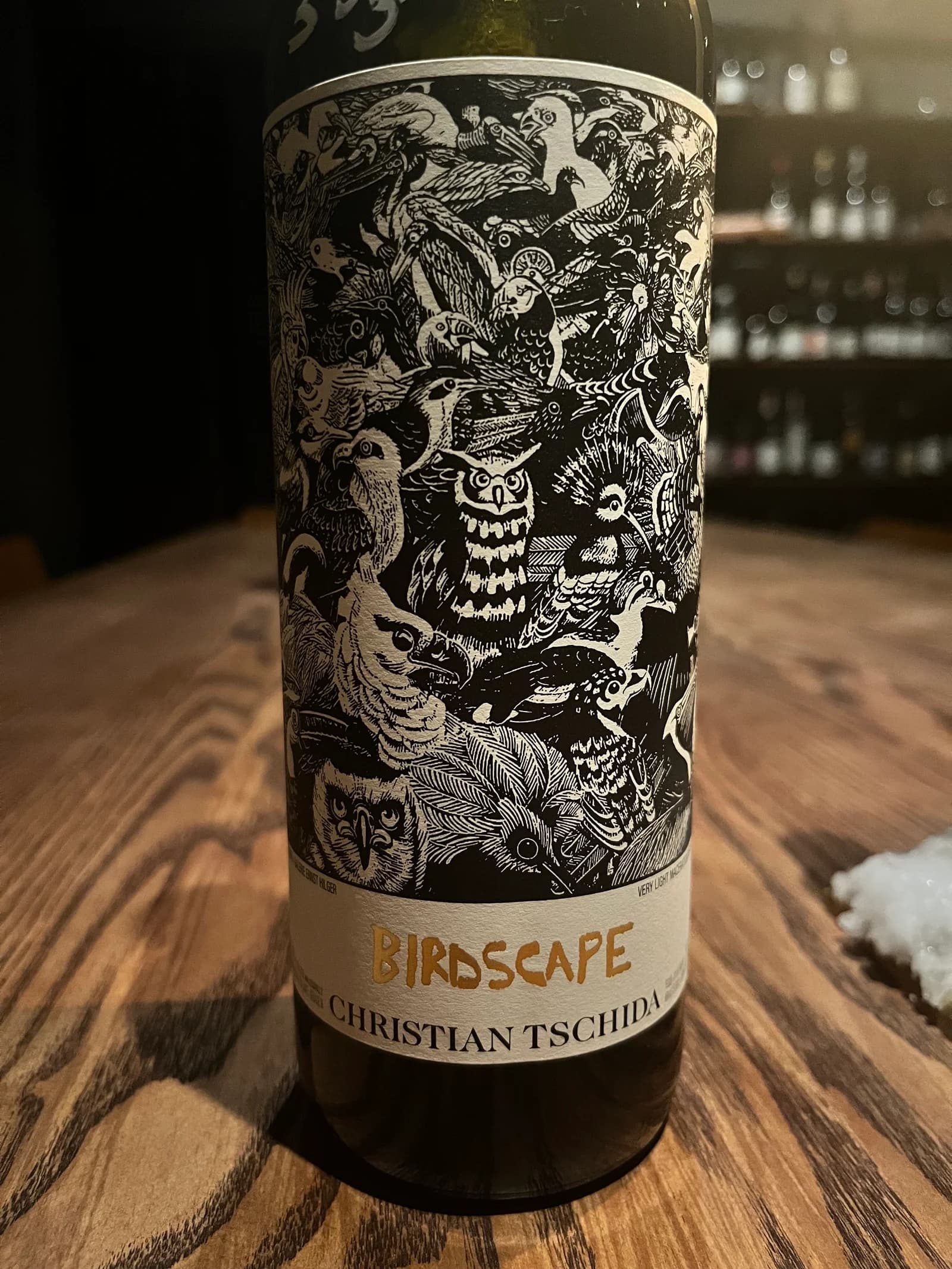
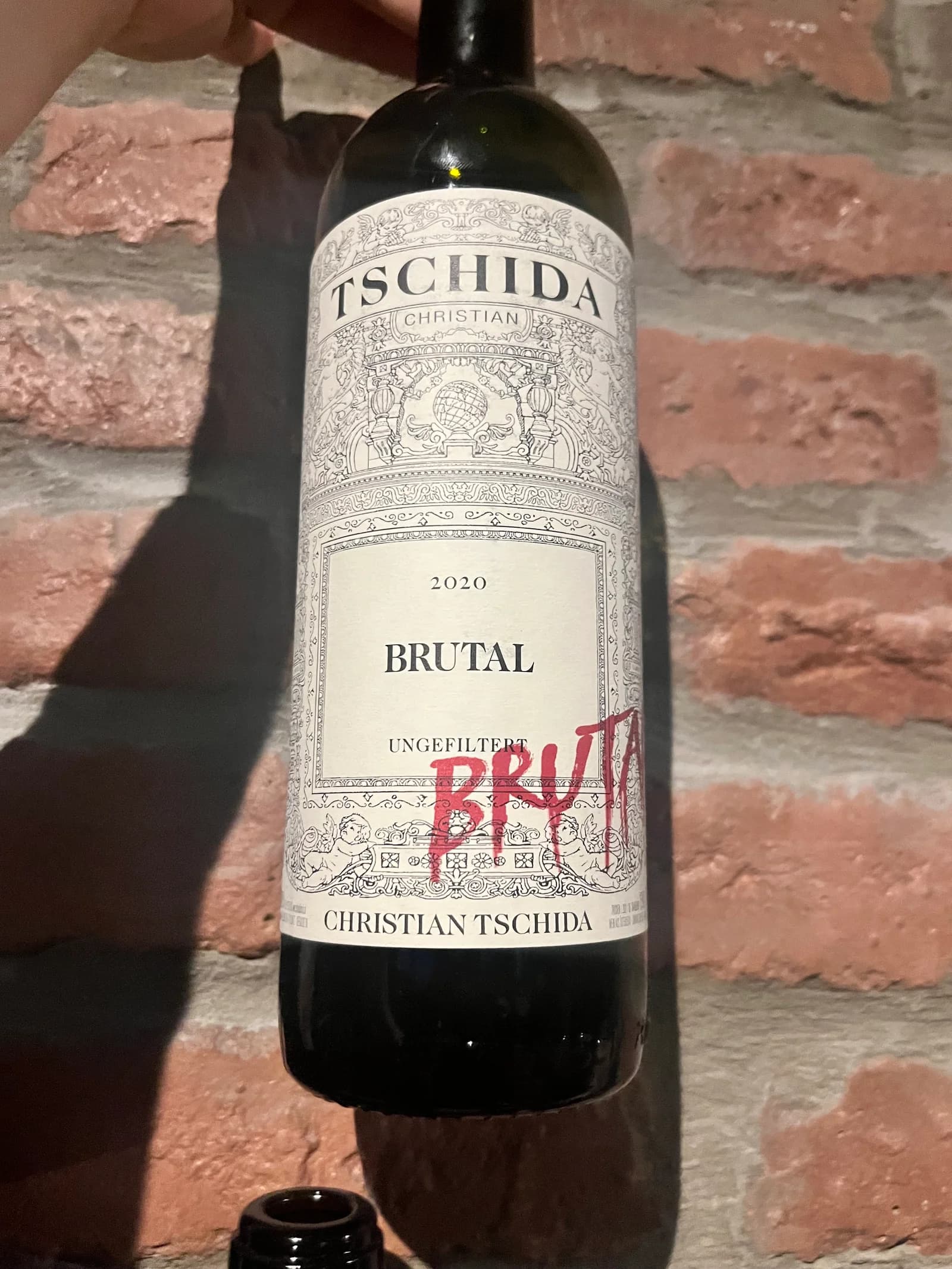
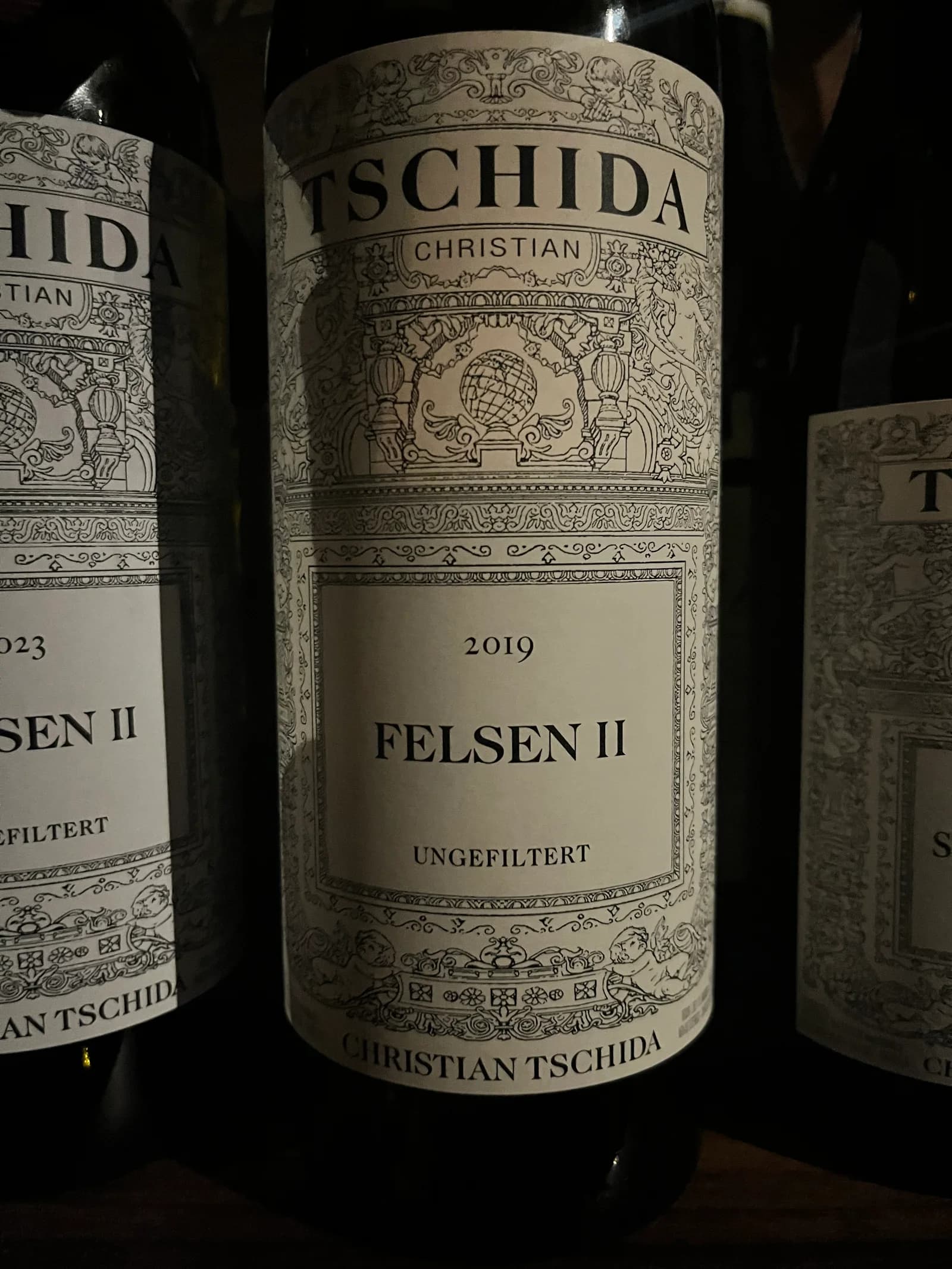
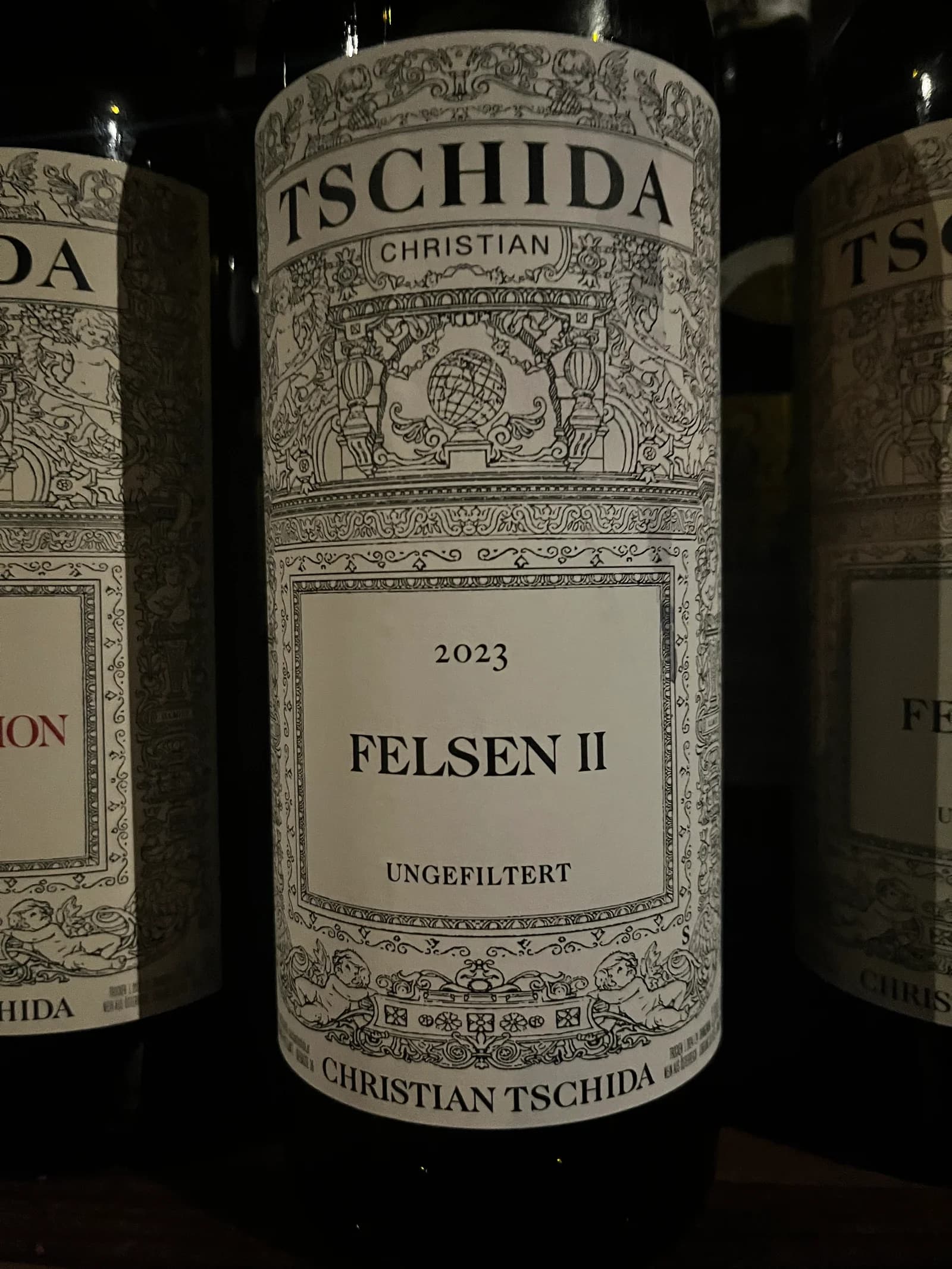
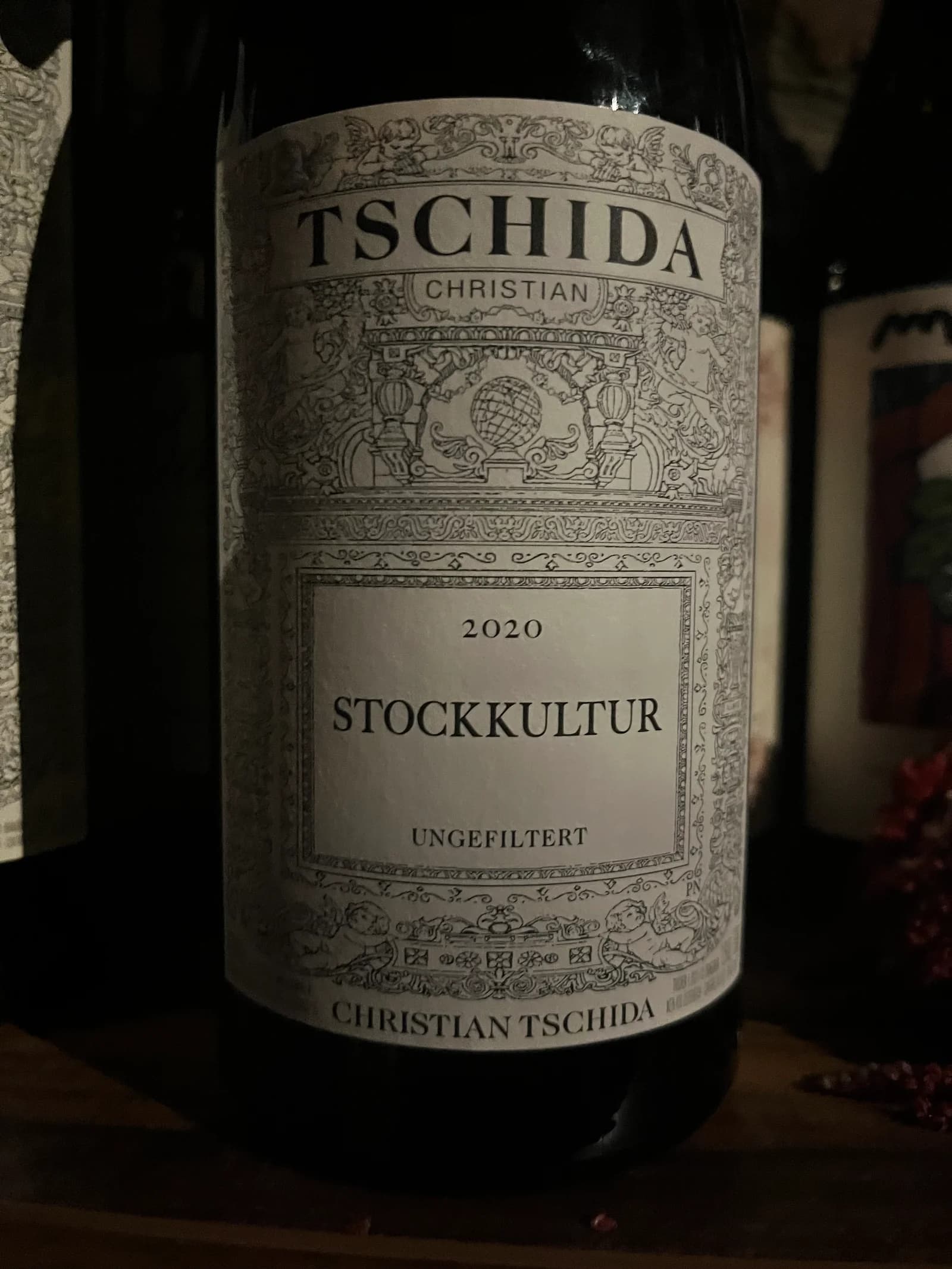
Christian Tschida
Burgenland, Austria10 wines4.0 avg
73
Austrian natural wine from the wrong side of Lake Neusiedl - Illmitz steppe, biodynamic, Cabernet Franc and skin-contact whites, and one of Burgenland's most inventive producers.
Christian Tschida took over his family's estate in 2003 in Illmitz, on the eastern shore of Lake Neusiedl in the Seewinkel - a flat, steppe-like landscape that is traditionally the domain of botrytised sweet wine and heavy reds. His father had farmed conventionally and sold grapes in bulk. Christian repurposed everything toward dry, low-intervention wines, which in this context was a radical departure.
The vineyards now cover around fourteen hectares, split between Illmitz and Purbach (Leithaberg), on sandy soils with gravel, schist, and limestone layers. The Pannonian climate is extreme - hot summers, cold winters, persistent wind off the lake. Those conditions, and particularly the sand, give the wines a distinctive lightness and transparency that is the opposite of what you would expect from a Burgenland postal code.
Farming is organic with biodynamic practices. In the cellar: native yeasts, no added sulphur since 2013, no fining, no filtration. Aging primarily in large Stockinger barrels (Austrian oak), with some old barriques, amphora, and concrete. Extended skin contact on several whites and rosés - grip and texture without heaviness.
The grape portfolio is eclectic for Austria. Whites include Grüner Veltliner, Gelber Muskateller, Scheurebe, and Weissburgunder. Reds include Cabernet Franc (unusual for Austria and Tschida's most provocative choice), Blaufränkisch, Zweigelt, and Sankt Laurent.
The cuvées:
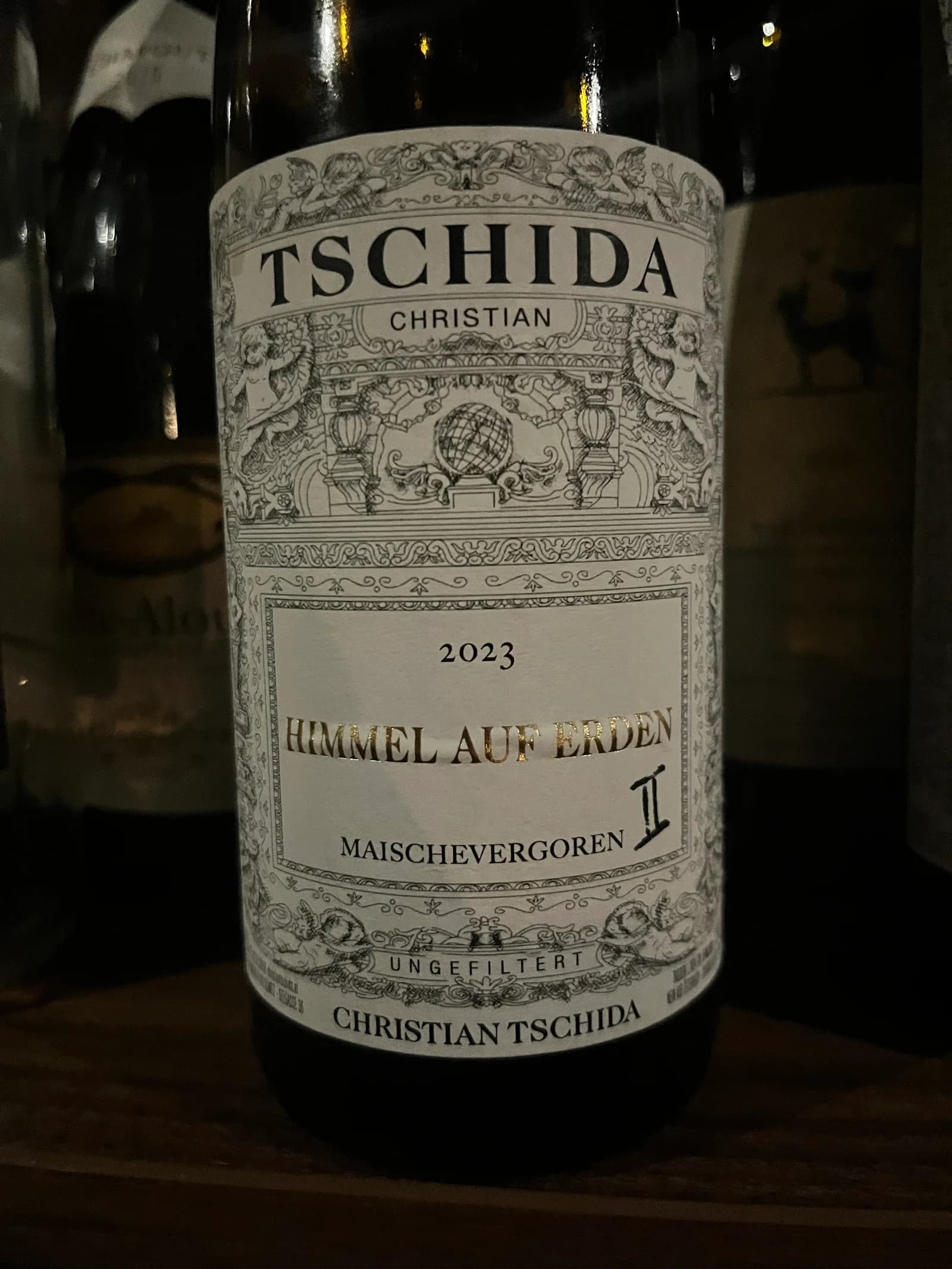
- Himmel auf Erden ("Heaven on Earth") - a series of skin-contact whites and rosés, the estate's signature line
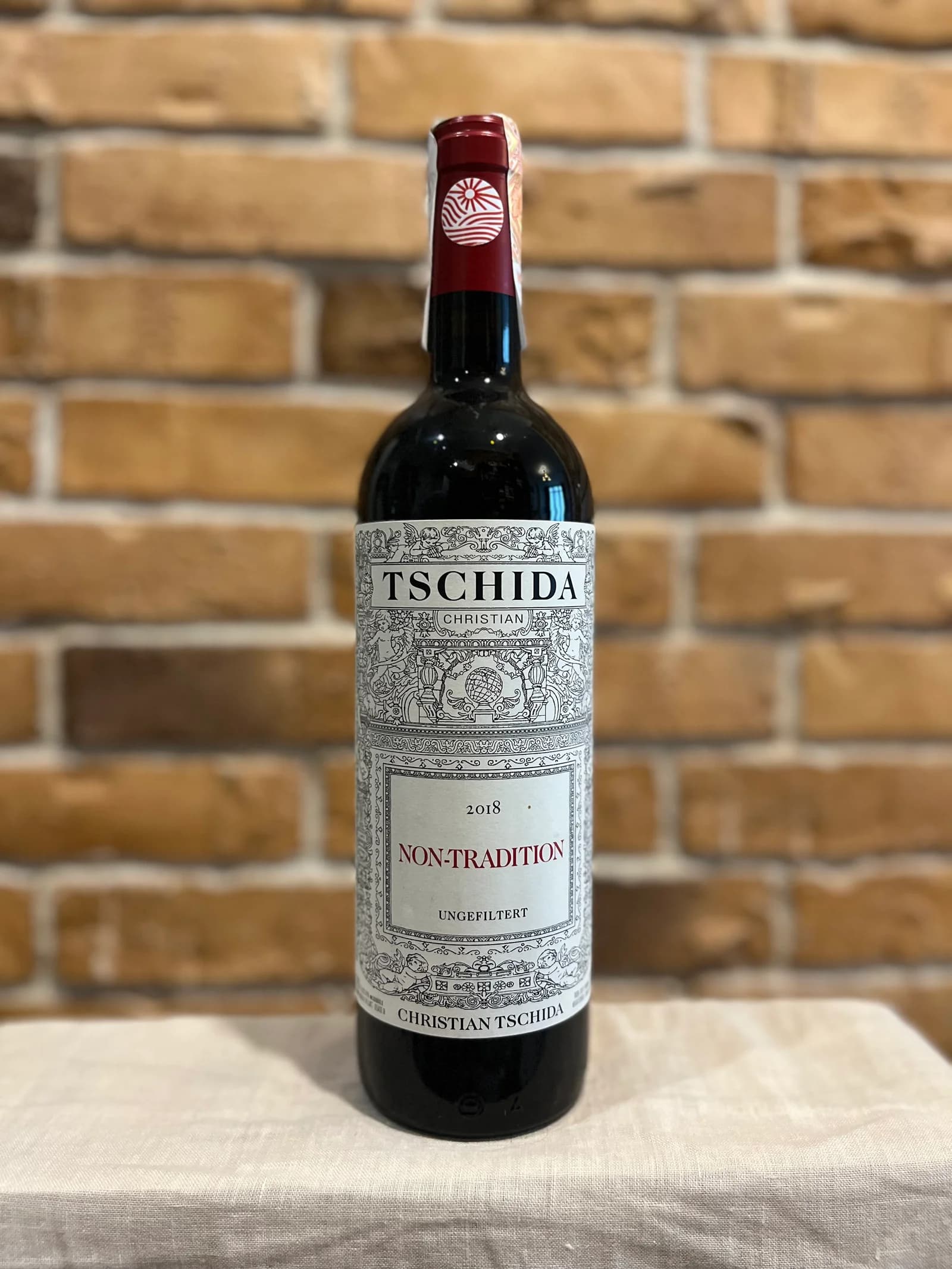
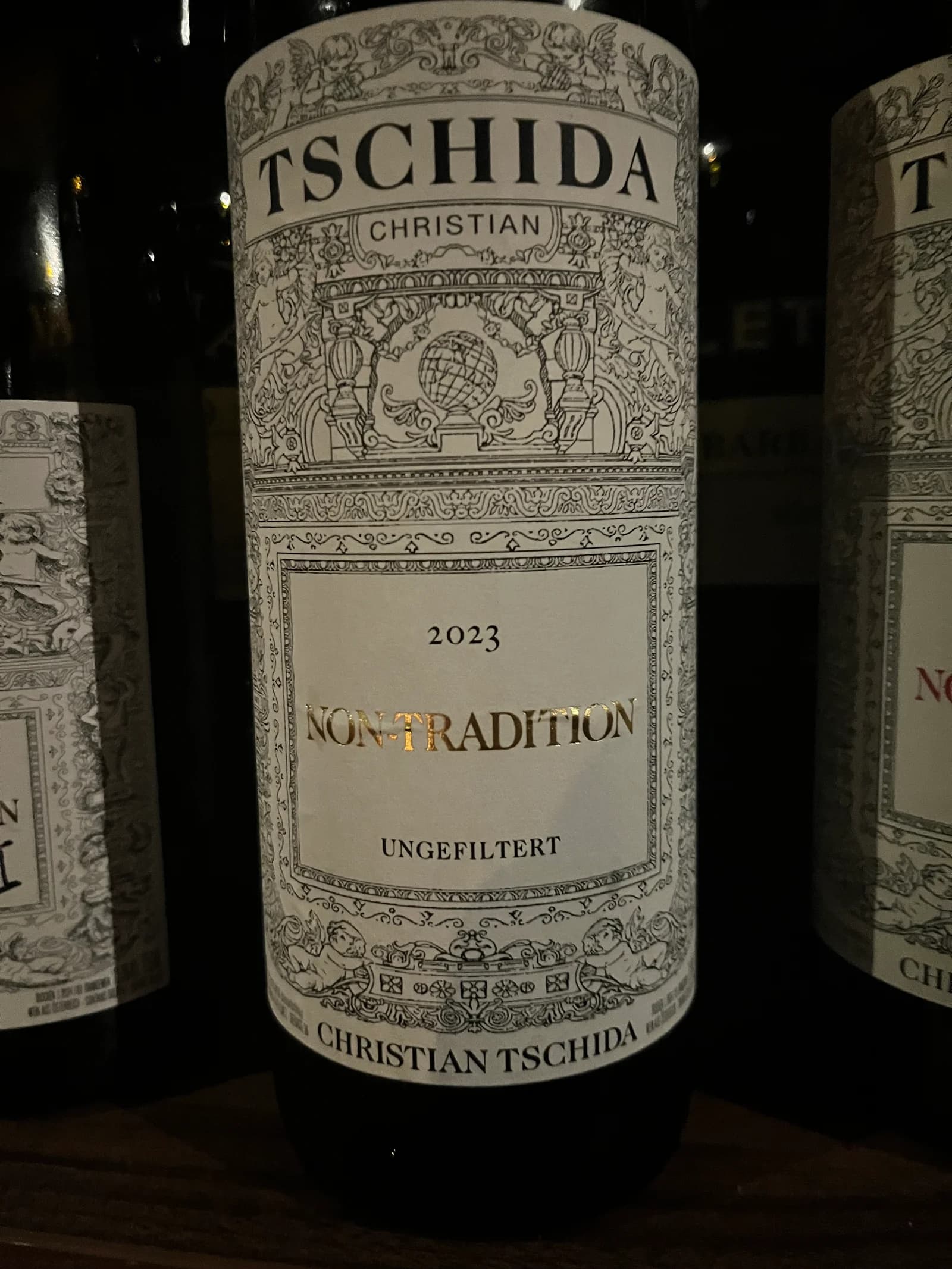
- Non-Tradition - Cabernet Franc, often with extended maceration; the name signals the deliberate break from everything the region conventionally does
- Laissez-Faire - a manifesto wine
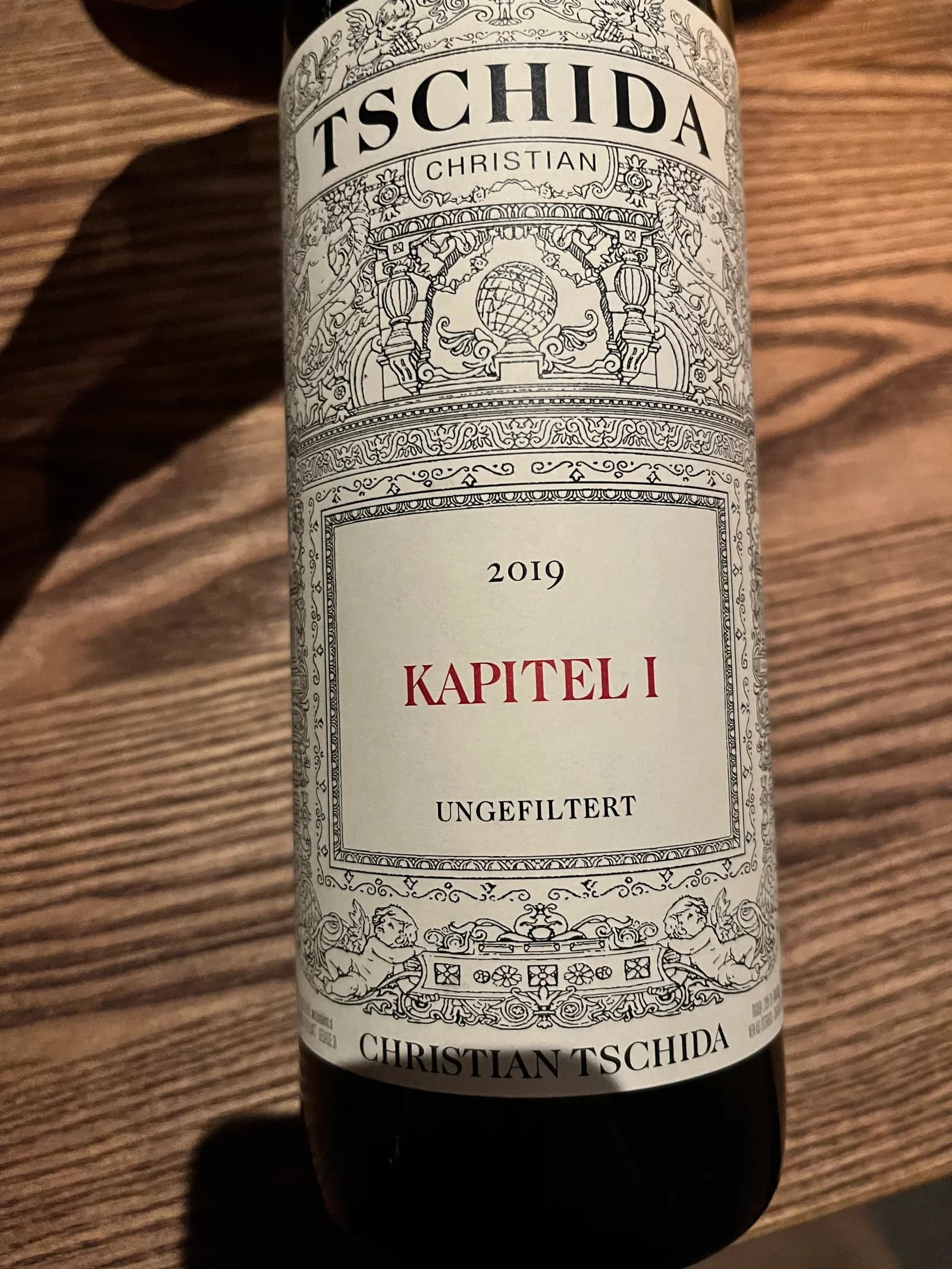
- Kapitel series - single-site or thematic bottlings
Tschida belongs to the Burgenland natural cohort alongside Gut Oggau, Claus Preisinger, and Judith Beck. Among them, he is arguably the most radical in his rejection of regional typicity - and the results argue that typicity was the wrong target all along.