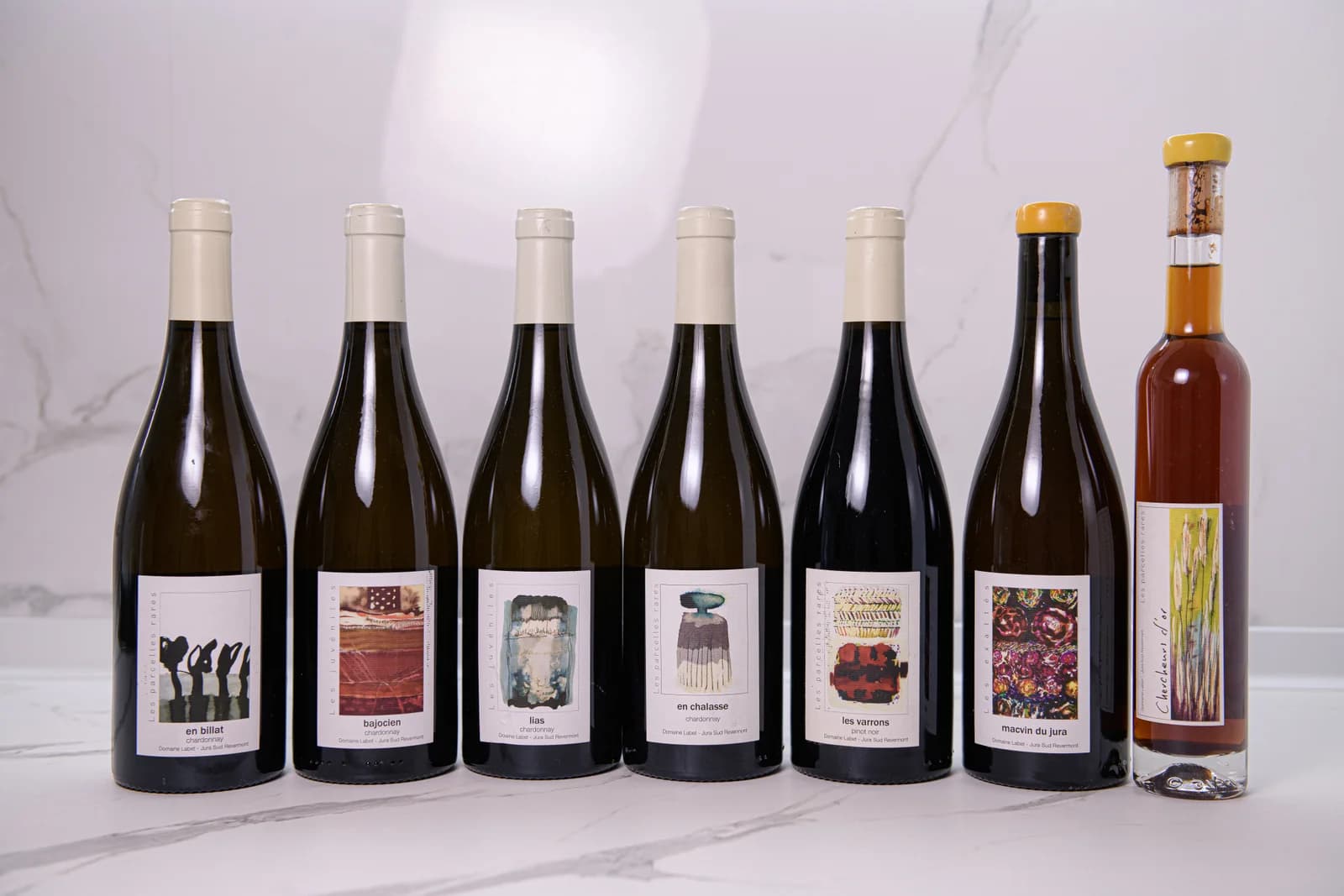
Domaine Labet Uncorked Vol. 2
An exploration of Jura terroir through the diverse, nuanced expressions of Chardonnay, Pinot Noir, and traditional sweet wines by Domaine Labet. And a bit of Buronfosse.
By Boris · Hosted by Boris Buliga
Last time, we ended on a high note with a promise to revisit the wines of Domaine Labet. It was a holiday for many, and under the gentle May sun, we began sipping Jura nectars around four in the afternoon - not exactly early, but perfectly reasonable to sidestep judgements about responsible drinking hours.
Truthfully, the hype around "legendary" winemakers irritates me. Their wines are tricky to get hold of, often absurdly expensive, and everyone seems to fuss endlessly over them. I'm usually too naïve or insufficiently educated to fully appreciate these trophies of persistence. Sometimes, admittedly, the wines disappoint despite the thrill of ticking off a psychological checklist (hello, therapists, I'm working through this at my own pace). Occasionally, though, there's genuine love. So, what exactly happened between Domaine Labet's wines and me? Honestly, I'm not entirely sure. They didn't disappoint - they intrigued, they surprised - but didn't quite sweep me off my feet. Sorry about that. Yet, here I am, eager for another taste.
And speaking of eagerness, Serhii is a truly relentless predator. If he were in a boxing ring with an alien, he'd probably ignore the fight altogether to chase down another bottle of Labet. I admire this trait. More so, I benefit from it, as Serhii generously shares his findings. For example, on March 14th, the evening before the Supernatural tasting, he brought along a skin-contact wine from Labet that was genuinely superb. It reminded me once again of that high note we ended on, promising ourselves to revisit these wines.
It's often said that while Labet embraces Jura's diverse grape varieties, their Chardonnay earns them particular acclaim. Serhii took this seriously and suggested we dive deeper. Awaiting us now are four Chardonnays, one Pinot, and two surprises - or perhaps more? When meetings are rare, restraint is impossible.
But first, let's set the stage.
Nestled in Sud-Revermont in the southern Côte du Jura, just 15 minutes from Château Chalon, Domaine Labet stands out for its pioneering yet modest family approach. Founded in Rotalier in 1974 by Alain Labet, the winery initially embraced the traditional 'sous voile' method - oxidative ageing under a yeast veil, without topping up the barrels. However, Alain soon realized that this approach blurred the distinctive varietal characteristics. In response, in 1992, he crafted his first "Fleur" wines, topping up barrels to retain the purity and precision of terroir. Initially challenging to sell locally, these "vins ouillés" quickly gained international recognition, influencing emerging Jura talents like Ganevat, Marnes Blanches, Les Dolomies, and others, turning the region into a vibrant breeding ground for innovation.
Today, Domaine Labet spans 14 hectares across four communes and 45 individual plots. Alain's children - Julien, Charline, and Romain - now manage the estate. Julien, with experience from Domaine Ramonet in Burgundy (brace yourself, prices start at around €200 per bottle) and Hamilton Russell in South Africa, leads winemaking with a natural yet meticulous style, significantly reducing sulphur usage even in challenging vintages. Charline, an experienced oenologist who also honed her skills in Chile, manages the cellar meticulously. Romain, trained in agriculture, oversees vineyard operations with profound care and respect.
Their vineyards feature continental climate conditions with soils rich in limestone and marls from the Triassic and Lias eras, distinctly different from those near Arbois due to the presence of Bajocian limestone. The vines - many over 60 years old - are organically certified by Ecocert, and biodynamic practices are employed. Chemicals are banned, organic compost is ploughed into the soil, and older vineyards rely solely on horse-driven ploughing. Yields vary from 10 to 40 hl/ha, depending on plot and weather, and annual production is limited to 60,000 highly sought-after bottles.
Vinification at Labet follows two clear paths. Most whites, notably the "Fleurs" range, undergo topped-up ageing in Burgundian barrels or demi-muids for at least 18 months, avoiding oxidation to showcase the vineyard's unique character. The traditional "vin de voile" wines, however, are aged oxidatively, allowing a yeast veil to develop and impart classic Jura notes of curry, hazelnut, and walnut.
Reds are partially destemmed and aged in larger wooden barrels or ancient foudres. Wines ferment spontaneously with indigenous yeasts, and sulphur is added only sparingly and transparently documented.
Domaine Labet's hallmark remains its straightforward philosophy: one vineyard, one wine - each capturing the essence of place and grape. Chardonnay dominates their white vineyards, alongside Savagnin, while reds comprise Pinot Noir, Poulsard, Trousseau, and Gamay. It's this dedication to purity and precision that has firmly placed Domaine Labet among Jura's most cherished estates.
Buronfosse Varron Chardonnay 2022
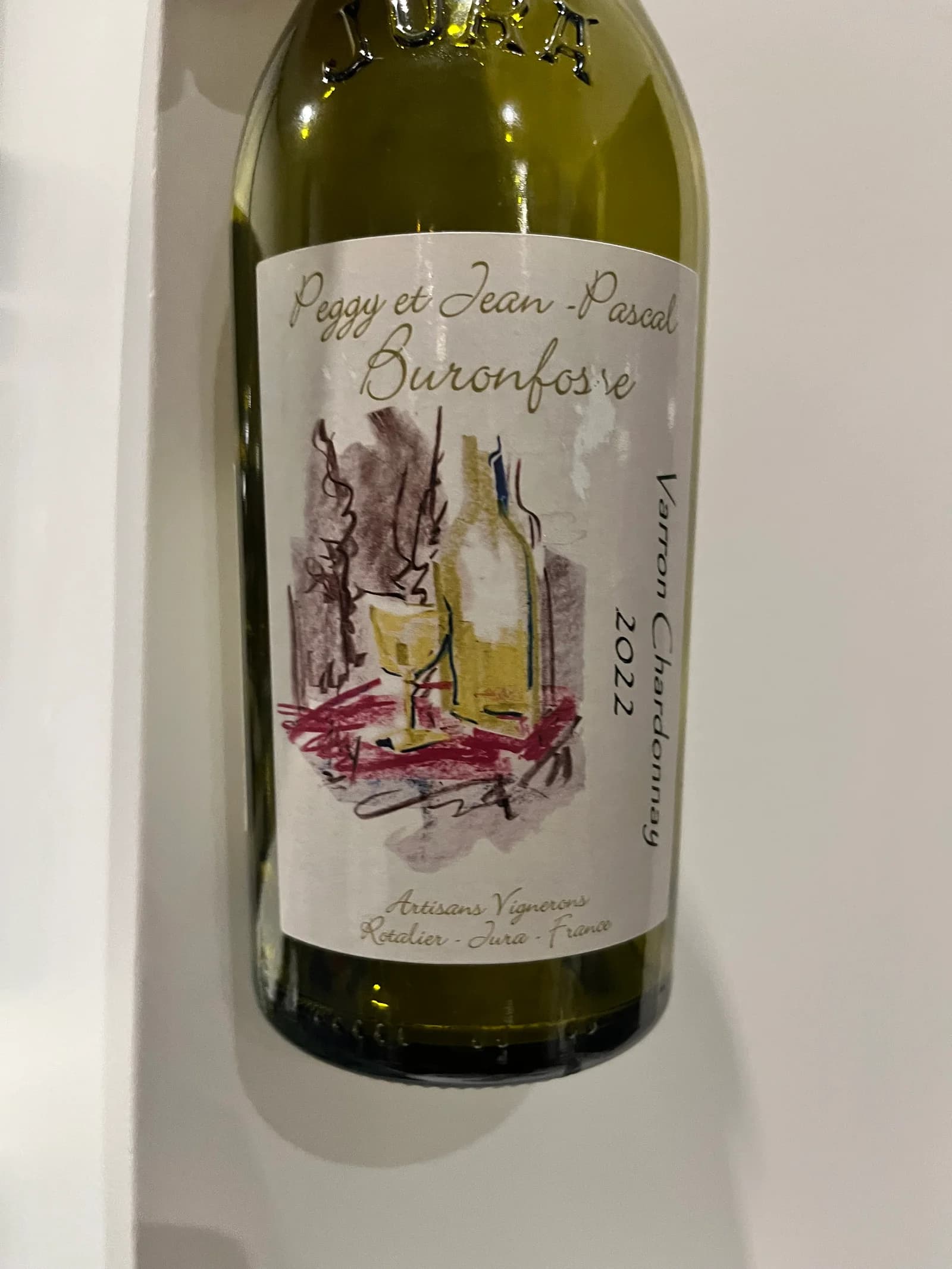
The full note is for members.
Join to read it and the restDomaine Labet en chalasse chardonnay 2021
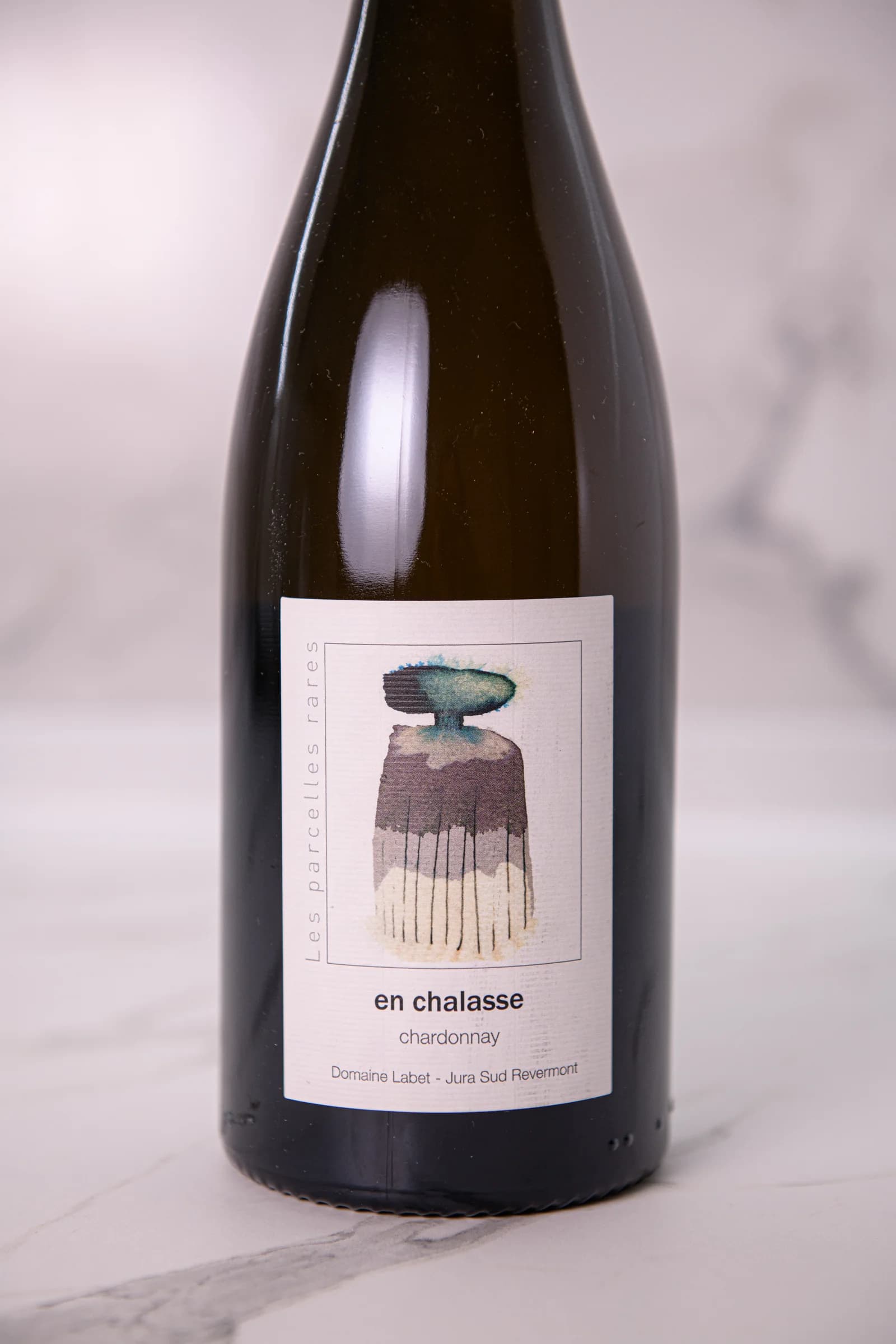
Chardonnay produced from massal and clonal selections across a 1.20-hectare vineyard planted between 1950 and 2006. The site features clay soils and blue marl from the Lias period. Harvested on 25 September 2021, aged 22 months in barrels of 228, 350, and 500 litres, and bottled on 18 August 2023.
The full note is for members.
Join to read it and the restDomaine Labet bajocien chardonnay 2020
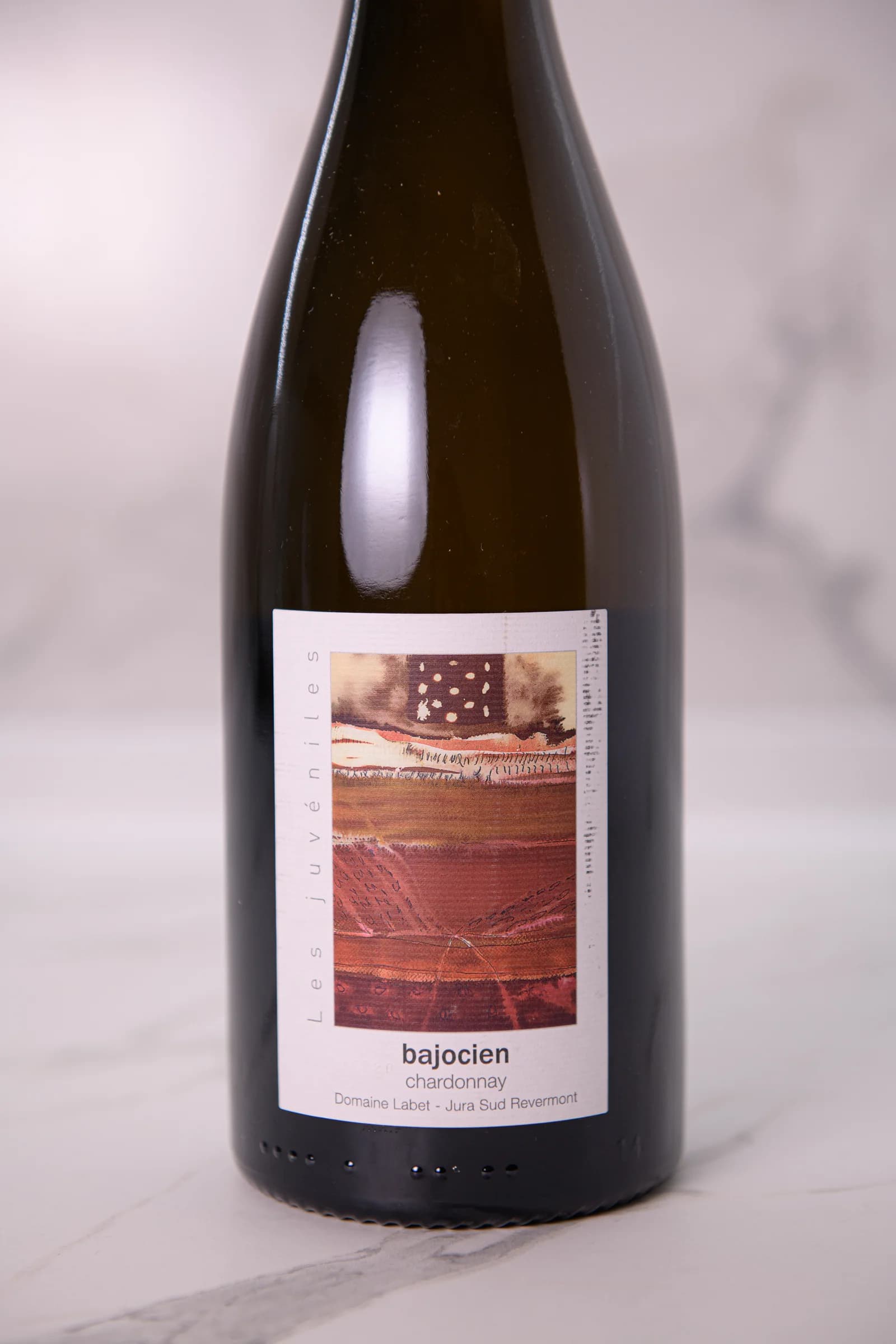
Made from Chardonnay sourced from four plots planted between 1949 and 1979. The vineyard occupies an east-facing slope at the lieu-dit "Les Varrons," characterised by decalcified clay soils atop Bajocian limestone bedrock. Aged 22 months in 228-litre barrels; bottled on 25 August 2022.
The full note is for members.
Join to read it and the restDomaine Labet lias chardonnay 2020
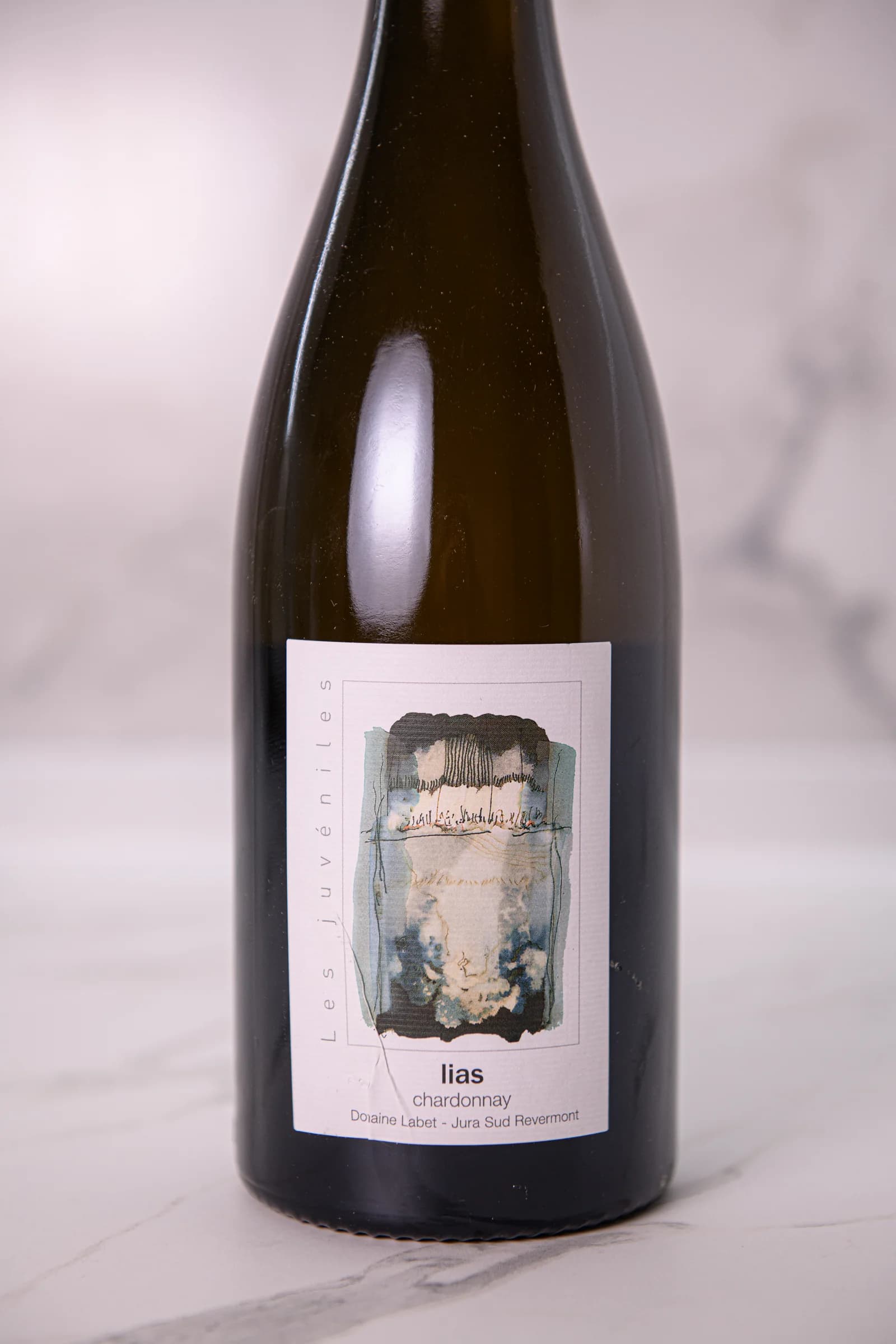
Produced from Chardonnay vines averaging 40 years of age (planted in 1975 and 1986), combining massal and clonal selections from parcels in "La Pallerine," "La Bardette," and "Le Montceau." Grown on Lias clay soils over Bathonian limestone bedrock. Aged 17 months in 228-litre barrels; bottled on 25 August 2022.
The full note is for members.
Join to read it and the restDomaine Labet en billat chardonnay 2019
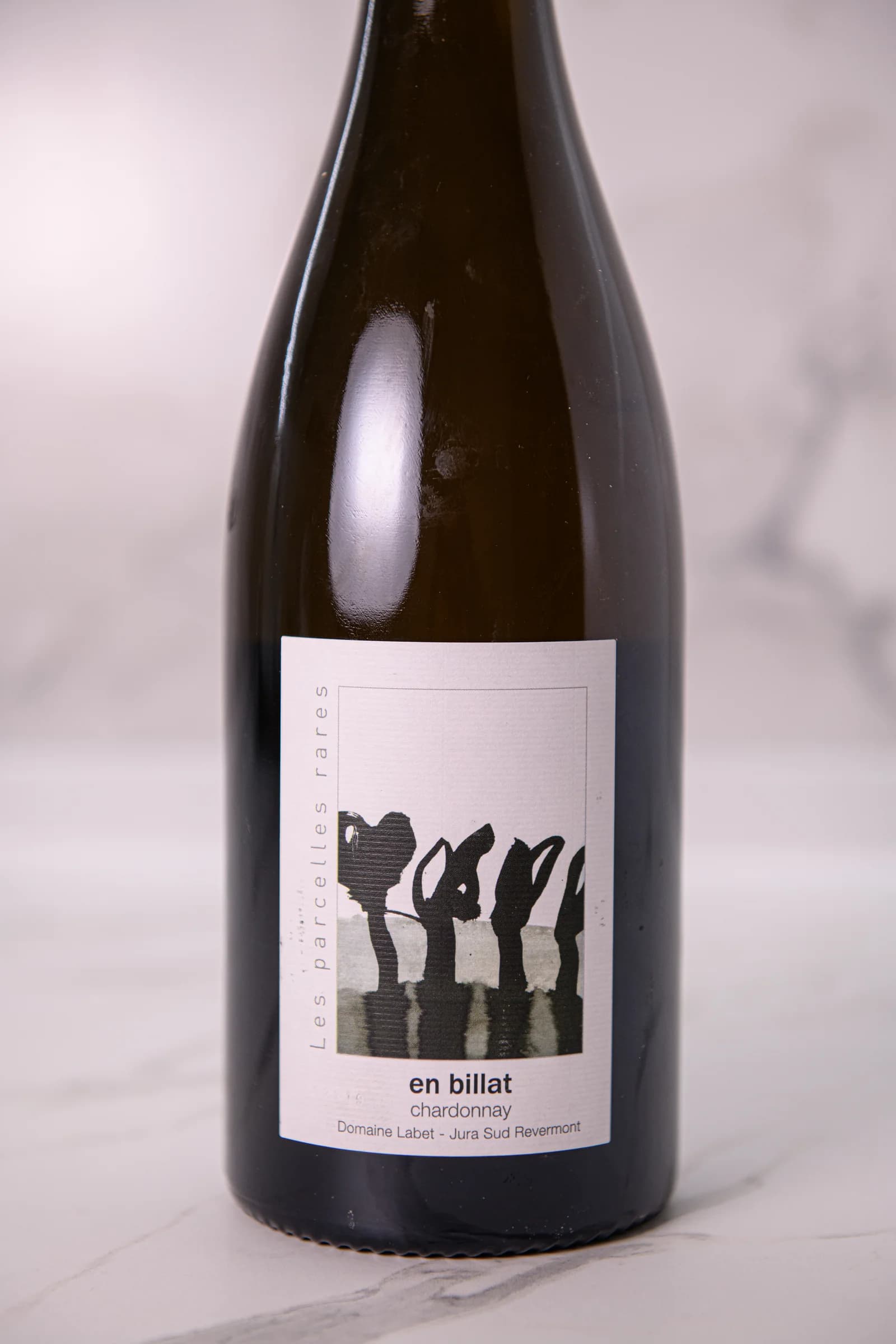
Produced from Chardonnay vines planted in 1975, 1940, and 1893, utilising both massal and clonal selections. Situated on Lias-era clay and laminated schist soils. Harvested on 10 September 2019 and bottled on 27 July 2021.
The full note is for members.
Join to read it and the restDomaine Labet les varrons pinot noir 2018
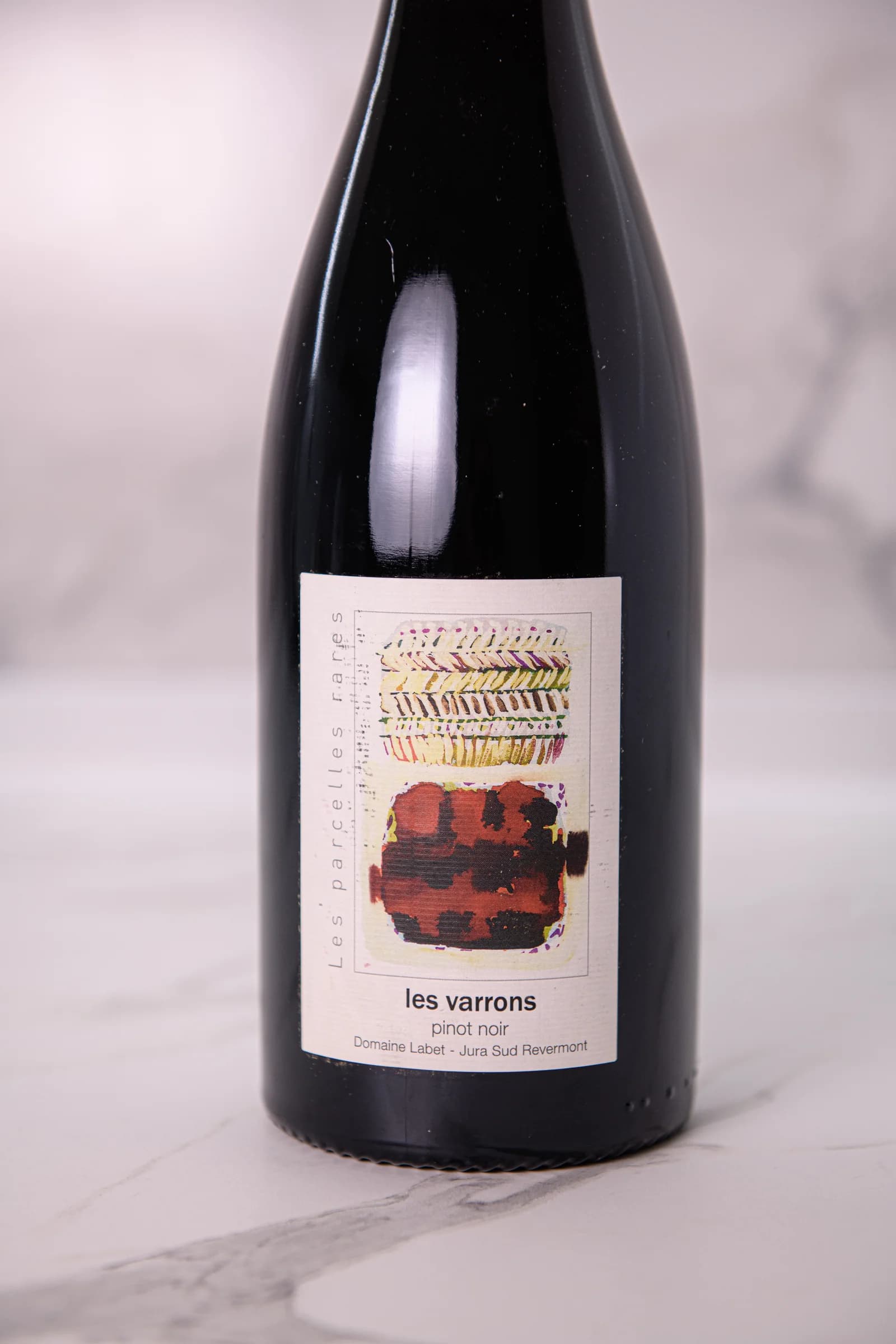
Produced from Pinot Noir sourced from a 0.395-hectare vineyard planted in 1985 and 1986, featuring four qualitative clones interplanted together. Situated on Bajocian limestone soils with chert ("chailles") and clay, this east-facing site lies between 260 and 280 metres above sea level. The wine was aged for 9 months in 228-litre barrels and bottled on 17 July 2019.
The full note is for members.
Join to read it and the restDomaine Labet Macvin du Jura 2014
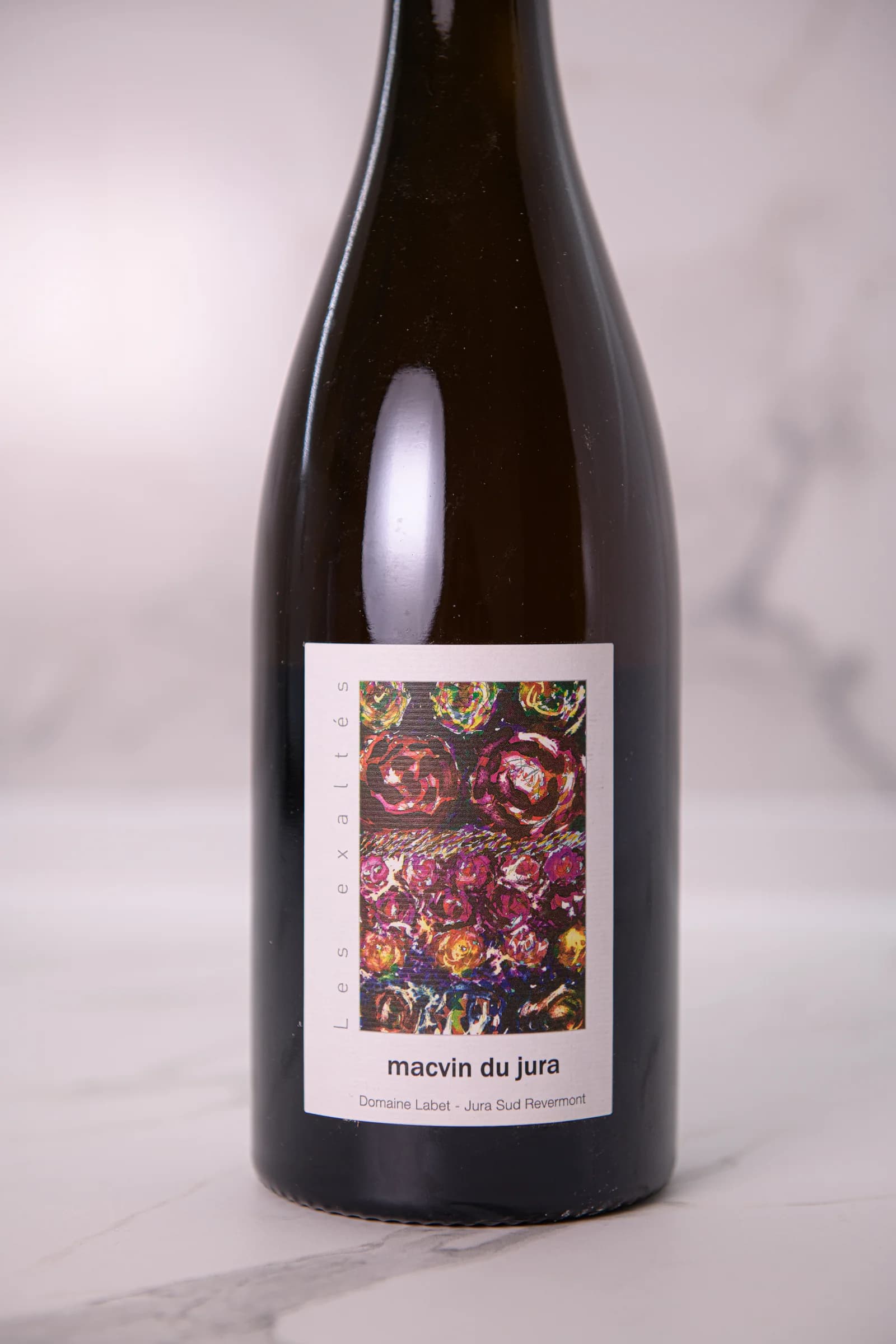
A traditional Jura fortified wine made by blending one-third aged Marc (grape brandy) from 2012 with two-thirds fresh Chardonnay grape juice from 2014, harvested from vines over 65 years old. The blend was matured for 60 months in 300-litre oak barrels before bottling on 2 September 2019.
Note: Macvin du Jura is a regional speciality - an AOC-designated fortified wine (vin de liqueur), produced by combining unfermented grape juice with Marc du Jura, creating a richly textured, aromatic, and naturally sweet wine.
The full note is for members.
Join to read it and the restDomaine Labet Les Chercheurs d'Or 2011
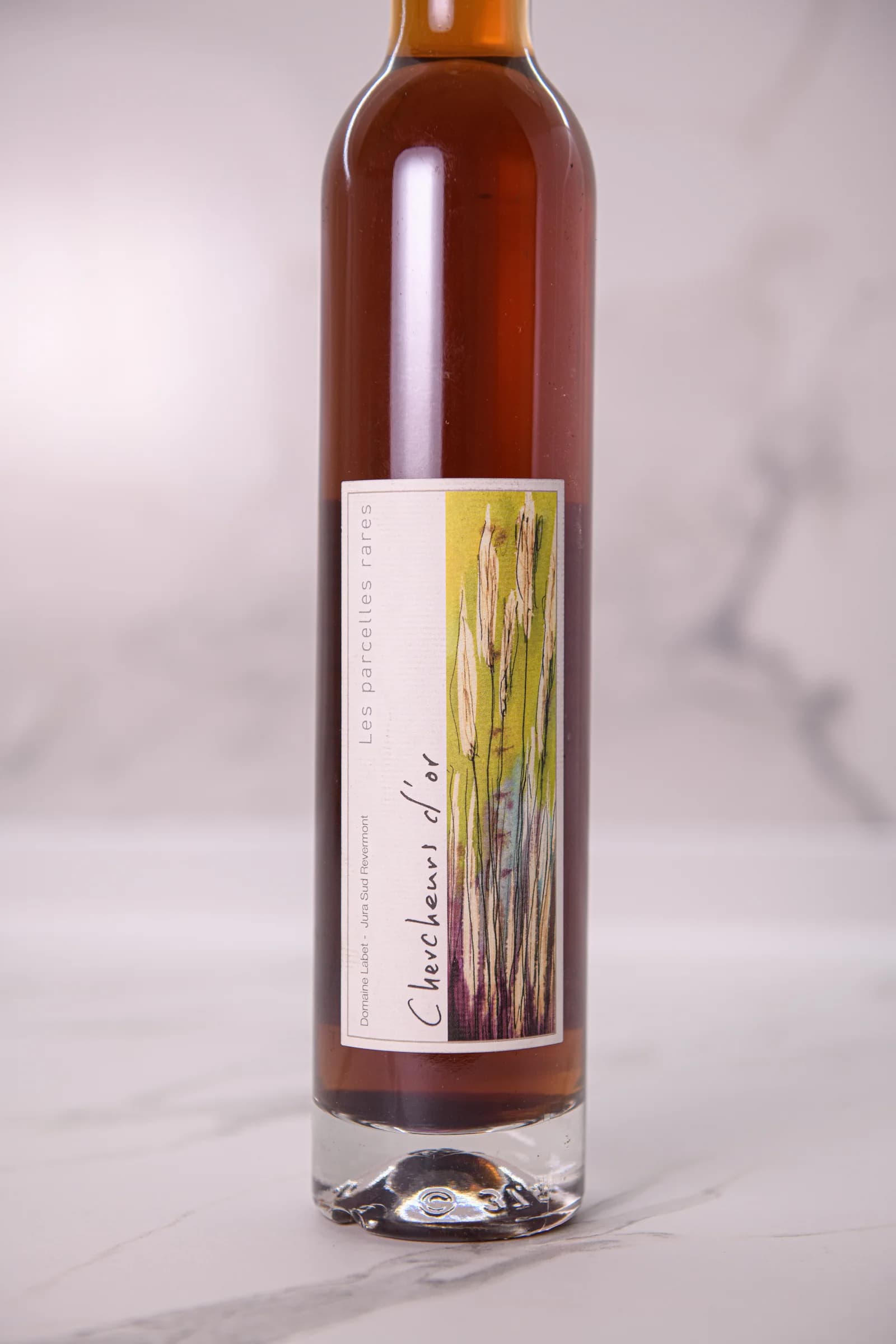
A sweet wine crafted from Chardonnay, Savagnin, and Poulsard, harvested from old vines through massal selection. The grapes underwent natural drying ("passerillage") on straw for five months to intensify sugars and flavours, followed by spontaneous fermentation with indigenous yeasts. The wine was then aged for 6 years in old barrels. Due to this prolonged drying, high sugar concentration, and natural vinification method, this wine was declassified from the traditional "Vin de Paille" appellation.
Note: Vin de Paille ("straw wine") is a Jura speciality made from grapes dried on straw mats or racks, resulting in highly concentrated sugars and complex aromas. Due to strict AOC regulations, some wines made in this traditional method, like this bottling, may be sold outside the appellation system if they deviate from certain prescribed processes.
The full note is for members.
Join to read it and the restBuronfosse Epicure 2018
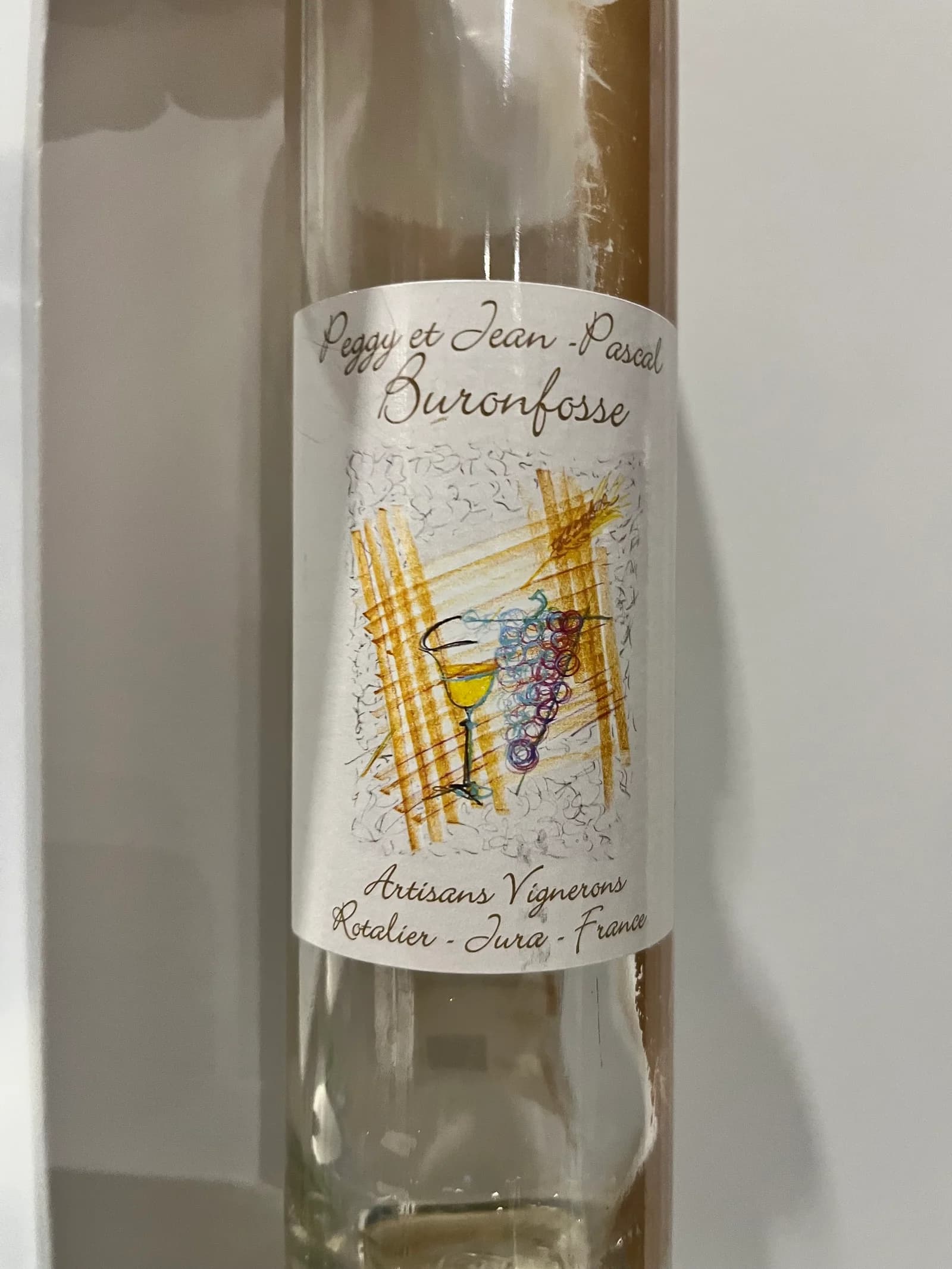
The full note is for members.
Join to read it and the rest