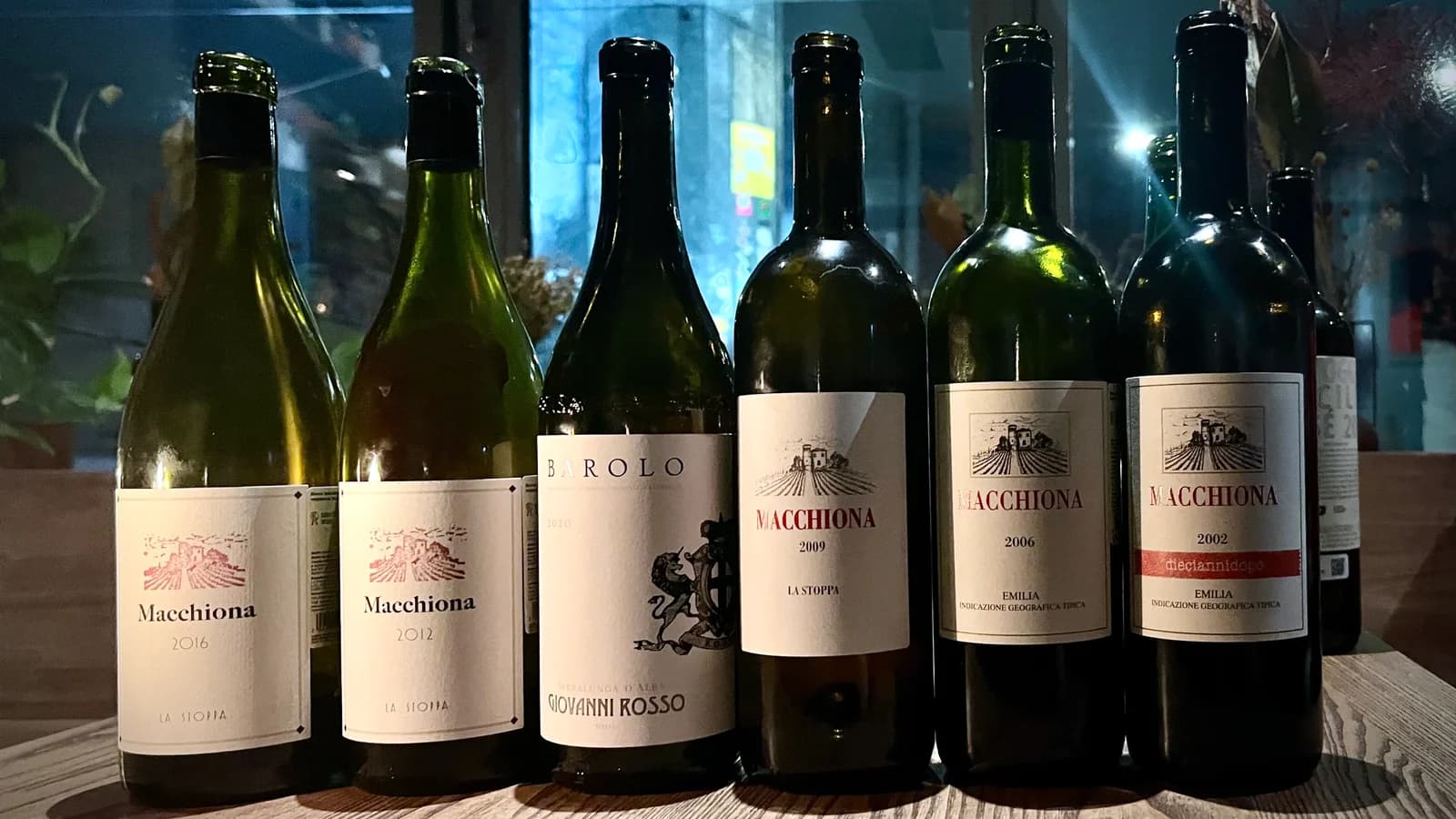
Macchiona
A view through vertical lenses.
By Boris · Hosted by Boris Buliga
I love it when everything falls into place like a puzzle. Someone voices a possibility, another contributes an idea, others join in, and suddenly everything seems effortless and enjoyable - devoid of unnecessary drama. It's as if God, in his infinite wisdom, wove these events into the fabric of history while creating the universe. The key is not to miss the momentum, and not to let the inertia dissipate.
Before some recent tasting, we were sitting at Lo, when suddenly a friend from Germany messaged me, offering to send over a few bottles from a certain shop. Choosing the right wines is no trivial matter, but the timely debate over the availability of Macchiona 2006 at Goodwine tipped the scales. That's how we decided to do a vertical tasting of this wine. My friend could source the rare 2002 vintage (though its rarity stems more from its limited production and distinctive label than actual inaccessibility) and the 2009. So, upon my return to Kyiv, organising this tasting became one of my first priorities.
Once again, Lo's magic came alive. What began as a small, intimate tasting quickly transformed into a lively gathering, with more people joining the table as the evening unveiled, which culminated in a ritual feast of roasted chickens paired with all sorts of delicious accompaniments (which, for the sake of brevity, won't even be mentioned in this piece).
What is Macchiona, and why a vertical tasting? On one level, the answer is simple: we could gather, so we did. But Macchiona is a fascinating 50/50 blend of Barbera and Bonarda from the same estate that produced the legendary Ageno. Historically, the estate was divided into two parts: La Stoppa and Macchiona.
Macchiona is named after a farmhouse nestled among the most traditional red grape vineyards of Colli Piacentini, a region faithfully reflected in this wine. The vinification process includes 40 days of maceration on the skins in stainless steel or cement tanks. Fermentation is spontaneous, with indigenous yeasts, followed by ageing in large Slavonian oak barrels (15, 20, and 40 hectolitres) and extended bottle ageing. The wine is unfiltered, with no added sulphites, and has an average production of 25,000 bottles, along with 500 magnums and 100 double magnums.
Each vintage of Macchiona is treated with individuality, meaning they are not necessarily released in chronological order. Instead, they are unveiled when deemed ready. The "dieciannidopo" or "ten years later" on the 2002 label commemorates a milestone: it was the first vintage of Macchiona to be intentionally held back and not released immediately following the previous vintage. In fact, it wasn't released until 2012, marking a decade of patient maturation.
Before this gathering, I'd only tasted Macchiona a few times, but I always enjoyed it. The idea of exploring its evolution over different vintages felt irresistibly appealing. If I were to offer practical advice, I'd say: go for the 2012 - it's stunning. The other vintages? They're more suited for the fun and curiosity of a tasting. But don't just take my word for it - see for yourself.
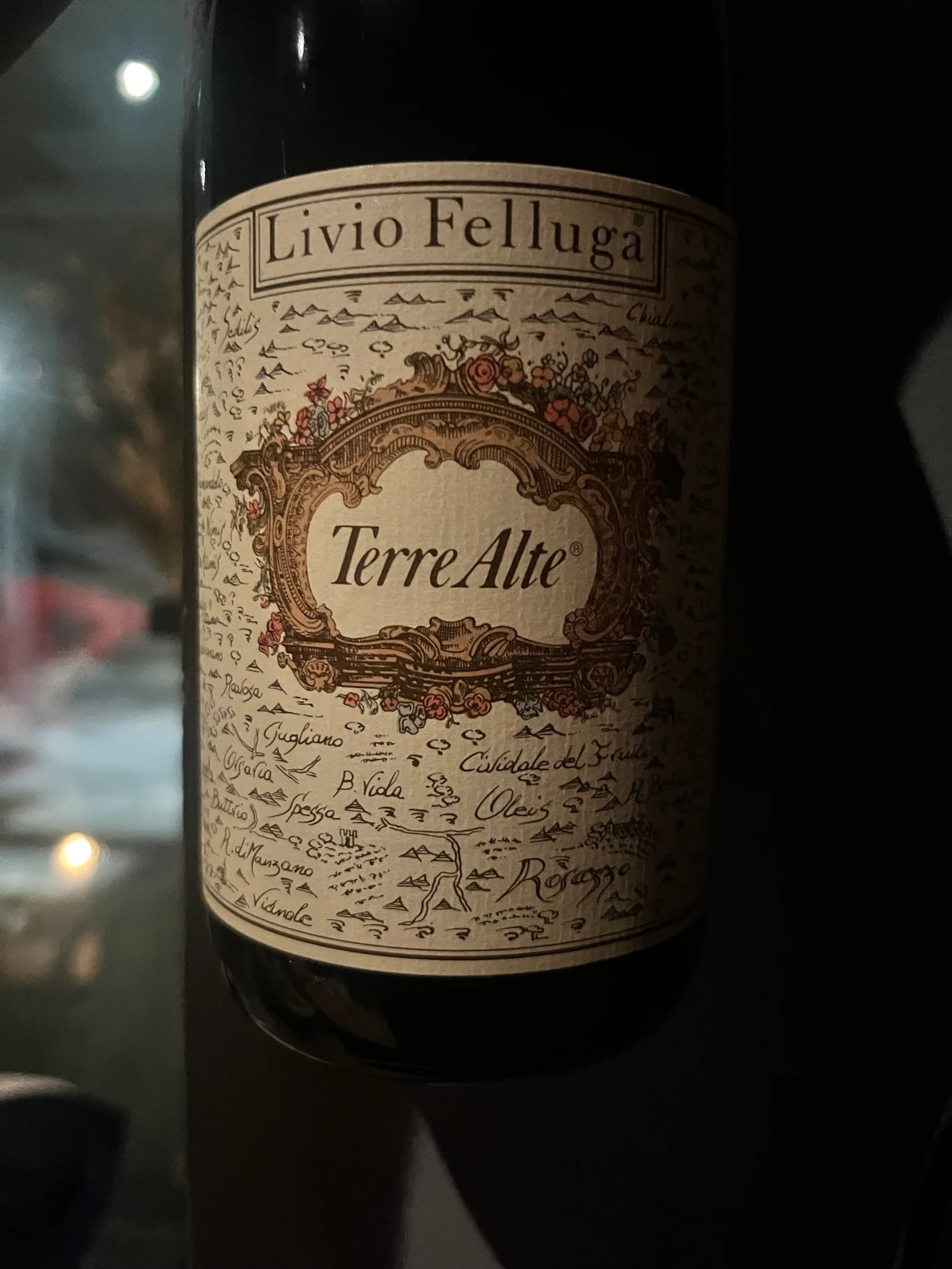
Livio Felluga Terre Alte 2008
The full note is for members.
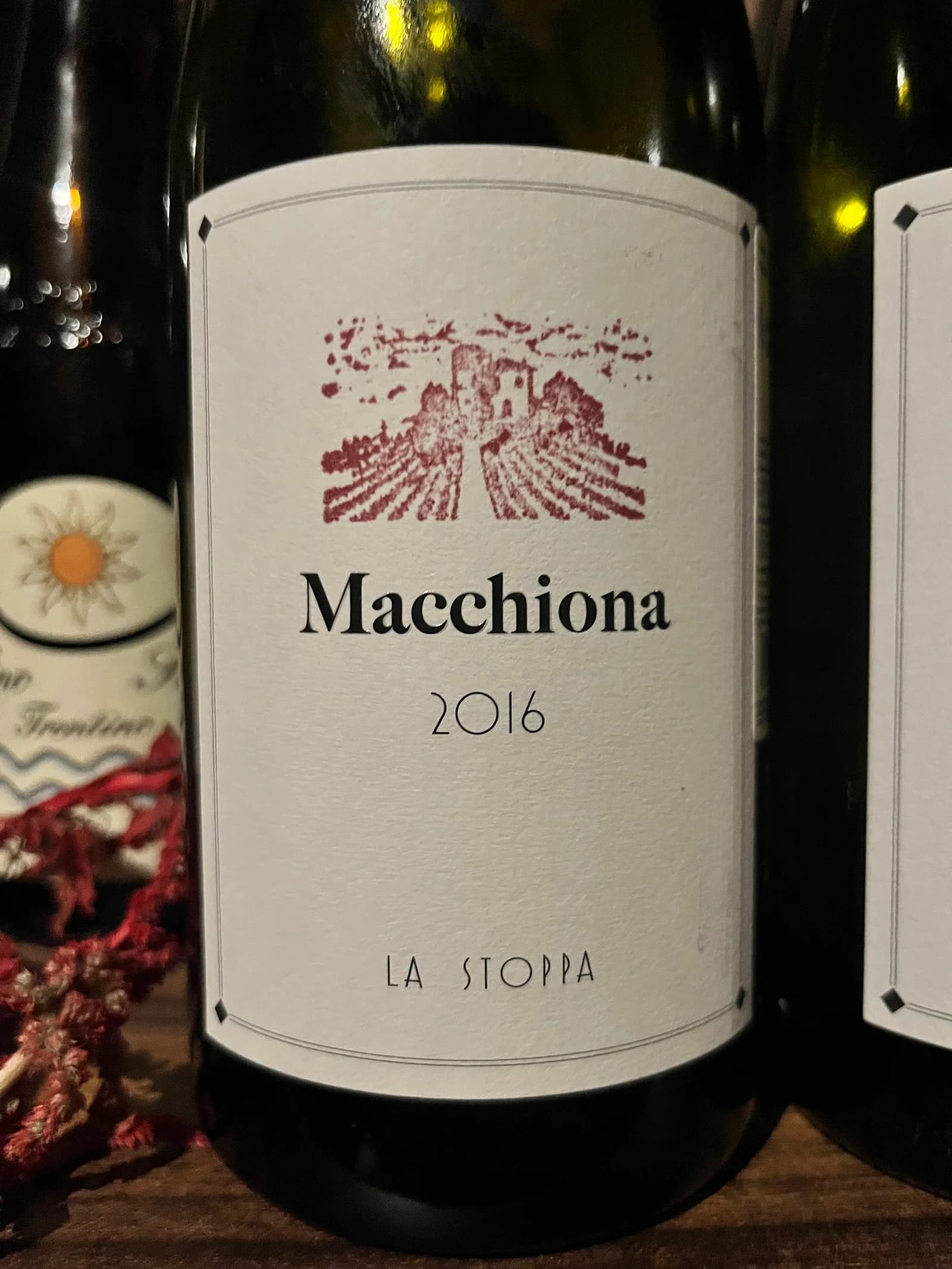
Join to read it and the restLa Stoppa Macchiona 2016
The full note is for members.
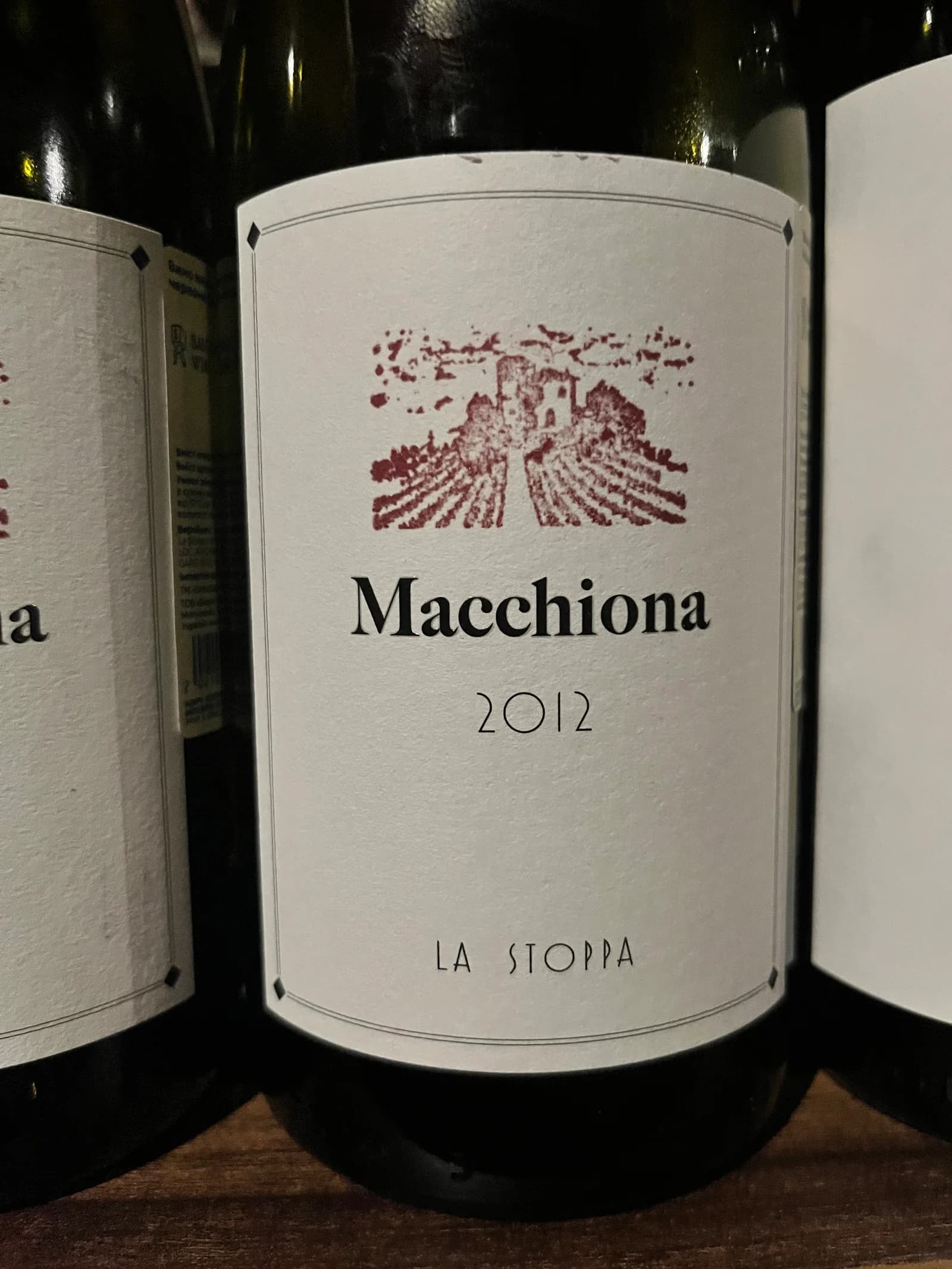
Join to read it and the restLa Stoppa Macchiona 2012
The full note is for members.
Join to read it and the restGiovanni Rosso Barolo Serralunga d'Alba 2020
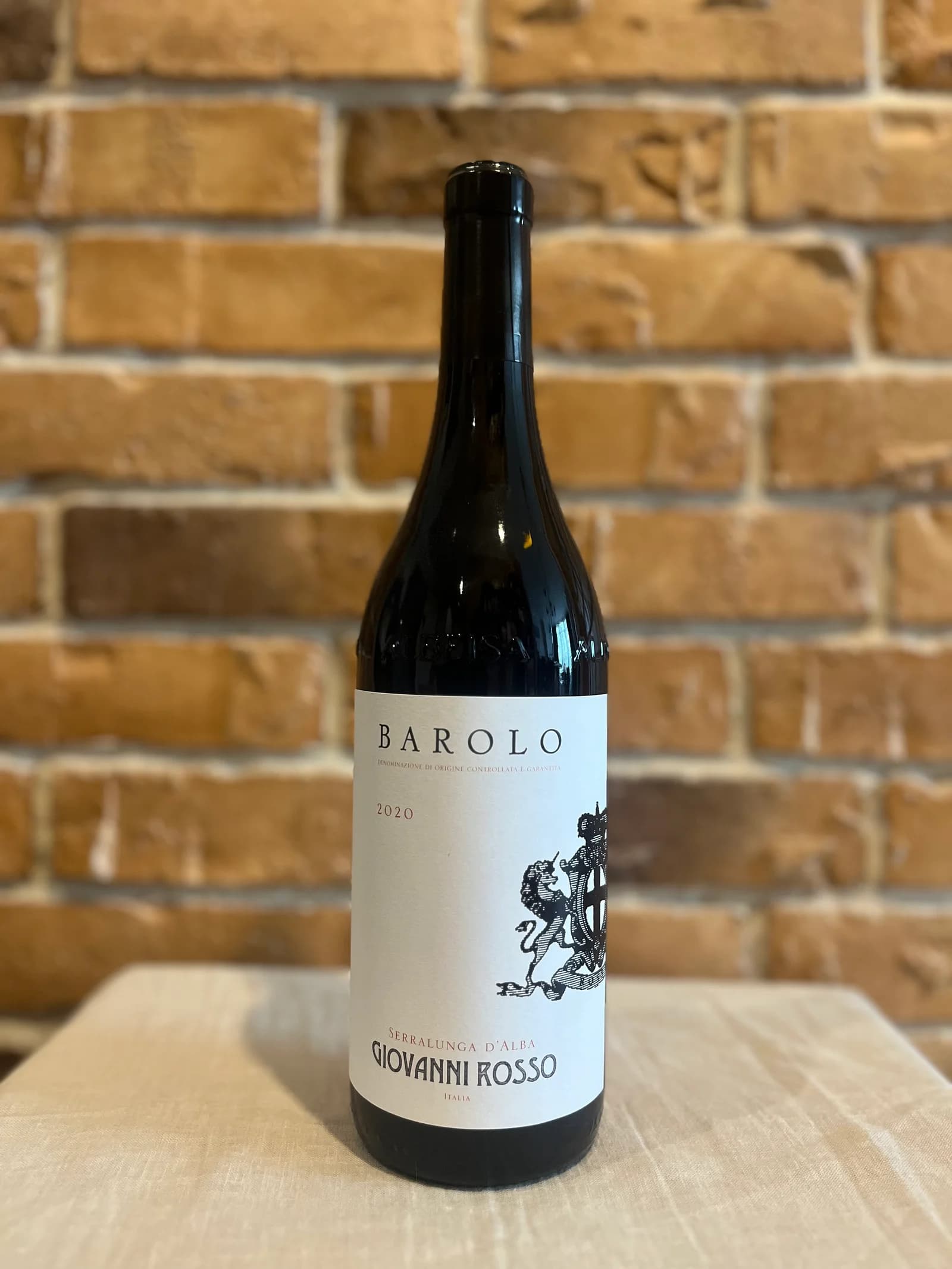
The full note is for members.
Join to read it and the restLa Stoppa Macchiona 2009
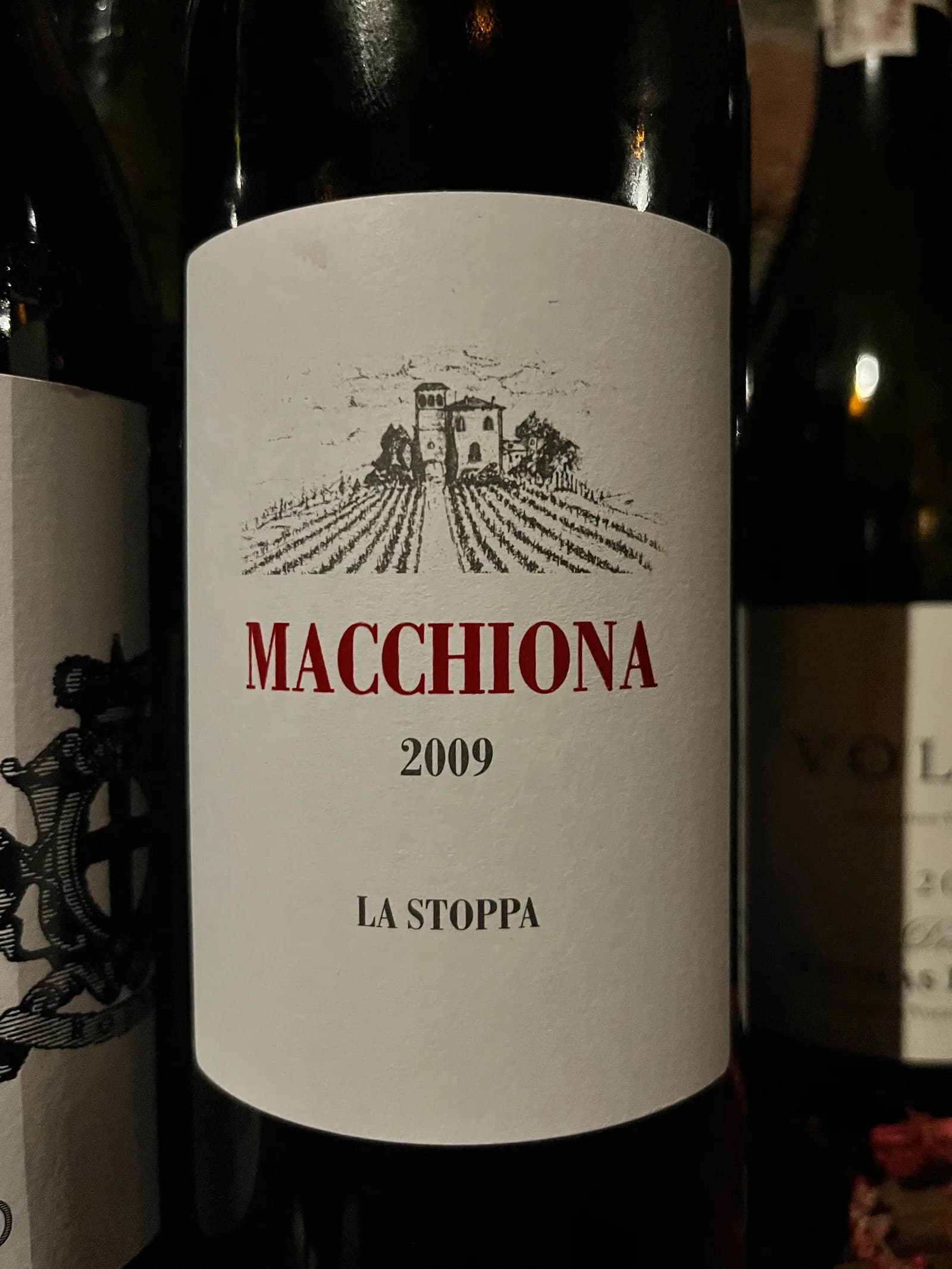
The full note is for members.
Join to read it and the restLa Stoppa Macchiona 2006
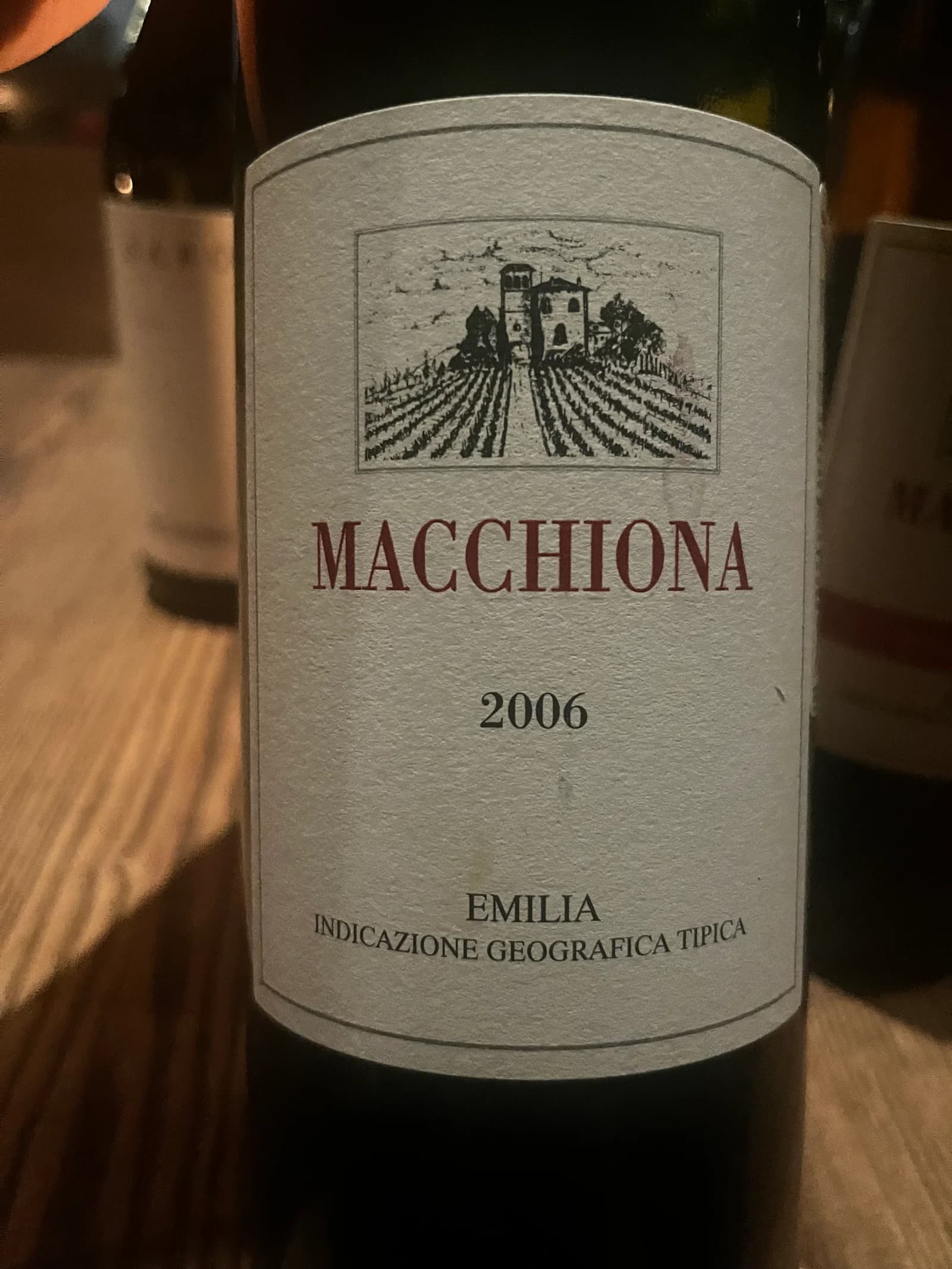
The full note is for members.
Join to read it and the restLa Stoppa Macchiona dieciannidopo 2002
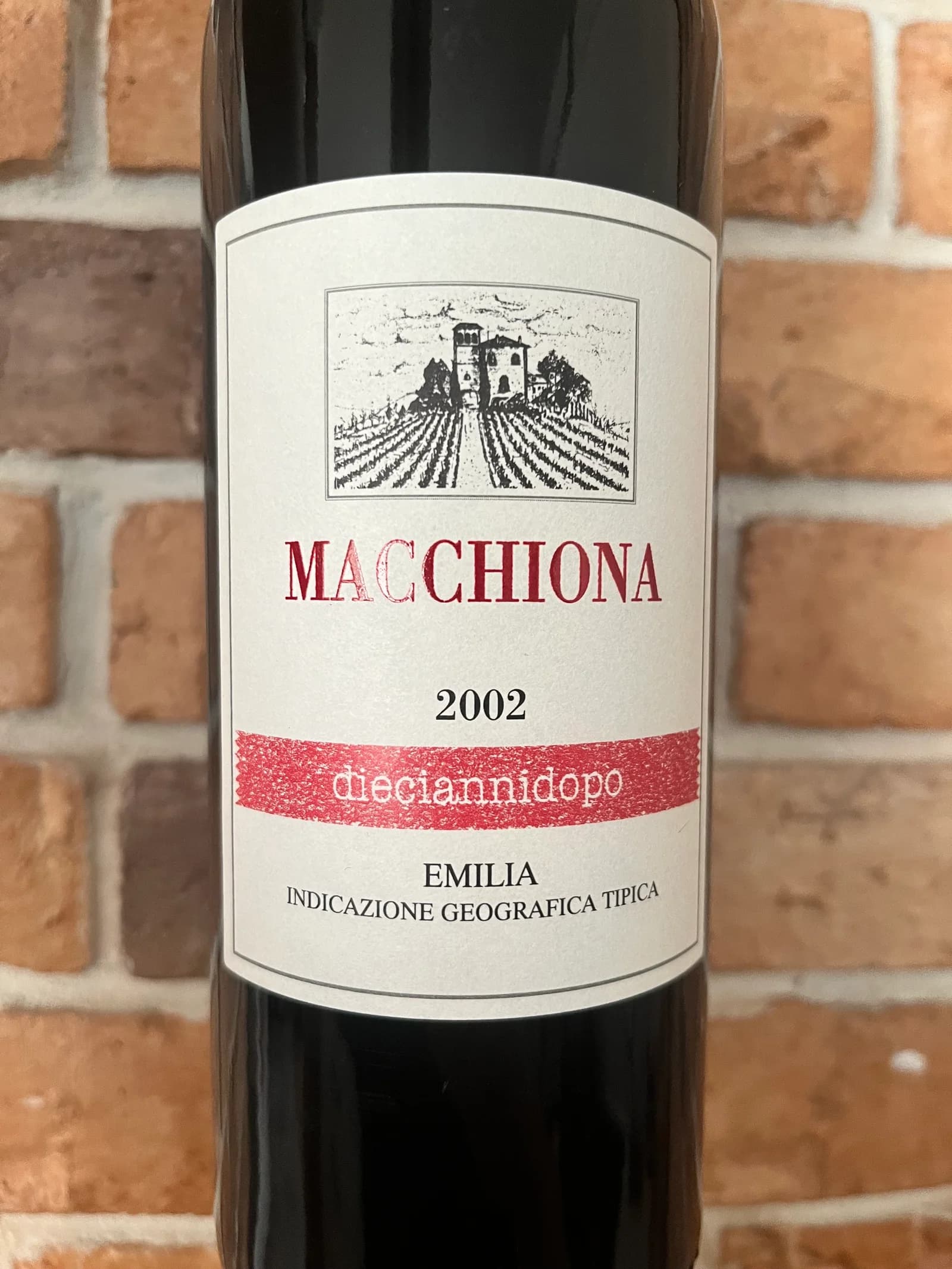
The full note is for members.
Join to read it and the rest