Tenuta Grillo by Vasyl Velykanskiy
Rusticity and finesse. A little corner of Piedmont amidst the fragmented urban landscape.
By Boris · Hosted by Vasyl Velykanskiy
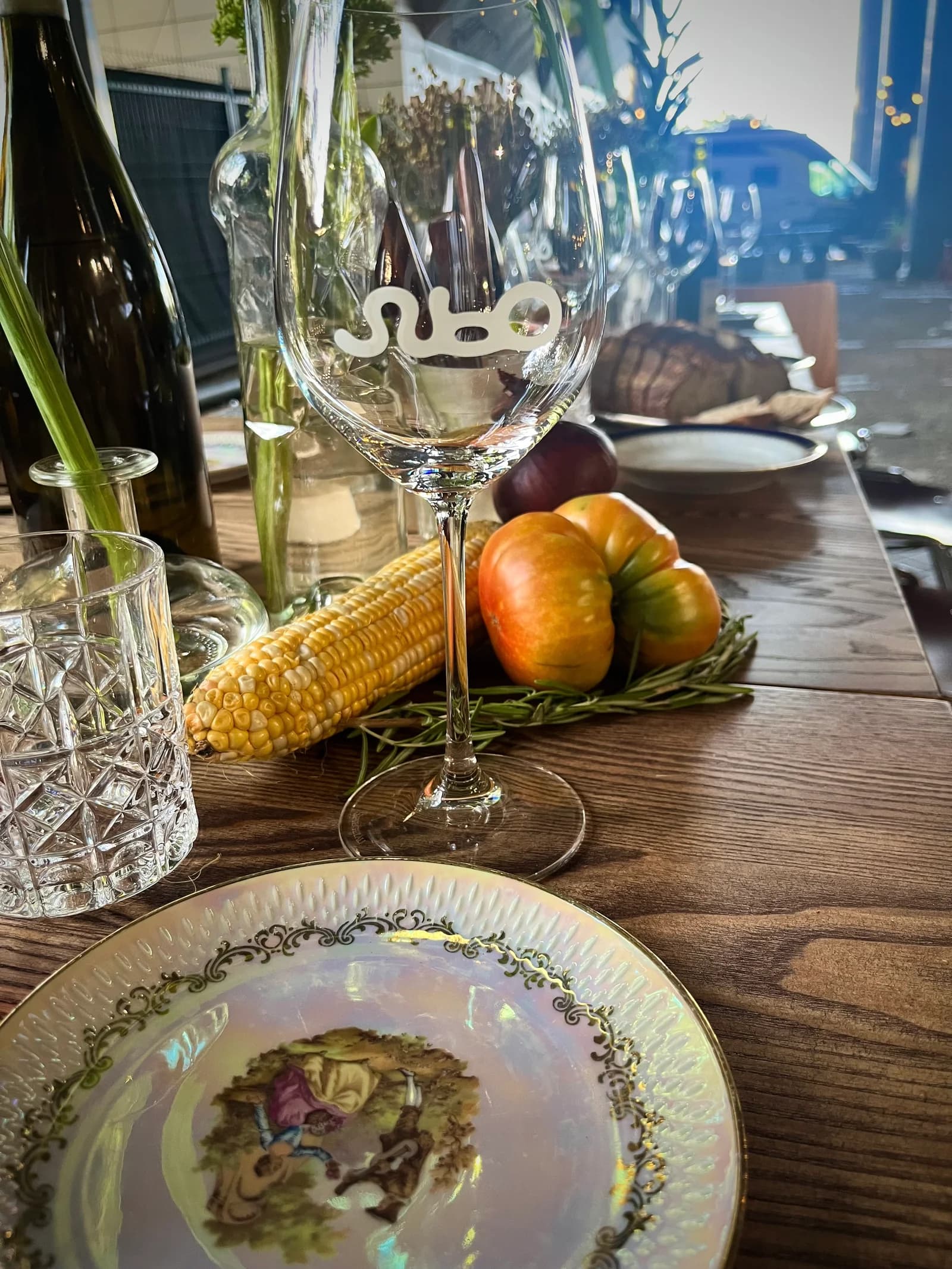
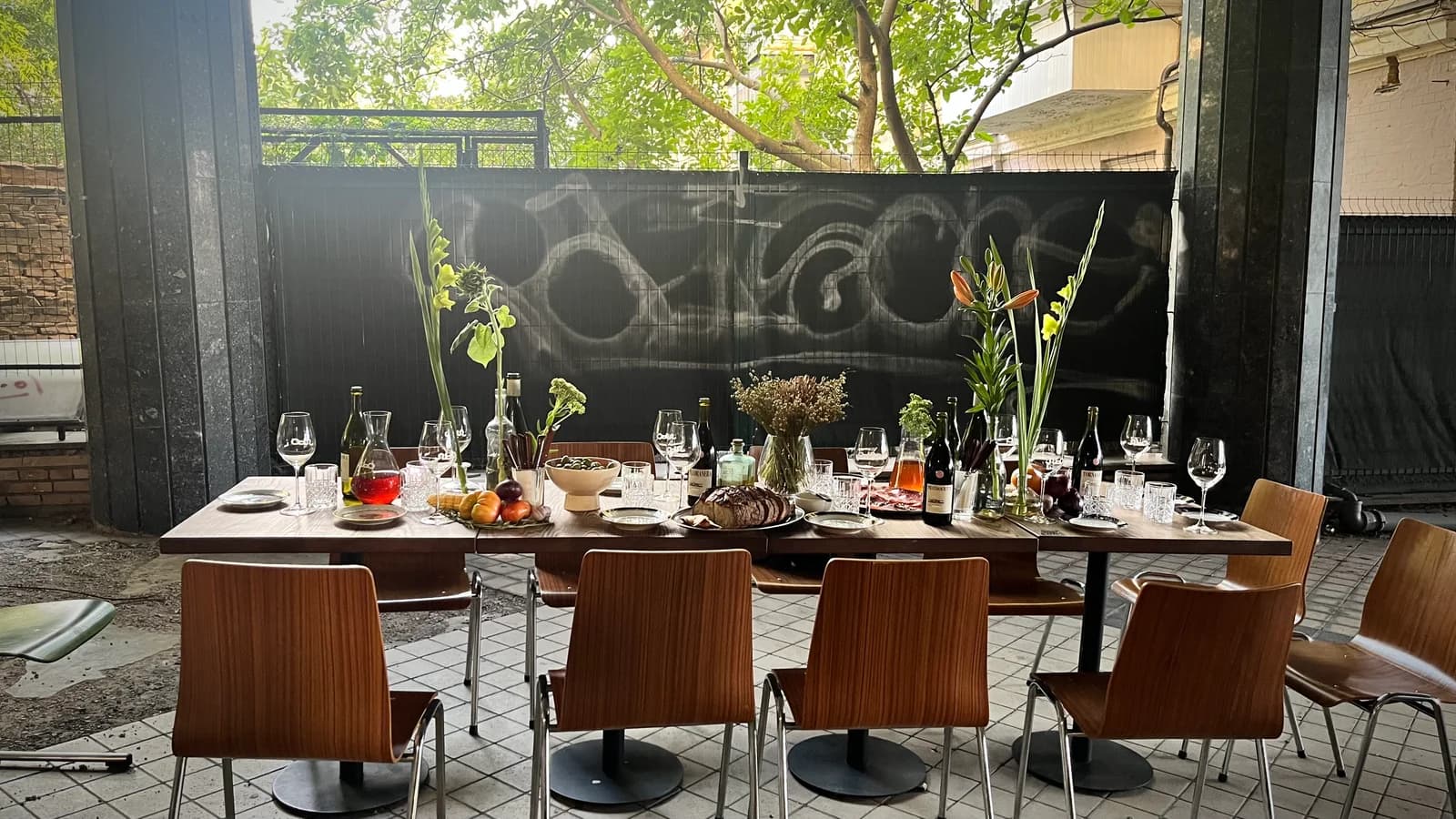
Wine tastings are a celebration. It seems we've forgotten that, perhaps in the rush to organize more events or in the blind pursuit of discovering new labels. But some people remind us that tastings are, in fact, a celebration. Sometimes it's lavishly hedonistic, like the events Maksym Demchenko arranges with his Fine & Rare (1) (2). And sometimes, the celebration lies in beautiful simplicity - tables set up right on the pavement, joined together and decorated exquisitely; in simple and delicious snacks, and in wines that transport you to the calm and joy of unhurried moments. There's a certain perfection in that. And you know what? Vasyl deserves praise for creating a little corner of Piedmont amidst the fragmented urban landscape, gathering us for a true celebration of life.
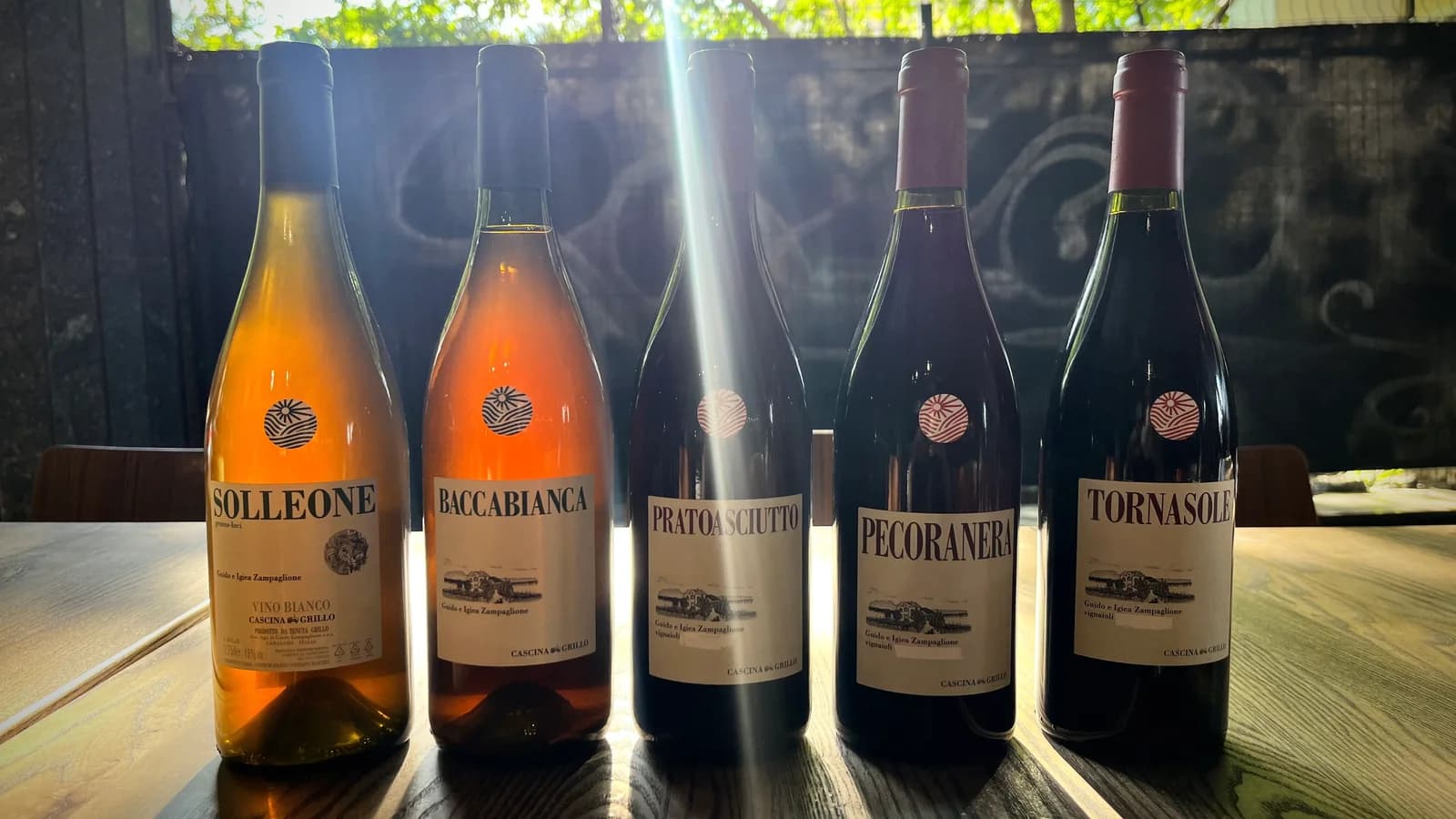
Our gathering's theme was Tenuta Grillo, founded in 2002 in Monferrato (Piedmont) by Guido Zampaglione, originally from Campania. His plan was simple - to start small and gradually increase yearly production to 80,000 bottles. But somewhere along the way, Guido realised he couldn't and didn't want to pursue that goal. For him, being fully involved in the winemaking process, including growing the grapes, to create uncompromisingly high-quality wines with strong ageing potential, was the priority. Considering that he enjoys drinking mature wines himself, he releases them onto the market after some decent ageing in bottles.
Production Processes: The vineyards are located in the Monferrato region, near a small village called Gamalero. The vines grow in sandy, quick-draining soil on a gently sloping upland about 350 meters above sea level. The continental climate is characterised by great heat during the day, while the nights are cooler. Wine production is based on low yields and a meticulous selection of the grapes. Winemaking features long macerations (often several weeks), indigenous yeasts, minimal use of sulfur dioxide, and the exclusion of other additives. Ageing primarily occurs in large wooden barrels.
Tenuta Grillo Solleone 2018
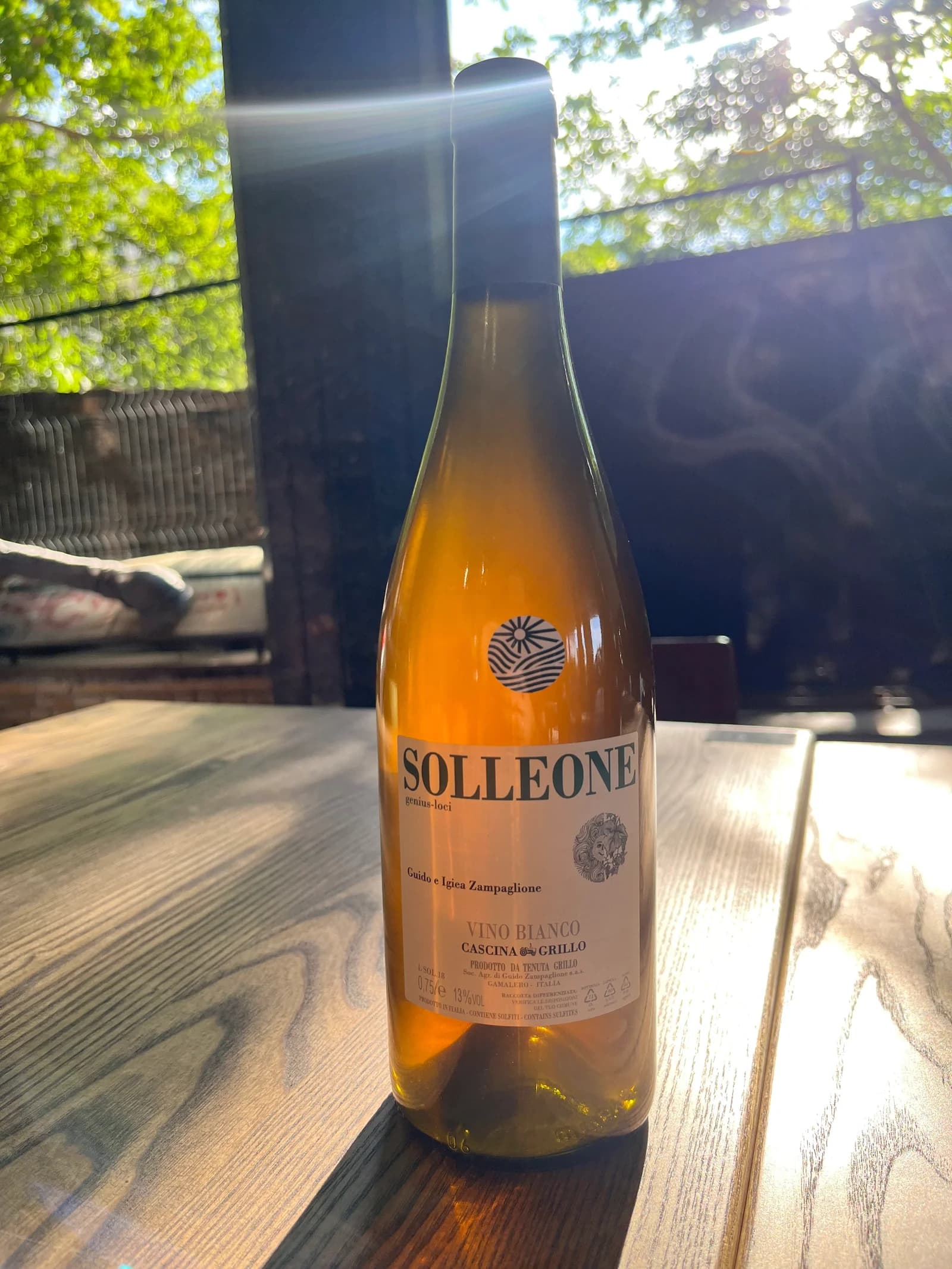
Solleone was born from the idea of using an international grape variety to showcase the strong Piedmont territorial imprint. It's 100% Sauvignon Blanc from 25-year-old vines; like all white wines produced by Guido Zampaglione, it undergoes long maceration. In this case, we are talking about 60 days of skin contact with native yeasts, spontaneous fermentation, 12 months of ageing in steel tanks, 5 years in bottles, with no filtration. Annual production is about 5000 bottles.
The full note is for members.
Join to read it and the restTenuta Grillo Baccabianca 2008
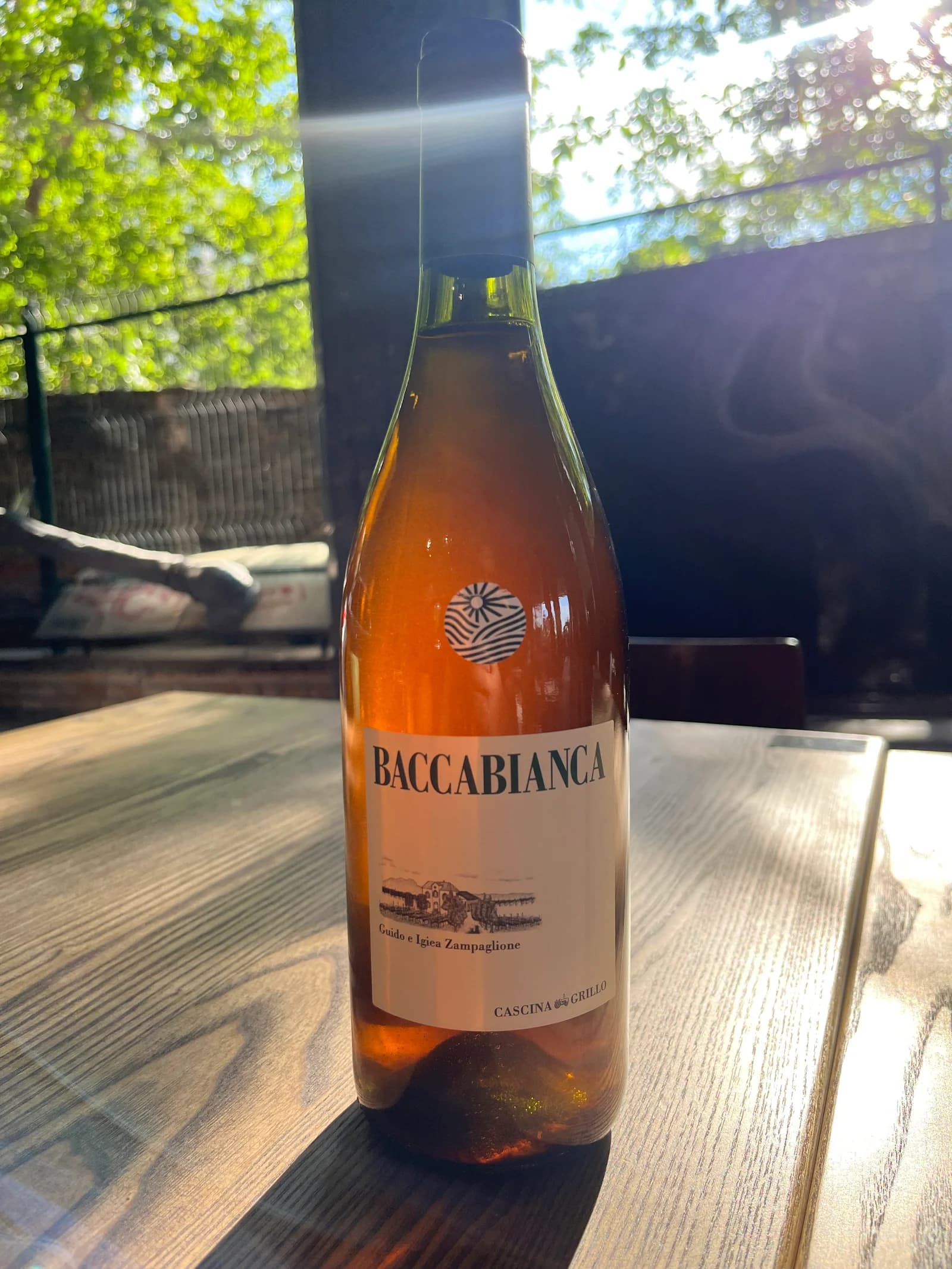
Baccabianca is a unique 100% Cortese skin-contact wine. It comes from vines that are 40 and 15 years old. It undergoes 60 days of skin contact with native yeasts, spontaneous fermentation, 12 months of ageing in steel tanks, and 5 years in bottles. Around 6000 bottles are produced annually.
The full note is for members.
Join to read it and the restTenuta Grillo Pratoasciutto 2007
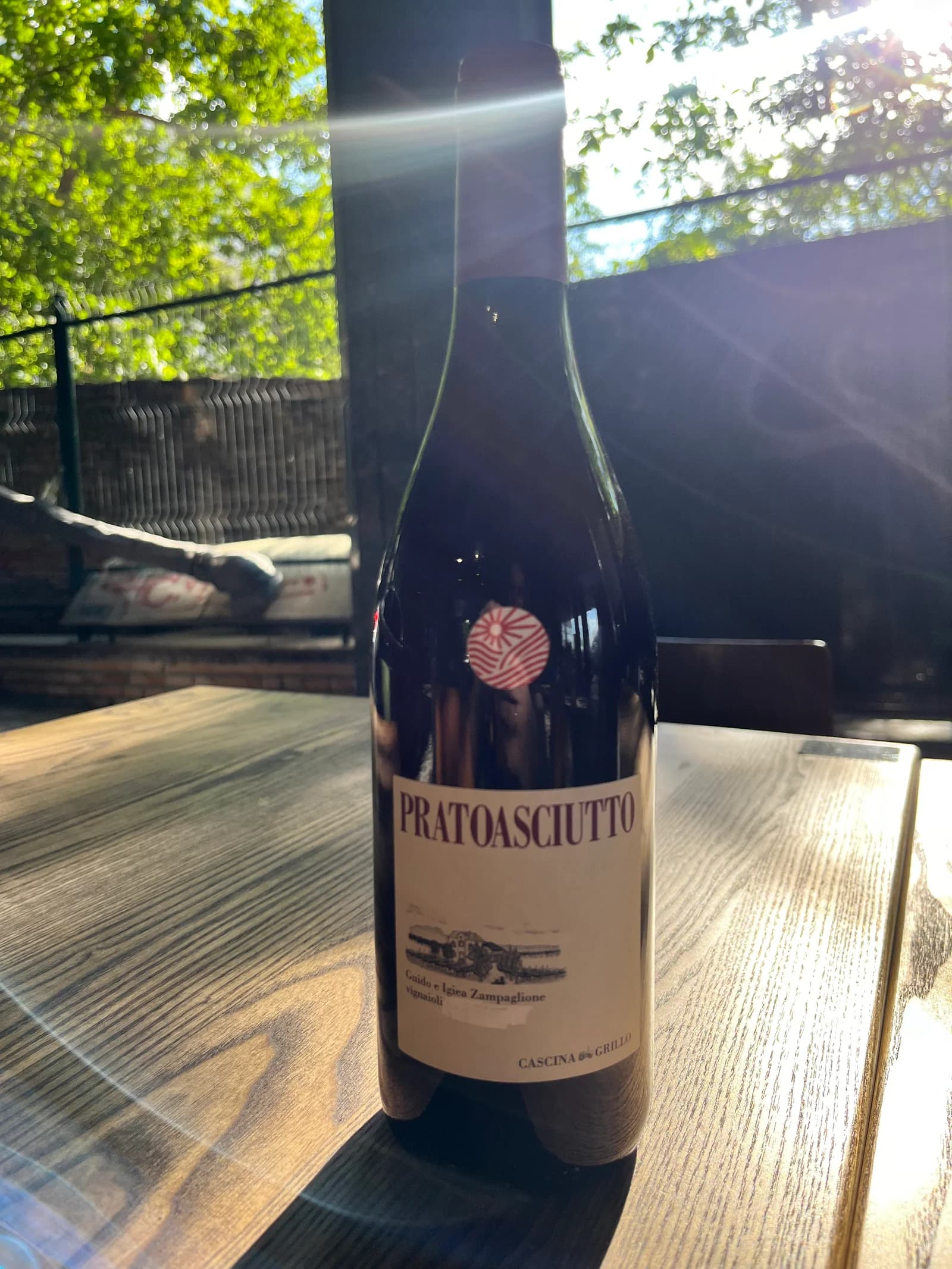
Pratoasciutto is named after the old field from which the grapes for this wine are sourced. It undergoes 60 days of skin contact with native yeasts, spontaneous fermentation, 12 months of ageing in steel tanks, and 5 years in bottles. Around 6000 bottles are produced annually.
The full note is for members.
Join to read it and the restTenuta Grillo Pecoranera 2005
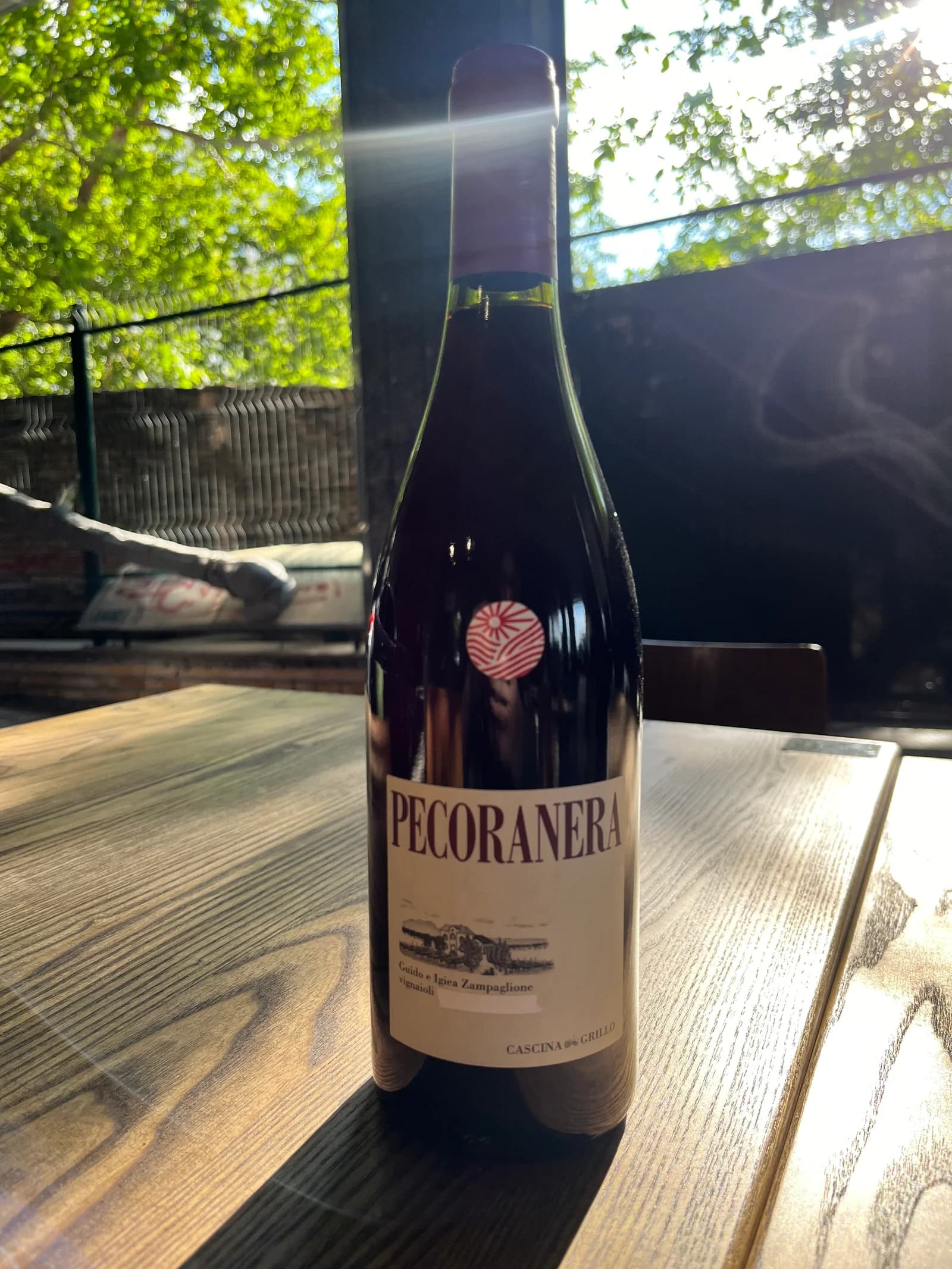
A literal "black sheep," Pecoranera is a blend of Freisa, Barbera, Dolcetto, and Merlot. It undergoes 40 days of skin contact with native yeasts, spontaneous fermentation, 12 months of ageing in steel tanks and oak barrels, and 8 years in bottles. Around 15,000 bottles are produced annually.
The full note is for members.
Join to read it and the restTenuta Grillo Tornasole 2005
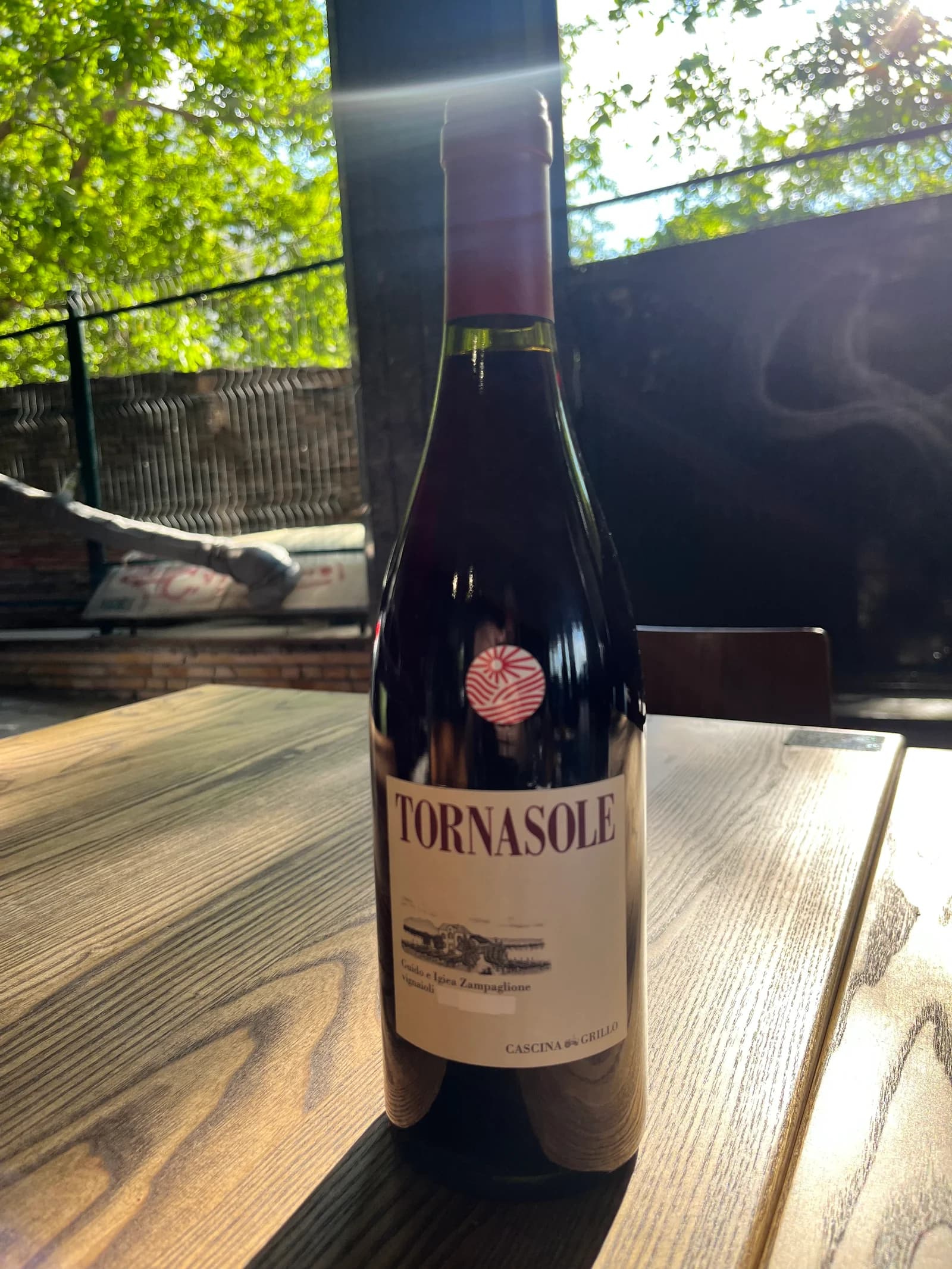
Tornasole is named after the litmus paper used to measure acidity. The wine was born from the idea of using a great international grape variety to showcase the strong Piedmont territorial imprint. It's 100% Merlot from 25-year-old vines. It undergoes 40-60 days of skin contact with native yeasts, spontaneous fermentation, 12 months of ageing in steel tanks and oak barrels, and 8 years in bottles. Around 6000 bottles are produced annually.
The full note is for members.
Join to read it and the rest