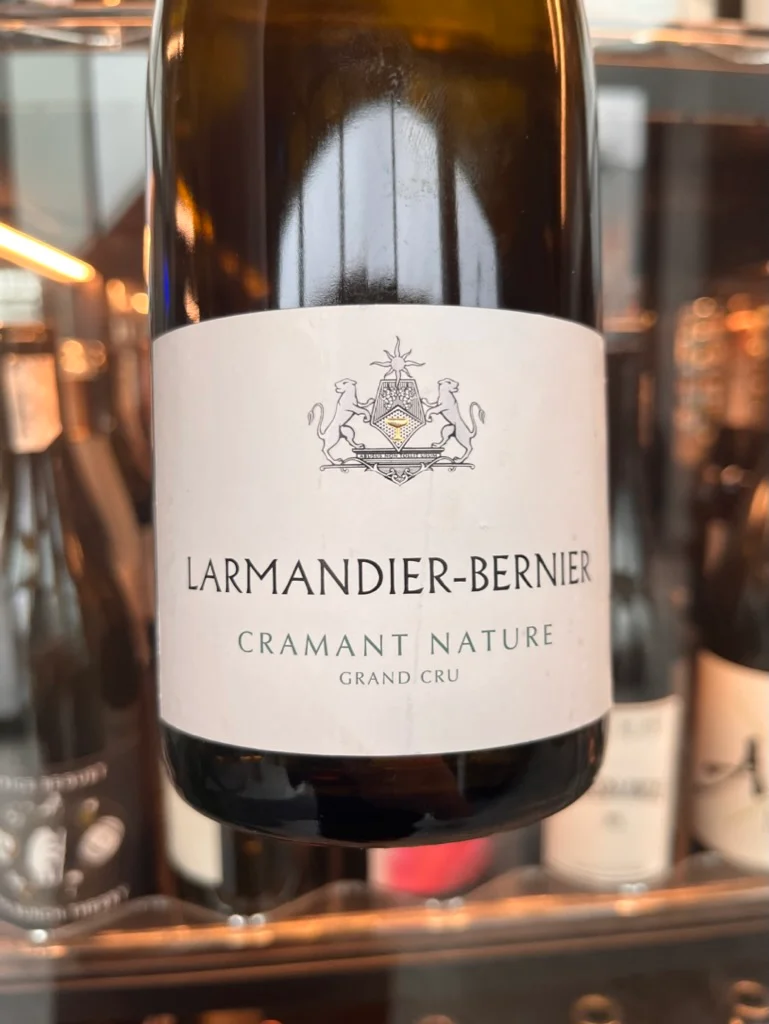
Region
France › Champagne › Côte des Blancs › Cramant › Champagne AOC
Type
white · traditional · sparkling · extra-brut
Grapes
Chardonnay
Alcohol
12.5%
Volume
750 mL
Tasting Notes
No tasting notes yet.
About
The Larmandiers first made this cuvée in 1988 and called it Vieille Vigne de Cramant. Too many people heard "crémant", so they renamed it after its place: Bourron du Levant, a parcel on the Cramant slope that faces east, towards the morning sun. The family says the east side of the hill gives far richer, more powerful grapes than the vines across the slope looking west.
The vines are between 60 and more than 85 years old, deep-rooted, and a mix of many old stocks. They are farmed biodynamically, like the rest of the estate. The house calls it a single-parcel Champagne. International Fine Wines, an Australian merchant, tells it slightly differently: Bourron du Levant, planted in 1960, as the main plot, with the rest from half a hectare of 75-year-old vines in Le Fond du Bâteau.
Nothing in the cellar is hurried. The juice is settled only lightly and goes straight into wood, where both fermentations start on their own, on indigenous yeasts, in Stockinger casks and vats. The wine spends its first year on its lees, with no filtering or fining, and is bottled for the second fermentation in July. There is no reserve wine in it. The house aims for about nine years on lattes, then disgorges each bottle by hand a year before it goes on sale.
The 2012 left its lees in several lots. The same merchant lists bottles disgorged in March and June 2021 and magnums in September 2021, around eight years after the July 2013 tirage.
It was a hard year to farm. Louis Roederer's harvest report describes frosts on 17 April and 17 May that hit early-budding vineyards in the Côte des Blancs and the Marne Valley hardest, and Wine Spectator reported that the April frost had damaged vines in Cramant itself. Roederer also records the wettest spring since 1994, heavy mildew pressure, and a flowering in bad weather that left the Chardonnay with many small, seedless berries. A dry August and September, with spells of heat, saved what was left. Roederer saw record ripeness that year, helped by the small crop, though its Chardonnay, hit by millerandage, ripened with more difficulty than its Pinot Noir. A small harvest, then, rescued by the end of summer and left on its lees for the best part of a decade.
Releases of Vieille Vigne du Levant Grand Cru
4 releases| Release | Score | QPR | Price |
|---|---|---|---|
 2014 | — | — | 9400 UAH |
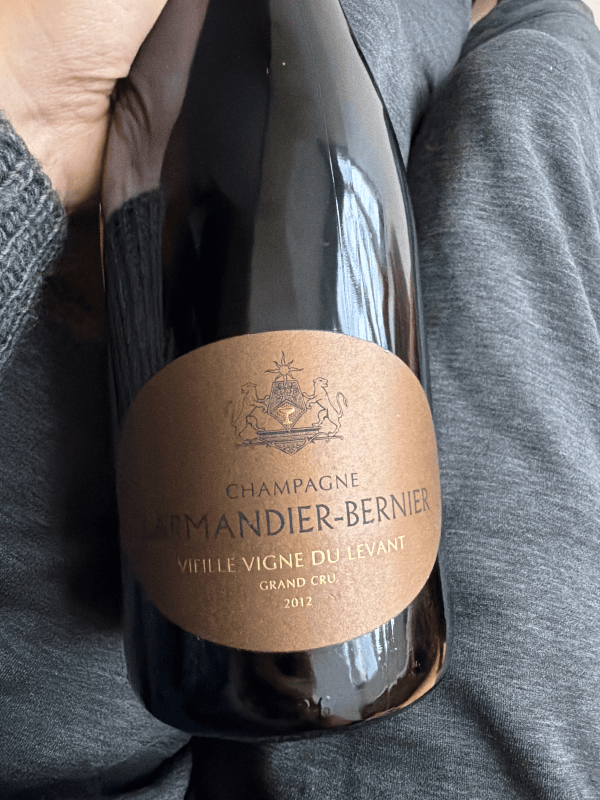 2012this page | — | — | — |
 |