Region
France › Champagne › Côte des Blancs › Cramant › Champagne AOC
Type
white · traditional · sparkling · extra-brut
Grapes
Chardonnay
Alcohol
12%
Volume
750 mL
Dosage
2 g/L
Disgorged
N/A
On lees
>108 months
Available at
- Wine Bureau#52423
Tasting Notes(2)
4.4
The full note is for members.
Join to read it and the rest4.4
Members only
About
The old vines of the Levant face south-east and benefit from an exceptional terroir. They are between 60 and more than 85 years old. Their roots go down deep, and the diversity of the old vine stocks contributes to the complexity of the wine. As is the case for the estate's entire vineyard, they are cultivated naturally so as to obtain perfect ripeness.
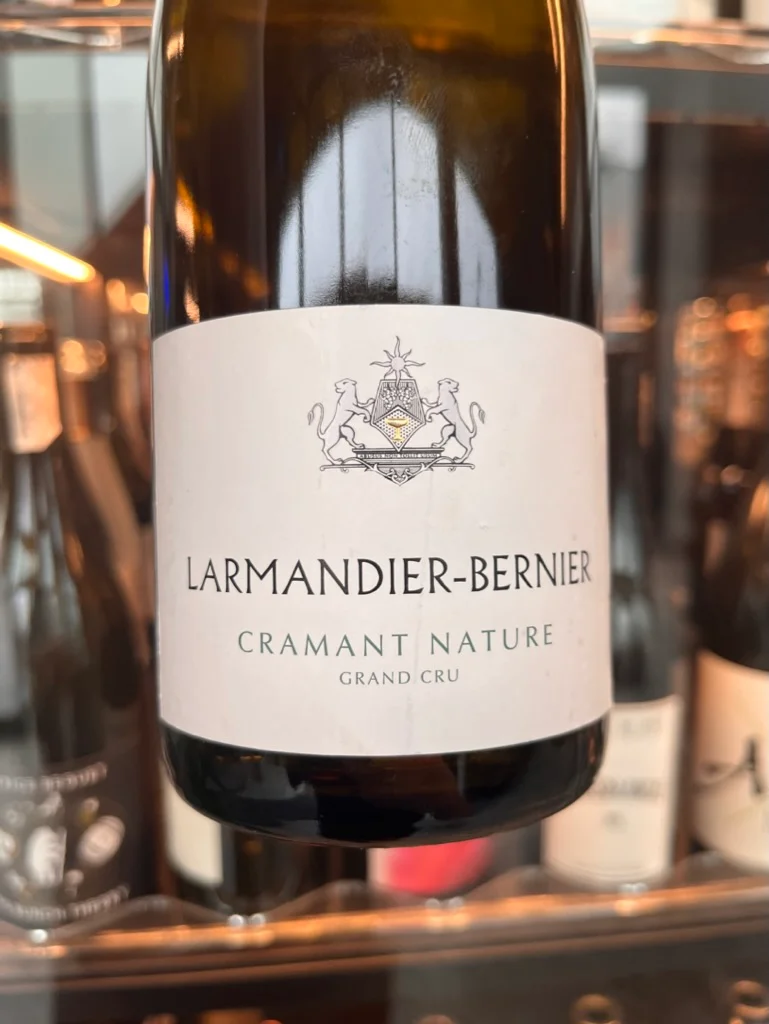
Since the creation of this cuvée in 1988, it had been necessary to explain the difference between "Cramant" and "crémant". In order to avoid this confusion, the name has changed: Vieille Vigne de Cramant has become Vieille Vigne du Levant!
Indeed, this cuvée's place name is "Bourron du Levant". The "Levant" signifies the East and the vineyard parcel benefits from the sun's first rays in the morning. In Cramant, the vines of the Levant are very different from those growing on the other side of the slope and looking West. The side facing East in Cramant gives birth to particularly rich and powerful grapes; it's a magical place.
The grapes are pressed gently, the juices are clarified very slightly and then go directly into wood. The natural alcoholic fermentation (indigenous yeasts) and the malolactic fermentation begin spontaneously in the Stockinger casks and vats. The wines are matured on the lees during their first year, with no filtering or fining being carried out.
The tirage takes place in July. There's no blending with other years - this is a vintage Champagne - and no blending with other terroirs - this is a single-parcel Champagne. The bottles are taken down into the coolness of the cellars and stacked on lattes, the second fermentation takes place and the maturation continues slowly for 9 more years.
Each bottle is disgorged by hand 1 year before being marketed. The dosage is very discreet so as to appreciate better this well-balanced and extremely long cuvée (2 g/l).
Releases of Vieille Vigne du Levant Grand Cru
3 releases| Release | Score | QPR | Price |
|---|---|---|---|
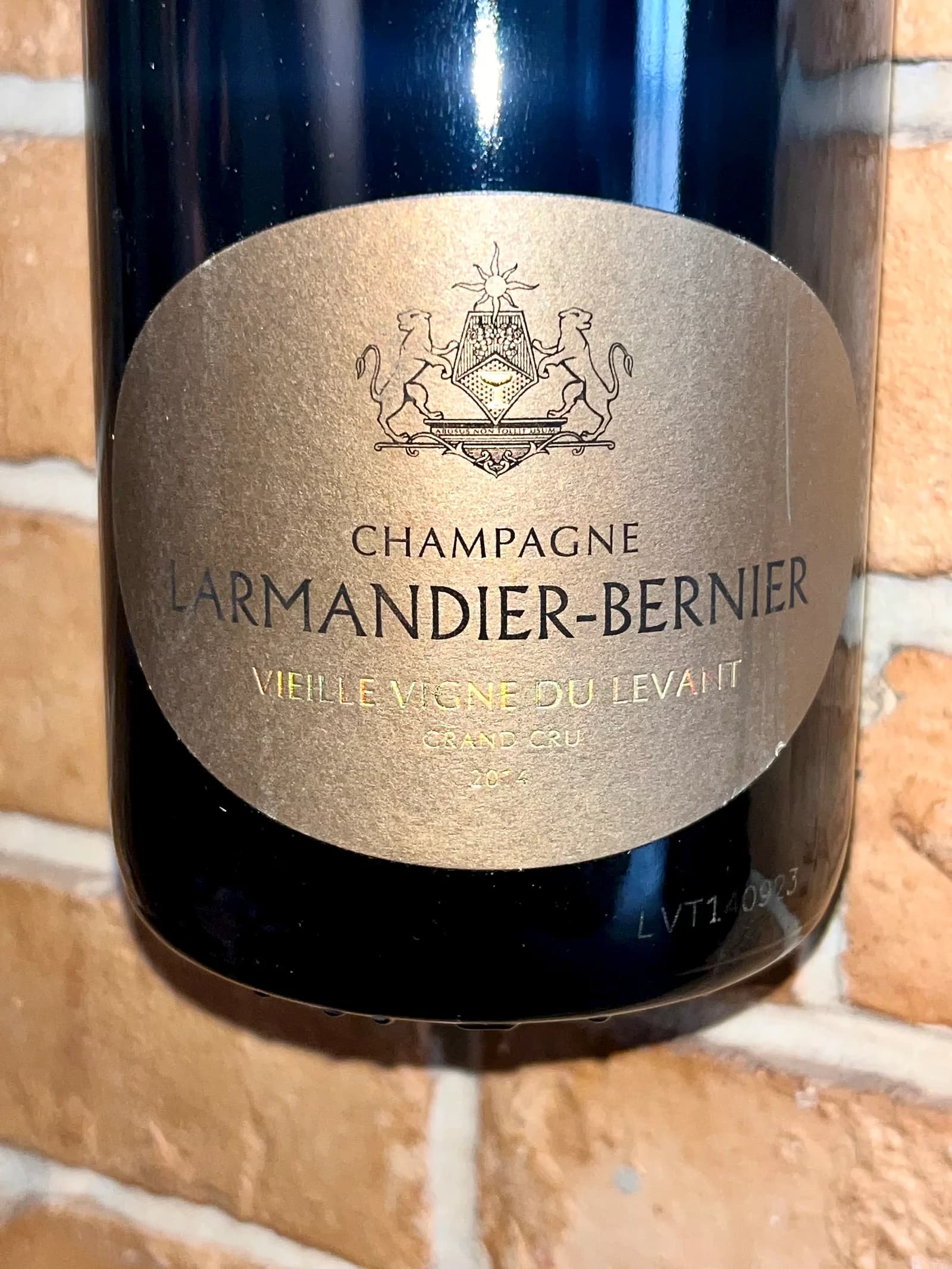 2014 2014 | — | — | 9400 UAH |
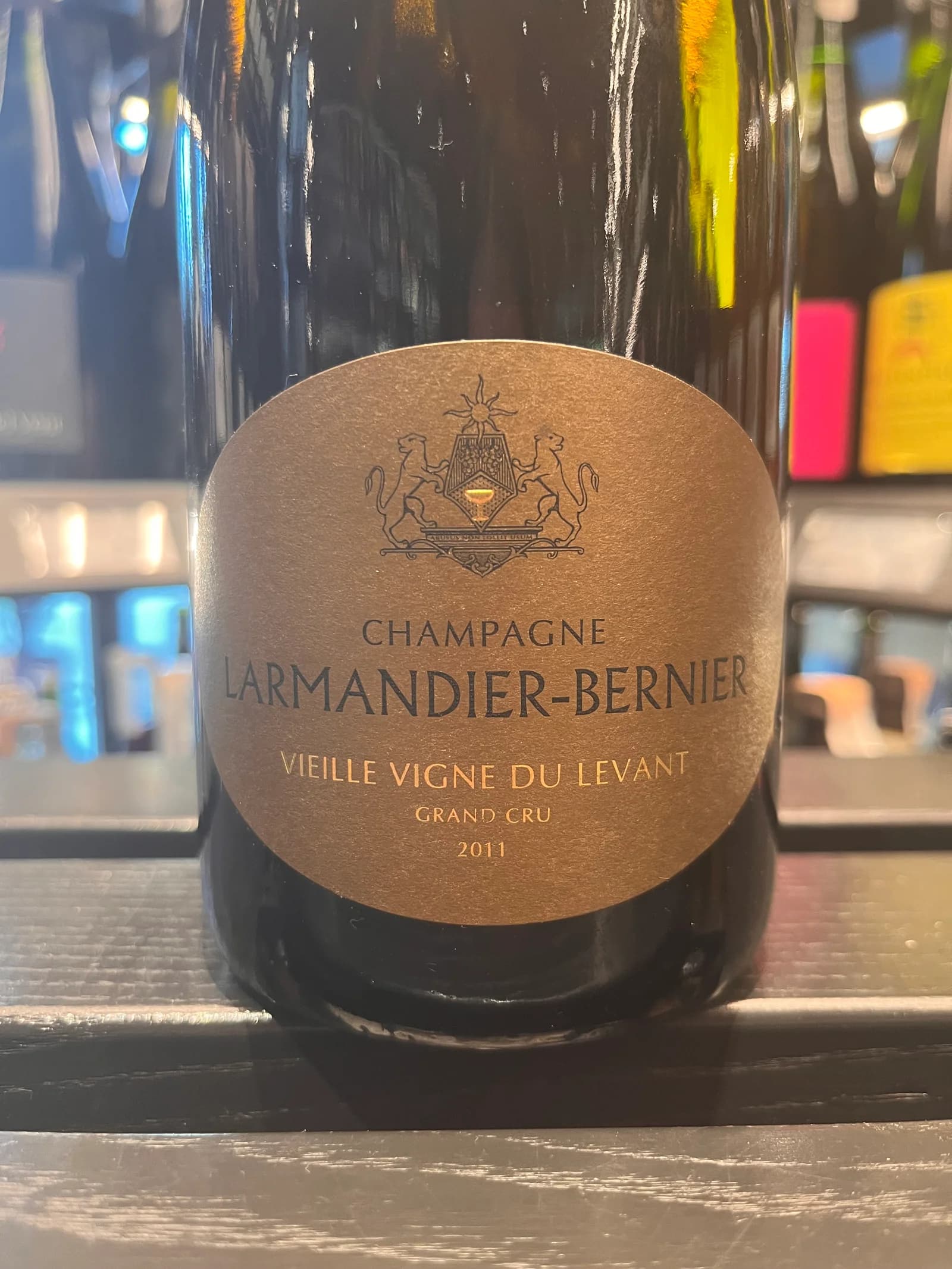 2011this page 2011this page | 4.4 |