Region
Italy › Piedmont › Barolo › Barolo (commune) › Cannubi › Barolo DOCG
Type
red · still
Grapes
Nebbiolo
Alcohol
14.5%
Volume
750 mL
Available at
Tasting Notes(1)
4.4
The full note is for members.
Join to read it and the restAbout
General information
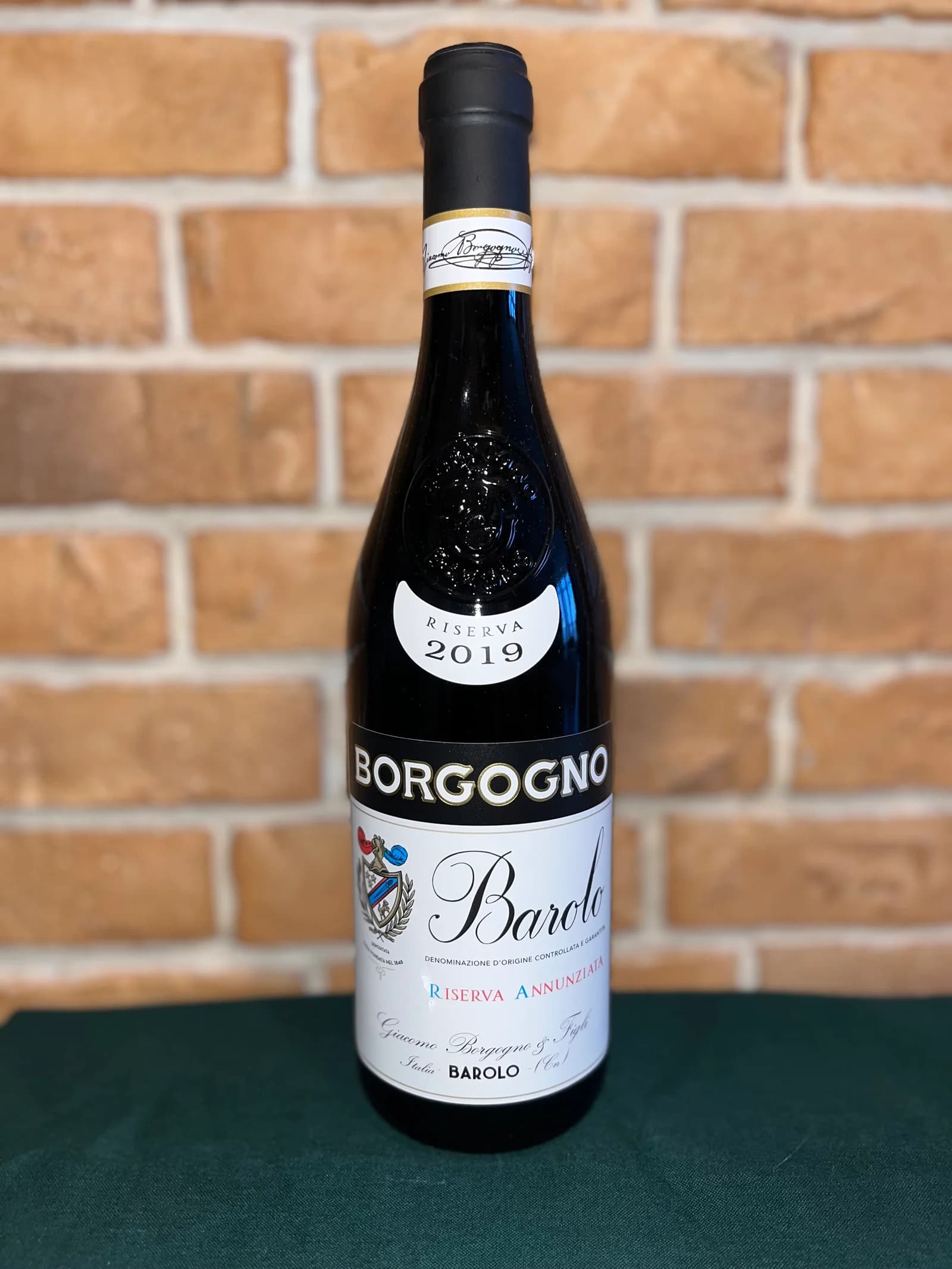
- Growing location: Barolo - M.G.A. Cannubi
- Vineyard position: South; 290 - 315 m a.s.l.
- Soil: Calcareous-clayey marl, slightly sandy, with a marked presence of silt
- Training system: Archetto variation of the Guyot system
- Planting density: 4,000 plants/ha
- Harvest date: 20 and 21 October 2019
Vintage and vinification
Borgogno's 2019 report calls it a year of traditional pattern with a few surprises. Winter dragged on into February and delayed the spring; heavy rain in early April built an excellent water reserve in the soil, then unstable, cool weather until early summer put vine development about two weeks behind. June turned warmer and, with water in the ground, growth caught up fast. A hot summer peaked in a July heat wave that ended in intense storms, and on 5 September a hailstorm hit the rows without damaging the estate's vines. The crop was slightly smaller, with good sugar and what the house calls an excellent polyphenolic framework. The Consorzio's harvest report says the same: not an abundant harvest, quality well above average, a traditional vintage.
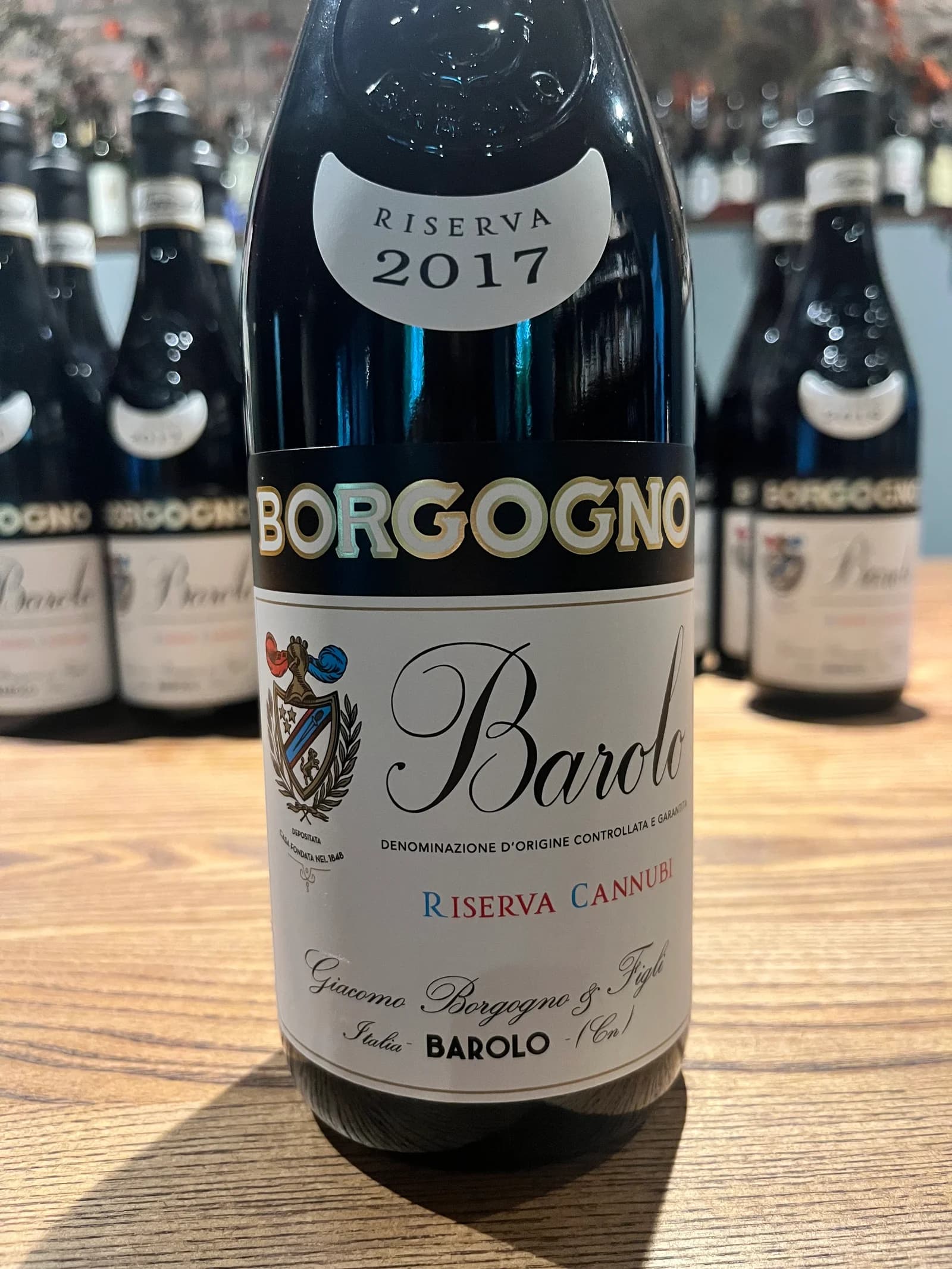
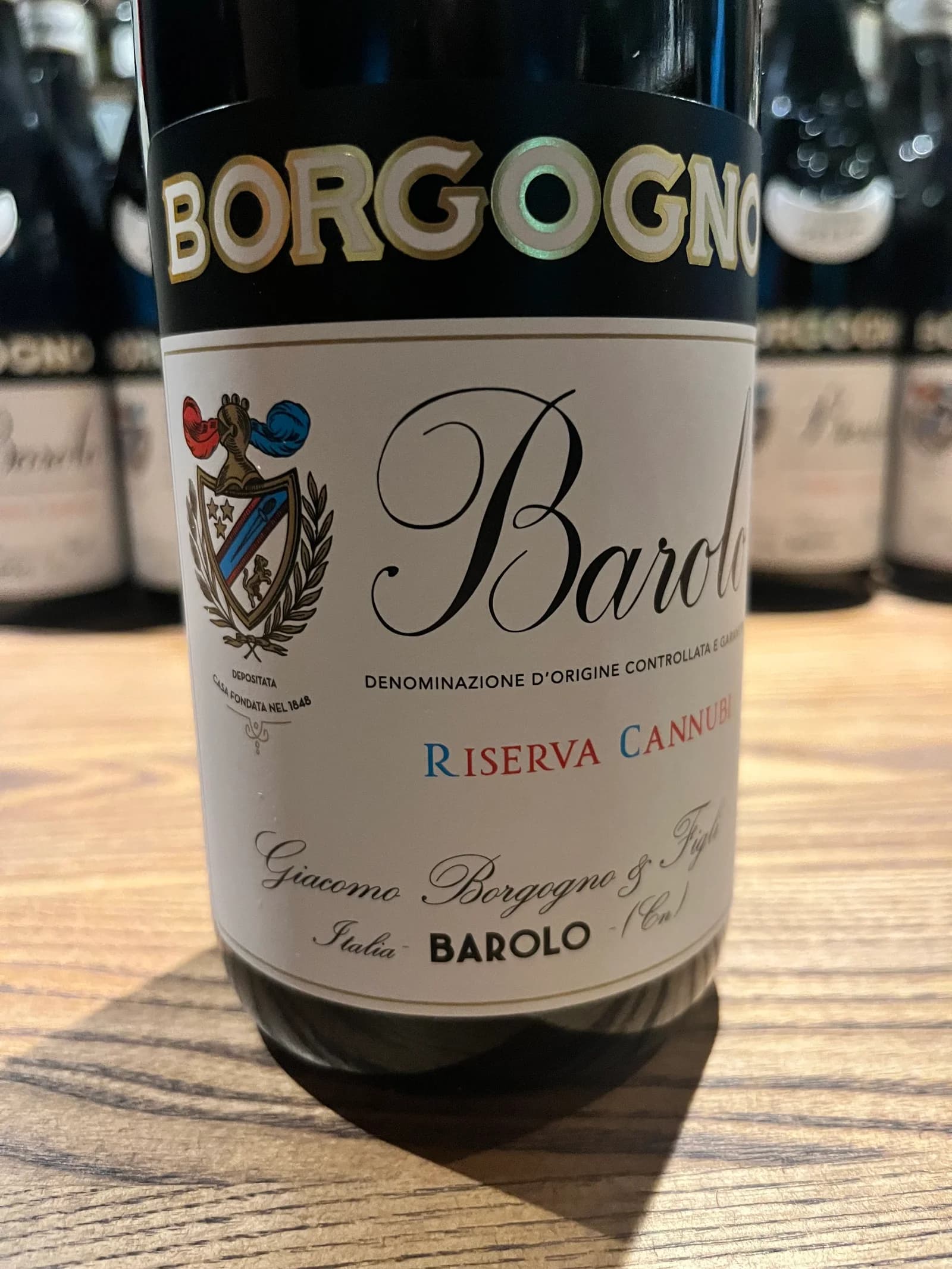
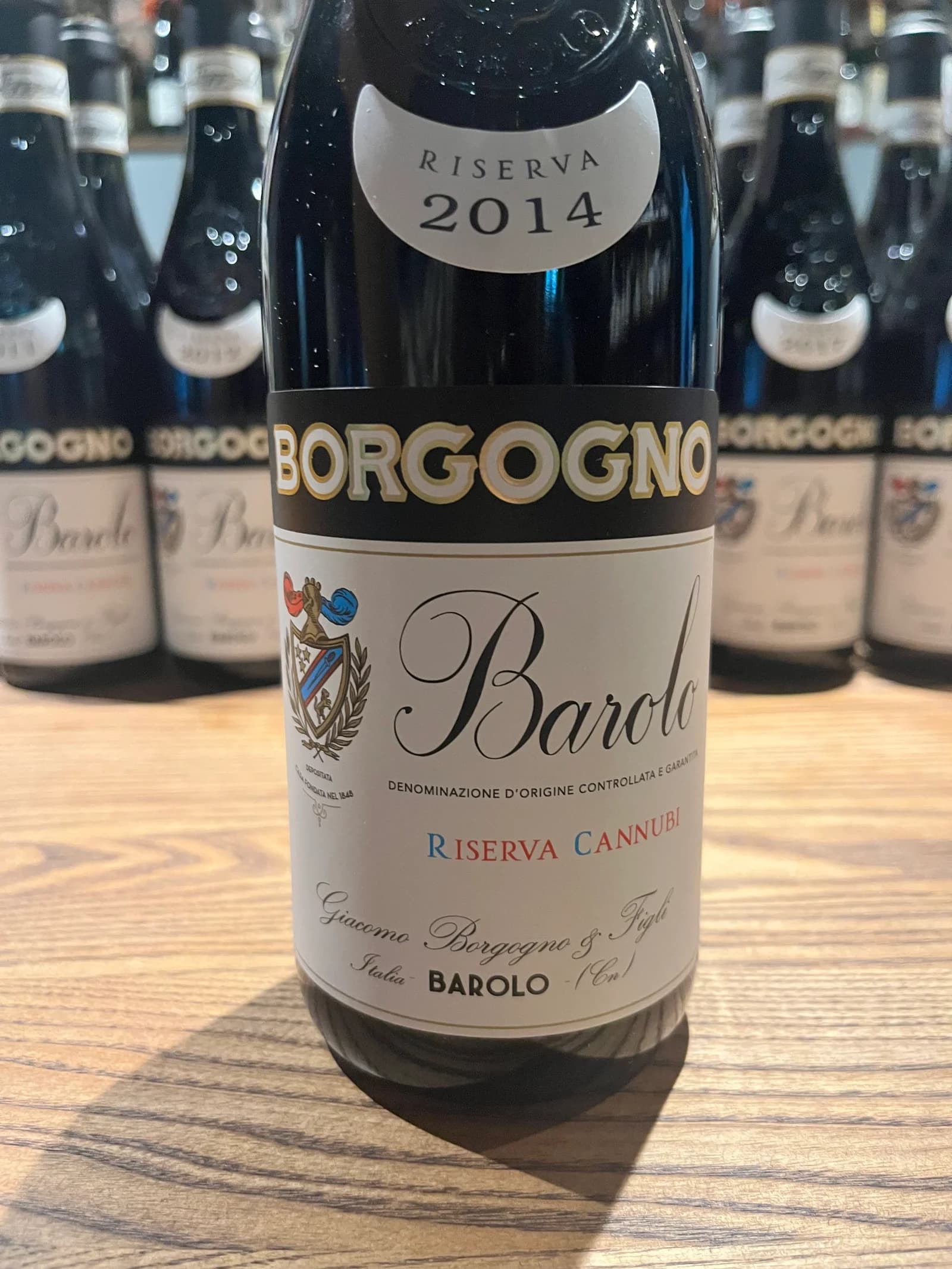
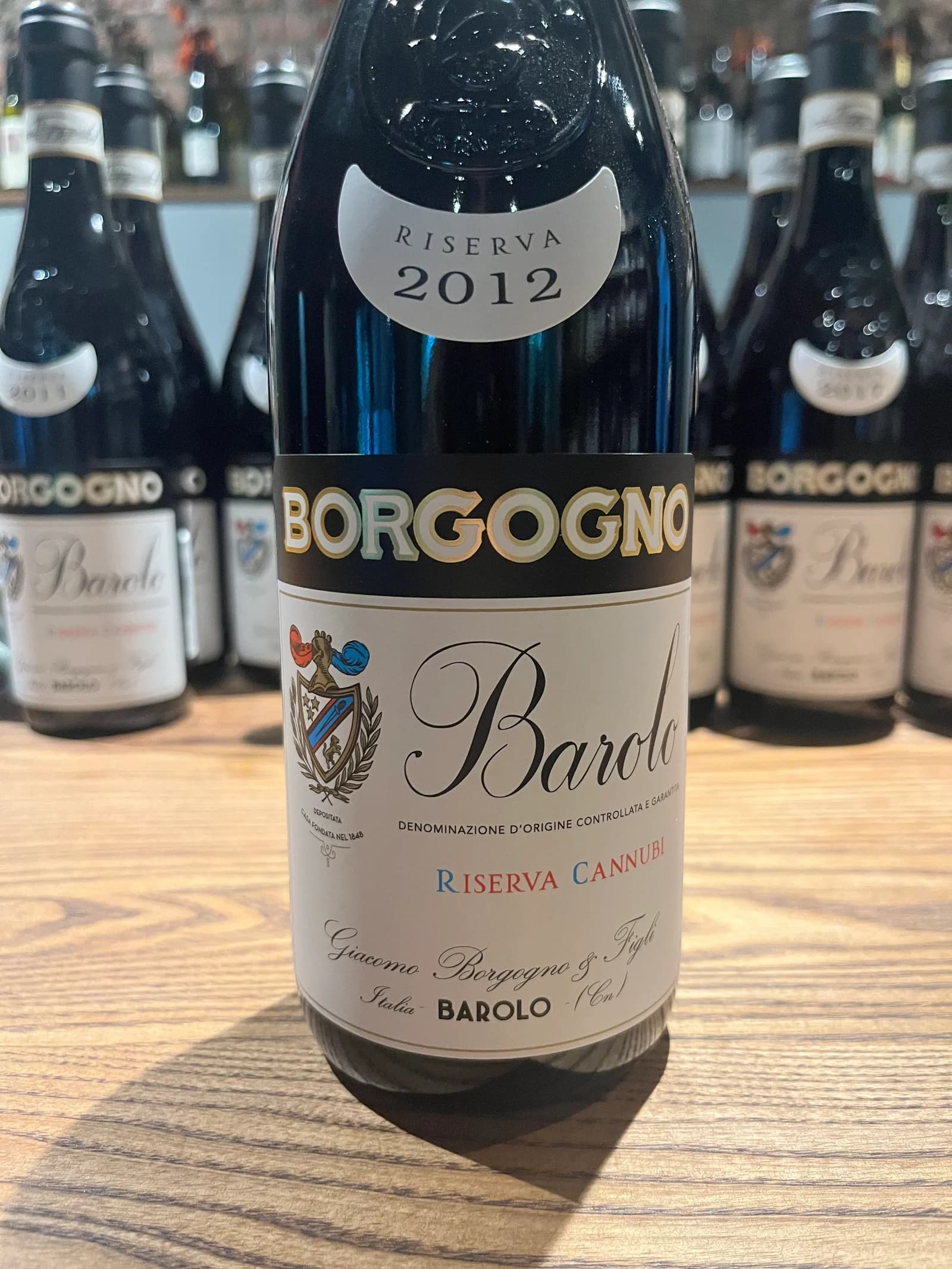
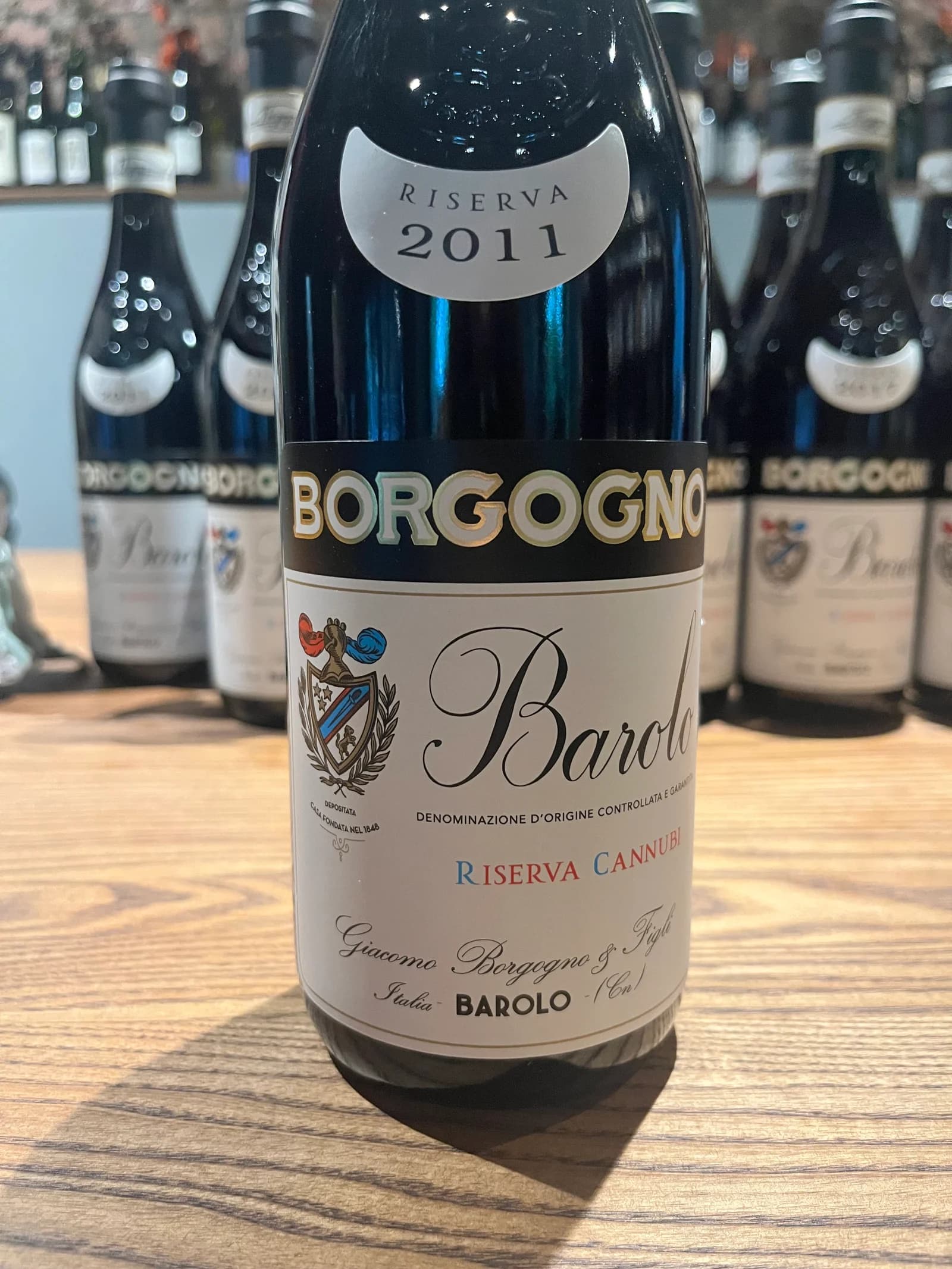
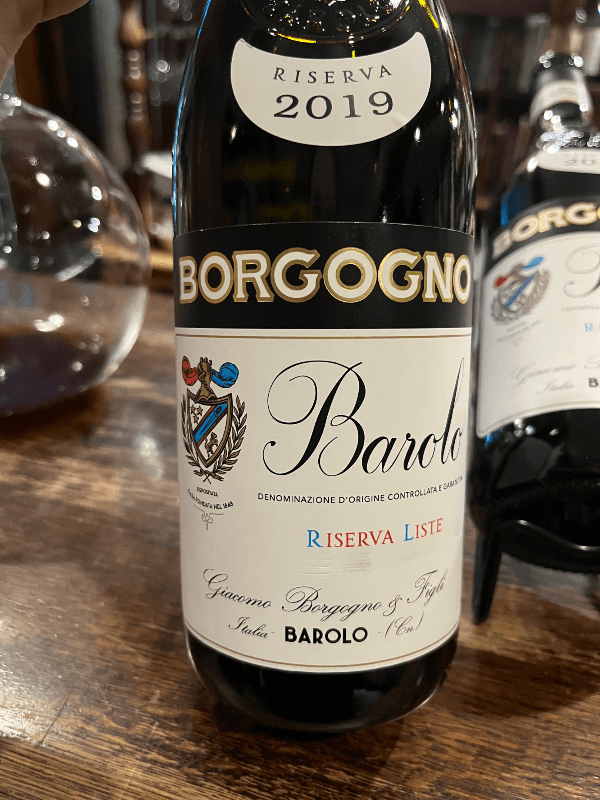
The Riserva is made only in vintages the house considers perfect; the produced vintages it lists are 2009, 2011, 2012, 2014, 2015, 2017, 2018 and 2019, and the cellar still holds a bottle of the Cannubi Riserva 1921. Borgogno owns about 1.3 ha in the Cannubi MGA, south-facing, a holding that also includes its Cannubi San Lorenzo parcel. After selection the grapes are destemmed and crushed, fermented spontaneously in large concrete tanks at 22 - 28 C for about 15 days, then macerated under a submerged cap in concrete for 25 days, during which the malolactic fermentation takes place. Fifteen percent of the wine follows a different path meant to bring out the breadth the silty soil gives: a concrete tank is filled in alternating layers of destemmed-crushed and whole-cluster fruit, 50/50, the cap plunged in the first days without breaking the whole berries so that an intra-berry fermentation runs alongside the ordinary one; once the sugars are gone the tank is drawn off and pressed hard enough to crush the whole berries, and fermentation resumes. The two lots are blended for an elevage of 2 years and 9 months in large Slavonian oak botti, followed by a passage in concrete, bottling, and a further long rest in bottle. The house gives no bottle count beyond "a few bottles". The estate has been certified organic from the 2019 harvest, and the back label carries the EU organic leaf (IT-BIO-009). Since 2022 the Barolo Liste and the Cannubi Riserva have been distributed through Bordeaux negociants.
Releases of Barolo Cannubi Riserva
7 releases| Release | Score | QPR | Price |
|---|---|---|---|
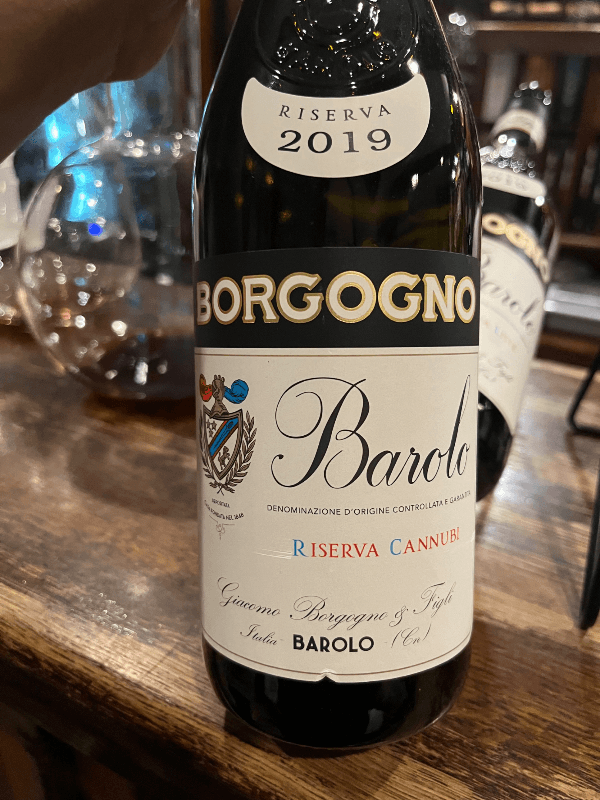 2019this page 2019this page | 4.4 | 0.19overpriced | 16900 UAH |
 |