All producers
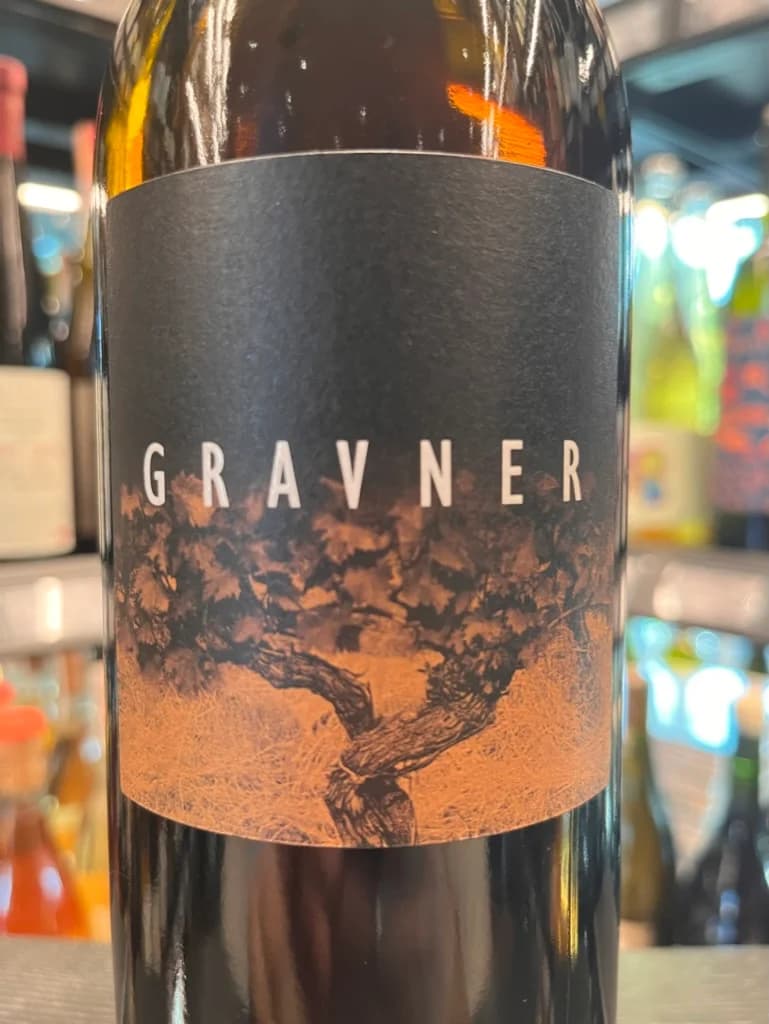
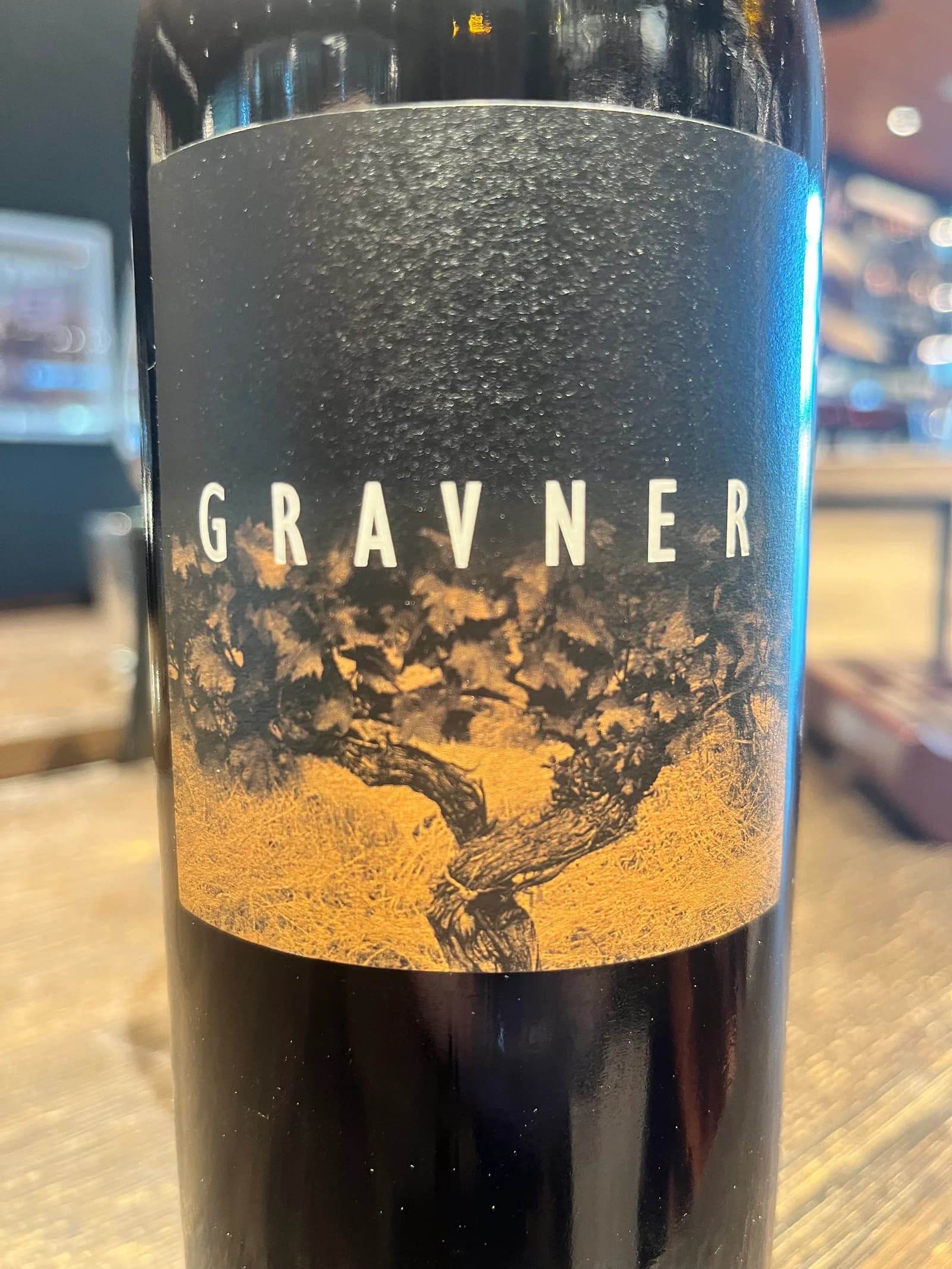
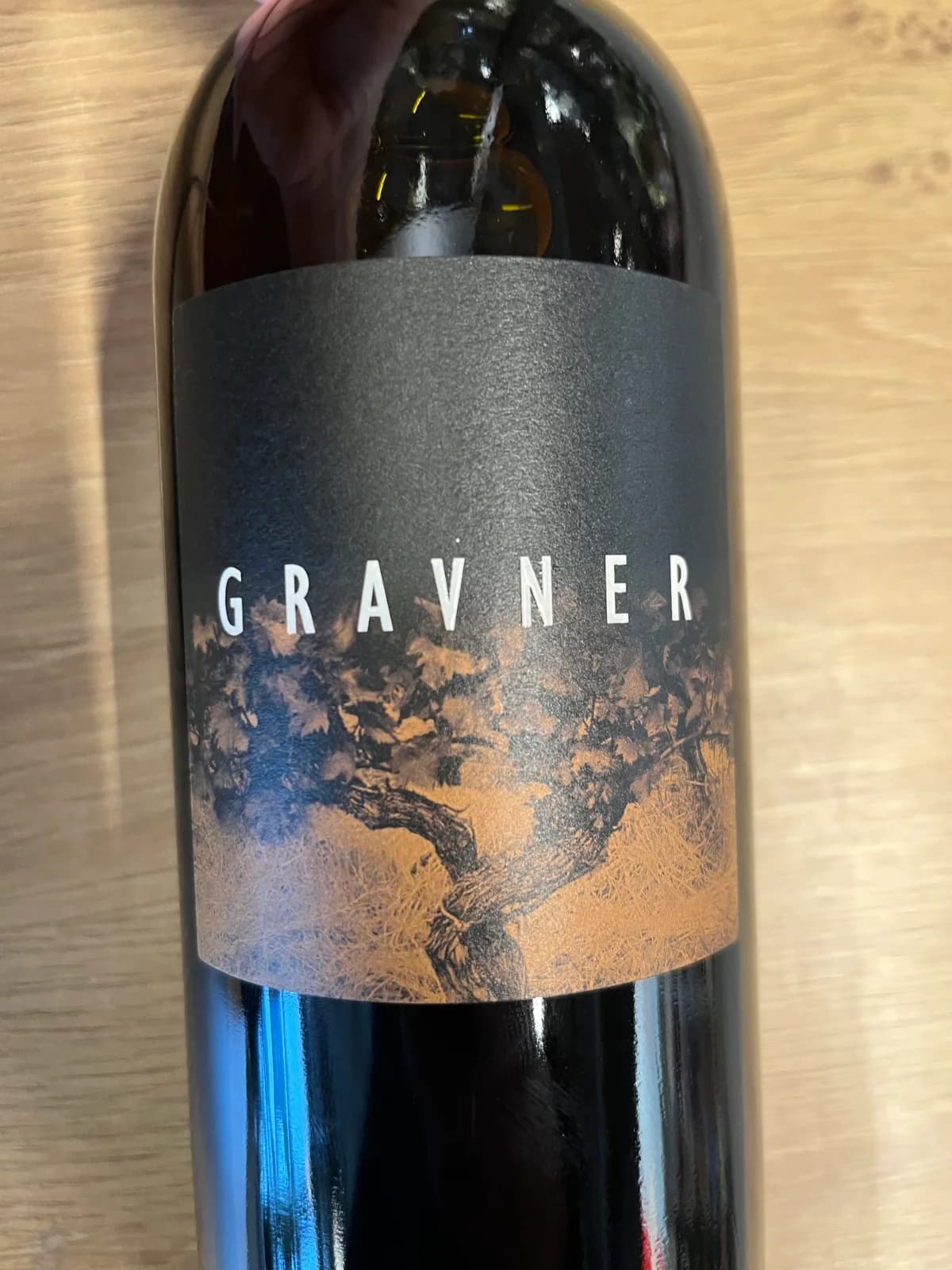
Gravner
Friuli-Venezia Giulia, Italy8 wines4.3 avg
71
Joško Gravner's Oslavia estate - the winemaker who abandoned modern Friuli to bury Georgian qvevri in his cellar, and helped start everything the world now calls orange wine.
Joško Gravner was born in 1952 in Oslavia, in the Collio hills on Italy's border with Slovenia. He took over his family's vineyards in 1973 at the age of twenty-one, and for the first fifteen years he was exactly the kind of winemaker Friuli was producing in those decades: stainless steel, temperature control, clean and technically correct whites, all the equipment money could buy.
Then came California, 1987. Gravner went to taste a thousand wines in ten days, in a region still basking in the glow of the 1976 Judgment of Paris. He came back disillusioned. Everything tasted the same. It set off a decade-long search backward through the history of winemaking, back through his own family's Slovenian roots in Collio/Brda - where skin-contact whites had been the norm for centuries before the twentieth century decided they were wrong - and eventually to Georgia, where wine has been fermented in buried clay vessels called qvevri for eight thousand years.
In 1996 a devastating hailstorm destroyed most of the harvest. No wine was released. But the empty vintage gave Gravner room to experiment with long maceration, and by 1997 he had committed to releasing his first extensively macerated white - a Ribolla Gialla that took three years to mature and was met, upon release, with hostility. Gambero Rosso savaged it. Over half of the vintage was returned.
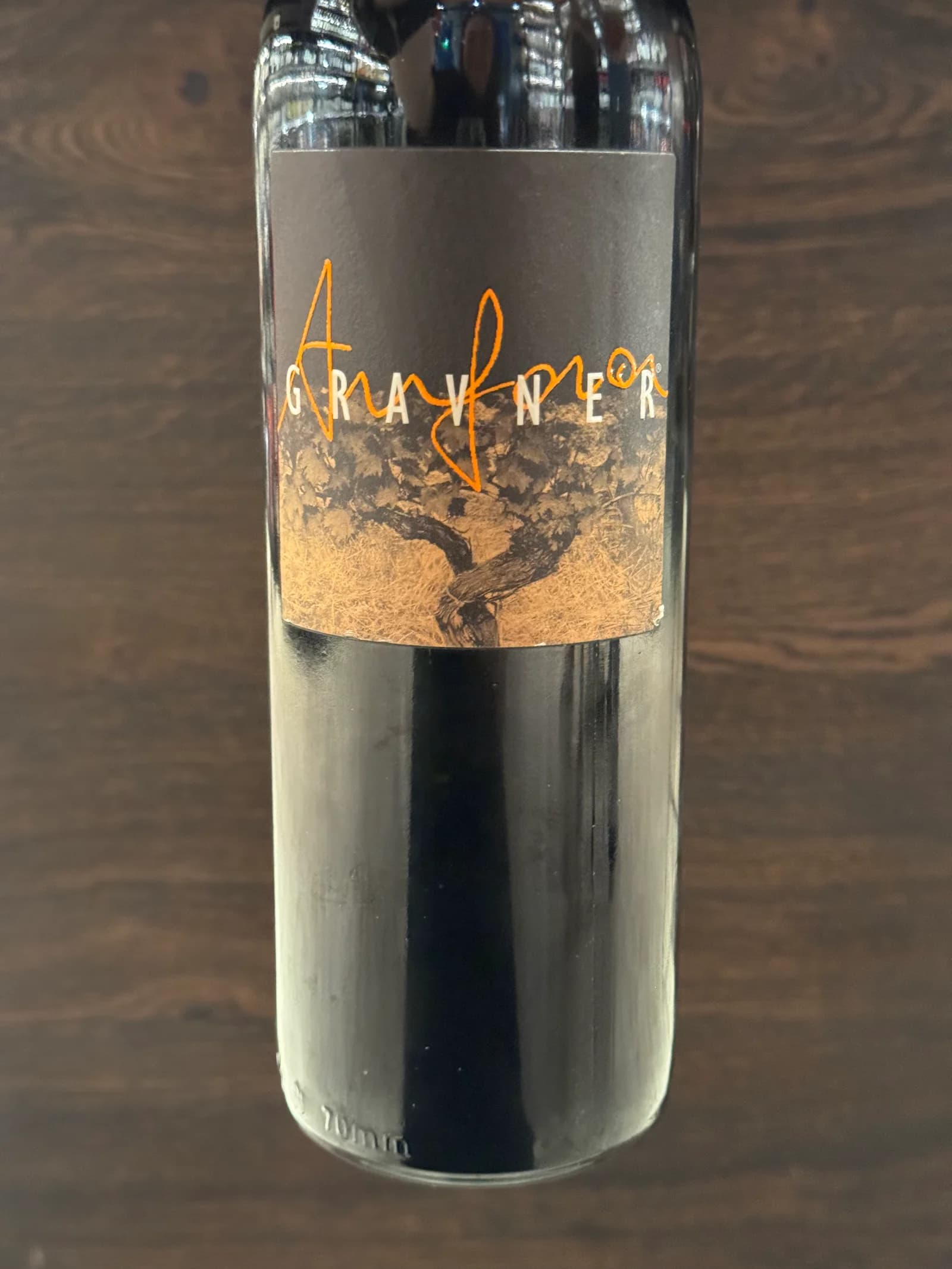
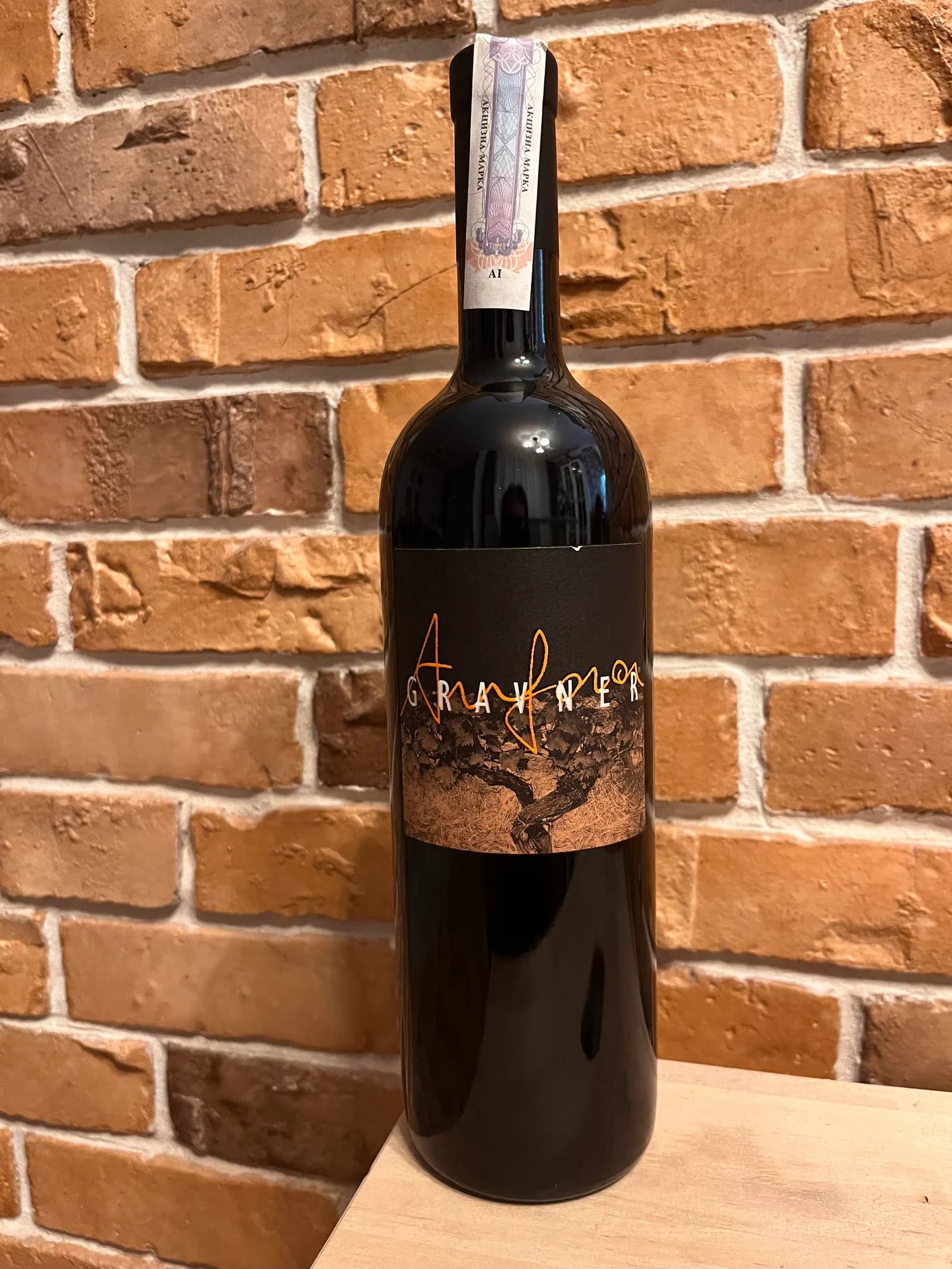
He kept going. In 2000 he travelled to Georgia and ordered eleven qvevri - large terracotta vessels (1,300-2,400 litres each) to bury in his cellar floor. The transport was brutal; only two survived the journey. More followed. Today the estate holds over sixty qvevri (around forty-seven in the cellar, another twenty or so buried outside). The 2001 vintage was the first in which all his whites came out of qvevri; the word Anfora appeared on the label. The reds followed in 2006. By 2007 the word Anfora was removed - there was no longer anything else.
The estate works around eighteen hectares of ponca - the layered Collio marl and sandstone - in Oslavia, with a significant portion (around forty percent) across the border in Slovenia. Over the decades Gravner has radically simplified his range. Where he once made wines from Ribolla Gialla, Pinot Grigio, Chardonnay, Sauvignon Blanc, Merlot, and Cabernet Franc, the current production is concentrated on a few wines:
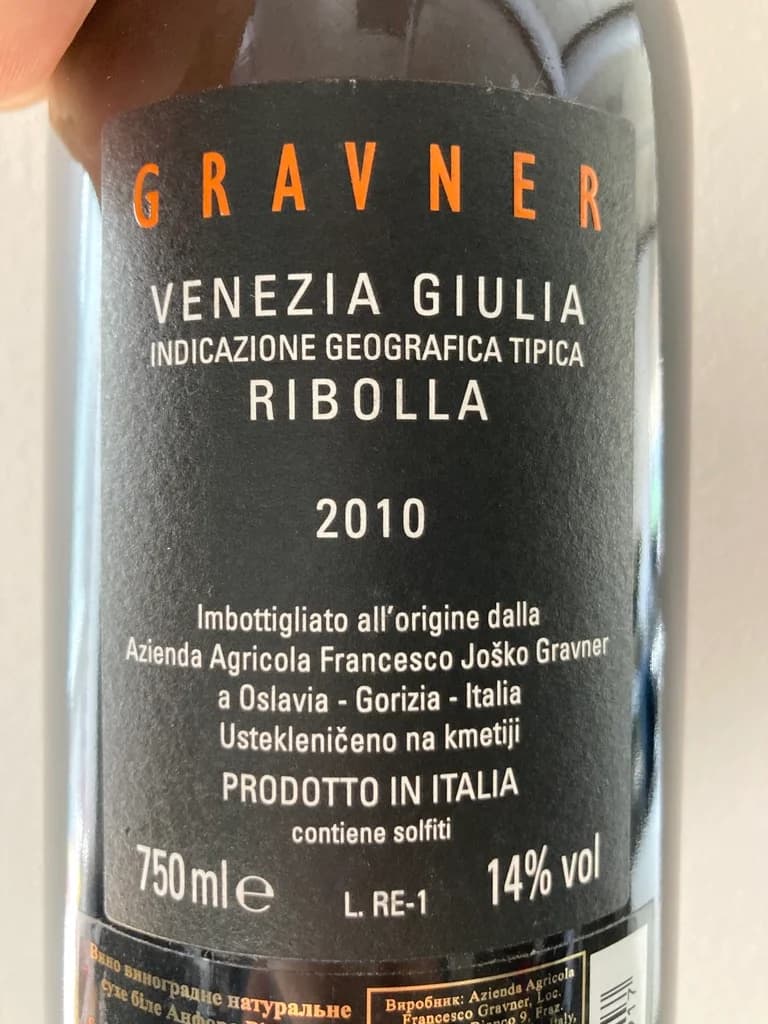
- Ribolla - the flagship. 100% Ribolla Gialla, fermented in qvevri with around six months of skin contact (stems included), then transferred to very large Slavonian oak botti (2,000-5,000 litres) for six further years. Released seven to ten years after harvest. A small amount of sulphur is applied during the racking into oak.
- Bianco Breg - a white blend (the composition has narrowed over the years)
- Breg Rosso - a Pignolo-based red
- Rosso Gravner - Merlot-based red
Biodynamic since approximately 2001-2002. Unfined, unfiltered. Joško's son Miha died in a motorcycle accident in 2009 at the age of twenty-seven. The estate is now being passed to the fifth generation through Joško's daughter Mateja and her son Gregor Pietro.
Gravner's nearest neighbour in Oslavia was Stanko Radikon, who arrived at extended maceration independently in the same period. Together they defined what the world now calls orange wine. Their approaches differed - Gravner went to qvevri, Radikon stayed with large oak and open-top fermenters - but the two families remain close, and the friendship outlasted Stanko's death in 2016.