All producers
Ramilo
Portugal5 wines
32
Family estate between Sintra and Mafra, revived in 2013 by brothers Pedro and Nuno Ramilo: ungrafted Ramisco and Malvasia de Colares in the sand of DOC Colares, made in their own cellar, plus organic vineyards on the clay-limestone of the Lizandro valley.
The Ramilo family dates its wine business to 1937, when Manuel Francisco Ramilo began making wine in Alqueidão, in the hills between Sintra and Mafra, to sell to local taverns. The generations after him moved into trade, buying grapes from local growers and blending wine for restaurants. In 2013 Belmiro Ramilo challenged his sons, Pedro and Nuno, to take the family's own wine back up. Nuno, a civil engineer, went to study enology, and with the winemaker Jorge Mata the brothers now run a small estate under certified organic farming.
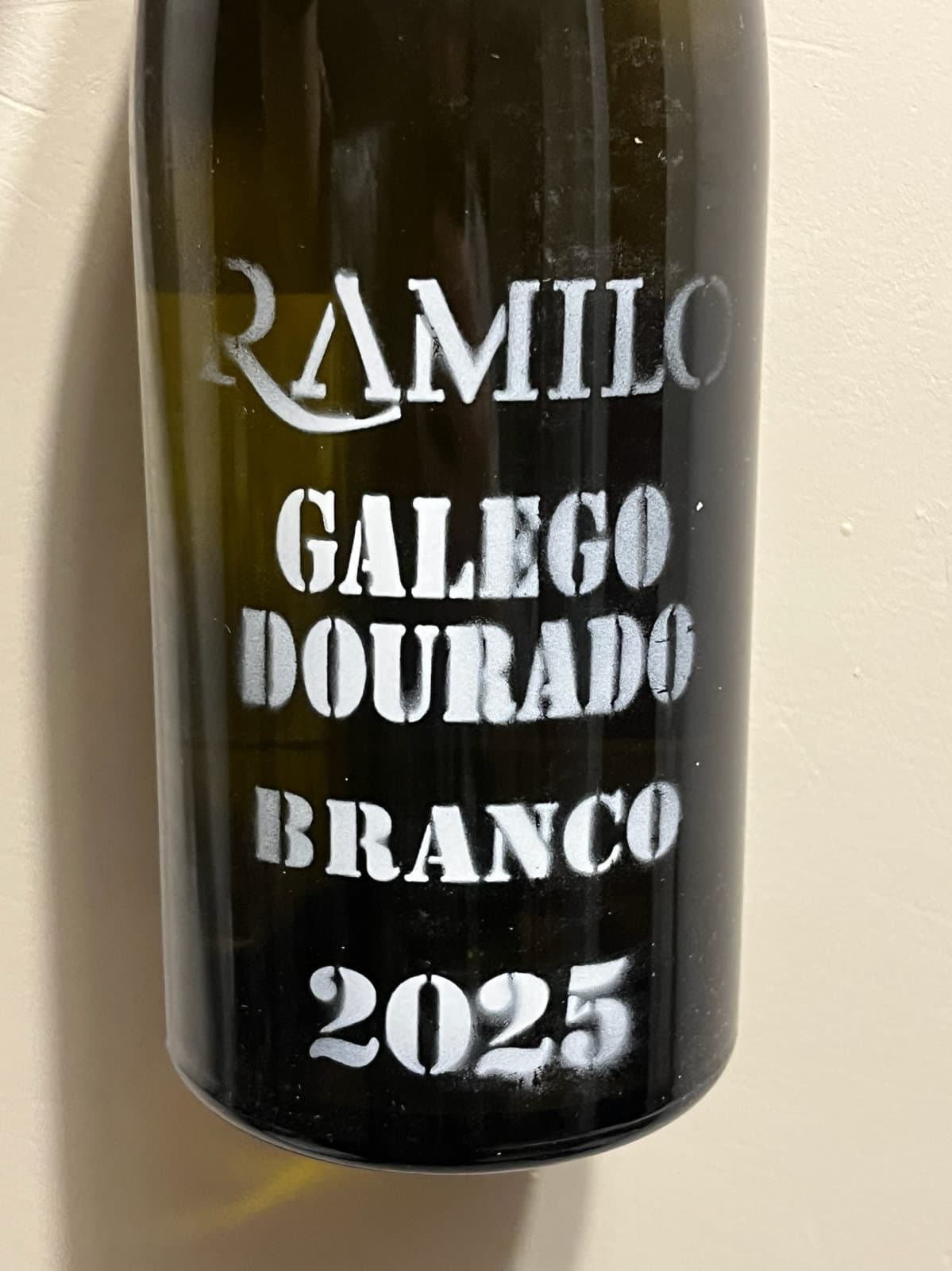
There are two sides to it. On the clay-limestone slopes of the Lizandro valley around Casal do Ramilo they farm about seven hectares of grafted vines, with Castelão, Arinto, Vital and Galego Dourado. In the sand at Quinta do Cameijo, a family plot among pine trees about a kilometre from the Atlantic, they replanted ungrafted Ramisco and Malvasia de Colares in 2014. That planting was about two hectares; Ramilo now farm about four in the DOC.
Colares is a tiny DOC on the dunes north of the Sintra hills. Vines are planted in trenches dug through the sand to the clay below, on their own roots, because phylloxera cannot cross the sand, and they grow low across it behind cane windbreaks. For six decades, until 1994, every Colares wine was made at the Adega Regional de Colares, founded in 1931; Ramilo make theirs in their own cellar.
The reds are trodden by foot in stone lagares; everything ferments with its own yeasts, most of it ages in French oak, and most wines are bottled unfined and unfiltered. The cellar doubles as a workshop: a Ramisco rosé and a Ramisco sparkling wine outside the DOC, a Malvasia made from lees, and Ramisco planted on limestone, now blended with Castelão in a wine that revives an old Colares practice.