All producers
Dario Prinčič
Friuli-Venezia Giulia, Italy10 wines4.2 avg
55
The quietest voice in the Oslavia orange-wine circle - ten hectares of ponca, extended maceration, late release, and the same village as Gravner and Radikon but his own register.
Dario Prinčič's family, of Slovenian origin, has farmed vineyards in Oslavia for generations - the same village as Gravner, Radikon, La Castellada, and Primosic. The winery was established under Dario's name in 1993, marking the family's move from selling bulk wine to local cantinas to bottling under their own name. By 1999 he had begun experimenting with extended maceration for whites, and was so taken with the results that he committed to skin contact across his entire production the following year.
Around ten hectares of densely planted vineyards on ponca - the clay-and-sandstone marl that defines the Collio hills. The varieties are the Oslavia classics: Ribolla Gialla, Tocai Friulano (labelled Jakot since the EU naming dispute), Pinot Grigio, Chardonnay, Sauvignon Blanc, and Merlot for the reds.
Winemaking follows the Oslavia pattern but maceration length varies by grape: around five weeks for Ribolla Gialla, three weeks for Jakot, about a week for Pinot Grigio. Fermentation with indigenous yeasts, aging in Slovenian oak barrels and tonneaux, minimal sulphur, no fining or filtration. The wines are deep amber, tannic, texturally rich. Releases are late - often five to seven years after harvest - which gives them considerable development before they reach anyone's glass.
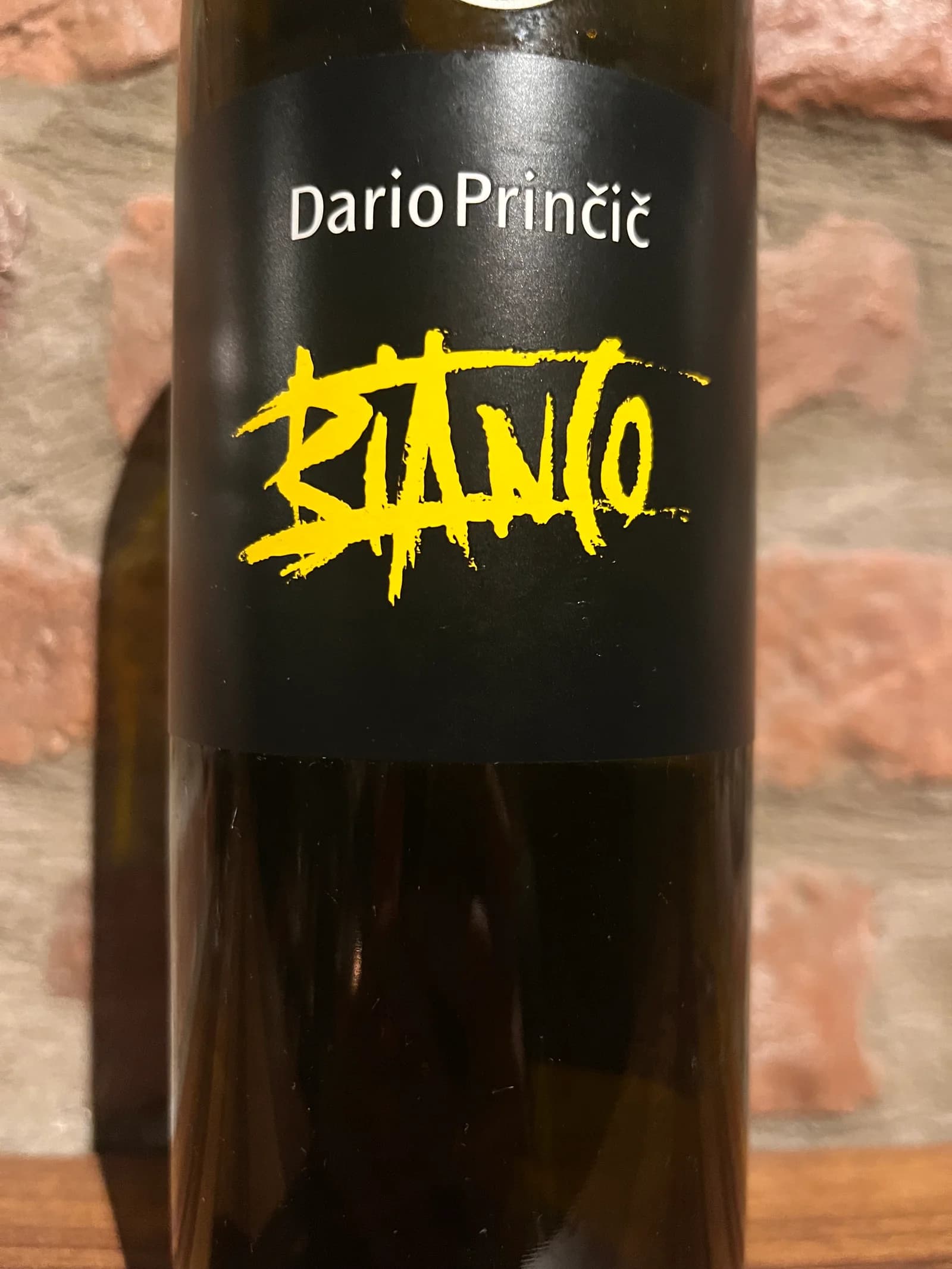
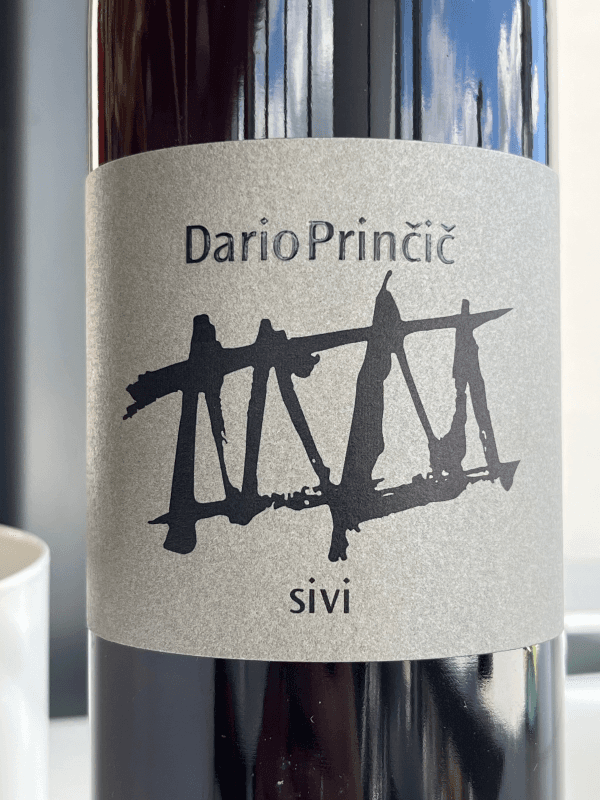
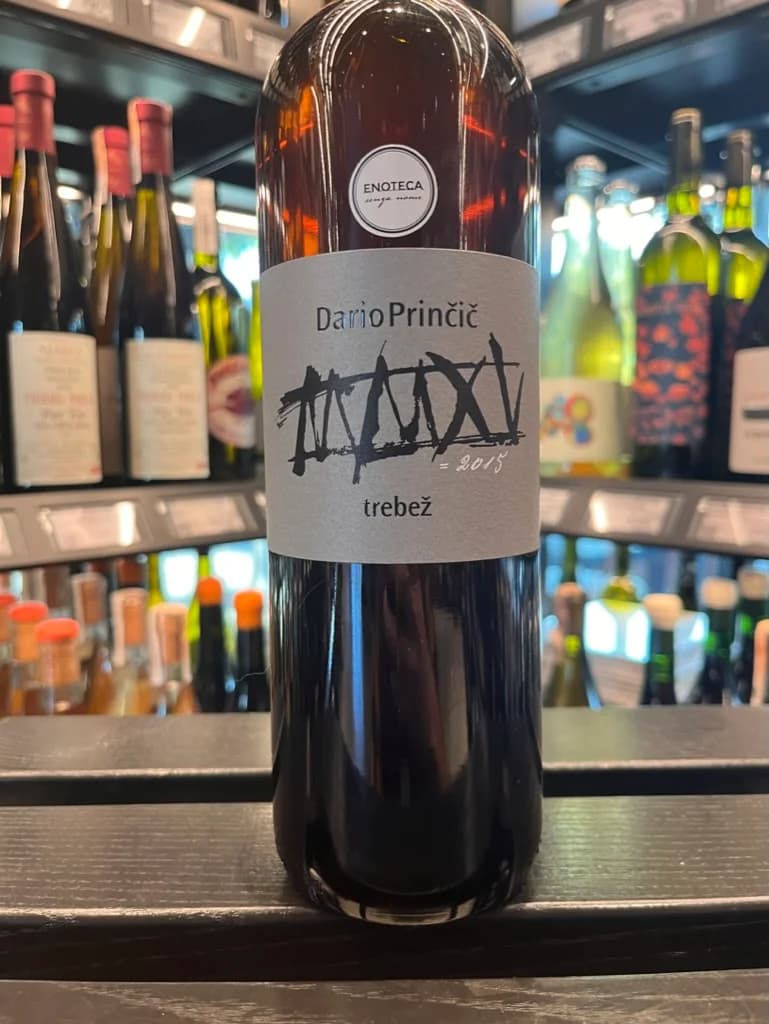
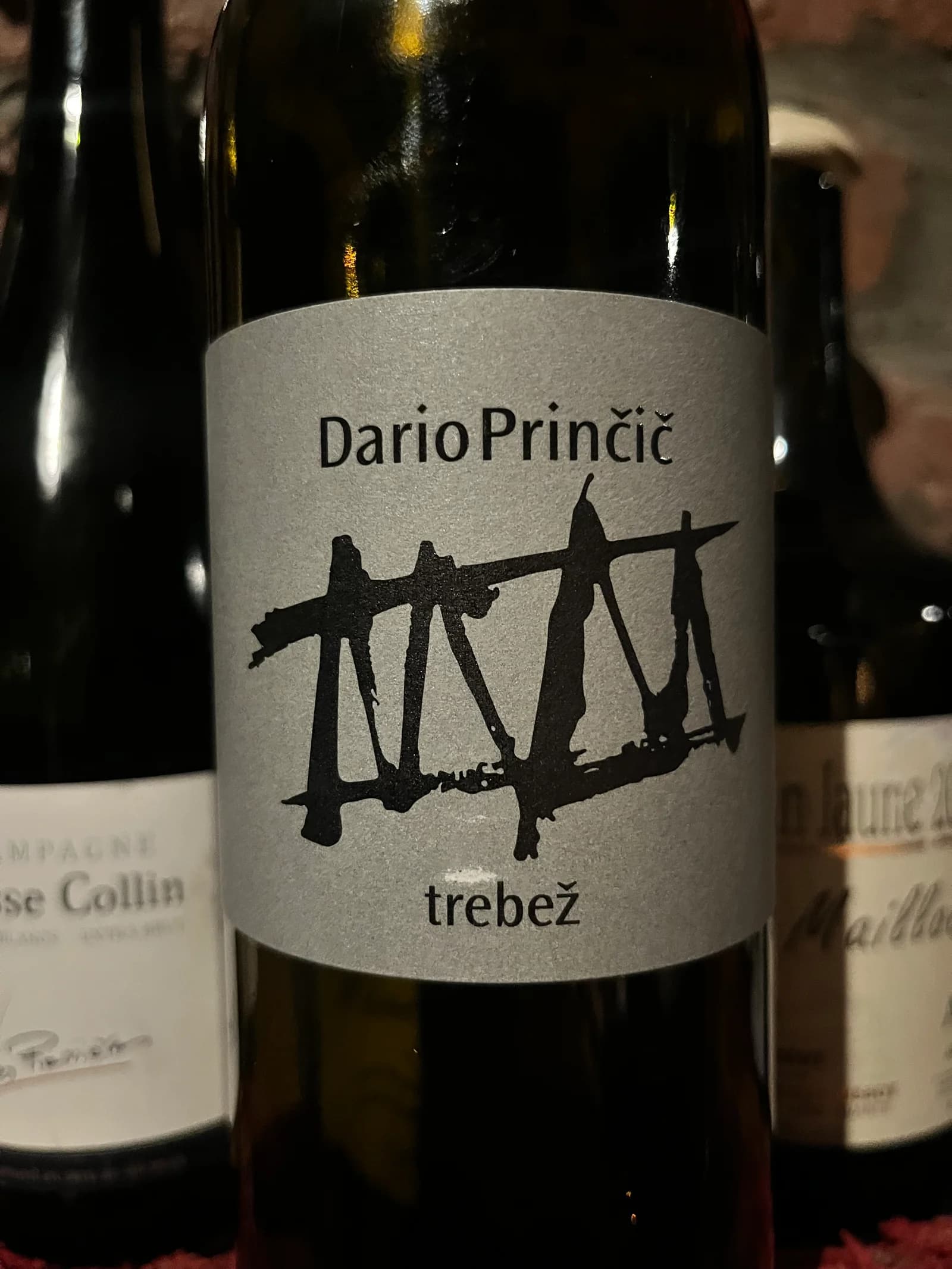
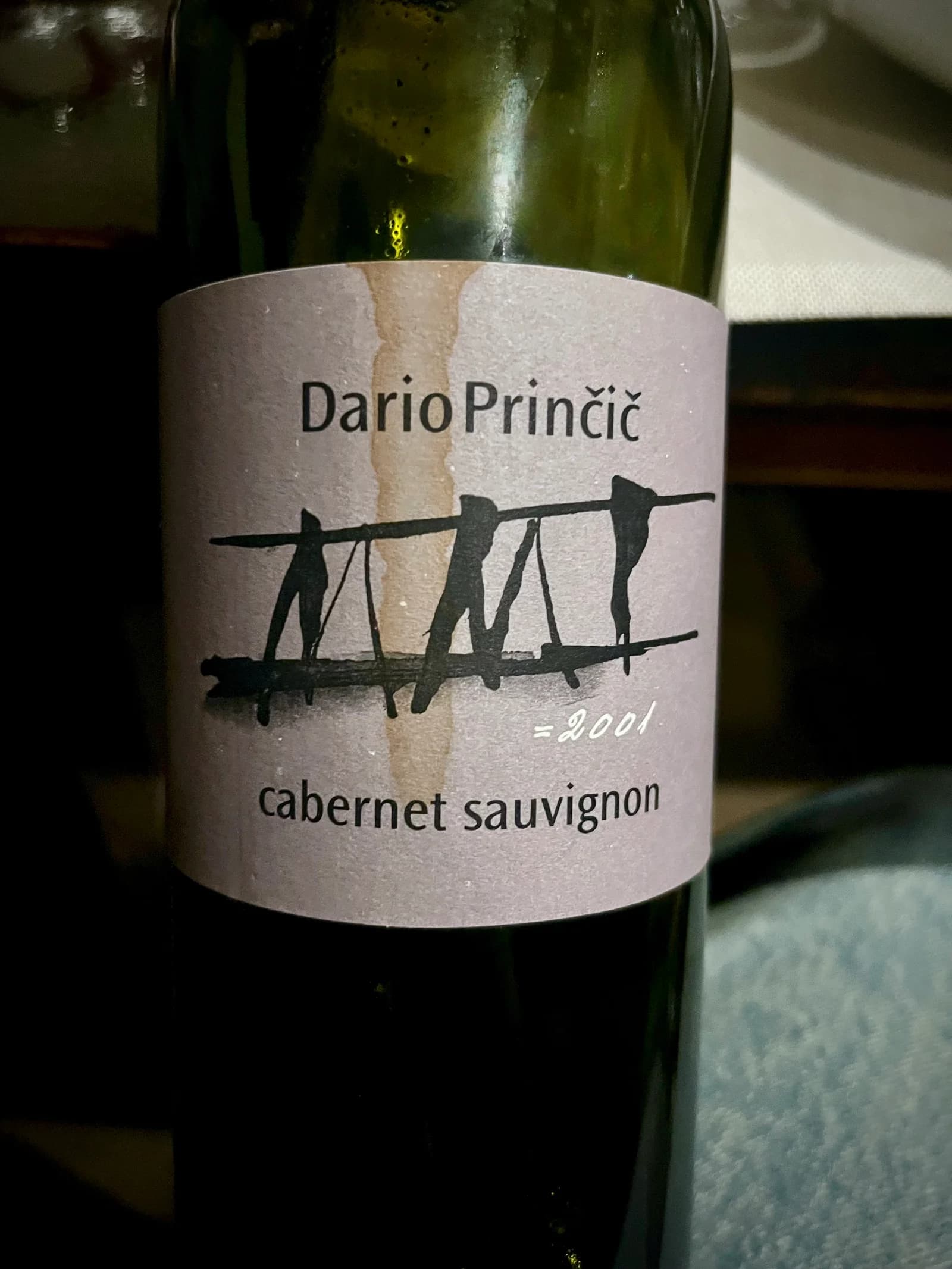
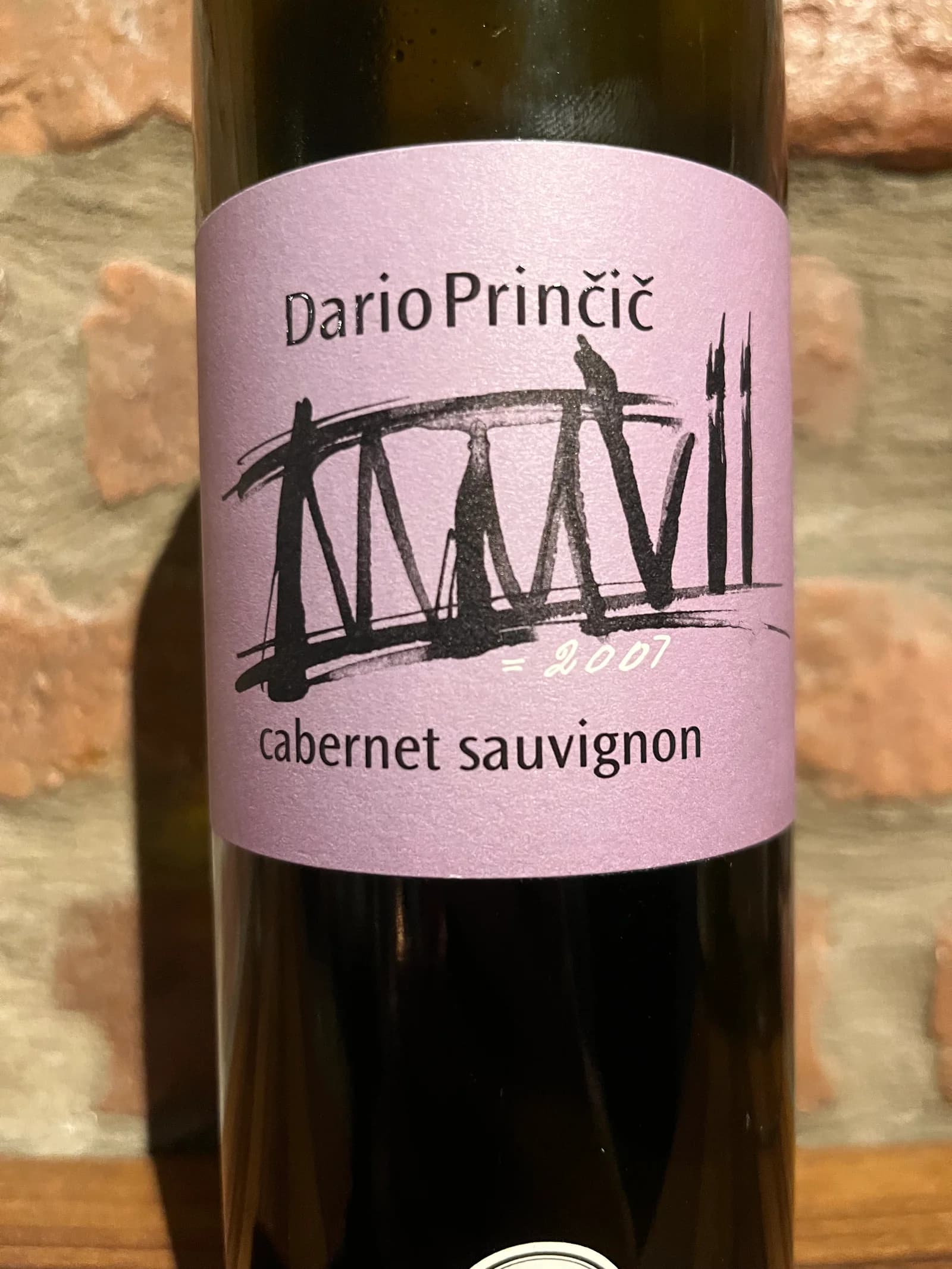
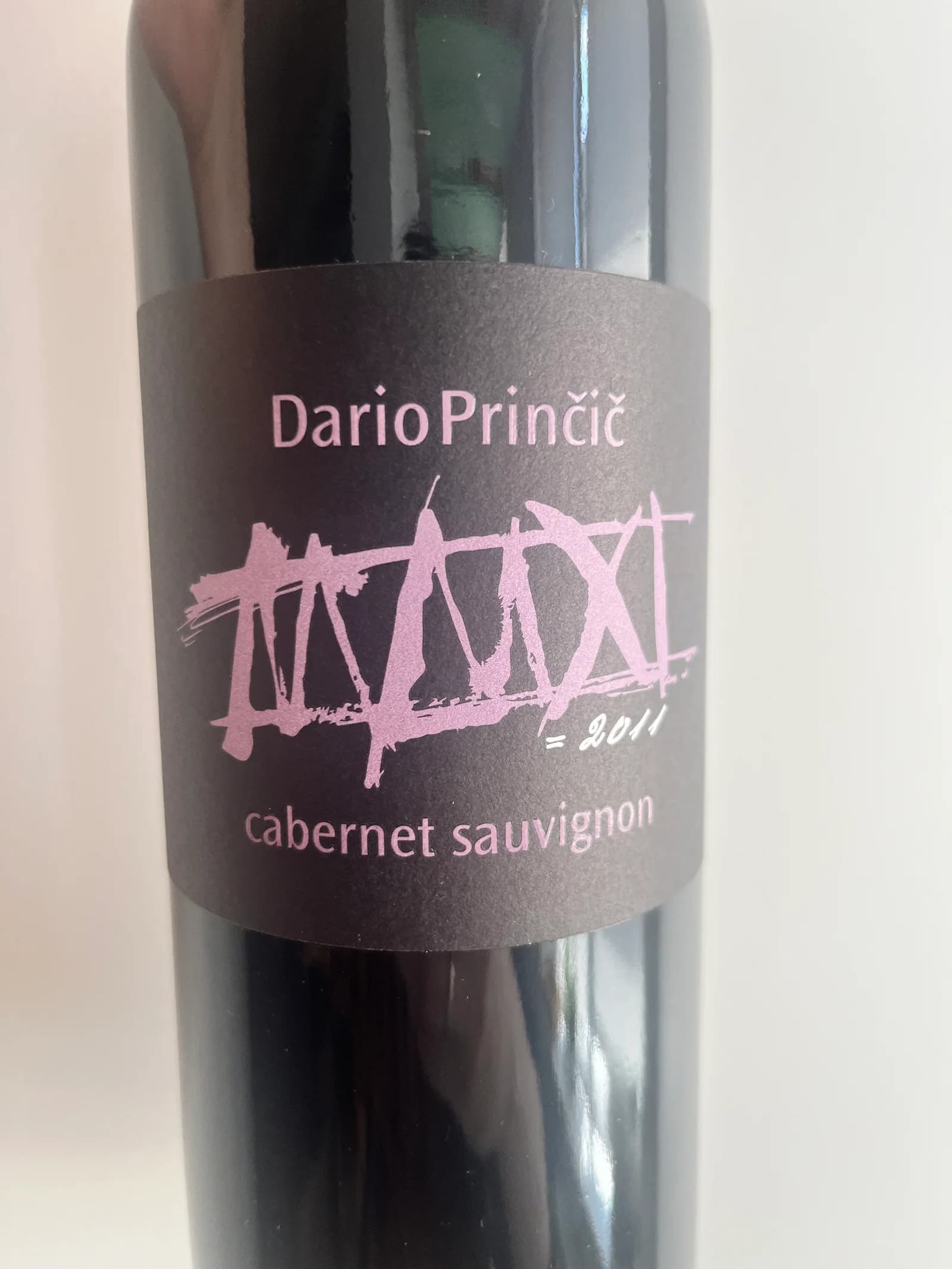
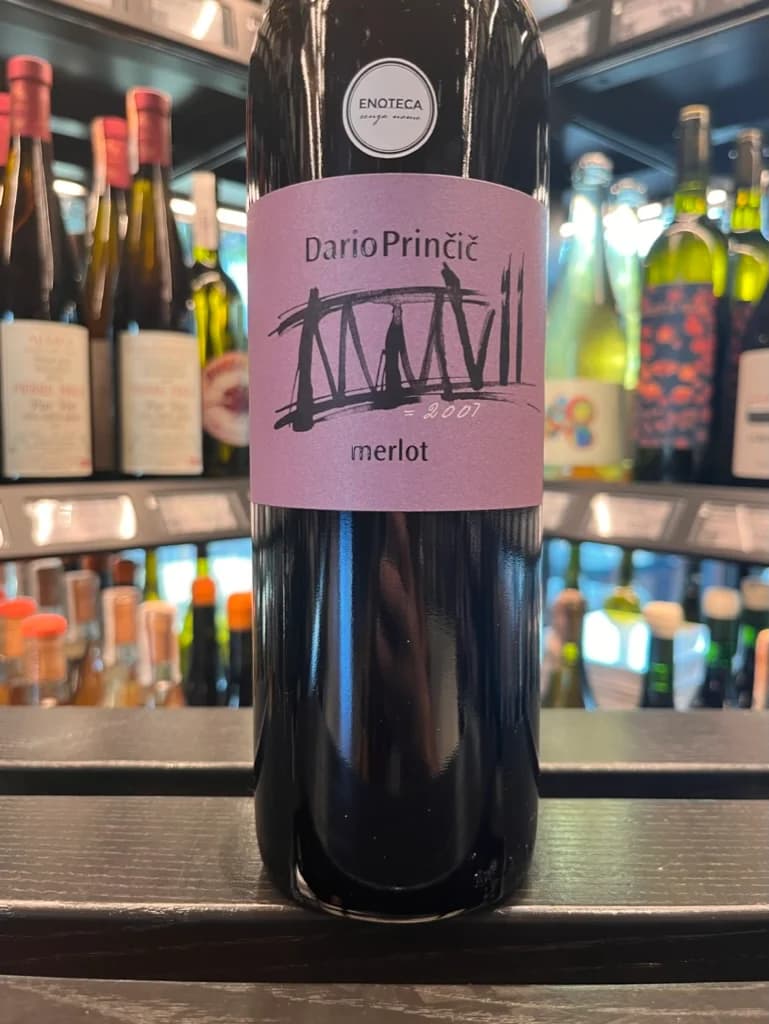
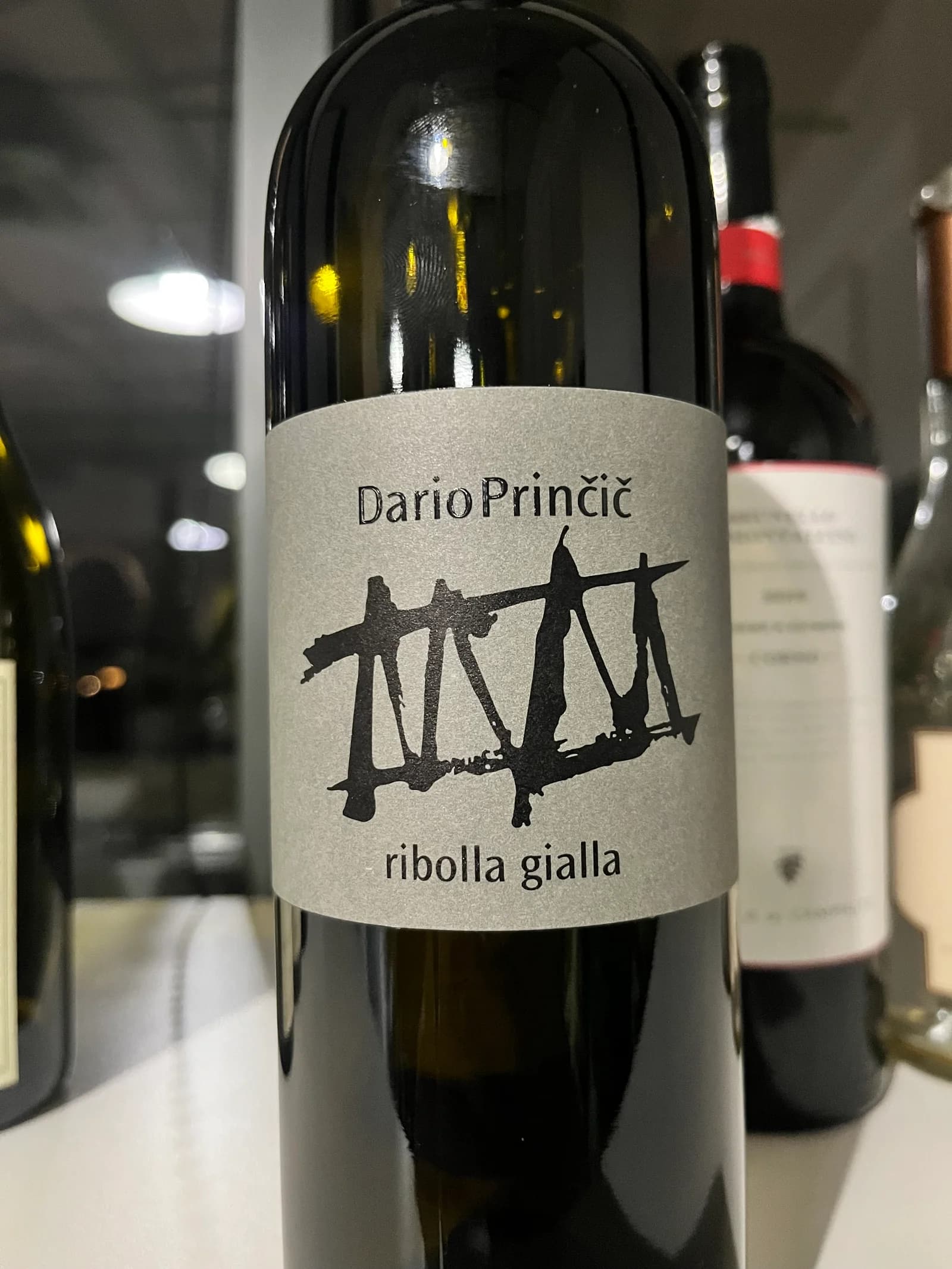
The principal bottlings are Ribolla Gialla (the flagship), Jakot (Tocai Friulano), Bianco Trebež (a white blend named after the vineyard plot - Slovenian for cleared land), Pinot Grigio, and Merlot.
Dario Prinčič shares the philosophical convictions of the Oslavia circle but keeps a quieter, less public profile than Gravner or Radikon. He is less well-known internationally, and this is exactly the kind of producer where knowing the village matters more than knowing the name. Among orange-wine specialists, his wines sit firmly within the Oslavia conversation rather than adjacent to it. The register is slightly more restrained, slightly less confrontational - but unmistakably from the same hillside and the same tradition.