UA or Not UA
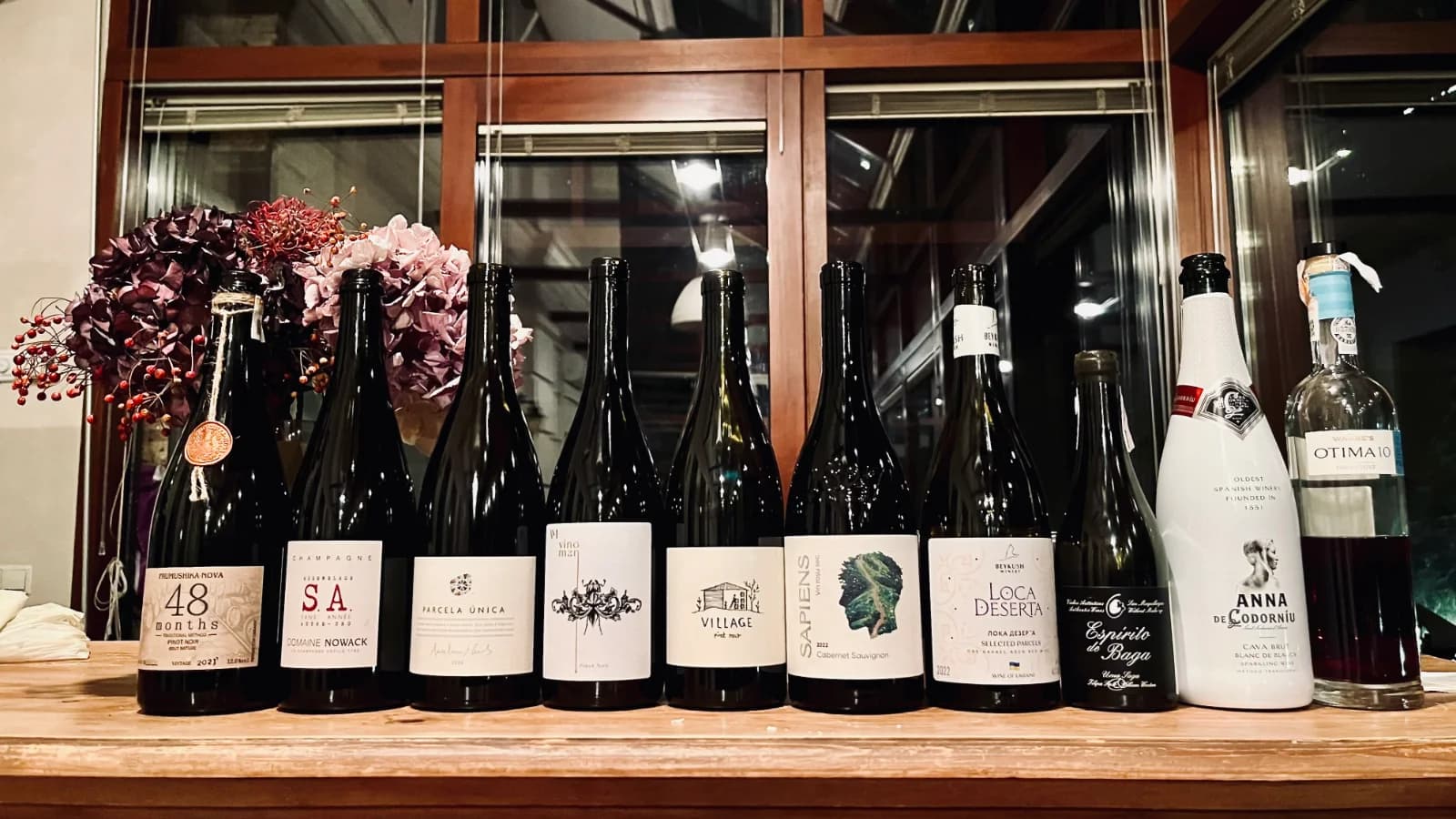
An impromptu blind tasting - three UA bottles hidden in eight, introducing our new friends from Brazil to Ukrainian winemakers.
By Boris · Hosted by Boris Buliga
Our new friends from Brazil moved here recently, both passionate about wine, both curious to learn what Ukrainian winemaking actually looks like. The party came together in fifteen minutes - pulled some bottles off the shelf, drove over to Kaiser's place (terrific spot for evenings like this; thanks for the hospitality), and ran the simplest possible blind game. Six bottles in the original lineup, three of them Ukrainian; the question on the table was figuring out which. Two bonus bottles came along later - Purcari's Sapiens (Moldovan, Bessarabian-coded) and Filipa Pato's fortified Baga to close out the night.
Spontaneous lineups are the best lineups. The Australian Pinot Noir slot was meant to be Ochota Barrels - late Taras Ochota was of Ukrainian heritage, which would have been the right kind of quiet twist - but neither of the Ochota Pinot Noirs were on the goodwine shelf, so I went with Gentle Folk, another excellent Aussie producer. The three UA wines hiding in the lineup were Frumushika-Nova's 48-month brut nature, Vinoman's southern-fruit Pinot Noir, and Beykush's Loca Deserta.
The goal of the exercise was to get more familiar with what UA winemaking is doing right now - both for our Brazilian friends and for our own benefit. Three UA bottles is barely a sketch; more waiting ahead.
Frumushika-Nova Pinot Noir Traditional Method Brut Nature 48 months 2021
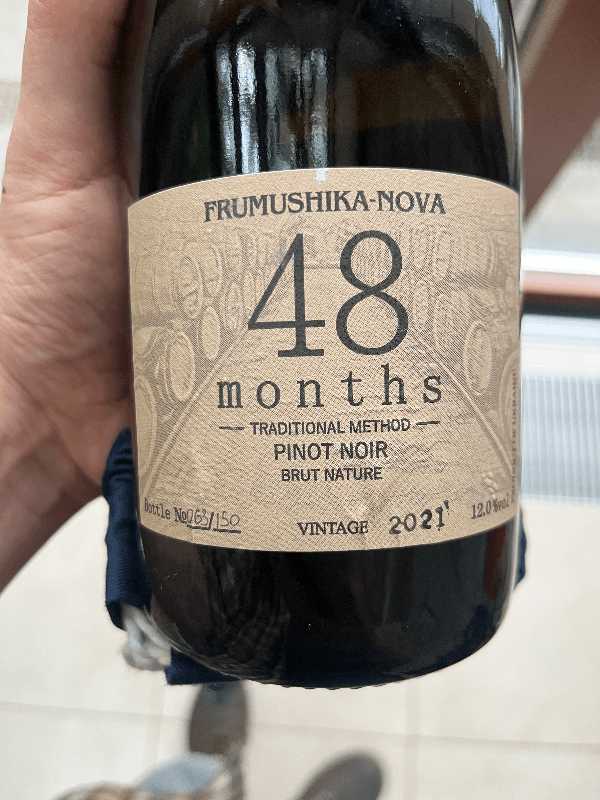
Frumushika-Nova is a small organic estate on the Bessarabian steppe near Zmiivka, Odesa Oblast - 10 hectares, founded 2006 by Oleksandr Palariev, with his son Volodymyr now winemaker and the lead behind the producer's Blanc de Noirs program. This is the top of that line: 100% Pinot Noir from on-site parcels, gentle direct press at no more than 50% yield, classical Champagne method, 48 months on lees, brut nature. 150 bottles in numbered tubes.
The full note is for members.
Join to read it and the restDomaine Nowack Assemblage Sans Année Autre Cru (2020)
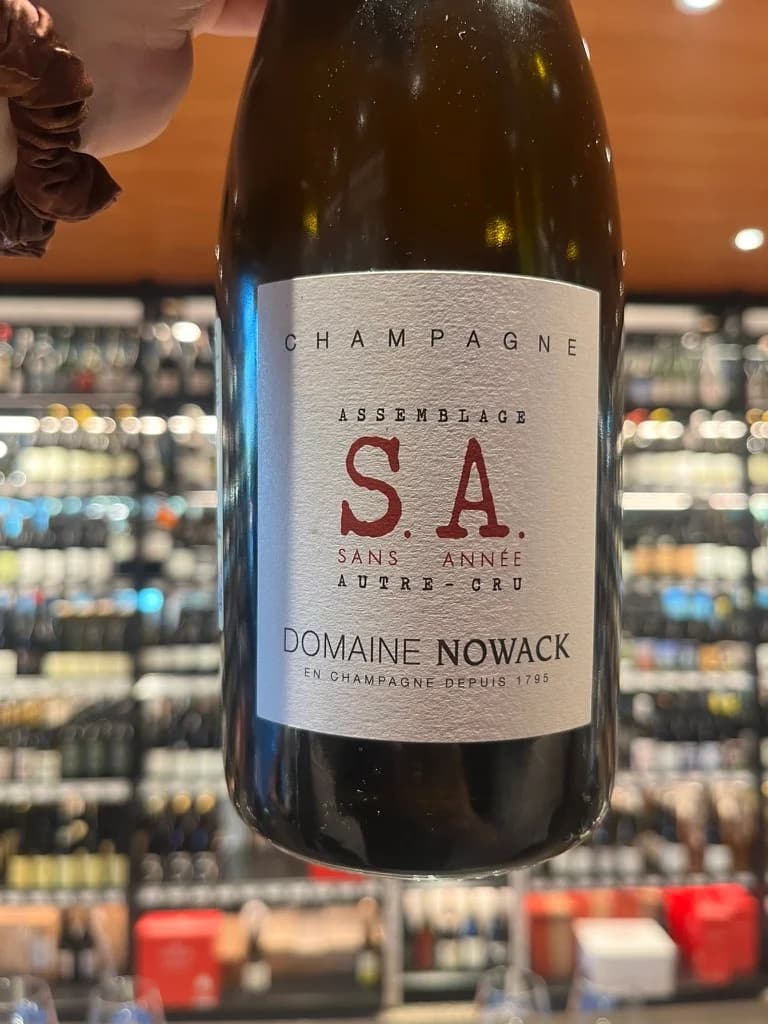
Domaine Nowack has been in Champagne since 1795, but the modern voice is Flavien Nowack, who joined the family domaine in 2011 and steered it toward parcel-by-parcel, single-village Champagne from Vandières (Vallée de la Marne). 'Autre Cru' isn't a Nowack invention - it's the official Champagne classification for Vandières, which sits at 86% on the échelle des crus, a tier below Premier Cru. The Sans Année Assemblage is 60% Pinot Meunier and 40% Chardonnay, base 2020 plus around 40% reserve from 2012-2019, year-by-year reserve blending (not solera). For the prise de mousse Flavien uses fresh unfermented grape juice (moût) from the next vintage rather than added sugar - the bottle ends up at lower pressure, more vinous in texture. Disgorged July 2023; dosage 1 g/L.
The full note is for members.
Join to read it and the restAnselmo Mendes Parcela Única 2020
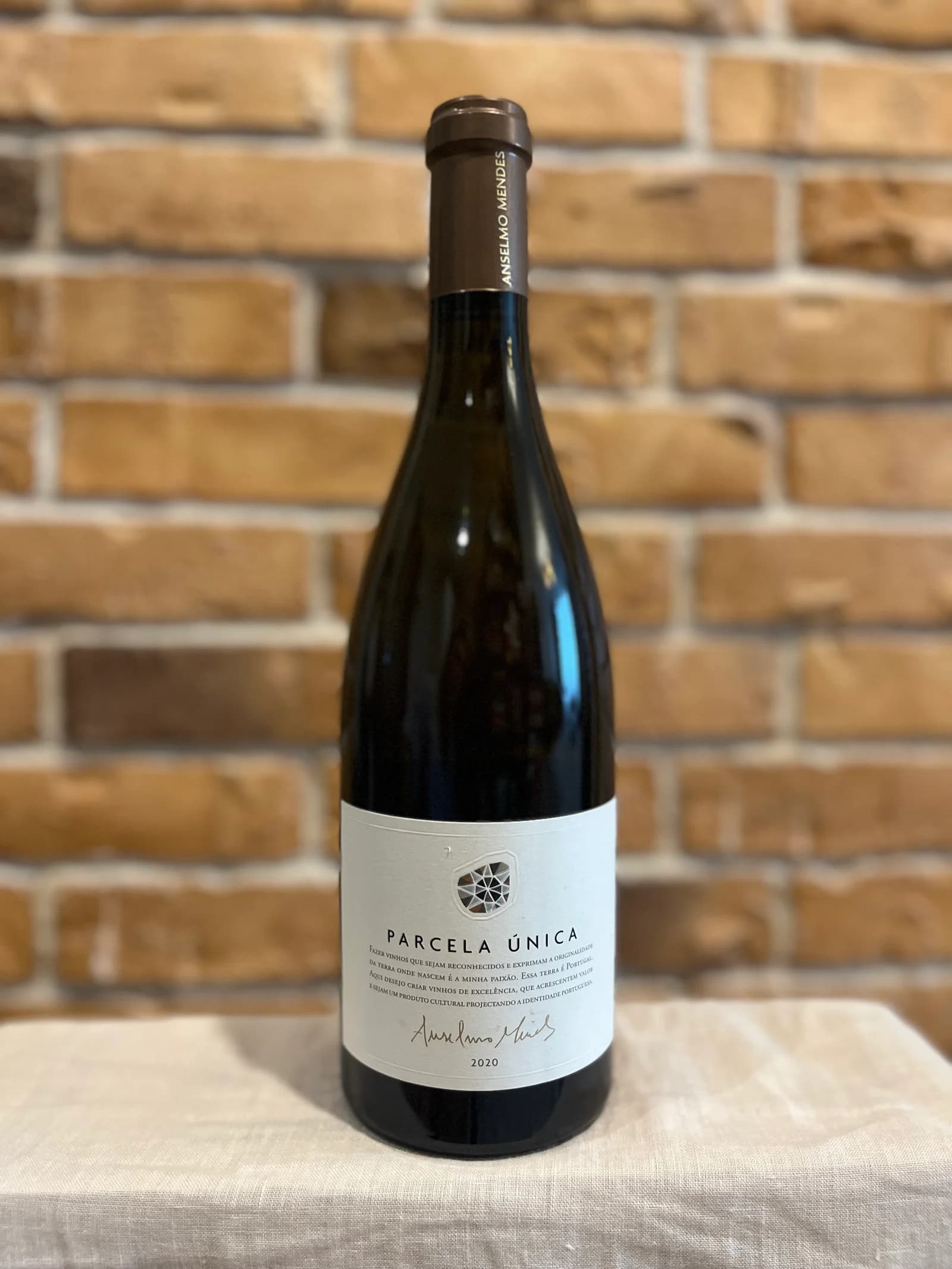
Anselmo Mendes is Senhor Alvarinho - the man who broke the spritzy Vinho Verde stereotype with bone-dry, mineral, oak-fermented, lees-aged Alvarinho from Monção e Melgaço. Parcela Única is the single-vineyard old-vine cuvée from the Paço plot at Quinta da Torre - 4.8 ha at around 75 m on granite-derived soils with alluvial textures, vines around 25 years old. Hand-harvested, gentle whole-berry press, fermented and aged nine months in 400L oak with regular bâtonnage on gross lees, then about a year in bottle before release. 2020 production around 8,000 bottles.
The full note is for members.
Join to read it and the restVinoman Pinot Noir 2024
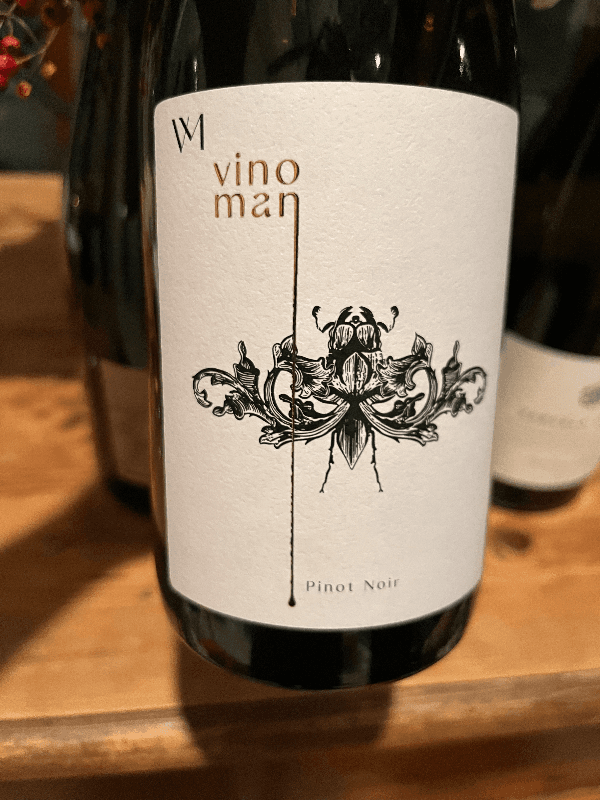
Vinoman is Ukraine's northernmost licensed winery - Borys Slaboshevskyi's project on a sandy slope of the Desna River in Chernihiv Oblast. About 1 ha owned plus a few leased; cool northern climate the rest of Ukrainian viticulture skips. The 2024 Pinot Noir is, perhaps surprisingly, sourced from two Bessarabian (Odesa Oblast) parcels - Black Sea steppe fruit, finished and bottled at the Chernihiv urban winery. Six months in Ukrainian rock-oak (skelyastyi dub); 1,945 hand-numbered bottles. (Vinoman bottles a separate Pinot Noir Chernihiv terroir from estate fruit; this isn't that.)
The full note is for members.
Join to read it and the restGentle Folk Village Pinot Noir 2021
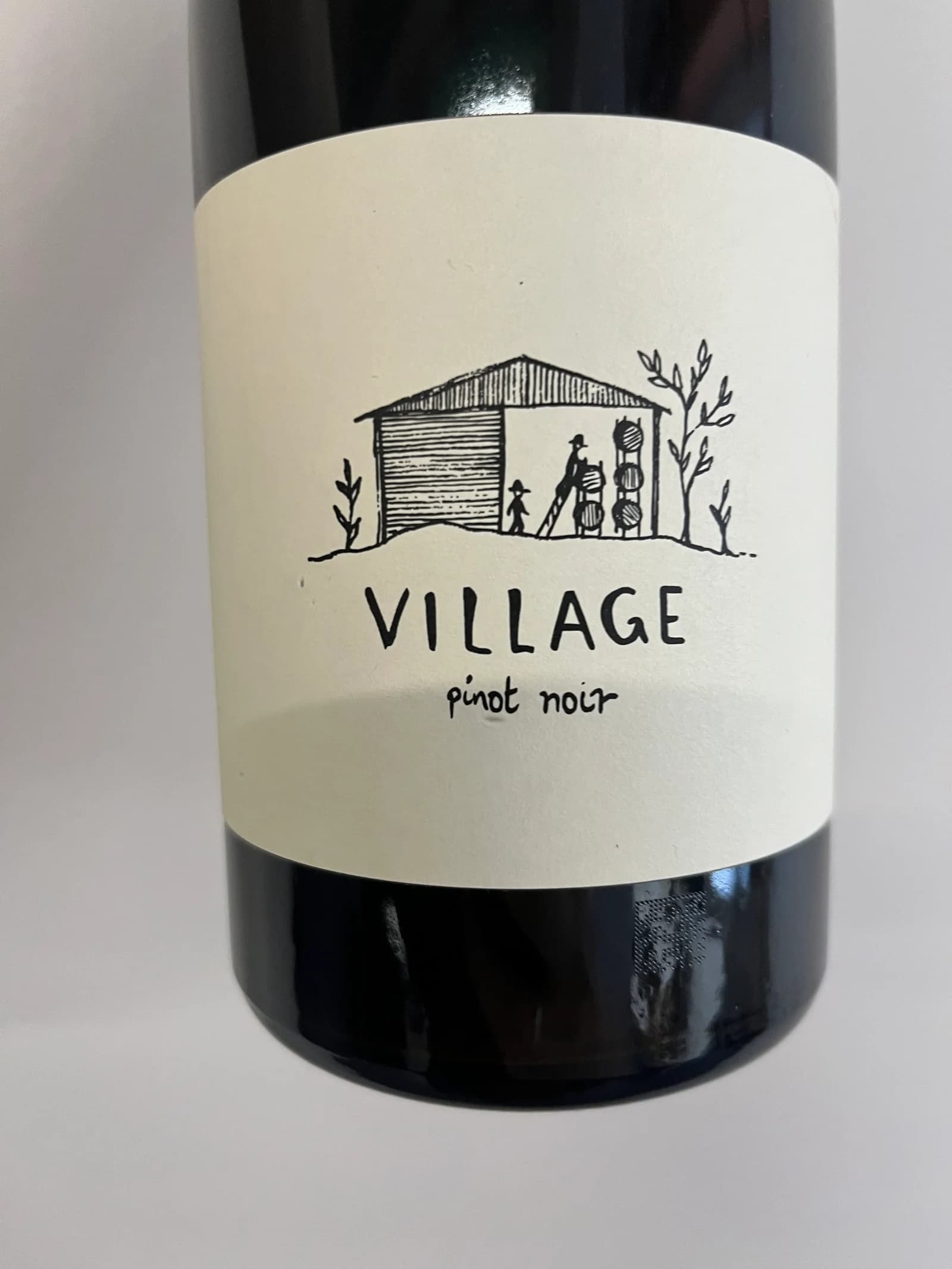
Gentle Folk is the Adelaide Hills Basket Range project of Gareth and Rainbo Belton, marine biologists who traded seaweed cataloguing for natural wine. Eight hectares across five sites, native-yeast ferments, minimal sulphur. The 'Village' line is the entry tier of single-variety bottlings - the best barrels are kept aside for the single-vineyard cuvées (Scary Gully, Little Creek, Monomeith, Piccadilly, Ashton), and the rest assembles into Village by variety. The 2021 Pinot Noir blends Monomeith, Little Creek, Piccadilly and Scary Gully fruit at 500-620 m: roughly 20% whole cluster, eight months in French oak (about 10% new), no fining or filtration. 2021 was Adelaide Hills' recovery vintage after the 2020 smoke.
The full note is for members.
Join to read it and the restPurcari Sapiens Cabernet Sauvignon 2022
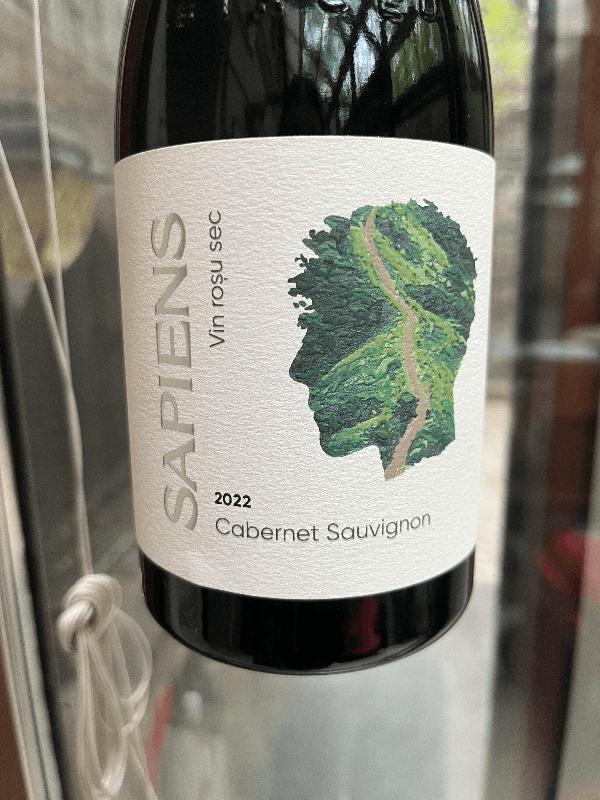
Château Purcari traces itself to 1827 - the company's stated history is a decree by Tsar Nicholas I making the estate the first specialised winery in Bessarabia. The modern Vinaria Purcari SRL was founded 2003; the parent Purcari Wineries went public on the Bucharest Stock Exchange in 2018 (ticker WINE), and Maspex took a majority stake at the end of 2025. Sapiens is their character-driven mid-tier collection - five wines pitched as 'wines that will drive some mad and others may like less.' This Cabernet Sauvignon is 100% varietal, hand-harvested Ștefan Vodă fruit, nine months in French oak barrique. Bottled 31 January 2025.
The full note is for members.
Join to read it and the restBeykush Loca Deserta 2022
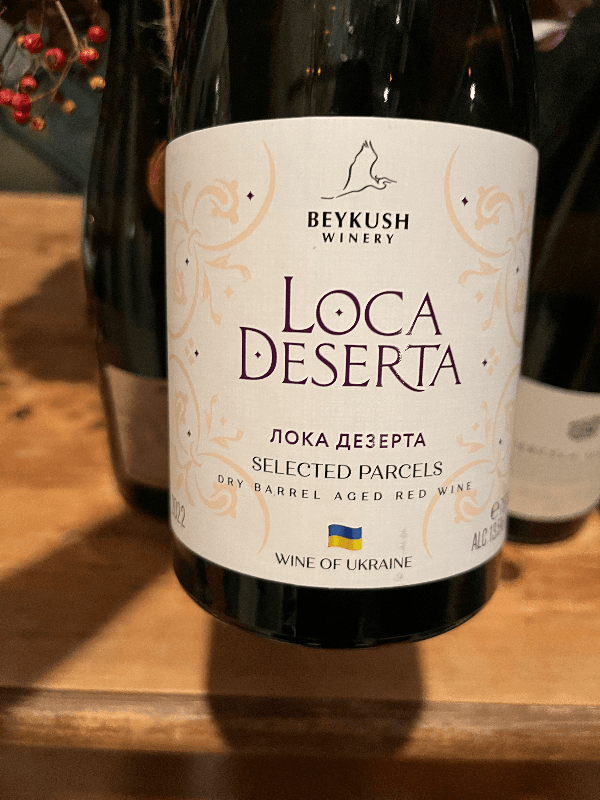
Beykush is on the Beykush peninsula in Mykolaiv Oblast, a hundred metres from the Black Sea between the Berezansky estuary and Beykush Bay - 11 ha of red clay and loam, founded by Yevheniy Shneyderis. Loca Deserta is medieval Latin for the depopulated Pontic steppe, the Wild Fields (Дике Поле) of XVI-XVII century European maps; the cuvée is Beykush's historical-series multi-variety red. The 2022 - the first Beykush vintage harvested after the full-scale invasion, with vines worked under regular shelling - blends Merlot 28%, Cabernet Sauvignon & Franc 18%, Malbec 18%, Tempranillo 18%, Rubin 9% and Saperavi 9%. Each variety vinified separately in stainless steel; 30 months in French and American oak before assembly; six months in bottle.
The full note is for members.
Join to read it and the restFilipa Pato Espírito de Baga 2020
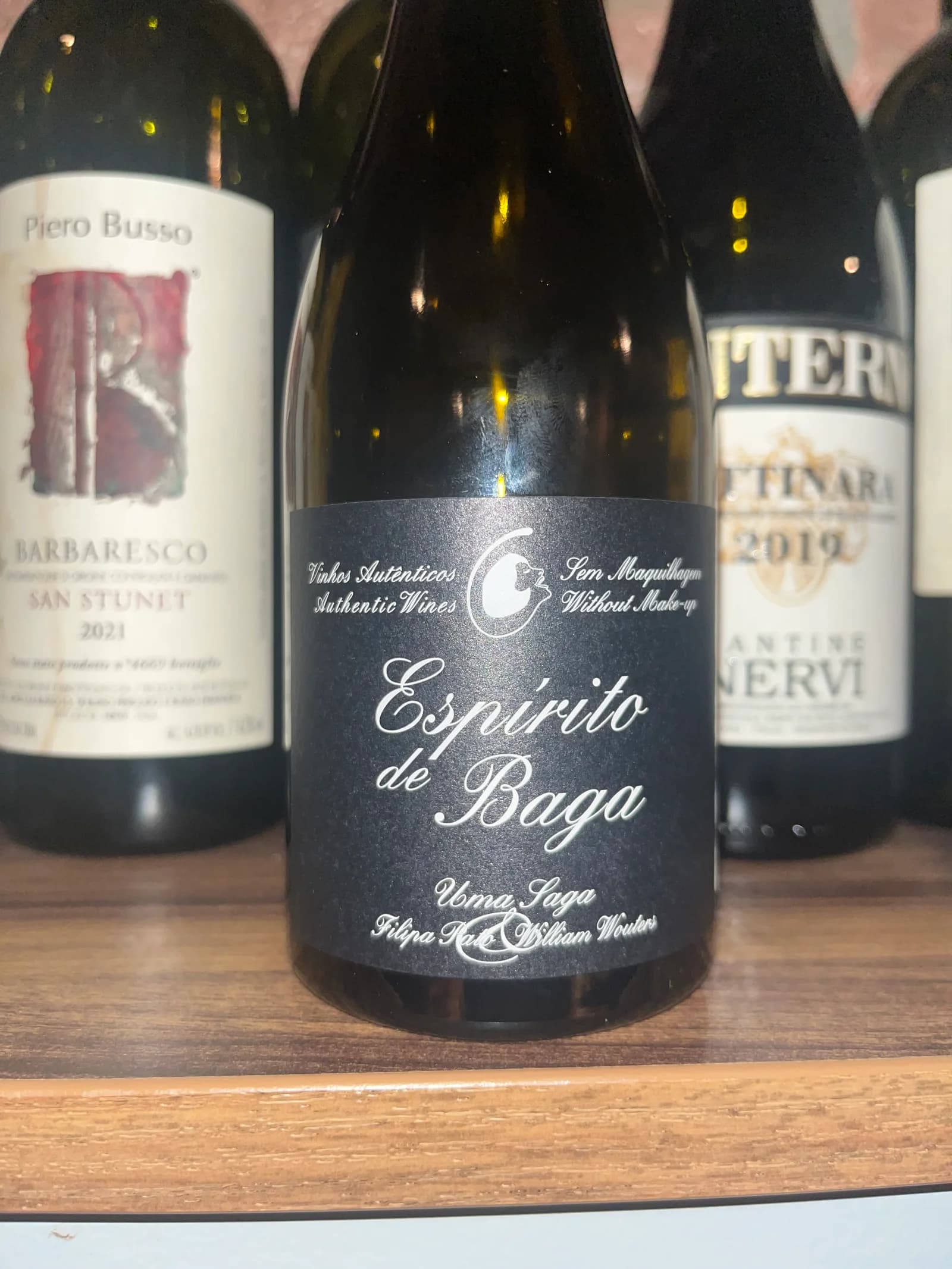
Filipa Pato is one of Bairrada's leading voices - daughter of Luís Pato, trained as a chemical engineer at Coimbra and now working with her husband William Wouters from a Demeter-certified biodynamic estate in central Bairrada. Indigenous grapes only, native yeasts, minimal sulphur, amphora and larger neutral oak. Espírito de Baga is her fortified Baga - the estate doesn't publish much spec for this cuvée, but the bottle delivers concentrated, briny, dry-despite-the-sugar fortification at a level that holds its own with the great Bairrada reds.
The full note is for members.
Join to read it and the restHow the blind played
In the six-bottle blind core, the scores didn't penalise the Ukrainian bottles. Anselmo Mendes' Parcela Única topped the round (Portugal); Vinoman's Pinot Noir tied with Nowack's grower Champagne; Beykush's Loca Deserta sat just below Gentle Folk's Adelaide Hills Pinot Noir; Frumushika held the bottom, but the thesis there is post-disgorgement shock rather than nationality - drunk almost straight off the lees. Net: two of the three UA wines held their own against international peers; the third just needs more time.
The two bonus bottles ran their own track. Filipa Pato's Espírito de Baga arrived blind to close out the night and ran away with the highest scores of the evening - fortified Baga in a different category. For Purcari's Sapiens I bent the rules: when the Moldovan bottle came to the table I shuffled it back into the blind alongside Beykush's Loca Deserta, and revealed only after both had been tasted - the Wild Fields from two angles, Moldovan Bessarabia next to the southern Ukrainian steppe.