Mixed Bag Vol. 21
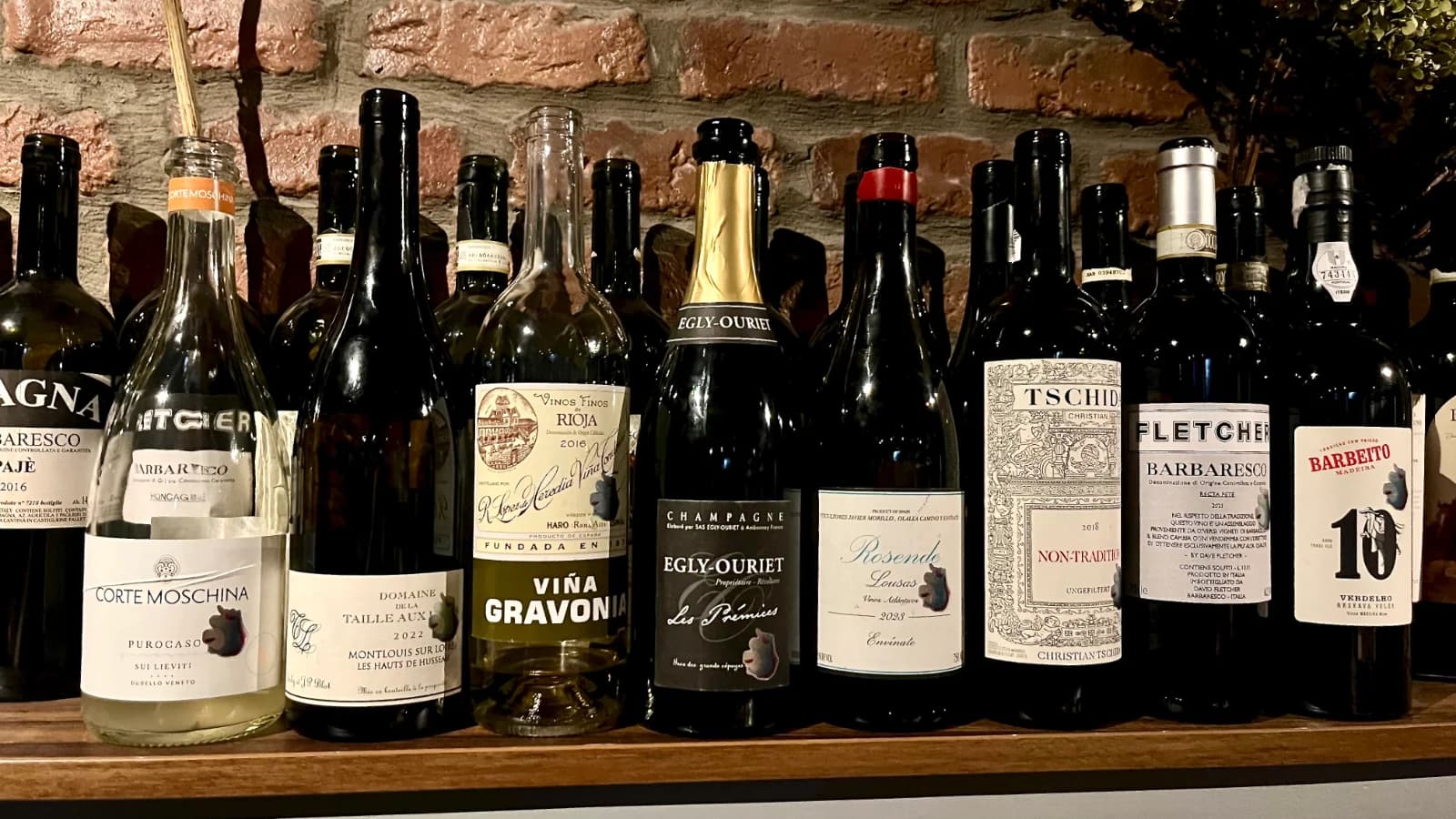
Eight blind bottles at Lo Kyiv - a Lessini Durello pet-nat, Loire Chenin, old-school Rioja blanco, Champagne, Galician Mencía, Burgenland Cab Franc, Treiso Nebbiolo, and a 10-year Madeira to close.
By Boris · Hosted by Boris Buliga
Mixed Bag Vol. 21. The format gets called "regular" by now, which is partly true and partly aspirational - eight bottles, blind, no theme on the box. The theme is the absence of one.
What's actually inside the bag this time: a Veneto pet-nat from a thick-skinned local grape that exists almost only for sparkling, dry Chenin from old Loire vines, oxidative Rioja blanco from arguably the most stubbornly traditional house in Spain, an Egly-Ouriet entry cuvée that breaks the producer's own house style, a Galician red from the only granite-soil parcel in Envínate's Lousas project, a sulphur-free Cabernet Franc out of Burgenland that gets declassified by choice, a multi-cru Barbaresco from an Aussie winemaker working out of a restored train station, and a 10-year Madeira with a Japanese 50% shareholder. Most of these have a small "wait, really?" buried somewhere.
Eight wines, eight stories, one table at Lo Kyiv. Served blind, as always.
Corte Moschina Purocaso
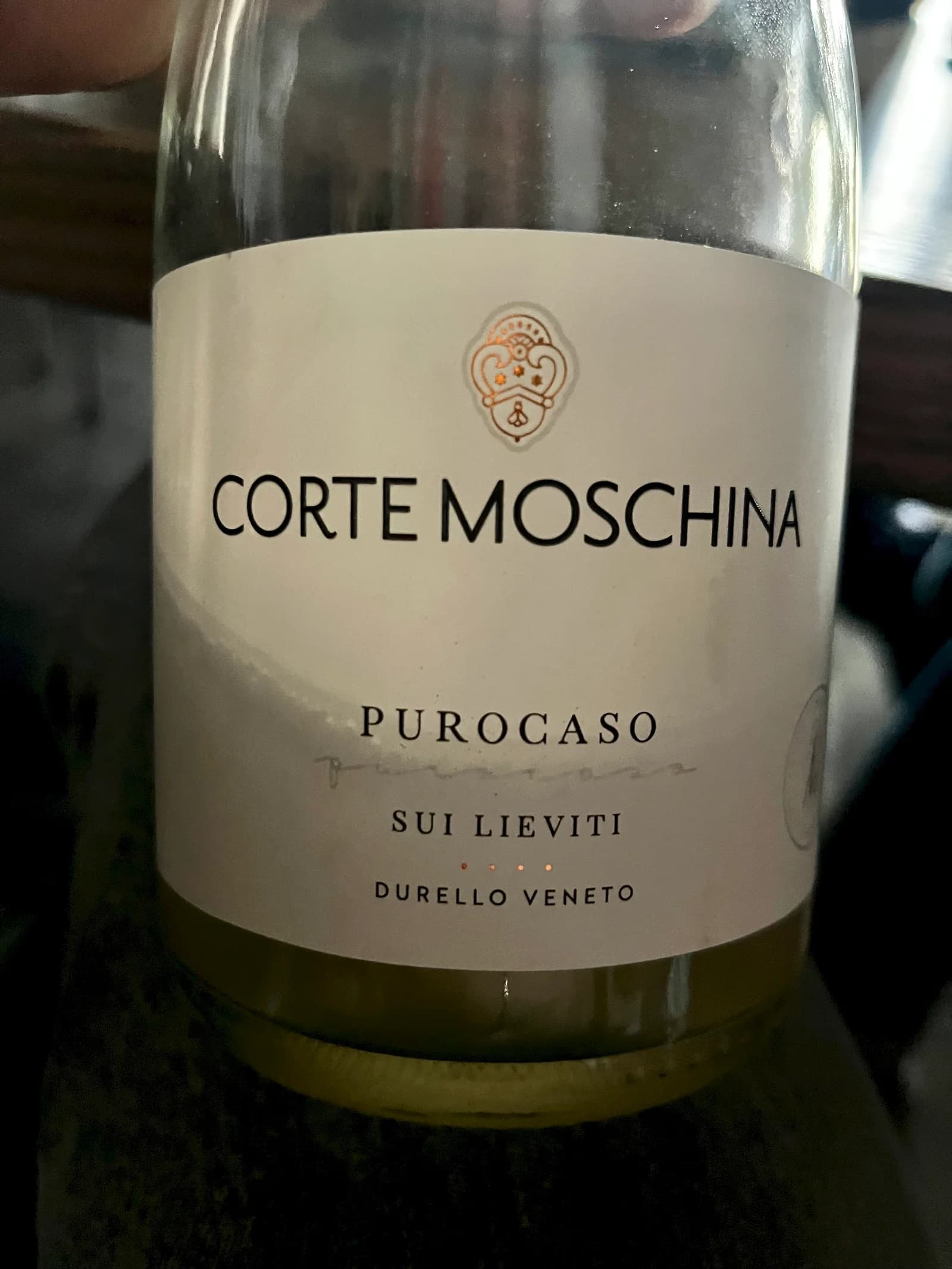
Corte Moschina is a Veneto family estate based in Roncà, on the volcanic foothills of Monti Lessini. Maria Patrizia Niero acquired the property in 1998; her sons Alessandro (winemaker) and Giacomo (vineyard) run it today. Specialise in indigenous Durella - the local high-acid white that drives the Lessini Durello sparkling tradition. PuroCaso is their ancestral-method bottling: undisgorged, crown cap, lees-rich. The kind of opener that resets the palate rather than coats it.
The full note is for members.
Join to read it and the restDomaine de la Taille Aux Loups Montlouis sur Loire Les Hauts de Husseau 2022
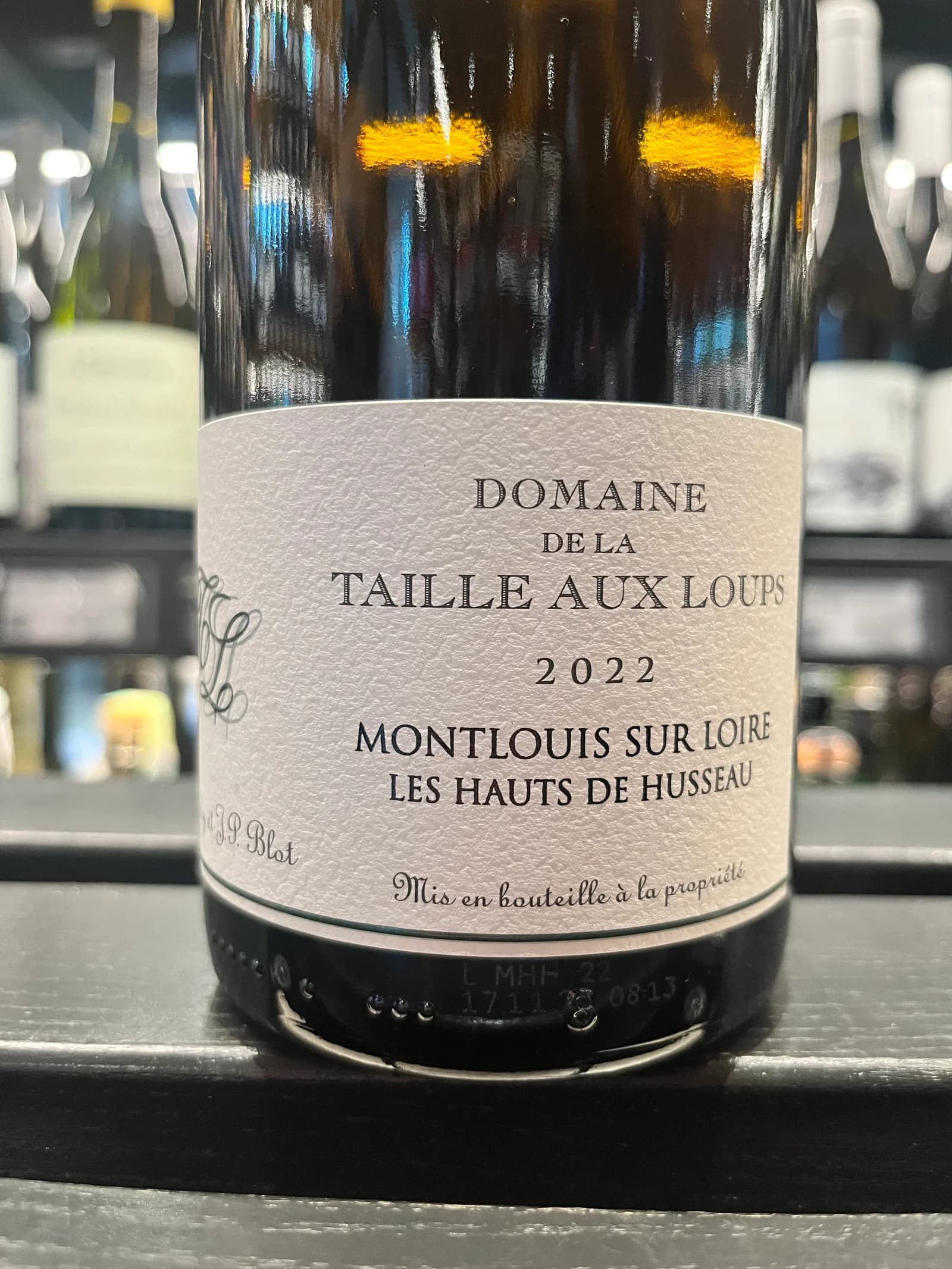
Jacky Blot's Domaine de la Taille Aux Loups - the Loire estate he took over in 1992, now run by his son Jean-Philippe after Jacky's death in May 2023. Hauts de Husseau is a five-parcel blend from the highest ground in Montlouis-sur-Loire: 70-90 year vines on thin flinty clay over tuffeau. 20% new oak / balance across 1-, 2-, 3-, and 4-year barriques, no malolactic, the Blot signature. 2022 was a warm Loire vintage - ripe stone fruit cut by Chenin's chalky drive.
The full note is for members.
Join to read it and the restR. López de Heredia Viña Gravonia Blanco Crianza 2016
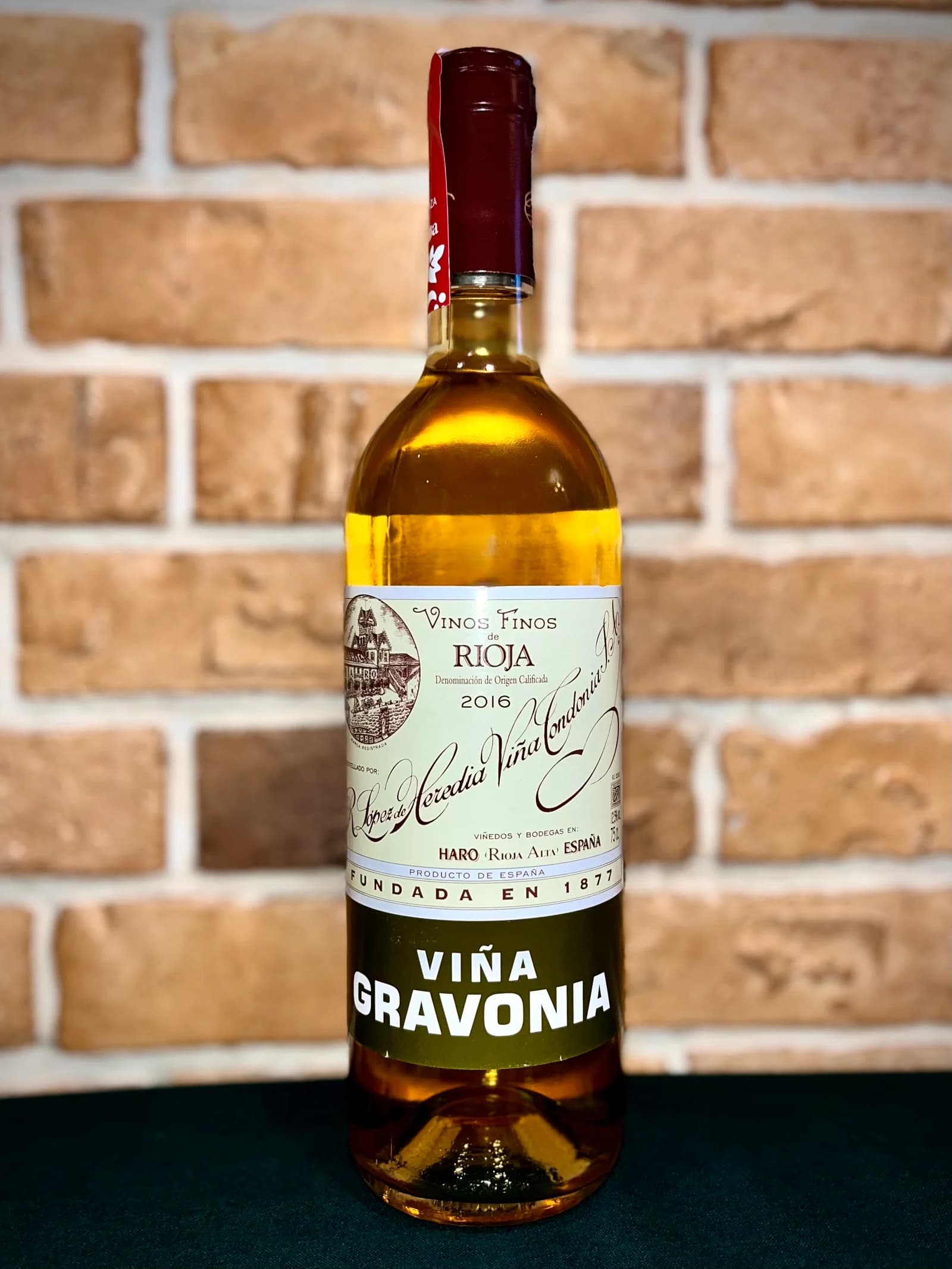
López de Heredia, founded 1877 by Chilean-born Don Rafael López de Heredia - the most stubbornly traditional house in Rioja, still using the same Bordeaux-shape oak vats their great-grandfather did. Viña Gravonia is their entry-tier white, 100% Viura from the estate's 24 ha Viña Zaconia. ~4 years in old American oak, ~4 years in bottle, ~8 years total to release - against the DOCa Crianza Blanco minimum of 2 years total. The result drinks like an oxidative time capsule: nuts, beeswax, dried orange peel.
The full note is for members.
Join to read it and the restEgly-Ouriet Les Prémices (d2024)
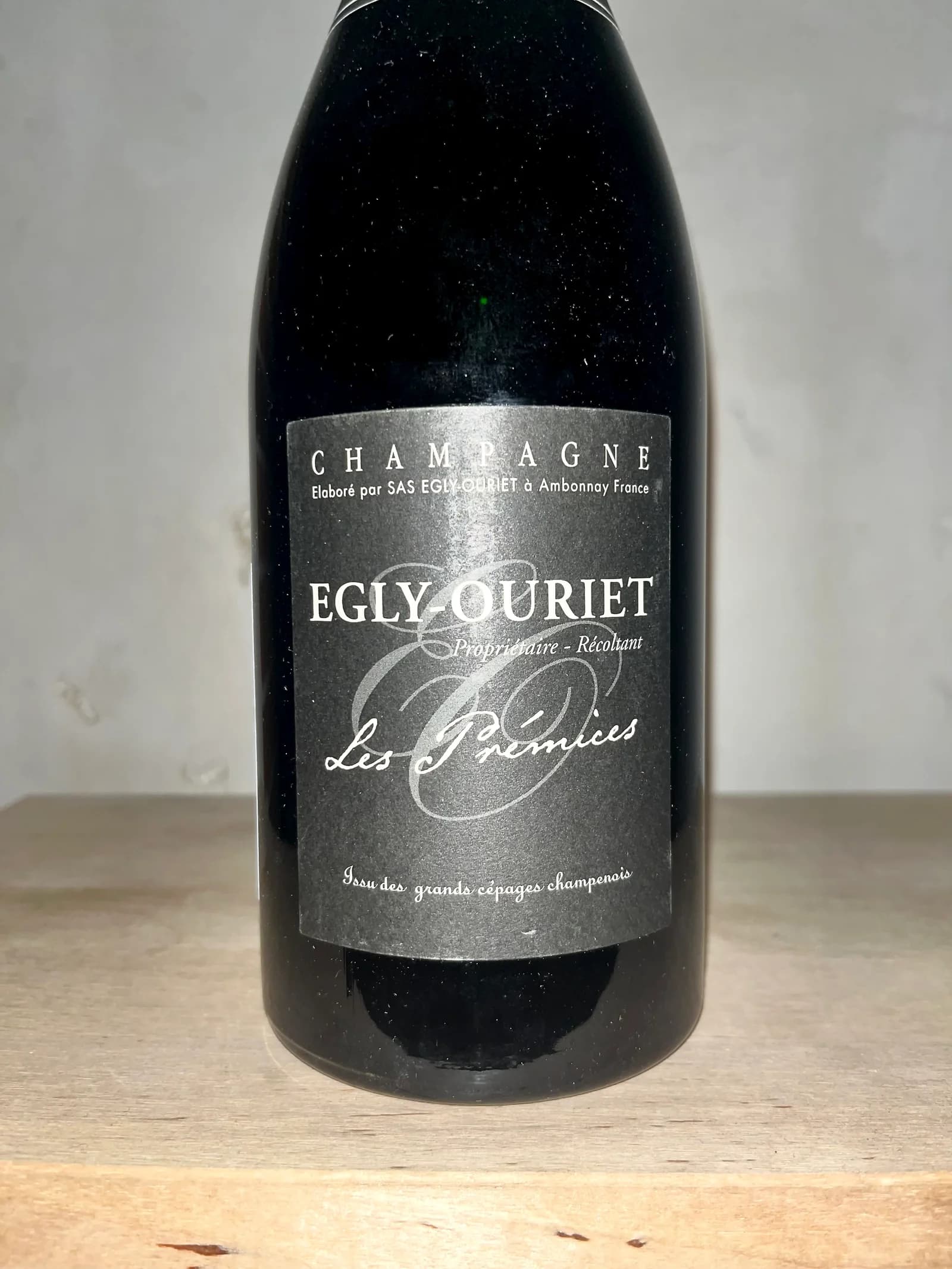
Egly-Ouriet, the Ambonnay grand cru estate that defines the modern grower-Champagne template. Les Prémices is one of two tank-vinified entry cuvées (the other is Les Vignes de Vrigny, 100% Pinot Meunier from four 1970-planted parcels). Les Prémices itself is a single ~3.5 ha parcel in Trigny (1er Cru, Massif de Saint-Thierry), the family's 2016 acquisition; first commercial release came in 2020 with a 2016-base cuvée. Equal thirds Chardonnay / Pinot Noir / Pinot Meunier, stainless steel ferment - which is itself the inversion to the rest of the house's oak-driven approach. ~36 months on lees, ~1 g/l dosage. Less weight than the grand cru lineup - same precision, lighter frame.
The full note is for members.
Join to read it and the restEnvínate Lousas Rosende 2023

Envínate's Lousas project in Galicia's Ribeira Sacra - granite slopes above the Sil river, old Mencía-led field blends from terraced parcels. Rosende is the only Lousas site on granite (the rest are slate); decomposed sandy granite with feldspar crystals. ~85% Mencía with co-planted Brancellao, Mouratón, Garnacha Tintorera, Merenzao. Whole-cluster fermentation, 12 months in used French oak (a 2,000 L foudre + some 228 L barrels), unfined and unfiltered. 2023 was a tricky Galician vintage - mildew and botrytis pressure - but rigorous sorting produced wines praised for freshness.
The full note is for members.
Join to read it and the restChristian Tschida Non-tradition Rot 2018
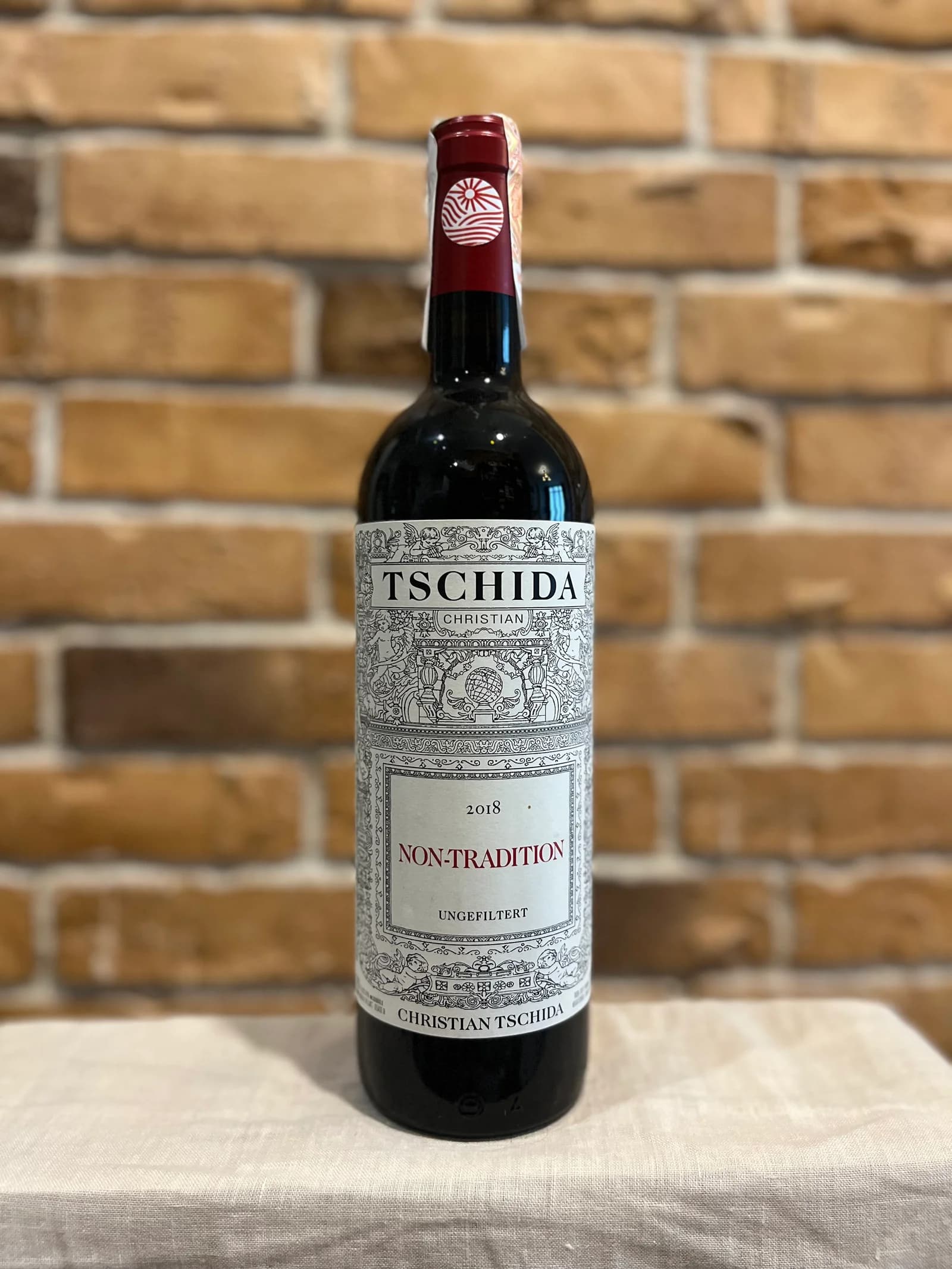
Christian Tschida farms ~14 hectares around Illmitz, Burgenland - one of Austria's most uncompromising natural producers. Took over from his father Fritz in 2003; zero added sulphur since the 2015 vintage. Non-tradition Rot is 100% Cabernet Franc, hand-harvested and fully destemmed (despite Tschida's reputation for whole-cluster elsewhere), ~6 weeks of skin contact, ~2 years in large Stockinger oak. The line is deliberately outside the Austrian Wine Act - labelled simply Non-tradition rather than any regional appellation. 2018 was hot and dry; that this comes in at 12.5% reflects early-picking discipline.
The full note is for members.
Join to read it and the restDavid Fletcher Barbaresco Recta Pete 2021
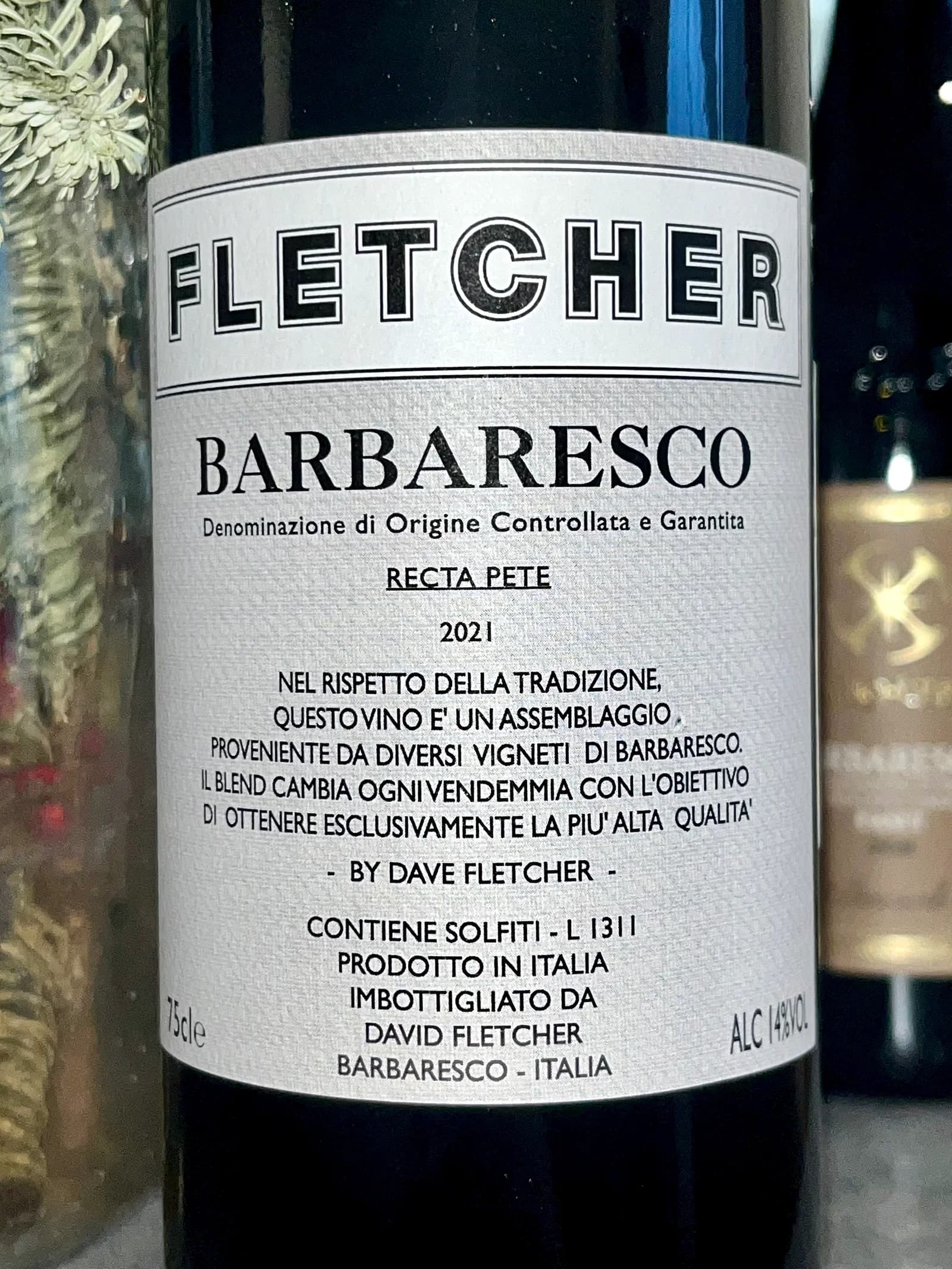
David Fletcher is an Australian winemaker who came to Barbaresco for a 2007 harvest at Ceretto, stayed, and built his own garagiste label in parallel. Cantina is the restored Barbaresco train station ("La Stazione"), bought in 2014. Recta Pete is his multi-cru Barbaresco DOCG - not a single-vineyard, despite the focused name. 2021 composition: 40% Roncaglie + 30% Faset (Treiso), 30% Ronchi (Barbaresco commune, new in 2021). 100% destemmed, native-yeast open ferment, 24 months in old 300L French oak. The name comes from David's Scottish heritage: "Recta Pete" is the Latin motto of Clan Fletcher, commonly rendered "seek what is right." Fletcher = arrow-maker, so the producer leans on the archery pun and translates it as "shoot straight."
The full note is for members.
Join to read it and the restBarbeito Verdelho Reserva Velha 10 years
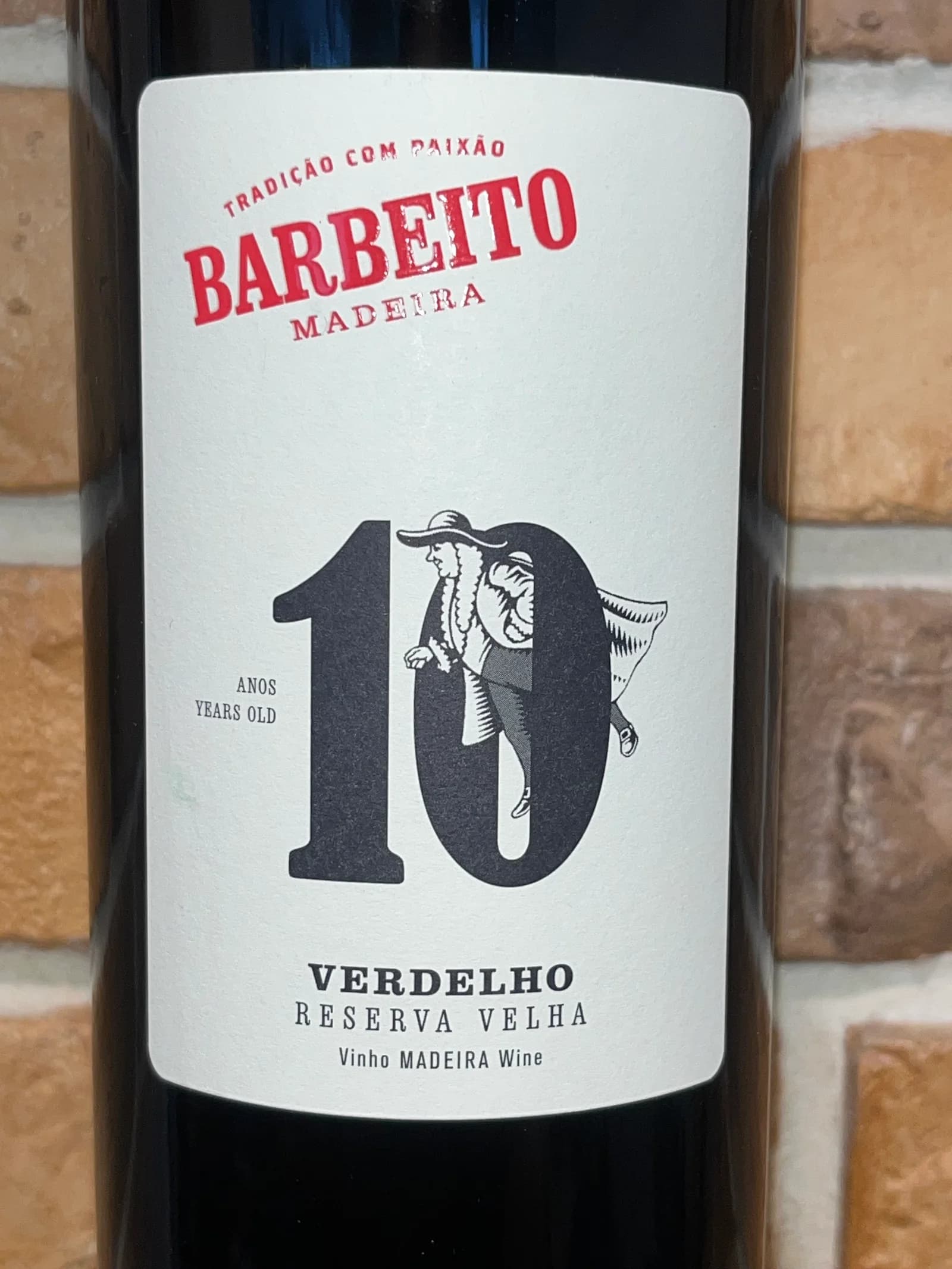
Barbeito, founded 1946 in Funchal by Mário Barbeito de Vasconcelos. Now run by Mário's grandson Ricardo Diogo Vasconcelos de Freitas, who joined in 1991 - the same year Kinoshita International of Japan took a 50% stake. Verdelho 10 Year "Reserva Velha" is the medium-dry Madeira register, 100% Verdelho, aged via canteiro in French oak (multi-cask blend). 19.2% ABV, ~71 g/L sugar - candied citrus, roasted almond, and that unmistakable Madeira lift on a long acid spine.
The full note is for members.
Join to read it and the restFranck Pascal Harmonie 2017
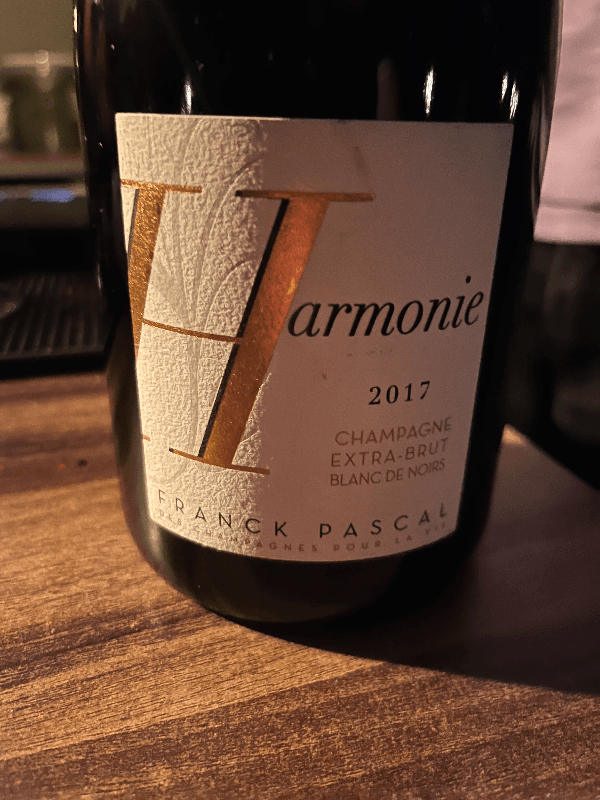
Franck Pascal is a fifth-generation grower in Baslieux-sous-Châtillon (right-bank Vallée de la Marne), one of the first vignerons in Champagne to convert to biodynamics - Biodyvin certified since 2005. Harmonie is his vintage Blanc de Noirs; this 2017 (a tough Champagne year) tilts to 72% Pinot Noir / 28% Meunier rather than the cuvée's usual ~50/50, almost certainly reflecting which fruit came in clean. Disgorged 3 February 2025 - roughly seven years on lees, on the upper end of the cuvée's range. Dosage 2 g/L, primary fermentation in enamelled vat.
The full note is for members.
Join to read it and the restDario Prinčič Bianco Trebež 2020
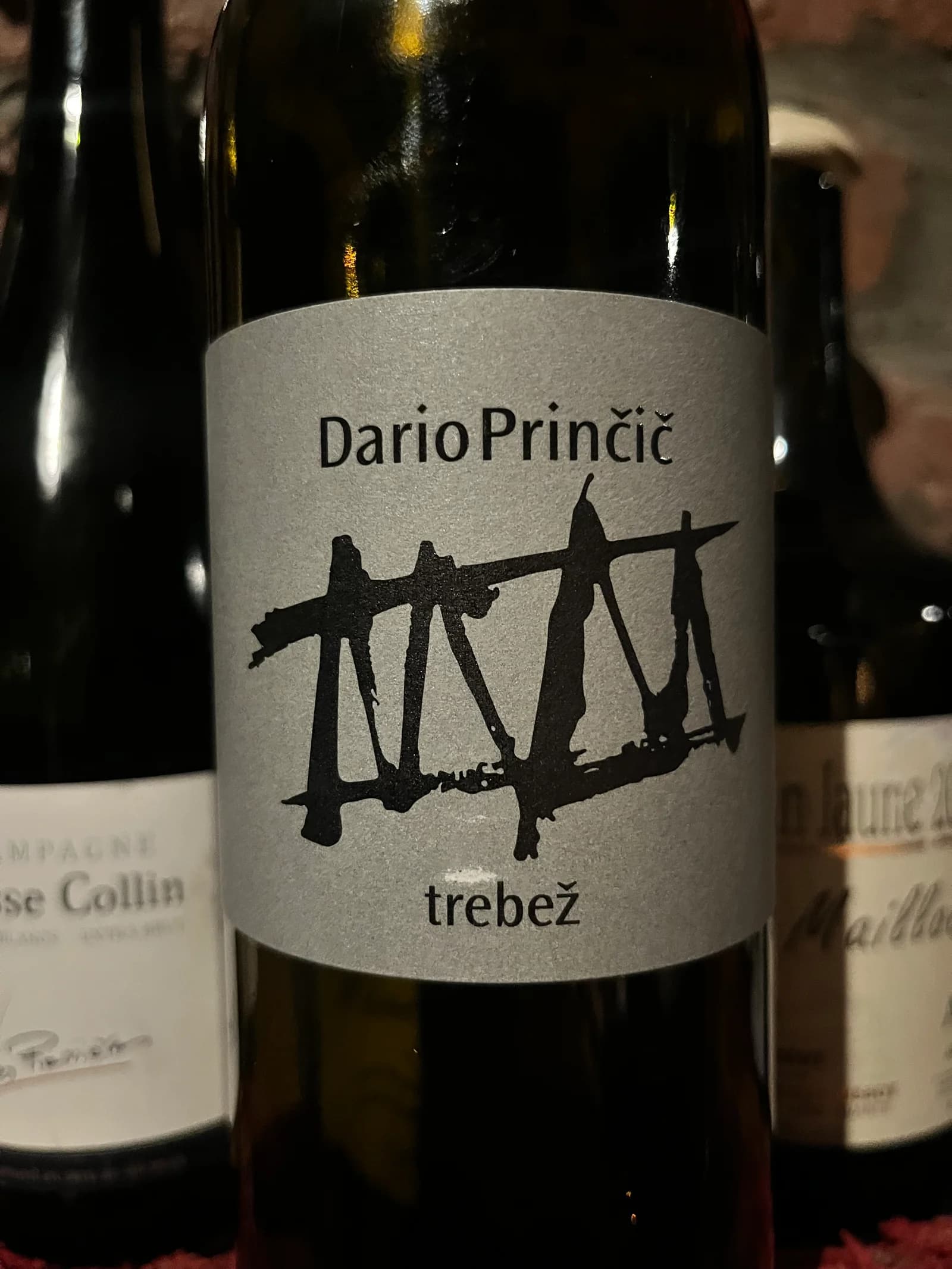
Dario Prinčič is the quietest voice in the Oslavia orange-wine circle - same village as Gravner, Radikon, La Castellada, but his own register. Trebež comes from a single vineyard co-planted to Chardonnay, Sauvignon Blanc, and Pinot Grigio; the three are vinified separately (roughly 5-8 days skin contact for the Pinot Grigio, 15-27 days for the others) and assembled afterwards. Long élevage in old/used oak - one importer reports around 42 months for the 2020 specifically. Bottled unfined, unfiltered, no added SO2 - the strictest end of Prinčič's already low-intervention protocol.
The full note is for members.
Join to read it and the rest