Fleury
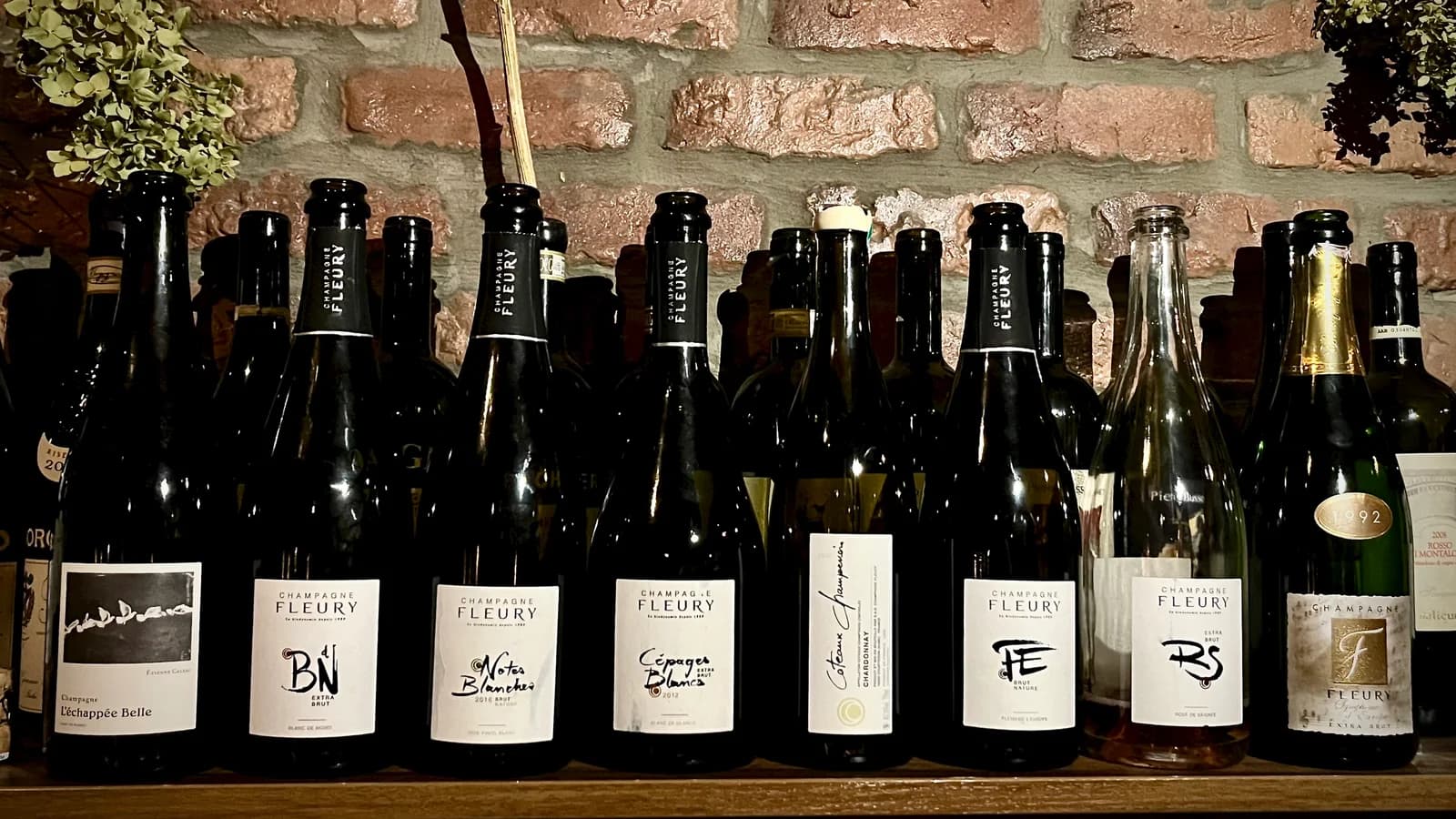
Seven Fleury Champagnes spanning 1992 to 2025 - thirty-three years of biodynamic Côte des Bar.
By Boris · Hosted by Boris Buliga
Fleury is one of those producers you can build an entire evening around. Founded in 1895 in Courteron, they were the first Champagne grower to convert to biodynamics - in 1989, when that word still sounded like a religion rather than a marketing strategy. Four generations later, the family is still at it: fifteen hectares on Kimmeridgian marl - not the Campanian chalk of the Côte des Blancs, but fossilized ancient seabed, 150 million years of compressed clay, limestone, and oyster shells. 85% Pinot Noir, and a quiet conviction that the terroir will speak if you let it.
And speak it does. Across all seven Fleury wines, from the youngest to the oldest, a single thread runs through: a saline, stoney minerality laced with iodine - the fossilized ocean announcing itself in every glass. It's not subtle. It's not background noise. It's the house signature, and once you hear it, you hear it everywhere.
We opened with an Étienne Calsac from Avize as a palate-setter, then walked through seven Fleury wines spanning thirty-three years - from a fresh-disgorged 2025 Blanc de Noirs to a 1992 Symphonie d'Europe that had been sleeping longer than some of our participants have been alive. In between: a still Coteaux Champenois Chardonnay, a Rosé de Saignée, their rare Notes Blanches from 100% Pinot Blanc, the Cépages Blancs with over eleven years on lees, and the historic Fleur de l'Europe - Champagne's first biodynamic cuvée.
Étienne Calsac L'échappée Belle (2022) NV
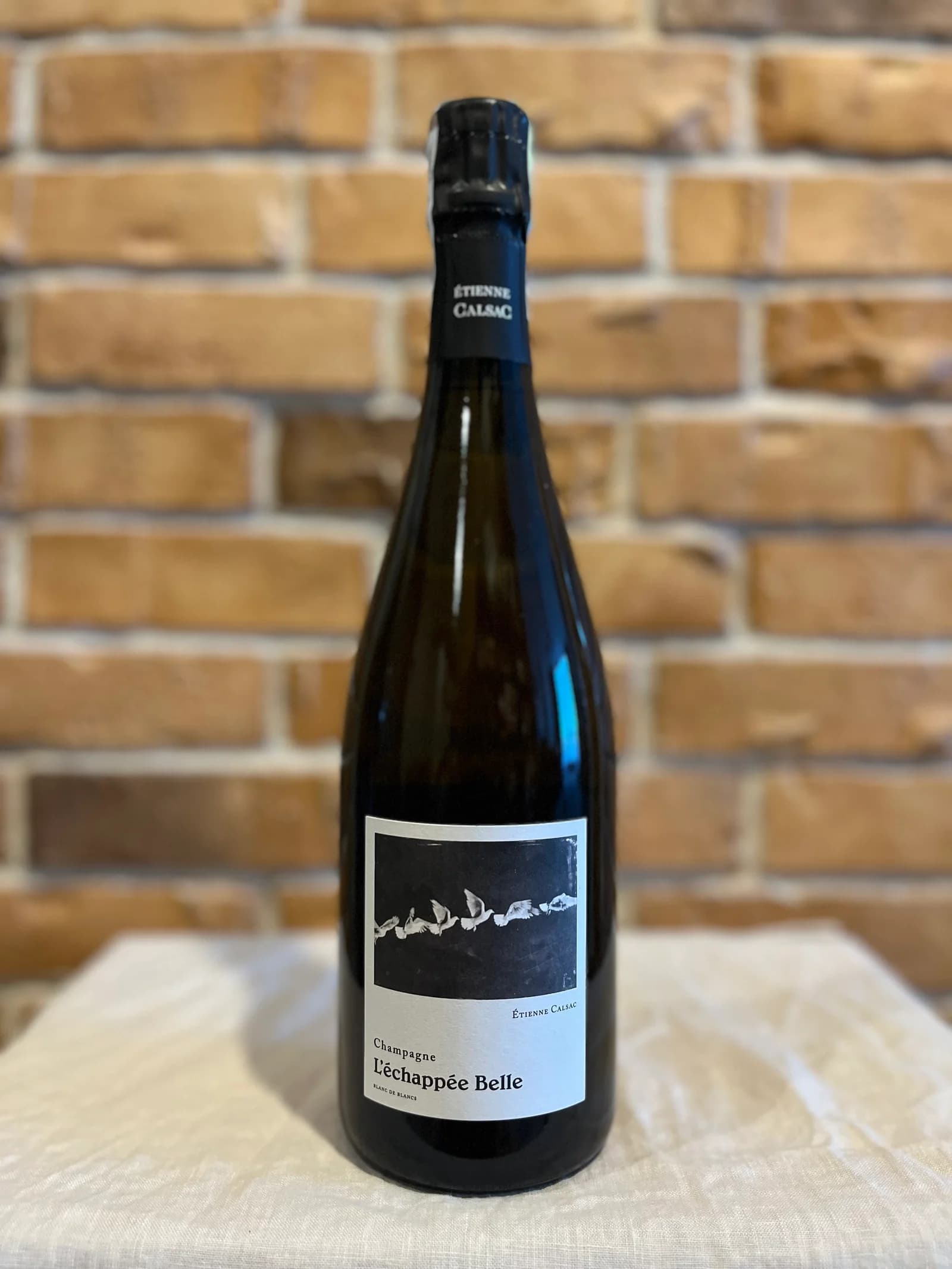
The welcome glass - not Fleury. Étienne Calsac is a rising grower-producer in Avize, Grand Cru Côte des Blancs. 100% Chardonnay, vinified partly in used barriques, partly in steel. Extra Brut (3 g/l). Base 2022, disgorged April 2025, 36 months on lees.
The full note is for members.
Join to read it and the restFleury BdN d2025 NV
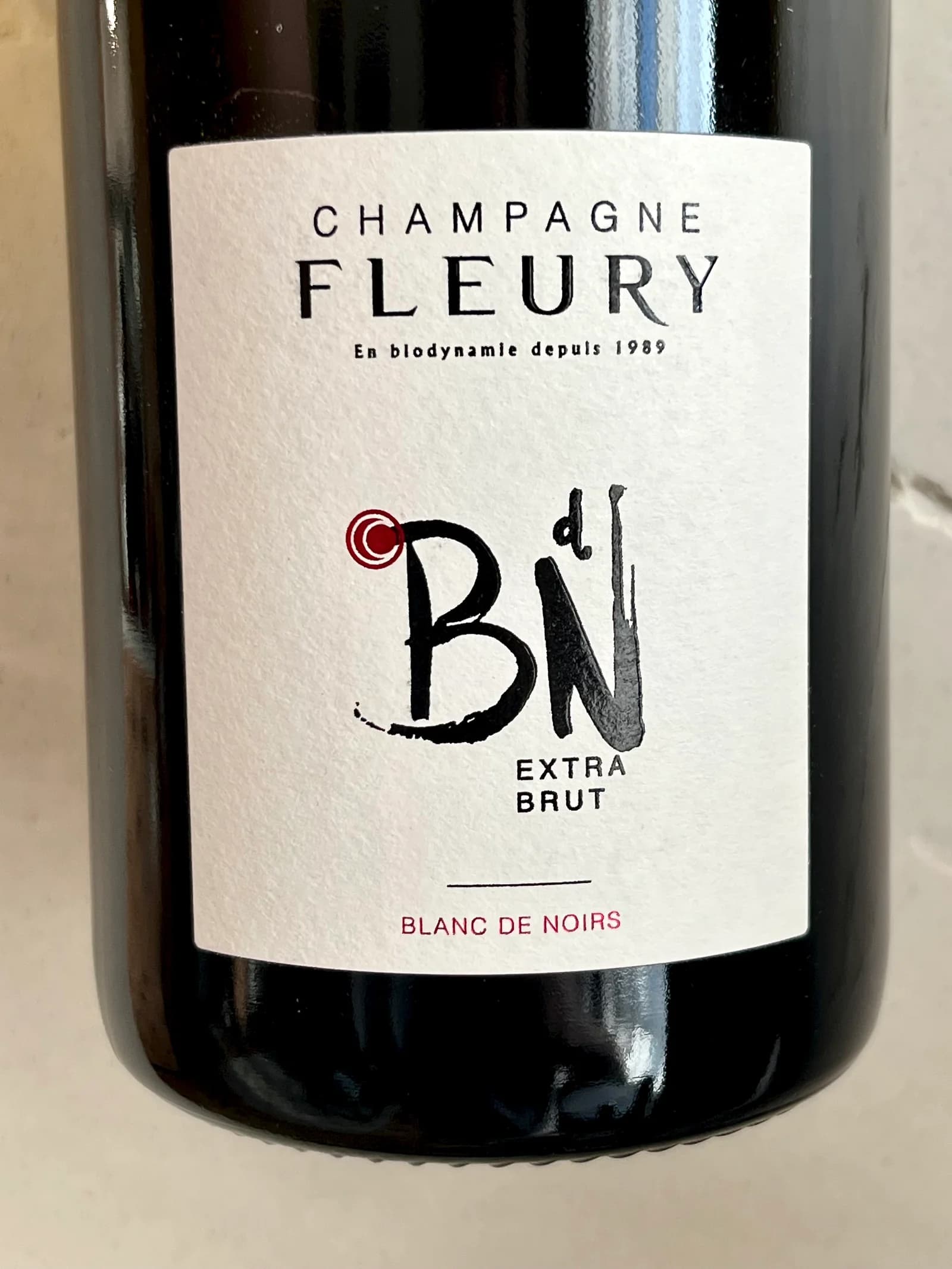
The house signature, tracing its origins to 1955 when Robert Fleury first championed Pinot Noir in the Côte des Bar. 100% Pinot Noir. 35% from 2020, 15% from 2021, and 50% from a réserve perpétuelle enriched each year and stored in large wooden vats. Vinified in steel, full malolactic. Minimum 36 months on lees. Extra Brut (3.4 g/l). Disgorged March 2025.
The full note is for members.
Join to read it and the restFleury Notes Blanches 2016
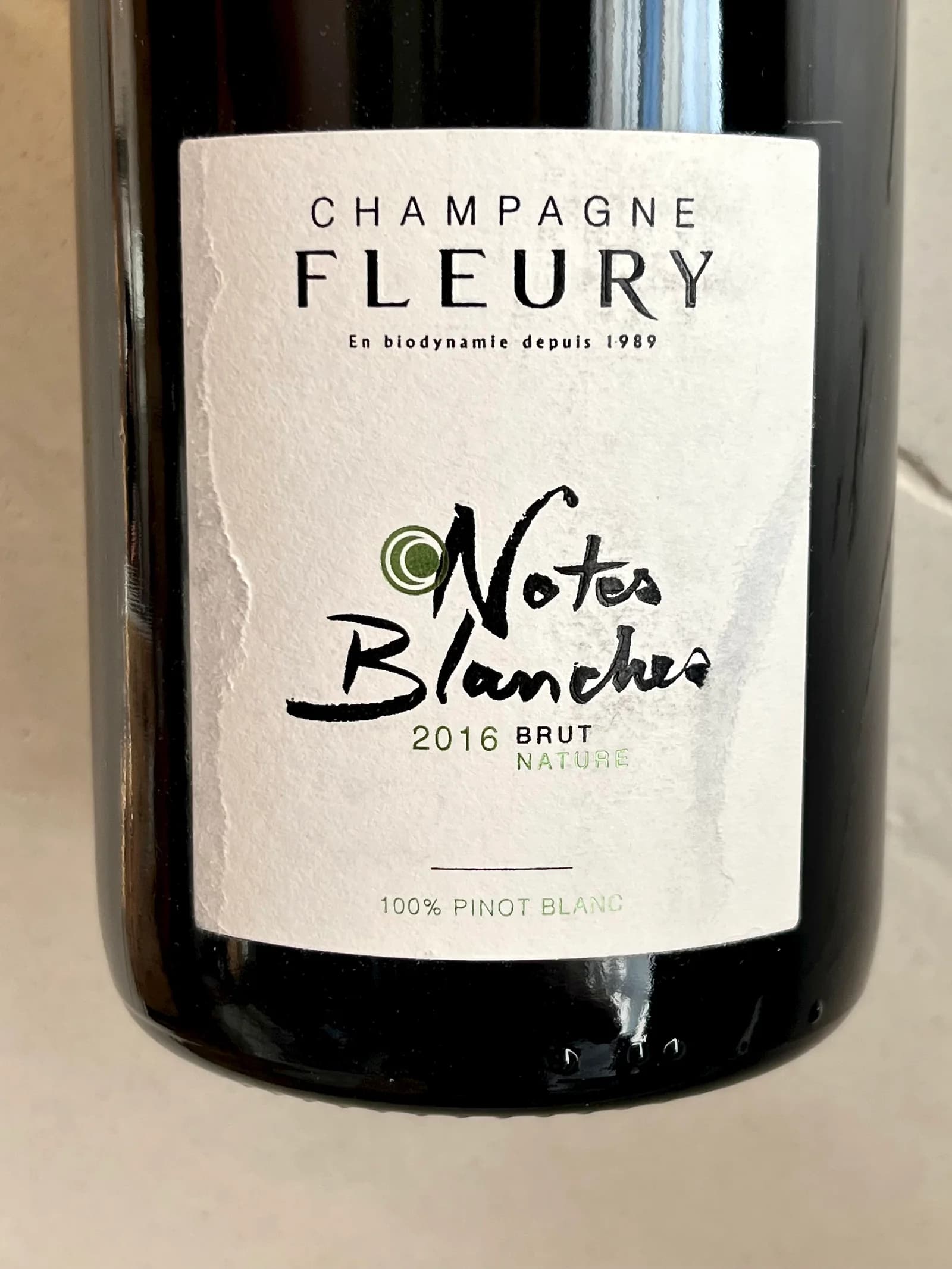
100% Pinot Blanc - one of Champagne's cépages oubliés, rarely seen as a single-variety Champagne. Brut Nature (zero dosage). Vinified in oak. Disgorged June 2024 after approximately 83 months on lees. Fleury championing a forgotten variety from the Côte des Bar.
The full note is for members.
Join to read it and the restFleury Cepages Blancs 2012
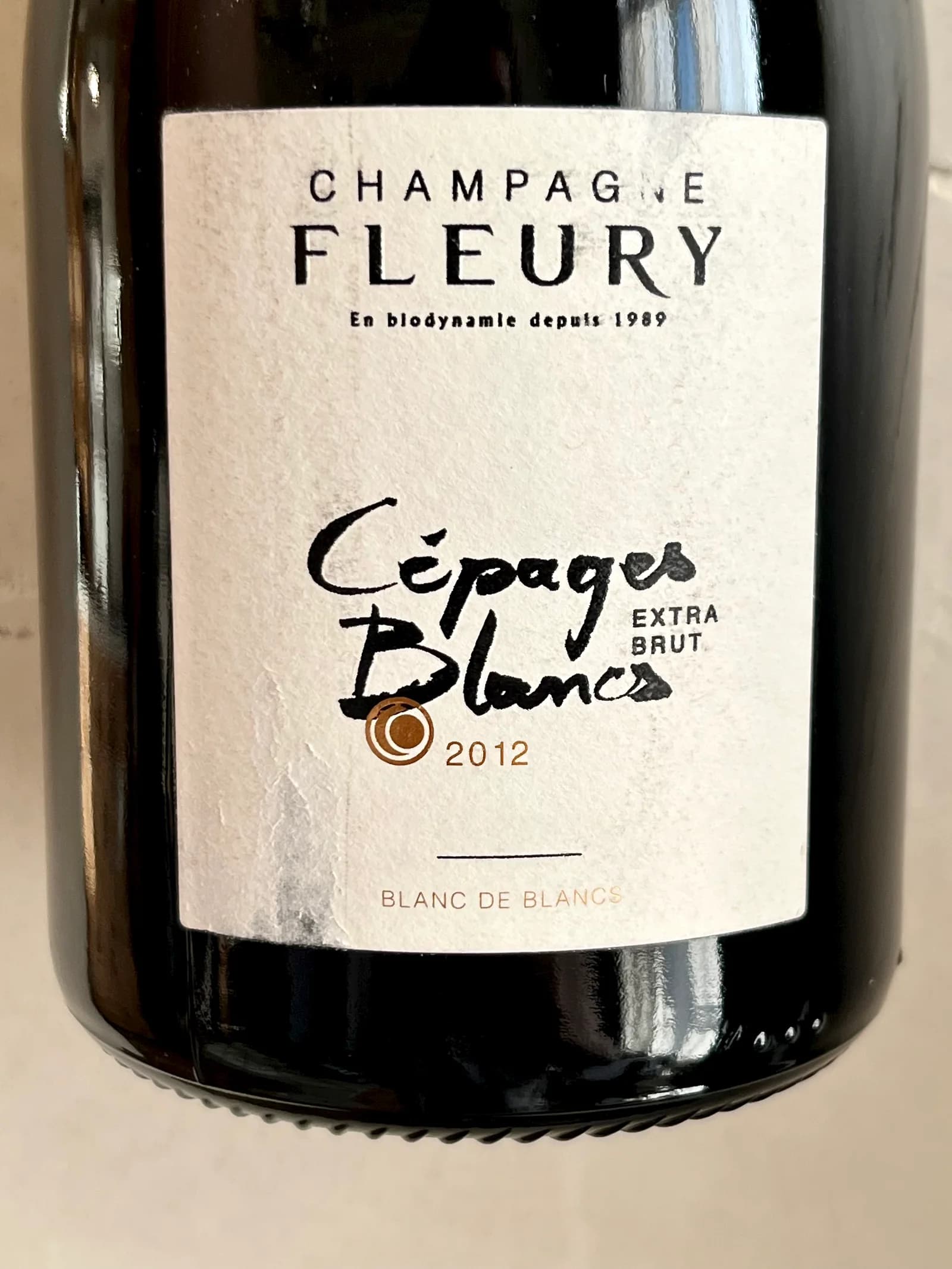
Chardonnay and Pinot Blanc from the Côte de Champreaux and Valprune parcels on deep limestone. Vinified 50% in oak, 50% in steel. Extra Brut. Disgorged November 2024 after 136 months on lees - over eleven years. The 2012 vintage was brutal (frost, coulure, hail), but low yields produced concentrated wines.
The full note is for members.
Join to read it and the restFleury Coteaux Champenois Chardonnay 2020
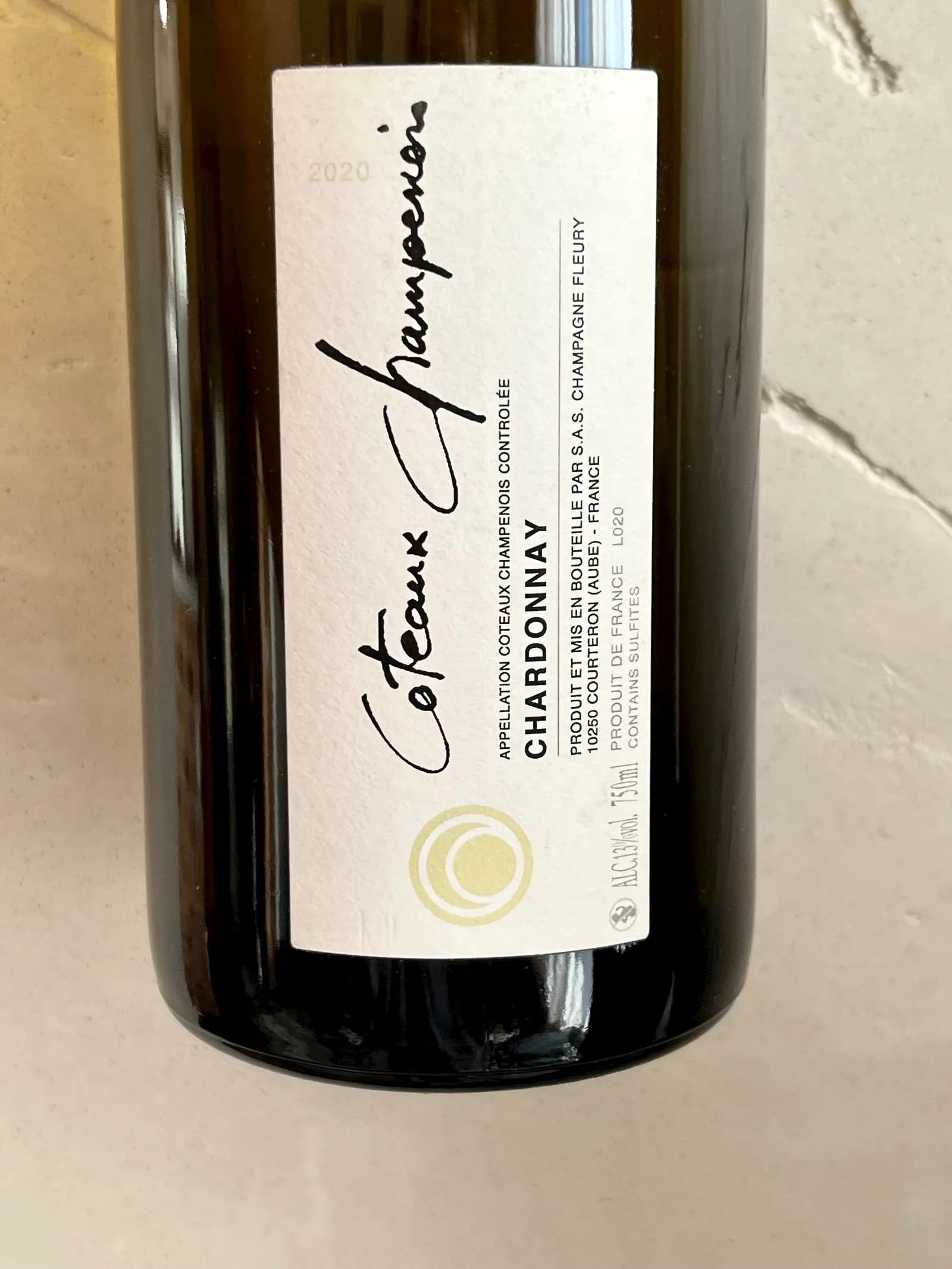
Still wine from Champagne - no bubbles. Coteaux Champenois is a rare AOC that most houses don't bother with. 100% Chardonnay. 2020 was a hot, early-harvest year - ideal for still wine, as grapes reached full phenolic ripeness. Biodynamic, as with everything Fleury makes.
The full note is for members.
Join to read it and the restFleury Fleur de L'Europe (2019) NV
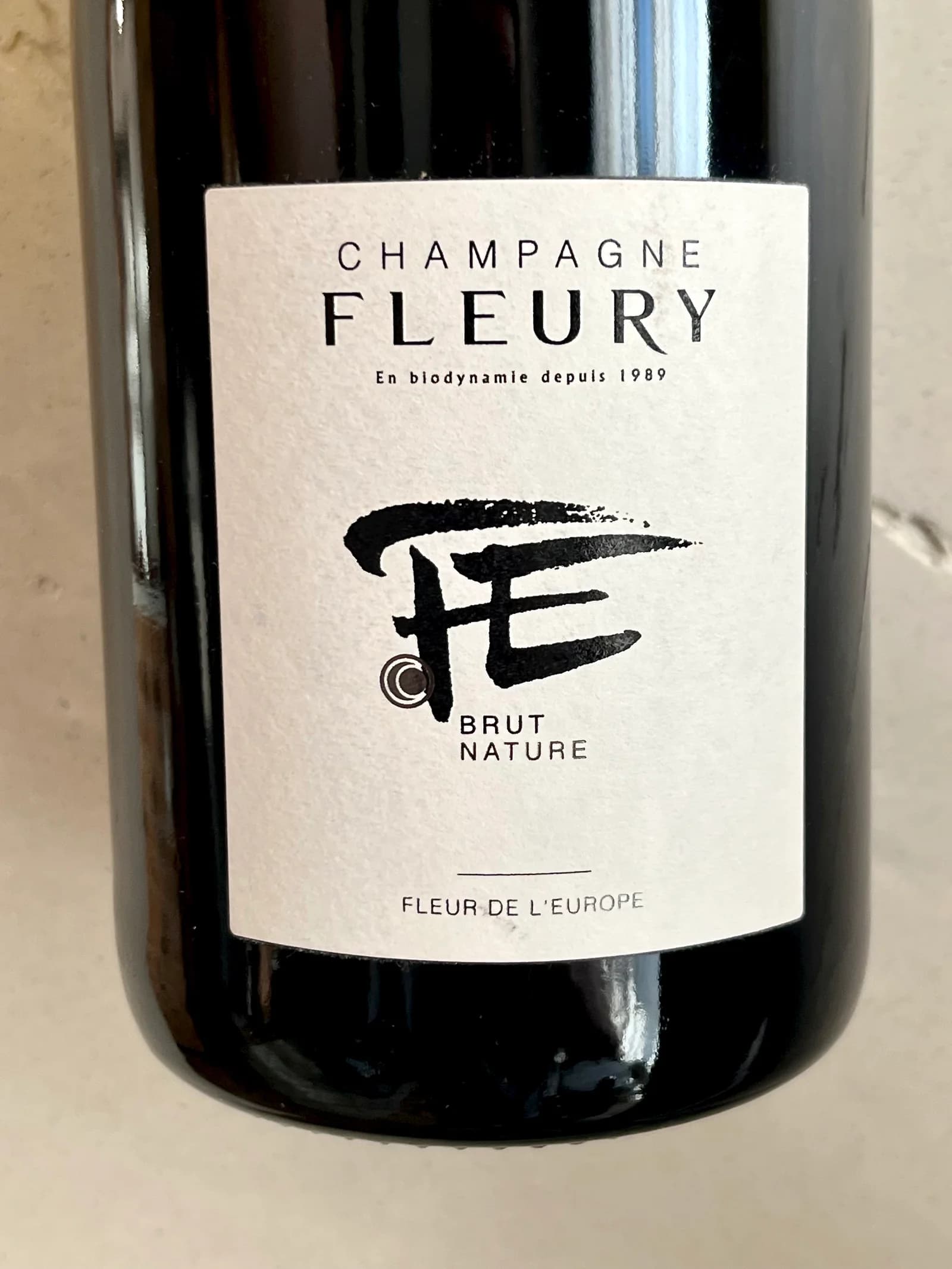
A historic milestone - the first biodynamic cuvée produced in the Côte des Bar. Named after Europe in 1989, the year of the fall of the Berlin Wall. 85% Pinot Noir, 15% Chardonnay. About 40% from reserve wines aged in oak tuns. Vinified in steel and fût de chêne, full malolactic. Minimum 30 months on lees. Brut Nature (zero dosage). Disgorged April 2025.
The full note is for members.
Join to read it and the restFleury Rosé de Saignée 2019
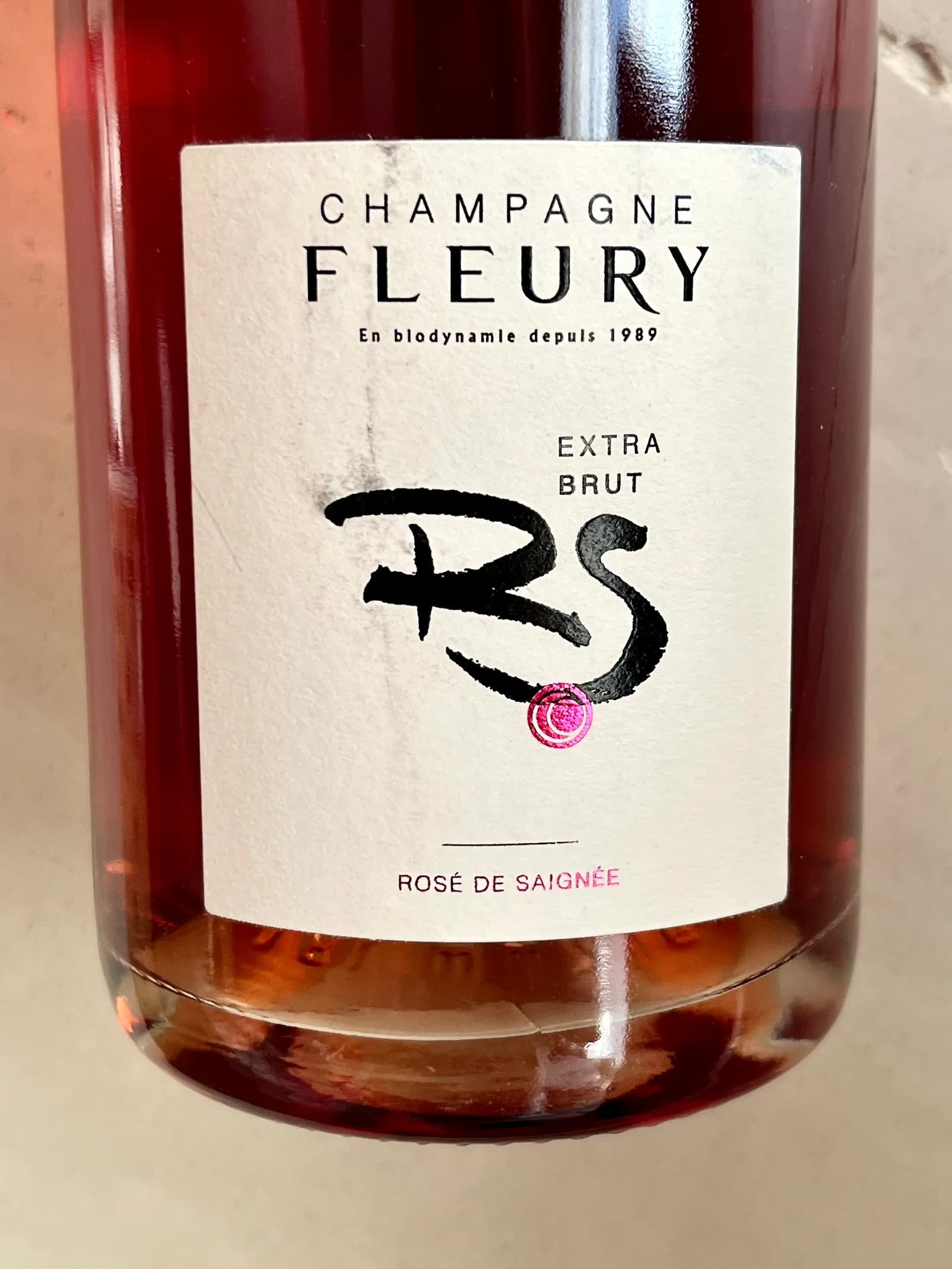
100% Pinot Noir. Saignée method - the must sits on the skins for extended contact before being bled off, producing a deeper, more intensely coloured rosé than the blending method. Extra Brut (3.4 g/l). Disgorged March 2025 after approximately 57 months on lees. Vintage 2019 - an excellent, warm year.
The full note is for members.
Join to read it and the restFleury Symphonie d'Europe 1992
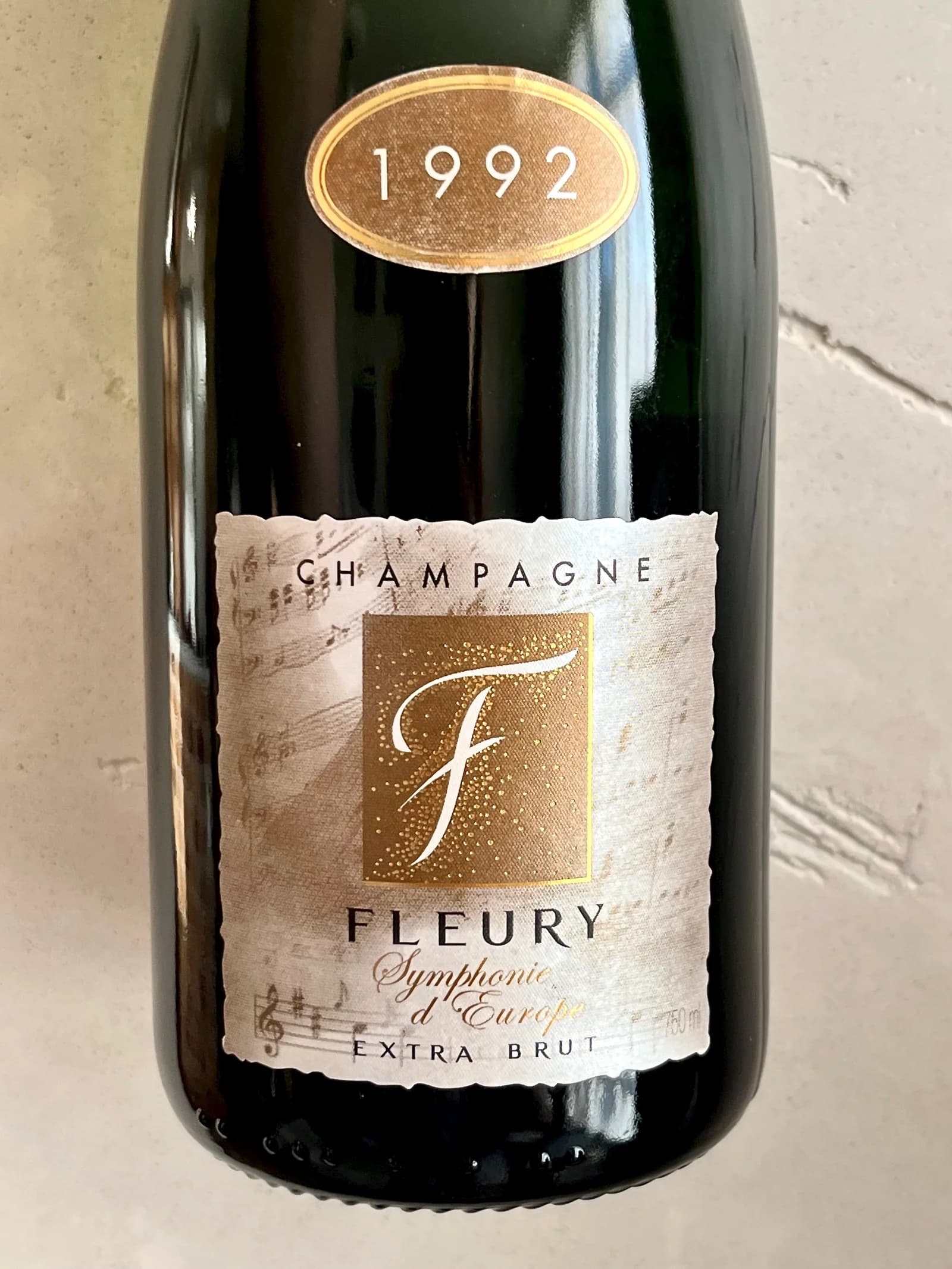
The crown jewel. 100% Pinot Noir. Vintage 1992 - the year of the Maastricht Treaty. Late-disgorged December 2022, meaning it spent approximately twenty-nine years on its lees before release. Extra Brut. A discontinued prestige cuvée from Fleury's earlier era. At thirty-four years old, a bottle from another time entirely.
The full note is for members.
Join to read it and the rest