Region
Italy › Trentino-Alto Adige › Alto Adige › Alto Adige DOC
Type
red · still
Grapes
Pinot Noir
Alcohol
13.5%
Volume
750 mL
Bottled
2025-06-12
Available at
Tasting Notes(1)
3.9
The full note is for members.
Join to read it and the restAbout
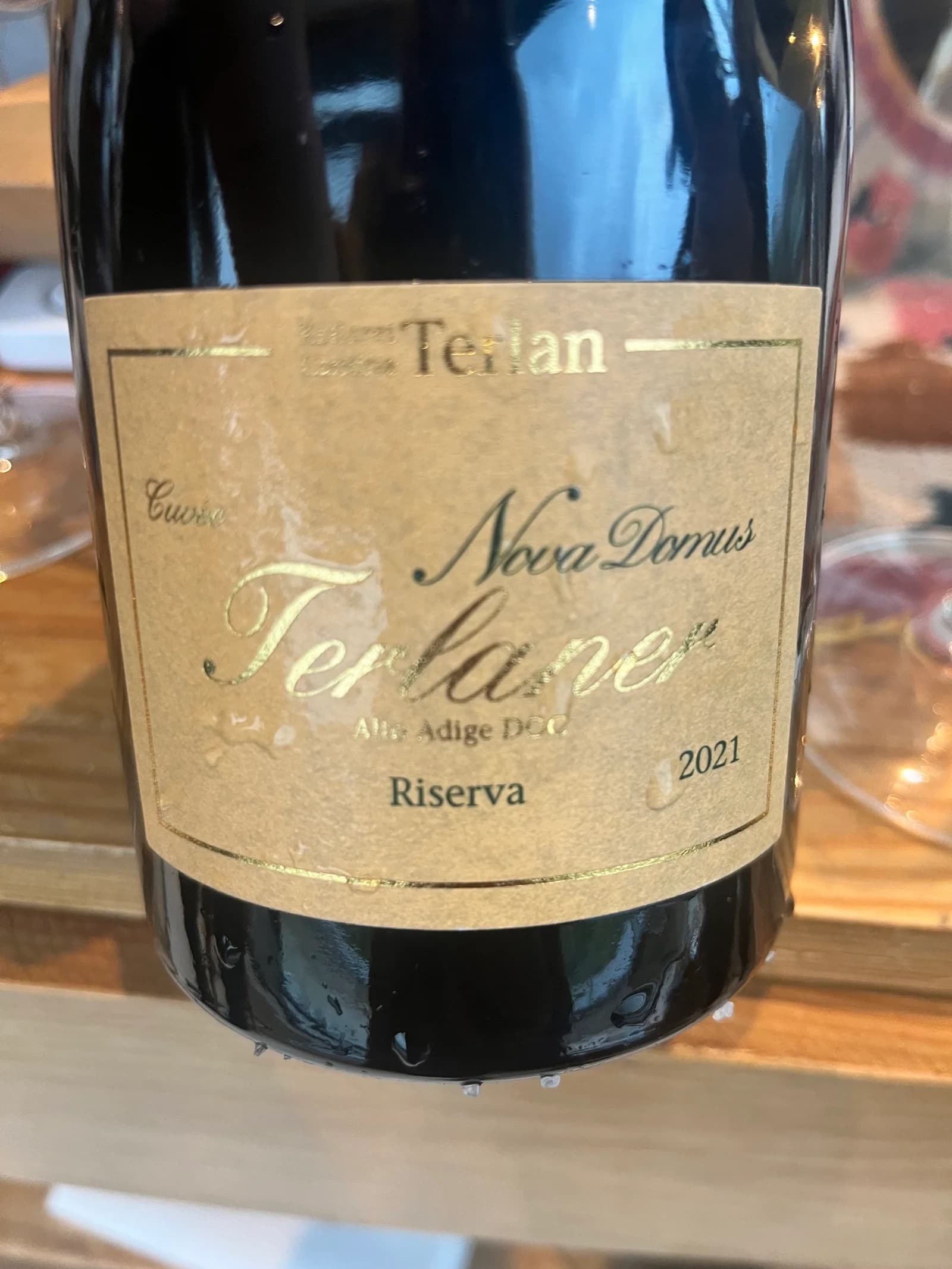
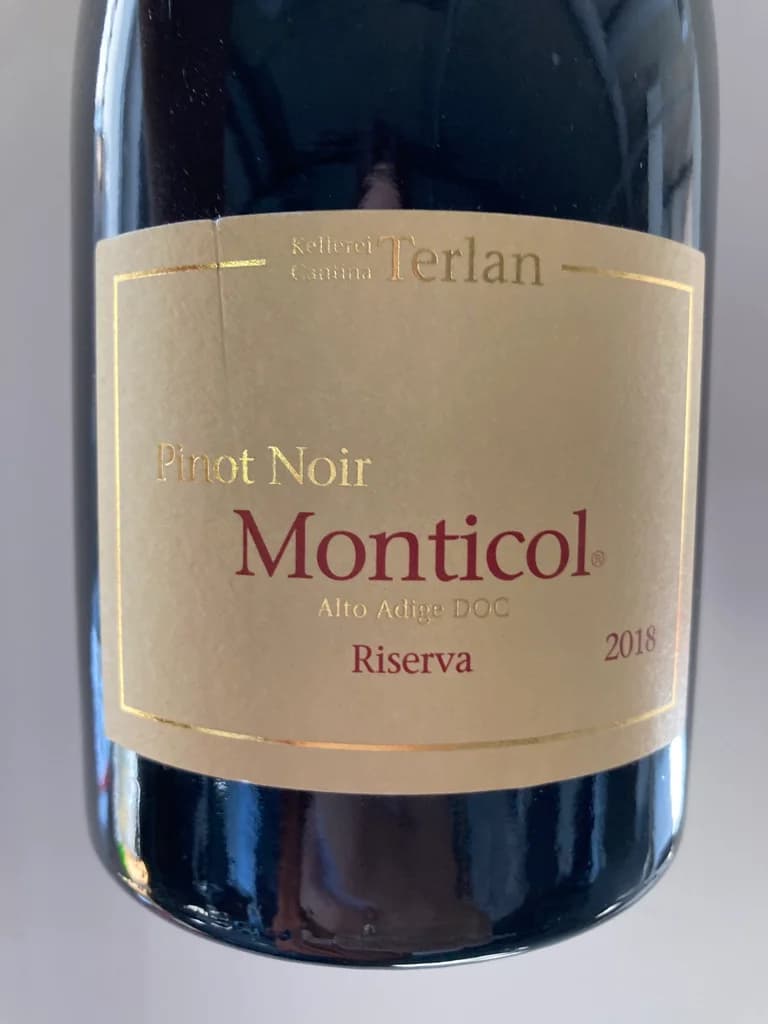
Cantina Terlano is a growers' cooperative founded in 1893 in Terlano, about ten kilometres north-west of Bolzano in the middle Adige valley. It is small by cooperative standards: 143 member growers, and a cellar that turns out roughly 70 percent white and 30 percent red, all of it bottled as Alto Adige DOC. The range is split into two lines, the Selections, which include the site-named wines such as Vorberg, Winkl and Monticol, and the Tradition line of varietal wines, and this Pinot Noir is the Tradition-line bottling. The house is best known for its white wines and their longevity, and the quote on the producer's page from Rudi Kofler, the cellar master, frames the Pinot Noir the same way: the medium-high to high, well-ventilated sites around Terlano are what let the variety ripen into something elegant rather than heavy.
The terroir the cooperative describes is volcanic: vineyards set on terraces of red porphyry, a siliceous rock of alkali feldspar, plagioclase, quartz and muscovite, weathering into deep, skeletal, sandy to sandy-loam soils with a very high stone fraction and low carbonate content. The result is a free-draining, nutrient-poor soil that naturally limits vigour and yield. Terlano sits on the sunny, west-to-south-west facing side of a glacial valley, with around 2,100 hours of sunshine a year, only about 560 mm of rain, and a marked day-night temperature swing that the cooperative attributes to the valley's position between Alpine protection to the north and Mediterranean influence from the south. Two winds shape the site: the cool, dry north foehn and the Ora, the valley wind that carries air up from the Po plain.
For the 2024 Pinot Noir the producer's tech sheet gives 100 percent Pinot Noir from sites at 450 to 650 m above sea level, on slopes of 5 to 70 percent, at a yield of 63 hl/ha. The grapes are hand-harvested and sorted, destemmed, and given a slow, temperature-controlled fermentation in stainless steel with gentle agitation of the must; malolactic fermentation and seven to ten months of ageing follow in large wooden barrels. The finished wine is 13.5 percent alcohol with 1.0 g/l residual sugar and 5.3 g/l total acidity. The lot on this bottle, L25163, reads as day 163 of 2025, that is 12 June, which matches the date of manufacture on the importer's sticker.
The producer's own report calls 2024 a demanding year. Spring was the wettest since 1965, and the cool, wet weather lasted into early June, delaying flowering and causing coulure in some varieties; yields fell by 15 to 40 percent, with Sauvignon Blanc, Pinot Blanc and Lagrein hit hardest. July brought repeated thunderstorms, August was dry and warm, and then temperatures dropped sharply in mid-September, which slowed ripening and made full maturity hard for the late red varieties. The cooperative notes that well-exposed sites proved their worth in such a year, and says the white wines and the Pinot Noirs are already showing very well.