All producers
Planeta
Sicily, Italy7 wines3.7 avg
52
Sicily. Six estates across the island - Menfi, Vittoria, Noto, Etna, Capo Milazzo. The winery at Ulmo was established in 1995 by cousins Alessio, Francesca and Santi Planeta with Diego Planeta as the guiding figure. SOStain-certified since 2014, organic across the whole farm since 2021. The house that effectively argued for Sicily as a fine-wine region in the 1990s.
Planeta is a Sicilian family operation. The Planeta cousins - Alessio, Francesca and Santi - began planting vines at Ulmo in Sambuca di Sicilia in the 1980s under the guiding hand of their uncle Diego Planeta (longtime president of the Settesoli cooperative and the single most important figure in Sicily's modern wine renaissance), and established the winery itself in 1995, with the first vintage the same year. The Planeta family had held the Ulmo land since 1694, through a marriage dowry; the modern project built a case for Sicily as a fine-wine region, initially through an internationally-styled Chardonnay from Menfi that landed in the 1990s and forced a rethink of what the island could do.
The three cousins still run the house: Alessio on winemaking and vineyards, Francesca on hospitality and enotourism, Santi on business. The structure reads "to each territory, its own winery" - six estates across Sicily:
- Ulmo at Sambuca di Sicilia, the original western site.
- Dispensa at Menfi, south-west coast.
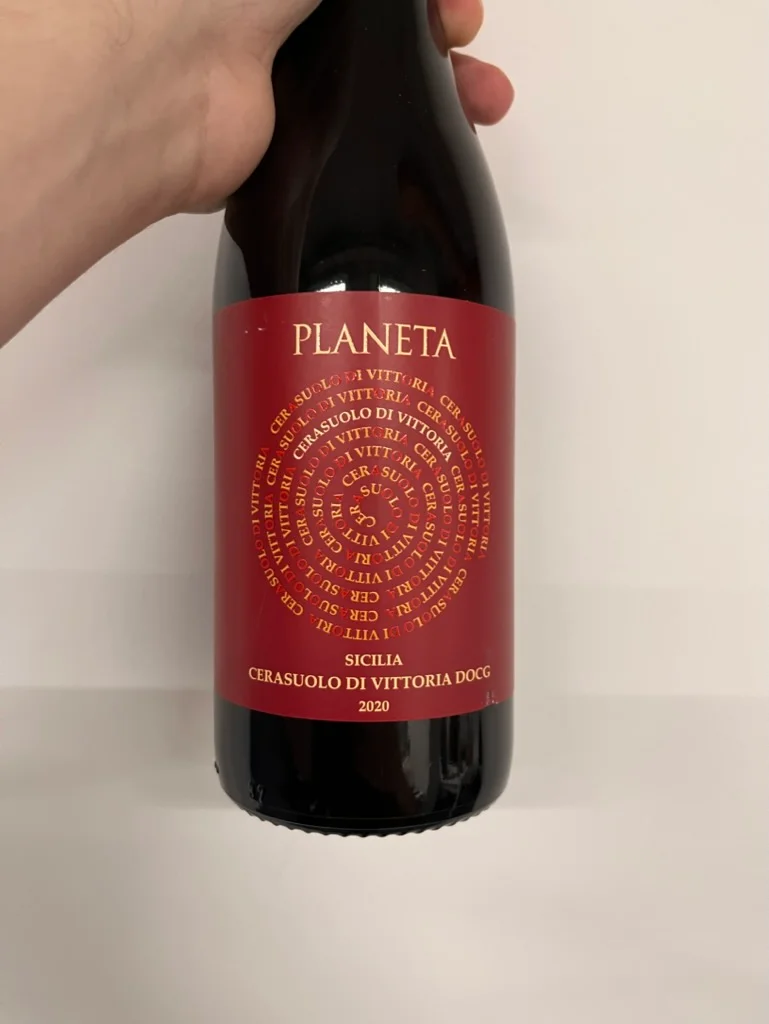
- Dorilli in Vittoria, for Cerasuolo di Vittoria.
- Buonivini at Noto in the south-east, home of the flagship Nero d'Avola.
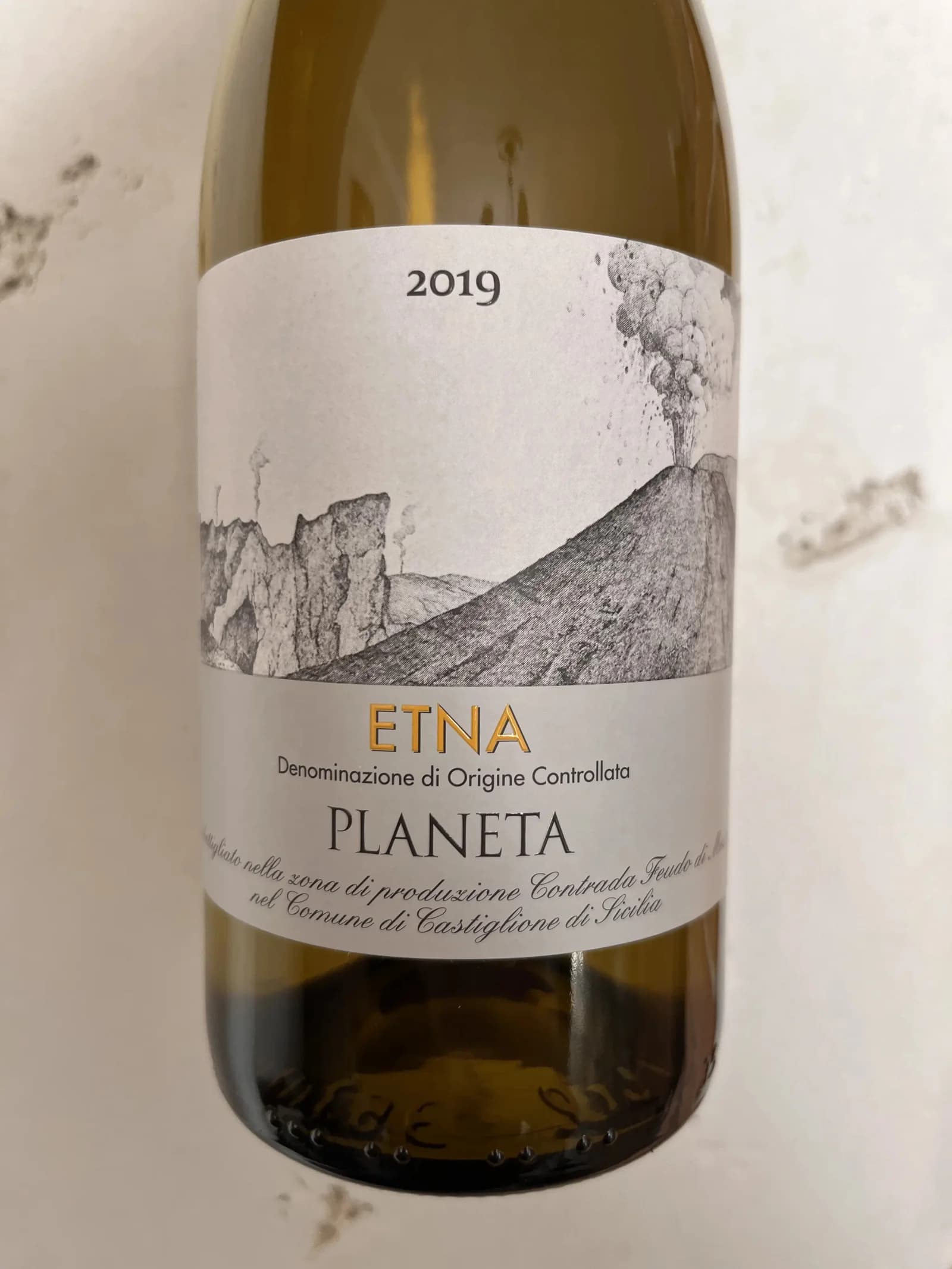
- Sciaranuova on Etna's north slope, at Castiglione di Sicilia.
- La Baronia at Capo Milazzo on the north-east coast, the most recent addition.
Around 370 hectares under vine in total, which makes Planeta one of the larger quality-focused Sicilian estates. Founding member and promoter of SOStain Sicilia (launched 2011); SOStain-certified since 2014, and since 2021 the entire cultivated area - vineyards, olive groves, almond and cereal fields - has been organic-certified.
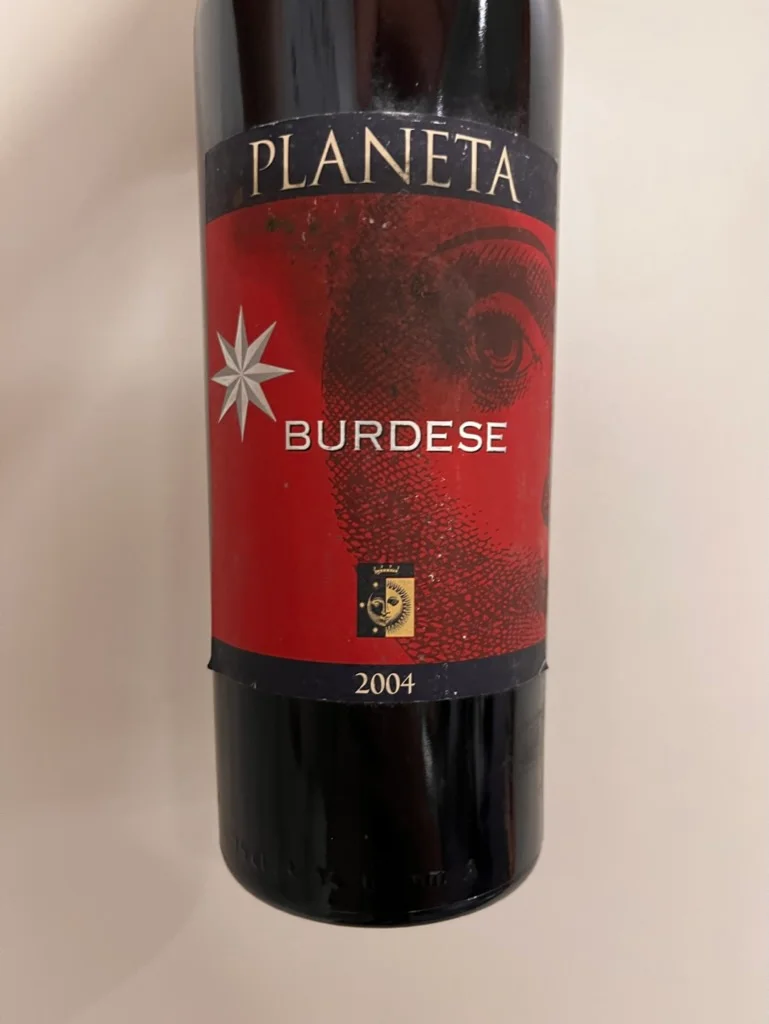
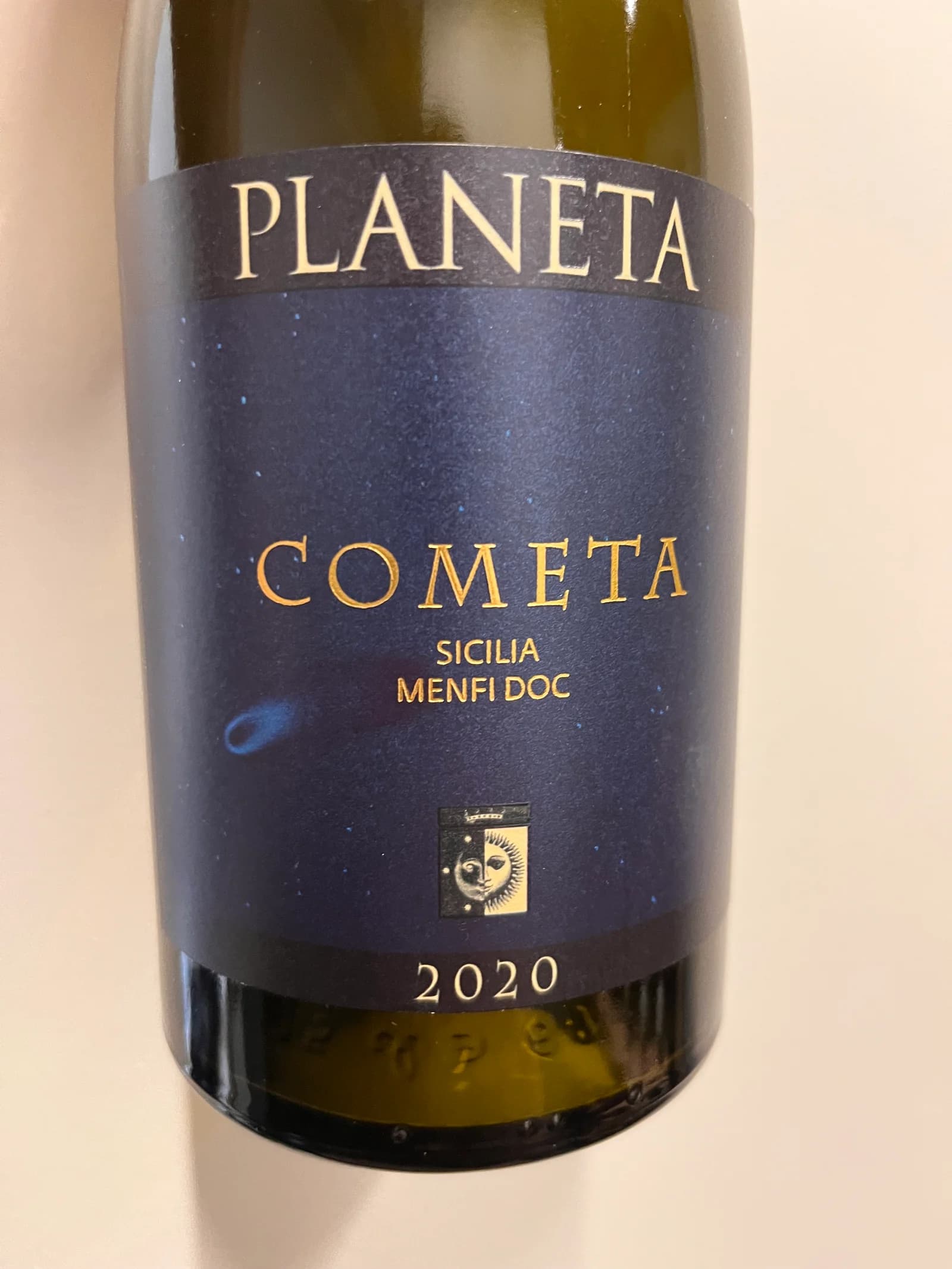
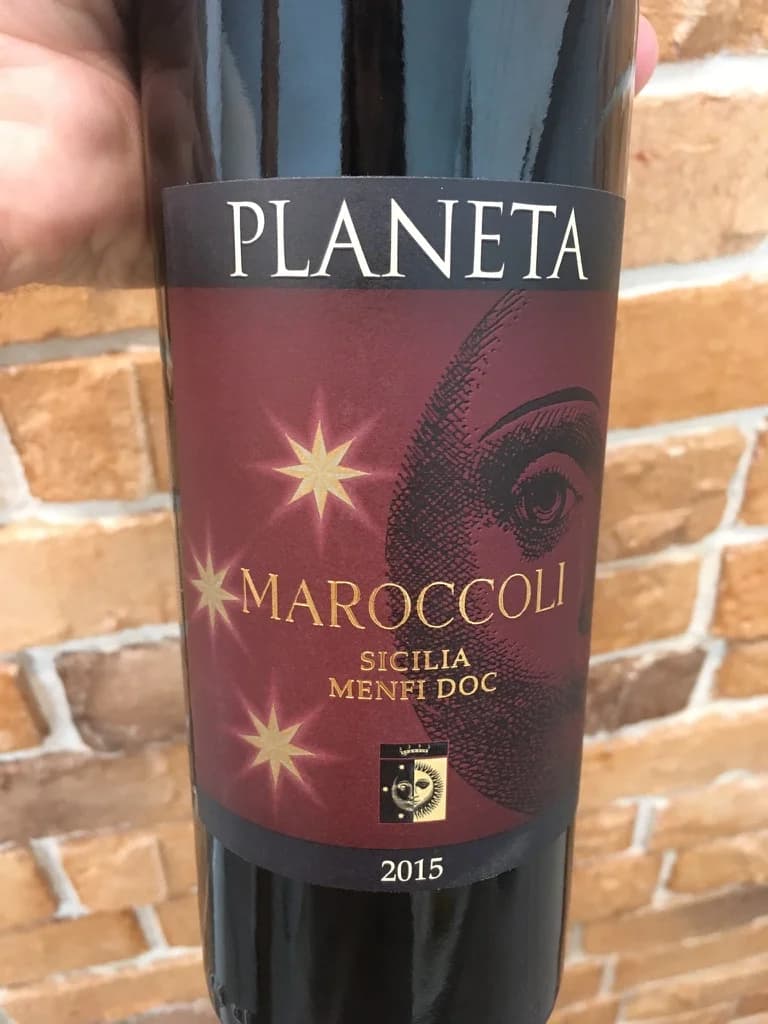
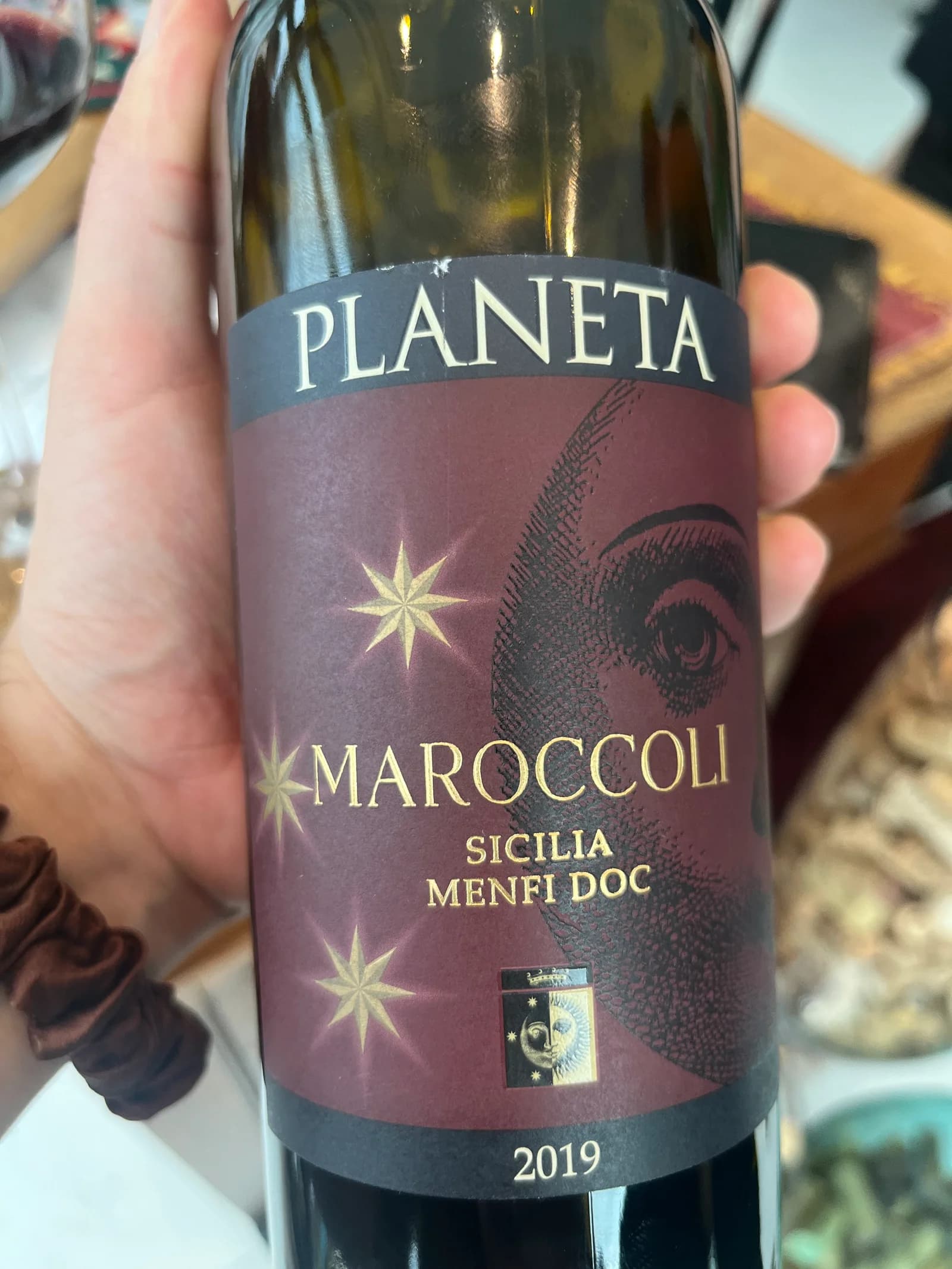
The range is a whistle-stop tour of modern Sicily. The Menfi Chardonnay is the founding wine. Cometa (Fiano, Menfi) is the signature white; Santa Cecilia (Nero d'Avola, Noto) the flagship red; Burdese (Cabernet/Cabernet Franc, Menfi) the Bordeaux-style. La Segreta Bianco and Rosso cover the daily range. From Dorilli come Cerasuolo di Vittoria, Frappato and Grillo; from Sciaranuova the Eruzione 1614 Carricante and Nerello Mascalese, plus straightforward Etna Bianco and Rosso. Modern, internationally-legible, terroir-mapped - the house that most argued, from the 1990s on, for the idea that Sicily deserves to be taken seriously.