All producers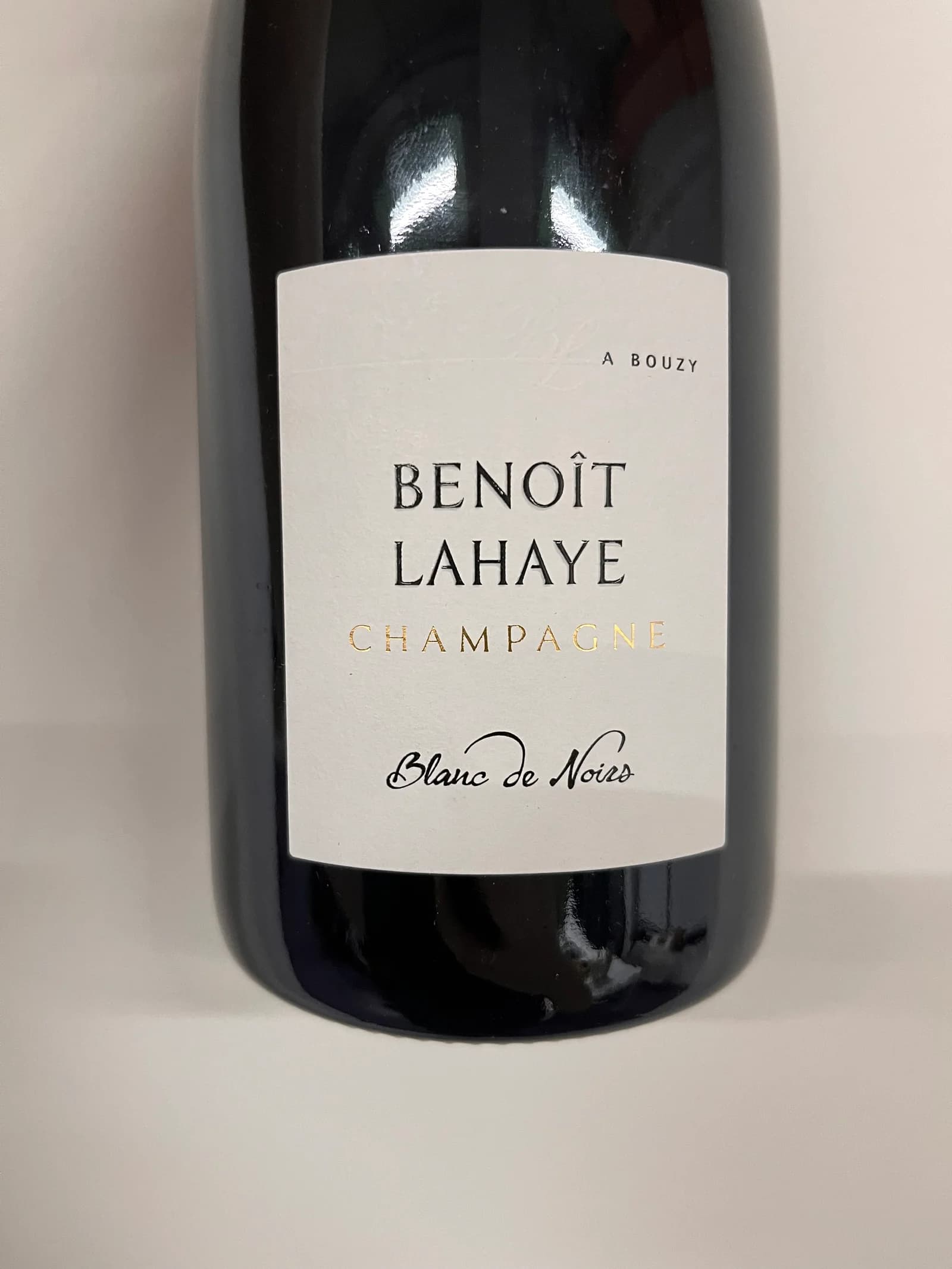
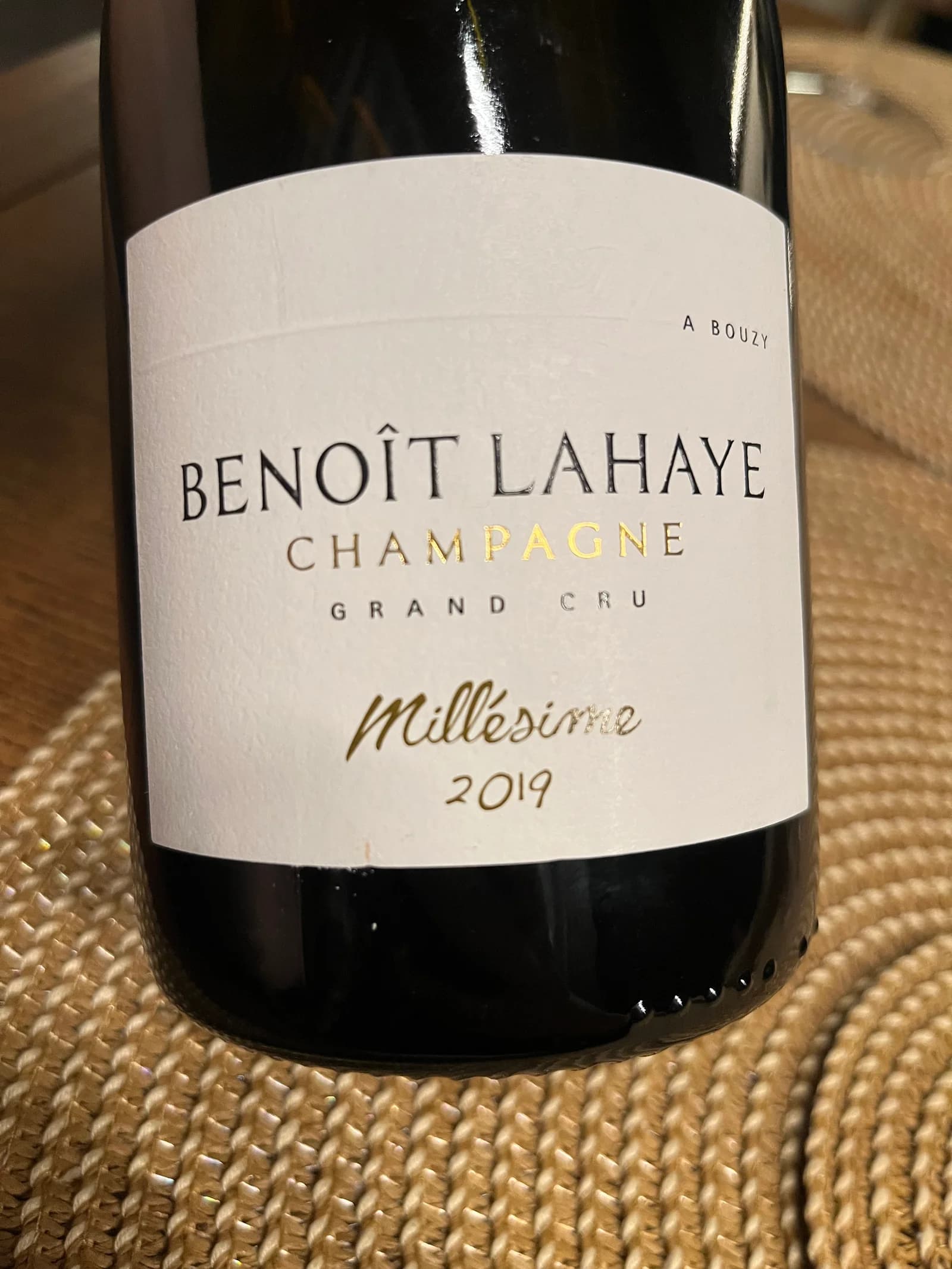
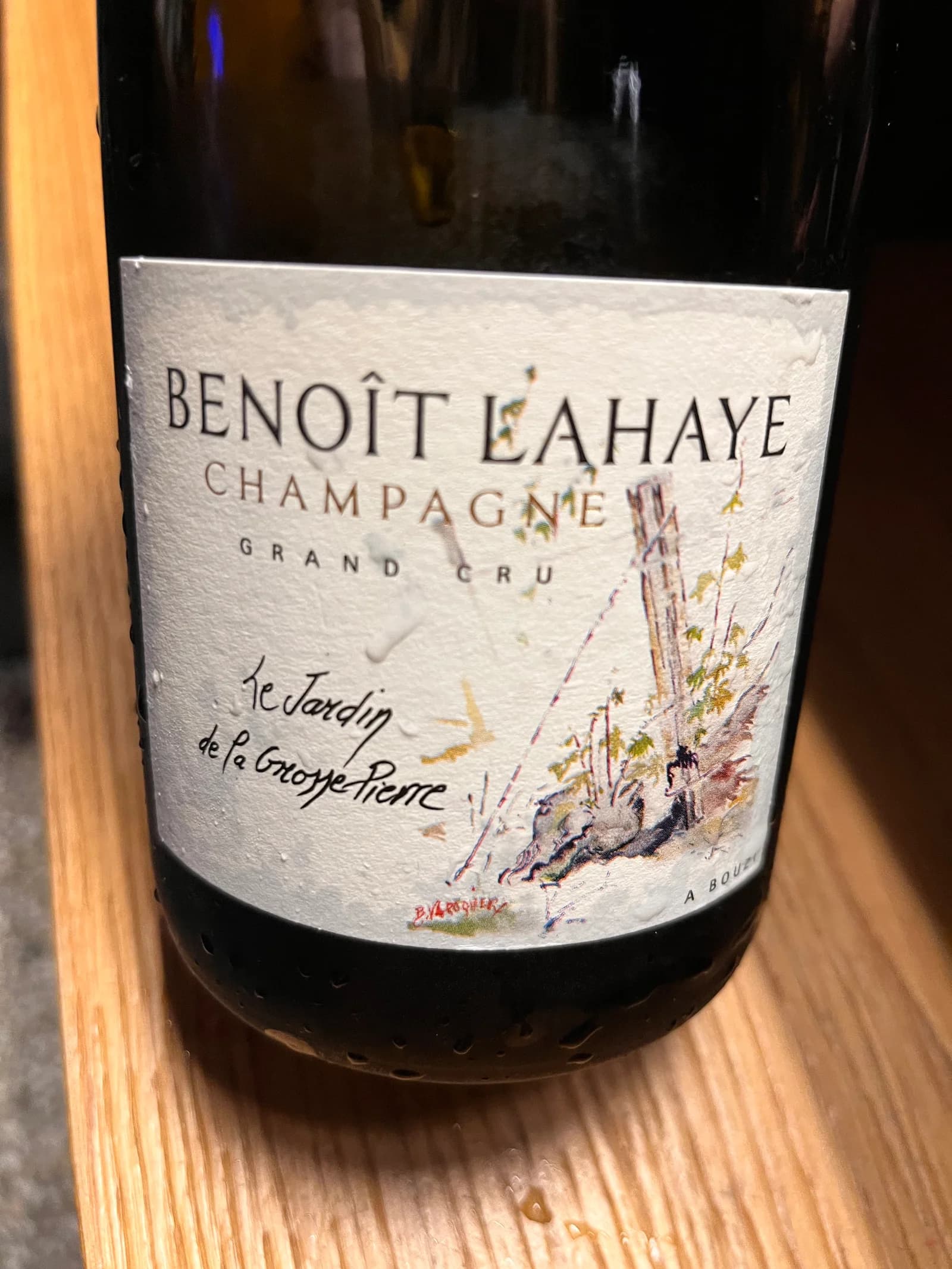
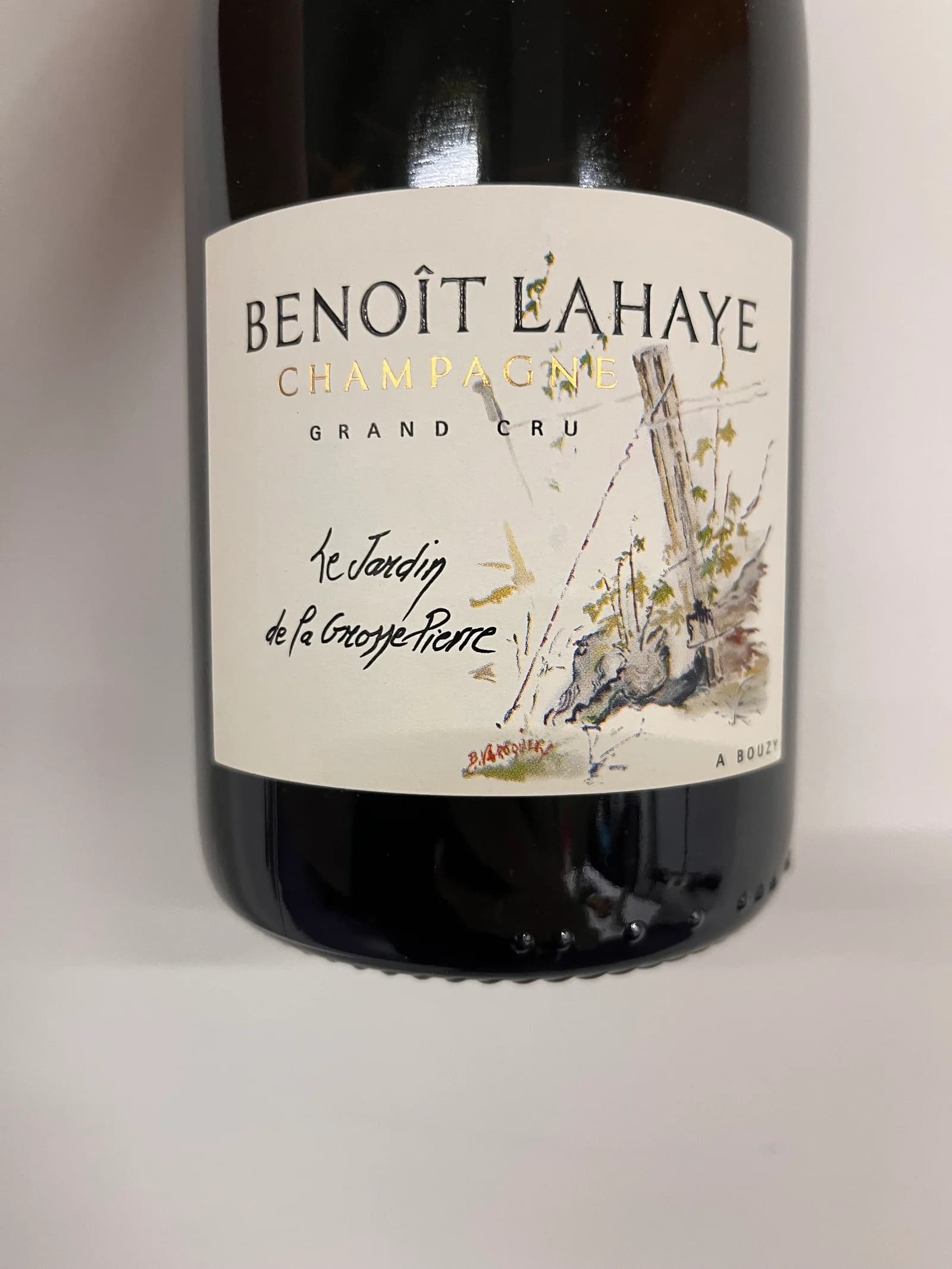
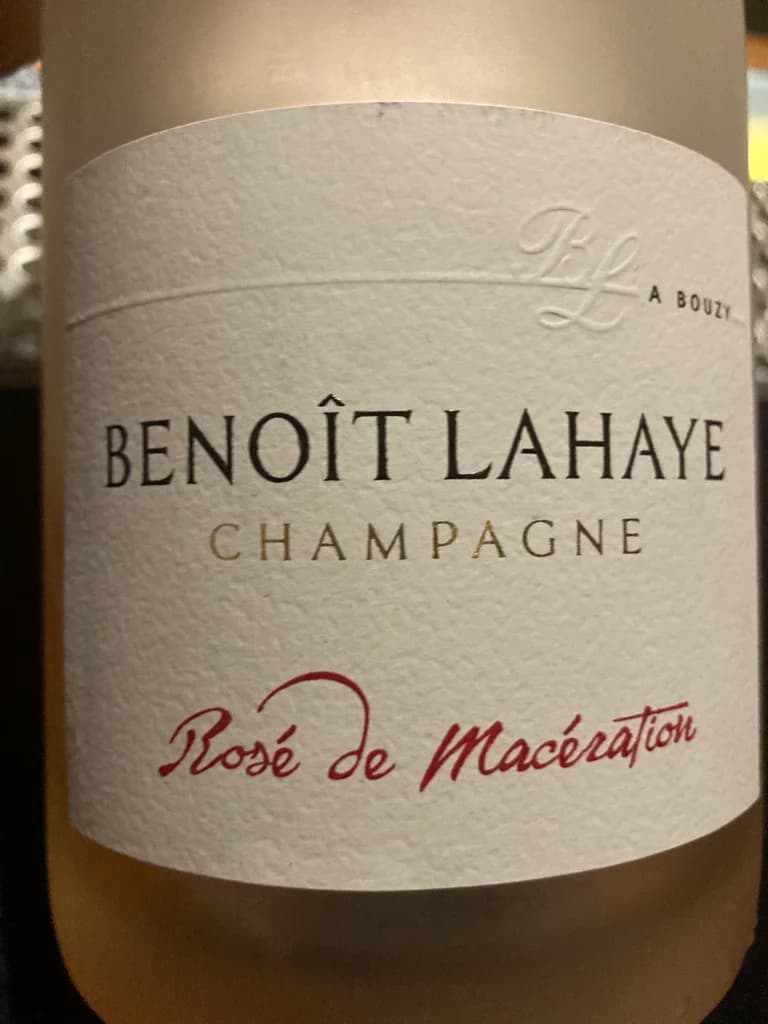
Benoît Lahaye
Montagne de Reims, France10 wines4.2 avg
73
Biodynamic Grand Cru Champagne from Bouzy - around five hectares farmed with a horse named Tamise, ~90% Pinot Noir, indigenous yeasts, and one of the benchmarks of grower-as-vigneron.
Benoît Lahaye is among the few growers who practise certified biodynamic farming in Champagne's erratic climate. He took over the family estate in 1993 and systematically moved toward organic (Ecocert-certified 2007), then biodynamic (Biodyvin-certified 2010). His Burgundy horse, named Tamise, was introduced around the time of biodynamic conversion and helped him on this road (no pun intended). You can see them together in many photos online.
Around five hectares, planted to roughly 90% Pinot Noir: 3.2 hectares in the Pinot Noir epicentre of Bouzy (Grand Cru), one in Ambonnay (also Grand Cru), 0.6 in Tauxières-Mutry (Premier Cru), and a tiny 0.2 ha Chardonnay parcel in Voipreux on the Côte des Blancs.
Since 2012, all base wines are fermented in barriques of various sizes (205 to 300 litres), from new to fifteen years old. Benoît emphasises that his style is not oxidative - he prefers to let oxidative development happen in the bottle, not the barrel. He also experiments with Tuscan amphora. Only indigenous yeasts. Full malolactic since 2008, to enhance complexity and permit lower sulphur.
The cuvées:
- Brut Nature Grand Cru - the flagship NV, zero dosage, predominantly Pinot Noir with reserve wines from oak
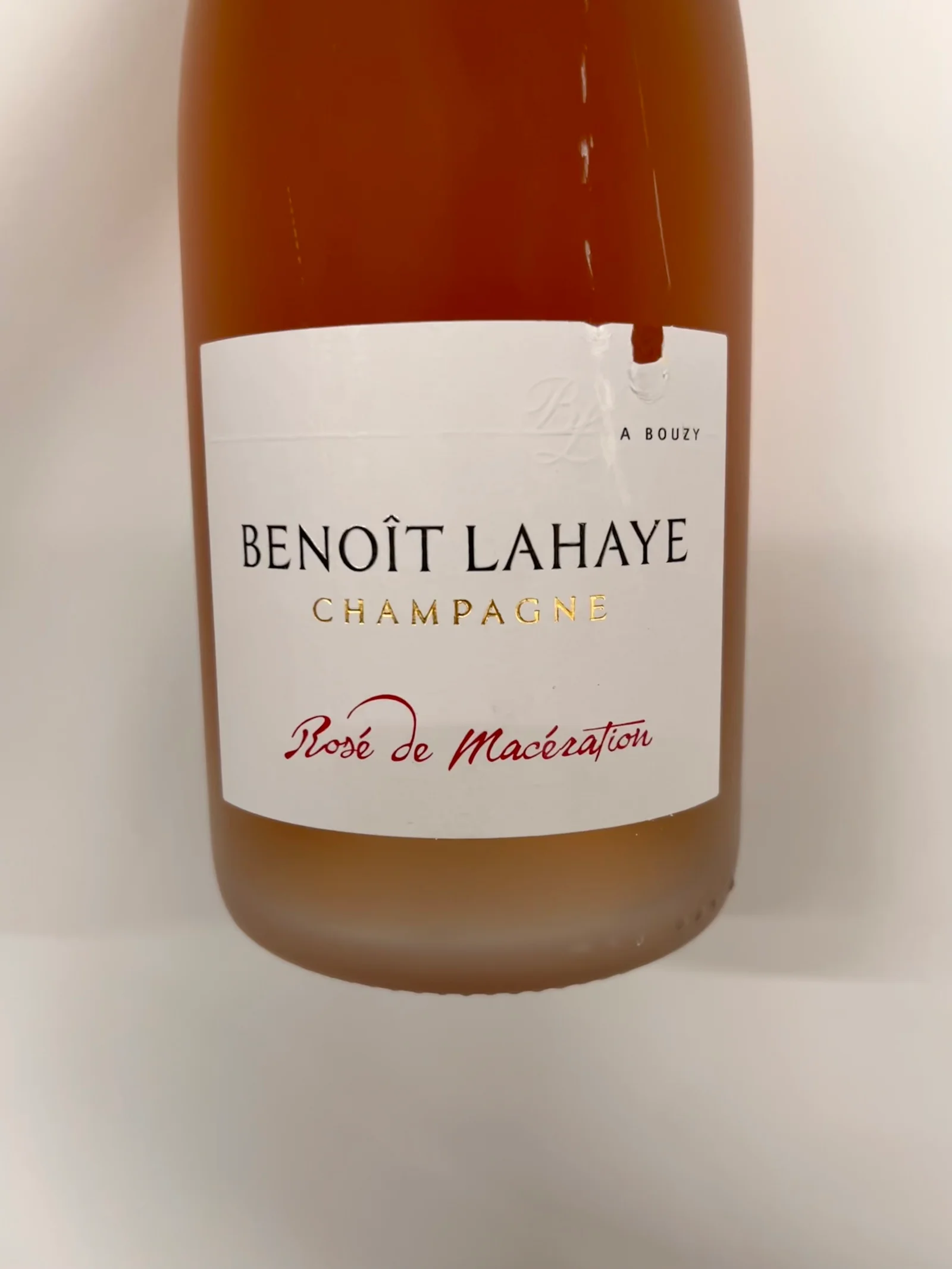
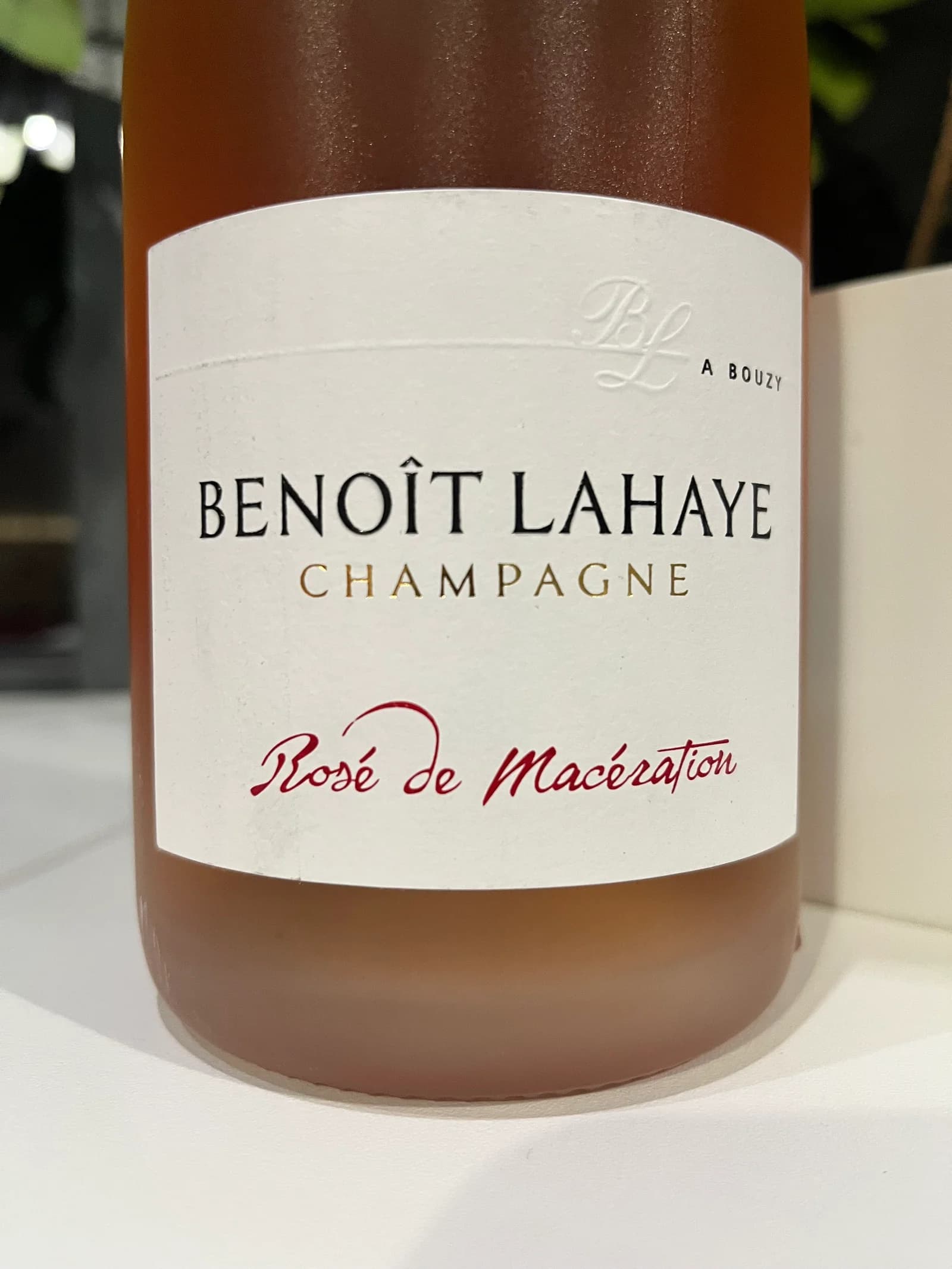
- Rosé de Macération - skin-contact rosé, Grand Cru, zero dosage. Considered one of the benchmark rosés in grower Champagne.
- Blanc de Noirs Grand Cru - pure Pinot Noir from Bouzy
- Jardin de la Grosse Pierre - single-vineyard Grand Cru bottling from a co-planted 1920s parcel in Bouzy
- Violaine - roughly half Chardonnay, half Pinot Noir (not a pure Blanc de Blancs despite the light colour)
- Blanc de Blancs - from the Voipreux Chardonnay parcel, zero sulphur
- Coteaux Champenois Rouge - still red Bouzy, made in favourable vintages
Benoît Lahaye bridges the naturalist movement and classical Grand Cru winemaking in a way almost nobody else in Champagne does.
Wines
4.0
Blanc de Noirs (d2022)
NV, d2022-09· France
4.3
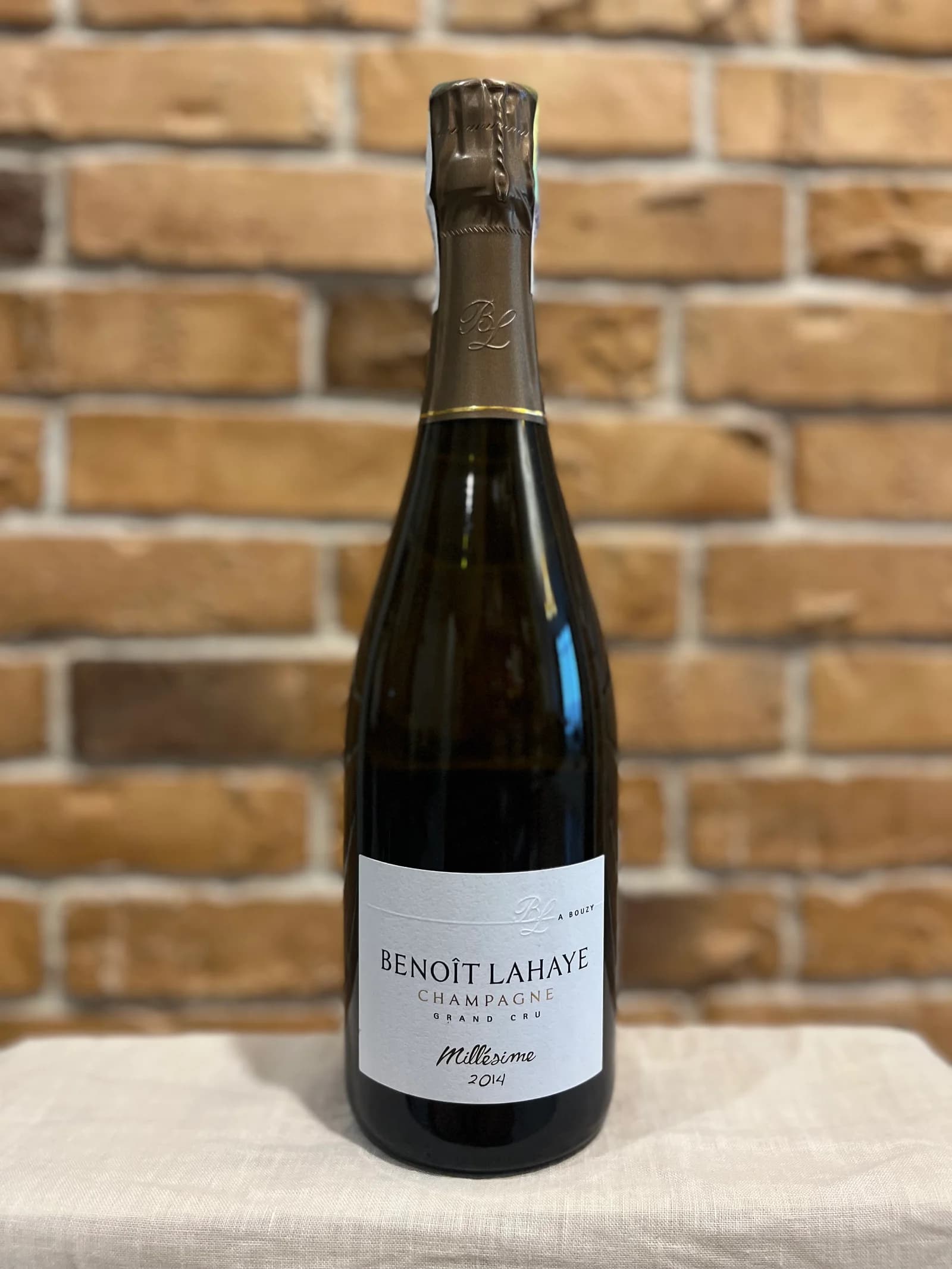
Grand Cru
2014· France
4.4
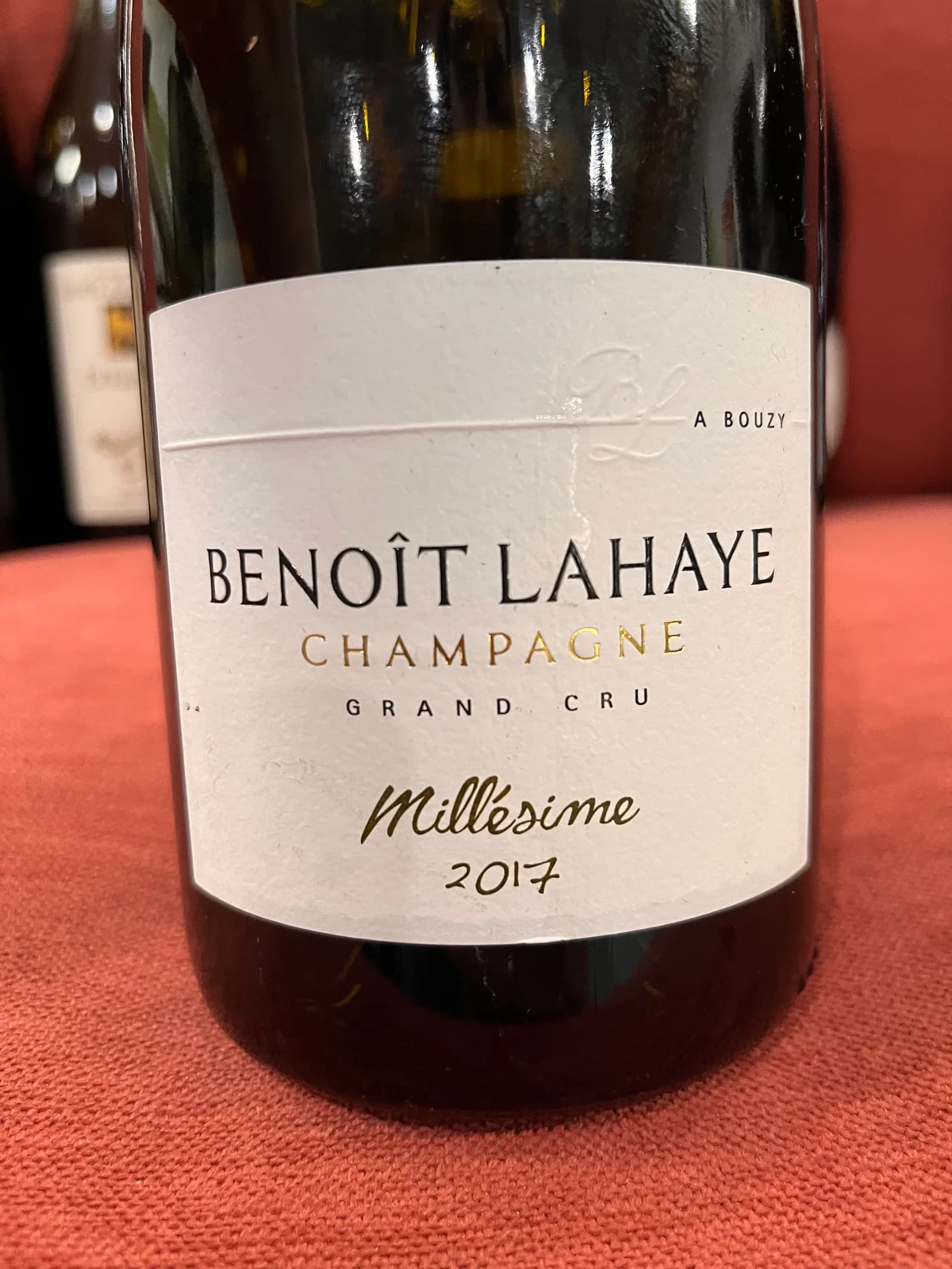
Grand Cru
2017· France
4.3
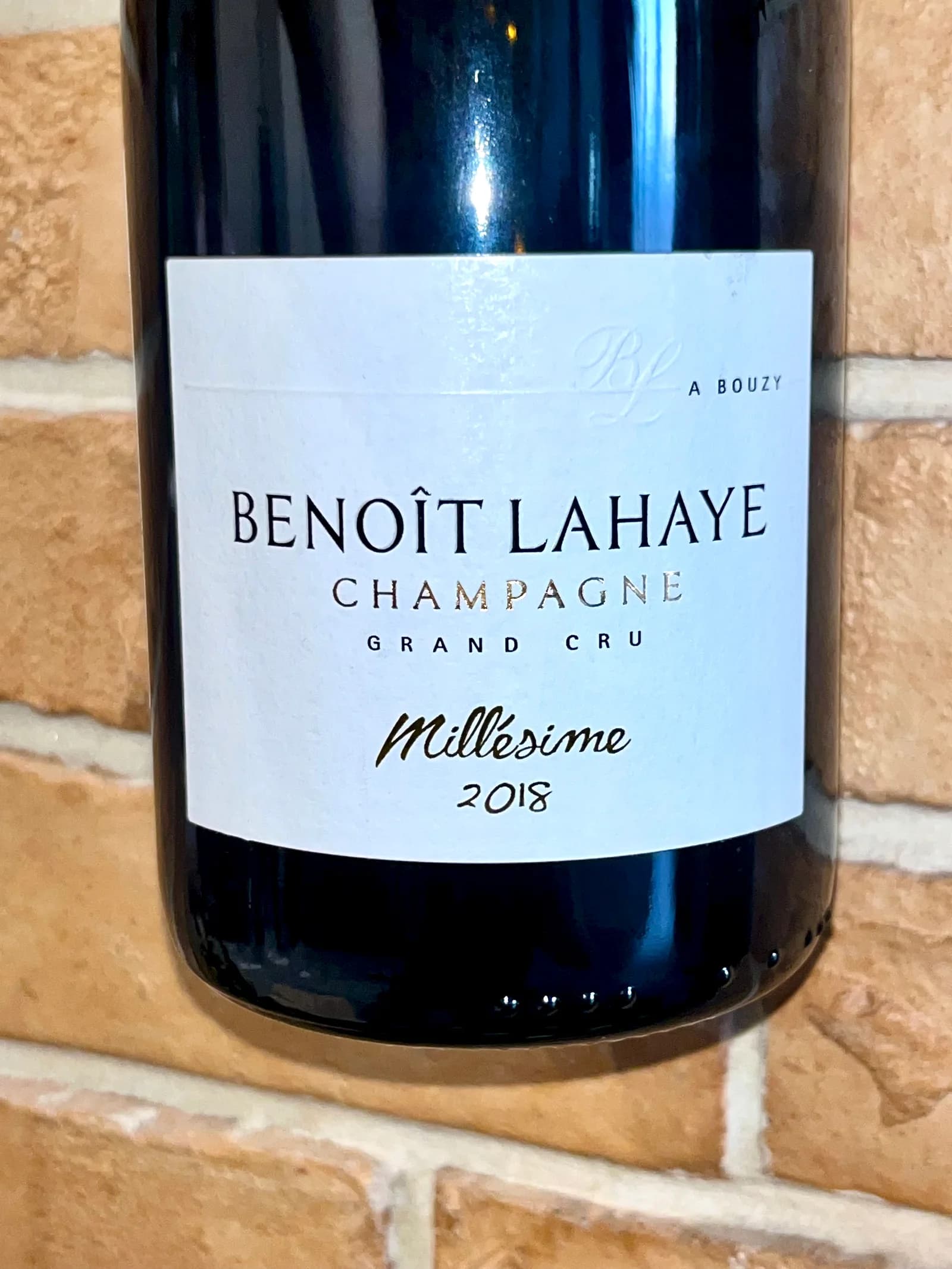
Grand Cru
2018· France
4.3
Grand Cru
2019· France
4.1
Le Jardin de la Grosse Pierre
2015· France
4.1
Le Jardin de la Grosse Pierre
2017· France
4.0
Rosé de Macération a Bouzy (d2020)
NV, d2020-04· France
4.1
Rosé de Macération a Bouzy (d2022)
NV, d2022-09· France
4.2
Rosé de Macération a Bouzy (d2023)
NV, d2023-11· France