All producers
Benanti
Sicily, Italy4 wines4.1 avg
22
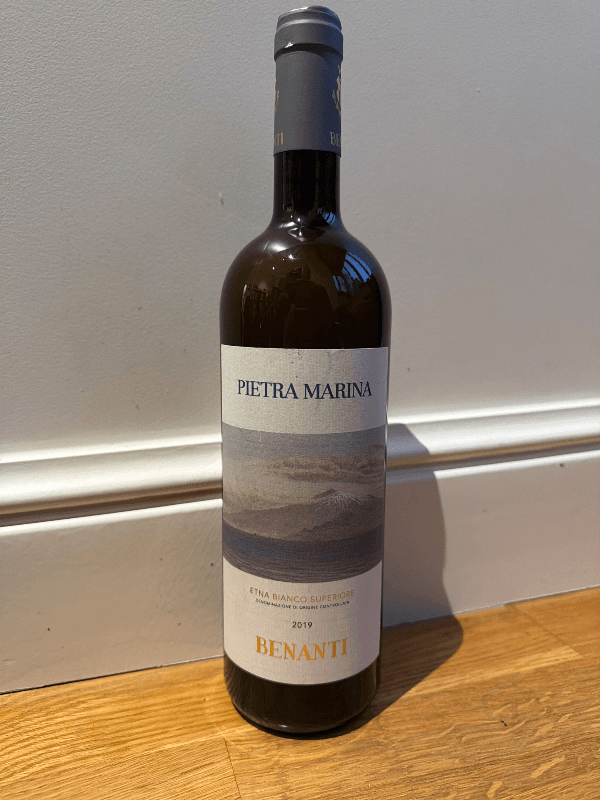
Etna pioneer since 1988: native grapes across the volcano's slopes, its own patented Etna yeasts, and Pietra Marina from Milo's terraced Carricante.
Giuseppe Benanti came to wine through a family that had kept it as a pastime. The Benantis are Bolognese in origin and have been in Catania since 1734. Around 1890 an earlier Giuseppe began making wine for pleasure at the family estate in Viagrande, on the south-eastern slope of Etna. In 1935 Antonino Benanti, Giuseppe's father, turned to his work as a pharmacist and founded the drug company SIFI. In 1988 Giuseppe turned to the vines and founded Tenuta di Castiglione, with owned and rented vineyards in Castiglione di Sicilia on the north side and Milo on the east. From the first day the rule was native grapes only.
He did not do it alone. Giuseppe brought in Rocco Di Stefano of the oenology institute in Asti, Jean Siegrist of INRA in Beaune, and the Langhe winemakers Gian Domenico Negro and Marco Monchiero, who worked for years alongside a young Etna oenologist, Salvo Foti. Foti later founded the growers' consortium I Vigneri, as Context Wines, which carries his wines, tells it. The first trials ran to more than 150 micro-vinifications of traditional blends and single varieties. After two experimental harvests, 1990 became the first bottled vintage, with Pietra Marina and Rovittello. In the early 1990s the estate took the family name.
Then Benanti went round the mountain. In 1995 it began working with the Vacirca family, longtime growers in Contrada Cavaliere at Santa Maria di Licodia on the south-west slope. In 1998 it expanded to Monte Serra in Viagrande and, by its own account, became the first Etna winery with a presence on every slope. Milo matters most for the whites, as the only commune whose Carricante may be called Etna Bianco Superiore. There the vines stand on small dry-stone terraces at 800 metres facing the sea, each tied to a chestnut stake, and the highest of them make Pietra Marina. The family follows organic practices, picks by hand and keeps plantings dense and yields low.
In the cellar the signature is yeast. A five-year study, finished in 2010, isolated four native Etna strains that Benanti now holds patents on. Its wines ferment only on yeasts selected in its own vineyards. In 2002 it made Noblesse, which it counts as the first traditional-method sparkling wine from Etna Carricante. In 2015 the two historic reds became Riserve from single parcels of century-old, mostly ungrafted pre-phylloxera vines: Rovittello from Particella No. 341 at Dafara Galluzzo, Serra della Contessa from Particella No. 587 at the top of the Monte Serra estate. Earlier vintages, such as the 2014 Serra della Contessa, drew on more than that one parcel. The old vines just below it give Contrada Monte Serra.
Since 2012 the estate has been run by Giuseppe's sons, Antonio and Salvino. Antonio was elected president of the Etna DOC Consorzio in 2018. In 2023 Renzo Rosso's holding Brave Wine took a significant minority stake. The pastime that started in Viagrande around 1890 now runs to about 250,000 bottles a year.