All producers
Foradori
Trentino-Alto Adige, Italy8 wines3.9 avg
53
Elisabetta Foradori's Trentino estate - the woman who rescued Teroldego, pioneered biodynamic and amphora methods in the Italian Alps, and now makes cheese.
Elisabetta Foradori's career started not by choice but by circumstance. Her father Roberto died in 1976 at the age of thirty-eight; her mother Gabriella managed the estate for the next eight years until Elisabetta finished oenology school and took over in 1984, at nineteen. Over the following four decades she worked to show that Teroldego, an indigenous red grape from the Campo Rotaliano in Mezzolombardo, could produce serious, age-worthy wine rather than the high-yield commodity the rest of Trentino was making from it. The label "queen of Teroldego" appeared in the 1990s and has stuck.
The estate farms around twenty-nine hectares, primarily on the alluvial gravels of the Campo Rotaliano - a flat plain at the confluence of the Noce and Adige rivers, considered Teroldego's historic home. By 2000 Elisabetta had lost her personal connection to the work and began questioning everything. That crisis led her to biodynamics (practice from 2002, Demeter-certified 2009), to the progressive replanting of vineyards from pergola to guyot training (Granato's old vines remain on pergola), to amphora, and to changes in the cellar. Around 2012-2013 she introduced Spanish tinajas from Villarrobledo into vinification. She regards the porous clay as a more neutral and breathable alternative to oak, better suited to expressing the grape and the site.
The wines:
- Teroldego Rotaliano - the entry-level red, a blend of estate parcels
- Granato - the flagship Teroldego, originally a single cru, now a best-parcels selection of old vines
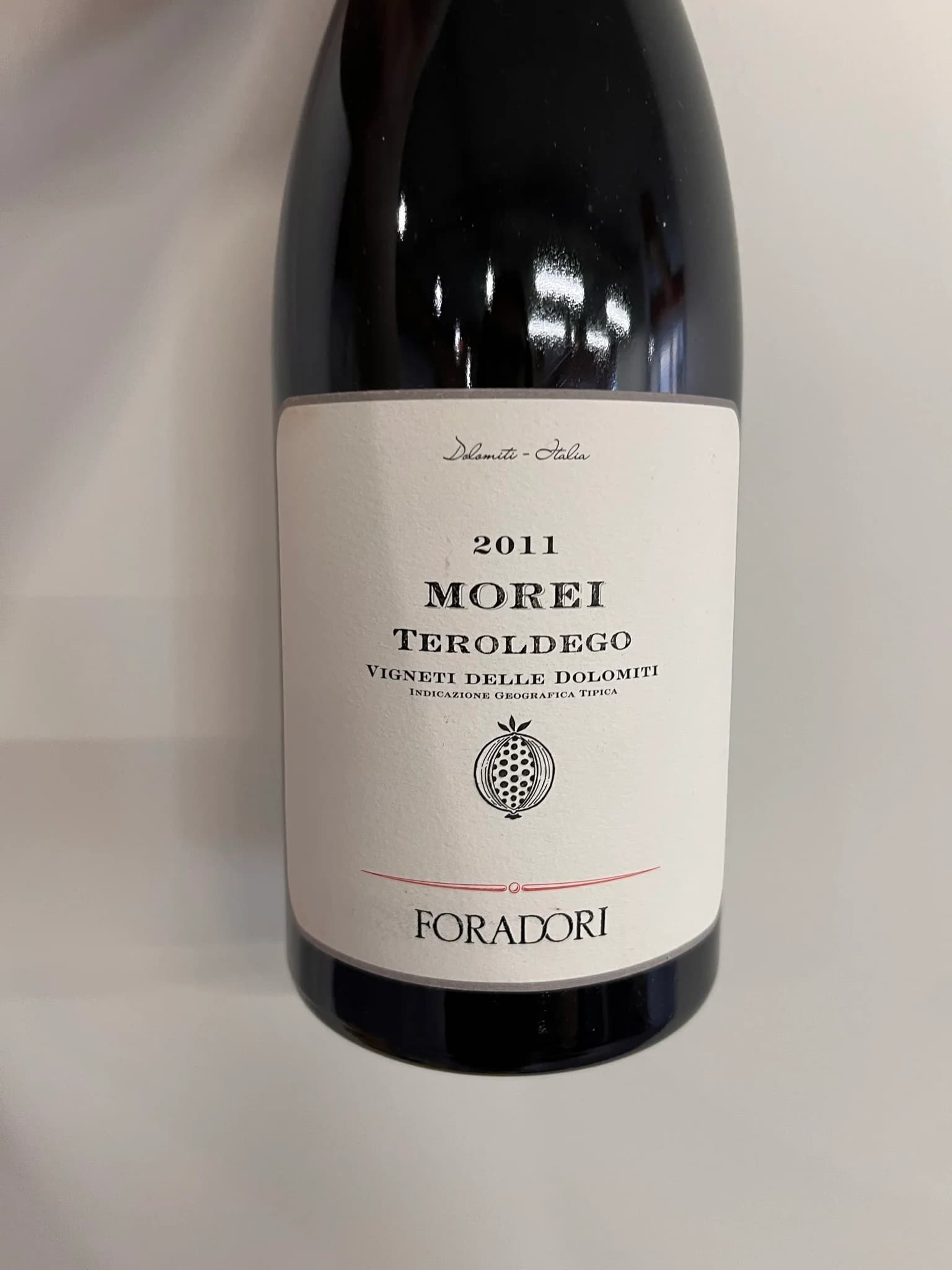
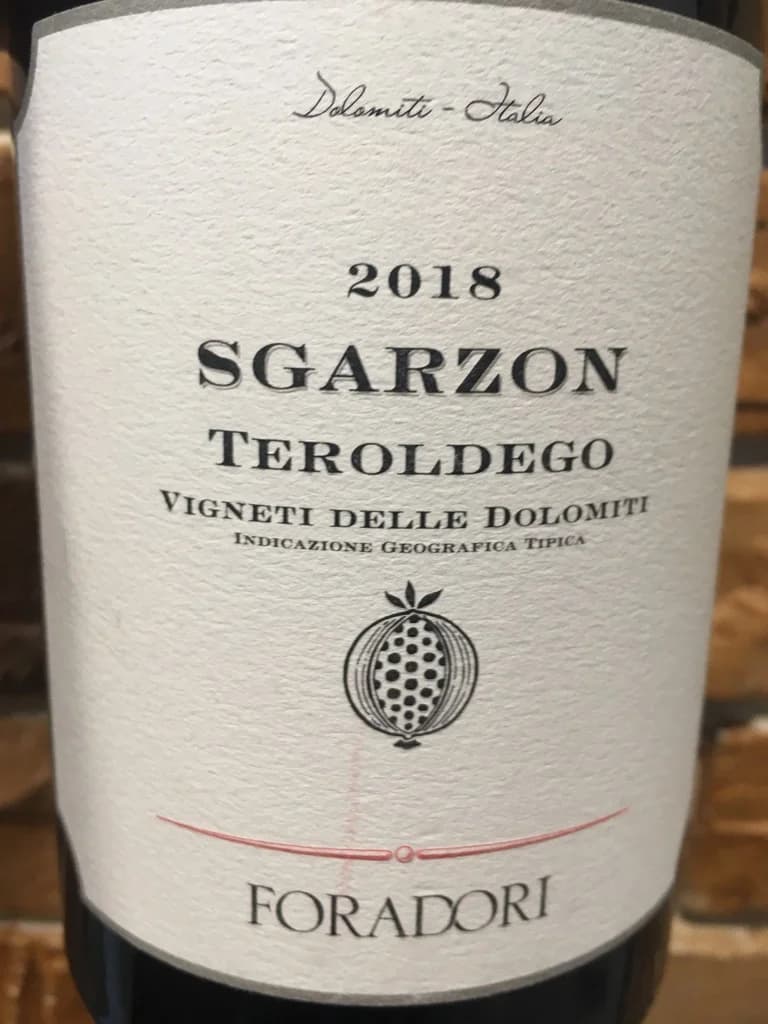
- Morei and Sgarzon - single-vineyard Teroldegos, vinified in amphora
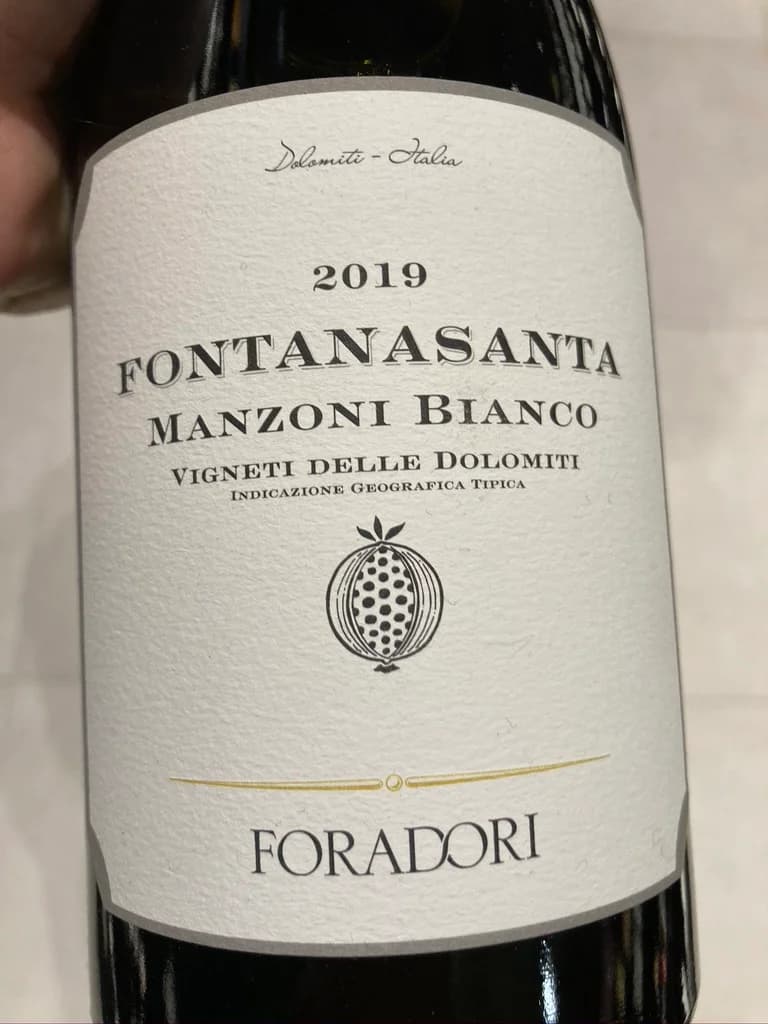
- Fontanasanta Manzoni Bianco and Fontanasanta Nosiola - white wines from the Fontanasanta vineyard on the hillside above the plain, fermented and aged in terracotta with extended skin contact
Today her children help run the estate. Emilio Zierock (the eldest, responsible for viticulture and winemaking since 2013), Theo (joined around 2016, travels to represent the winery), and Myrtha (turning the property into a polycultural farm, adding vegetable production in 2019). They started producing cheese in 2020.
Foradori is one of the reference points for biodynamic and amphora work in Italy; both were well outside the Italian mainstream when she adopted them.