All producers
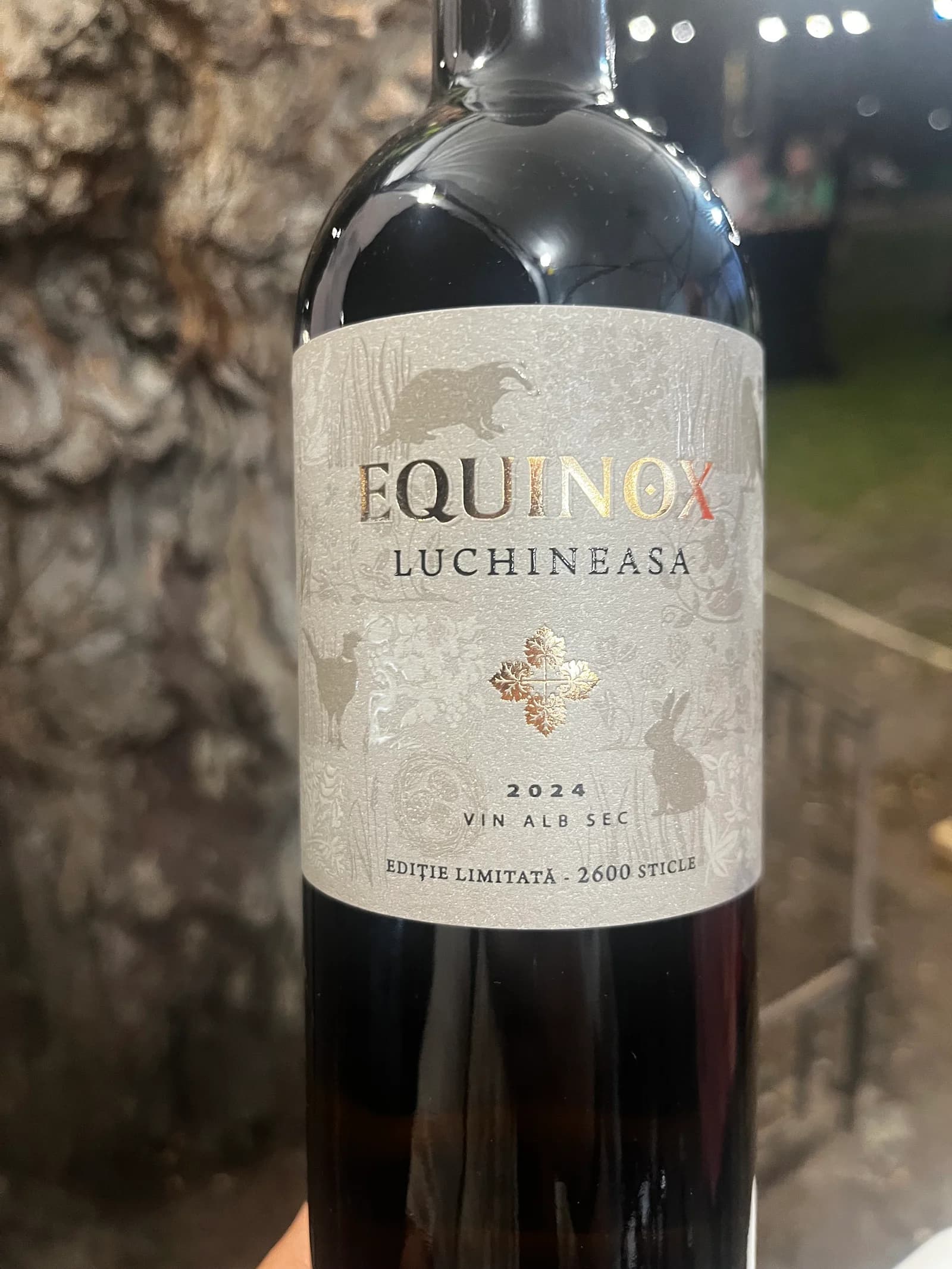
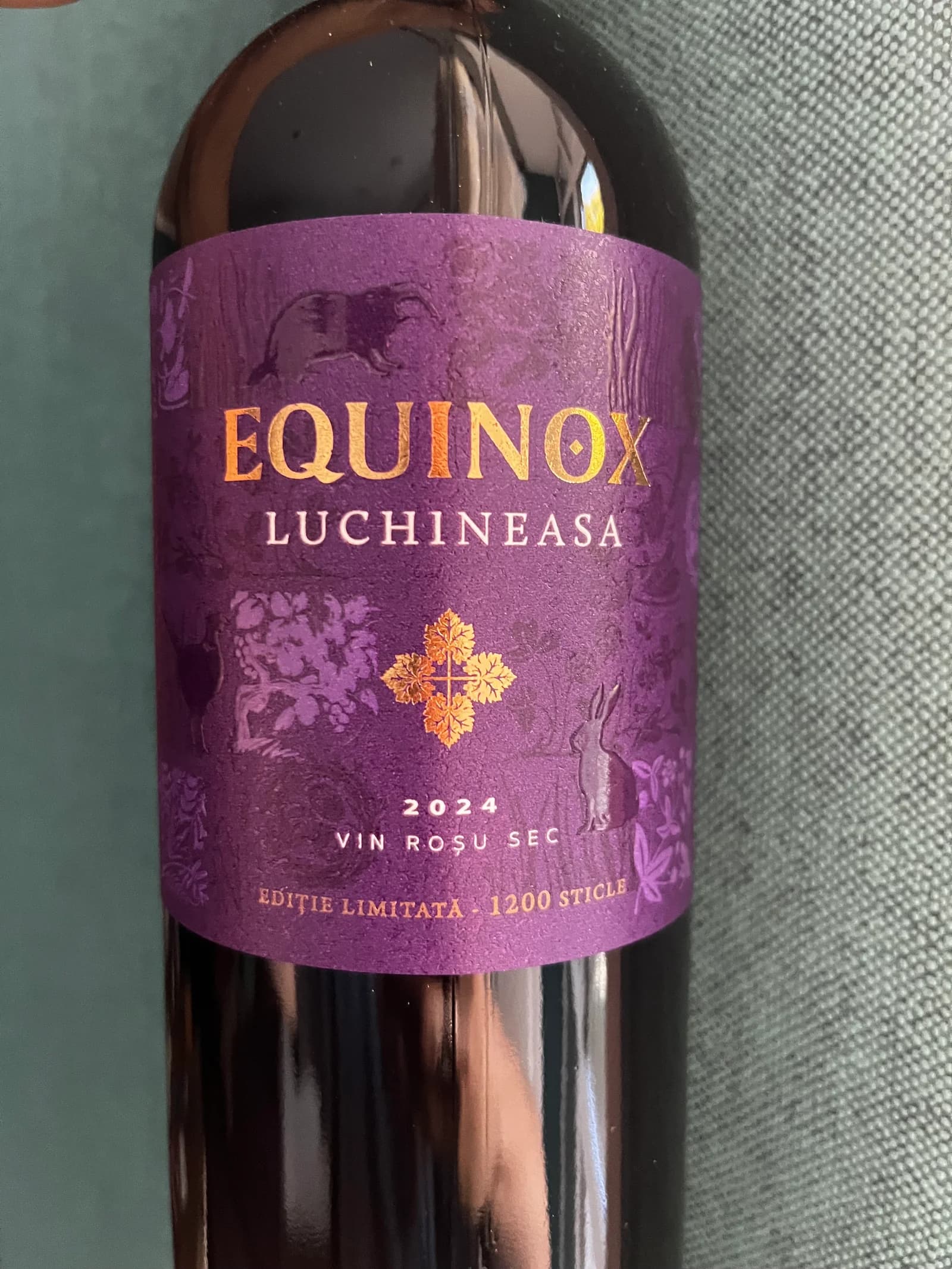
Equinox
Ștefan Vodă, Moldova6 wines4.0 avg
51
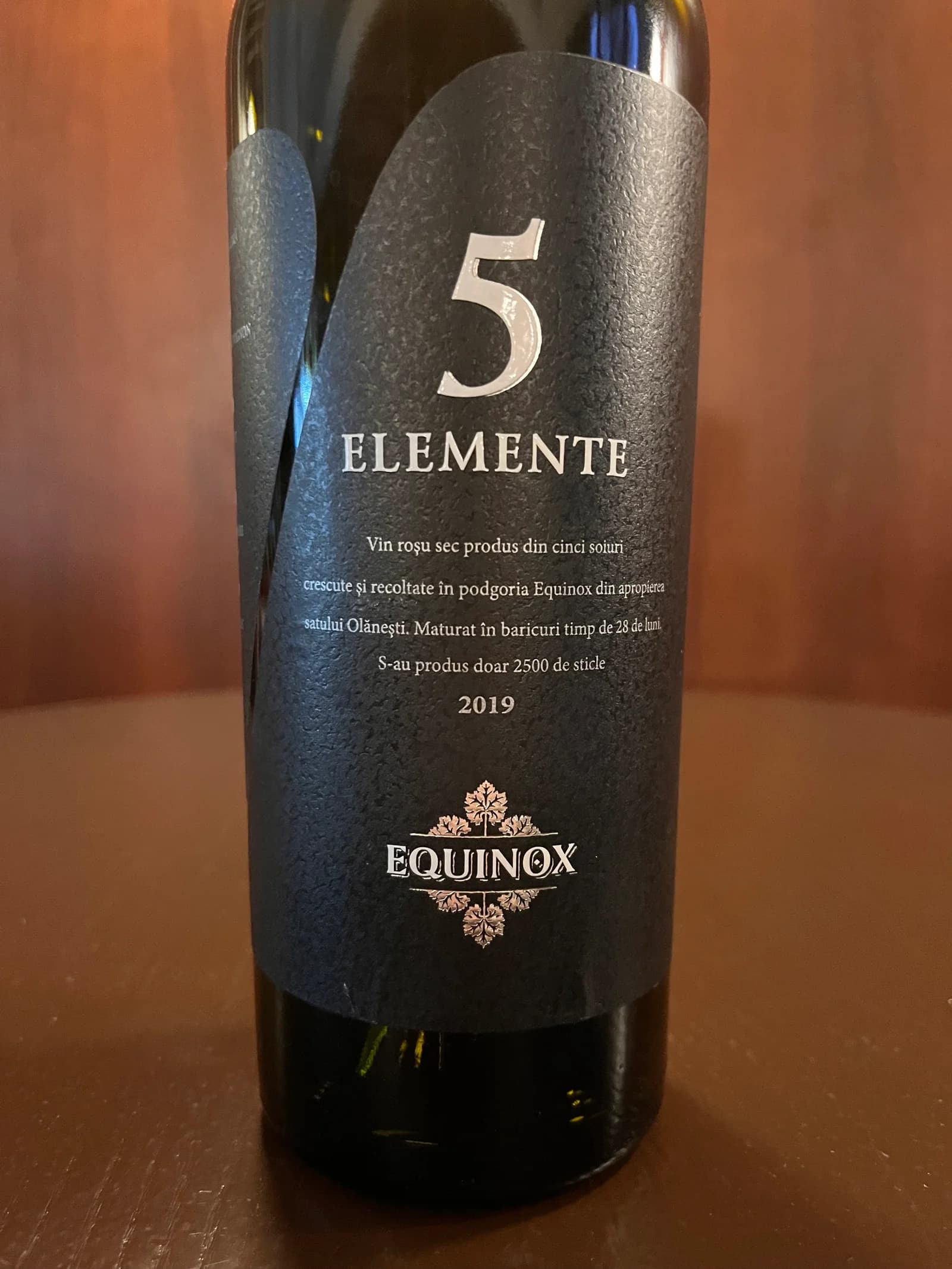
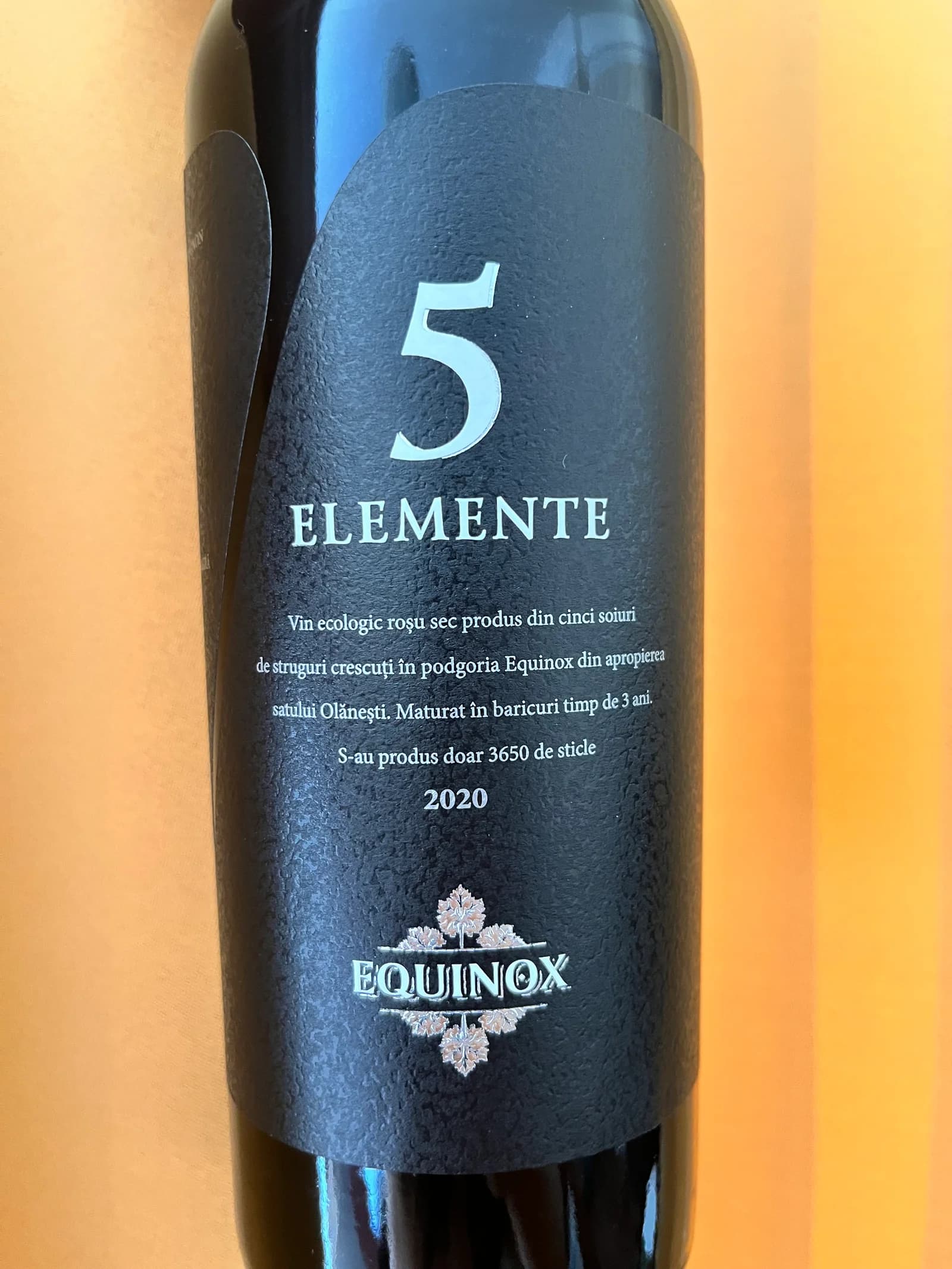
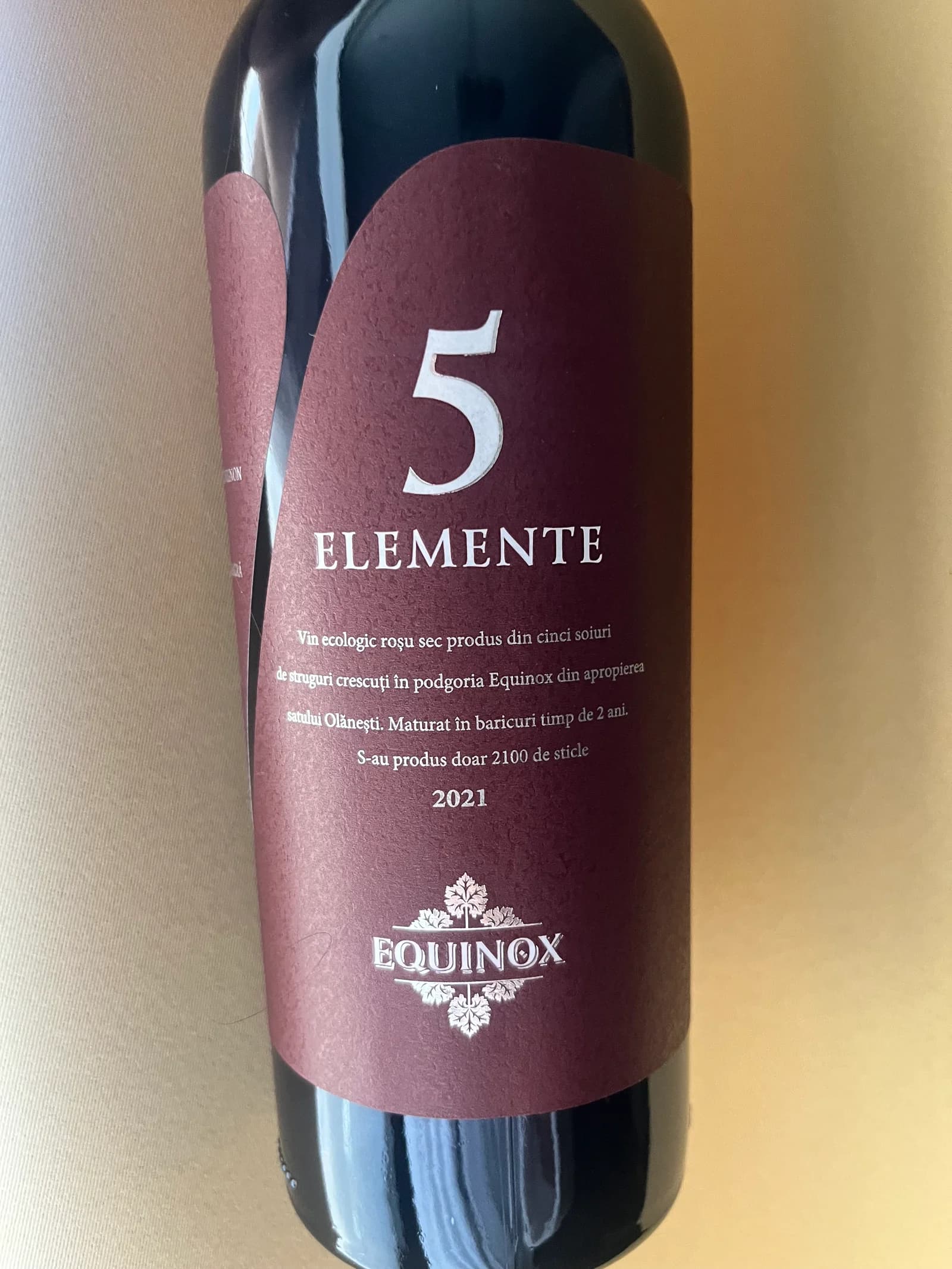
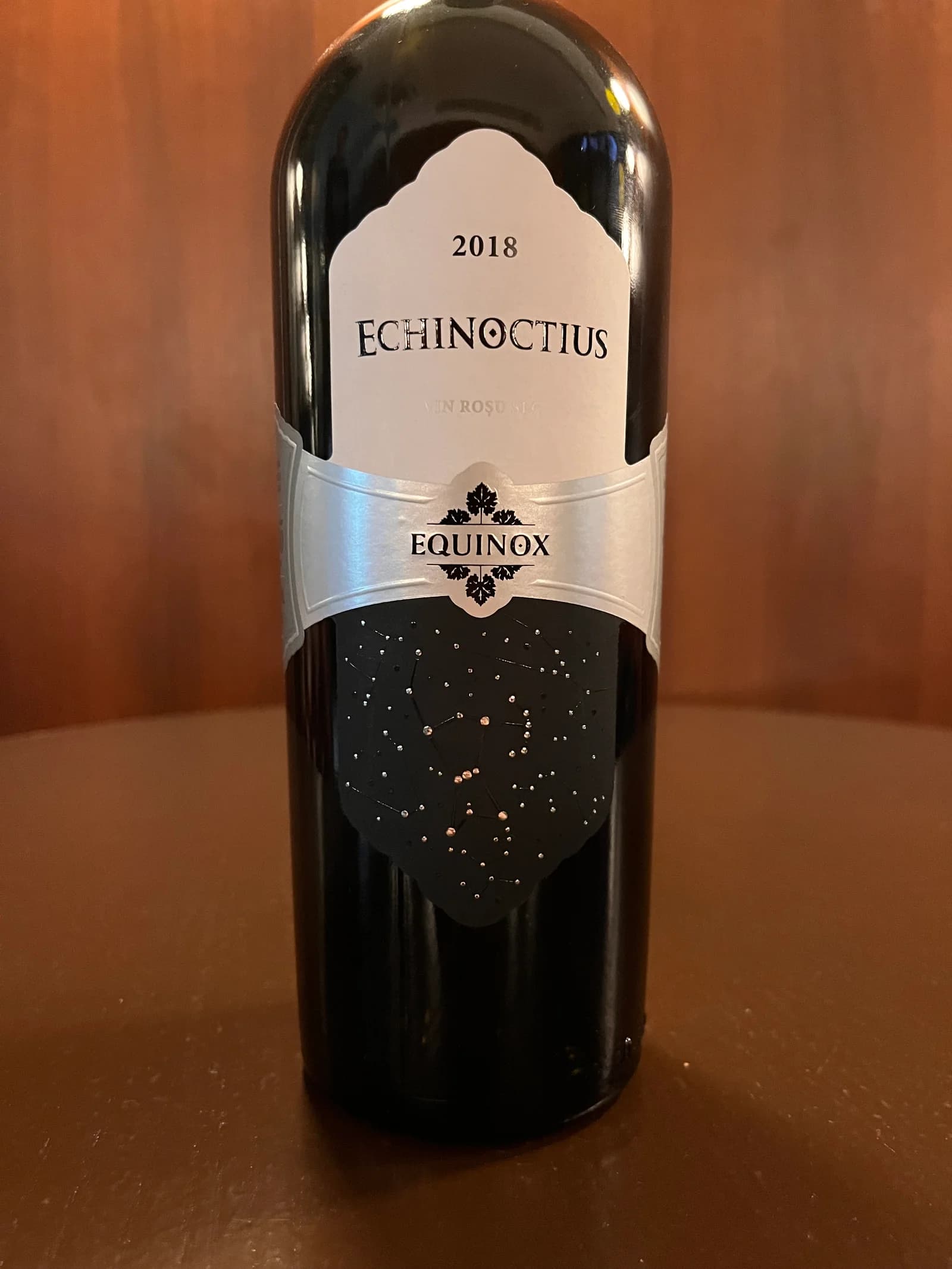
Moldova's only double-certified organic producer - five hectares in Olănești, a deliberate project built around indigenous Rară Neagră and Feteasca alongside Bordeaux reds.
Constantin "Costia" Stratan got the idea for Equinox while working as a technologist at a large Moldovan winemaking facility - the kind of place that produced bulk wine for the Russian market. He left to do something smaller, more deliberate, and in 2002 planted his first plot of Cabernet Sauvignon on five hectares of hillside near Olănești village (locally called Luchineasa), overlooking the Nistru valley. The first wine under the Equinox label came in 2006 - the same year Russia banned Moldovan wine imports and cratered eighty percent of the country's export market overnight.
That timing matters. The 2006 Russian embargo shut a hundred Moldovan wineries and killed thousands of jobs. A second embargo followed in 2013. Between the two, Moldova's wine industry was forced to choose: collapse, or rebuild around quality rather than volume. Stratan had already made that choice. He is widely described as Moldova's first small, independent producer - a mentor to the small-winery generation that followed. The Association of Small Wine Producers (Vin de Autor, founded 2008, unifying estates under thirty hectares) grew partly out of his example; he hosted study visits at his vineyard where other small cellars came to learn organic practice.
Organic certification began in 2006, with the 2013 vintage the first fully certified batch. Equinox remains the only Moldovan wine producer certified organic by both the local eco-certification authority and a European one.
The vineyard is 87% red. Indigenous Rară Neagră and Feteasca Neagră sit alongside Cabernet Sauvignon, Carménère, Merlot, Malbec, and Saperavi; the whites are Fetească Albă, Fetească Regală, and Chardonnay, with a few rows of Băbească Gri and Pinot Gris. Stratan planted Cabernet Sauvignon in 2002, added Shiraz, Malbec, and Merlot in 2003, and - unable to source reliable indigenous material - started his own selection and grafting from older vines around Olănești, putting in the first Rară Neagră plot in 2005. First fruit came in 2004; the first wine in 2006 was 800 bottles of Cabernet Sauvignon from the original parcel.
Production today runs around 8,000 bottles a year. Most of it stays in Moldova; the rest goes to Romania, Germany, and the USA.