All producers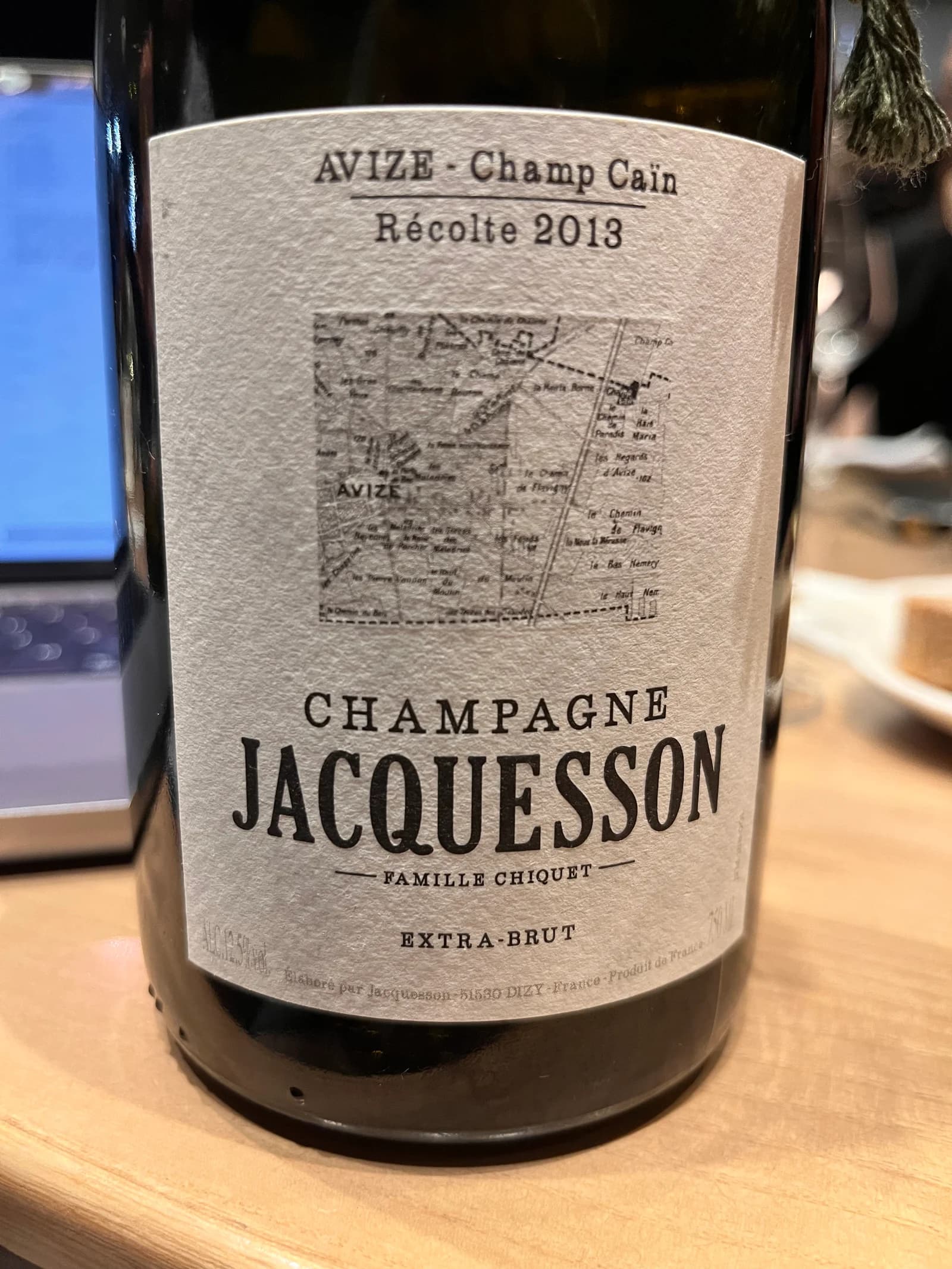
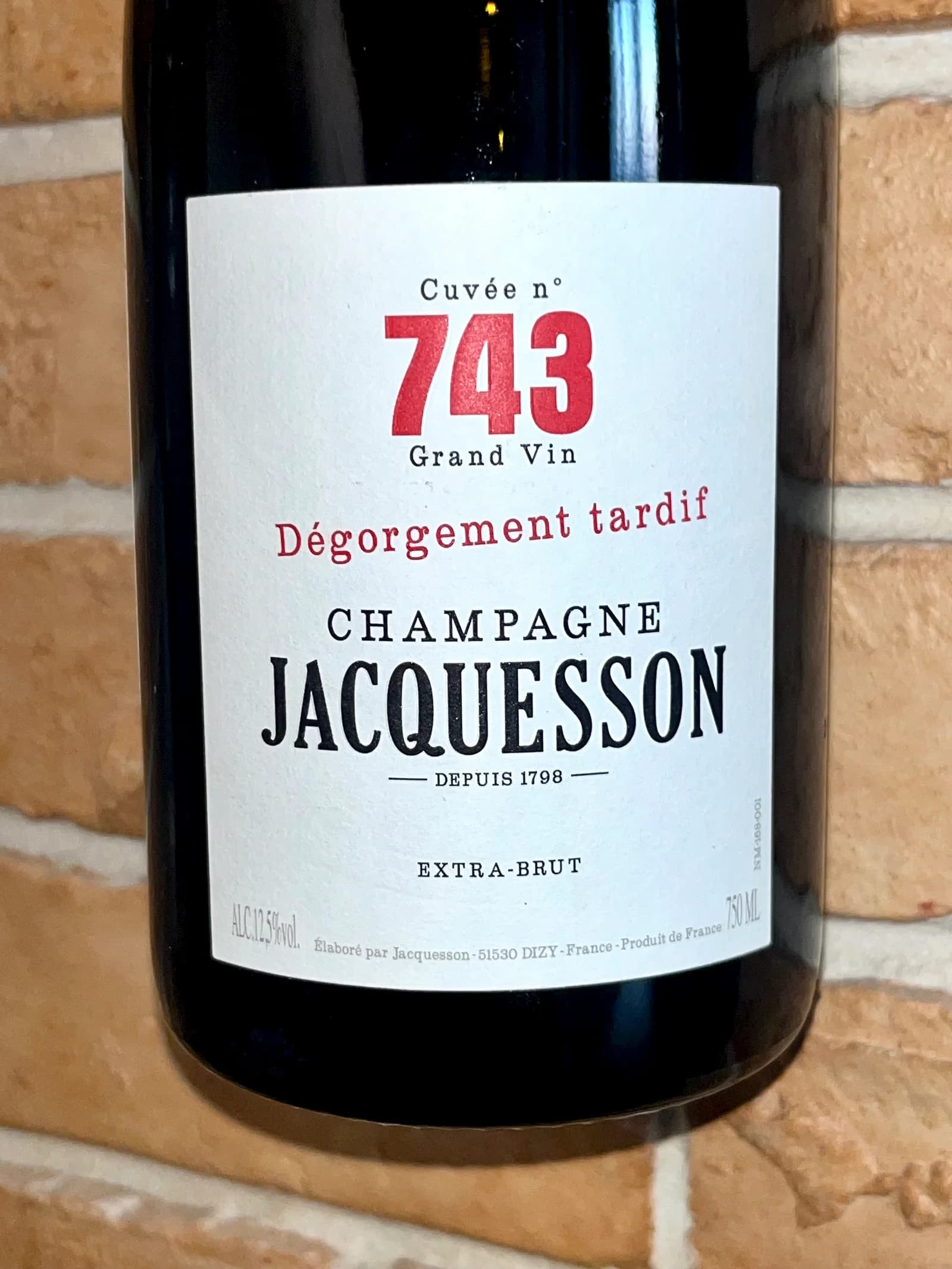
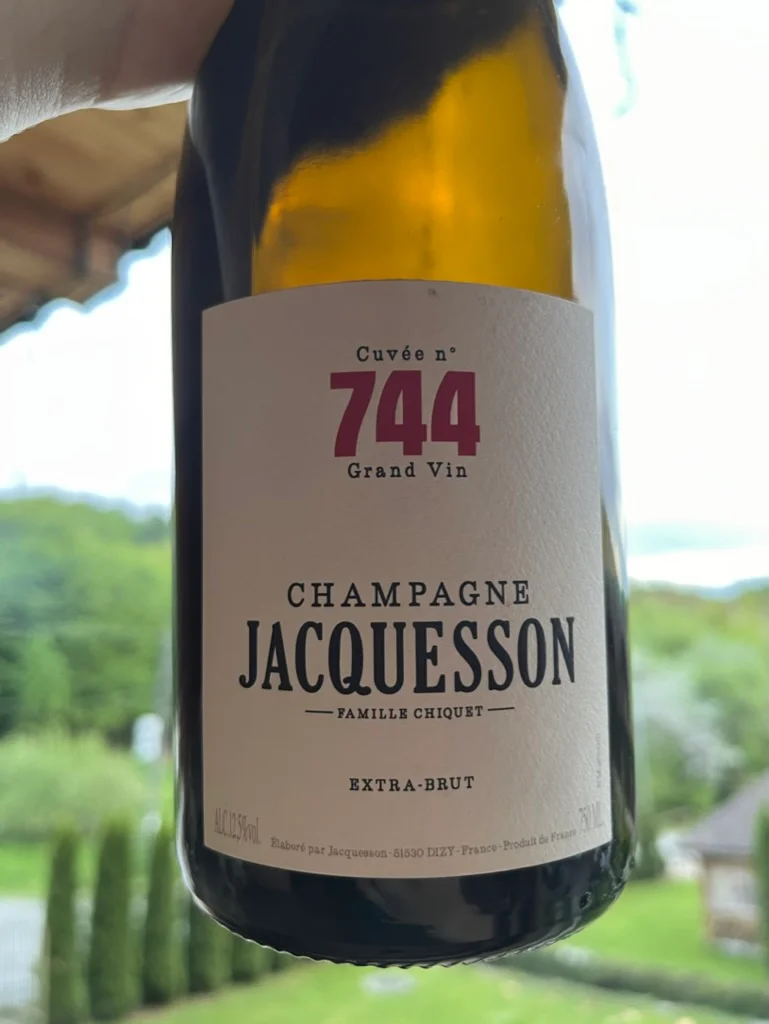
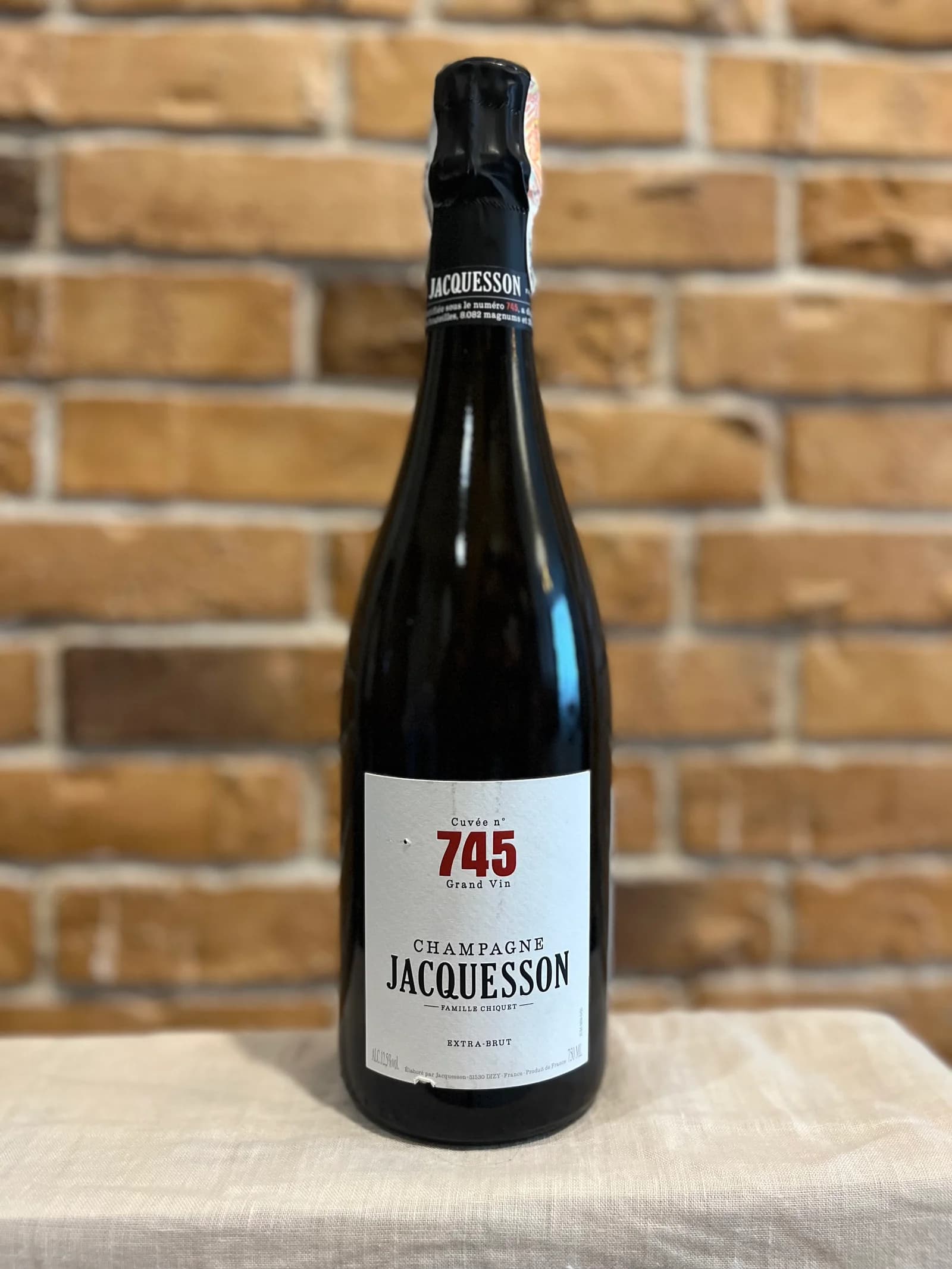
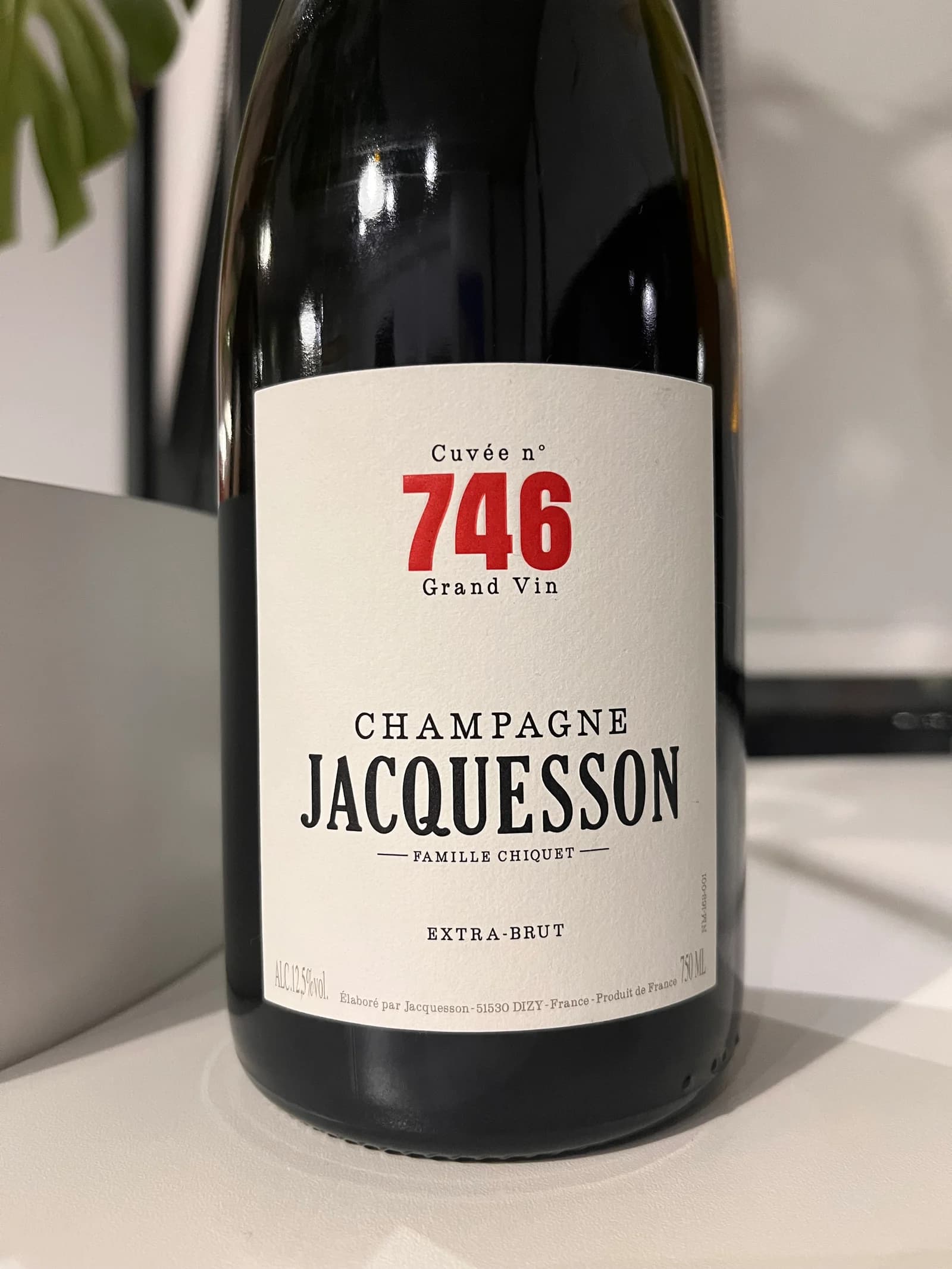
Jacquesson
Vallée de la Marne, France17 wines4.4 avg
Dizy-based Champagne house that retired the idea of a consistent house style and committed to numbered, vintage-expressive cuvées - now under Artémis ownership.
Jacquesson was founded in 1798 in Châlons-sur-Marne by Claude and Memmie Jacquesson, and spent its first century in relative glory. Napoleon awarded the house a gold medal in the early 1800s for the quality of its cellars - more symbolic than exclusive supplier, but enough to fund the myth. Memmie's son Adolphe invented and patented the muselet - the wire cage still used on every Champagne cork today - in 1844. A young German named Johann-Joseph Krug worked at Jacquesson before leaving in 1843 to found the house that bears his name, which tells you something about who was passing through.
After Adolphe's heirs lost interest, the house spent fifty years declining quietly, revived only in 1925 when the Tassigny family bought it. In 1974 Jean Chiquet acquired Jacquesson, and his sons Jean-Hervé (who joined in 1978) and Laurent (1986) set about the slow, painful work of turning it back into something serious. The real quality revolution began around 1988.
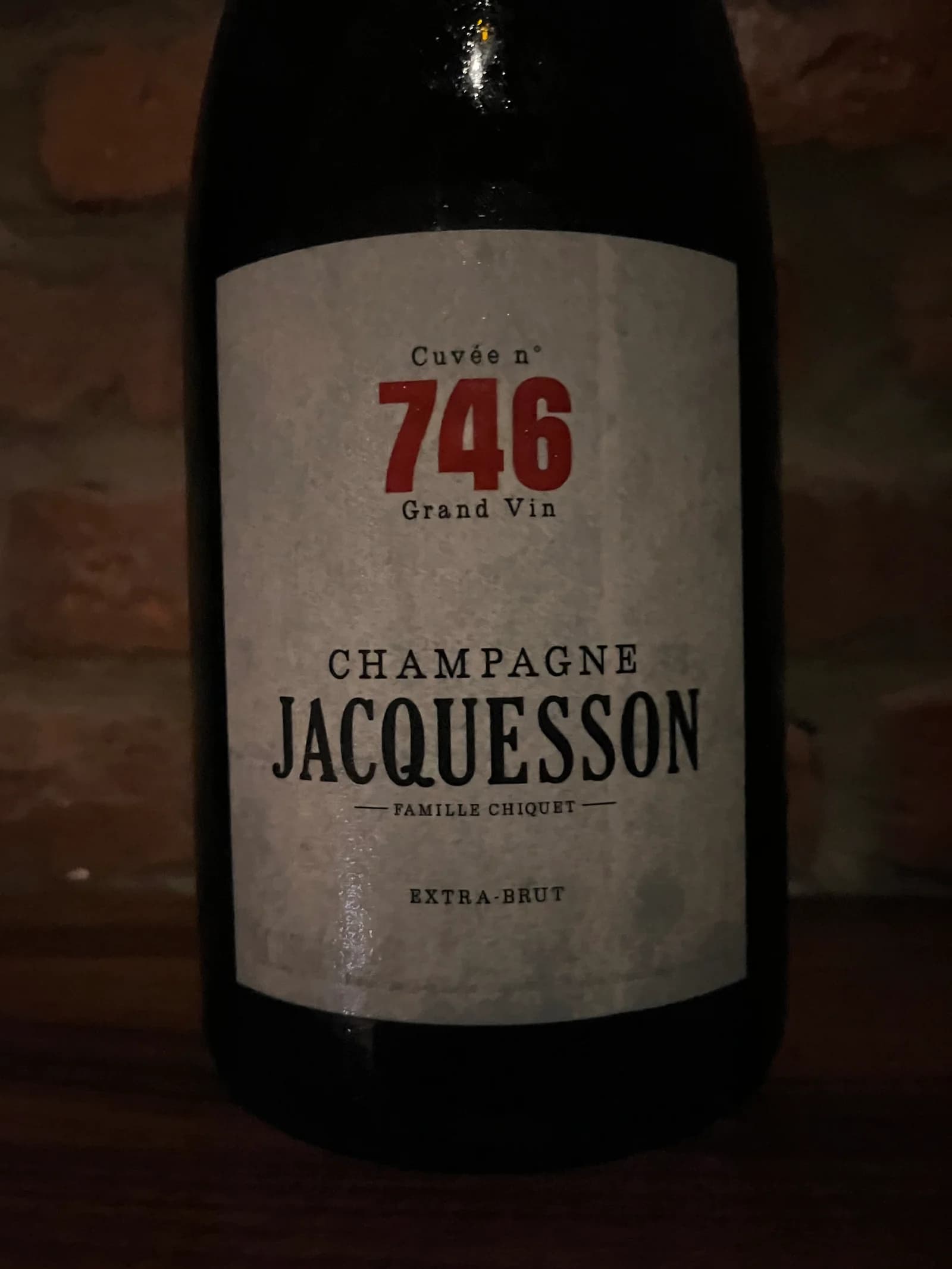
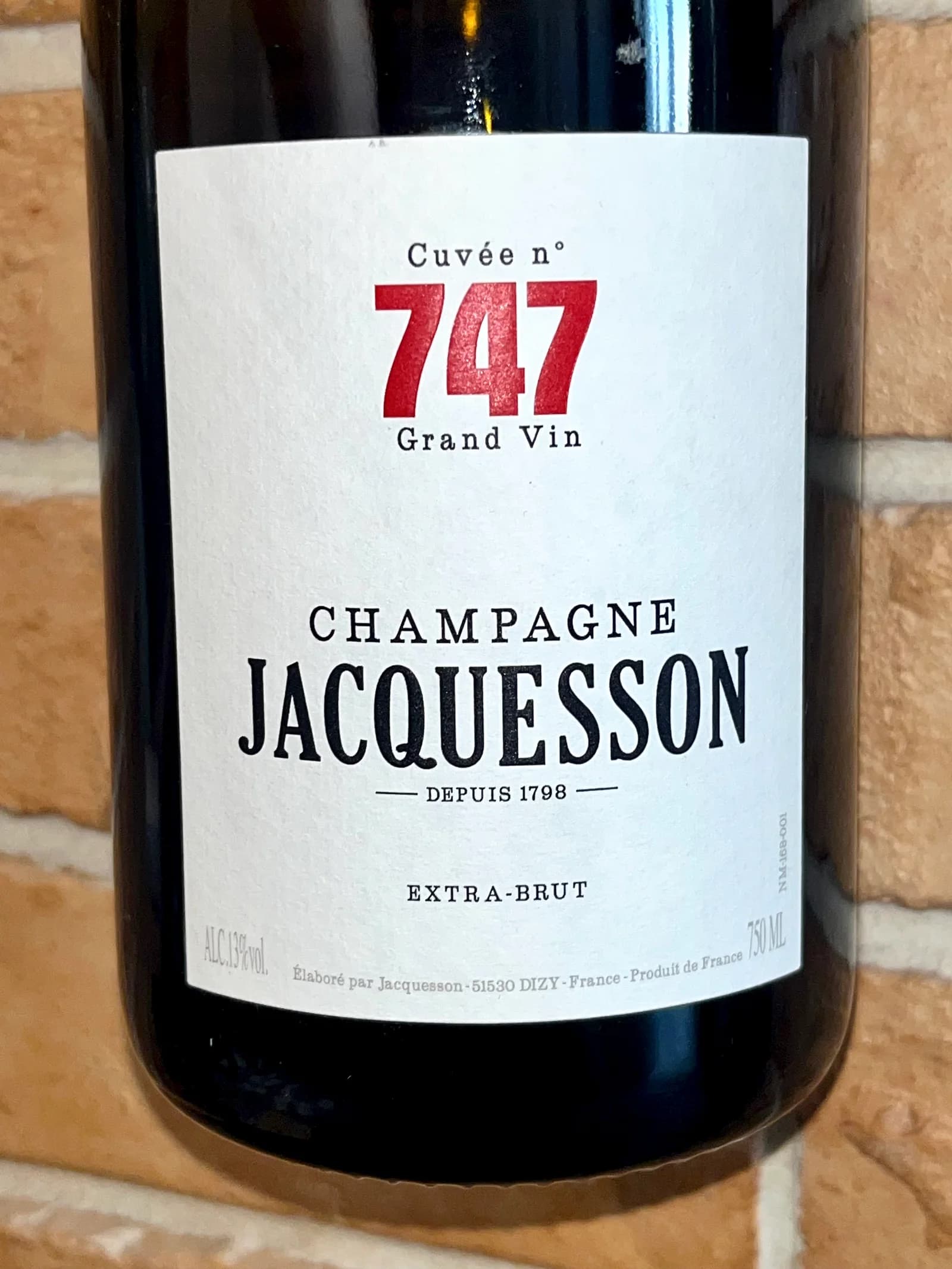
Then, in 2000, the Chiquets did something radical. They retired the traditional "Brut NV" - the consistent-every-year house blend that is the backbone of almost every Champagne maison - and replaced it with a numbered cuvée. The 2000 base became Cuvée 728 (the 728th wine produced at the estate, per the cellar book). The 2001 base was 729. And so on. The philosophy, consistently stated by the Chiquets, was that prizing consistency meant blending to an average; they wanted each year's blend to reach for the best of that year instead.
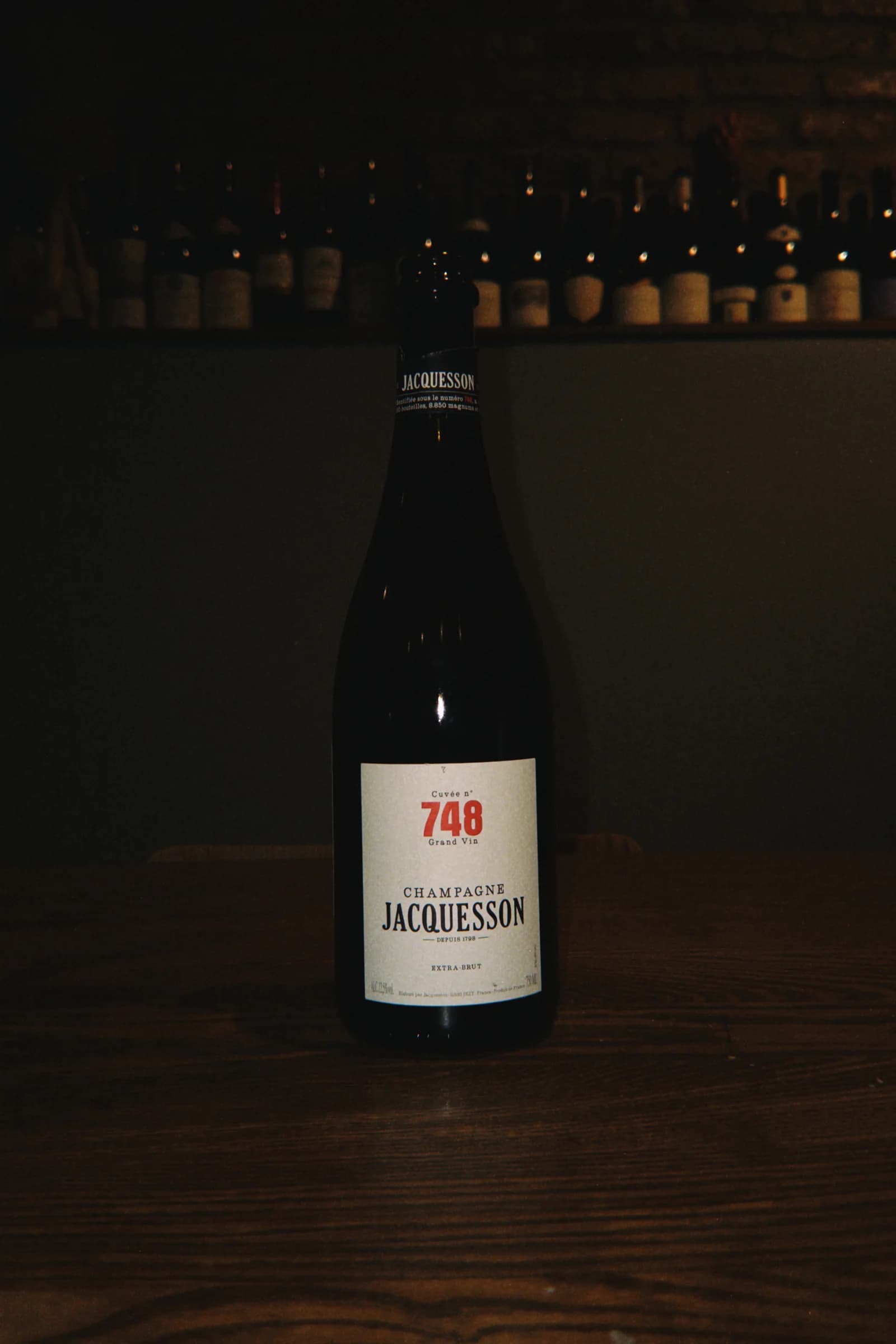
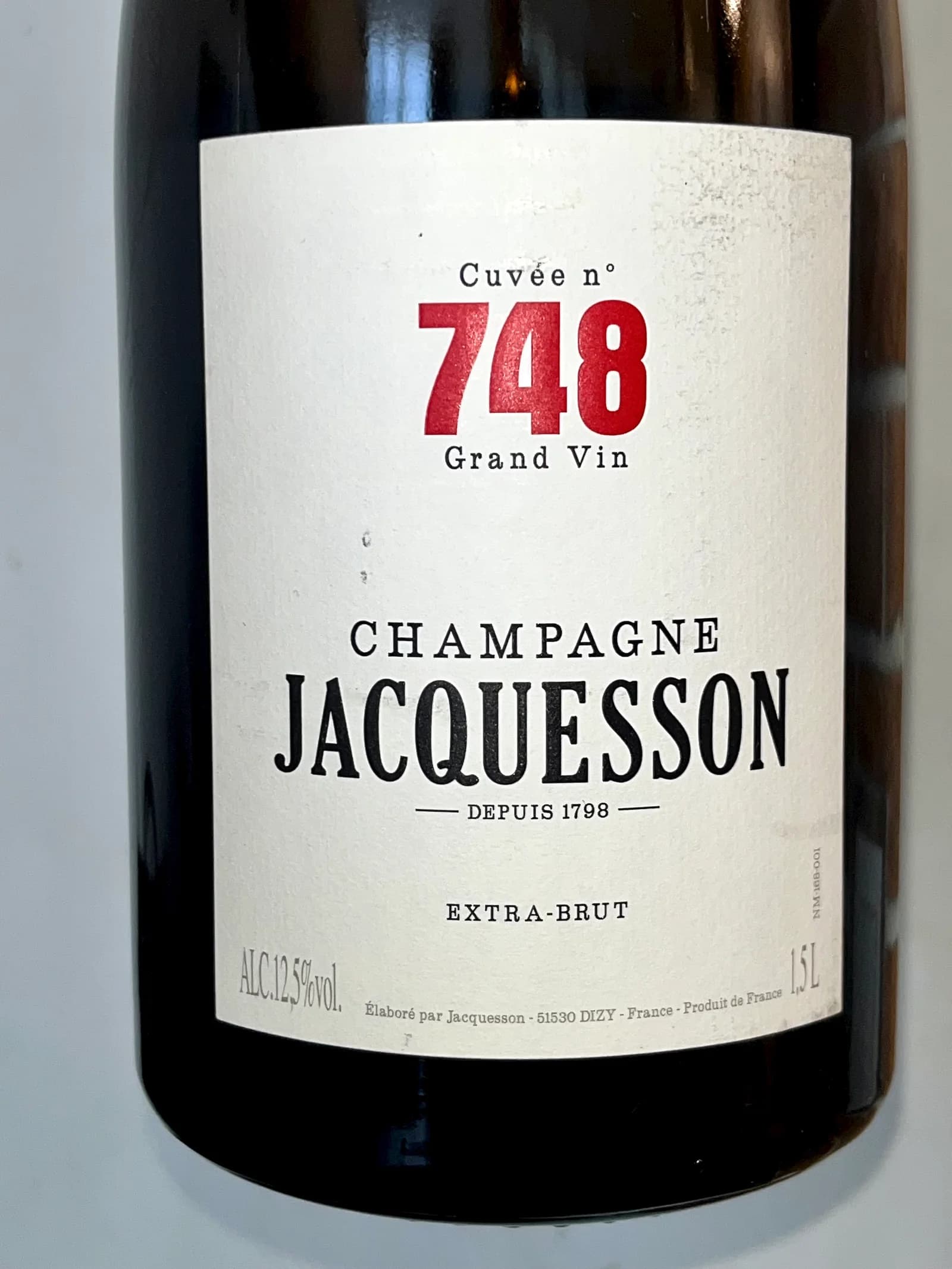
In February 2022 the Chiquets sold a minority stake to Artémis Domaines, the Pinault family's wine group (also owners of Château Latour, Eisele, Clos de Tart, and others). By December 2022 the acquisition was complete; the Chiquets exited at year-end but kept twenty-eight hectares of vineyards across Avize, Oiry, Aÿ, Hautvillers, Dizy, Mareuil-sur-Aÿ, and the Vallée de l'Ardre, selling fruit to the house as growers. Jean Garandeau now runs Jacquesson under Artémis. The numbered-cuvée policy continues, though it is worth noting that everything released so far - through at least Cuvée 745 (base 2017, disgorged March 2022) - was made entirely by the Chiquet brothers before the sale. Artémis inherited wines, not a blank page. The most recent release is 748 (base 2020, disgorged 2024); the long-term stylistic direction under new ownership is still finding itself.
The house is based in Dizy (Premier Cru, not Grand Cru as some sources still claim). Historically the domaine footprint was around thirty-six hectares across Dizy, Aÿ, Avize, Hautvillers, Oiry, Champillon, and Mareuil-sur-Aÿ - roughly twenty-eight of those now sit with the Chiquets as independent growers post-sale. Organic-certified since 2010. The 700 Series accounts for roughly 96% of production. The remaining 4% are four single-vineyard lieux-dits that the Chiquets carved out and Artémis has continued:
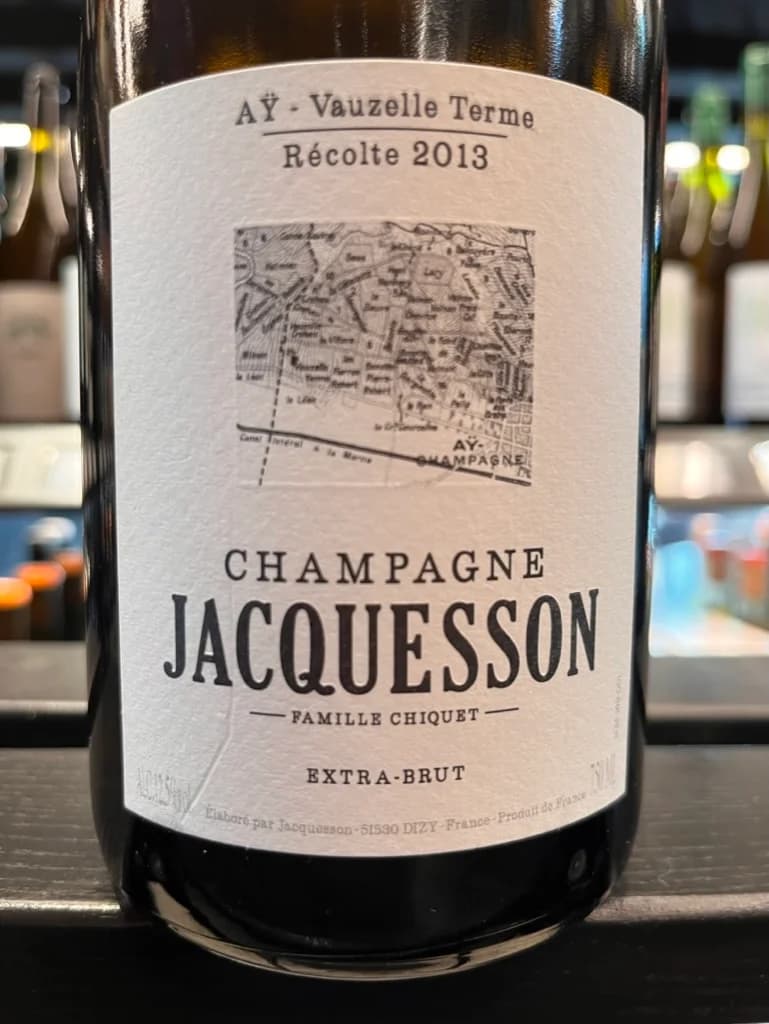
- Aÿ Grand Cru Vauzelle Terme - 0.3 ha Pinot Noir, planted 1980
- Avize Grand Cru Champ Caïn - 1.3 ha Chardonnay, planted 1962
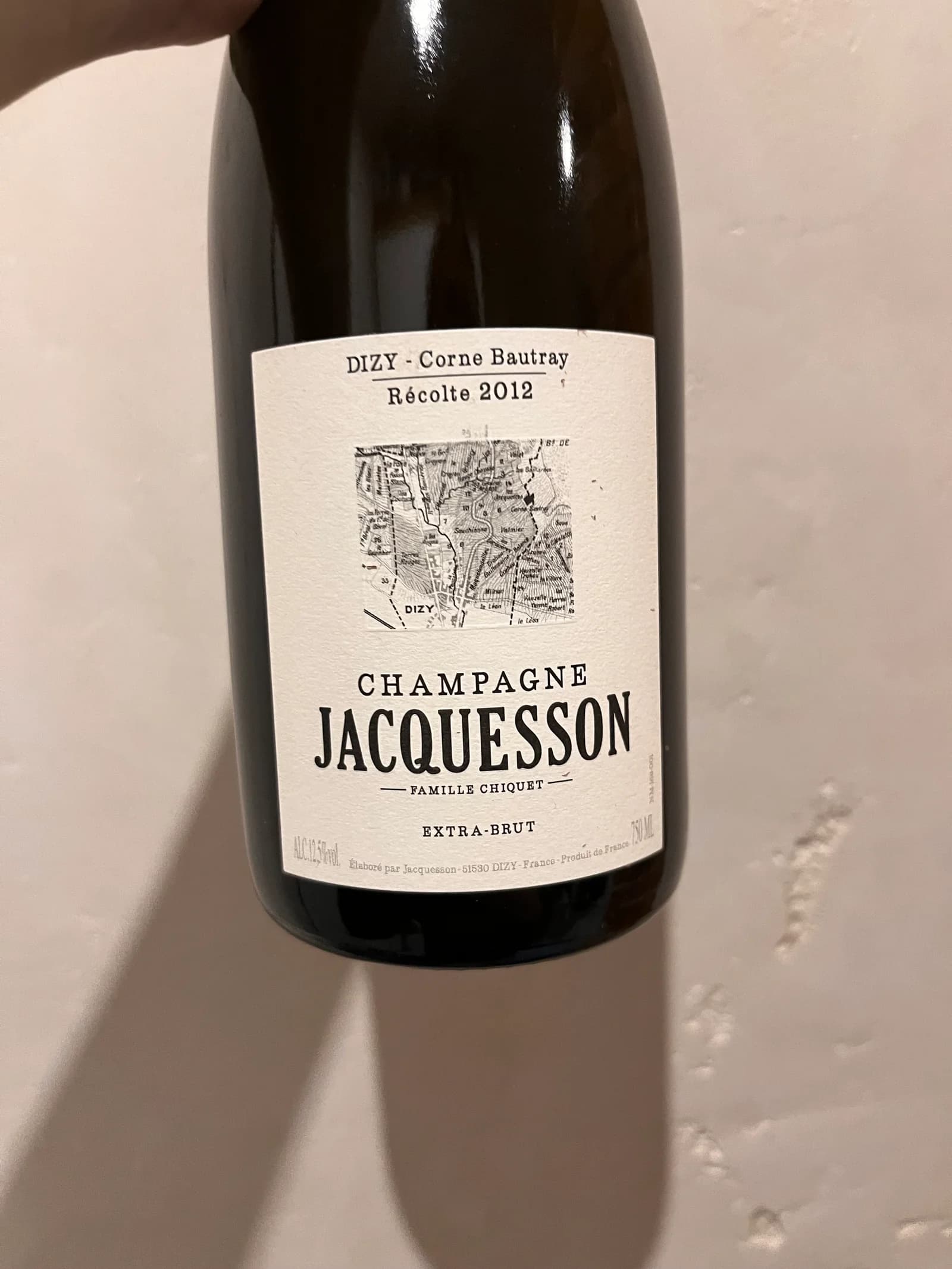
- Dizy Premier Cru Corne Bautray - 1 ha Chardonnay on chalk subsoil, planted 1960
- Dizy Premier Cru Terres Rouges - ~1.35 ha saignée rosé, 100% Pinot Noir, planted 1993
Style: first-press juice only, neutral oak fermentation, malolactic allowed, minimal sulphur, low dosage (often Extra Brut at 1-3 g/L), four years on lees for the core cuvées, up to nine for the Dégorgement Tardif editions. Vinous, saline, a little Burgundian in register.
Jacquesson's small size as a maison producing 250,000 bottles per year, its strong vigneron culture and its image as "champagne for the wine connoisseur" are all elements very much aligned with our philosophy at Artémis Domaines.
Wines
4.2
Avize Champ Caïn
2013· France
4.4
Aÿ Vauzelle Terme Récolte
2013· France
4.5
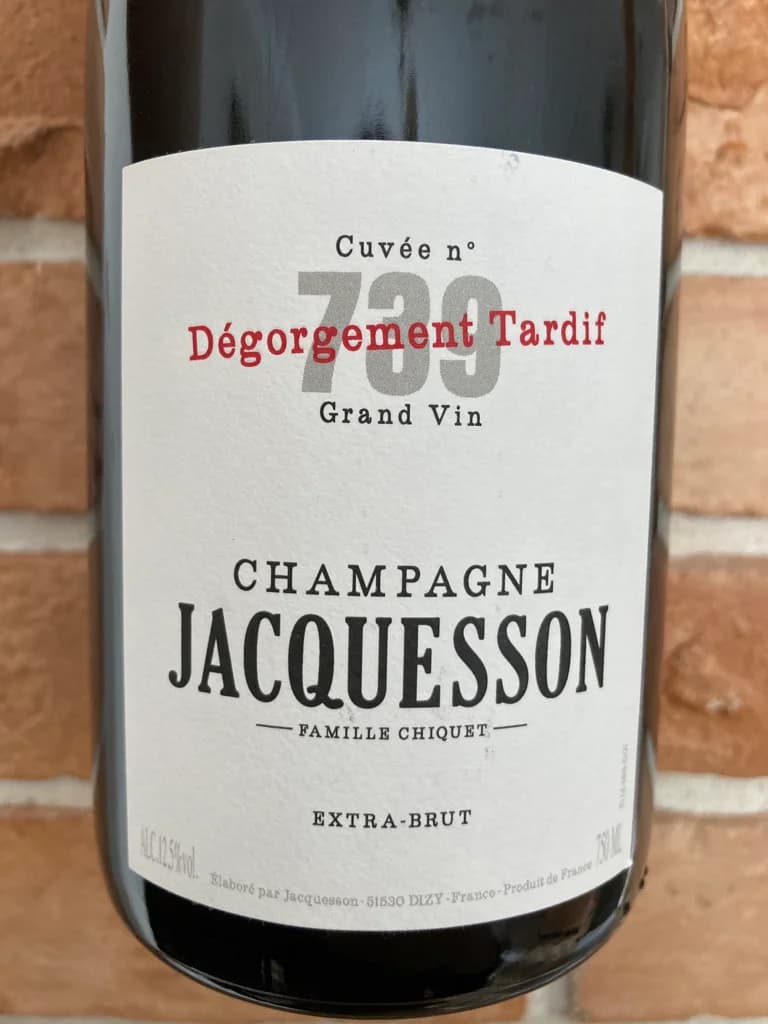
Cuvée 739 DT (2011)
NV (2011)· France
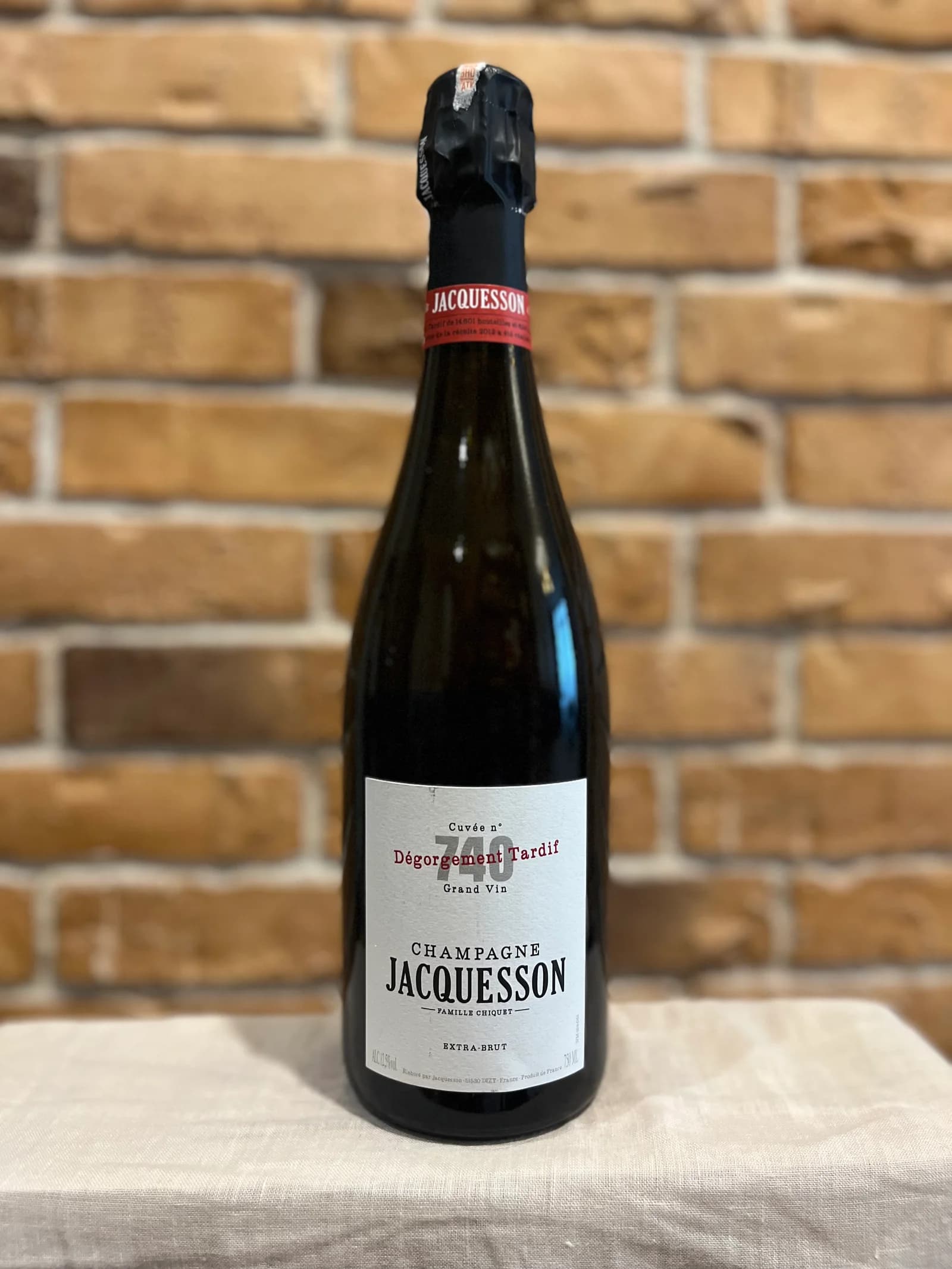
Cuvée 740 DT (2012)
NV (2012)· France
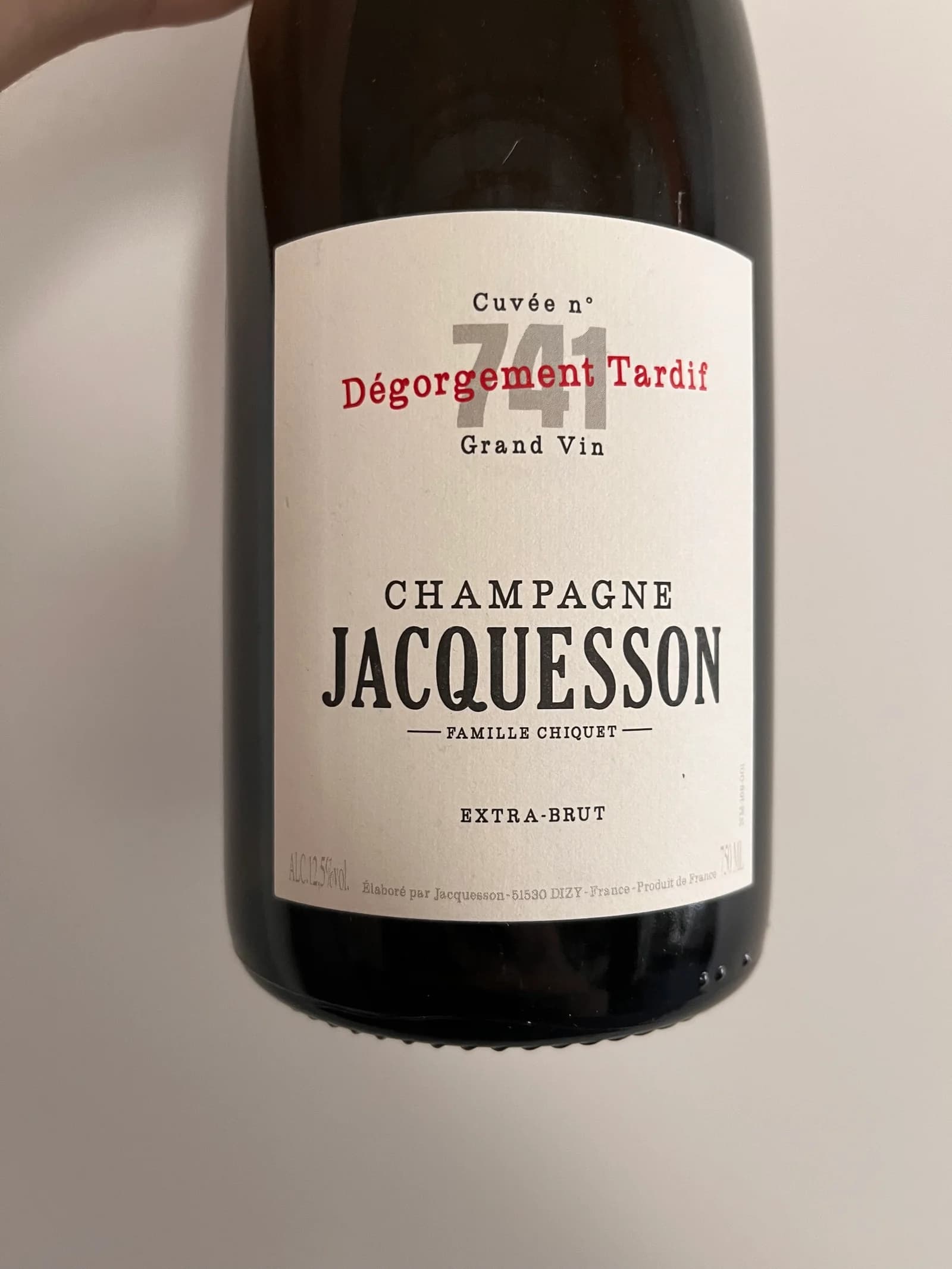
Cuvée 741 DT (2013)
NV (2013)· France
5.0
Cuvée 742 (2014)
NV (2014)· France
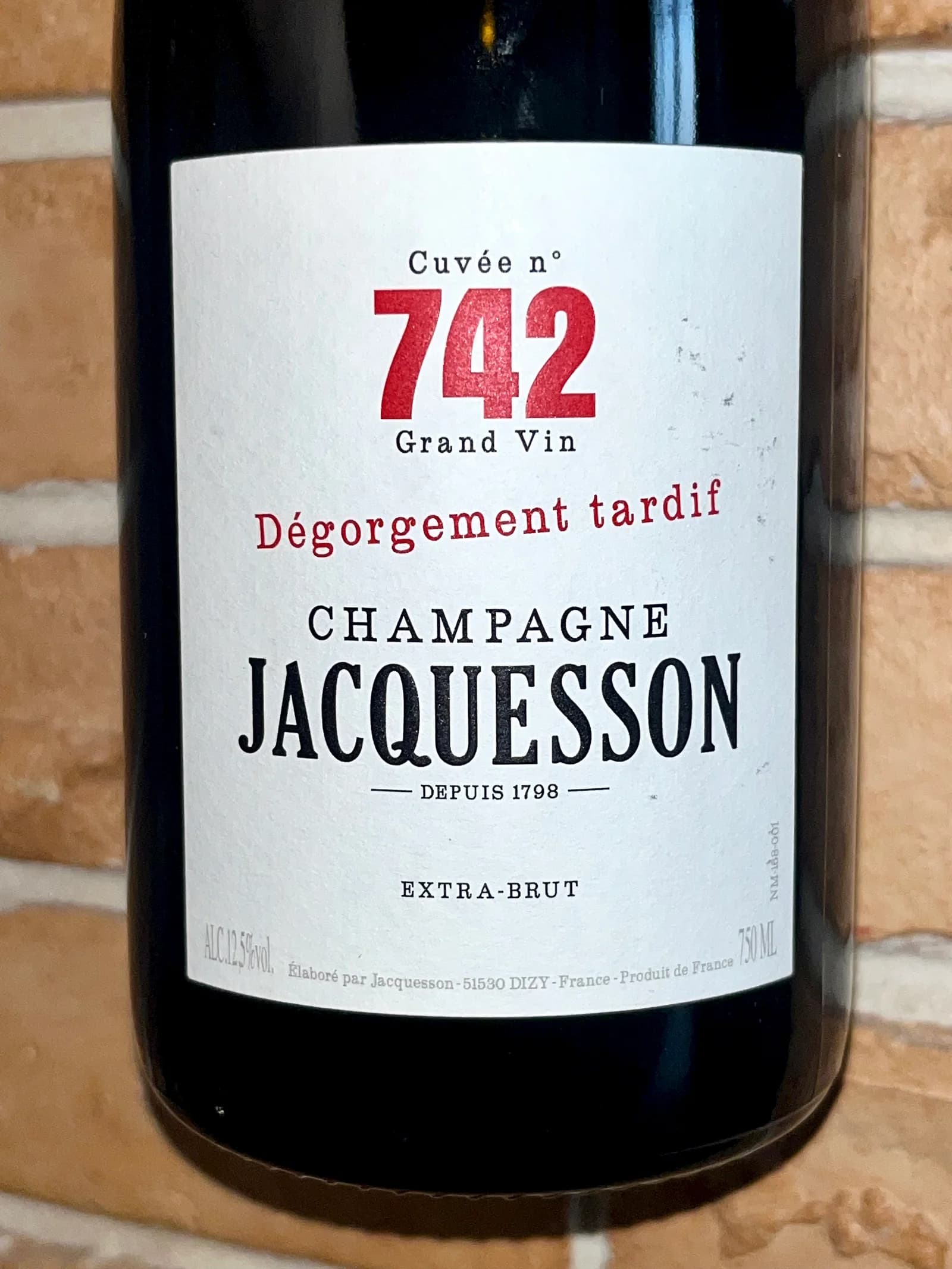
Cuvée 742 DT (2014)
NV (2014)· France
4.5
Cuvee 743 (2015)
NV (2015)· France
Cuvée 743 DT (2015)
NV (2015)· France
4.3
Cuvée 744 (2016)
NV (2016)· France
4.3
Cuvée 745 (2017)
NV (2017)· France
4.3
Cuvée 746 (2018)
NV (2018)· France
4.2
Cuvée 746 Magnum (2018)
NV (2018)· France
4.3
Cuvée 747 (2019)
NV (2019)· France
4.1
Cuvée 748 (2020)
NV (2020)· France
Cuvée 748 Magnum (2020)
NV (2020)· France
4.5
Dizy Corne Bautray
2012· France