All producers
Frank Cornelissen
Etna Nord, Italy12 wines4.0 avg
111
Mount Etna, north slope. Belgian ex-alpinist, first vintage 2001. ~24 hectares across 18 contrade, certified organic since 2010. A set of single-contrada MunJebel bottlings above the Magma flagship; the style shifted from zero-SO2 radical to cleaner grey tones after 2018.
Frank Cornelissen arrived on the north slope of Etna in 2000 and bottled his first vintage in 2001. Belgian, born in 1961, a wine broker and alpinist before he moved south - that non-Sicilian, non-trained-vigneron start matters, because the early wines were correspondingly radical: zero sulphur, buried terracotta amphorae, unfiltered, often volatile. Sicily's natural-wine wave had not yet happened, and several vintages around 2004-2010 divided the room cleanly between people who thought the wines were transcendent and people who thought they were broken.
The estate is in Solicchiata, commune of Castiglione di Sicilia. It grew from 0.40 hectare in 2001 to around 24 hectares across 18 parcels today, between roughly 580 and 1,000 metres. Old-vine alberello Nerello Mascalese dominates, with the usual Etna whites (Grecanico, Carricante, Catarratto, Coda di Volpe, Malvasia, Minnella, and a little Moscadella). Certified organic since 2010 - not biodynamic; Frank has always been explicit about wanting his own framework.
A recognisable turning point came when Guillaume Thienpont (of Vieux Château Certan) joined as consultant. From that point the cellar moved toward what Frank calls "grey tones": still no oak, still fibreglass tanks and buried amphorae, still indigenous yeasts - but light filtration where needed and small sulphur additions (around 30 mg/L total, with a first racking addition and a touch at bottling) from the 2019 vintage. The style is cleaner without losing the volcanic signature.
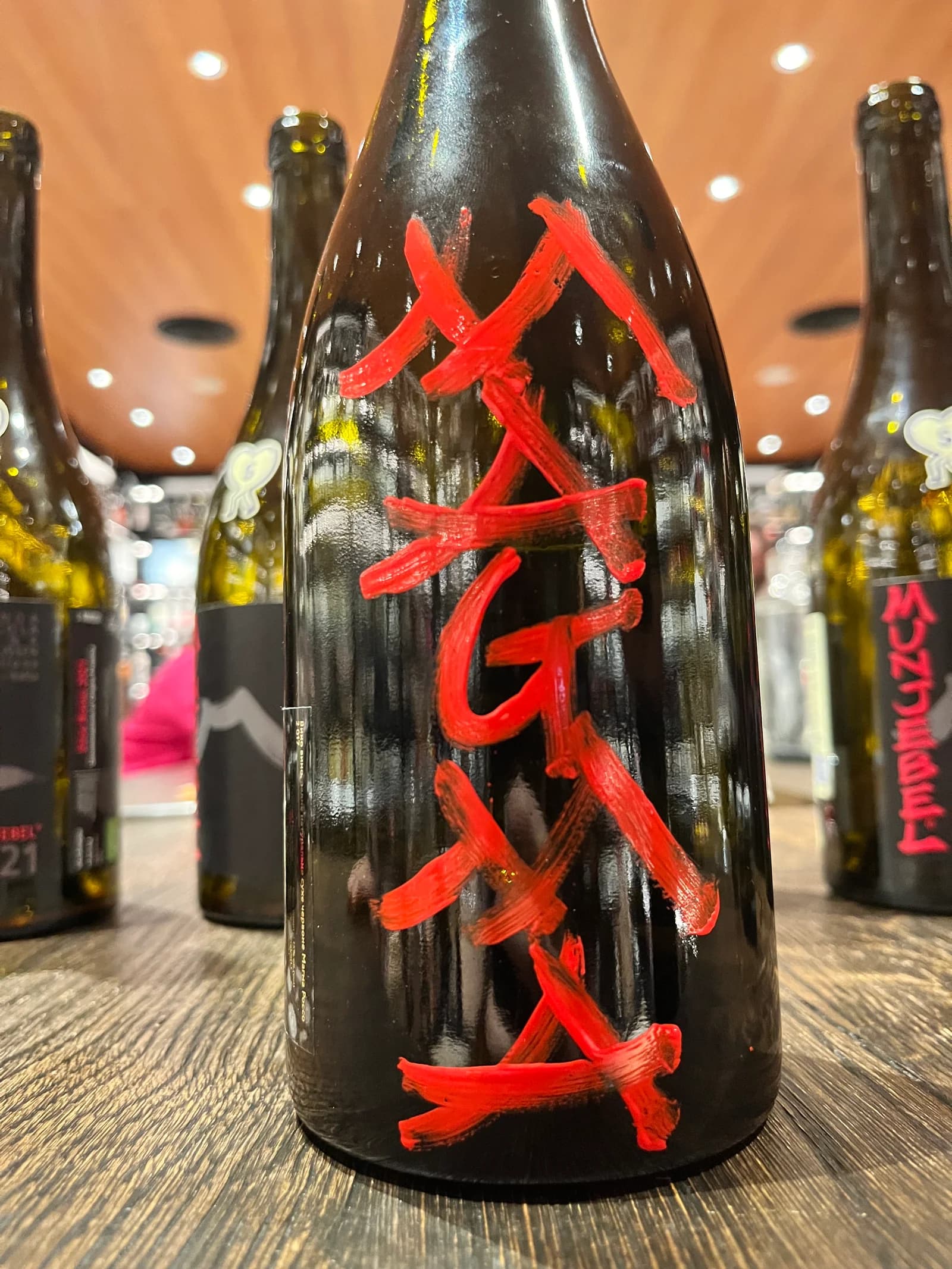
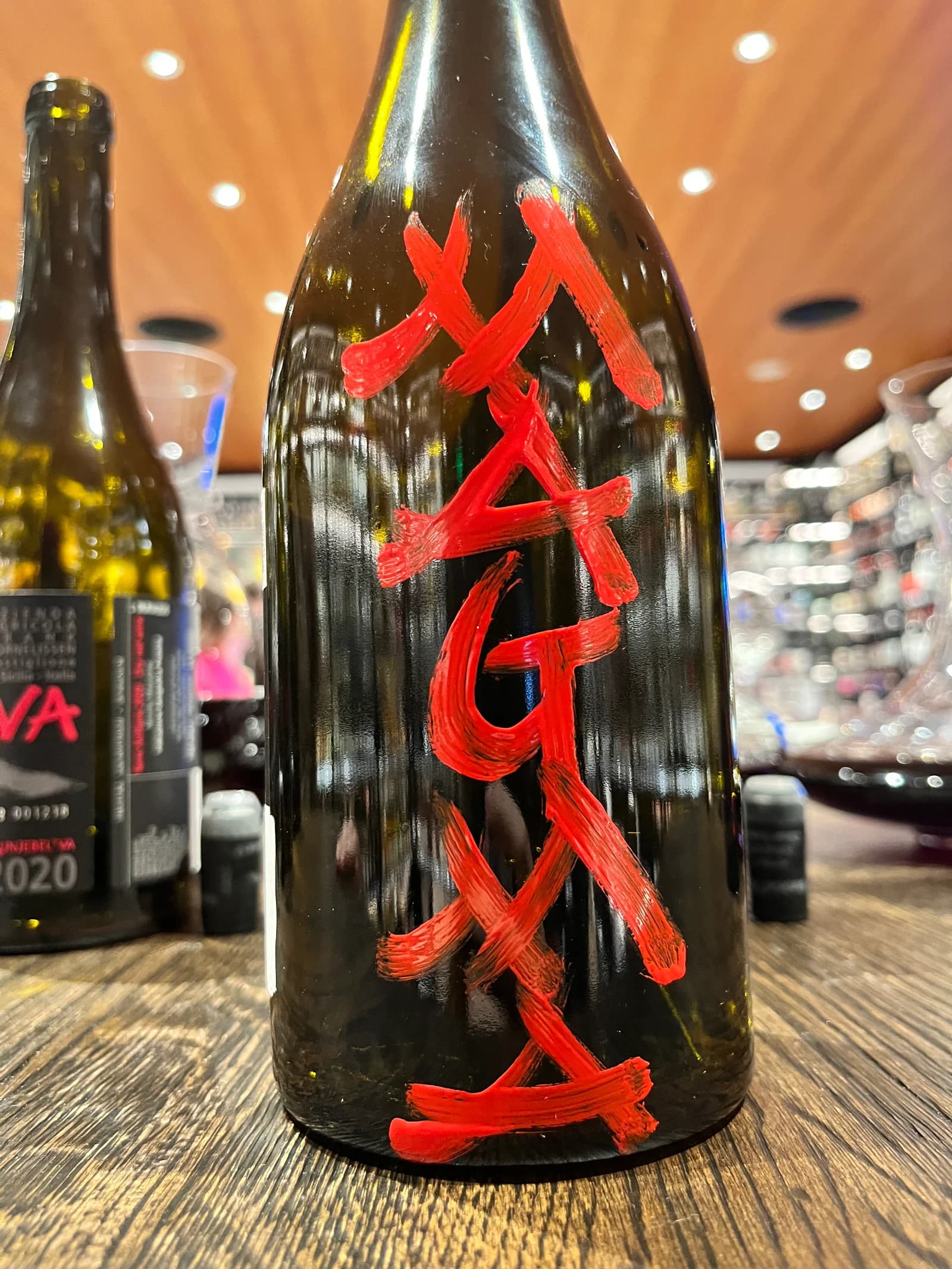
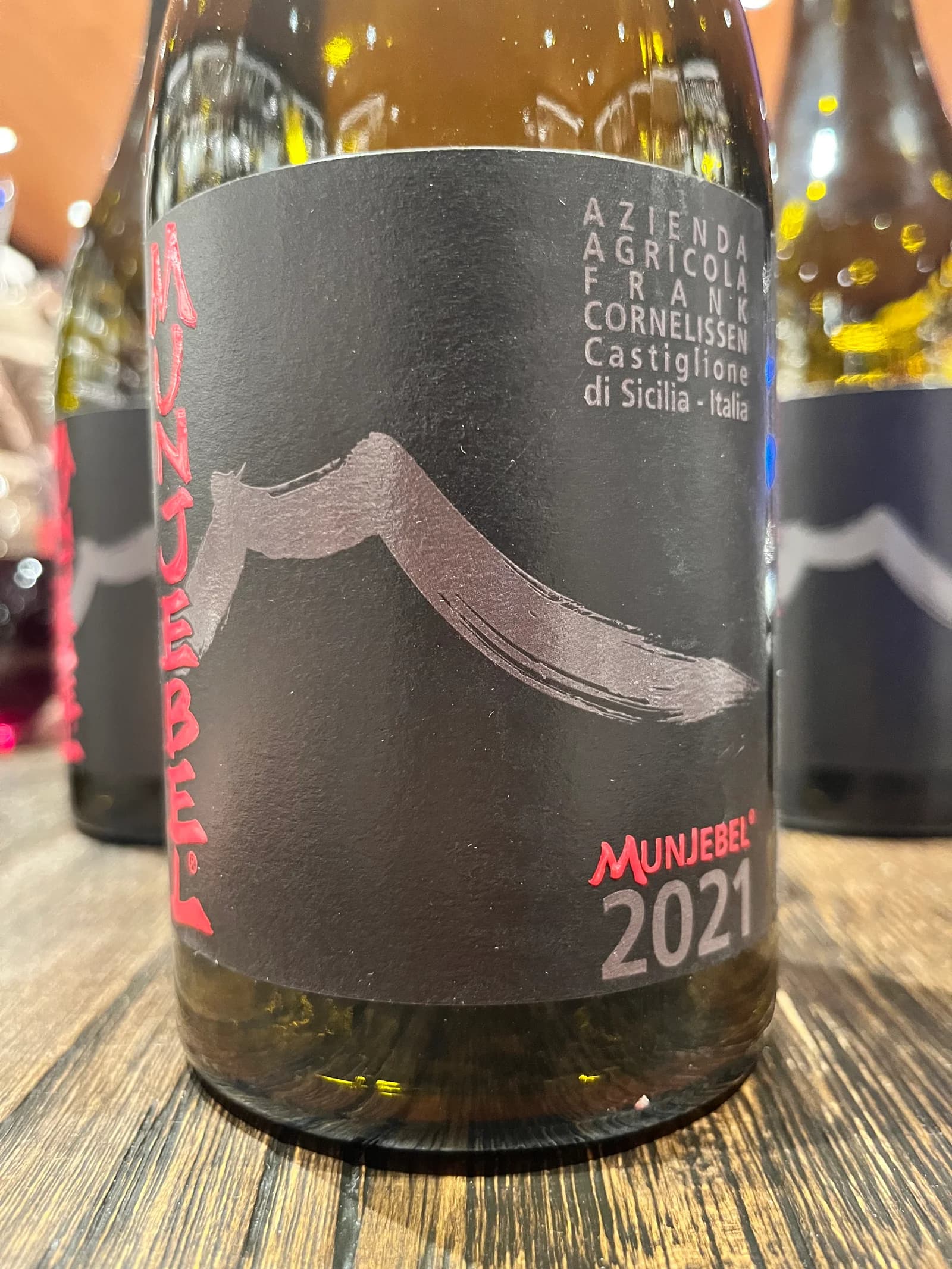
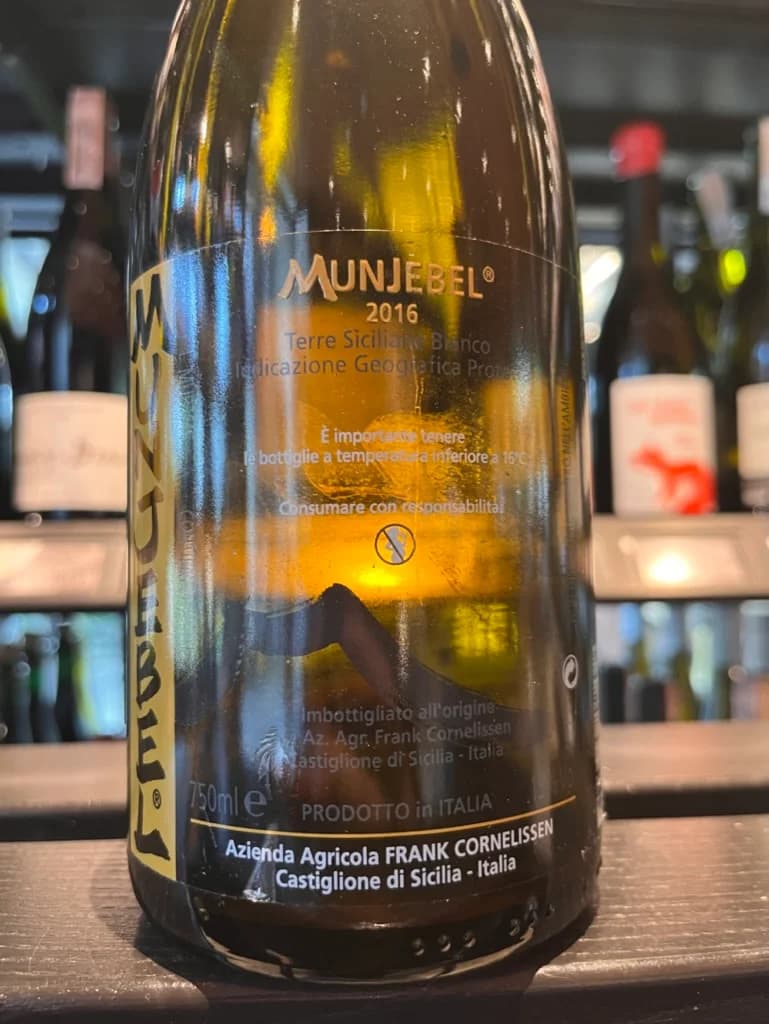
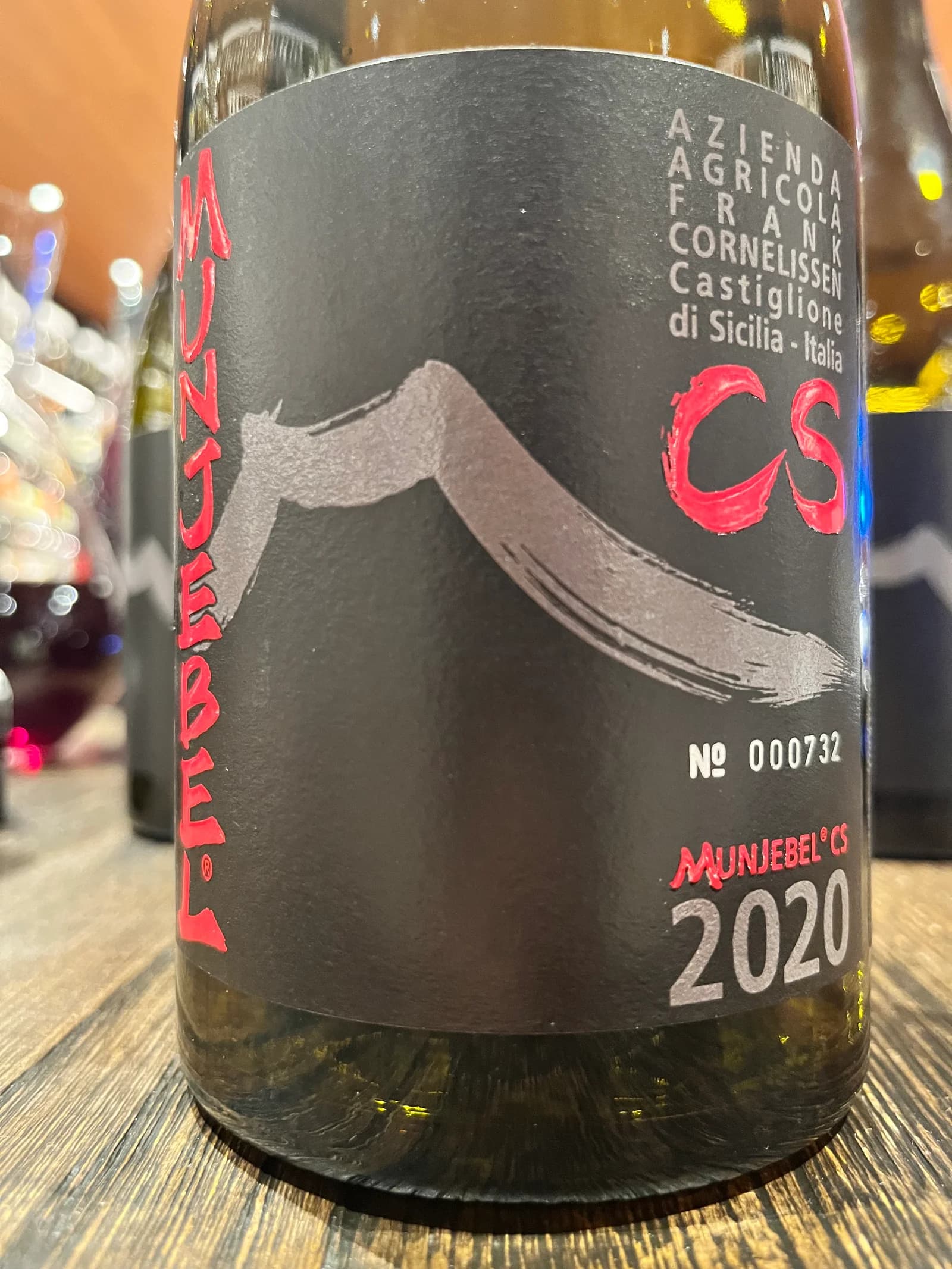
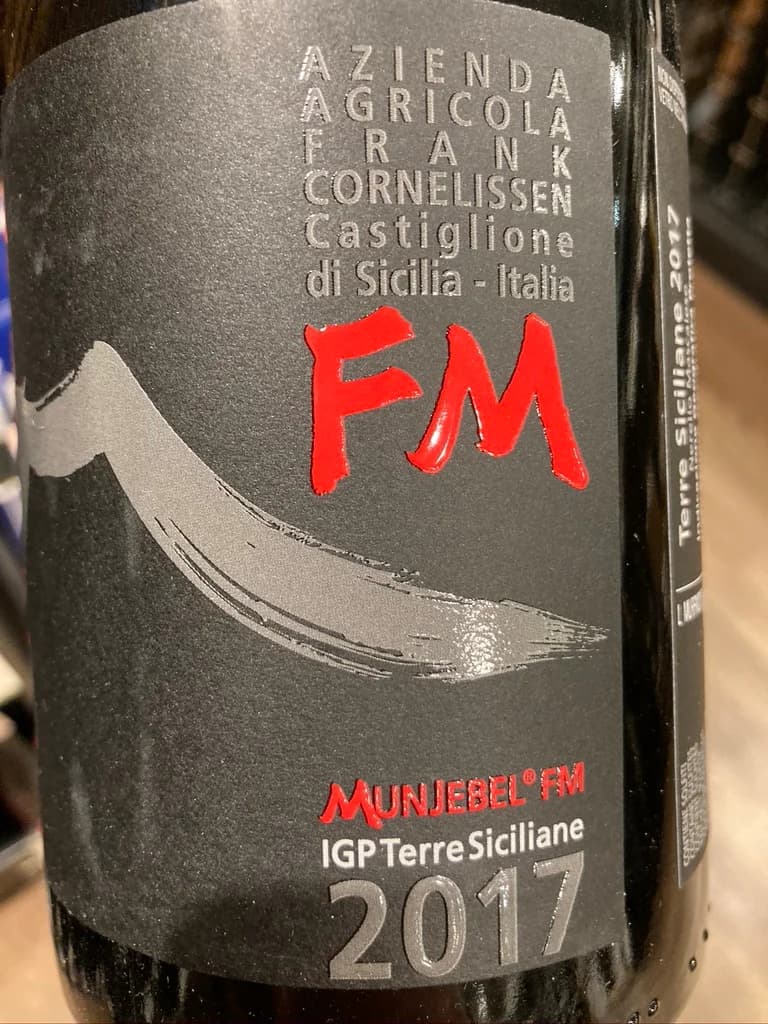
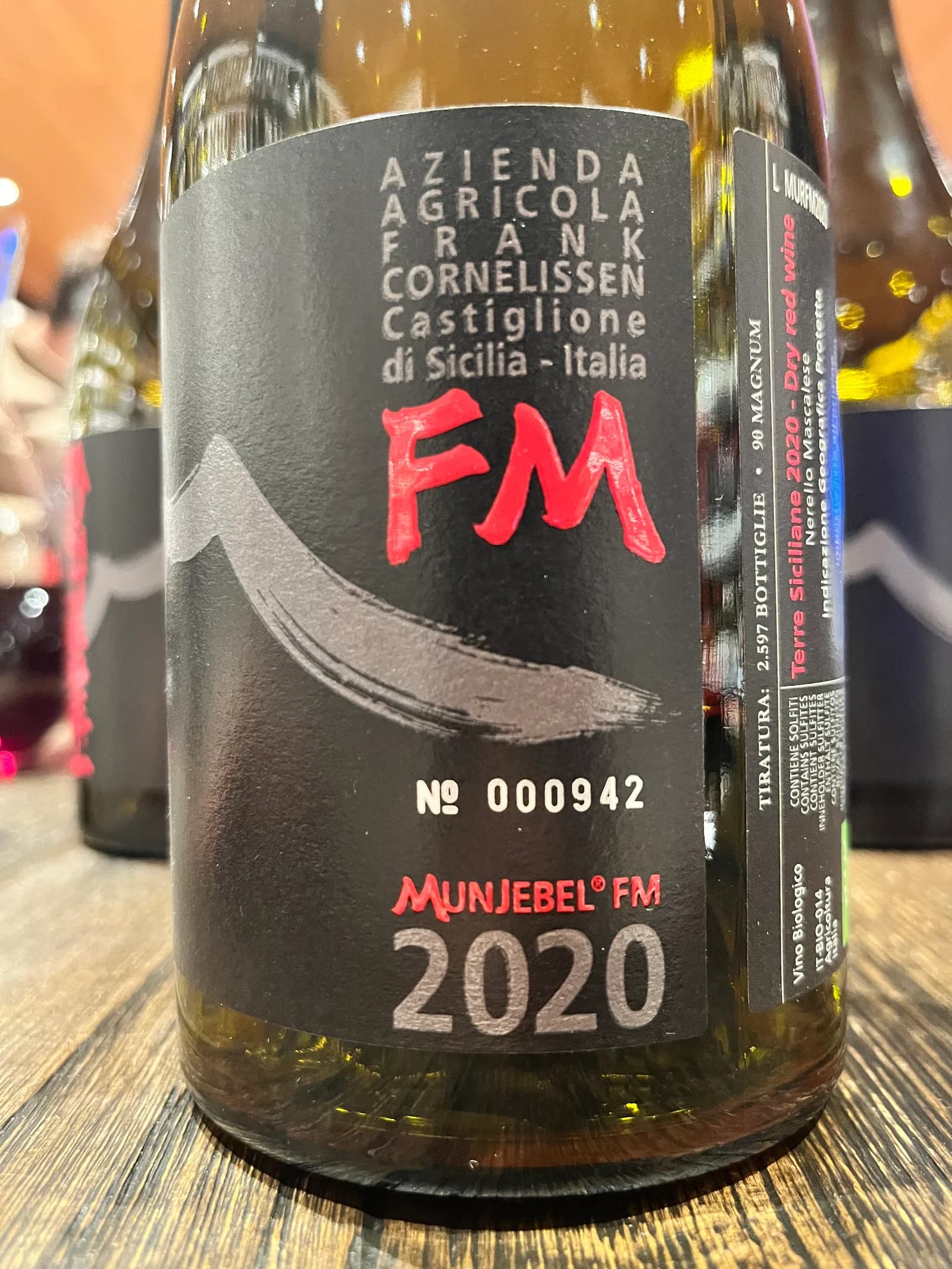
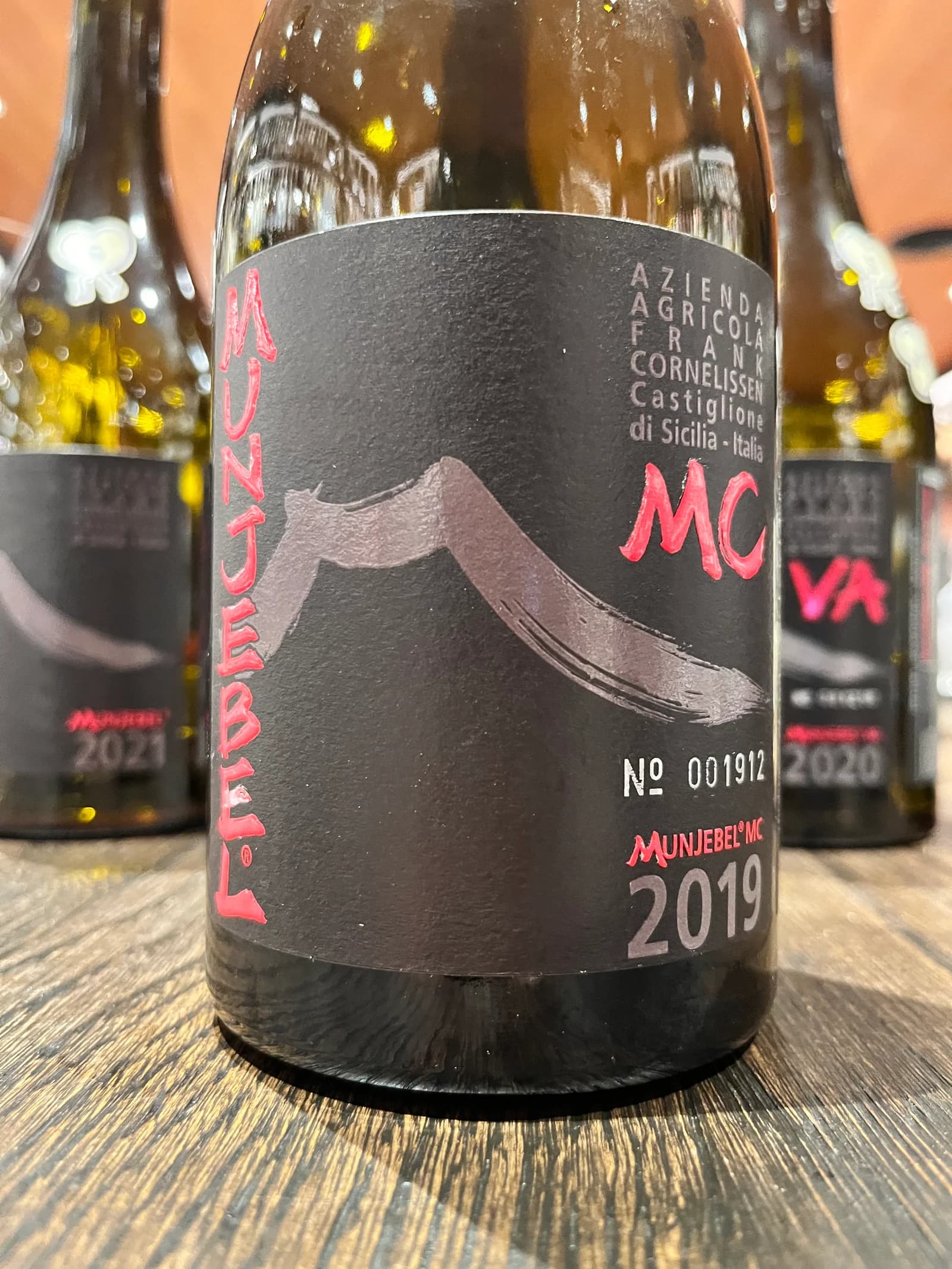
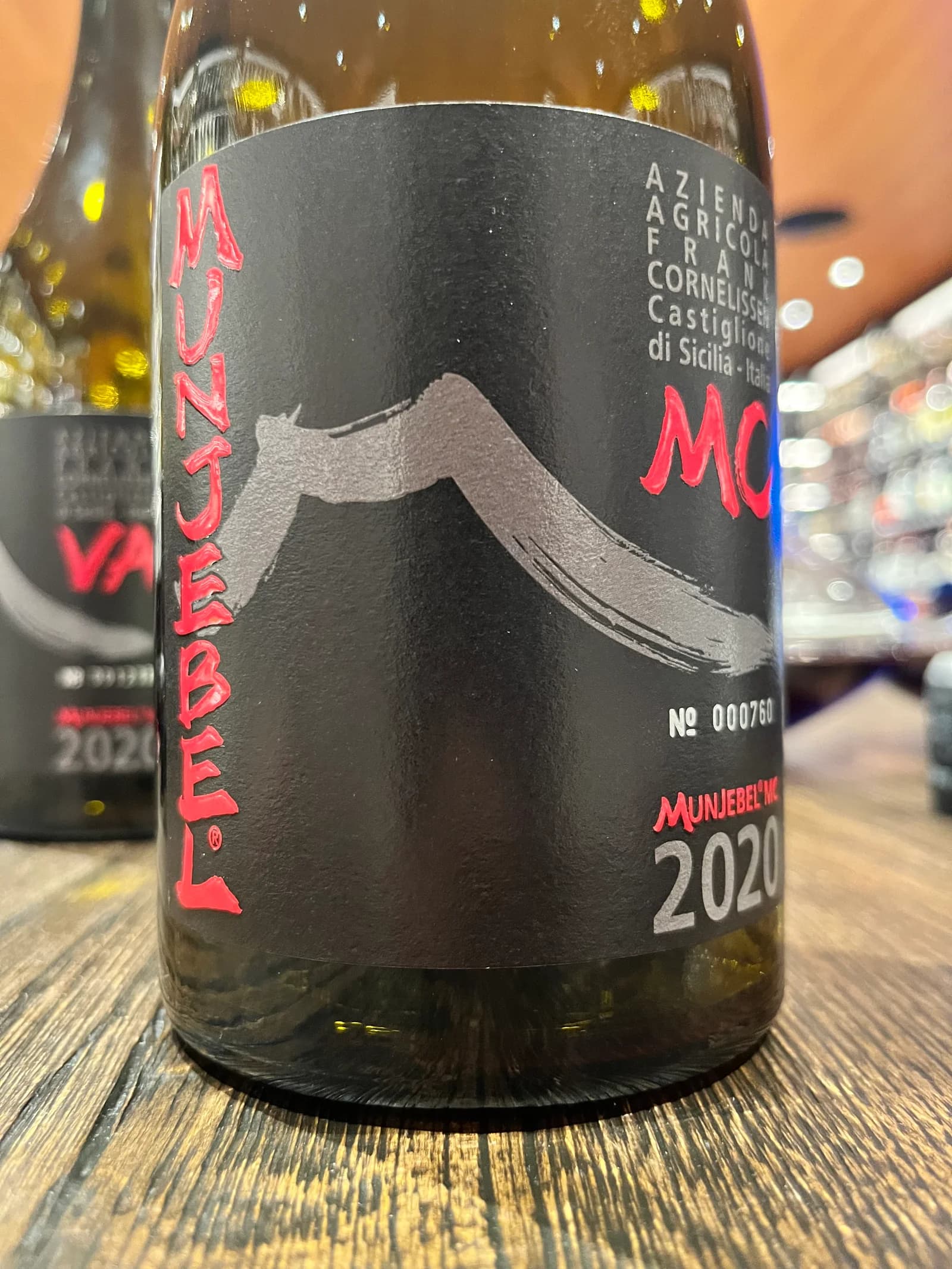
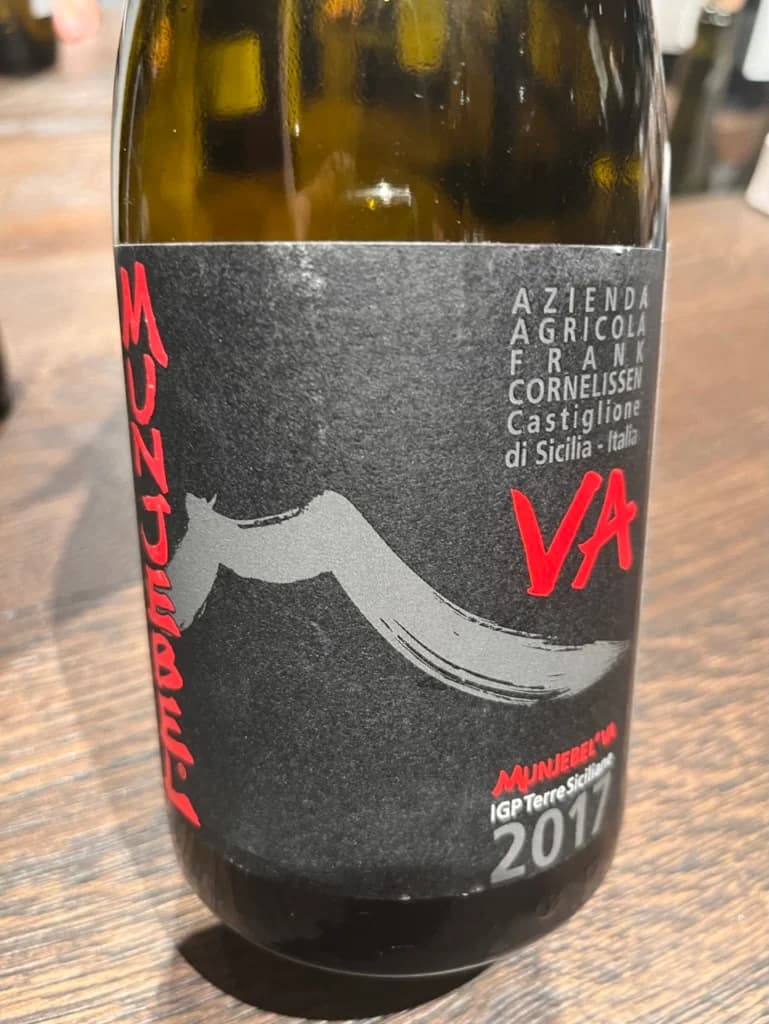
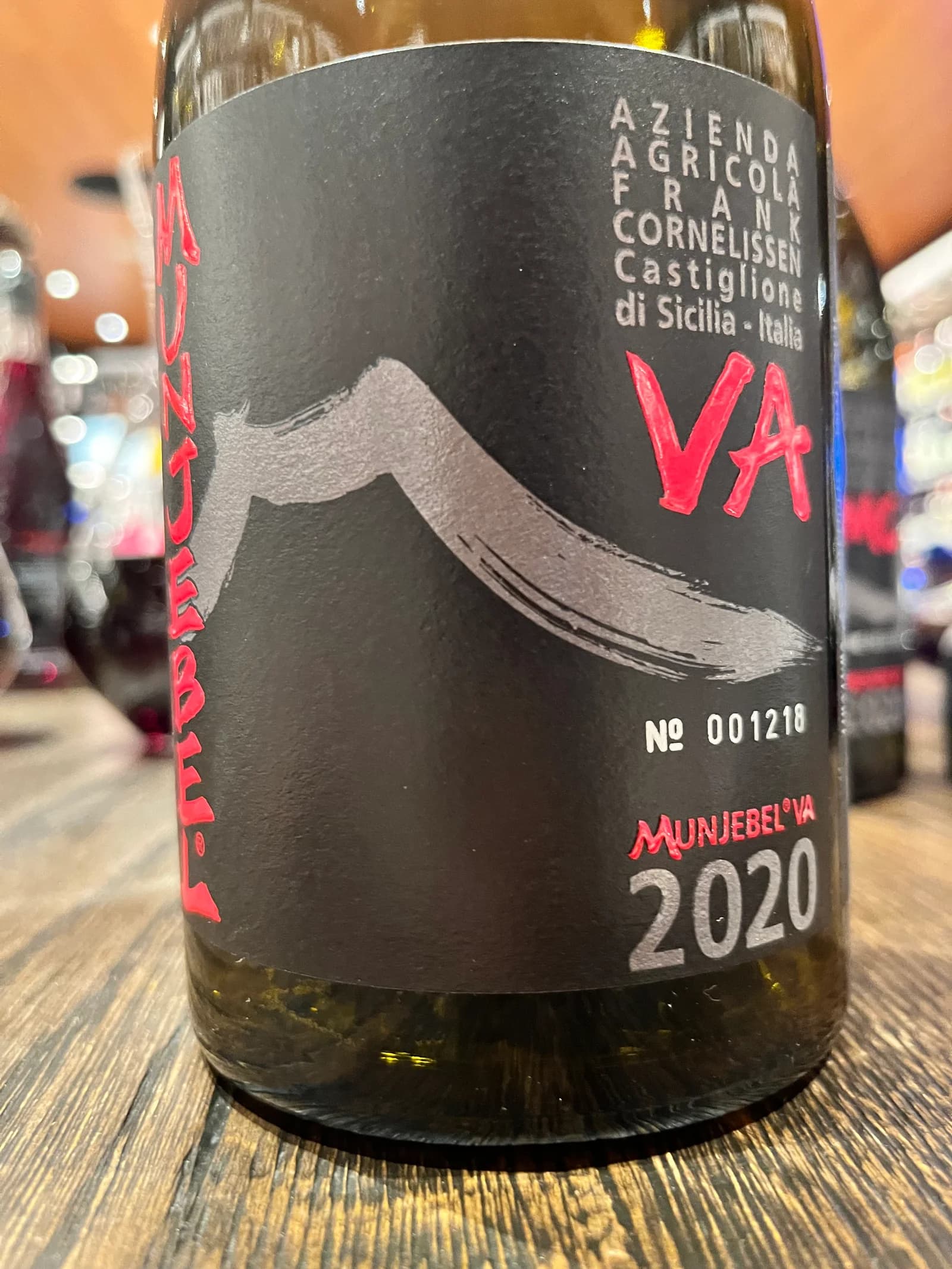
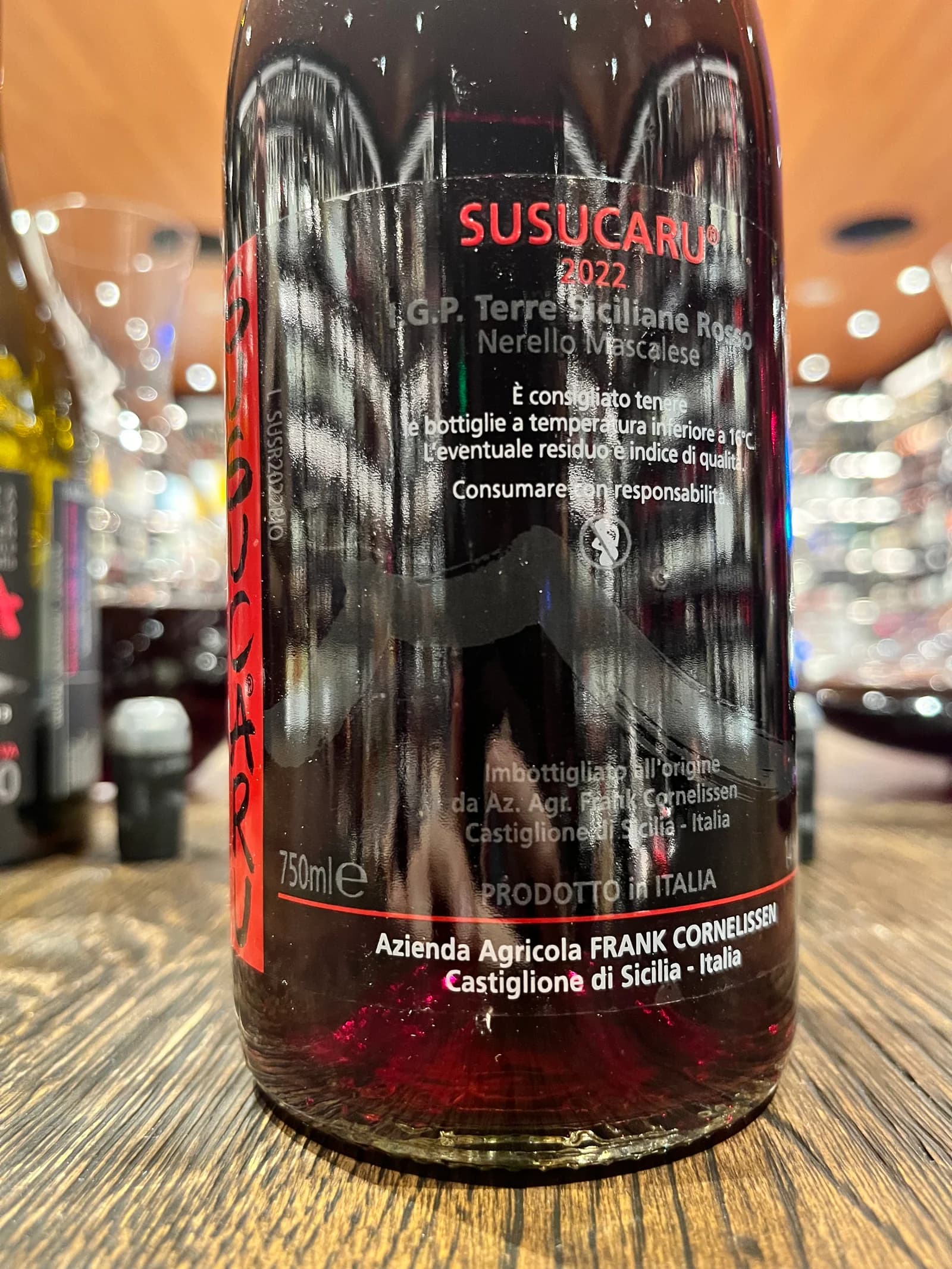
The range, top-down: Magma (single-vineyard Barbabecchi, ungrafted ~1910 Nerello); a set of single-contrada MunJebel Premier Cru (MC Monte Colla, PA Porcaria, FM Feudo di Mezzo, CR Campo Re, CA Crasà, CD Calderara, PU Puntalazzo, BB Barbabecchi) and a solera Perpetuum, plus MunJebel Grand Cru single vineyards (CS Zottorinoto, SC Scimonetta) and Vigne Alte (VA Rosso and Bianco); the estate-tier MunJebel Rosso and Bianco; and the entry-level Susucaru Rosso / Bianco / Rosato, which replaced Contadino from 2017 after a trademark conflict with a supermarket Pinot Grigio brand.