All producers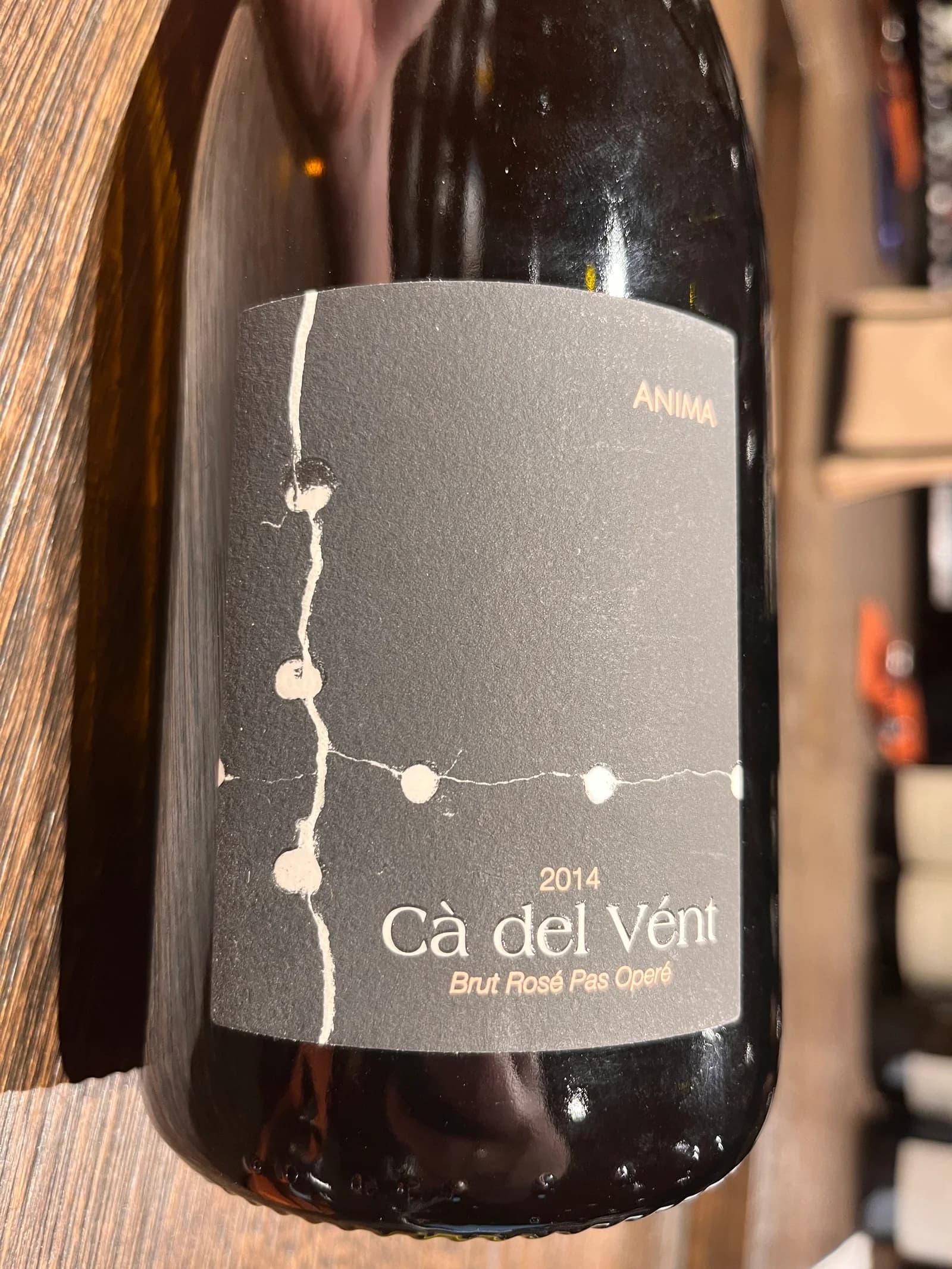
Cà del Vént
Lombardia, Italy8 wines4.1 avg
71
A Cellatica garage operation that grew into Franciacorta's most defiant small producer - rejected by the DOCG in 2015 for being "too rich and complex," now making sparkling on their own terms.
Cà del Vént has a humble story that officially started in 1994. Antonio Tornincasa and Flavio Faliva, working out of a garage in Cellatica on the southeastern edge of the Franciacorta zone, handcrafted five barrels of Clavis - a still red from autochthonous varieties, made for personal consumption. Likely due more to luck than skill, their first bottling - Clavis 1996 - turned out well enough to keep going.
In 2001 they bought a small pneumatic press to vinify the first 2,000 bottles of Franciacorta. They didn't like the result: the wine lacked elegance and the oak flavours were too obvious and heavy. So they adjusted - moving to old oak for base-wine fermentation, extending lees aging well beyond DOCG minimums, dropping dosage to zero or near-zero. The property has since grown to roughly 7.5 hectares across eleven parcels on the pre-Alpine Brescian hillside - limestone, clay, and heavy loam, between 320 and 430 metres.
Then, in 2015, the Franciacorta DOCG tasting commission rejected their wines. The formal reason: too rich and too complex for the appellation standards. Since then Cà del Vént has operated without any DOCG or DOC classification - bottling as VSQ (Vino Spumante di Qualità) or table wine, bound by no restrictions other than their own.
The sparkling grapes are Chardonnay and Pinot Nero, made by the same traditional method as Franciacorta, but vinified in old oak with indigenous yeasts, no enzymes, no temperature control, hand-riddled (no gyropalettes), and aged on lees for forty-plus months - up to fifty-nine on the longest bottlings. The wines tend to be more oxidative, nutty, and textural than mainstream Franciacorta - closer in spirit to grower Champagne or the artisanal end of Méthode Ancestrale.
The sparkling range includes a Brut, Pas Dosé / Nature (zero dosage), Rosé (Pinot Nero based), and Riserva bottlings. Clavis remains in production as the still red, from autochthonous varieties. Certified organic and biodynamic, members of VinNatur. Around forty thousand bottles a year.
The DOCG rejection story has become emblematic of the tension between artisanal producers and appellation bureaucracies across European wine. Cà del Vént wears the rejection as a badge. If the system says you are too complex, the system has told you everything you need to know about its standards.
Wines
4.1
Anima Brut Rosé Pas Operé VSQ
2014· Italy
4.1
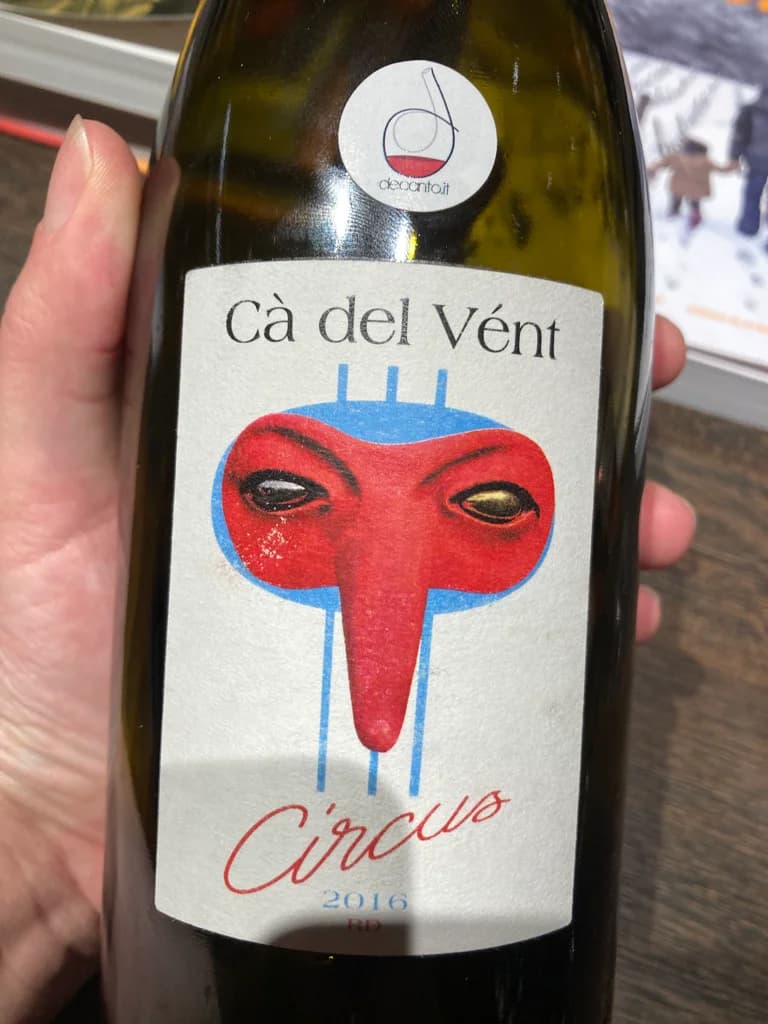
Circus RD
2016· Italy
3.9
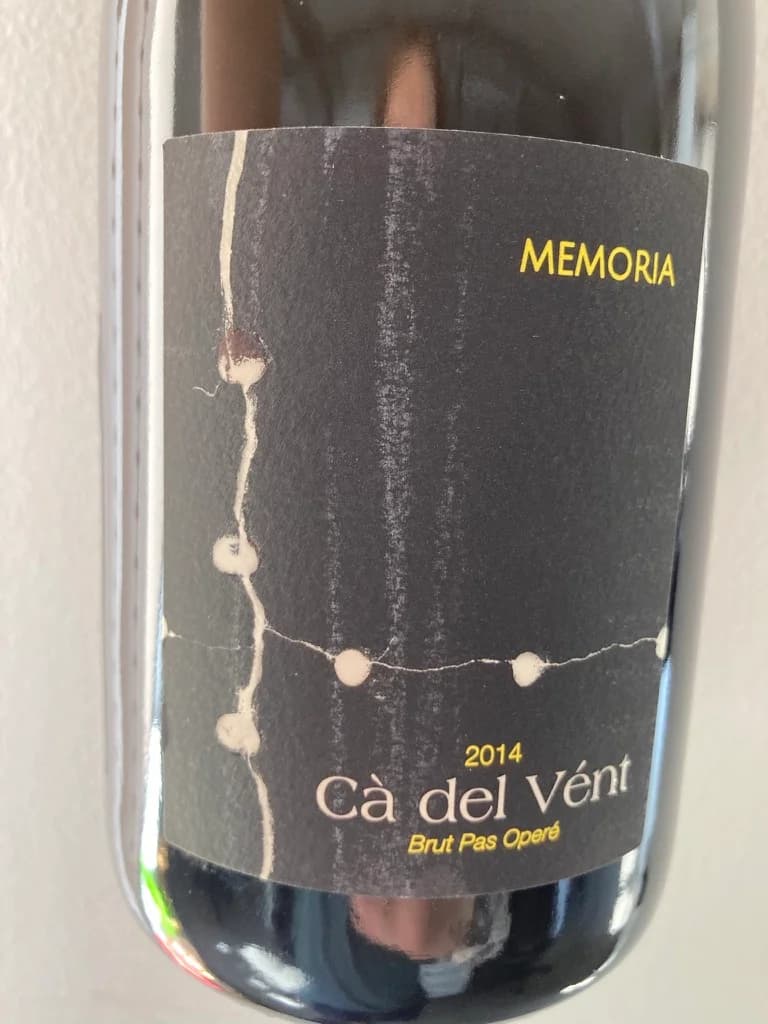
Memoria Brut Pas Operé VSQ
2014· Italy
4.0
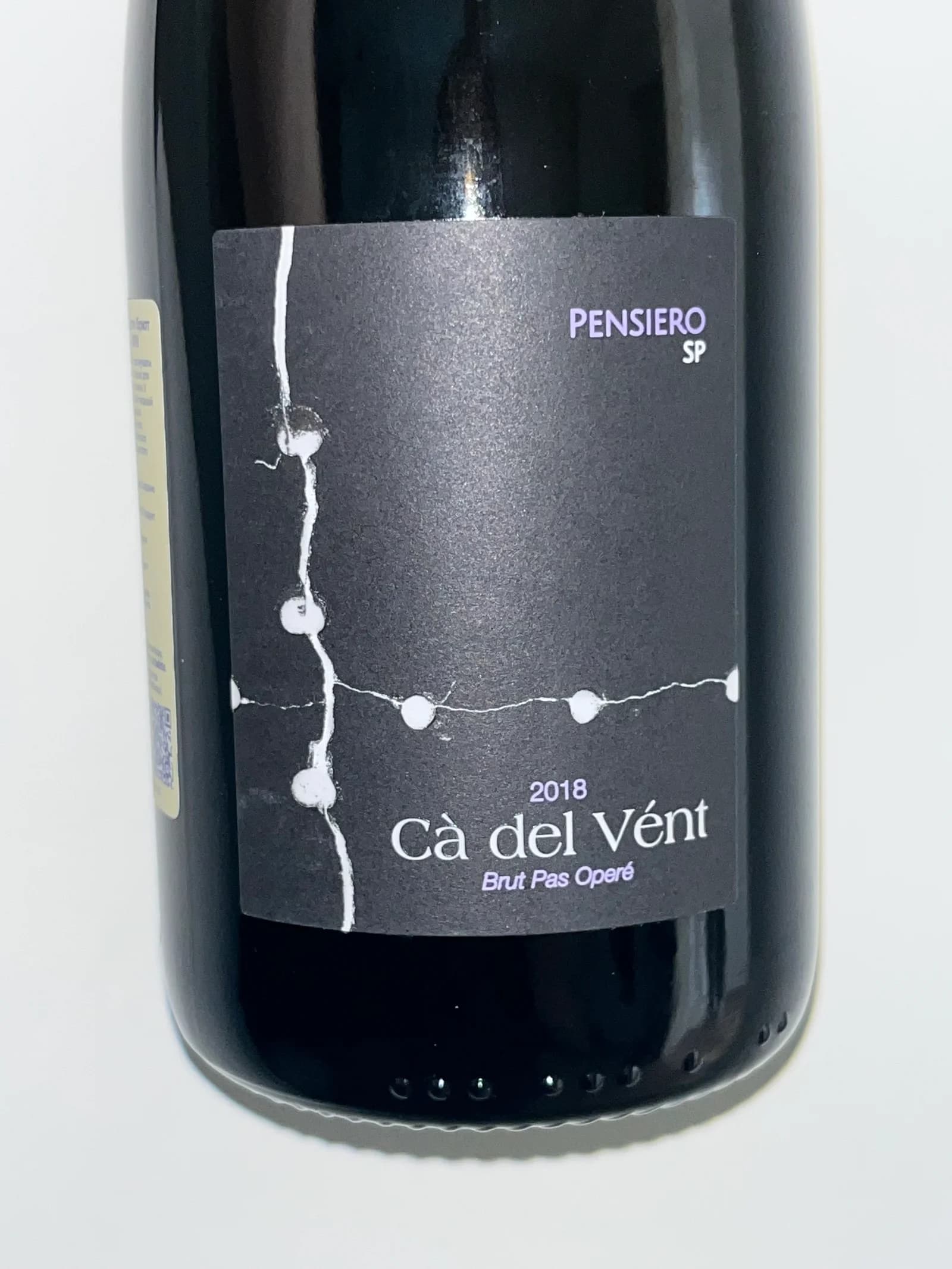
Pensiero Brut Pas Operé VSQ
2018· Italy
4.1
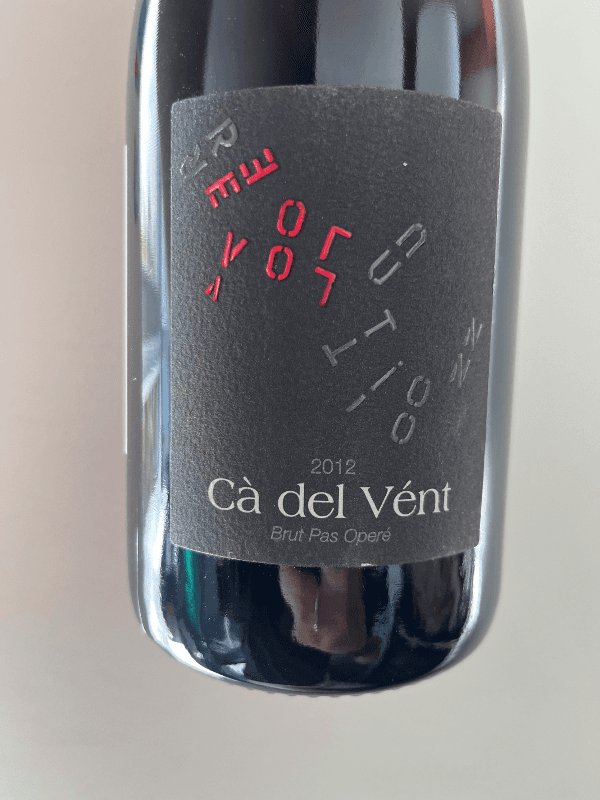
Revolution Brut Pas Operé VSQ
2012· Italy
4.2
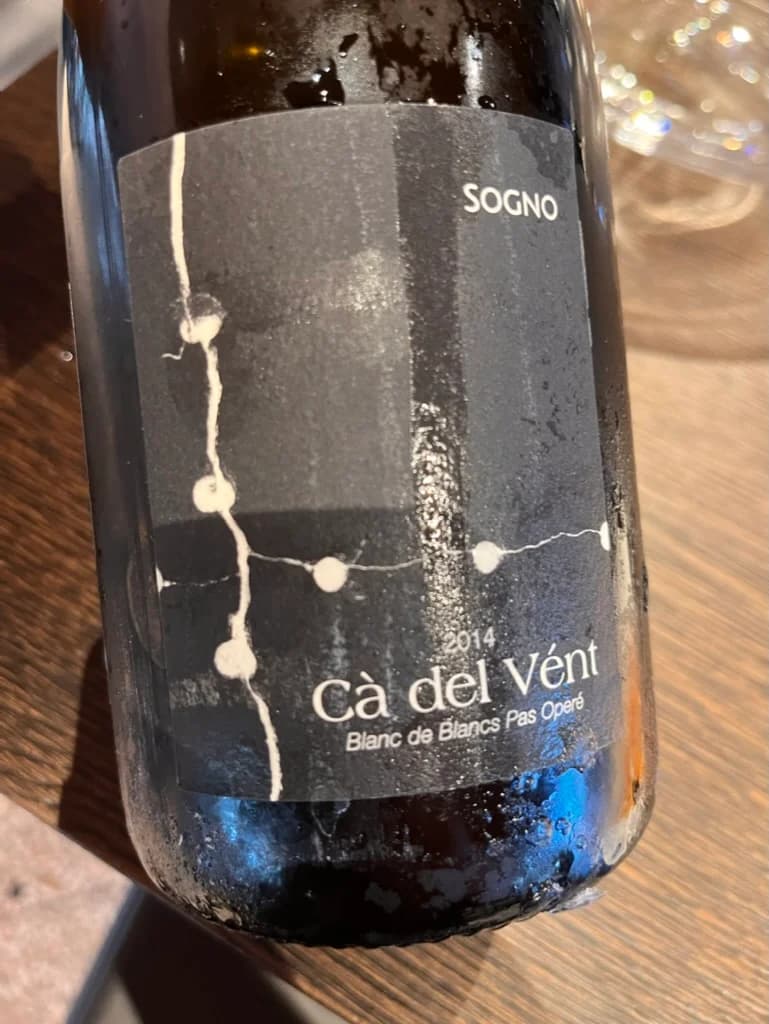
Sogno Blanc de Blancs Pas Operé
2014· Italy
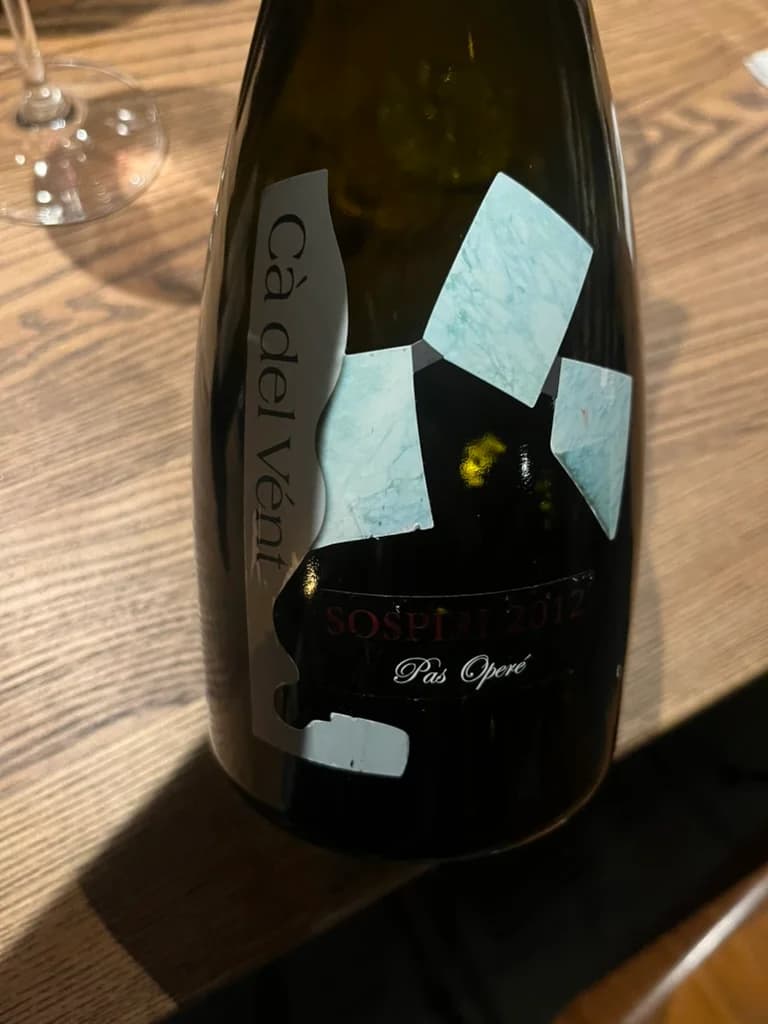
Sospiri Brut Pas Operé
2012· Italy
4.5
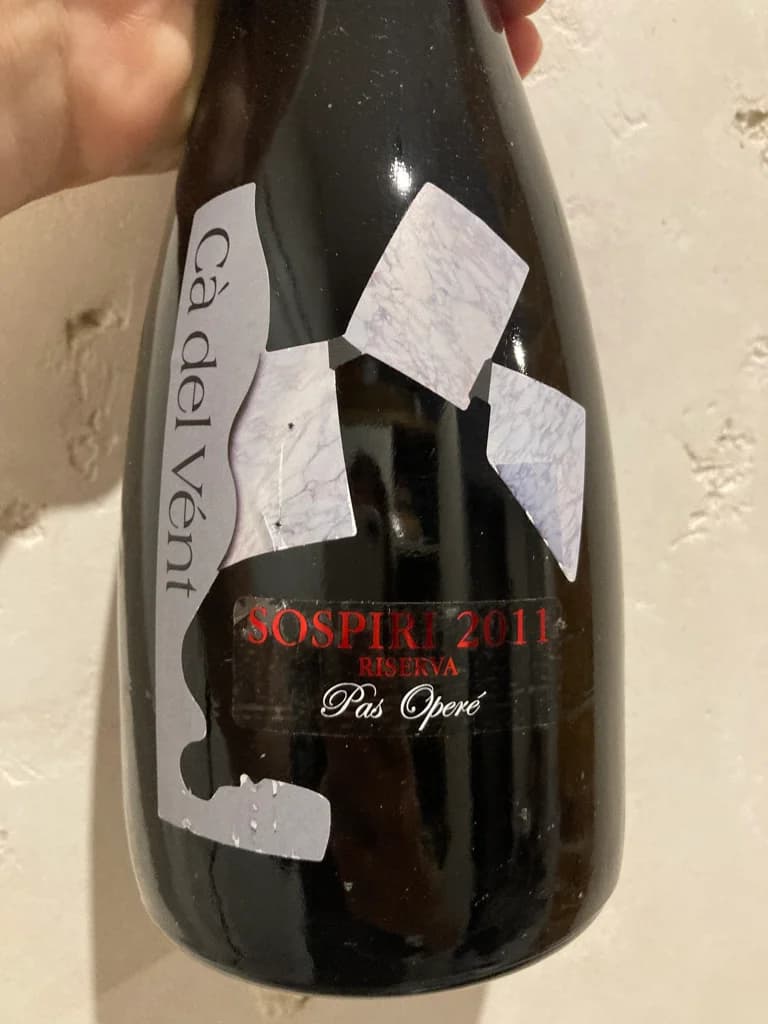
Sospiri Brut Riserva Pas Operé
2011· Italy