Comm. G.B. Burlotto Barolo Vertical
If you want to experience Burgundy-like aromatic elegance, Barolo structure, and intellectual complexity, this is your producer. Few others match this stylistic tension between fragrance and structure, between ancient methods and modern clarity. Burlotto is not about power. It's about grace - but the kind of grace that quietly tears you apart.
By Boris · Hosted by Boris Buliga
Looking at my scores, there's one producer who consistently ranks at the very top among all the Nebbiolo I've tasted (not just Barolo). But numbers aren't the point. This is the producer that carved out a permanent spot in my hedonistic little heart.
If you want to experience Burgundy-like aromatic elegance, Barolo structure, and intellectual complexity, this is your producer. Few others match this stylistic tension between fragrance and structure, between ancient methods and modern clarity. Burlotto is not about power. It's about grace - but the kind of grace that quietly tears you apart.
Their entry-level Barolo, in my view, offers fantastic value for money. But I've only ever drunk these wines young - no older than five years. So when the chance came up to organise a proper vertical (mainly thanks to Serhii's efforts), I couldn't pass on it. It would've been foolish not to.
So, what did we have in store?
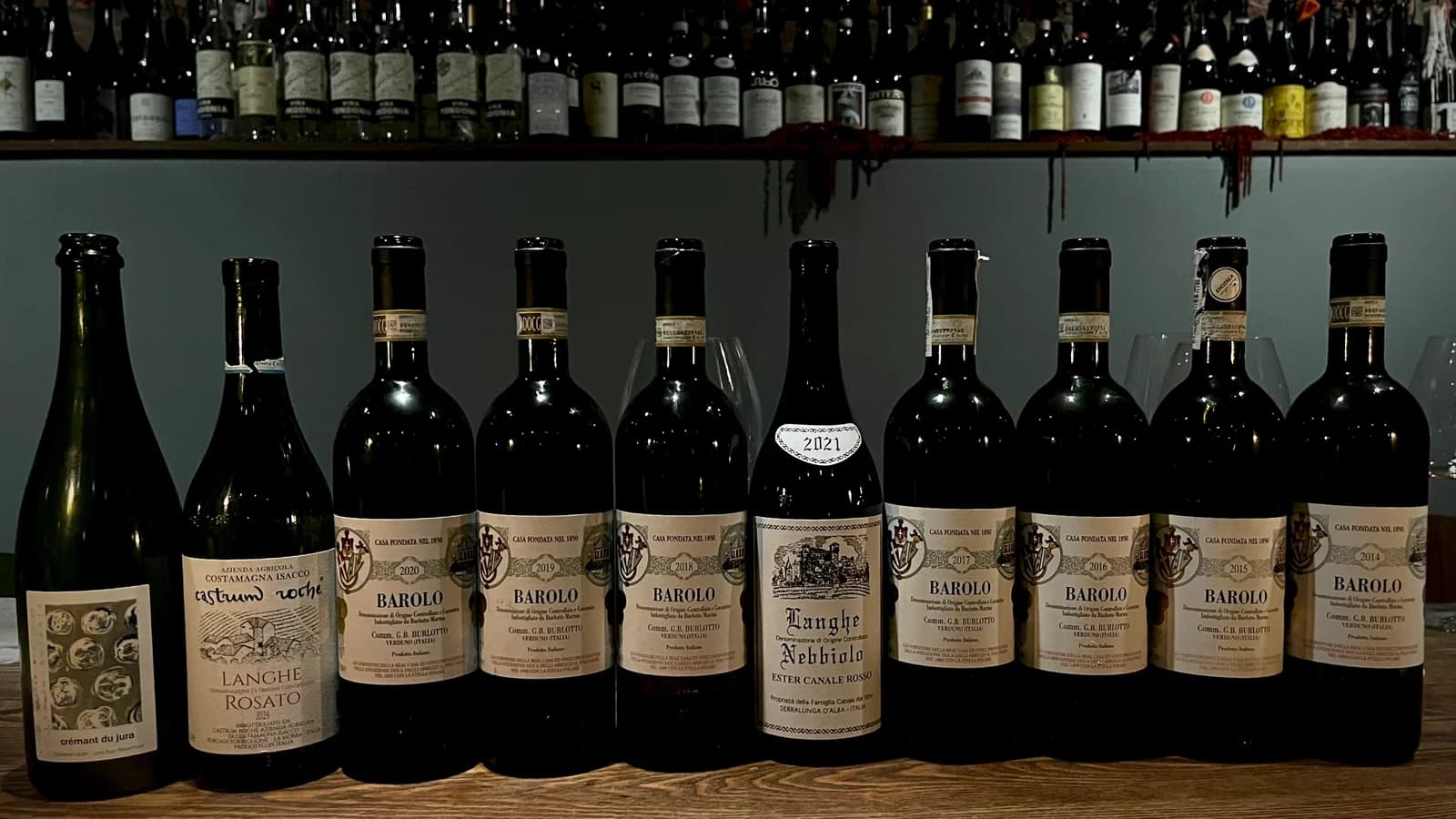
- 7 bottles of Barolo DOCG from Burlotto - vintages 2014 through to the freshest 2020
onetwo bonus bottles- one surprise bottle from Alessio - the man who brought Burlotto to Ukraine - and what a surprise
- all of it at Lo Bar, with the legendary tartare on the table
Informal, but focused, just like the wines themselves.
It's hard to overstate how consistent and emotionally resonant these wines are. Vintage after vintage, Burlotto manages to speak in the same quiet, floral, haunting voice; and yet each year adds a new inflexion. 2016 was the clear standout - poised, weightless, and utterly complete - but the real joy was seeing the whole arc, from the sheer drinkability of 2020 to the coiled tension of 2015, and even the surprisingly fresh 2014.
There was one bottle that didn't quite show as it should (2018), but even then, the house character peeked through. And the blind surprise from Ester Canale Rosso? Well, that just proves that great Nebbiolo always finds a way to be recognised - even when it wears a cloak. And now I have a new favourite Laghne Nebbiolo!
Burlotto: grace, memory, and the long maceration
Barolo has many great names. Some thunder. Some dazzle. And then there's Burlotto - a name that doesn't raise its voice but somehow speaks the loudest. You don't remember it because it impressed you. You remember it because it stayed with you.
It's not just the story. Though yes, the story is good.
In the mid-1800s, Comm. Giovan Battista Burlotto was already bottling his own Barolo when most producers were still selling in bulk. His wines reached the House of Savoy, won medals in Milan, and helped put Verduno - his quiet hilltop village - on the map. At a time when few talked about cru bottlings, Burlotto was already making Monvigliero as a single-vineyard wine. He saw something others didn't.
And then, for a while, the world stopped looking.
After Comm. Giovan Battista died in 1927, Burlotto faded. Verduno, too, slipped out of focus. While villages like Monforte and Serralunga chased structure and depth, Verduno stayed airy, subtle - too subtle, maybe, for a time that favoured extraction.
But Burlotto never left. And it never changed much either. The vineyards remained. The old ways too. When Fabio Alessandria, great-great-grandson of the founder, took the reins, he didn't start from scratch. He picked up where the story had paused.
And he listened.
Today, Verduno is no longer a secret. Its light touch, its lifted aromatics, its tension - these things have found a new audience. Sommeliers, collectors, and people chasing elegance rather than impact. And Burlotto is at the centre of it.
The wines feel like Verduno sounds: wind in the grass, old brick under the sun, someone talking softly but with conviction. They don't impose. They invite.
Monvigliero is the cru everyone now talks about. East-facing, pale soils, kissed by the Tanaro's cooling breath. Other producers treat it gently and aim for purity. Fabio does the opposite - foot-trodden whole clusters, 60 days of maceration, long ageing in large botti. It's a deeply traditional, almost forgotten way of working Nebbiolo. And yet the result is anything but heavy. It's not so much tasted as it is remembered.
But Burlotto doesn't begin and end with Monvigliero.
The Acclivi is a quiet triumph - a blend of top Verduno parcels. It isn't a second wine; it's a composite portrait. A memory of the village rather than a single voice.
Cannubi, the historic vineyard in Barolo proper - rendered by Fabio not with grandeur but with quiet precision. And now there's also Castelletto from Monforte: more austere, mineral, a deeper register - but still unmistakably Burlotto in tone and restraint.
The Barolo "normale" is often more open, and approachable in its youth. It doesn't have the same fame, but in the glass, it speaks the same dialect.
Outside of Barolo, the range stretches but never loses focus. The Pelaverga is the benchmark: peppery, herbal, and translucent. The Freisa is wild and structured. Barbera in two versions - one juicy, the other dark and coiled. Langhe Nebbiolo from Barolo vines, just with a lighter frame. Even the rosé, Elatis, and the Sauvignon Blancs somehow feel serious.
None of these wines are flashy. But all of them are exact.
Fabio doesn't chase trends. He works quietly, with conviction. Whole-cluster fermentation, long maceration, large oak, no barriques, low sulphur. These are not marketing points - they're tools. And they're used in service of wines that move.
You can talk about technique. You can get geeky if you want (and you should - these wines can take it). But that's not the point.
The point is that they feel like memory. Like something important, you didn't know you missed until you tasted it.
In a world often obsessed with form, Burlotto reminds you why you loved wine in the first place.
Quietly. Clearly. Completely.
Barolo
Burlotto's Barolo "normale" reflects the traditional approach of blending multiple Verduno vineyards to express the character of the village as a whole. Sourced from Breri, Neirane, Rocche Olmo, and Boscatto, the cuvée integrates parcels with varying exposures and altitudes (240 - 370 m), rooted in a mix of laminated Sant'Agata fossil marls and the Cassano Spinola formation. These calcareous soils (balanced in clay, sand, and silt) provide structure, aromatic lift, and water retention essential in warmer years.
Harvest is manual, with strict grape selection. Fermentation takes place in open French oak vats. The must is moved only using gravity. Maceration is long and gentle, with daily remontage and punching down. No barriques are used. The resulting wine is a classic Verduno Barolo: aromatic, precise, and structurally elegant - less about power, and more about balance and nuance.
Tasting Notes
Comm. G.B. Burlotto Barolo 2020
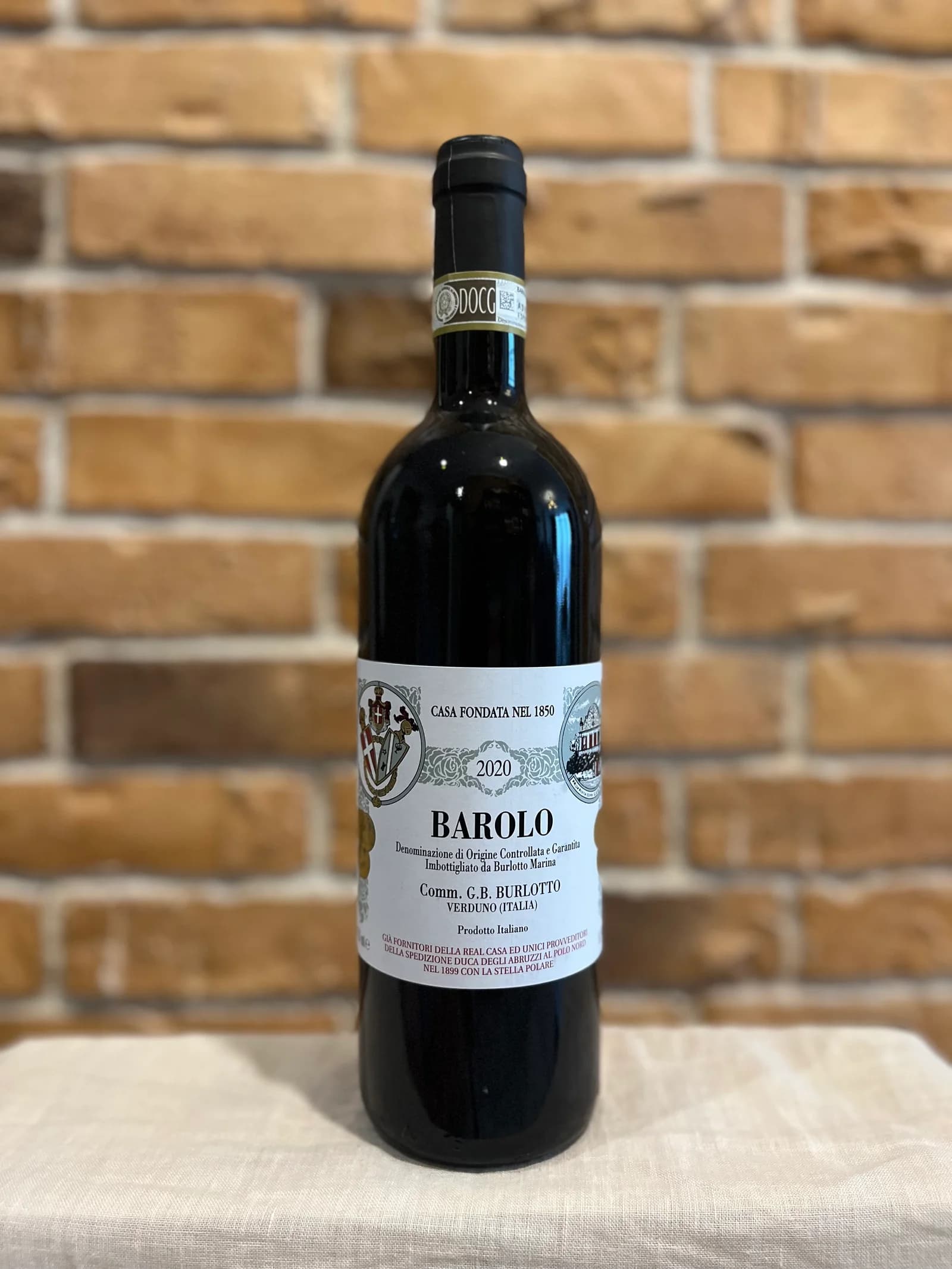
The full note is for members.
Join to read it and the restComm. G.B. Burlotto Barolo 2019
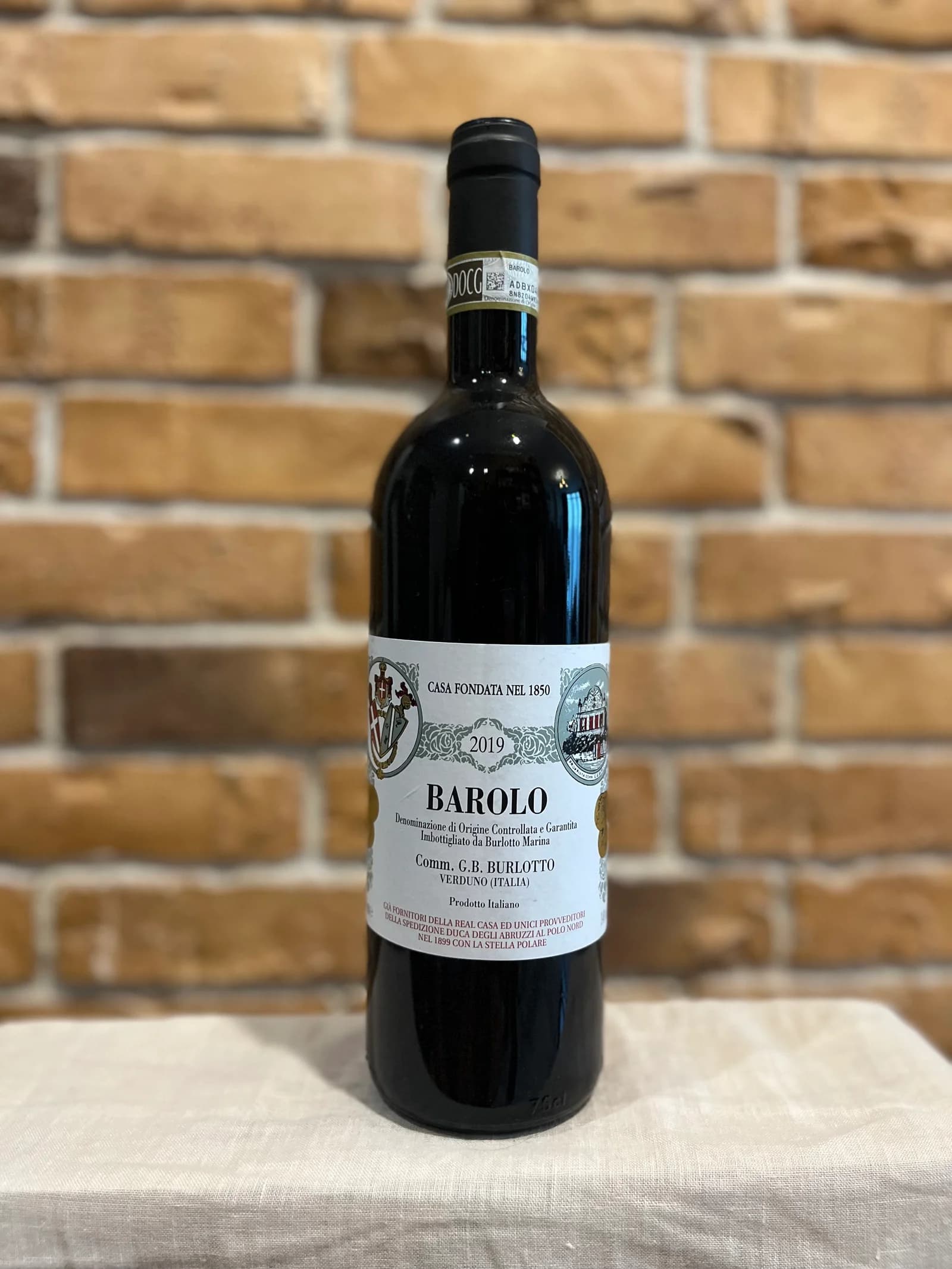
The full note is for members.
Join to read it and the restComm. G.B. Burlotto Barolo 2018
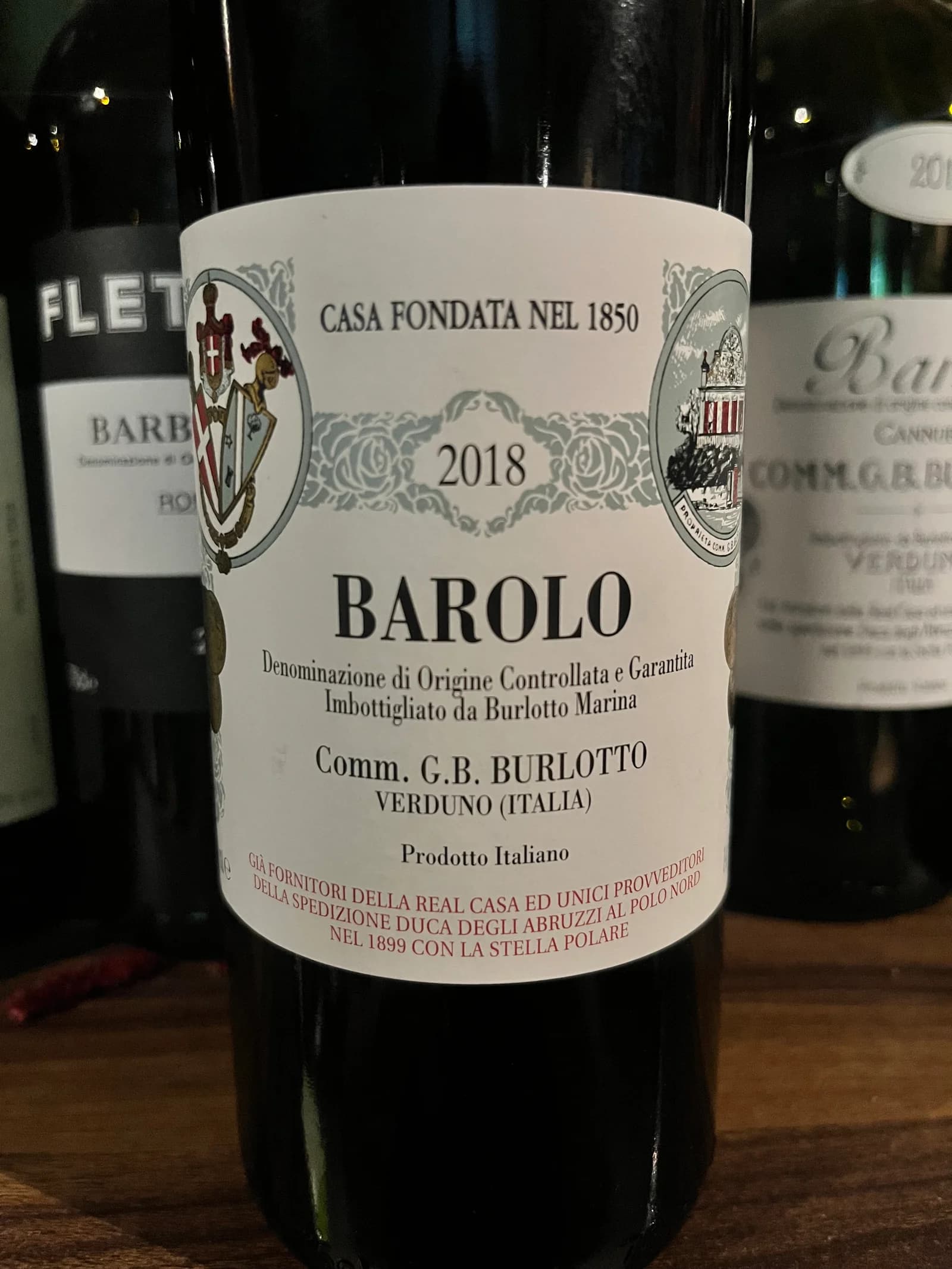
The full note is for members.
Join to read it and the restGiovanni Rosso Lenghe Nebbiolo Ester Canale Rosso 2021
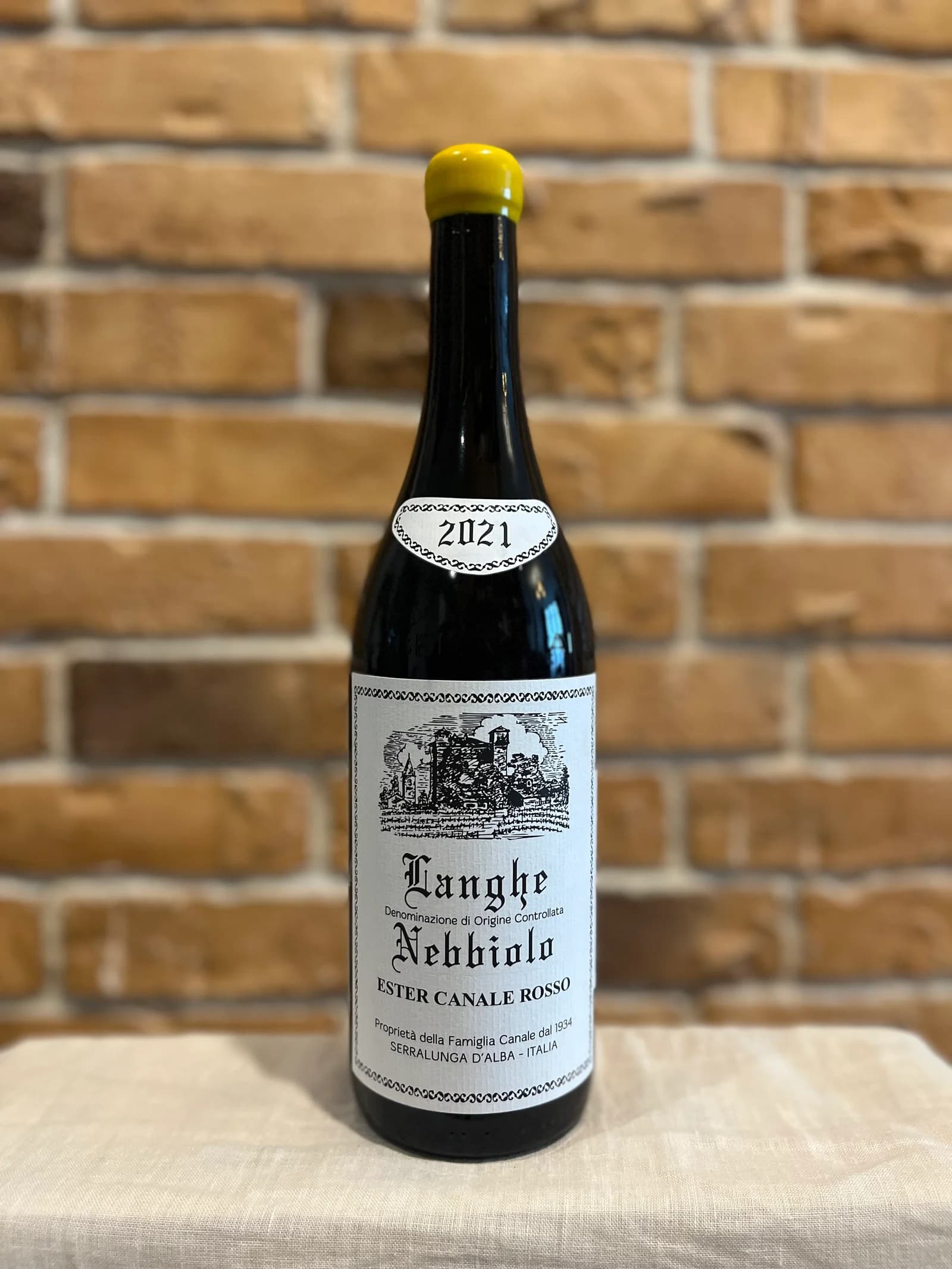
The full note is for members.
Join to read it and the restComm. G.B. Burlotto Barolo 2017
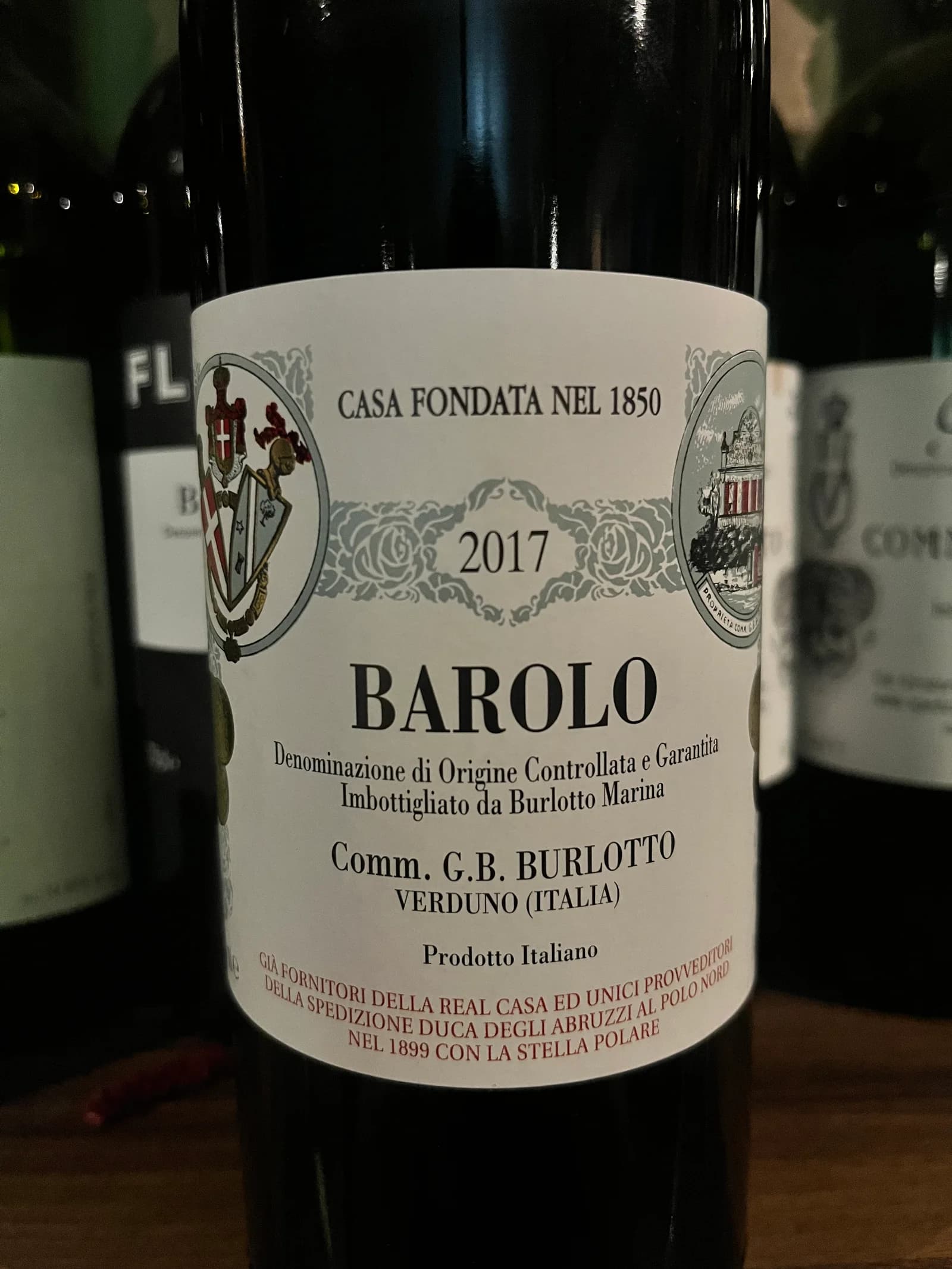
The full note is for members.
Join to read it and the restComm. G.B. Burlotto Barolo 2016
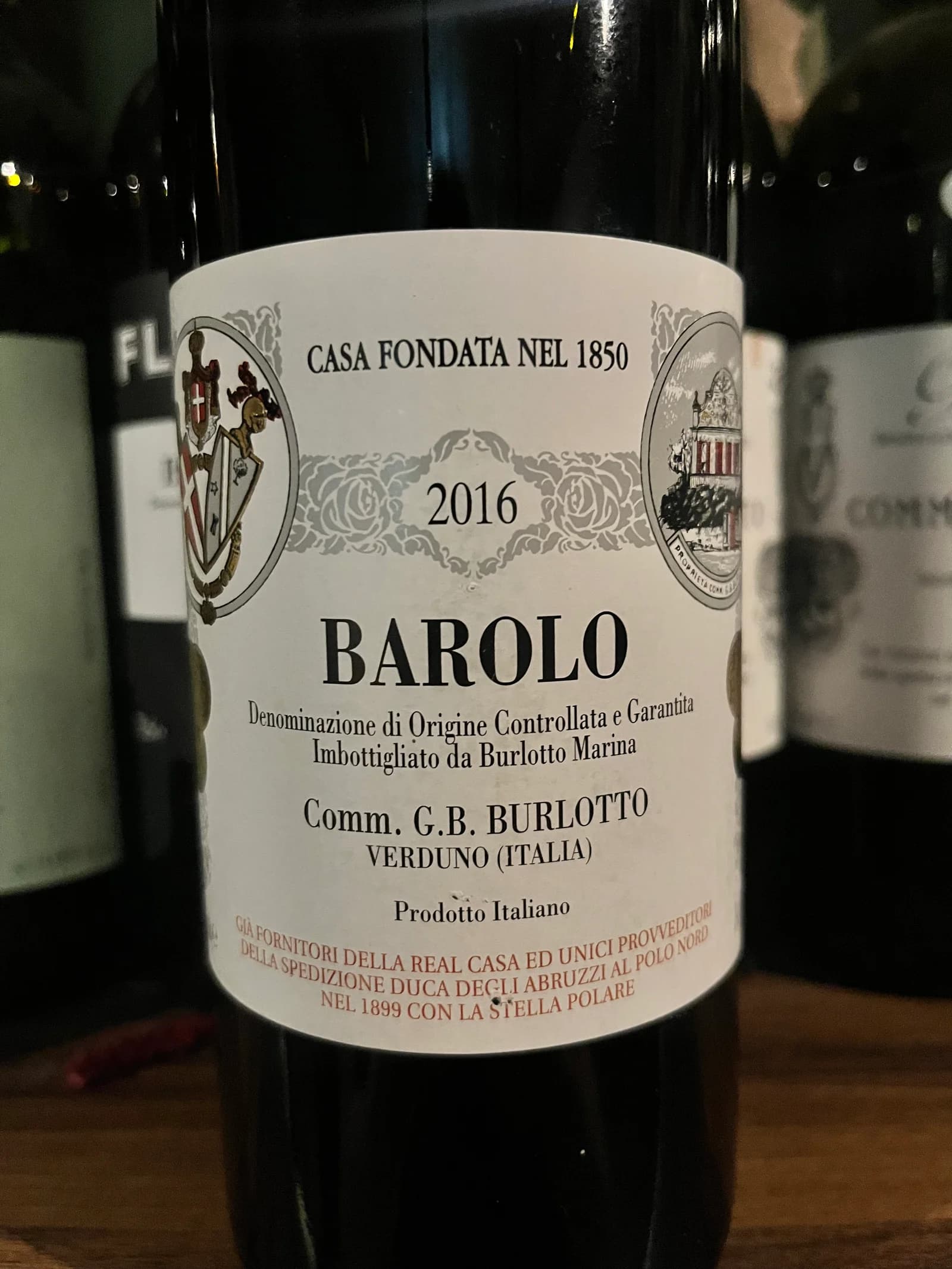
The full note is for members.
Join to read it and the restComm. G.B. Burlotto Barolo 2015
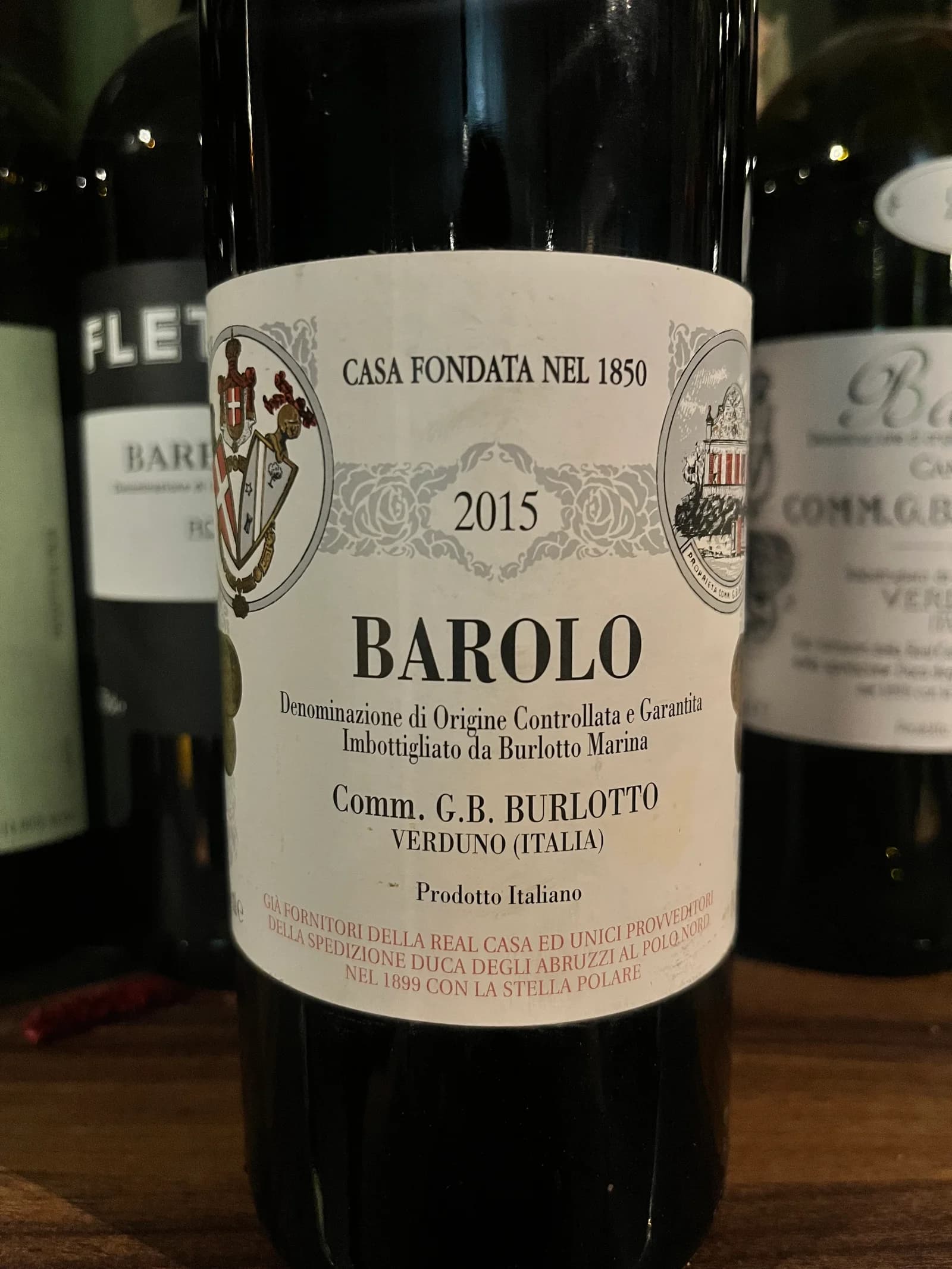
The full note is for members.
Join to read it and the restComm. G.B. Burlotto Barolo 2014
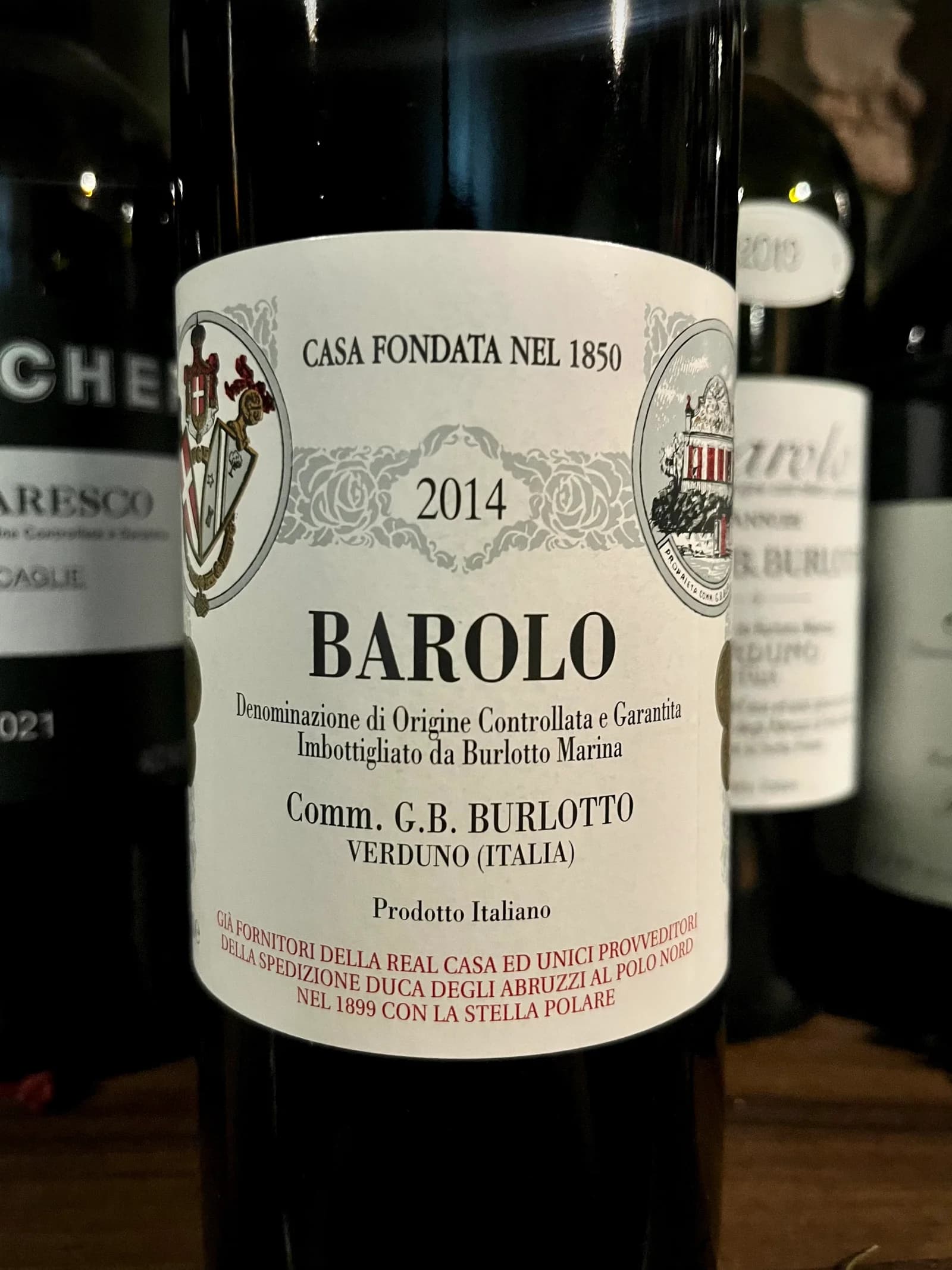
The full note is for members.
Join to read it and the rest